REVIEW · PERU
Cusco: Half-Day City Tour
Book on GetYourGuide →Operated by Libertrek Peru Travel Agency · Bookable on GetYourGuide
In Cusco, big wonders stack fast. This tour packs you into the Inca–Catholic storyline right away, starting at the city’s nerve center and then walking through the old streets toward the Temple of the Sun. I like how the stops aren’t just postcard points; they come with context so you understand what you’re looking at.
My second real win is the mix of guided time and breathing room. You get a structured visit at Sacsayhuaman, then actual time to wander the ruins on your own before heading onward. One drawback to plan around: it can feel a bit rushed early on, and the $22 price doesn’t include several entry fees and a site ticket.
What To Expect From The Day (And What You’ll Actually See)
After pickup from your hotel (if you selected it when booking), you ride into Cusco and begin at Plaza de Armas, the main square. From there, you visit the cathedral area and take in the flow of locals and visitors around Cusco’s historic core. Then you keep the momentum by walking through Inca-era streets toward Qoricancha, which houses the Temple of the Sun.
At Qoricancha, the guide focuses on the clash between Inca culture and Catholicism, and on what the different building methods look like side by side. After that, you continue down Avenida El Sol and take a scenic bus ride out of the city to Sacsayhuaman. You’ll get a guided tour there, plus some independent time to explore before the day continues to Qenqo and the Temple of Water area.
The final stretch is smaller, more symbolic sites and water features. At Qenqo you’ll see the sacred altars plus Puka Pukara, a small circular structure. Then you move to Tambomachay, known as the Temple of the Water, where you can enjoy the fountains before returning to Plaza de Armas to finish your day on your own.
In This Review
- Key Highlights Worth Prioritizing
- Plaza de Armas Cathedral: Where Cusco’s Center Starts
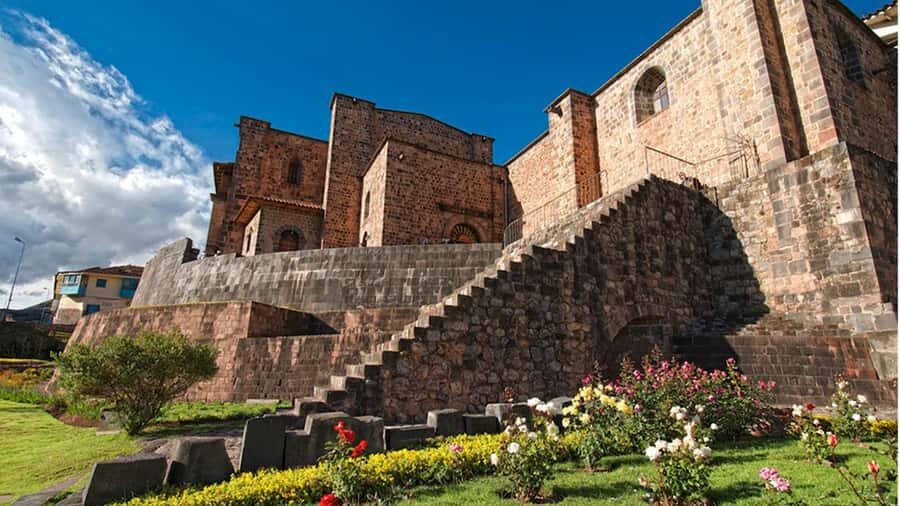
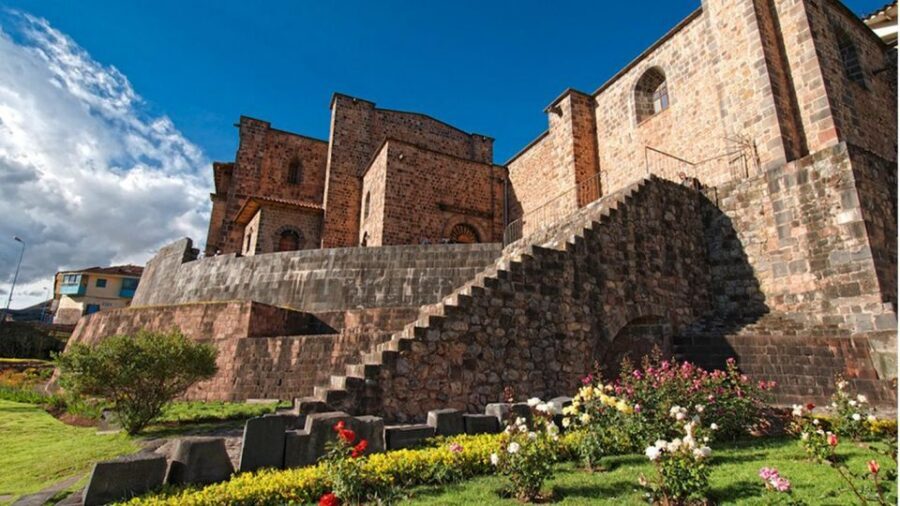
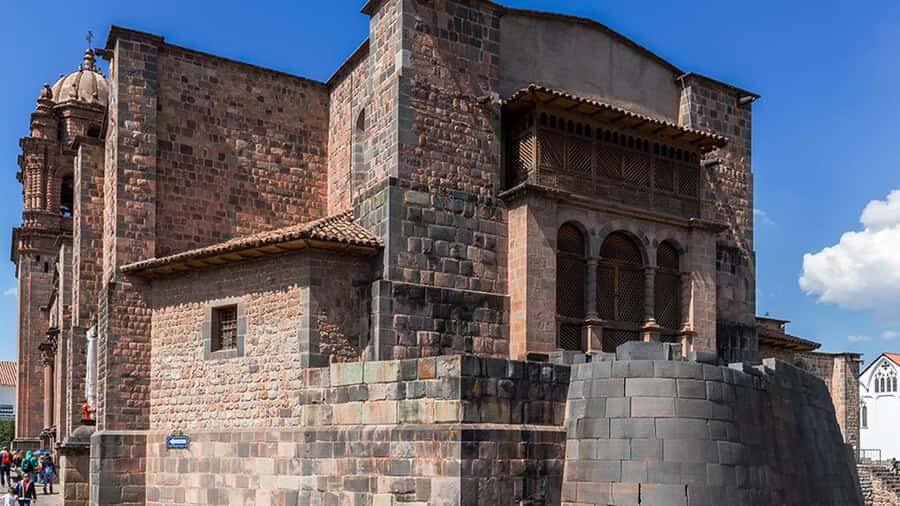
- Qoricancha (Temple of the Sun): Inca Stone Meets Catholic Walls
- Avenida El Sol to Sacsayhuaman: The Bus Ride That Changes the View
- Qenqo, Puka Pukara, and Tambomachay’s Water Temples
- Price and Value: What $22 Covers (And What Costs Extra)
- Languages, Audio Guide, and How You’ll Follow Along
- Timing: How Six Hours Can Feel Rushed (And How to Work With It)
- Who This Tour Suits Best
- Should You Book the Cusco Half-Day City Tour?
- FAQ
- How long is the Cusco half-day city tour?
- Does the tour include hotel pickup?
- What’s included in the price?
- What entrance fees are not included?
- Where is the meeting point?
- What should I bring?
- Can I cancel for a refund?
Key Highlights Worth Prioritizing
- Plaza de Armas + cathedral visit: start where Cusco’s daily life and historic importance meet
- Qoricancha’s Inca–Catholic contrast: see how building styles overlap, not just that they existed
- Sacsayhuaman with guide + free time: structured interpretation plus time to look around
- Qenqo altars and Puka Pukara: smaller details that feel special when the guide points them out
- Tambomachay fountains: a quieter ending with water features to slow your pace
Plaza de Armas Cathedral: Where Cusco’s Center Starts
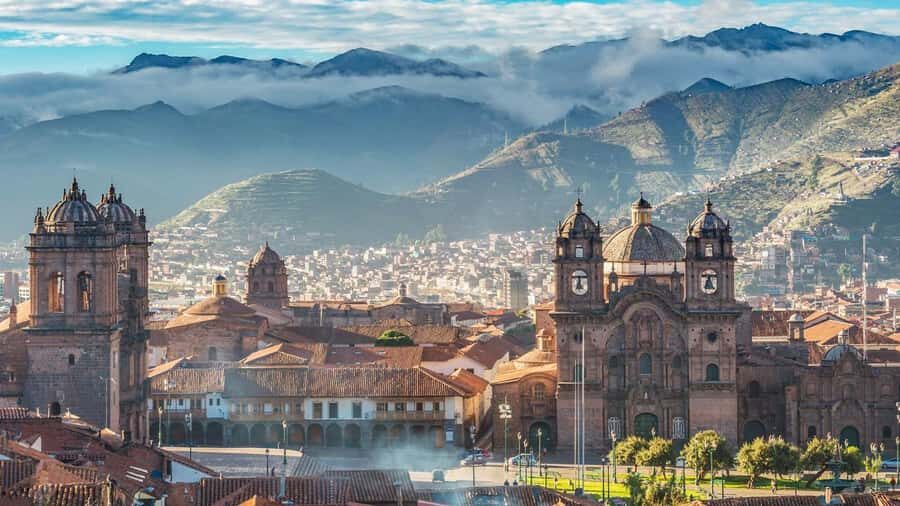
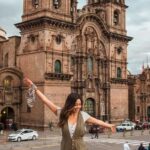
This tour begins in the most logical place: Plaza de Armas. It’s busy, it’s photogenic, and it’s also where you quickly get your bearings. Seeing the cathedral in this setting matters because you’re not viewing it like a museum. You’re watching it sit inside real Cusco life while the square buzzes around it.
The cathedral stop also sets the theme for the day. You’ll see how Catholic influence anchored itself right in the middle of an Inca world. The timing is typically tight, so don’t expect long wandering here. Treat this as your launchpad: get the main orientation, ask questions if you want more background, and then you’ll be ready for the Inca streets.
Practical note: the cathedral entrance fee is not included (40 soles). Budget for it in advance, because it’s one of the first add-ons you’ll hit.
You can also read our reviews of more city tours in Peru
Qoricancha (Temple of the Sun): Inca Stone Meets Catholic Walls
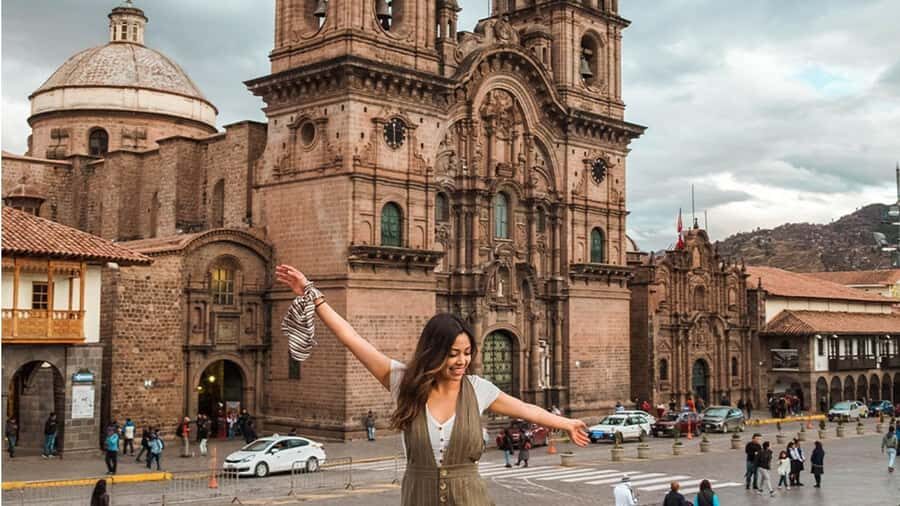
Qoricancha is where the tour turns from sightseeing into understanding. You’ll walk from the plaza area through Cusco’s Inca streets, and then you reach the site that contains the Temple of the Sun. This is a powerful stop because the guide isn’t only pointing out what’s there. They explain why the site looks the way it does.
You’ll learn about the clash between Inca culture and Catholicism, including the idea of how conquest and conversion changed the physical space. Even if you only catch parts of the explanation, the visual contrast helps: you’re watching Inca building methods meet later architecture. That’s the whole lesson in stone—how eras leave marks on top of each other.
There’s also a language payoff here. You’ll have a live bilingual guide in English and Spanish, plus an included audio guide in the same languages. That combination is handy when you want to follow along without feeling lost if your attention drifts for a photo.
Practical note: Qoricancha entry is not included either (20 soles). If you’re budgeting tightly, plan to have cash ready so you don’t delay the group.
Avenida El Sol to Sacsayhuaman: The Bus Ride That Changes the View
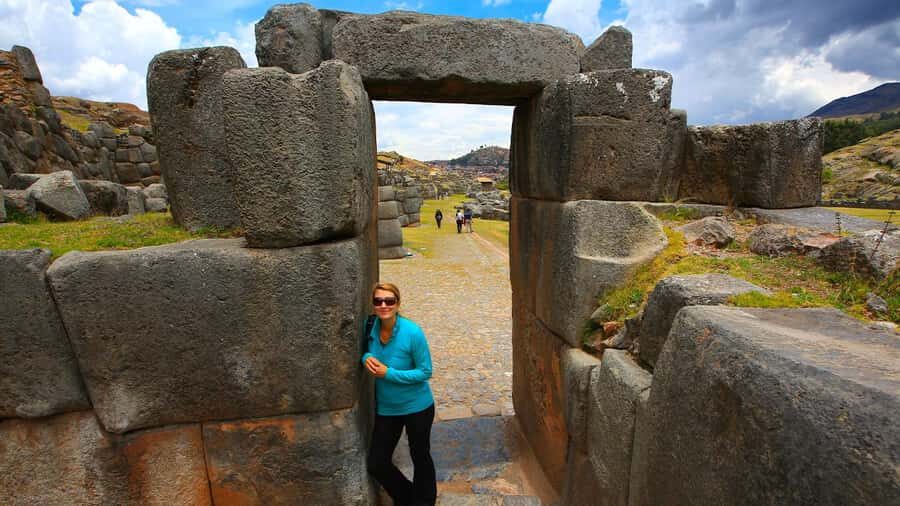
After Qoricancha, you take Avenida El Sol and then switch gears to a bus ride out of town. This is more than a transfer. The ride gives you a visual shift—from compact city streets to the broader Inca site setting. By the time you arrive at Sacsayhuaman, your eyes are primed to focus on the scale and layout.
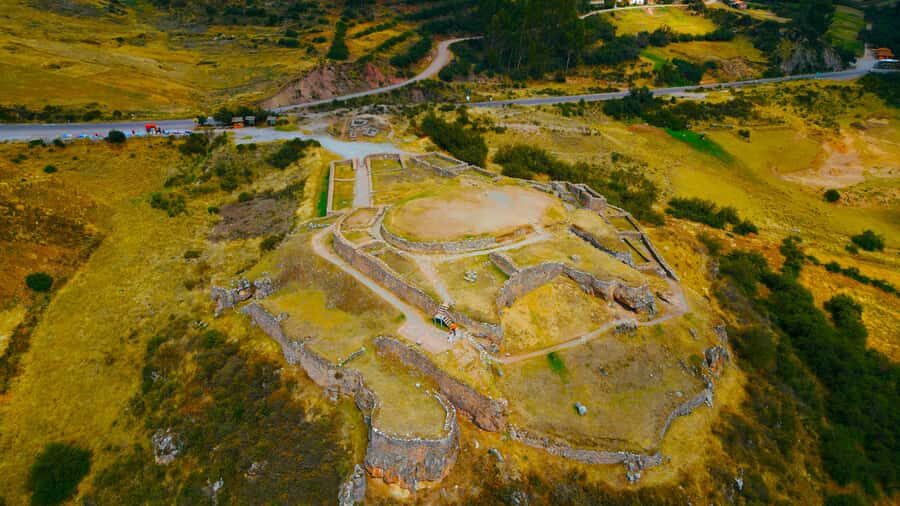
Sacsayhuaman is one of those ruins that works in two modes. With the guide, you’ll get the structured walk—what to look for and what details matter. Then you also get time to explore on your own, which I appreciate. It means you can slow down at the spots that catch your eye instead of rushing through everything because the group is moving.
One of the best practical touches is how the tour team stays organized. In at least one case, the team helped a late-arriving participant catch up with the group. So if you’re ever delayed, don’t panic—there’s an approach to rejoining.
Practical note: the tour is a half-day format, and time goes quickly once you’re out of town. Bring a calm mindset: enjoy the guided part, then use your independent time well.
Qenqo, Puka Pukara, and Tambomachay’s Water Temples
After Sacsayhuaman, the day moves to Qenqo. This is a different vibe from the big walls at the major sites. Qenqo is more about atmosphere and symbolism—especially around the sacred altars and the smaller features the guide will point out.
You’ll see the altars at Qenqo, and you’ll also look for Puka Pukara, a small circular area. Even if you’re not trying to memorize names, having the guide direct your attention makes a difference. Without that, it can feel like you’re looking at ruins only. With the explanation, the shapes start to mean something.
Then comes Tambomachay, often called the Temple of the Water. Here, the focus shifts to the fountains. This stop is a great pacing reset near the end of the tour. It breaks up the heavier interpretation and gives you a few moments where you can simply watch water features and take in the site without needing to track every talking point.
Practical note: entry to some archaeological sites outside the city requires an additional tourist ticket (70 soles). The tour description frames this as the archaeological-site ticket outside the city, so treat it as part of your planning checklist for the outbound stops.
Price and Value: What $22 Covers (And What Costs Extra)
The headline price is $22 per person, for a six-hour experience with tourist transportation and a professional bilingual guide in Spanish and English. For Cusco, that’s a reasonable structure because you’re getting both guided interpretation and the logistics handled for the day’s route.
That said, don’t let the $22 number hide the rest of the budget. Several entrance fees and a site ticket are not included:
- Cathedral entrance: 40 soles
- Qoricancha (Temple of the Sun): 20 soles
- Tourist ticket for archaeological sites outside the city: 70 soles
So when you compare value, you’re really comparing two things:
1) You’re paying the tour price for guide time, transport, and the overall flow of stops.
2) You still need to pay site entry separately, because historic sites charge admission.
If you’re the type of traveler who enjoys context—especially the Inca-versus-Catholic building story—this is where your $22 earns its keep. If you’d rather walk around alone with minimal interpretation, you might feel the time pressure more strongly.

Languages, Audio Guide, and How You’ll Follow Along
One of the most praised parts of this tour is the quality of the explanations in English and Spanish. The guide doesn’t just rattle off names. You’ll get a clear walk-through of what you’re seeing, with enough detail to answer questions.
You also receive an included audio guide in English and Spanish. That matters because Cusco can be fast-moving: you look at stonework, you glance at viewpoints, and you want to keep up without feeling like you’re always playing catch-up. The audio support gives you a second track to rely on if you miss something while taking photos or pausing to look closely.
Based on feedback, the guide style includes strong engagement—plus the tour team can help you catch up if you arrive late. That’s not a small thing in a city where schedules can slip.
Timing: How Six Hours Can Feel Rushed (And How to Work With It)
A half-day tour means no long lunches, no leisurely detours, and a tight sequence of stops. That’s the trade-off you’re making for hitting a lot of major Cusco highlights.
There’s a specific consideration: the first stop can feel rushed if you’re someone who wants extra time in the cathedral area or in the plaza. One way to deal with that is mindset. Treat Plaza de Armas and the cathedral as your orientation phase. If you want more time for photographs or quiet observation, save it for later in the day after the tour ends, when you’re back in the square.
Use your independent time at Sacsayhuaman wisely. That’s the moment in the schedule where your pace can slow down a bit. If you try to linger everywhere, you’ll feel the squeeze.
Who This Tour Suits Best
This tour fits best if you want:
- a guided Cusco route with bilingual interpretation
- a focused blend of major Inca sites plus the Inca–Catholic contrast
- transportation support so you can avoid stitching together routes on your own
It’s also a good choice if you like structure but still want some personal time at Sacsayhuaman. If you prefer very slow travel and deep time at each site, you’ll likely want a longer tour instead, because this one is designed to keep moving.
Should You Book the Cusco Half-Day City Tour?
I’d book it if you want maximum meaning for a limited amount of time. The best part is the way the tour connects what you see—especially at Qoricancha—to the bigger story of Cusco’s changing world. Add the bilingual guide and audio guide, and you have multiple ways to stay oriented.
I’d think twice if entrance fees and extra site-ticket costs would stress your budget, or if you hate the feeling of being timed at the start. The upside is that once you’re past the early portion, you still get real guided attention at Sacsayhuaman, and the smaller stops like Qenqo and Puka Pukara are the kind of details that land better when someone points them out.
If your plan includes returning to Plaza de Armas afterward, this half-day format can work really well. You get the big hits with context, then you still have your own time to wander Cusco at your speed.
FAQ
How long is the Cusco half-day city tour?
It lasts about 6 hours.
Does the tour include hotel pickup?
Pickup from your hotel is offered if you selected this option when booking.
What’s included in the price?
The tour includes tourist transportation and a professional bilingual guided tour in Spanish and English. An English/Spanish audio guide is also included.
What entrance fees are not included?
The cathedral entrance fee is 40 soles, Coricancha entrance is 20 soles, and you’ll need a 70-sol tourist ticket for archaeological sites outside the city.
Where is the meeting point?
The meeting point is at Plaza de Armas, referenced at the monument to the Inca.
What should I bring?
Bring your passport or ID card and cash.
Can I cancel for a refund?
Yes. You can cancel up to 24 hours in advance for a full refund.