REVIEW · PERU
From Cusco: Inka Suspension Bridge Qeswachaca – Qeswachaka
Book on GetYourGuide →Operated by Turismo iPeru · Bookable on GetYourGuide
A rope bridge day in the Andes. The Q’eswachaka Inca Hanging Bridge over the Apurimac River is the headline, and the Pomacanchi lake stop adds calm, photogenic breathing room before you step onto the planks. The trade-off is simple: it’s a long day, with a lot of driving between viewpoints, so go in ready for bus time.
I like that meals are covered—breakfast and lunch—plus the tour includes a first aid kit and oxygen. You also get a real comparison stop at the Colonial Inca Bridge of Checacupe, which helps you spot what changed over time in bridge design.
You’ll spend the day with a guide (English or Spanish) who focuses on how the bridge works and why the local communities keep it alive. When the day clicks, it feels less like a checklist and more like seeing a craft you can almost touch.
In This Review
- Key Things That Make This Tour Work (and Why)
- Early Pickup and the 12-Hour Rhythm From Cusco
- Lake Stops Near Cusco: Pomacanchi, Acopia, Asnaqocha, and Pampamarca
- Pabellones Volcano Near Yanaoca: A Tiny Ticket, Big Depends-on-You Energy
- Q’eswachaka Rope Bridge Over the Apurimac: The Moment That Earns the Ride
- Checacupe’s Colonial Inca Bridge: What You’re Meant to Compare
- Food, Comfort, and the Small Logistics That Matter
- Price in Real Terms: Is $47 Good Value?
- Who Should Book Q’eswachaka From Cusco (and Who Should Rethink It)
- Should You Book Q’eswachaca With This Tour?
- FAQ
- How long is the tour from Cusco to Q’eswachaka?
- Where is the pickup and where do we finish?
- What lakes do you visit on the way to the bridge?
- What costs extra besides the tour price?
- What’s included in the price?
- Do I need an entrance ticket to cross the suspension bridge?
- What languages are the guides?
- Is the tour wheelchair accessible?
Key Things That Make This Tour Work (and Why)
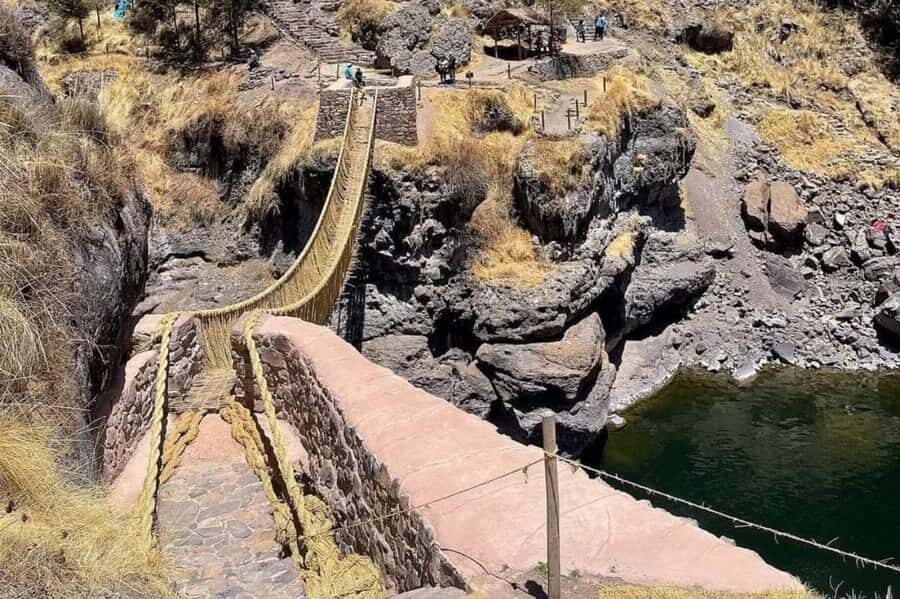
- Hand-woven bridge craft: the bridge is woven from ichu plant fibers and maintained annually by local communities.
- Lake stops with real pause time: Pomacanchi, Acopia, Asnaqocha, and Pampamarca (or Tungasuca) keep the drive from feeling nonstop.
- A guided crossing moment: you’ll have a guided visit at Q’eswachaka, not just a quick photo.
- Checacupe for comparison: stop at the Colonial Inca Bridge of Checacupe to compare features side-by-side.
- Early start, late finish: pickup starts between 4:30 AM and 5:10 AM, and you end around 5:00 PM near Plaza Kusipata.
- Extra small tickets may apply: the suspension bridge entrance (S/20) and the mini-volcano ticket (S/2) aren’t included.
Early Pickup and the 12-Hour Rhythm From Cusco
This is a full-day outing. You’ll be picked up from your Cusco hotel between 4:30 AM and 5:10 AM, then head southwest for about 2 hours. After that, the day becomes a chain of stops: lake photo time, a short visit near Yanaoca, the main bridge, and then a final comparison bridge on the return.
Timing matters here. There are stretches where you’re mostly on the road, and the overall day can feel packed even if each stop is worthwhile. If you’re the type who needs frequent bathroom breaks, pack patience and consider planning ahead so the long day feels less stressful.
One practical note: pickup is included, and you’ll want to be ready in the lobby about 10 minutes before your scheduled pickup time. On at least one departure, the vehicle arrived earlier than expected and then adjusted back to the planned timing—so if you’re ever unsure, keep an eye on messages and your watch, not just the calendar.
This tour is run by Turismo iPeru, and it’s designed for one big goal: get you from Cusco to Q’eswachaka early enough to enjoy the bridge experience without rushing it to death.
You can also read our reviews of more tours and experiences in Peru.
Lake Stops Near Cusco: Pomacanchi, Acopia, Asnaqocha, and Pampamarca
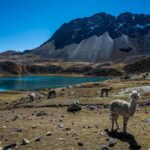
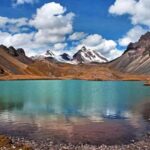
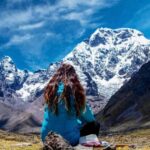
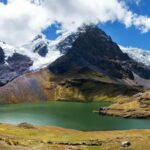
Before you reach the river bridge, the itinerary keeps you above the drama with a string of scenic lake stops. You’ll make a photo stop at Lake Pomacanchi for about 25 minutes. Then you’ll pass by other lakes around the Tungasuca area—Acopia, Asnaqocha, and Pampamarca—where the schedule builds in time for a quiet moment by the water.
I love stops like this for two reasons. First, they break up the long drive so the day doesn’t feel like a nonstop transfer. Second, they set you up mentally for Q’eswachaka. You’re moving from lake altitude and open views into river country and then into a tight, focused crossing moment.
The downside is that these lakes are usually more about short stops than long walks. So if you’re chasing a big hike day, keep expectations modest. Still, the views and the stillness are often the part you remember between the earlier bus hours and the main event later.
If you’re taking photos, think about layers and gloves too. Early morning in the Andes can be chilly, and you’ll spend time outside.
Pabellones Volcano Near Yanaoca: A Tiny Ticket, Big Depends-on-You Energy
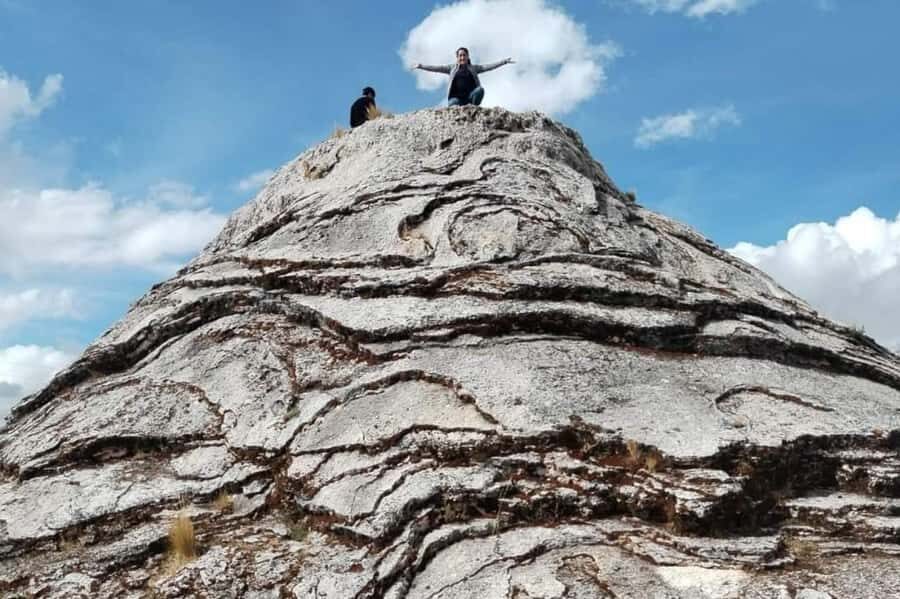
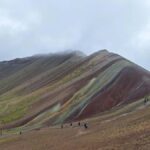
After the lakes, the tour makes a stop near Yanaoca to visit the small Pabellones Volcano area. This is where you’ll see an extra ticket cost: the mini-volcano ticket is S/2, and it’s not included.
Here’s the honest way to think about it: this stop can feel like filler if your one mission is the bridge. Some departures treat it as a gentle add-on for variety and scenery. Others may make you feel like you’re paying for a detour that doesn’t add much if you’re already impressed by the river setting.
If you go in curious—expecting a brief viewpoint stop rather than a big attraction—you’re more likely to enjoy it. If you’re short on time in the Sacred Valley area and you only care about Q’eswachaka, you might end up wishing that hour went somewhere else. In that case, at least know ahead of time that the ticket is tiny, and you control your expectations.
Q’eswachaka Rope Bridge Over the Apurimac: The Moment That Earns the Ride
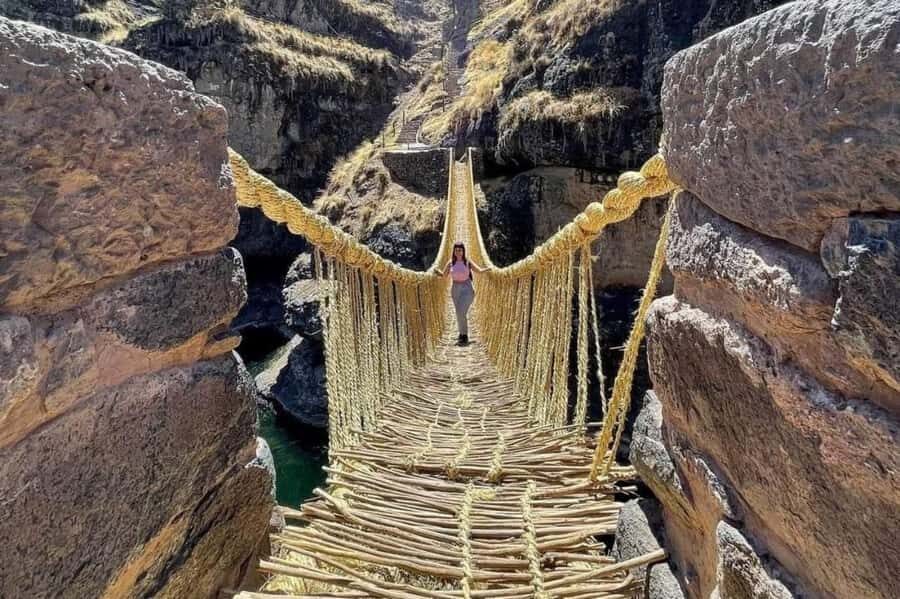
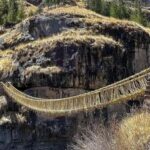
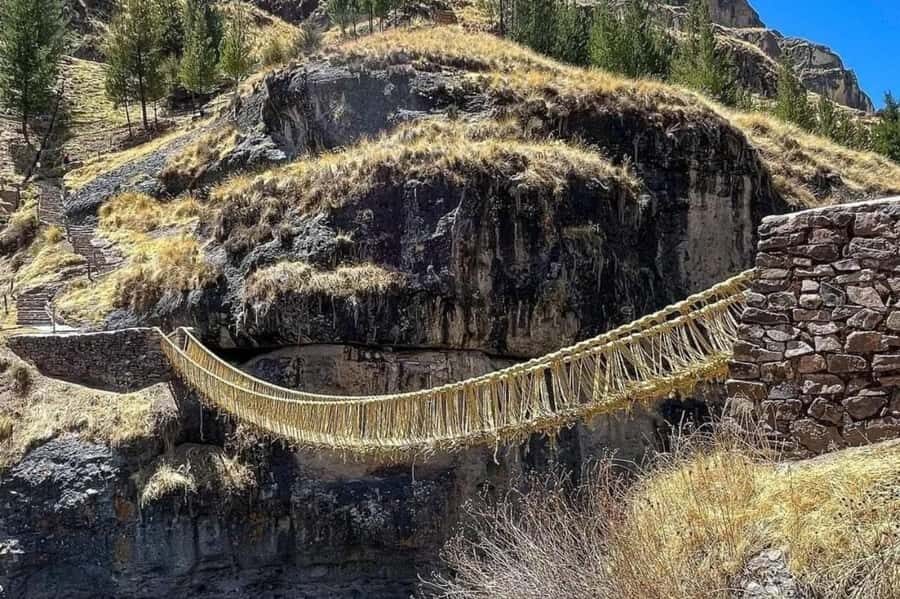
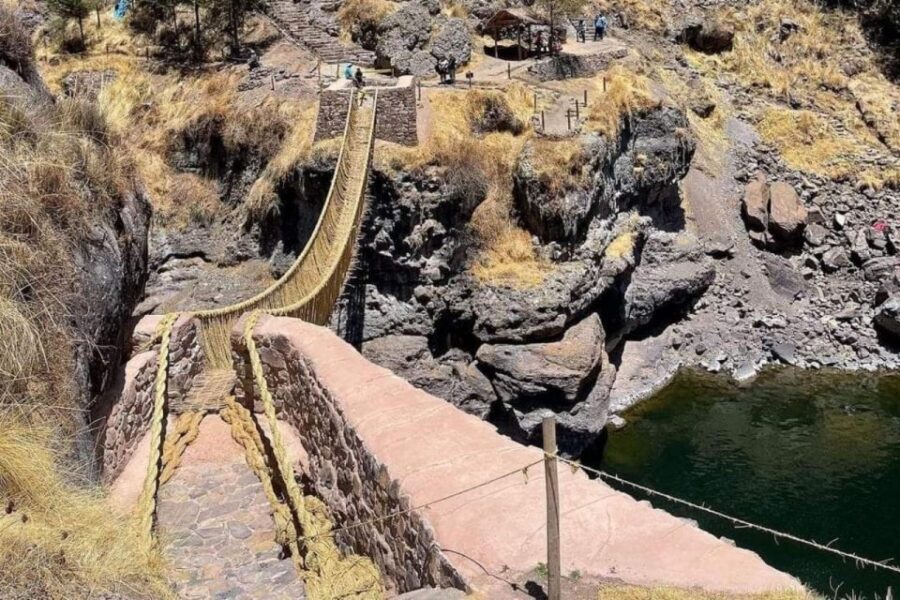
Now for the main event. You’ll reach the Apurimac River and then head to the Q’eswachaka Rope Bridge in the district of Quehue. This is the Inca hanging bridge woven from ichu (plant fibers). It’s not a museum piece. It’s maintained every year by local inhabitants from the surrounding four communities.
When you arrive, you’ll get a guided visit and explanations about the bridge’s construction and care. In one example, the guide named Roland talked through the technique and also connected it to the Inca way of thinking—plus he shared plenty about Peru and the Andes, including climate and local flora and fauna. That kind of storytelling is what can turn the bridge from a photo moment into a real understanding.
Expect a walk approach and then the crossing experience. The crossing is known for being high and wiggly—in other words, you’ll feel it under your feet. If you want value from the tour, this is the part that matters most. If you only want views from afar, you may wonder why the day spent so long getting there.
Practical tips that help: wear grippy shoes, keep your phone secured, and listen to the guide for how to move when the bridge flexes. If you’re nervous, the best strategy is calm pacing and following instructions. Also, since this is at altitude territory and the day is long, having the included oxygen and first aid kit is a comforting safety detail, even if you never need it.
Finally: there’s an entrance ticket for the suspension bridge—S/20, and you’re told there’s skip-the-ticket-line help.
Checacupe’s Colonial Inca Bridge: What You’re Meant to Compare
On the return to Cusco, the tour stops at the Colonial Inca Bridge of Checacupe. The point isn’t just to see another bridge—it’s to compare.
Standing at Checacupe after Q’eswachaka makes design differences easier to spot. You can focus on how the bridge is built, what looks similar across the two, and what seems different in materials and structure. It’s a useful way to understand that “Inca bridge” wasn’t a single template. There were choices, changes, and influences over time—especially as colonial-era building traditions took hold.
This comparison stop also helps break the mental fatigue of the drive home. Instead of just watching the scenery fade into highway monotony, you get one last active moment before you finish near Plaza Kusipata around 5:00 PM.
If you’re the type who likes to learn while seeing, this stop is a good match. If you’re mostly bridge-focused, it may feel like a second event that’s lighter than the first—but it still supports the bigger story.

Food, Comfort, and the Small Logistics That Matter
The tour includes breakfast and lunch, and in practice these meals tend to be more than just a quick snack. Some days come with varied buffet-style options, which helps when the day is long and you don’t want to think about where your next meal is coming from.
Still, don’t ignore the day structure. Even when meals are good, the gaps between them can feel long. You may find that the time from breakfast to lunch is stretched out, depending on traffic and the pace of the day. That can affect energy levels, so bring your own strategy: drink water when you can, and have a small snack backup in case you’re hungry between stops.
Also pay attention to comfort basics. The tour is not suitable for wheelchair users, so physical mobility is part of the day. Plan for walking short distances, standing for viewpoints, and handling some uneven ground near rivers and bridges.
And while the day includes a first aid kit and oxygen, it doesn’t replace common sense. Wear layers, especially early. Bring sun protection. And when you stop at lakes, treat it as outdoors time—cold or windy air can sneak up on you.
Price in Real Terms: Is $47 Good Value?
At $47 per person, this tour is priced like a midrange Cusco-day trip with transportation and guide included. The key value point is that you’re paying for the logistics of getting to Q’eswachaka and for a guided visit at the bridge, not just for a couple quick stops.
What’s not included matters for your budget:
- Suspension bridge entrance: S/20
- Mini-volcano ticket: S/2
So your all-in cost is likely a bit higher than the base price once you add those small entry fees. But those extra amounts are still modest compared with the value of getting both an Inca craft experience and a comparison bridge stop.
Where value can feel better—or worse—is in pacing and guide experience. When your guide explains clearly and keeps the story flowing, the day feels worth every hour. When the language doesn’t match your expectations or the schedule feels too driven-by-transit, the same trip can feel less satisfying.
A smart move: confirm the guide language level you booked. The tour states bilingual guide options in English and Spanish, but language skills can vary by departure day.
Who Should Book Q’eswachaka From Cusco (and Who Should Rethink It)
This tour fits best if:
- you care about the Q’eswachaka bridge crossing as the main goal
- you like short stops with good views, not long hikes
- you want a guided explanation of how the bridge works and why it’s maintained
It’s also a good choice if you enjoy comparison moments. Checacupe gives you a chance to see how a similar idea looks in a different era.
Rethink it if:
- you hate long bus days and want minimal driving
- you’re only interested in the most dramatic stop and don’t want extra detours like the mini-volcano
- you need frequent planned breaks (the schedule can feel tight)
If you do book, go in with the right mindset. This is an early-to-late day, designed around the bridge. Plan for the pace, and you’ll get far more from the experience.
Should You Book Q’eswachaca With This Tour?
Yes—if your priority is the living Inca bridge experience and you’re okay with a full-day plan. The strongest reason to book is that the day is built around Q’eswachaka plus a meaningful comparison at Checacupe. The inclusion of meals and safety items like oxygen and first aid also adds real practical value for a long outing.
But if your ideal day in the Andes is relaxed, with long bathroom-friendly pauses and minimal driving, then be cautious. The structure can feel transit-heavy, and add-ons like the mini-volcano may not justify their time for everyone.
My advice: book it when you’re genuinely excited to walk the bridge and learn the craft. If you’re going mainly for photos, you might end up wishing you’d spent your day differently.
FAQ
How long is the tour from Cusco to Q’eswachaka?
The tour lasts 12 hours.
Where is the pickup and where do we finish?
Pickup is from your Cusco hotel. The tour finishes around 5:00 PM near Plaza Kusipata.
What lakes do you visit on the way to the bridge?
You’ll have photo or scenic stops at Lake Pomacanchi and also lakes such as Acopia, Asnaqocha, and Pampamarca (or Tungasuca lakes).
What costs extra besides the tour price?
The suspension bridge entrance costs S/20 and the mini-volcano ticket costs S/2. Personal expenditures are also not included.
What’s included in the price?
Included are hotel pickup, transportation, a bilingual tour guide, breakfast and lunch, and a first aid kit and oxygen.
Do I need an entrance ticket to cross the suspension bridge?
Yes. The suspension bridge entrance ticket costs S/20 and is not included in the base price.
What languages are the guides?
The guide is listed as English and Spanish.
Is the tour wheelchair accessible?
No. The tour is marked as not suitable for wheelchair users.