REVIEW · PERU
Ausangate 7 Lagoons Tour 1 day + Buffet Breakfast and Lunch
Book on GetYourGuide →Operated by Tour Valle Sagrado Vip · Bookable on GetYourGuide
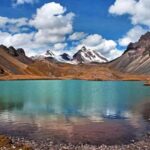
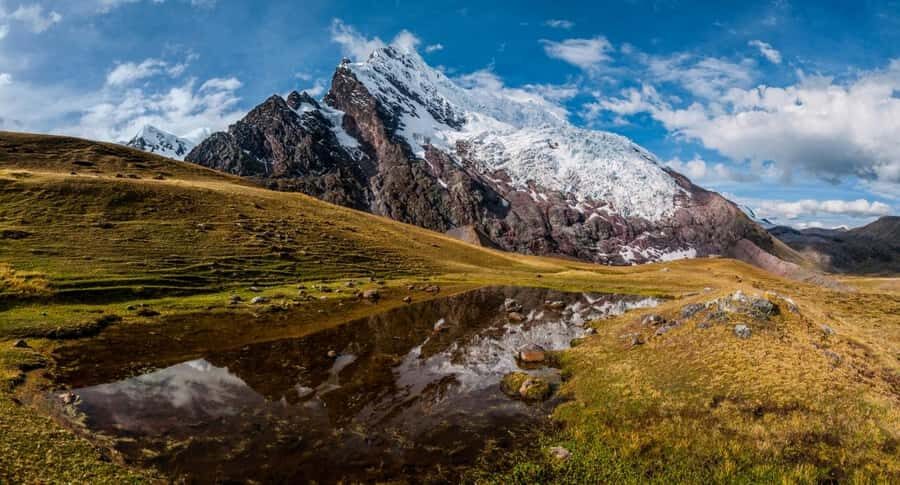
That bright Andean water hits early in the day. This Ausangate 7 Lagoons route is one long parade of turquoise-and-blue basins, with a short glacier area hike that makes the altitude feel real fast. I especially like the variety of lagoons you’ll see back-to-back, and the way the scenery keeps changing as you climb toward 4,600 m. The one drawback to plan around: the pace and condition of the group can vary, so you’ll want to go in with steady, conservative energy and a lot of patience during the early start.
You’ll begin in Cusco before most of the city wakes up, then ride out to Pacchanta for breakfast and a guided walk. Expect clear viewpoints, alpacas and llamas in the grasslands, and a steady focus on photos and sightseeing, not speed-challenges. Also, note the practical mismatch in timing: the hiking portion is described both as about 3 hours of walking (around 12 km) and as a longer day segment (about 5 hours round trip). Either way, it’s a full-morning mountain effort, so pack smart.
In This Review
- Key things you’ll remember about the Ausangate 7 Lagoons tour
- Sunrise start from Cusco: why this tour feels different
- Pacchanta breakfast: fuel for the climb, not just a snack
- The 7 lagoons route: colors, reflections, and named targets
- Hike time and distance: plan for effort, not just hours
- Glacier-adjacent hiking: the “short” part that still counts
- The walkback to Pacchanta: when legs start negotiating
- Lunch and hot springs at Aguas Termales Pacchanta: recovery with real value
- Altitude reality check: who should take it and who should skip
- What’s included (and what you’ll pay separately)
- Tour guide and group experience: how to make it smooth
- What to pack so the day feels comfortable
- Is this the right tour for you?
- FAQ
- What time is hotel pickup in Cusco?
- How long is the hike and what distance should I expect?
- What lagoons will we visit?
- Are meals included?
- Do I need to pay for the Ausangate entrance ticket and hot springs?
- What should I bring and what isn’t allowed?
Key things you’ll remember about the Ausangate 7 Lagoons tour
- 4:30 a.m. pickup from Cusco: you’ll be on the road while it’s still dark, then working your way up to high-altitude lagoons
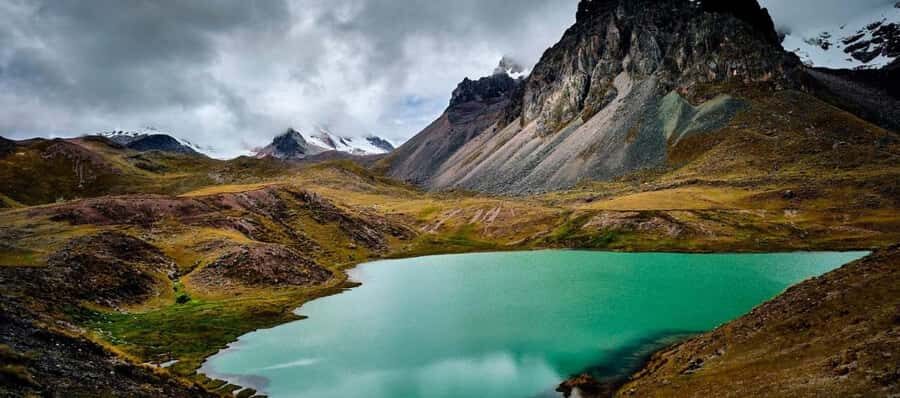
- Seven named lagoons in one outing: Azulcocha, Otorongo, Pucacocha, Alqacocha, Q’omercocha, Orqo Otorongo, and China Otorongo
- Alpacas, llamas, and Andean birds along the way, plus occasional wildlife sightings that change your photo angles fast
- Altitude jump from 4,200 to 4,600 m: go slow, hydrate, and don’t treat this like a casual stroll
- Hot springs in Pacchanta after lunch: a short soak break to ease legs and reset your body
- Meals included, but not extras: breakfast and lunch are covered, while hot springs admission and the Ausangate entrance ticket cost extra
Sunrise start from Cusco: why this tour feels different
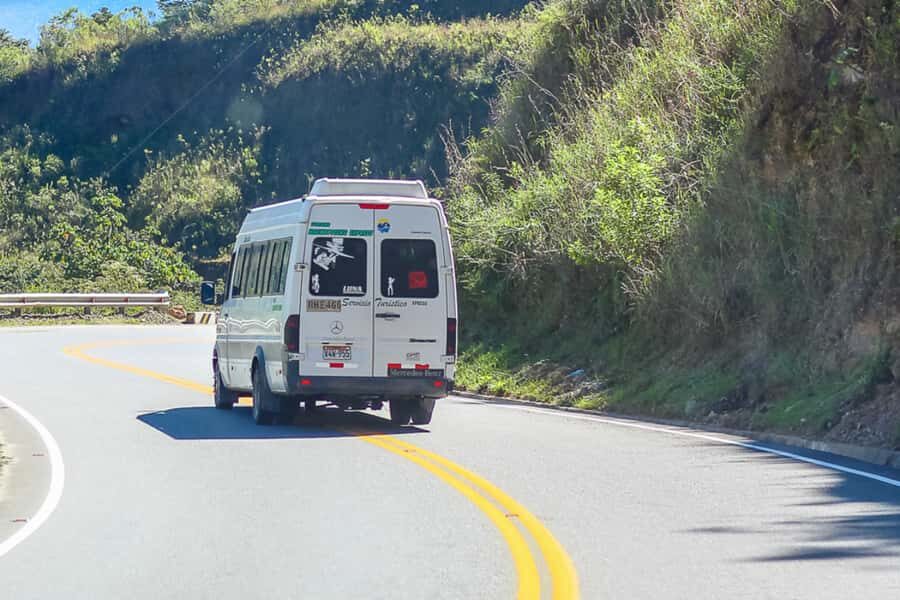
This is the kind of day trip that starts with a punch. You’re picked up from central Cusco around 4:30 a.m. (with options like Centro Histórico and Plazoleta de San Blas), and you’re headed out by tourist transport for about 3 hours toward Pacchanta. The early timing matters here. Higher Andean weather can shift quickly, and starting early usually gives you better odds of clear views across the lagoon chain.
I like that the plan is straightforward: get you fed, get you hiking, then bring you back for food and recovery. There’s no “surprise free time” stretching the day into something annoying. You’ll return to Cusco around 7:30 p.m., which means you’re getting a full experience without turning it into an overnight mission.
One practical note: this tour runs around the clock of the mountain. If you’re the type who needs a slow wake-up, plan to set alarms the night before and keep your morning routine tight. The early departure isn’t just a schedule detail; it affects how much energy you’ll have when you start climbing.
A few more Peru tours and experiences worth a look
Pacchanta breakfast: fuel for the climb, not just a snack
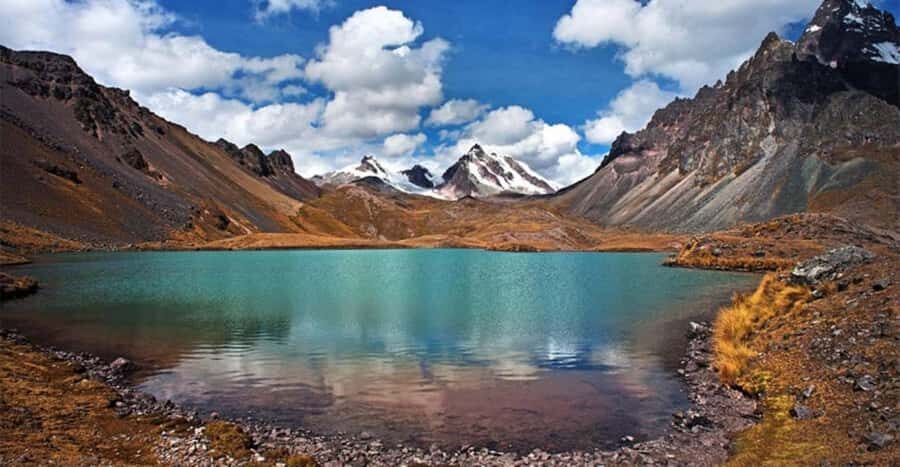
In Pacchanta, you’ll stop for breakfast (about 40 minutes). Then the guided walk begins, climbing gradually to your first lagoon and continuing on to the rest of the water stops. This is a smart setup. Breakfast early in the day helps more than you’d think because you’ll be working at altitude soon after.
What you’re paying attention to on this leg:
- A steady start: you’re going from breakfast straight into ascent, so your body needs normal “working” fuel
- The guide’s pacing cues: a good guide will help you keep a rhythm that matches the altitude, not a race-team rhythm
A small reality check: the included breakfast quality may not feel equally strong for every day or every group. If you’re picky about food, you can still enjoy the day, but it helps to arrive ready to eat what’s provided and not make breakfast your main meal mood.
The 7 lagoons route: colors, reflections, and named targets
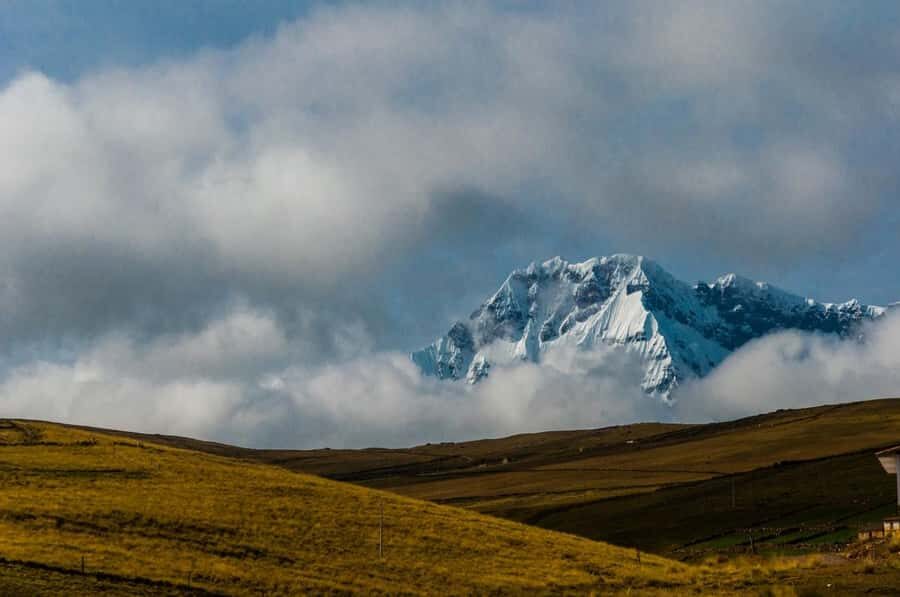
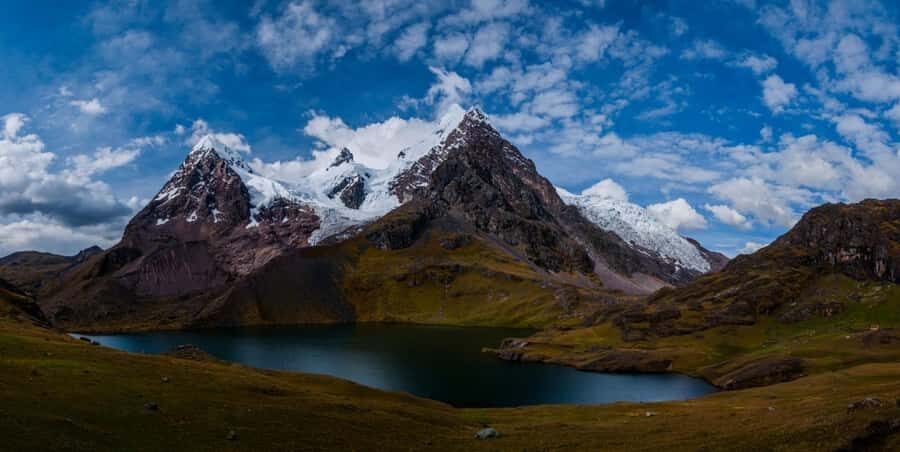
This is the heart of the experience. You’ll visit seven lagoons, usually in a chain that makes the colors feel like different moods rather than one repeated view. You’ll be on a guided route that mixes photo stops, sightseeing, and a steady walk.
Here are the lagoon names you’ll encounter:
- Azulcocha
- Otorongo
- Pucacocha
- Alqacocha
- Q’omercocha
- Orqo Otorongo
- China Otorongo
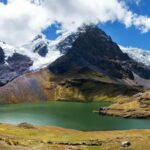
The tour description highlights blue, turquoise, and green tones. In practice, the most memorable part is how the light changes across each stop. Some lagoons look like natural mirrors, so the view can flip from “pretty color” to “reflection spectacle” with only small changes in angle and cloud cover.
Also, watch for wildlife. Along the way, you may spot Andean birds, plus alpacas and llamas that live around the pasture edges. Sometimes you’ll notice them once you slow down, because they blend into the terrain until you’re closer. Vizcachas can also show up, and those quick sightings are the kind you remember later because they’re not planned.
Hike time and distance: plan for effort, not just hours
Expect the on-foot segment to total about 3 hours of walking and around 12 km, while the overall hiking portion of the day can feel closer to 5 hours round trip. That difference matters: you’re not only walking; you’re also stopping for photos, adjusting to altitude, and absorbing the view.
The altitude is part of the math too. You’ll start the walk around 4,200 m and reach about 4,600 m. That’s high enough that your breathing will change even if you’re fit. You don’t need to panic—just respect it. If you treat every uphill like it’s the same as a city sidewalk, that’s when people burn energy fast.
Glacier-adjacent hiking: the “short” part that still counts
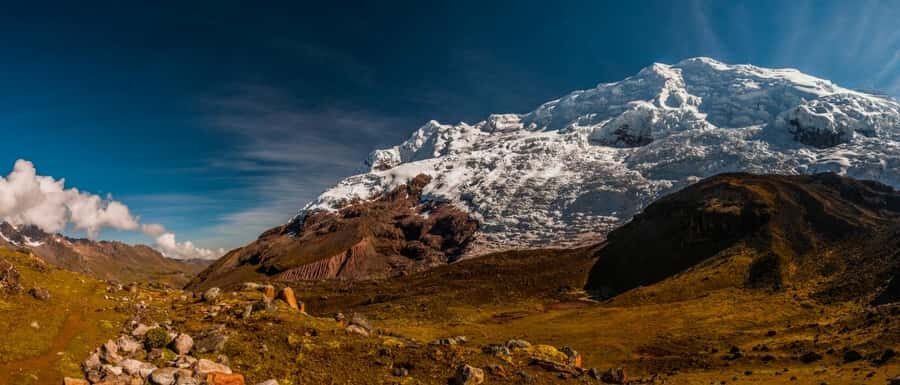
The experience includes a short 1-day hike to the Ausangate glaciers area. The word short can fool people. In these altitudes, “short” still means your body feels every meter of elevation.
What I like about including this is that it prevents the day from becoming only a lagoon photo tour. The glacier connection gives the lagoons a larger story. The water, the rock, the starkness—everything feels connected to the ice and climate system above the valley.
Your best strategy: keep your effort smooth. Don’t sprint to the viewpoint. Let the guide’s pace set your tempo, and use small breath breaks on inclines. If your group has slower members, the mountain doesn’t care—your progress will still happen, just with more stops.

The walkback to Pacchanta: when legs start negotiating
After the last lagoon stop, you return to Pacchanta. There’s a break time segment (around 40 minutes) before lunch, plus some shopping/free time. This is where the day’s rhythm matters.
You’ll likely want to:
- drink water regularly
- keep your layers adjusted (cold mornings heat up once the sun works)
- avoid sitting too long in damp spots
If your legs feel like lead, that’s normal. The high-altitude fatigue can hang around even after you stop climbing. This is why the hot springs later aren’t a luxury add-on—they’re part of why the day feels manageable.
Lunch and hot springs at Aguas Termales Pacchanta: recovery with real value
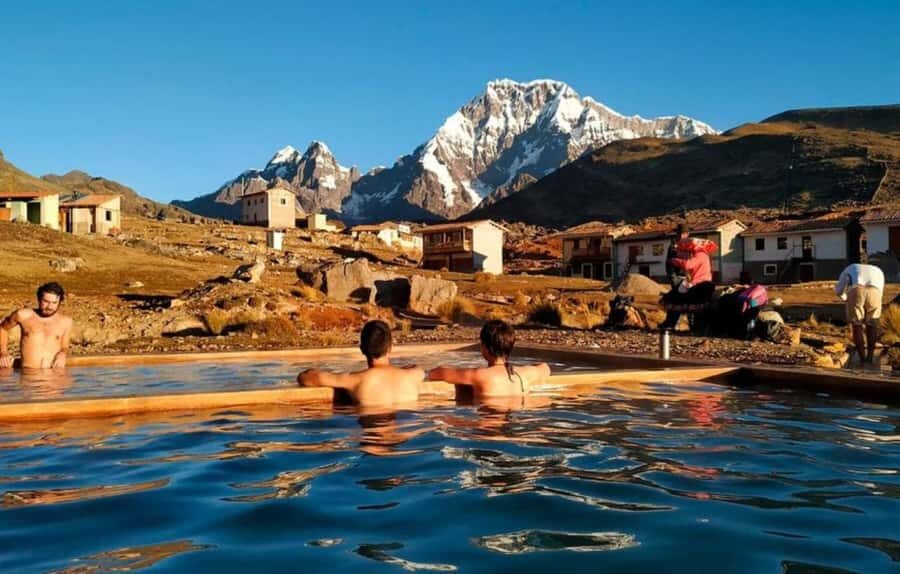
Lunch is included back in Pacchanta, with free time afterward (and a chance to buy small items if you want). Then you’ll head to Aguas Termales Pacchanta for hot springs (about 50 minutes).
Here’s the important part: the hot springs admission is not included. You’ll want to bring enough cash for the s/ 5.00 hot springs fee, plus budget for the other extra costs (see FAQ). Still, it’s a worthwhile add-on because the soaking time is timed well—after hiking, when your body wants to reset.
You also bring swimwear and a change of clothes because wet-to-dry transitions are part of the experience. A towel helps, and closed-toe shoes are safer for the walk in and around the area.
Altitude reality check: who should take it and who should skip
This tour is not for everyone. It’s listed as not suitable for:
- pregnant women
- people with heart problems
- people over 130 kg (287 lbs)
- people with recent surgeries
- people over 95 years
Even if you fall outside those categories, altitude is still altitude. Starting around 4,200 m means you should take conservative steps: pace yourself, keep hydrated, and don’t treat it like a casual stroll.
If you’re worried about altitude effects, bring travel insurance and follow your own health guidance. And if you’re going with friends, agree on a “no heroics” rule: stop when you need to stop, and don’t force conversation as a distraction from breathlessness.
What’s included (and what you’ll pay separately)
This tour includes a lot of the scaffolding that makes a long day work:
- Pickup from your hotel area in Cusco
- Tourist transport (the road portion is about 3 hours)
- Guide with experience in English and Spanish
- First aid kit and permanent assistance
- Breakfast and lunch
You’ll pay separately for:
- Ausangate entrance ticket (s/ 20.00)
- Hot springs admission (s/ 5.00)
- Last dinner (on your own) and personal expenses
On value: the price you pay is low for the combination of early transport, bilingual guidance, full meals, and the recovery soak. The extras aren’t huge, but they do matter for budgeting. If you’re traveling with tight cash flow, count those s/ costs upfront so you’re not improvising at the end of a long day.
Tour guide and group experience: how to make it smooth
Your guide speaks English and Spanish, which is a big plus if you’re trying to understand the story behind the lagoons. That said, language ability can still vary by day and by who’s leading your specific group. If you want good explanations, ask your guide for a quick overview early, and use simple questions like what to look for at the next lagoon.
Also keep this in mind: group members may not all be at the same fitness level. If someone needs more time, it can slow parts of the day. You can reduce stress by:
- setting a personal goal of finishing calmly, not fast
- keeping a relaxed pace from the start
- planning extra patience for photo stops and altitude breaks
A small tip that helps everywhere at altitude: keep your communication simple. If you feel faint, speak up early. Don’t wait until it turns into panic.
What to pack so the day feels comfortable
The checklist given for this tour is solid. Here are the items I’d treat as non-negotiable:
- Comfortable hiking shoes (closed-toe matters)
- Layers for cold mornings and warmer afternoons
- Sun protection: sunglasses and hat, plus sunscreen
- Water and a daypack
- Rain gear (mountain weather can change)
- Gloves (yes, even when the day is sunny—cold starts are real)
- Swimwear + towel + change of clothes for hot springs
- Socks and breathable clothing
Also bring your ID (passport or ID card) and keep some cash for the add-on fees.
Is this the right tour for you?
Book this tour if you want a high-altitude day with structure, strong scenery, and good recovery built into the schedule. You’ll probably love it if you:
- enjoy guided hikes with photo stops
- are comfortable with altitude and can hike uphill at a steady pace
- want both lagoons and a glacier-area component
- appreciate being fed twice during a long mountain day
Skip it (or look for a lower-altitude option) if you’re not comfortable with 4,200–4,600 m effort, have heart concerns, or you’re recovering from surgery. Also, if you know you struggle with very early mornings, plan ahead—this is a 4:30 a.m.-plus day.
FAQ
What time is hotel pickup in Cusco?
Pickup starts around 4:30 a.m. from hotel or Airbnb locations, with two pickup options listed in the city center.
How long is the hike and what distance should I expect?
The tour describes the hiking portion as about 3 hours and around 12 km, and it also describes the overall hiking segment as lasting closer to 5 hours round trip. Expect it to take most of the morning.
What lagoons will we visit?
You’ll visit Azulcocha, Otorongo, Pucacocha, Alqacocha, Q’omercocha, Orqo Otorongo, and China Otorongo.
Are meals included?
Yes. Breakfast and lunch are included. Your last dinner is not included.
Do I need to pay for the Ausangate entrance ticket and hot springs?
Yes. The Ausangate entrance ticket is s/ 20.00, and hot springs admission is s/ 5.00. These are not included in the tour price.
What should I bring and what isn’t allowed?
Bring comfortable shoes, sun hat and sunglasses, rain gear, gloves, water, sunscreen, plus swimwear, towel, and a change of clothes for the hot springs. Not allowed items include weapons or sharp objects, alcohol and drugs, and littering.