REVIEW · LIMA
Half-Day Local Communities and Social Tour in Lima
Book on Viator →Operated by Alternative Peru · Bookable on Viator
Lima’s “other side” comes with real stories. This half-day social tour takes you from an enormous hill cemetery to community entrepreneurs in San Juan de Miraflores, with time to talk and ask questions. I love that it mixes striking sights with human context, but I also think you should be ready for sun, uneven ground, and some walking on a hillside.
You’ll spend about 5 to 6 hours total, and the day is paced so you’re not just watching from afar. It’s private, with hotel pickup and drop-off, plus an authentic Peruvian lunch cooked by a local. One trade-off: traffic can slow transfers in Lima, so you’ll want a bit of flexibility if you have a strict schedule.
The best part is the feeling that you’re not “collecting photos.” You’re stepping into a place where people are building solutions—workshops, youth programs, and community-led projects—while also keeping daily life moving.
In This Review
- Key things to know before you go
- Lima’s hill communities: why this tour feels different
- Stop 1: Cementerio de Nueva Esperanza and Andean burial traditions
- Stop 2: San Juan de Miraflores home businesses, community leaders, and real lunch
- The homemade lunch: what to expect
- After lunch: projects, youth support, and why it’s not just sightseeing
- The guides and the small details that make it meaningful
- Price and value: what $182 buys you in Lima
- Timing, traffic, and how to protect your schedule
- What to wear and bring so the day stays comfortable
- Is this tour good for you?
- Should you book this half-day social tour?
- FAQ
- How long is the tour?
- What’s included in the price?
- Do I need to pay admission for the cemetery?
- Is there walking involved?
- What should I bring because of the weather?
- What happens if the tour is canceled?
Key things to know before you go
- Cementerio de Nueva Esperanza: a major cemetery with colorful Andean burial traditions and big photo angles
- San Juan de Miraflores community visit: home-based businesses, neighborhood leaders, and everyday realities
- Lunch with a local cook: home-style Peruvian food served in a real household setting
- Your tour supports a social project: the itinerary includes a direct contribution to community work
- Small-group, private format: you won’t be shuffled through with a large crowd
- Sun and footwear matter: bring sunscreen and wear closed shoes for uneven terrain
Lima’s hill communities: why this tour feels different
This is one of those Lima experiences that doesn’t stop at the postcard. You start by leaving the main tourist pull, then head into the hill communities where residents build homes, businesses, and community projects with limited resources. The pace is respectful: you’re visiting homes and gathering places, not treating people like an exhibit.
I like that the tour gives you context instead of a one-note story. You’ll hear about daily challenges, but you’ll also see what locals have created—practical initiatives that keep helping the neighborhood move forward.
Because it’s structured around meeting people, you’ll likely come away with a clearer picture of how life works outside the polished city center. And yes, you’ll still get the kind of scenery that makes cameras work overtime.
A few more Lima tours and experiences worth a look



Stop 1: Cementerio de Nueva Esperanza and Andean burial traditions
The day begins with a 50-minute drive out toward the hills. Then you arrive at Cementerio de Nueva Esperanza, described as the second-largest cemetery in the world. It’s set among settlements and hills, so the view is part of the experience, not just the cemetery walls.
Plan for about 30 minutes here. That’s usually enough time to understand what you’re looking at, soak in the colors, and grab photos from angles that feel surprisingly artistic. The place has a strong visual identity: brightly colored details, lots of individual touches, and a sense of personal presence rather than a single uniform look.
What makes it especially meaningful is the burial approach. Instead of a purely Catholic, purely “formal” cemetery, you’ll learn about Andean burial traditions and how culture shows up in the spaces families create. In conversations with guides, you may also hear about the way Catholic symbols can mix with local beliefs, including charms and offerings tied to remembrance. If that topic interests you, ask questions—this stop is the right time.
Practical note: this cemetery visit is outdoors and exposed. Bring your sunglasses and hat and treat this like a photo walk in strong sun. If your neck or back gets sore on uneven ground, you may want to move slowly and take a breather when you need it.
Stop 2: San Juan de Miraflores home businesses, community leaders, and real lunch
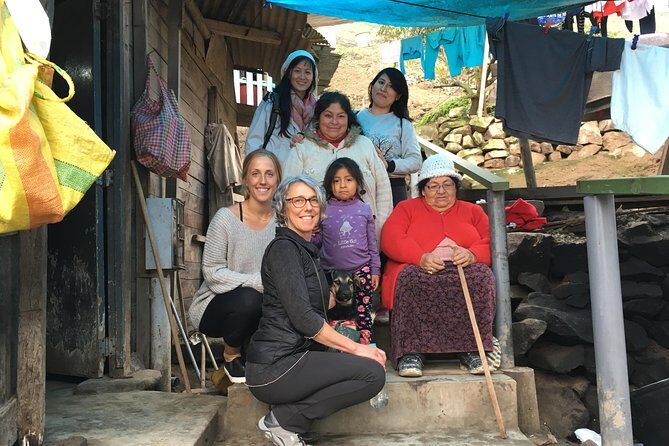
After the cemetery, the tour heads to San Juan de Miraflores, where the neighborhood story becomes very human. You’ll visit a local woman’s small business and artisan workshop in her house. This is where you start learning about how entrepreneurship works when space, money, and infrastructure are limited.
From there, a bilingual guide teams up with a local guide who knows the area and can connect you with families and community leaders. This matters because local knowledge changes the tone of the visit. Instead of following a script, you get real neighborhood framing: where people work, how they help each other, and what still needs attention.
The homemade lunch: what to expect
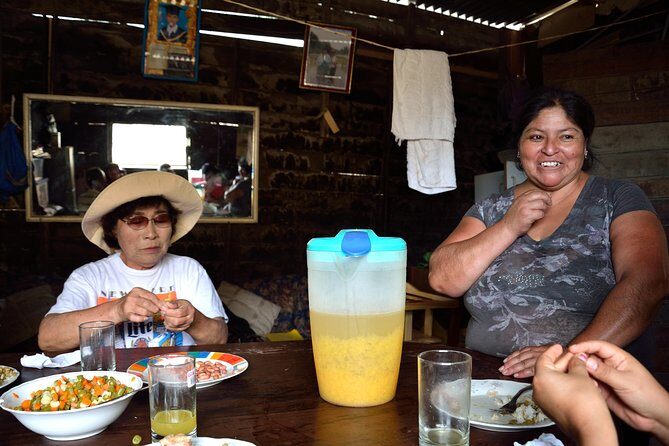
The itinerary includes a stop at the house of the local cook, who prepares lunch for you. Expect an authentic Peruvian meal served in a household setting. In past tours, diners have mentioned comfort-food style dishes like chicken and rice, plus regional drinks made with simple ingredients.
This is one of the most praised parts of the day. People tend to leave with more than a full stomach. They also leave with the cook’s story—why she cooks, how she supports her family or the broader community, and what life looks like day-to-day.
A good tip: treat lunch like a conversation, not a break from learning. If you’re curious about what you’re eating, ask about ingredients and cooking habits. You’ll pick up more than you expect.
After lunch: projects, youth support, and why it’s not just sightseeing
Once you’ve eaten, you’ll continue around the neighborhood with the local guide. This is where you’ll hear about community projects and what your tour supports. The tour description notes that on some days you may even see activities involving participating kids, which adds a lived-in sense to the visit.
The tone stays practical. You’re not just told what the community needs; you’re shown what’s already working and how community leaders are involved. If you’re the type who likes to understand systems—who organizes, who teaches, who follows up—this portion will click.
One more thing I appreciate: the tour doesn’t pretend problems don’t exist. Lima can be hard, especially with water access, crowded living conditions, and intense heat. The tour acknowledges that, then balances it with the neighborhood’s resilience and ongoing improvements.





The guides and the small details that make it meaningful
Names come up in this tour experience, and that matters because it humanizes the day. Guides such as Alfredo have been highlighted for being both informative and engaging, and people describe feeling comfortable asking lots of questions. If your guide is Alfredo, you’ll likely get a clear, patient explanation style that helps you understand what you’re seeing instead of guessing.
You’ll also meet a local guide in the community, and that second voice is key. A local guide can translate more than language. They can translate context—what’s normal here, what’s new, what visitors usually miss, and what the community wants outsiders to understand.
If you’re wondering whether this tour feels like a cultural lecture, it usually doesn’t. It feels like guided conversation plus a few planned stops. You can adjust your pace with questions rather than forcing the day to move at your speed.
Price and value: what $182 buys you in Lima
At $182 per person for a private half-day format, this isn’t a bargain-tour price. But it also isn’t “paying for transportation and a photo stop” either.
You’re paying for:
- Hotel pickup and drop-off
- Private transportation (important in a traffic-heavy city)
- A local guide plus bilingual support
- Lunch prepared by a local cook
- Admission for the cemetery
- A contribution to the social project visited
That combination changes the value equation. You’re not just touring; you’re actively included in a community visit where your presence comes with a direct support element. And because it’s private, you’re less likely to feel rushed through someone else’s itinerary.
If you’re looking for a Lima experience that gives you both context and support, this price starts to make sense. If you only want top-tier sights with no neighborhood connection, you might feel the cost more strongly.
Timing, traffic, and how to protect your schedule
This day runs about 5 to 6 hours, but Lima timing can be unpredictable. The transfer to the first stop is around 50 minutes, and after that, you’re moving between locations where the pace is structured but still subject to road conditions.
The tour notes that traffic can vary a lot. So if you must be back by a specific time—like catching a late dinner reservation or a flight—tell the company when you book. Build in buffer time, even if you start with optimism.
Also remember: you’ll be outside at midday. Even when it’s cloudy, the sun can be strong most of the year. Bring your sunscreen, water, and a hat, and consider sunglasses too.
What to wear and bring so the day stays comfortable
This is not a “wear sandals and stroll” tour. It involves some walking on uneven terrain, and the ground can be rocky or sloped. Comfortable closed-toe shoes or sneakers are a must.
If you have serious back or neck problems, the tour is not recommended. Not because it’s extreme, but because hillside walking and outdoor standing can add strain.
A simple packing list helps:
- Comfortable sneakers
- Sunscreen
- Water
- Hat
- If you have food restrictions, communicate them when booking
One more smart move: bring a small amount of cash or cards only if you’re told it’s appropriate. The tour includes lunch and admission, so you’re not required to spend, but you might see artisan work in homes and workshops.
Is this tour good for you?
I’d put this tour in the “best fit” category if you want:
- Real neighborhood context outside the usual Lima circuits
- A meaningful lunch experience with a local cook
- A cemetery visit that connects to living traditions, not just monuments
- A structured way to support community projects
It’s also a great option if you’ve already seen Lima’s standard highlights and want something that changes your perspective.
It’s less ideal if you:
- Want only major, famous landmarks
- Get uncomfortable in bright sun for long periods
- Have mobility limits that make uneven ground hard
The tour is private, so you won’t be fighting for attention with a crowd, which makes questions easier and the conversation more relaxed.
Should you book this half-day social tour?
If your goal is to understand Lima through people and projects—not just streets and views—then yes, I think this is a strong booking. The cemetery stop is visually memorable, and the neighborhood visit gives you the “why” behind what you’re seeing, especially through home-based businesses and community leaders. The homemade lunch is also more than a meal; it’s a story you sit down to share.
The main reason to pause is comfort and schedule. You’ll deal with heat, uneven ground, and traffic timing that you can’t fully control. If that sounds manageable for you, this tour offers real value for money by combining admissions, guidance, lunch, transport, and a direct social contribution in one focused half-day.
FAQ
How long is the tour?
The tour runs about 5 to 6 hours.
What’s included in the price?
Lunch, a local guide, private transportation, hotel pickup and drop-off, and a contribution to the social project visited are included. Admission ticket(s) for the cemetery are also included.
Do I need to pay admission for the cemetery?
Yes, admission for the cemetery stop is included in the tour.
Is there walking involved?
There is some walking on uneven terrain. Wear comfortable closed-toe shoes or sneakers, not sandals.
What should I bring because of the weather?
The sun can be very strong most of the year. Bring sunscreen, water, and a hat.
What happens if the tour is canceled?
If cancellation happens due to extremely poor weather, political situation, or other unexpected events, you’ll be given an option for an alternative date or a full refund.