REVIEW · CUSCO
Excursion to the Sacred Valley and Machu Picchu by Panoramic Train
Book on Viator →Operated by Illa Kuntur Travel Agency · Bookable on Viator
A trip with great timing is half the battle. This one strings together Pisac, the Sacred Valley highlights, and Machu Picchu with private guiding and train logistics handled for you. I like that it keeps the day moving while still giving you guided context, including a buffet lunch on the Valley day and a guided Machu Picchu circuit.
Two standouts for me are the hands-on Sacred Valley pacing (Pisac archaeology, then the artisan market) and the quality of on-the-ground guidance, with guides like Rubin and Samuel earning real praise. The main consideration is this is a tight schedule with a train day plus a bus day, so you’ll want to be comfortable with early starts and packed time blocks.
In This Review
- Key things to know before you go
- Cusco to the Sacred Valley by morning pickup and a well-paced day
- What I like about starting with Pisac
- The one tradeoff
- Pisac archaeological complex: where the guide helps you see faster
- Pisac artisan market: textiles and jewelry you can actually browse
- Urubamba buffet lunch: included fuel before Ollantaytambo and the train
- Ollantaytambo to Aguas Calientes by train: your Machu Picchu launchpad
- Where you sleep: Terraza de la Luna or similar
- The next morning: entering Machu Picchu with a private guide
- Why the guide matters at Machu Picchu
- The circuit after the guided tour: bus back to Aguas Calientes and lunch timing
- Vistadome train back to Ollantaytambo: comfortable return with the views on your side
- Tickets, dates, and the “do not gamble” Machu Picchu reality
- Wayna Picchu add-on: great if you plan early, annoying if you don’t
- Price and value: what you’re paying for at $590 per person
- Who gets the best value?
- What the small-group setup changes for you
- Should you book this Sacred Valley and Machu Picchu tour?
- FAQ
- What is the duration of this Sacred Valley and Machu Picchu trip?
- How much does the tour cost?
- What is included in the price for food?
- Is a hotel included?
- Do I get guided tours?
- What train is included?
- How do I get to Machu Picchu from Aguas Calientes?
- Is Wayna Picchu included?
- Are Machu Picchu tickets transferable or refundable if plans change?
- What happens if the tour is canceled due to weather?
Key things to know before you go
- Small group size (max 1–10; up to 13 max): more personal guiding and less chaos at stops.
- Guided Machu Picchu for 2+ hours: you get help seeing what matters through the entrance and citadel areas.
- Train + hotel bundled: you spend the night in Aguas Calientes at Terraza de la Luna (or similar).
- Wayna Picchu is extra: not included, costs S/. 200 and needs advance planning.
- Machu Picchu tickets are date/time locked: once purchased, changes aren’t allowed and refunds aren’t part of the deal.
Cusco to the Sacred Valley by morning pickup and a well-paced day
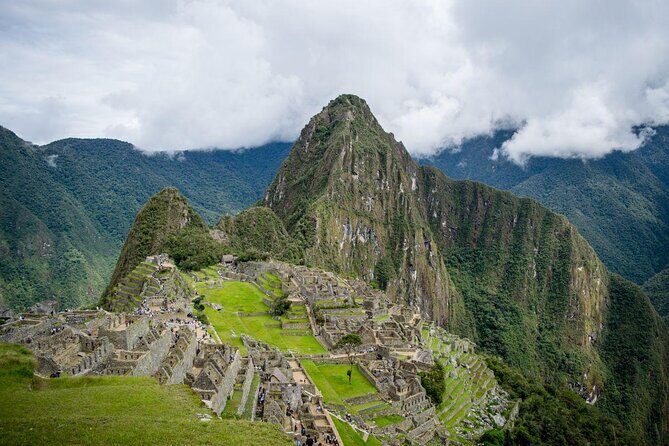
This starts with a door-to-door hotel pickup in Cusco around 7:30 am, which is exactly what you want on day one. You’re not wasting time figuring out local transport, and you’re already pointed toward the Sacred Valley when the morning light is good and energy is still intact.
The route is designed for maximum “wow per hour.” You’ll go first to Pisac for a guided archaeological visit, then to the Pisac artisan market to slow down a bit and look at local textiles and jewelry. After that, you roll to Urubamba for a included buffet lunch, then continue to Ollantaytambo before boarding the train toward Aguas Calientes. It’s a full day, but the structure is practical: history first, shopping second, lunch midstream, then onward to Machu Picchu staging.
You can also read our reviews of more tours and experiences in Cusco.

What I like about starting with Pisac
Pisac isn’t just scenery. The archaeological area gives you a foundation for how the Inca shaped settlements and how the landscape played a role in building and defense. And because it’s guided, you’re not left guessing where to look or what each section likely represents.
The one tradeoff
You’ll be on the move. If you hate schedules, or you need long, slow breaks between stops, this trip may feel like “constant transition.” Still, the upside is that you’re actively seeing more than if you tried to stitch it together alone.
Pisac archaeological complex: where the guide helps you see faster
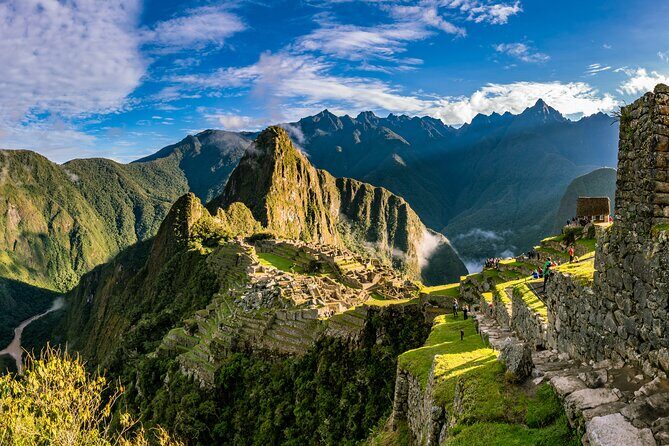
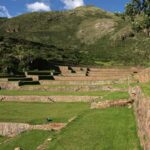
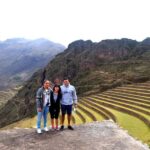
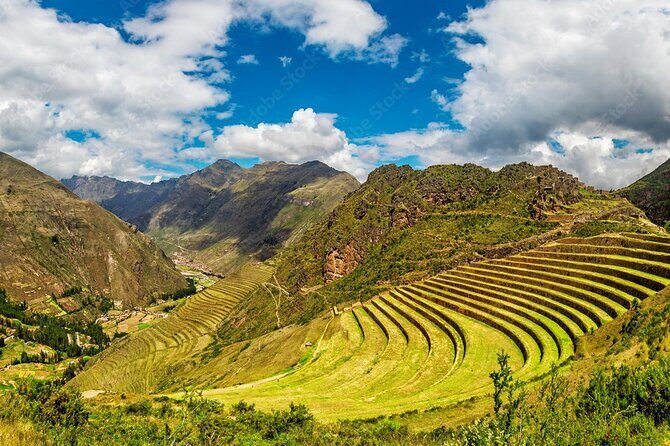
Pisac is your first archaeological stop, and it comes with an included guided tour. This matters because Machu Picchu is the big final act, but Pisac is where you learn what you’re actually looking at—terraces, stonework logic, and the broader Inca pattern of building into the geography.
Expect a guided walk through the complex, paced so you can absorb details rather than just pass by. You also get admission included, which removes one more “wait and pay” item from your day.
Pisac artisan market: textiles and jewelry you can actually browse
After the archaeological portion, you visit the Pisac artisan market. This is your chance to see local craft traditions up close—especially textiles and jewelry. Even if you don’t plan to buy, I like markets like this because they help you connect what you saw in the stones with the living culture around it.
A practical tip: take your time here and don’t commit to a purchase instantly. You’ll be tired later, and that’s when people overpay. Use the market as browsing time—then decide if something truly matches your taste and budget.

Urubamba buffet lunch: included fuel before Ollantaytambo and the train
Lunch in the Sacred Valley is handled by an included buffet in Urubamba. Food matters on tours like this because a late or rushed meal can wreck the afternoon. The buffet setup is typically easiest for groups: you can pick what you need quickly and keep moving.
You’ll finish lunch, then head to Ollantaytambo, setting you up for the train sequence. The included meal is also a small value win: it helps you avoid surprise costs at the one time you probably won’t want to hunt for food.
Ollantaytambo to Aguas Calientes by train: your Machu Picchu launchpad
After Pisac, the market, and lunch, the day pivots to transit. You board the train from the station at the end of day one, traveling about 1 hour 40 minutes to Aguas Calientes. This part of the schedule is important because it positions you for the next morning’s Machu Picchu experience without you doing stressful same-day back-and-forth.
This tour uses the Expedition train or Voyager round trip by Machu Picchu Panoramic Train for your journey. That’s a meaningful detail: train service here is part of the “perceived comfort” of the whole trip, because you’re not battling long bus transfers for every segment.
Where you sleep: Terraza de la Luna or similar
That night, you stay at Terraza de la Luna (or similar). You’re choosing a location that’s close to the Machu Picchu circuit via the Aguas Calientes base. The tour includes breakfast the next day, which is key since Machu Picchu mornings are early.
The next morning: entering Machu Picchu with a private guide
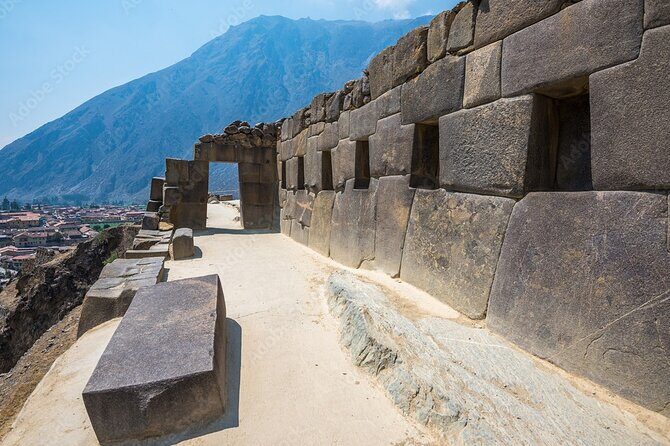
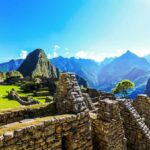
Day two starts with breakfast at your hotel in Aguas Calientes. Then you head to the Santuario Historico de Machu Picchu, passing through entrance controls before you begin the guided portion of the visit.
The guided tour lasts more than 2 hours, and it’s guided by a private guide. That’s the difference between wandering and understanding. With a guide, you’re more likely to know what the structures were used for and how different areas relate to the overall site plan.
Why the guide matters at Machu Picchu
Machu Picchu can overwhelm you in the best way—your eyes want to jump everywhere. A good guide helps you prioritize: what to look at first, what to notice next, and what details are worth slowing down for. Based on feedback for this company’s guiding (including standout names like Rubin and Samuel), this is where the value shows.
The circuit after the guided tour: bus back to Aguas Calientes and lunch timing
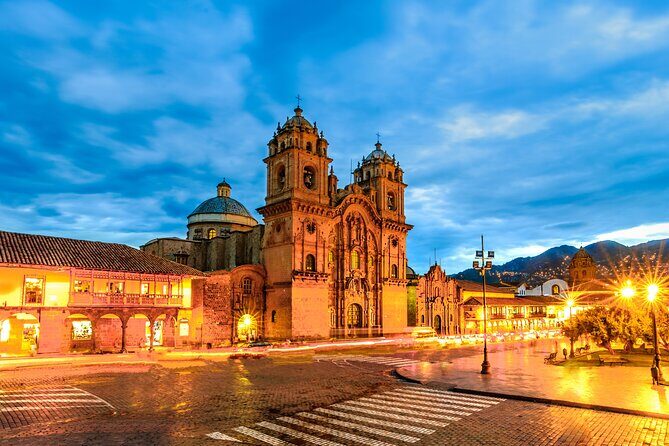
After the Machu Picchu guided time, you descend by bus to Aguas Calientes. Lunch is available there, but it’s not included on day two. The tour does include round-trip bus tickets between Aguas Calientes and Machu Picchu, so you aren’t left managing that transport yourself.
A practical way to handle the lunch-not-included piece: plan for it as part of your budget. If you skip it or eat late, you’ll feel it on the return train day. You’ve done a long morning already—so treat lunch as recovery, not an afterthought.
Vistadome train back to Ollantaytambo: comfortable return with the views on your side
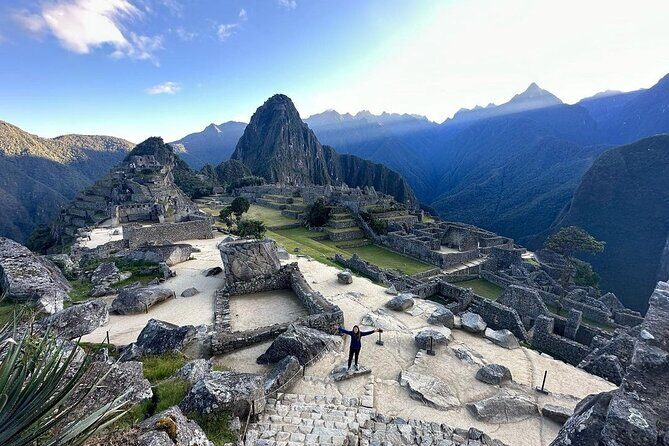
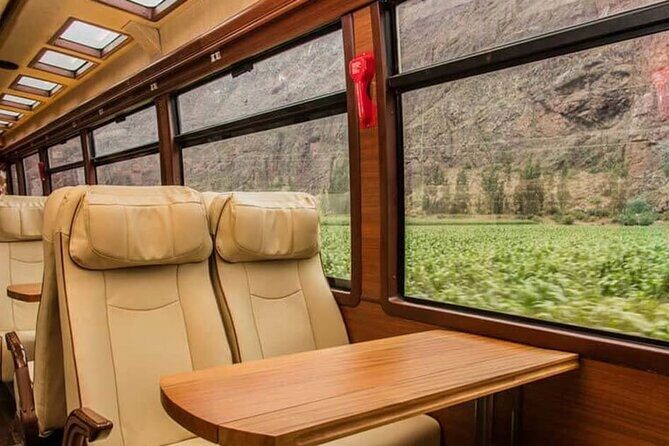
In the afternoon, you take the Vistadome train back to Ollantaytambo. The Vistadome service is generally chosen for the travel experience—meaning you get a more scenic ride style than you would on a plain carriage. Then, once you arrive in Ollantaytambo, you’re transferred back to your hotel in Cusco on day two.
This is where the planning pays off. You’re not stuck figuring out how to get from the train station back to Cusco after a full day. The transfer is included, so your day ends with fewer moving parts.
Tickets, dates, and the “do not gamble” Machu Picchu reality
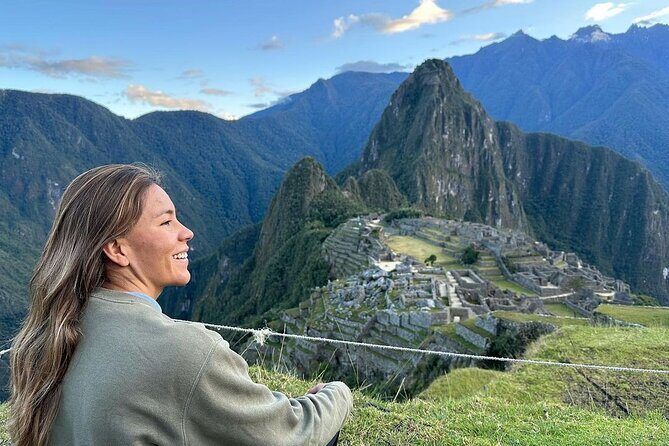
This tour handles the advance purchase of Machu Picchu tickets, because availability is limited and demand is high. The key thing you should understand: once tickets are purchased, they are valid exclusively for the printed date, route, and time, and they don’t allow date changes or refunds under the ministry’s rules.
That’s why it’s smart that the average booking lead time is 83 days. In high season, you can easily end up with no available ticket for your preferred time. If you’re flexible, you may have more luck, but you should still treat Machu Picchu ticket timing as non-negotiable.
Wayna Picchu add-on: great if you plan early, annoying if you don’t
Wayna Picchu is not included. If you want it, it costs S/. 200 and must be booked about one month in advance. For many people, this is worth it—but only if your schedule and tickets line up.
If you’re the type who hates last-minute constraints, you might choose to skip Wayna Picchu on this trip and simply focus on experiencing Machu Picchu with your guide. Either approach can be a win; the point is to plan early if you want the extra hike.
Price and value: what you’re paying for at $590 per person
At $590 per person for roughly two days, you’re paying for a package that covers the big ticket items and the hard-to-coordinate logistics:
- Hotel night in Aguas Calientes (3-star category: Terraza de la Luna or similar)
- Train segments (round trip via Panoramic Train service)
- Private guiding in the Sacred Valley and at Machu Picchu
- Admissions for Pisac and Machu Picchu (date/time controlled)
- Round-trip buses between Aguas Calientes and Machu Picchu
- Breakfast plus one included Sacred Valley buffet lunch
- Door-to-door transfers within Cusco and from Ollantaytambo back to Cusco
So you’re not just buying transport. You’re buying a managed experience where you’re less likely to get snagged on ticket timing or waste half a day on logistics.
Who gets the best value?
You’ll get especially good value if you:
- want small-group guiding (max 1–10, with a maximum of 13 travelers)
- prefer not to manage train/bus timing yourself
- care about seeing the right things in the right order
If you’re an expert DIY traveler who loves organizing every detail, you might be able to assemble something cheaper. But most people find that the time saved and the risk reduction are worth paying for.
What the small-group setup changes for you
This is a group tour, but it’s not a huge crowd scene. With a small group (and a max of 1–10, with overall maximum up to 13), your guide can manage pacing and questions more easily. It also usually means fewer bottlenecks at entry points and better flow at viewpoints.
That matters because Machu Picchu isn’t quiet. You’ll want a guide to keep you moving efficiently without making you feel rushed.
Should you book this Sacred Valley and Machu Picchu tour?
I’d book it if you want a straightforward route that balances guided learning with efficient logistics, and you’re happy to follow a set schedule. The biggest selling points are the guided stops that help you understand what you’re seeing, plus the included hotel and train structure that takes stress off your plate—especially with Machu Picchu ticket rules.
I’d think twice if you strongly dislike fixed timing, or if you’re dreaming of adding extras like Wayna Picchu but you don’t want to plan ahead. The trip moves fast, and Machu Picchu ticket constraints mean you’ll want to commit to your date early.
If you do book, my advice is simple: treat Machu Picchu timing as priority number one, and plan your budget for day-two lunch since it isn’t included.
FAQ
What is the duration of this Sacred Valley and Machu Picchu trip?
It runs for 2 days (approx.).
How much does the tour cost?
The price is $590.00 per person.
What is included in the price for food?
You get breakfast and a buffet lunch during the Sacred Valley portion. Lunch in Aguas Calientes on day two is not included.
Is a hotel included?
Yes. You’ll stay one night in a 3-star hotel at Terraza de la Luna or similar, with breakfast included.
Do I get guided tours?
Yes. You’ll have a guided tour for the Sacred Valley (Pisac) and a private guide for the Machu Picchu sanctuary (lasting more than 2 hours).
What train is included?
The tour includes round-trip train service by Panoramic Train for Machu Picchu: it uses Expedition or Voyager round trip on the Machu Picchu train portion, and Vistadome on the return from Aguas Calientes to Ollantaytambo.
How do I get to Machu Picchu from Aguas Calientes?
Round-trip bus tickets between Aguas Calientes and Machu Picchu are included.
Is Wayna Picchu included?
No. Wayna Picchu is not included and costs S/. 200 (you must book about one month in advance).
Are Machu Picchu tickets transferable or refundable if plans change?
The tickets are valid only for the printed date, route, and time. Changes aren’t allowed and refunds aren’t included once purchased, according to the ministry’s policies shared by the operator.
What happens if the tour is canceled due to weather?
This experience requires good weather. If it’s canceled due to poor weather, you’ll be offered a different date or a full refund.