REVIEW · LIMA
Lima: Food Tour on Local Market
Book on GetYourGuide →Operated by The Traveller Agency · Bookable on GetYourGuide
Lima food in three hours is a smart way to start. This tour is built around local markets and classic bites from across the city, with Chinatown and Central Market doing the heavy lifting. I like that you get a tight set of stops that explain why Lima eats the way it does, not just what to order. I also like the focus on real flavor—ceviche, anticuchos, lucuma, and more—prepared by the people who sell it every day.
The only thing to watch: you’ll be tasting nonstop, so don’t show up too full. The tour specifically tells you to avoid eating much before you go, because the point is to work through multiple snacks and drinks across different neighborhoods. If you’re sensitive to seafood or spice, flag it in advance too.
In This Review
- Key Things I’d Prioritize Before You Go
- Entering the Real Lima: Barrios Altos to Chinatown
- Price and Value: $75 for 3 Hours of Food, Not Just a Walk
- Your Starting Point at Jr. Cusco 400: Where the Tasting Starts
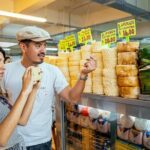
- Barrios Altos Stop: Choclo Con Queso and Papa Rellena
- Ceviche Time: Fresh Fish, Citrus, and City-Scale Appetite
- Chinatown, Lima: Siu Mai and Min Pao on Peruvian Streets
- Central Market: Lucuma Juice, Anticuchos, and Picarones
- Chinitos Restaurant Stop: Pan con Chicharrón and Emoliente
- Bolivarsito Bar Finish: Exotic Fruits and Optional Pisco Sour
- Group Experience: What the Timing Feels Like in Real Life
- Who This Tour Is Best For
- When Not to Book (Or When to Think Twice)
- Should You Book This Lima Market Food Tour?
- FAQ
- How much does the Lima Market Food Tour cost?
- How long is the tour?
- Where does the tour start and end?
- What’s included in the price?
- Are there any tastings that are not included?
- Do I need to arrange transportation?
- What languages are the tours offered in?
- Is the tour okay for wheelchair users?
- What should I know before I go?
- What if I have dietary restrictions?
Key Things I’d Prioritize Before You Go

- 9 popular Peruvian snacks in a 3-hour loop, so you don’t waste time deciding on the spot
- Chinatown in Lima as a food stop, with Chinese-Peruvian dishes like siu mai and min pao
- Central Market flavors: lucuma juice plus street-food favorites such as anticuchos and picarones
- Food + culture in walking distance, covering Barrios Altos, markets, and a city park
- A real-life bonus: one guide named Giovanna has been praised for friendliness and sharing the stories behind each bite
Entering the Real Lima: Barrios Altos to Chinatown
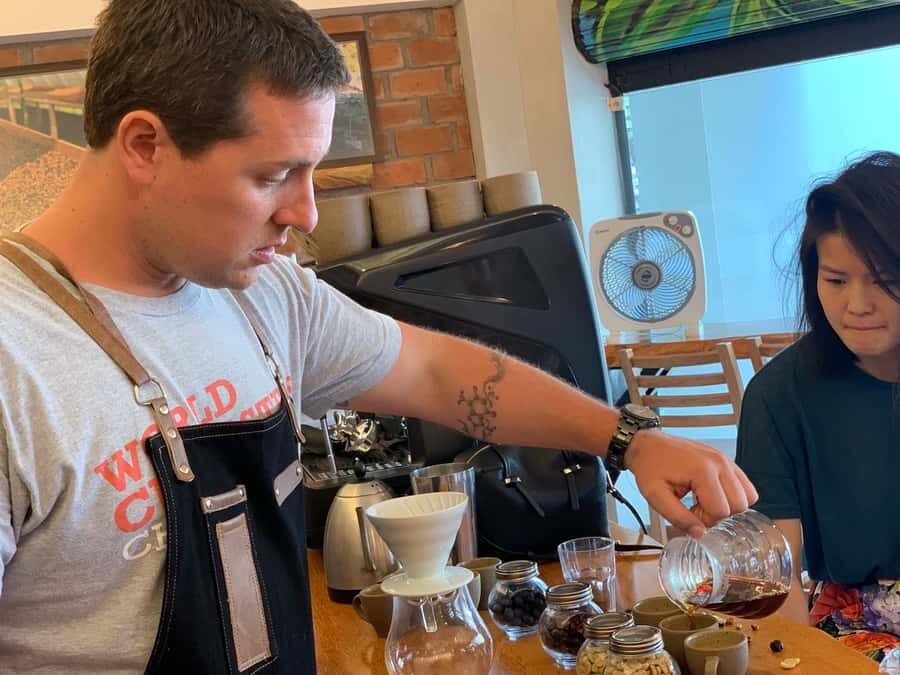
Lima can feel like a traffic blur when you first arrive. This tour gives you a calmer on-ramp: you start in Barrios Altos, then work your way toward Chinatown and the big market area without turning it into an all-day mission.
This is also a food tour that teaches you how Lima became Lima. It’s not just “Peru food, here you go.” Lima’s food culture reflects waves of immigration, local farming, and city habits. And since Lima is the most populous city in all of Peru, it moves fast—this route helps you see how people live through what they eat.
You’re with a certified guide in English and Español, which matters more than people think. Markets aren’t just about flavor; they’re about vendors, ingredients, and small rules (like where to stand, what’s served hot vs. cold, and when things are at their best). A good guide makes that easy.
You can also read our reviews of more food & drink experiences in Lima
Price and Value: $75 for 3 Hours of Food, Not Just a Walk
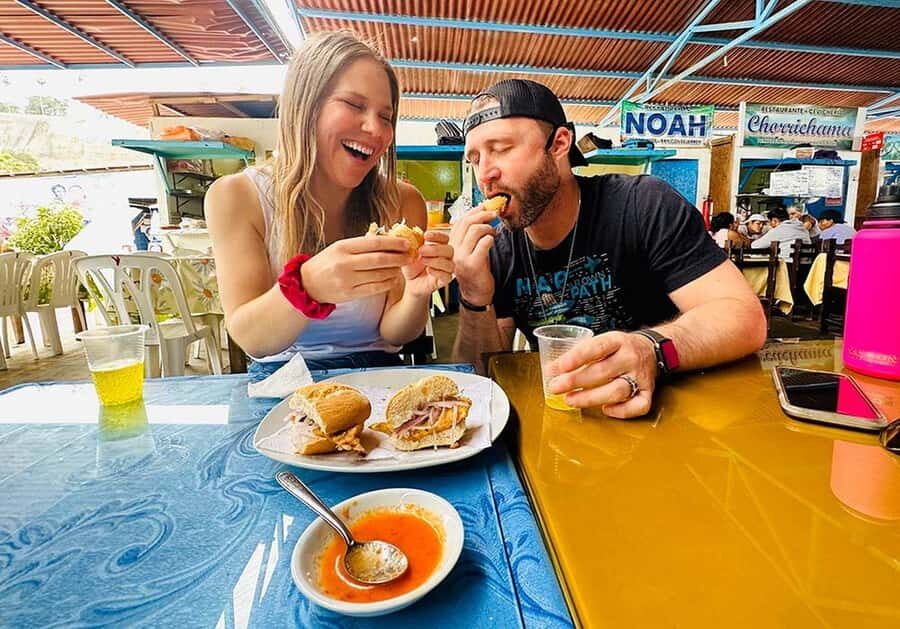
At $75 per person for about 3 hours, this doesn’t try to be cheap. But it also isn’t overpriced for what you get: food is included, you have a certified bilingual guide, and you can use express security check instead of waiting.
Here’s how I judge value on tours like this. If you were to buy these items one by one on your own, you’d likely spend similar money just on a ceviche plate, street skewers, dessert, and drinks—then add the cost of “figuring it out.” This tour trades that hassle for a planned route and a guide who helps you taste widely.
Two notes to keep the math honest:
- Pisco Sour is optional and not included, so you’re paying extra only if you want it.
- Transfer/transport isn’t included, so you’ll want to handle getting to the meeting point on your own.
Your Starting Point at Jr. Cusco 400: Where the Tasting Starts
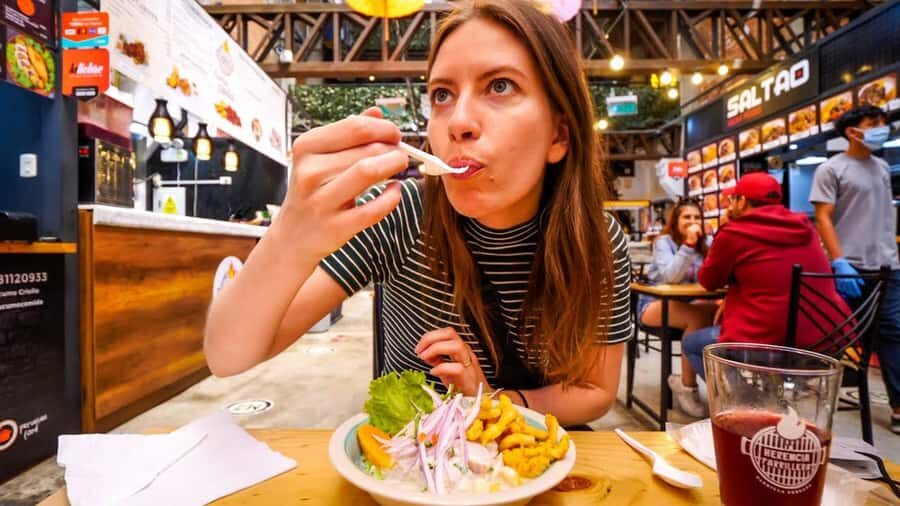
The meeting point is Jr. Cusco 400. That location is useful because it puts you close to the kind of city streets where food culture lives—not out by a scenic viewpoint where you’ll only see restaurants and tourists.
The first part of the walk sets the tone. Barrios Altos is a neighborhood you can feel even before you taste. Expect a mix of everyday life and shopfront energy, the kind of streets where people stop for snacks like it’s routine—because in Lima, it is.
Barrios Altos Stop: Choclo Con Queso and Papa Rellena
In Barrios Altos, you’ll start with local favorites such as choclo con queso and papa rellena. These aren’t random “tourist snacks.” They’re core comfort foods: corn paired with cheese for sweetness and salt, and stuffed potato for that classic Peruvian idea of turning humble ingredients into something filling.
This is a good first move for your stomach. They’re hearty enough to ground your taste buds, but they don’t load you with heat or heavy spice. In other words, they help you build a baseline before you hit the more intense flavors later.
If you’re planning a longer day in Lima after the tour, this early stop is a plus. You’ll know what to order later because you’ve tasted the “starter kit.”
Ceviche Time: Fresh Fish, Citrus, and City-Scale Appetite
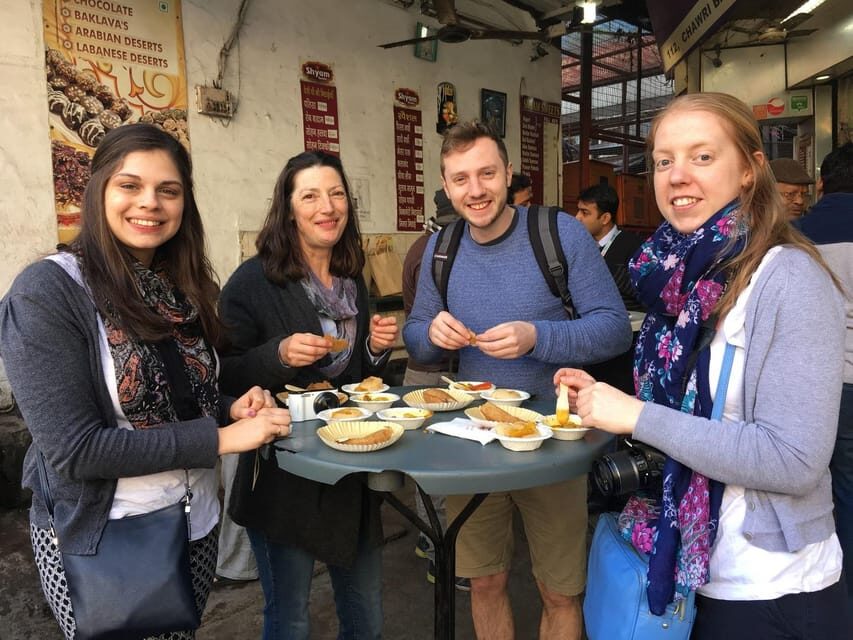
Next comes a visit where you can sample ceviche. Ceviche is one of those dishes that sounds simple until you taste it. The balance of acidity, salt, and freshness matters, and that’s exactly why it works well on a guided food tour: the guide can point out what makes it right, and you learn what to look for if you order later.
This is also one of the times when your personal preferences matter. If you’re not a fan of seafood acidity or you’re wary of raw preparations, tell your guide what you’d like instead before you sit down.
A few more Lima tours and experiences worth a look


Chinatown, Lima: Siu Mai and Min Pao on Peruvian Streets
The Chinatown stop is where the tour becomes more than just a food sampler—it turns into cultural context. You’ll learn about the Peruvian-Chinese culinary exchange, then taste items like siu mai and min pao.
What I like about this portion is the contrast. These are familiar enough to recognize as Chinese-influenced food, but they’re part of Lima’s everyday appetite. You get to see fusion not as a trend, but as a long-term adaptation.
If you’ve ever wondered why certain sauces or dumpling styles show up in Peruvian settings, this is one of your easiest entry points. You don’t need a textbook; you just taste and connect the dots.
Central Market: Lucuma Juice, Anticuchos, and Picarones
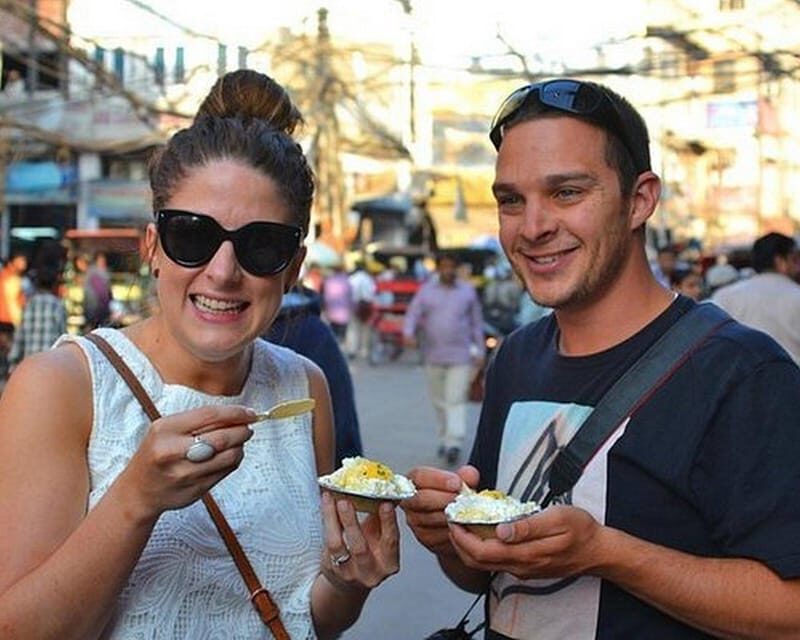
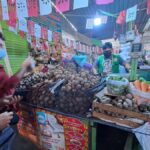
Central Market is where Lima smells like food. Spices, fruits, and grilled aromas all mix in one place, and you’re walking through it as part of a planned tasting route.
You’ll have a lucuma juice, which is a great pick because lucuma is one of those fruits that feels distinctly Peruvian. It’s rich and sweet, so it balances the more savory stops.
Then you’ll hit classic street foods such as:
- Anticuchos: skewered bites, often with a smoky grilled edge
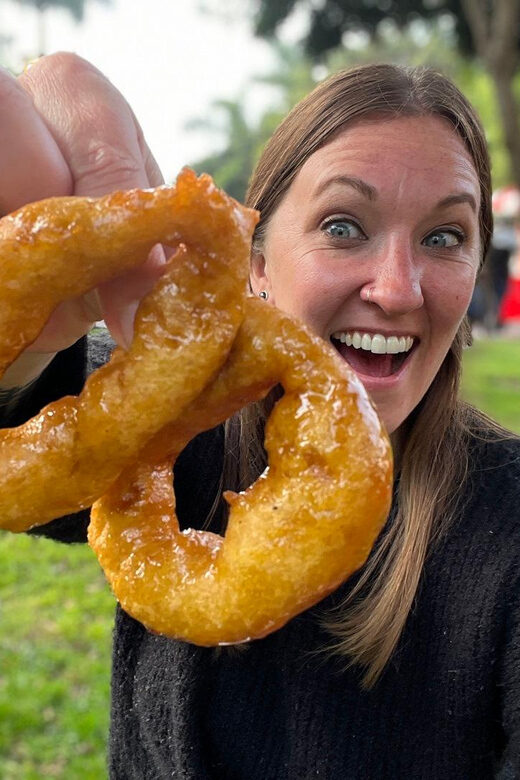
- Picarones: a traditional dessert, usually warm and syrupy
This is a strong “make your own cravings” zone. After tasting anticuchos and dessert back-to-back, you’ll have an easier time ordering confidently later. You’ll know which items you want to repeat and which ones you want to try again in a different stall or restaurant.
One practical tip: bring your patience for crowded spaces. Markets move fast. You’re tasting along the way, so plan to stand, sample, and keep moving.
Chinitos Restaurant Stop: Pan con Chicharrón and Emoliente
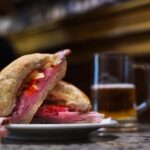
You’ll also stop at Chinitos restaurant for pan con chicharrón paired with emoliente. This pairing works because it gives you both sides of Lima: crunchy, salty, and meaty comfort on one hand, and a traditional drink on the other that’s meant to settle things down.
This section is especially useful if you think of street food as just snacks. Here, you see how city food can still feel casual and accessible while staying part of a real dining tradition.
If you’re the type who likes to photograph food (and you should—just keep it respectful), this is also a good moment. The food is visually clear, and the drinks add color.
Bolivarsito Bar Finish: Exotic Fruits and Optional Pisco Sour
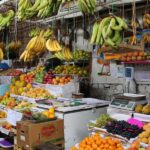
The tour ends with a stop at Bolivarsito, where you can try seasonal exotic fruits and the iconic pisco sour. The pisco sour tasting is optional and not included, so you can decide based on your taste and budget.
This last stretch is a smart design choice. After salty and grilled food, fruit resets your palate. And pisco sour—if you choose it—functions like a final Lima signature.
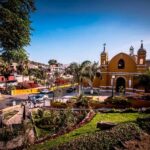
Also, the tour mentions finishing with a park visit, where you can experience local city culture, enjoy your fruits, and listen to popular music. Even if you’re not there for the music, it gives you a breather from the market intensity.
Group Experience: What the Timing Feels Like in Real Life
This is a 3-hour walk-and-taste plan. That’s short enough to keep you energized, long enough to feel like you actually learned something and didn’t just eat random items.
Because you’re stopping at multiple places (and tasting multiple snacks), the pace matters. Come prepared to move through busy areas and make quick decisions with your guide’s help. The guide also helps you avoid awkward moments like holding food while you hunt for a good photo angle.
And yes—there’s an express security check included. That’s a quality-of-life detail that can save you time, especially on a busy day.
Who This Tour Is Best For
This tour is ideal if you:
- want Lima as a first taste of Peru food culture
- like learning through food and stories, not just eating
- want a planned route through Barrios Altos, Chinatown, and Central Market without figuring it out alone
- enjoy street food flavors like ceviche, anticuchos, and sweet desserts
It’s also a good fit for mixed groups: one person can chase the fruit flavors while another focuses on grilled skewers, and you still keep moving together.
When Not to Book (Or When to Think Twice)
Skip this (or ask about alternatives) if:
- you’re not comfortable with seafood like ceviche
- you hate sweet foods like picarones and prefer savory only
- you expect a sit-down restaurant style tour with minimal walking
And if you have dietary restrictions, you should tell the team when you book. The tour explicitly invites that, and it’s the difference between a smooth experience and a stressful one.
Should You Book This Lima Market Food Tour?
If you want an efficient way to understand Lima through its food, this one is a strong choice. For $75, you get food included, a bilingual certified guide, and a route that spans Barrios Altos, Chinatown, and Central Market with clear tasting stops like lucuma juice, anticuchos, picarones, and ceviche.
I’d book it if you’re the kind of traveler who likes to learn by eating and you’re happy to walk through real neighborhoods, not only tourist zones.
FAQ
How much does the Lima Market Food Tour cost?
It costs $75 per person.
How long is the tour?
The tour lasts 3 hours.
Where does the tour start and end?
It starts and ends at Jr. Cusco 400.
What’s included in the price?
The price includes a certified English and Español guide and food is included in the tour price.
Are there any tastings that are not included?
The pisco sour tasting is listed as optional and not included.
Do I need to arrange transportation?
Transfers are not included, so you’ll need to get yourself to Jr. Cusco 400.
What languages are the tours offered in?
The guide offers English and Spanish.
Is the tour okay for wheelchair users?
Yes, it is wheelchair accessible.
What should I know before I go?
Try not to eat much before the tour, since you’ll taste many snacks and drinks.
What if I have dietary restrictions?
Let the provider know your dietary restrictions when you book.
If you tell me your travel dates and any food limits (seafood, spice, dairy), I can help you decide whether this lineup fits your tastes.