REVIEW · LIMA
Lima: Sandboarding and Jeep Tour
Book on GetYourGuide →Operated by Sandride · Bookable on GetYourGuide
Sandboarding in Peru is pure adrenaline. I love the professional, level-based instruction and the fact you’re coached right on the dunes, not in a classroom. I also love that your group gets photo and video coverage while you slide. One consideration: you’ll get sand on you, even if you’re careful, so plan for messy, sun-soaked fun.
From hotel pickup in Miraflores, Barranco, or Punta Hermosa to a 4×4 ride out to the dunes, this tour is built for motion and quick learning. Guides like Rafael and Alonso bring the vibe, but more importantly they tailor the lesson so first-timers feel steady and snowboarders can stop overthinking their usual carving habits. If you want a straightforward activity that fits well into a Lima visit, this is a strong match.
The timing also helps: you’re out for about 390 minutes, with safety briefing and then focused sandboarding time. That rhythm means you can learn, practice a smaller dune first, and then hit the bigger slopes with confidence.
In This Review
- Quick Hits
- Lima Pickup to Chilca Dunes: The 4×4 Part That Makes It Fun
- Safety Briefing and Gear Check: Where Confidence Starts
- Isla Punta Hermosa and the Training Setup: Smaller Dunes, Smarter Progress
- Instruction That Actually Adapts: From First Rides to Better Control
- Sunset-Style Moments and Camera Time: Photos and Video Without the Stress
- How the Timing Works: A 390-Minute Half-Day That Doesn’t Feel Rushed
- Price and Value: Is $105 Worth It From Lima?
- What’s Included vs Not: Plan Your Food and Your Comfort
- Who This Tour Suits (and Who Should Skip It)
- Booking Tips: Make the Most of Your Dune Time
- Should You Book Sandboarding With a Jeep Tour From Lima?
- FAQ
- What’s the price for the Lima sandboarding tour?
- How long is the tour?
- Where does the tour take place?
- Is pickup included, and where do they pick up from?
- Do I need any prior sandboarding experience?
- What’s included in the tour besides instruction?
- Are meals included?
- What languages are the instructors?
- What should I bring and wear?
- Is the tour suitable for kids or people with health concerns?
Quick Hits
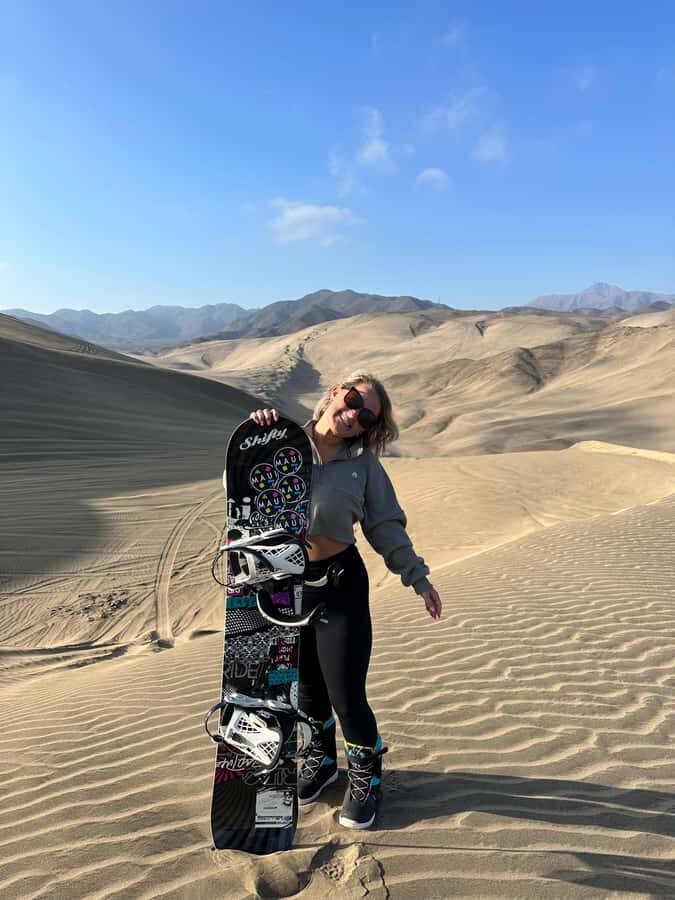
- Small group (up to 10): more attention during your practice runs
- 4×4 ride to the dunes: built for getting you to the right spots fast
- Customized coaching: beginners start on easier lines; even snowboarders get adjustments
- Photos and videos included: someone else handles the camera work
- Gear and instruction taken care of: you show up with sunscreen and a camera
Lima Pickup to Chilca Dunes: The 4×4 Part That Makes It Fun
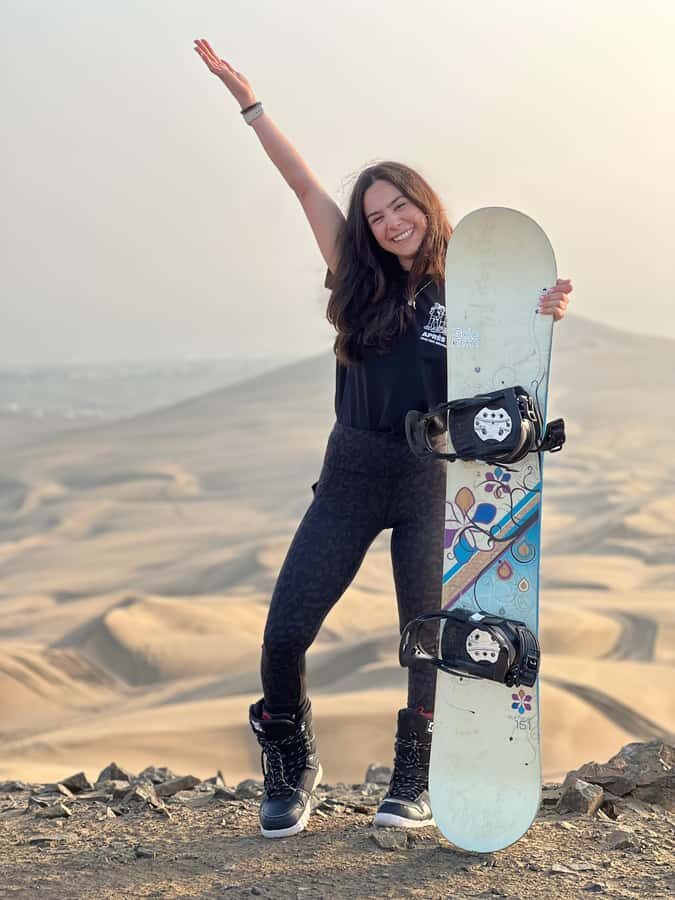
This starts with hotel pickup in Lima Province—options include Punta Hermosa, Barranco, and Miraflores. That matters because it keeps the morning (or afternoon) from turning into a logistics puzzle. You’re not trying to find transport, haggle for taxis, or lose time before the activity.
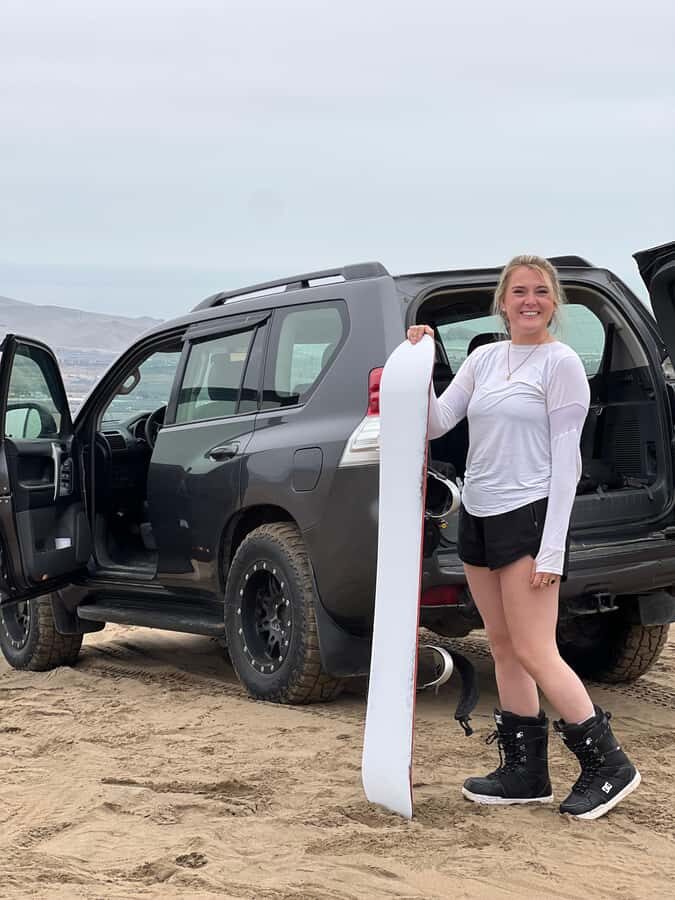
Next comes the ride itself: a 4×4 truck out to the dune area. The point isn’t just travel. It’s part of the experience. The vehicle gets you to dunes where you can actually learn, practice, and then progress to steeper lines. In one case mentioned by a recent participant, the group went through the dunes with a fun slalom-like run before arriving at the training area—so the trip doesn’t feel like wasted time between thrills.
You’ll also get a sense of the desert environment quickly: bright sky, wind, and that dry texture that sticks to everything. If you’re the type who likes being prepared, wear comfortable clothes you don’t mind getting sandy. Light layers help for temperature swings.
You can also read our reviews of more tours and experiences in Lima.



Safety Briefing and Gear Check: Where Confidence Starts
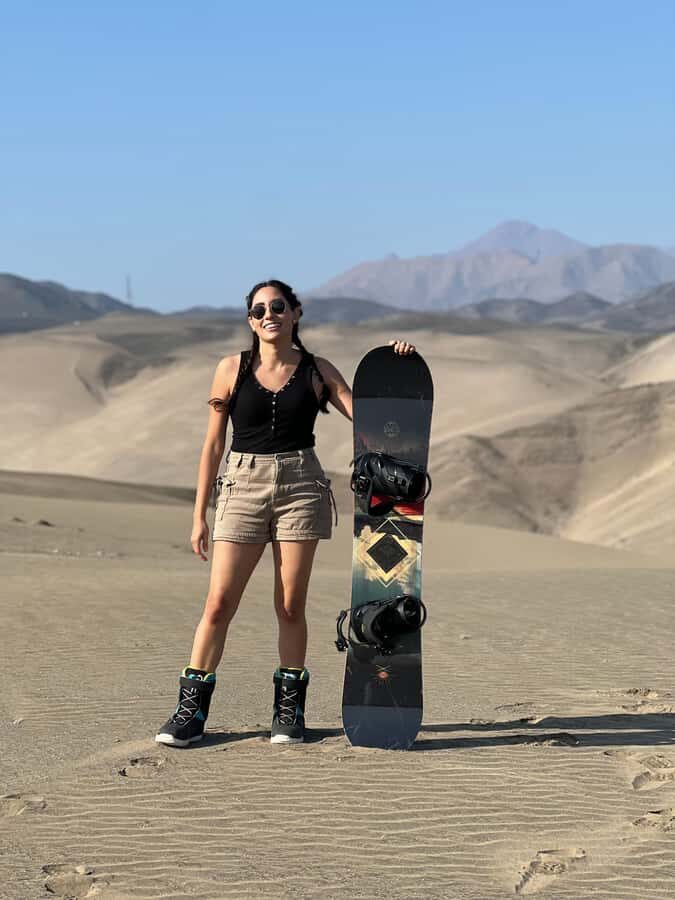
Before anyone goes down a dune, you’ll get a safety briefing. This is one of those unglamorous parts that actually makes the fun possible. You’ll learn basic do’s and don’ts for controlling the board, and you’ll get oriented on how the session works—especially helpful if you’ve never done anything like this.
Then there’s the gear side of things. Your lesson includes sandboarding equipment, and you’ll also get time to try your setup at a sandboard store. That’s valuable because board fit and feel can change how quickly you progress. If something feels off, you want it adjusted before your first serious run.
Also note the guide coverage: the tour limits group size to 10 participants, and instruction is professional with languages listed as English and Spanish. That means you’re more likely to get real-time feedback on stance, speed control, and how to handle the terrain.
Practical note: even if you’re given equipment, bring your own comfort basics: sunscreen, a hat, and water. The tour includes snacks and drinks, but hydration still matters in the dunes.
Isla Punta Hermosa and the Training Setup: Smaller Dunes, Smarter Progress
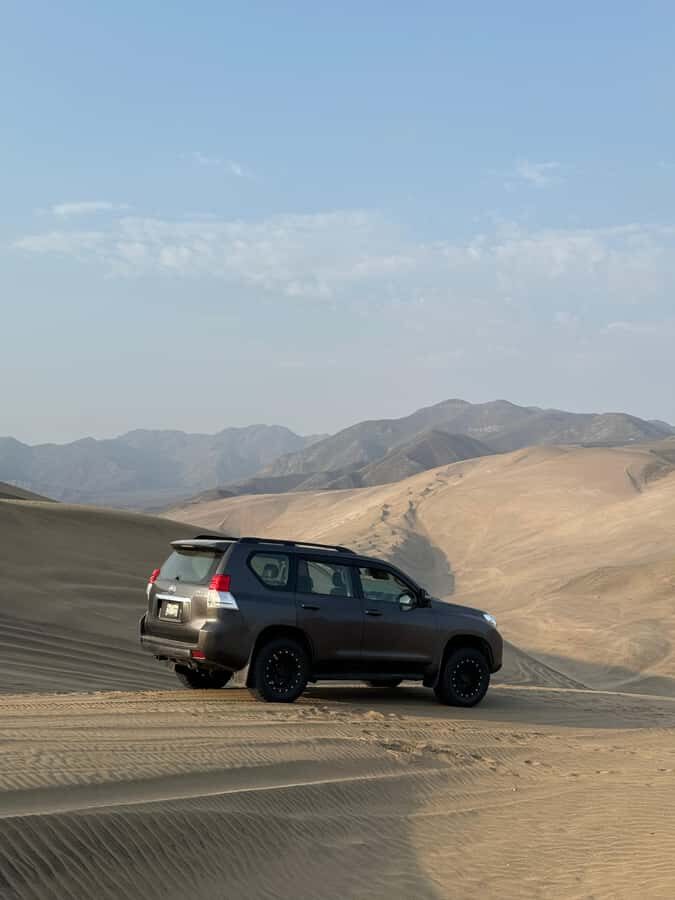
Once you’re in the dune area, the learning approach is straightforward: you don’t jump straight to steep, dramatic runs. You start with a smaller dune to get comfortable, then move to the bigger slopes once you can control your direction and balance.
For beginners, this is the difference between feeling like you’re getting thrown around and actually learning how to ride. The tour also specifically notes that no experience is a non-issue. Your instructor customizes the session based on your level, so you’re not stuck with one fixed plan.
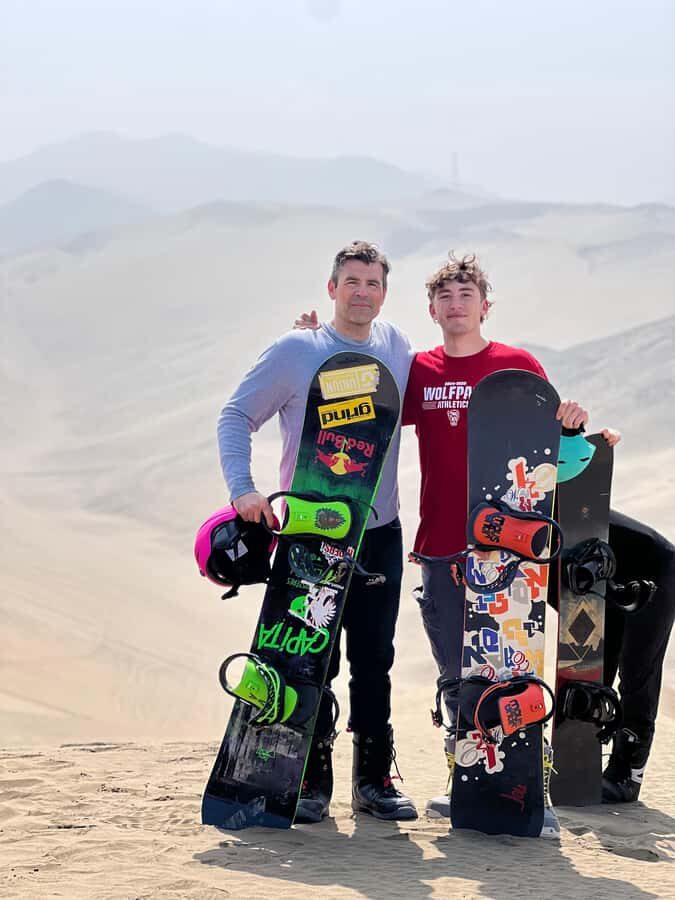
If you have snowboarding experience, you’ll likely appreciate the attention to technique transfer. One participant pointed out that the guide helped them unlearn more drastic carving habits from snowboarding while teaching their partner the basics. That tells me the instructors aren’t just repeating generic tips—they’re watching what your body wants to do and adjusting your approach for sand.
You’ll also have a driver/guide who is there to take you back up to the top. That repetition matters. Sandboarding gets easier when you can repeat the same movement pattern without worrying about walking back up a dune or losing your place.
Instruction That Actually Adapts: From First Rides to Better Control
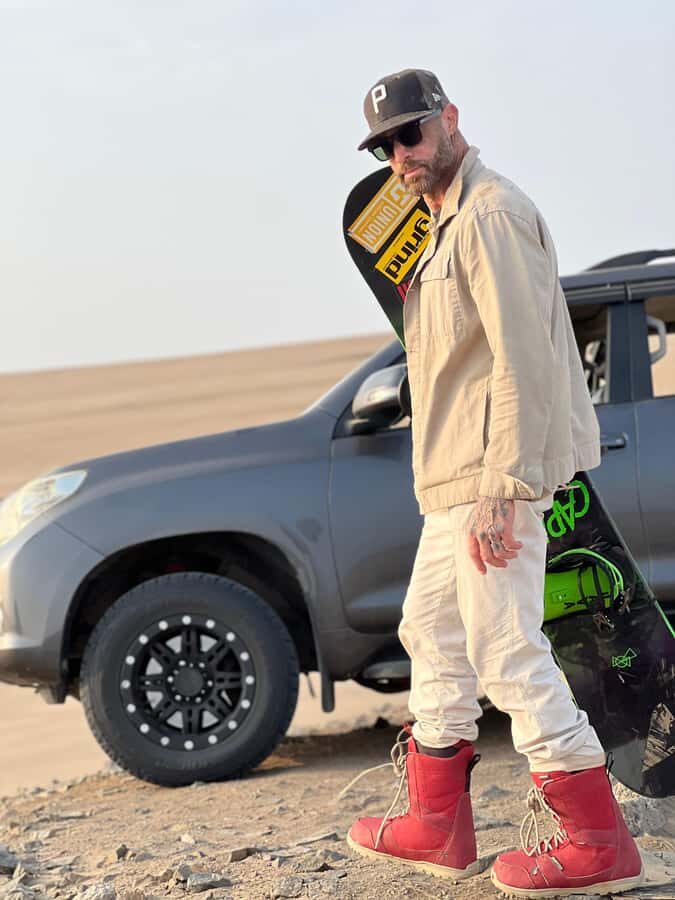
The heart of this tour is the instruction. The lesson is designed to help you gain control quickly—what to do with your stance, how to manage speed, and how to handle the slope as it changes.
Here’s what I like about this teaching style: it’s custom. One review highlighted that the experience was tailored for a snowboarder who needed to undo sharp carving habits. Another emphasized how attentive and helpful the instructor was throughout, especially for a first-timer. When instruction is adaptable, you progress faster and you also feel safer doing it.
Because group size is small, you’re not just watching others. You’re getting cues as you go. And because the tour builds in practice time on easier ground first, you reduce the chance of an early wipeout that ruins the rest of your session.
You should expect to learn control basics before going bigger. You might also notice you’re doing more than “just going downhill.” The session includes repeats, and the instructors guide how to keep your momentum predictable.
Sunset-Style Moments and Camera Time: Photos and Video Without the Stress
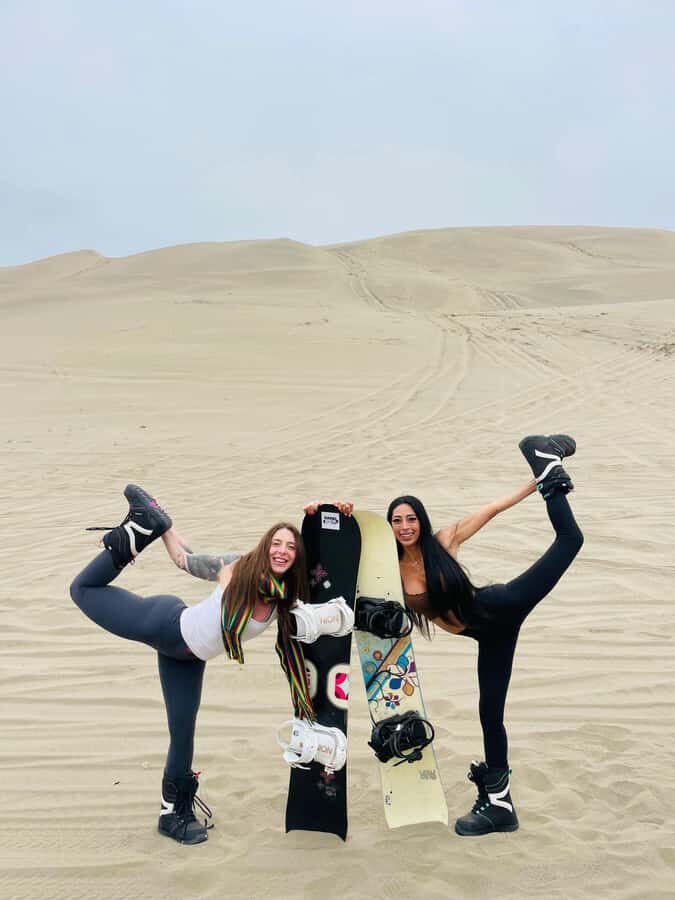
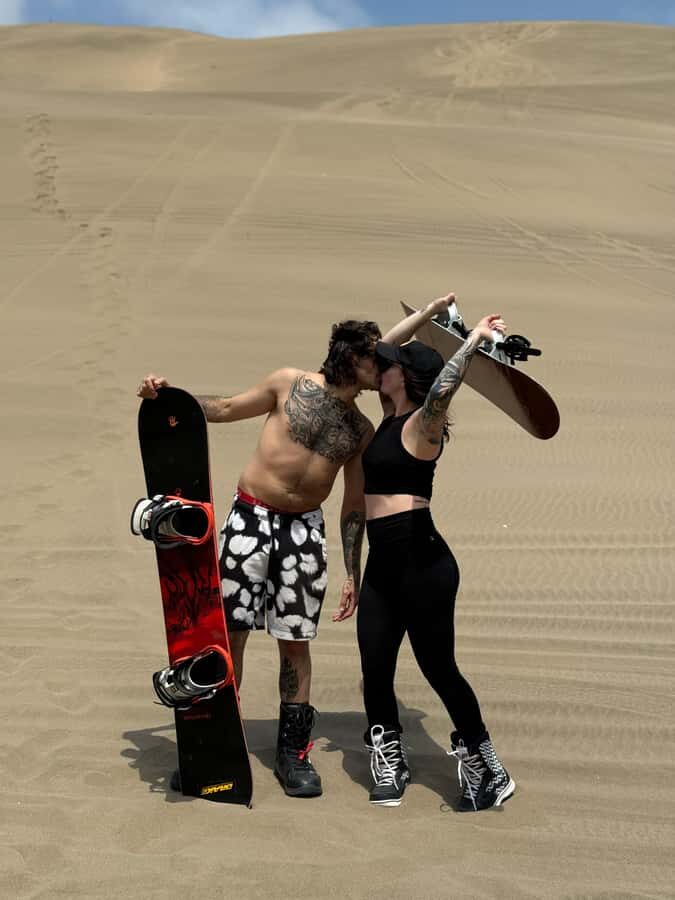
A big reason this tour earns such high marks is how well the guides handle capturing the moment. Photos and videos are taken during the tour, and participants specifically praised guides for being great picture takers.
That’s not a small detail. When you’re learning something physical, you tend to focus on your body and forget about documentation. Having someone else track the action means you actually get shots of you riding, not just empty dunes and your board sitting on the sand.
Guides like Rafael were also mentioned as making sure the group ended up in the best spot to have fun and enjoy the sunset. Even if you’re not chasing golden-hour perfect lighting, having the session timed around good views helps. And those dunes are dramatically photogenic—powdery sand, steep lines, and bright contrasts against the sky.
My practical advice: bring a camera if you want your own angles, but also plan to lean on the tour media. The ride and dunes demand your attention, so don’t turn the activity into a photography job.


How the Timing Works: A 390-Minute Half-Day That Doesn’t Feel Rushed
The full duration listed is 390 minutes. That’s long enough for more than one run style, but short enough to fit comfortably into a Lima itinerary.
You’ll see the session flow like this:
- Pickup and travel to the dune area (by 4×4)
- Safety briefing (listed at 30 minutes)
- Sandboarding practice time (listed at 2 hours)
- Return to Lima for hotel drop-off
Why this timing matters: you get learning time that’s meaningful, not a quick “try it once” event. The 2 hours of sandboarding is what most people want, and it’s supported by the setup period and the briefing so you can actually use that time well.
Also, because pickup and drop-off are included, you’re not stuck scheduling around transportation. It’s one of the reasons this can be a better choice than longer trips to sandboarding areas farther away.
One review even contrasted doing sandboarding from Lima versus traveling all the way to Ica, praising that this option is more direct and focused on the sandboarding itself.
Price and Value: Is $105 Worth It From Lima?
At $105 per person, the value depends on what you’re comparing it to.
Here’s what you get that typically drives value up:
- Hotel pickup and drop-off
- Professional instruction
- Sandboarding equipment
- 4×4 ride to the dunes
- Photos and videos
- Snacks and drinks
- A T-shirt
When you add up the likely costs of getting transport, renting gear, paying for lessons, and paying for photo coverage separately, the price starts to look more reasonable. This is especially true if you’re visiting Lima and want an activity that uses your limited time efficiently.
Also, the “small group” cap (10 participants) helps justify cost. In a larger group, you’d spend more time waiting and less time practicing. Here, instruction quality and practice time go together.
If you’re purely budget-minded and you’re comfortable learning on your own, you might find cheaper options. But if you want a guided, coached session with media capture and convenience from your hotel, this one is priced like a true activity package.
What’s Included vs Not: Plan Your Food and Your Comfort
Included:
- Hotel pickup/drop-off
- Professional instruction
- Sandboarding equipment
- 4×4 ride to the dunes
- Photos and videos of your experience
- Snacks and drinks
- T-shirt
Not included:
- Meals and drinks (beyond what’s listed as snacks and drinks)
- Personal expenses
So I’d treat this like an outing where you’ll likely want to eat before or after. One participant mentioned being taken to a local breakfast spot off the highway on the way. That sounds like a nice extra, but it’s not presented as a guaranteed element, so don’t build your day around it.
Comfort-wise, sandboarding is dusty. Bring:
- Hat
- Sunscreen
- Camera (if you want it)
- Comfortable clothes
- Shoes suitable for sandboarding
The tour also notes you’ll likely be covered in sand by the time you’re back. That’s normal. Your best move is to wear clothing you don’t mind rinsing later.
Who This Tour Suits (and Who Should Skip It)
This is a good match if you want:
- A guided sandboarding lesson
- A chance to ride even if you’re a first-timer
- A structured way to progress from smaller dunes to bigger slopes
- Convenience from Lima hotels
- A small group experience with real instruction
It’s not suitable for:
- Children under 8
- Pregnant women
- People with back problems
The no-alcohol and no-drugs rule is standard for a safety-driven activity like this, and smoking is not allowed.
If you’ve got mobility limitations, the instructions also rely on you being able to get in and out of the setup and move around on sand. In that case, it’s smart to be honest with yourself and consider whether you can safely handle uneven ground.
Booking Tips: Make the Most of Your Dune Time
If you want the best experience, keep it simple:
- Wear clothes and shoes you can move in and tolerate getting sandy.
- Bring a hat and sunscreen even if it’s partly cloudy. Sand and sun together don’t care about your forecast.
- Listen closely to your instructor before your first meaningful run. The initial technique cues pay off fast.
- Use the provided photo/video service to your advantage. You’ll spend less time worrying about the camera and more time learning control.
And if you’re coming with snowboarding experience, don’t assume your usual stance and carving habits will translate perfectly. The guide coaching can correct that quickly, which saves you from repeating the same mistakes.
Should You Book Sandboarding With a Jeep Tour From Lima?
I’d book this if you want sandboarding that’s organized, coached, and easy to fit into a Lima schedule. The standout value is the combination of professional instruction, small group size, and included photos/videos. For $105, you’re basically buying a full activity package: transport, gear, coaching, and memory capture, all without having to manage rentals or directions.
Skip it if you’re in any category listed as not suitable (especially back issues or pregnancy) or if you’re looking for a quiet, low-motion day. This is about riding, repetition, and sand everywhere.
If you want an authentic desert thrill that feels focused—learn first, then slide—you’ll likely be happy you chose this over more complicated, longer travel options.
FAQ
What’s the price for the Lima sandboarding tour?
The price is $105 per person.
How long is the tour?
The total duration is 390 minutes.
Where does the tour take place?
Sandboarding happens in the Chilca dunes, with the activity connected to Isla Punta Hermosa in Lima.
Is pickup included, and where do they pick up from?
Yes. Hotel pickup and drop-off are included, with pickup options in Punta Hermosa, Barranco, and Miraflores.
Do I need any prior sandboarding experience?
No. The lesson is customized to your level, and beginners start with a smaller dune before trying larger slopes.
What’s included in the tour besides instruction?
You get sandboarding equipment, a 4×4 truck ride to the dunes, photos and videos, snacks, drinks, and a T-shirt.
Are meals included?
Meals are not listed as included. Snacks and drinks are included.
What languages are the instructors?
The instructor languages are English and Spanish.
What should I bring and wear?
Bring a hat, camera, sunscreen, and wear comfortable clothes. You’ll also want shoes suitable for sandboarding.
Is the tour suitable for kids or people with health concerns?
It’s not suitable for children under 8, pregnant women, or people with back problems. Smoking, alcohol, and drugs are also not allowed.