REVIEW · CUSCO
2-Day Sacred Valley & Machu Picchu by Train – Small Group Tour
Book on Viator →Operated by Elvis Adventures Peru · Bookable on Viator
Machu Picchu, with training wheels. This 2-day Sacred Valley and Machu Picchu by train tour is interesting because it strings together the classic Inca stops in a small group, then gets you to the site with less stress than flying solo. I love the hotel pick-up/drop-off in Cusco, and I also love that you get a real guided pass through Machu Picchu’s citadel with time to breathe and take photos. One drawback to consider: like most short Machu Picchu trips, your day is tightly scheduled, so if you hate early starts or dislike waiting for ticket lines, this may feel like a lot.
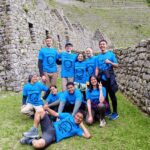
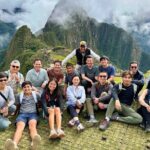
The pacing is built around comfort and views. You’ll drive out of Cusco, hit viewpoints and culture stops (alpacas at Awana Kancha, terraces and stonework at Pisac, the fortress at Ollantaytambo), then switch to train and bus for the final run into Machu Picchu. The small-group size matters here too: the tour caps at 9 travelers, which usually makes the guide’s explanations easier to hear and keeps the whole day feeling more human.
Value-wise, $599 can feel like a splurge until you see what’s included. You’re paying for a package that covers meals (breakfast plus day-1 lunch), the Machu Picchu citadel entrance, and the train + bus + transfers. Still, there are add-ons you’ll likely consider later (Huayna Picchu, Machu Picchu Mountain, and hot springs), and those aren’t included, so your total can creep up.
In This Review
- Key highlights worth your attention
- First morning out of Cusco: viewpoints, Inca sites, and alpaca time
- Pisac terraces and the market you can actually shop in
- Urubamba lunch: the break that keeps the day from falling apart
- Ollantaytambo fortress and the train to Aguas Calientes
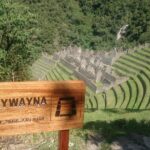
- Machu Picchu: guided citadel tour plus time to roam
- Timing and photo expectations: when you’ll get your best shots
- Price and value: what $599 covers (and what it doesn’t)
- What kind of traveler will like this most?
- Should you book this 2-Day Train Tour?
- FAQ
- What time does the tour start and where do we meet?
- Is pickup from my Cusco hotel included?
- Is the Machu Picchu entrance ticket included?
- Do I get breakfast and lunch?
- How do we get to Machu Picchu from Aguas Calientes?
- Is the train included, and where does it go?
- How large is the group?
Key highlights worth your attention
- Small group up to 9: less chaos, easier photo stops, and more guide attention.
- Awana Kancha alpaca farm: short but hands-on, with feeding and textile context.
- Pisac terraces + market: you get both the engineering and the shopping with local artisan time.
- Ollantaytambo fortress before the train: strong sense of where people lived and defended.
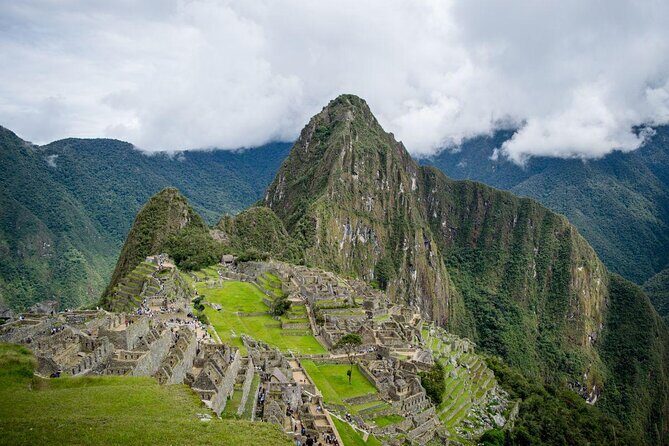
- Machu Picchu guided citadel tour: includes famous areas like Condor Temple plus spare time after.
- Train Cusco-area to Aguas Calientes, then Machu Picchu by bus: a classic route that saves you from day-of logistics.
First morning out of Cusco: viewpoints, Inca sites, and alpaca time
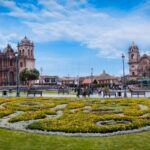
You start at 7:00 am at Plaza Regocijo in central Cusco, with hotel pick-up included for your group. The morning begins with a scenic drive out of town where your guide points out major Inca-era sites along the way—Sacsayhuaman, Qenqo, and Pucapucara. This is one of those moments where you get quick context for what you’ll see later in the Sacred Valley: the Incas didn’t just build ruins, they built systems that fit the mountains.
There’s also an optional stop at Cristo Blanco viewpoint. If you’re a photo person, this is a smart warm-up. It helps you get your bearings fast: Cusco’s skyline is dramatic, and that scale makes the Sacred Valley feel even bigger later.
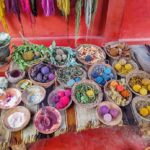
Then you head to Awana Kancha, one of the larger alpaca farms in the Sacred Valley. The stop is short (about 20 minutes), but it’s not just standing behind a fence. You’ll interact with alpacas and other camelids (the tour notes llamas, huanacos, and even vicuñas), and you’ll get a chance to feed them. Your guide also connects wool and textile traditions to what you’re seeing. That small “why this matters” piece turns the farm stop from a cut-away into a cultural primer.
Practical tip: alpaca farm stops are hands-on, so wear clothes you don’t mind getting a little dusty. And if you plan to buy textiles later at Pisac, pay attention here—textures, weaving styles, and wool quality suddenly make sense.
A few more Cusco tours and experiences worth a look
Pisac terraces and the market you can actually shop in
Pisac is split into two very different experiences: the archaeological site first, then the market.
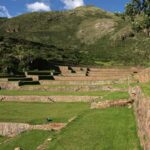
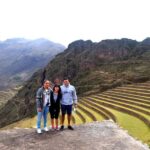
At the Parque Arqueológico Pisac, you’re up above the valley among terraces, stone residences, ceremonial altars, and water channels. The big payoff is understanding how Inca agriculture worked on steep land. Terraces weren’t just pretty stairs; they were engineering for farming, managing water, and stabilizing soil. The time on site is about 45 minutes, and because you have a guide explaining what you’re looking at, it’s easier to spot the logic of the layout instead of just admiring the view.
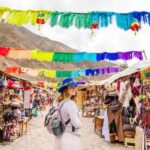
Then it’s straight into Pisac Market, which is where the tour becomes more lively. This is the part where you can buy traditional souvenirs—handwoven textiles, ceramics, silver jewelry, and small gifts that actually feel tied to local making. The market stop is brief (about 15 minutes), so you’ll want to move with purpose: decide what you’re after (scarves, hats, small crafts), and focus on comparing prices and materials quickly.
Practical tip: bring a small amount of cash for last-minute purchases. Also, if you’re sensitive to bargaining culture, you can still enjoy the stalls and buy only what feels fair to you. Short market stops reward decisiveness.
Urubamba lunch: the break that keeps the day from falling apart
After Pisac, you head to Urubamba for a buffet lunch. This meal is included, and the tour describes a spread of over 50 dishes, with vegetarian options and options for special dietary needs. Even if you don’t eat everything, this break is strategic. Sacred Valley days add up fast—driving, walking, standing in viewpoints—and a guaranteed lunch stop reduces the risk of you getting hangry and cranky at an inconvenient time.
The lunch also gives you a change of pace: you’re back in a more comfortable setting, with Peru’s mix of Andean and coastal flavors on the plate. The tour suggests you might see things like quinoa soup or ceviche, plus Andean dishes and desserts. In practice, this is a reset before the later train leg.
Ollantaytambo fortress and the train to Aguas Calientes
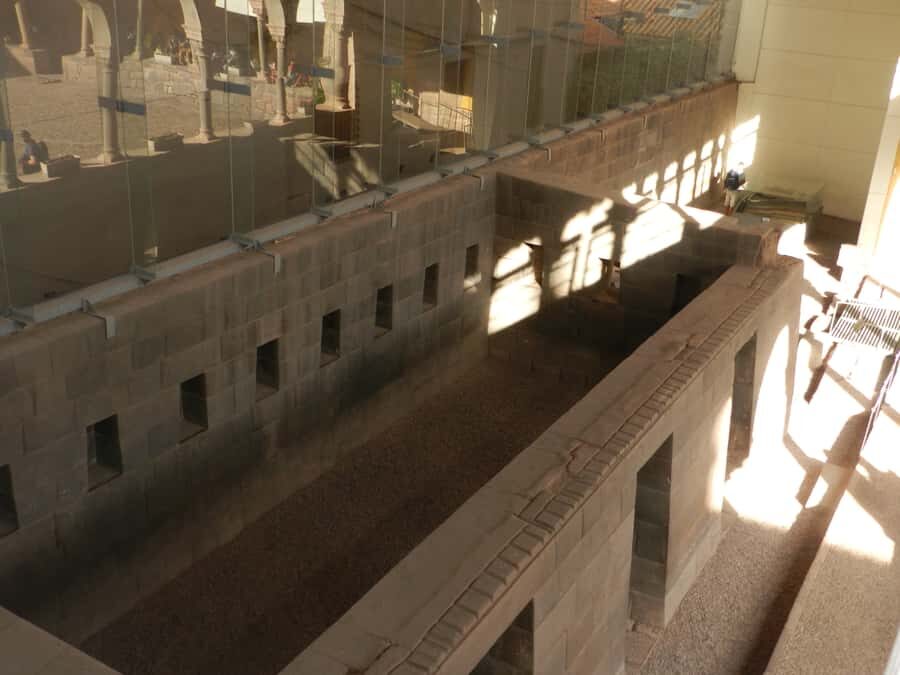
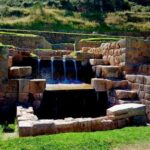
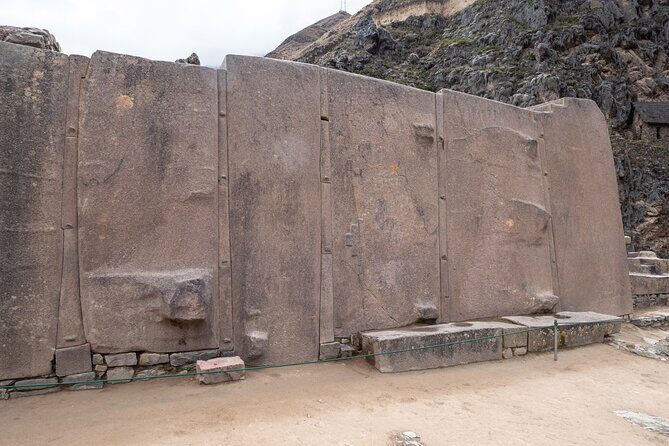
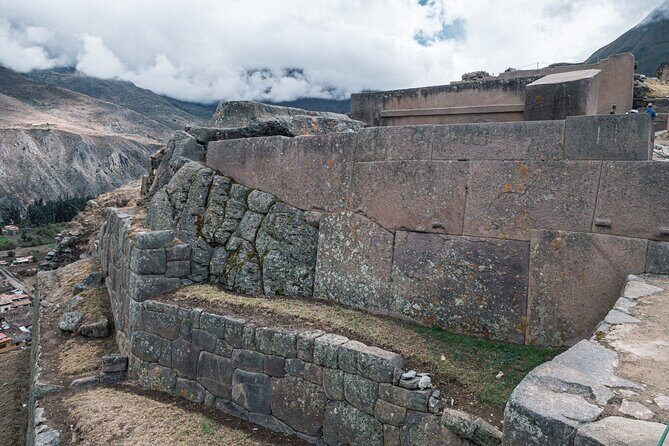
After lunch, the day shifts into “this is why people lived here” mode. Ollantaytambo is a fortress and royal residence site, and the tour gives you time to explore its terraces and temples. This stop is about defense and control—Ollantaytambo wasn’t just a pretty ruin, it was a strategic stronghold that mattered in the Inca world.
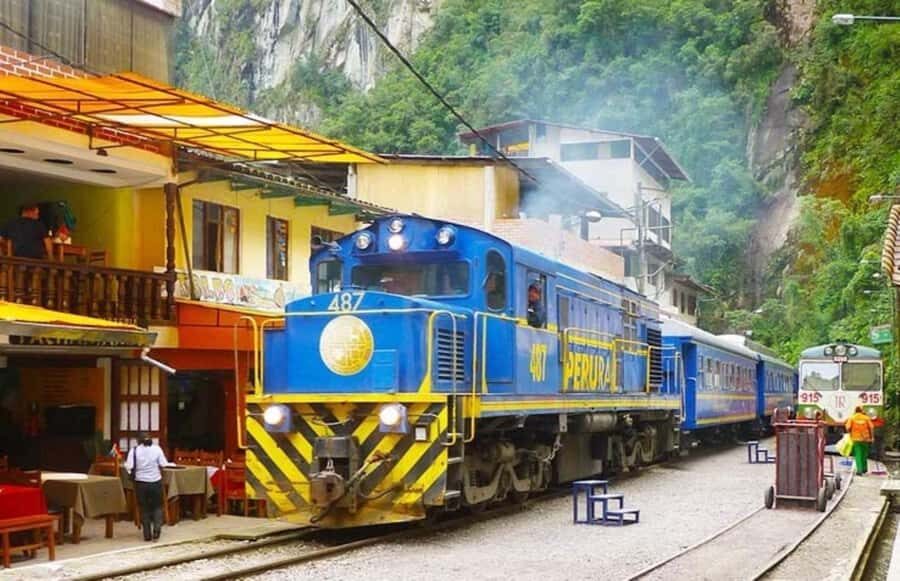
The tour then escorts you to the train station so you can board your selected service: Expedition category is listed as included, and the itinerary also notes an upgraded Vistadome option depending on what you chose. Either way, the train ride is the calm stretch between Sacred Valley stops and Machu Picchu.
Expect scenic views along the Urubamba River route toward Aguas Calientes. Once you arrive, the tour includes help with hotel check-in (staff escort you from the station). Then you’ve got the evening to decompress in Aguas Calientes—walk around, grab something to eat on your own, or just rest up for the Machu Picchu morning.
Practical tip: if you’re considering hot springs, note that they’re optional and not included. That’s good news if you want a low-key evening, but it means you should plan time for it only if you truly want it.
Machu Picchu: guided citadel tour plus time to roam
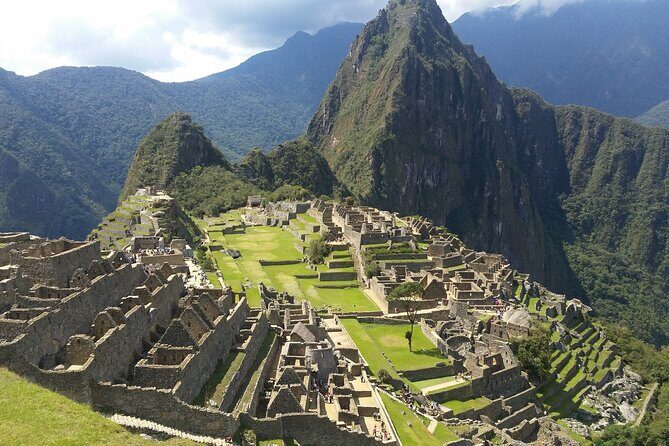
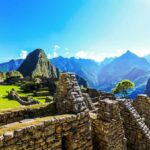
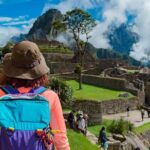
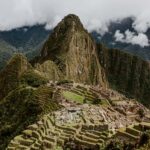
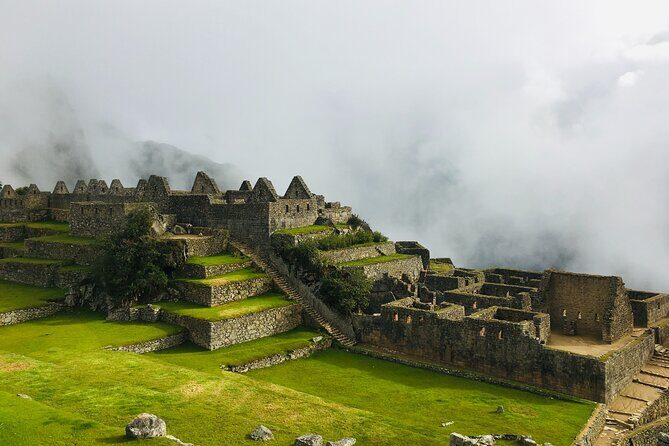
The second day is Machu Picchu day, and it starts with breakfast included. Your guide takes you to the bus station for the ride up to the Machu Picchu entrance. From there, you start with a guided tour through the citadel’s temples, terraces, and key corners.
The tour specifically calls out seeing famous buildings including Condor Temple. You’ll also hear stories about history, mysteries, and spiritual significance—this is one of those places where a guide can help you understand what you’re looking at before you get lost in your own awe.
After the guided tour ends, you get spare time to explore on your own. This portion matters because Machu Picchu photography is wonky: angles shift with crowds, and you may want a minute to watch light change on the stone. Having that buffer prevents the visit from feeling like a sprint.
Then it’s back by bus to Aguas Calientes, where time is set aside for lunch (but lunch on day 2 is not included). You’ll take the train back to Ollantaytambo at 2:00 pm, and a private transport brings you back to Cusco, with arrival timing around 6:00 pm noted in the plan.
Real-talk note on timing: short Machu Picchu trips can sometimes create stress if something small goes off schedule. One prior experience described communication gaps and uncertainty around pickup/ticket steps, plus delays returning to Cusco late in the evening. That’s not the norm in the glowing experiences, but it’s a good reminder: keep your contact info ready, confirm pickup timing the day before, and don’t assume every step will be perfectly smooth without your own follow-up.
Timing and photo expectations: when you’ll get your best shots
The biggest advantage of a guided train-and-bus route is that it reduces your day-of logistics. You’re not trying to figure out which ticket counter, which platform, or which bus line while your phone battery dies. You’re handed the steps and timing, and your guide keeps the flow moving.
That said, photos at Machu Picchu are all about windows—light and crowd movement. This tour builds in:
- photo time opportunities throughout the Sacred Valley stops (Taray viewpoint and Pisac, especially)
- spare time after your guided citadel tour on day 2
- enough structure that you’re not wandering in panic
If you’re picky about getting a particular angle, use your guided portion to learn the layout, then use your free time to chase your photos. The worst strategy is trying to take “everything” during the explanation portion. Let the guide do the teaching; then do your own looking after.
Price and value: what $599 covers (and what it doesn’t)
At $599 per person, you’re paying for a package that includes quite a lot:
- breakfast
- lunch on day 1 (Urubamba buffet)
- guided tours of Pisac, Ollantaytambo, and the Machu Picchu citadel
- entrance ticket to the Machu Picchu citadel
- train from Ollantaytambo to Aguas Calientes (Expedition category listed as included)
- bus from Aguas Calientes to Machu Picchu and back
- private transport from Ollantaytambo to Cusco
- pickup from your hotel in Cusco
What’s not included:
- Huayna Picchu mountain and Machu Picchu mountain entrances (optional)
- hot springs of Aguas Calientes (optional)
- lunch on day 2
- any private expenses and extra drinks
So does $599 feel fair? Yes, if you’d rather pay for coordination than spend your energy organizing trains, buses, and entrance logistics. If you already know the system well and plan to self-book everything, the price might feel high. But for most people, the value is in the reduced hassle and the included entrance + guided time on the ground.
Quick decision helper: if you want a turnkey experience with a small group and a guide who handles the sequence, this price makes sense. If you want maximum flexibility and don’t mind DIY planning, you may find cheaper options elsewhere.
What kind of traveler will like this most?
This tour fits best if you:
- want the classic Sacred Valley highlights without turning it into a logistics project
- appreciate guided explanations (especially for Pisac terraces and Ollantaytambo’s fortress layout)
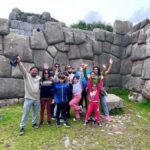
- like a small group pace (max 9 travelers)
- are okay with a scheduled day where you move from stop to stop
From the positive guide mentions in past experiences, names like Ruben and Elvis show up as praised for being helpful and friendly. That’s a strong signal that the guide experience is a real part of the value here, not just a checkbox.
If you dislike early starts, long travel days, or waiting around ticket steps, you might feel more stress than excitement. And if you plan to add Huayna Picchu or the hot springs, you’ll need to account for extra time and extra payments.
Should you book this 2-Day Train Tour?
Book it if you want a smooth, structured Sacred Valley + Machu Picchu itinerary with key entrances handled for you. The included Machu Picchu citadel ticket, the train + bus route, and the guided time make it a good use of only two days—especially since you’re also seeing Pisac terraces, Pisac Market, and Ollantaytambo fortress.
Skip it or reconsider if you’re the type who hates tight timing, or you’re planning multiple optional add-ons that could scramble your schedule. And regardless of what you book, do yourself a favor: confirm pickup timing and keep your phone reachable, because one off-schedule story can turn a once-in-a-lifetime trip into a stressful one.
FAQ
What time does the tour start and where do we meet?
The tour starts at 7:00 am at Plaza Regocijo F2M9+5X2, Cusco 08002, Peru.
Is pickup from my Cusco hotel included?
Yes. Pickup from your respective hotel in Cusco is included.
Is the Machu Picchu entrance ticket included?
Yes. The tour includes the entrance ticket to the Machu Picchu citadel. Tickets for Huayna Picchu mountain and Machu Picchu mountain are not included.
Do I get breakfast and lunch?
Breakfast is included. Lunch is included on day 1, while lunch on the second day is not included.
How do we get to Machu Picchu from Aguas Calientes?
You’ll take a bus from Aguas Calientes to Machu Picchu for the entrance, and then return by bus after your visit.
Is the train included, and where does it go?
Yes. The train from Ollantaytambo to Aguas Calientes (Expedition category) is included, and you also take the train back to Ollantaytambo on day 2.
How large is the group?
The maximum group size is 9 travelers.