REVIEW · CUSCO
Qampa Climbing 2 Days in Ausangate
Book on Viator →Operated by Vidal Expeditions · Bookable on Viator
Summit day starts at 2:30 a.m. Qampa (also spelled Campa/Qampa) is one of the easiest popular peaks near Cusco, and it can be climbed without mountaineering experience thanks to the high-mountain guides and gear/instruction you get along the way. What I love most is how approachable it feels with support from guides like Flavio and Angel, plus how the trip is run with real mountain logistics—your camp is set up for you and you’re not left juggling details at altitude. The main drawback to plan for is that you’re still climbing to about 5,520 m on a glacier hike, so early wake-ups and altitude matter even if the route is beginner-friendly.
This is also a “small group mountain day” kind of experience. The group size caps at 6 travelers, so you get more attention on the glacier section and when you’re learning what to do with your equipment.
In This Review
- Qampa In The Ausangate Area: What You’re Really Signing Up For
- Two Days Of Altitude: Day 1 Pacchanta, Azulccocha, And Base Camp Setup
- What to watch for on Day 1
- Day 2 At 2:30 a.m.: Moraine Trek, The Glacier Climb, And Reaching Qampa
- The real value of the early start
- Guides, Food, And Camp Details That Make This Feel Managed
- Gear, Water, And Packing: The Stuff You Control
- Price And Value: Why $380 Can Make Sense Here
- Who This Climb Fits Best (And Who Should Rethink It)
- Should You Book Qampa Climbing With Vidal Expeditions?
- FAQ
- How early is pickup on the first day?
- What’s the total duration of the tour?
- How many people are in the group?
- Is pickup included?
- What’s included for meals?
- Do I need to bring water?
- Do I need mountaineering experience?
- Is there an option for hot springs?
Qampa In The Ausangate Area: What You’re Really Signing Up For
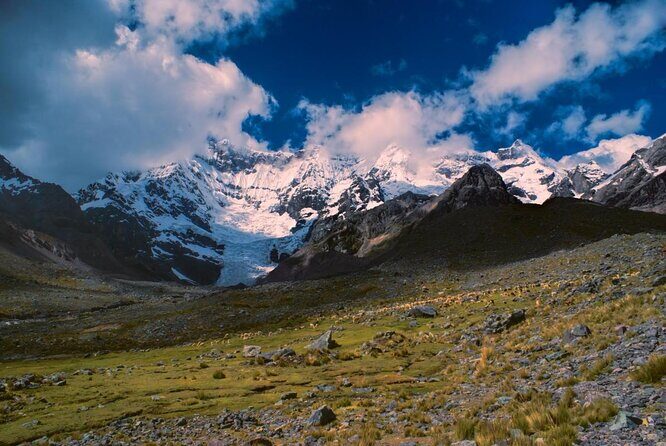
Qampa is often called the easiest, most popular mountain in the Cusco region, but it’s not a sightseeing hike. You’re going to walk at high altitude, then you’ll move into glacier terrain and, depending on the season, you may encounter a small rock climbing section. The good news is that the tour is designed so you can do it without prior mountaineering experience because your guide provides the gear and explains how to use it before the technical part starts.
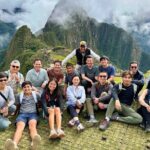
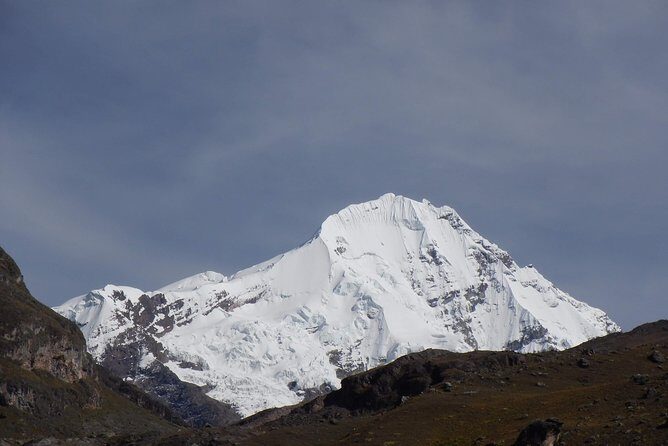
At the summit, the payoff is big and very clear: you get panoramic views that reach as far as Salkantay, over 200 km to the northwest. In plain terms, this is the kind of climb where you remember the view for years, not just the certificate photo.
Two Days Of Altitude: Day 1 Pacchanta, Azulccocha, And Base Camp Setup
You start early in Cusco. Your guide picks you up from your hotel at 6:00 a.m., and you drive toward the Inter Oceanica highway corridor, with a first stop in the small town of Tinki about 2.5 hours into the journey. You get roughly 30 minutes there to stretch, grab breakfast if you want, or pick up anything you forgot.
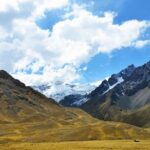
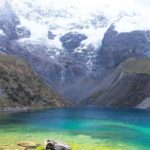
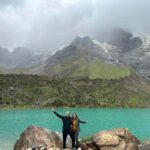
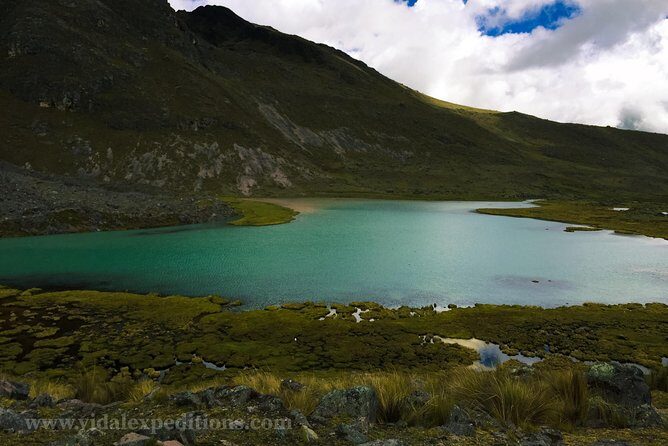
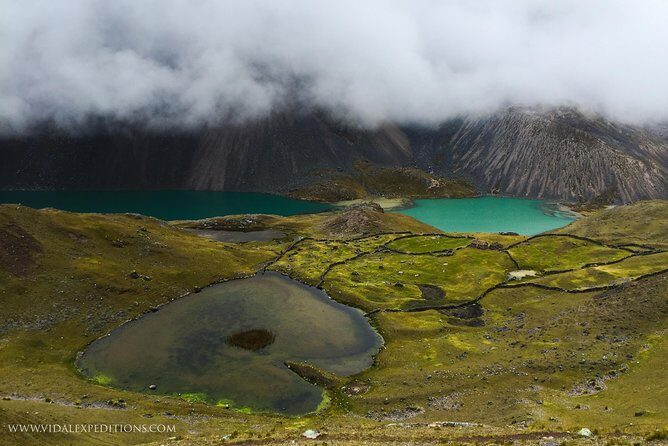
Then it’s onward to Pacchanta village at 4,060 m. This matters because it sets the altitude stage before you truly trek. You’ll hike for around 2 hours to reach Azulccocha, where you stop for lunch with snow-capped mountains all around you. It’s a great “systems check” point: you eat, you catch your breath, and you get your hiking rhythm.
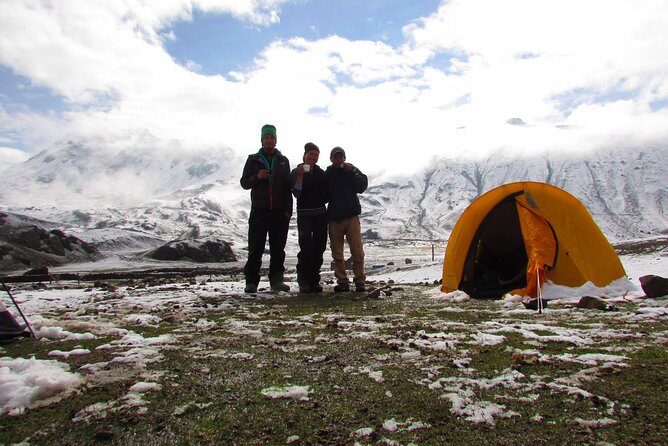
After lunch, you keep going to the base camp at 4,680 m. Once you arrive, the important part is that you don’t arrive to chaos. Your tents are already set up, and you spend the night there. Dinner comes as part of the included service, which is a real comfort when the day ends and you don’t want to hunt for food at altitude.
From the reviews I read, a standout detail is that staff handle camp setup for you and that extra duffel bags can be carried by horses. That means you can pack with some confidence instead of traveling ultra-light.
A few more Cusco tours and experiences worth a look
What to watch for on Day 1
You’re gaining altitude gradually, but you’ll still feel the thin air. You’ll do best if you move steadily and keep your effort controlled, especially after the first drive day. If you’re expecting an effortless stroll, lower that expectation: this is a mountain route, just a managed one.
Day 2 At 2:30 a.m.: Moraine Trek, The Glacier Climb, And Reaching Qampa
Day 2 begins before dawn. You wake up at 2:30 a.m. and have a “super breakfast,” then you’re moving quickly because the plan is built around an early summit push.
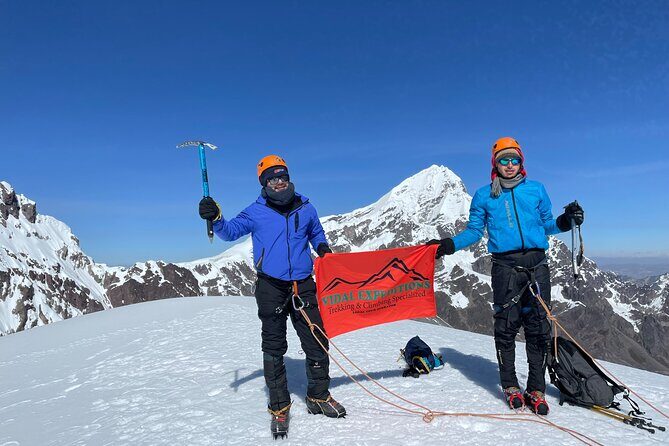
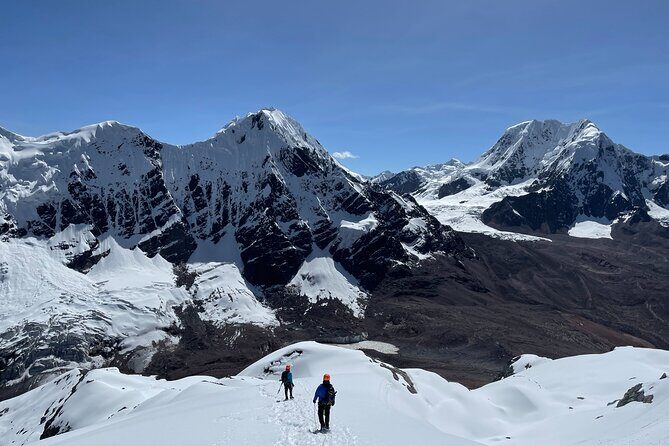
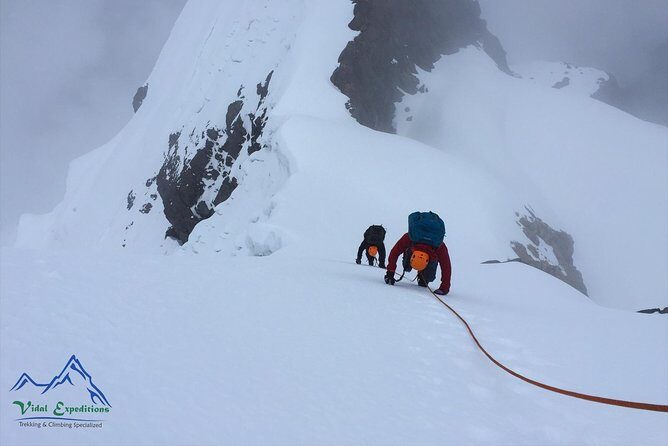
First, you trek to the moraine. Then comes the glacier portion: you climb up to reach the glacier, which is described as the start of the technical climb. This is where the high-mountain guide earns their keep. You’ll be provided with the gear and instructions, and you’ll spend about 2 hours climbing toward the summit of Qampa at 5,520 m.
The route includes some steps. That’s a simple detail, but it’s meaningful: stepped glacier sections can feel awkward if you’re tired, so the guide’s coaching matters. When you finally reach the top, the views are the headline. You take a rest, soak in the panorama, and enjoy the peaks around you before you head back down.
Then you descend to base camp for lunch. After that, it’s back to Pacchanta village on foot. You’ll have the option to soak in the hot spring afterward, with Ausangate Mountain in view. That hot-spring moment is one of those “you came this far for a reason” finishers, even if you only do a short soak.
Finally, in the afternoon, you take the bus back to Cusco.
The real value of the early start
A glacier climb isn’t just about fitness; it’s also about timing. Leaving early helps you tackle the technical section with a fresher body, and it usually keeps conditions more predictable. You’re still working hard either way, but the structure of the day makes a difference.
Guides, Food, And Camp Details That Make This Feel Managed
This climb earns its reputation because the support is built in. Multiple reviews highlight that guides like Flavio, Chino, Sergio, Raul, Hector, and Vinerson led groups confidently and made people feel safe. Even when someone is new to multi-day hiking or new to climbing techniques, the tour is set up so you learn what you need before the summit push.
Food is another strong point. Breakfast, dinner, and two lunches are included, and many reviews call out that meals tasted great and felt like more than just fuel. One review even mentioned a cake made when they returned from the summit, which is a small detail but shows a company culture focused on morale, not just checklists.
There’s also comfort in the way camp is handled. Tents and sleeping bags are set up for you. That removes a lot of stress at the moment when you’d rather be thinking about tomorrow’s climb, not where your gear goes and how you’ll sleep.
Gear, Water, And Packing: The Stuff You Control
The tour includes meals and you’ll receive climbing gear and instructions for the glacier section. What is not included is water. That means you should plan to buy or carry what you need before you start the trekking days. If you’re the kind of person who likes extra, this is one place to lean toward “bring more than you think,” because you’ll be at altitude and working hard.
Because horses can carry extra duffel bags, you might pack more than ultra-light hikers do. Still, don’t treat that as a reason to bring everything you own. Bring layers, warm items for summit time, and the basics you know you’ll use. If you run cold easily, prioritize warmth even if the daytime feels comfortable.
Price And Value: Why $380 Can Make Sense Here
At $380 per person for two days, this price can be good value if you compare it to what you’d have to arrange on your own. You’re paying for more than a guide walk in the mountains.
You’re also paying for:
- Transport from Cusco (pickup from your hotel and return by bus)
- Camp logistics (tents set up for you)
- Meals (breakfast, dinner, and two lunches)
- Climbing support (gear and instructions for the glacier climb)
- A small group format (maximum 6)
The biggest “cost surprise” to watch for is that water isn’t included. Another practical note: at least one review suggested the first-day breakfast might be something you handle yourself depending on timing. So, if you prefer a full breakfast before you begin moving, plan to grab it during the Tinki stop or earlier in Cusco.
If you want a beginner-friendly way to experience a high-altitude glacier climb with real structure, this setup is one of the cleaner options near Cusco.
Who This Climb Fits Best (And Who Should Rethink It)
This experience fits you if:
- you have at least moderate physical fitness
- you’re okay with early mornings and altitude days
- you want to learn the basics with a guide rather than figure everything out solo
- you want panoramic summit views without needing prior mountaineering experience
It may be less ideal if you:
- struggle with high altitude even during shorter hikes
- hate cold starts or long drive-to-trek days
- want a low-effort experience without technical glacier conditions (even if the route is beginner-friendly)
Also keep in mind that weather can change quickly in the Andes. Reviews mention getting nearly every weather type, so pack layers and be ready for changing skies.
Should You Book Qampa Climbing With Vidal Expeditions?
If you want a real mountain summit from Cusco that still feels approachable, I’d lean toward booking. The combination of gear + instruction, camp set up, and a small group size makes the biggest hard parts more manageable. Add the hot-spring finish option at Pacchanta, and you get a satisfying “finish line” after the climb.
Book it if you’re excited by the challenge of 5,520 m and you trust guides to walk you through the glacier section. Skip it or ask more questions first if altitude has ever knocked you out on shorter hikes, because this is still serious high-country work, even with good support.
FAQ
How early is pickup on the first day?
You’ll be picked up from your hotel in Cusco at 6:00 a.m.
What’s the total duration of the tour?
The climb is listed as 2 days (approx.).
How many people are in the group?
The tour has a maximum group size of 6 travelers.
Is pickup included?
Yes, pickup is offered.
What’s included for meals?
You’ll have dinner, breakfast, and lunch (2) across the two days.
Do I need to bring water?
Water is not included, so you’ll want to plan for it.
Do I need mountaineering experience?
The mountain may be climbed without mountaineering experience, but it does involve a glacier hike and sometimes a small rock climbing pass depending on the season.
Is there an option for hot springs?
Yes, after hiking back to Pacchanta you have the option to soak in the hot spring with a view of Ausangate.