REVIEW · CUSCO
Sacred Valley Private Tour, Moray & Salt Mines Incluided
Book on Viator →Operated by Oldstone Adventures · Bookable on Viator
Inca engineering in real life is hard to top. This private Sacred Valley day strings together major citadels plus the Moray salt-and-farm science so you get variety without the hassle of group tours. I especially liked the way the guide can tailor pacing and even shift details when your day needs it, and I like having a dedicated driver so you can actually enjoy the stops instead of timing traffic like a part-time job. One drawback to plan for: several key entrances and the salt mines ticket are extra, so budget for soles before you go.
You start early from your hotel, usually at 7:00 am, which matters here. It helps you reach the most popular viewpoints before the worst of the crowds and gives you more time on the ground where it counts. Also, because this is a full 10-hour sweep across multiple high-altitude sites, you’ll want to bring layers and take breaks when you need them.
In This Review
- Key highlights you’ll feel right away
- Why the Sacred Valley Route Works in One Day
- Chinchero Textile Center and the Inca-Style Dye Demonstration
- Salinas de Maras: 3,000 Salt Pools and How Harvesting Still Works
- Moray’s Microclimates: The Inca Experiment Farm
- Ollantaytambo’s Meant-for-the-Long-Haul Stonework and Sun Temple
- Pisac and Urubamba: Lunch Time That Doesn’t Eat the Whole Day
- Price and Ticket Reality: What Your $125 Actually Buys
- Your Guide and Driver: The Difference Between Sightseeing and a Day That Flows
- Practical Tips for a Smooth 10-Hour Sacred Valley Day
- Who Should Book This Tour
- Should You Book This Sacred Valley Private Tour?
- FAQ
- What time does the tour start?
- How long is the Sacred Valley private tour?
- Is this a group tour?
- What is included in the price?
- What tickets are not included?
- How much time do we spend at each main site?
- What if the weather is bad?
- How early should I book?
Key highlights you’ll feel right away
- A private, flexible schedule so you spend time exploring instead of waiting in long lines
- Three top Sacred Valley Inca stops in one day, plus Moray and the Salt Mines
- Natural-dye textile demo in Chinchero, not just a quick photo stop
- Moray’s microclimates explained in plain terms, with clear “how the Incas tested crops” context
- Ollantaytambo’s massive stonework, including the astronomical Sun God temple
- Dedicated driver and guide, including practical help when entry fees are an issue
Why the Sacred Valley Route Works in One Day
This tour is built for a simple goal: see the main Sacred Valley highlights in a single day without feeling rushed on the bus. You’ll roll out from Cusco at 7:00 am, then work through Chinchero, Maras, Moray, Ollantaytambo, and Pisac, with a lunch stop in Urubamba.
The private format changes the experience more than you’d think. Instead of being locked into one pace and one line-up, your guide can adjust timing to match your group, energy level, and photo plans. In the real world, that means you’re more likely to actually look at what you came for.
It also helps you beat crowds. Starting early gives you breathing room at the more famous viewpoints, which is a big deal in Peru when the midday sun and tour lines both get intense.
You can also read our reviews of more private tours in Cusco
Chinchero Textile Center and the Inca-Style Dye Demonstration
Chinchero is about 45 minutes from Cusco, and it’s a smart first stop because it sets a cultural tone for the day. You’ll visit a textile center where you can watch a dyeing demonstration using natural dyes made from plants and even minerals, in a method tied to older traditions.
This is one of my favorite parts of the day because it’s hands-on and visual. You’re not just looking at ruins; you’re seeing craft knowledge—how color gets made and why the Incas valued natural materials. If you like practical details, ask questions. The guide can connect the craft to the broader Inca worldview, especially around agriculture, resources, and daily life.
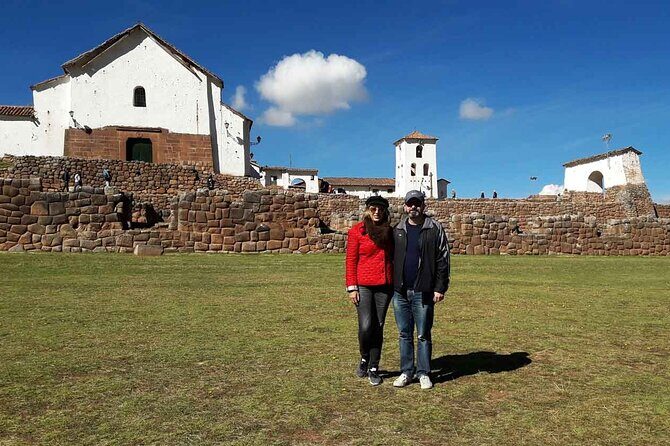
Then you’ll step into the Inca citadel of Chinchero to see palaces, temples, and agricultural terraces. Expect about 50 minutes here, and remember the admission ticket is not included.
Practical note: bring cash in Peruvian soles for entry fees later. One of the best ways to keep your day smooth is having the money ready before you reach the ticket window.
Salinas de Maras: 3,000 Salt Pools and How Harvesting Still Works
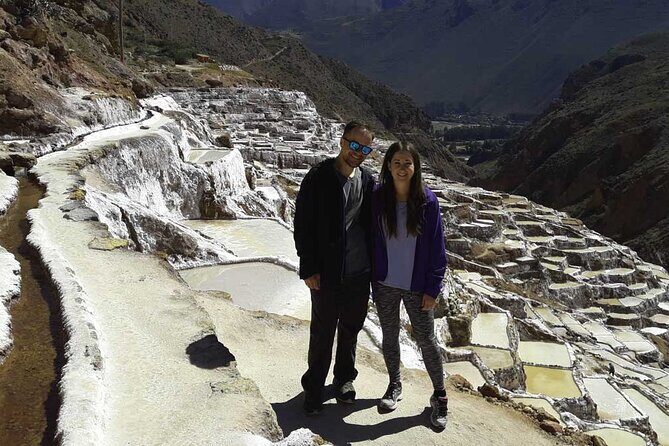
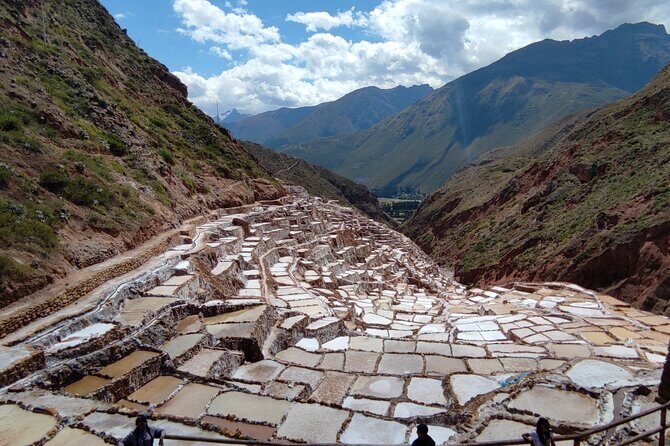
After Chinchero, you drive roughly 25 minutes to Salinas de Maras. This is the famous salt mines area with around 3,000 pools, where you can see salt being harvested in a way that still echoes older practices.
The place looks almost unreal at first—rows upon rows of small pools cascading down the hillside. What’s more interesting is that it’s not just a landscape of salt; it’s a working system. The guide can explain how the pits are organized and how water and evaporation make the salt harvesting possible.
Plan for about 30 minutes at the mines. Admission is extra (S/20 soles per person), so confirm you’re carrying enough cash. If you don’t like scrambling at the last minute, consider withdrawing early.
If you’re sensitive to time and crowds, this stop is manageable because you’re not stuck in a long ticket line for hours. You’ll also get a better photo rhythm if you take your time walking the edges and pausing at different angles.
Moray’s Microclimates: The Inca Experiment Farm
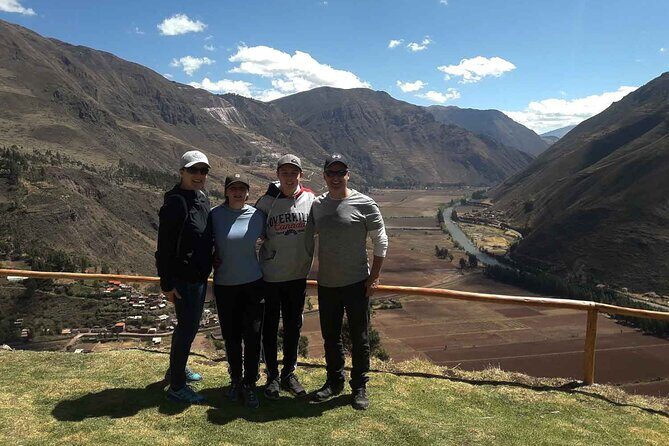
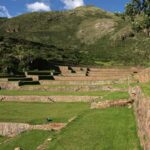
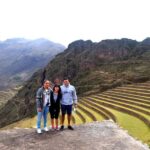
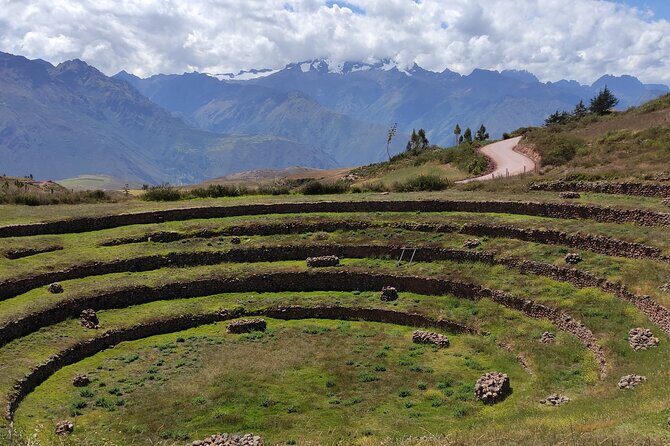
Next comes Moray, about 30 minutes from the salt mines area. Moray is the Inca agricultural experimentation center known for its microclimates—different growing conditions from top to bottom across platforms.
What makes Moray so worth it is that it feels like science, but it’s also ancient and tactile. You can stand in and around the circular terraces and imagine the Incas testing how different plants respond to temperature and exposure changes. The “microclimate” idea lands much faster in person than it does from any pamphlet.
You’ll have about 30 minutes here, and again, admission isn’t included in the base price. If you’re a gardener-type person, you’ll likely enjoy this stop the most. If you’re more into history, focus on how the Incas engineered an environment for experiments rather than just building impressive structures.
Take a slow walk and look for the ways the terraces guide movement and viewing. This is a place where slowing down makes the explanation click.
Ollantaytambo’s Meant-for-the-Long-Haul Stonework and Sun Temple
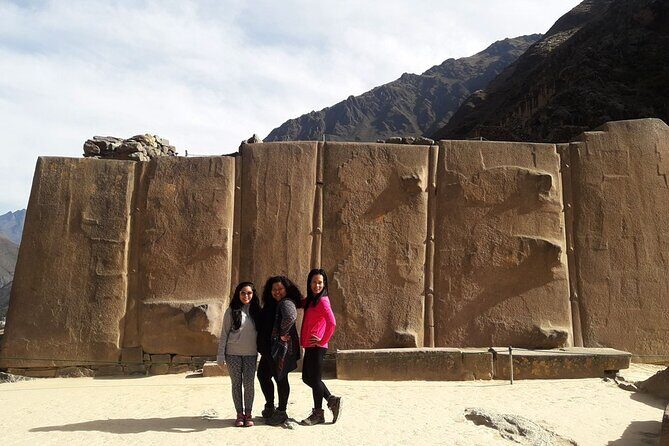
From Moray, it’s about a 45-minute drive to Ollantaytambo. This stop is often the big “wow” for people who want pure Inca engineering: you’ll see megalithic work with large lithic blocks reported in the range of 80 to 100 tons.
You’ll also have a chance to visit the famous astronomical temple dedicated to the Sun God. Even if you’re not a sky-watching person, the idea of aligning architecture with celestial observation gives the site another layer.
Expect about 1 hour here, and be ready for the kind of walking where you’ll earn your photos. Comfortable shoes help more than you’d expect, especially when you’re moving between terraces and sightlines.
If you’re traveling with someone who tires easily, this is a good moment to take brief breaks. A private guide can pace the group in a way that keeps the day enjoyable rather than exhausting.


Pisac and Urubamba: Lunch Time That Doesn’t Eat the Whole Day
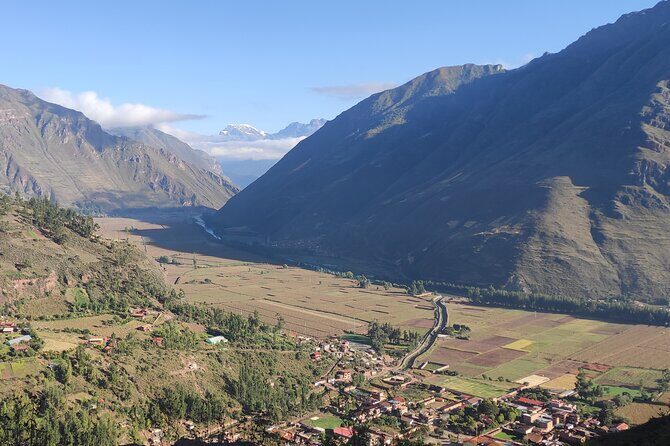
After Ollantaytambo, you’ll drive about 30 minutes to Urubamba for lunch, with about 45 minutes set aside to eat. The timing here is practical: you’re not starving, and you’re not losing the whole afternoon to a long restaurant detour.
Then you’ll head to Pisac for about 1 hour at the archaeological park. This area includes temples, palaces, and agricultural terraces, which means it complements the earlier stops instead of repeating them.
Pisac works well as the final major Inca site because you can compare the terrace and site logic across the day. By this point, the Sacred Valley theme should feel clearer: water control, farming adaptation, and built spaces designed for ceremony and everyday power.
After Pisac, you’ll return to Cusco. It’s a full day, so don’t plan anything major immediately afterward unless you like living dangerously.
Price and Ticket Reality: What Your $125 Actually Buys
At $125 per person for about 10 hours, you’re paying for private transportation, a professional driver-guide, and hotel pickup and drop-off. That’s the core value: you’re buying time and comfort, not just access to sites.
The catch is that you’ll pay additional entry costs on top of the base price. The salt mines ticket is S/20 soles per person, and tourist tickets are S/70 soles per person. Lunch and tips are also not included. If you’re budgeting, treat these as normal add-ons and you’ll avoid the stressful end-of-day scramble.
One practical win: you don’t waste time figuring out logistics. Your guide handles the routing, and that matters in the Sacred Valley, where a wrong turn or slow coordination can quickly eat into your time at the sites.
If you’re comparing this to group tours, think about what you want more: cheaper cost or better pacing. If your group includes different ages or mobility levels, private often turns out to be the better value.
Your Guide and Driver: The Difference Between Sightseeing and a Day That Flows
The heart of this tour is your guide and driver team, and the tone is consistent: they prioritize comfort, safety, and sensible timing. Guides like Alfredo have a reputation for making the day work for real schedules, not a rigid script.
You’ll notice this in the details. People have described Alfredo as patient with family members dealing with altitude, and the team aims to keep the day comfortable rather than just “covering stops.” The driver aspect also matters here—this route includes winding roads and steep areas where a steady hand changes your whole experience.
Flexibility is another big selling point. The guide can adjust pickup points and tweak the order or timing based on what your group wants to focus on. That’s how you get more time looking at sites instead of standing around.
There are also real-world moments that say a lot about how the day is run—like help with cash for entry fees when plans go sideways, or returning a left item later. Those aren’t flashy perks, but they make you feel taken care of.
Practical Tips for a Smooth 10-Hour Sacred Valley Day
Here’s how to make this kind of full-day private tour feel easy instead of exhausting.
Bring cash in soles for tickets. Salt mines ticket and tourist tickets aren’t included, and having the exact or close-to-exact amount saves time.
Wear layers. Cusco mornings can be chilly, and you’ll spend time outdoors across different elevations. A hat and a light jacket go a long way.
Plan for a lot of walking, but with stops. Each site has a set visit window, so you’ll move steadily. Comfortable shoes help you enjoy the stonework and terraces without feeling beat up.
Use the private time for photos. With a flexible guide, you can usually get to the right angles without fighting the main crush. If you care about specific shots, tell your guide early.
Expect good weather. This tour notes that it requires good weather. If conditions are poor, you should be ready for a date change.
Who Should Book This Tour
This is a great fit if you:
- want a private Sacred Valley day with less stress and better pacing
- care about Inca sites beyond the basics, including Moray and the Salt Mines
- want a guide who can adapt to your group’s energy and time
- are traveling with family, mixed ages, or anyone who needs a steadier rhythm
It may not be ideal if you’re trying to minimize cost above all. Once you add salt mine and tourist tickets plus lunch, you’ll raise the total. Also, if you hate early mornings and long drives, be aware that 7:00 am starts are a big part of why this works.
Should You Book This Sacred Valley Private Tour?
Yes, I’d book it if you want a smart, efficient Sacred Valley day with real guide support. The combination of Chinchero textiles, Salinas de Maras, Moray’s microclimates, Ollantaytambo’s massive stones, and Pisac’s terraces gives you variety that feels cohesive rather than random.
Also, private transportation and a dedicated guide are not just luxuries here—they’re what make the pacing feel humane. You get the chance to see the sites in a way that’s calmer, more flexible, and easier on your legs.
If your budget is tight or you’re strictly trying to keep costs low, compare against a group option and weigh the difference. But for most first-timers to Peru who want the Sacred Valley highlights without the stress, this tour’s value lands well.
FAQ
What time does the tour start?
The tour starts at 7:00 am with hotel pickup.
How long is the Sacred Valley private tour?
It runs about 10 hours (approximately).
Is this a group tour?
No. It’s a private tour/activity, and only your group participates. A minimum of 2 people is required.
What is included in the price?
Hotel pickup and drop-off, private transportation, and a professional driver-guide are included.
What tickets are not included?
The salt mines ticket (S/20 soles per person) and tourist tickets (S/70 soles per person) are not included. Lunch and tips are also not included.
How much time do we spend at each main site?
Chinchero is about 50 minutes, Salinas de Maras about 30 minutes, Moray about 30 minutes, Ollantaytambo about 1 hour, and Pisac about 1 hour. Lunch time in Urubamba is about 45 minutes.
What if the weather is bad?
This experience requires good weather. If it’s canceled due to poor weather, you’ll be offered a different date or a full refund.
How early should I book?
On average, this tour is booked about 43 days in advance.