REVIEW · CUSCO
2-Day Sacred Valley & Machu Picchu Tour by Train from Cusco
Book on Viator →Operated by Cosmo Expeditions · Bookable on Viator
Two days in Peru can feel like a full month. This train-forward Sacred Valley and Machu Picchu plan strings together the sites you actually want, plus time to pause and look.
I particularly like the small-group feel (max 9) and the guided stops that take you from weaving traditions to Inca terraces without the usual guesswork.
One thing to plan for: a few site fees and lunch (at Aguas Calientes) aren’t included, and Machu Picchu circuits depend on availability.
In This Review
- Key things I’d circle before you book
- Why this Sacred Valley plus Machu Picchu plan starts with a train
- Day 1: Chinchero weaving, Inca terraces, salt ponds, then Ollantaytambo
- Cusco as your launch pad
- Chinchero Weaving Center: where you meet the craft
- Moray: the Inca’s agricultural experiment in terraces
- Salinas de Maras: the iconic salt ponds photo moment
- Lunch at Restaurante Tunupa: a buffet that keeps you on schedule
- Ollantaytambo: ruins plus the train switch
- Evening in Aguas Calientes: free time to reset
- Day 2: guided Machu Picchu tour, then time to explore at your pace
- The guided walk through Machu Picchu’s core
- Extra time after the guide finishes
- Return by train: back to Ollantaytambo and then Cusco
- The hotel in Aguas Calientes and the meals that keep you comfortable
- Guides and service: what consistently made people feel taken care of
- Machu Picchu circuits and tickets: what’s included and what to watch
- What you might pay extra: Sacred Valley fees, Maras, and lunch
- Price and value check: is $599 actually fair?
- Who this tour suits best (and who may want another style)
- Should you book this train tour?
- FAQ
- What is included in the tour price?
- What Machu Picchu ticket option do I get?
- Are Maras Salt Mines and Moray entrance fees included?
- How are meals handled on the second day?
- How many people are in the group?
- Where and when does the tour start?
Key things I’d circle before you book
- Max 9 travelers keeps this from turning into a cattle-car tour
- Round-trip transfers in Cusco reduce the stress of figuring out meeting points
- Chinchero + alpaca/llama time gives you culture you can touch, not just rocks
- Moray and Maras are the big “wow” stops where the Inca did clever science with terraces and salt
- Machu Picchu circuit ticket is included, but it’s based on what’s available
- Guides and drivers are a standout, with names like Ruben, Julio Cesar, Edward, and Luis showing up in real support stories
Why this Sacred Valley plus Machu Picchu plan starts with a train
Machu Picchu is famous, but the getting-there part is where most tours wobble. This one is built around the Ollantaytambo train connection, which matters because it smooths out one of the hardest days of the trip. You’re not constantly rebooking transport or losing time to last-minute queues.
I also like that the tour isn’t just a checklist. You start with the Sacred Valley stops—Chinchero, Moray, Maras, Ollantaytambo—then you end with the main event at Machu Picchu. That order helps you understand what you’re seeing, because the landscape and Inca engineering show up more than once.
A few more Cusco tours and experiences worth a look
Day 1: Chinchero weaving, Inca terraces, salt ponds, then Ollantaytambo
The day begins with Cusco hotel pickup at 7:45 AM. You’ll ride out with your guide, and the pacing is set up for sites you can actually enjoy rather than sprint between photo spots.
Cusco as your launch pad
Before you even hit the first major site, you’re headed into the Sacred Valley with enough time to get your bearings. The tour also includes time for artisan markets and general local atmosphere, which is handy if you’ve never been to the area before.
Chinchero Weaving Center: where you meet the craft
Chinchero is one of the best places to start because it’s living culture, not only ruins. You’ll visit a local family who preserves weaving traditions and shows how fabrics are made by hand using natural ingredients. You’ll also spend time with alpacas and llamas, including a chance to feed and take photos.
A practical tip: go into this expecting to buy something only if you truly love it. The experience is designed to show process, but the shop part comes with it—so decide early what you’re willing to spend.
Moray: the Inca’s agricultural experiment in terraces
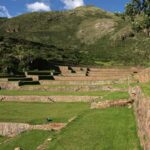
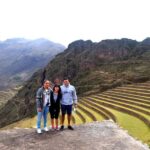
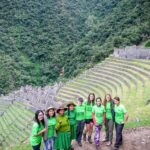
Then it’s onward to Moray, where you stand in front of Inca terraces and hear the story behind how the Incas created different growing conditions. You’ll get about an hour here, including guided context about the “why” behind the terraces.
If you’re the type who likes explanations, Moray is your payoff stop. It’s not just pretty steps—it’s the Inca thinking like engineers.


Salinas de Maras: the iconic salt ponds photo moment
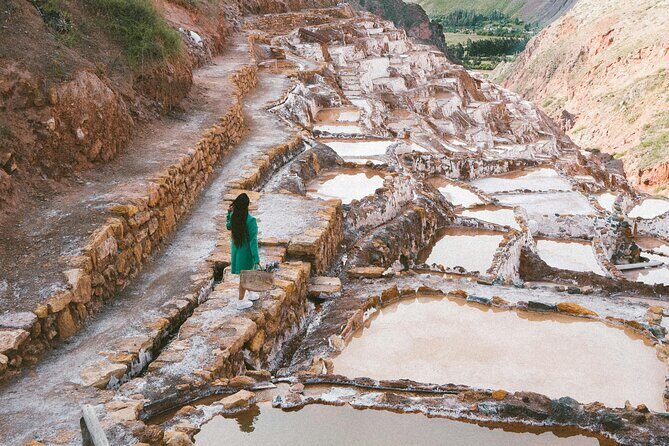
Next comes Maras Salt Mines, where thousands of small salt ponds are still used today. This is one of those places where your guide helps you get the photo angle without you wandering into the wrong spots.
You’ll also work in time for lunch after this stop, so Maras doesn’t feel like a rushed “walk through and leave” experience.
Lunch at Restaurante Tunupa: a buffet that keeps you on schedule
For lunch, you’ll eat at Restaurante Tunupa. The meal is included and is described as a buffet with a wide range of Peruvian dishes, including vegetarian options. This matters on a tour like this because lunch is what prevents the afternoon from feeling like a blur.
Ollantaytambo: ruins plus the train switch
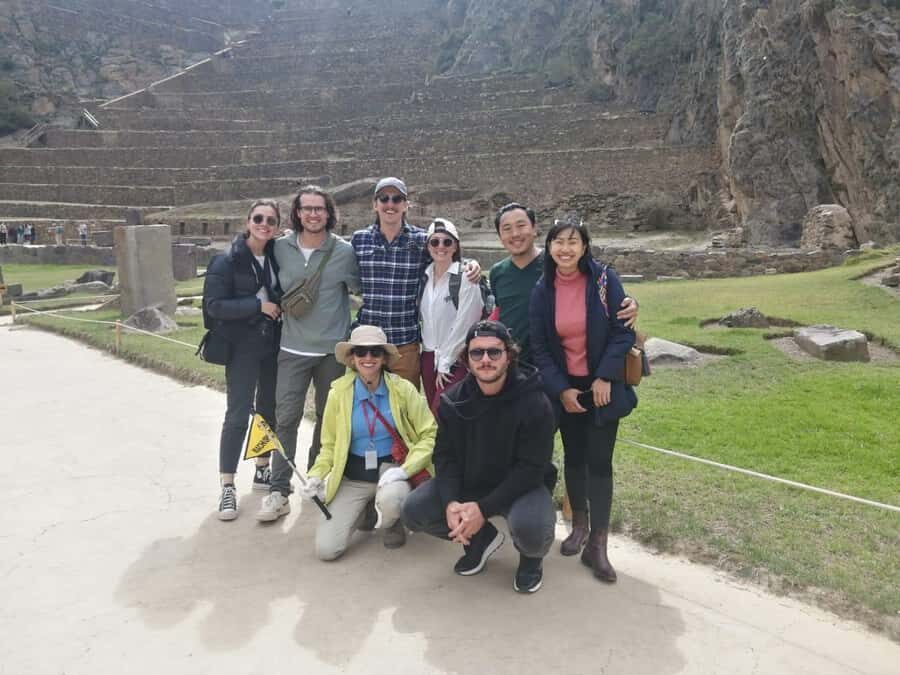
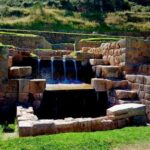
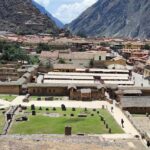
Your day ends at Ollantaytambo, known for terraces and ruins that guarded an important entrance route toward Machu Picchu. After exploring, you’re escorted to the train station for your ride onward.
The train portion is about 1 hour and 45 minutes, and it’s timed so you arrive in Aguas Calientes with enough energy to check in and sleep.
Evening in Aguas Calientes: free time to reset
You’ll arrive around 6:10 PM, and your team meets you at the station exit to take you to your hotel. Evening time is free, so you can wander the town at your own pace and prepare for an early start.
One small reality check: Aguas Calientes is built for Machu Picchu visitors, so it can feel busy. The upside is that you’re close to everything you need once the next morning arrives.
Day 2: guided Machu Picchu tour, then time to explore at your pace
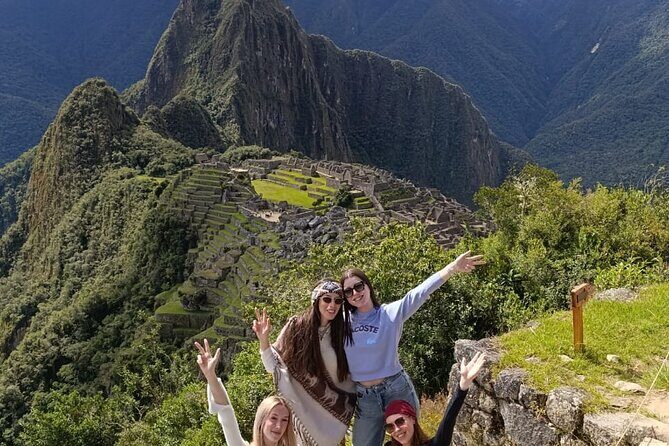
The second day is more focused. After breakfast at your hotel, you’ll head to the bus station and ride up to Machu Picchu’s main gate.
The guided walk through Machu Picchu’s core
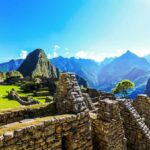
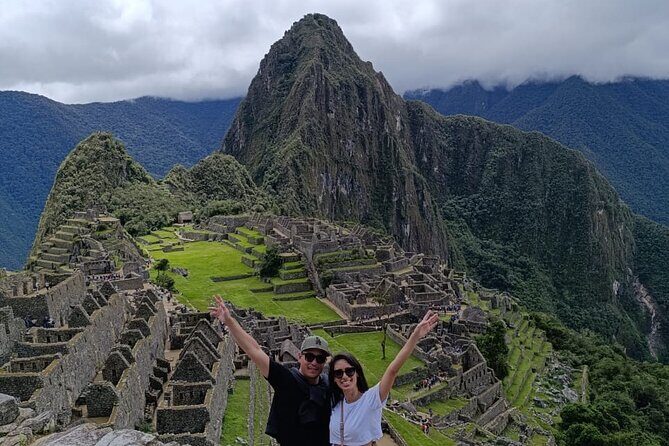
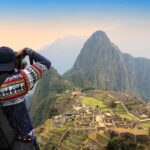
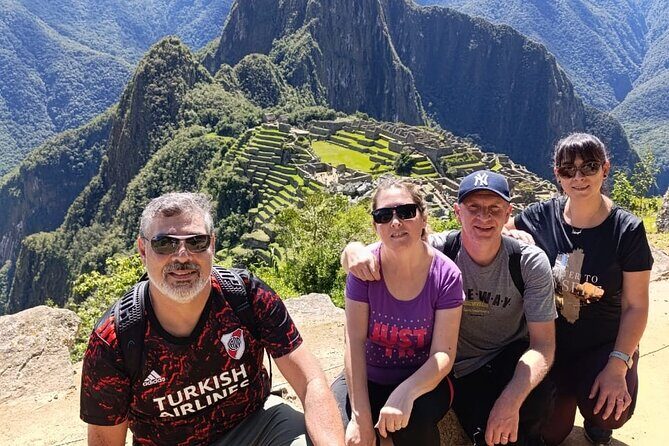
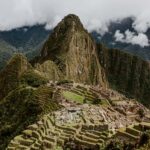
You’ll tour with an expert English-speaking guide, moving through the ruins’ ancient streets, city squares, and stone staircases. The tour includes guided time to understand what you’re looking at and how the site worked as a spiritual and administrative center.
This is where the value of having a guide shows up. Machu Picchu is visually loud, but the best experience comes when someone points out what matters and why.
Extra time after the guide finishes
Once your guided portion ends, you get extra time to explore on your own. You’ll then ride the bus back to Aguas Calientes, where lunch is available but not included.
If you’re trying to beat crowds, plan your personal exploring time intentionally. The tour gives you structure, but you control your pace after that.
Return by train: back to Ollantaytambo and then Cusco
In the afternoon, you’ll board the train back to Ollantaytambo and continue by transport to Cusco, with an estimated arrival around 6:00 PM.
That return timing is a quiet benefit. It means you’re not stranded for hours at the far end of the trip. You also get the satisfaction of finishing in Cusco with enough evening left to decompress.
The hotel in Aguas Calientes and the meals that keep you comfortable
This tour includes one night in a comfortable 3-star hotel in Aguas Calientes. The key word for me here is practical. A good location and a real night of rest help you enjoy Machu Picchu instead of thinking only about fatigue.
Meals included are breakfast and lunch. Dinner is not included, and lunch in Aguas Calientes is also not included after you return from Machu Picchu. That setup keeps the trip from inflating your cost with optional food you might not want.
Guides and service: what consistently made people feel taken care of
This is the part that shows up again and again in the real feedback: people feel safe, supported, and guided through details. The team name you’ll see connected to the experience is Cosmo Expeditions, and guide/drivers mentioned include Ruben, Julio Cesar, Edward, and Luis.
I especially like the way the company handles real-life complications. One story stood out about a mobility challenge: an extra guide was arranged so the traveler wouldn’t miss out, and the team helped with Machu Picchu circuit choice by having tickets for two circuits, allowing a decision between an easier option (circuit 3) and a more step-heavy option (circuit 2), depending on what suited the day.
That kind of flexibility is not guaranteed on every tour. Here, it’s part of the service style.
Also, I love small gestures that reduce stress. In one account, the team had sandwiches ready for the train ride after Machu Picchu, which is smart because it helps avoid hunger that can ruin your mood.
Machu Picchu circuits and tickets: what’s included and what to watch
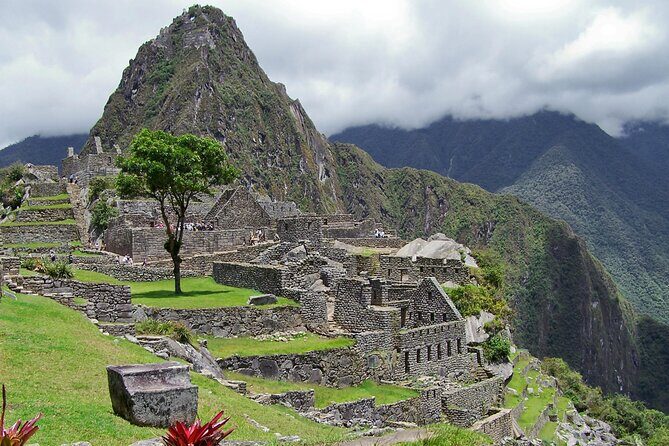
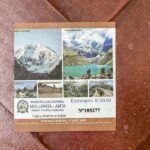
Your Machu Picchu entrance ticket is included, and your circuit is based on availability. If you have strong preferences, don’t assume you’ll automatically get the exact circuit you want. Instead, plan to be flexible.
In at least one experience shared, the team coordinated two circuit options so the traveler could choose between circuit 2 and circuit 3. That’s a big deal if you’re balancing energy, knees, or time for photo stops.
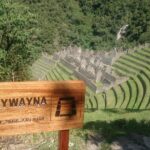
Wayna Picchu is optional. It costs USD 40 on request and isn’t automatically included.
What you might pay extra: Sacred Valley fees, Maras, and lunch
A few costs come up that you should budget for so there are no surprises.
- Maras Salt Mines entrance: PEN 10 (paid in cash)
- Sacred Valley entrance fee: PEN 80 per person
- Moray and Maras are marked as “not included” for admission fees in the stop details, so expect some on-site payments
- Lunch at Aguas Calientes is not included on day 2
- Dinner and personal expenses are not included
- Tips are optional
If you want the cleanest budget math, set aside extra cash for these site fees and plan for at least one extra meal.
Price and value check: is $599 actually fair?
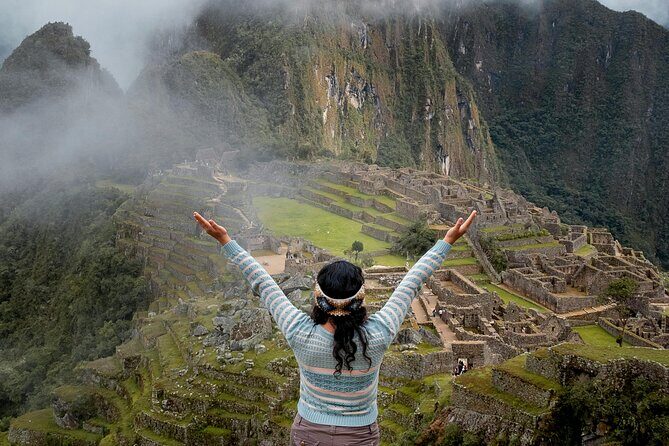
At $599 per person for about two days, you’re paying for a lot of moving parts: guided Sacred Valley sites, transport in Cusco, a hotel night in Aguas Calientes, train service, and the Machu Picchu entrance ticket. The tour also includes a small-group cap and a professional English-speaking guide.
Here’s the real value logic: Machu Picchu isn’t just a ticket. It’s timing, transportation, and decision-making under pressure. When that gets handled for you—train timing, bus coordination, escorting you through connections—you spend less energy on logistics and more on the ruins.
One more value clue: the tour is commonly booked around 77 days in advance on average. That suggests people plan ahead, usually because they know Machu Picchu logistics can be tight.
Who this tour suits best (and who may want another style)
This fits well if you:
- want guided context at Moray, Maras, and Machu Picchu
- prefer private-tour energy without going fully private, thanks to the max-9 group size
- like a clear schedule with freedom after the Machu Picchu guide wraps up
It might be less ideal if you:
- want total control of every minute (this includes guided segments and fixed transport)
- hate paying extra site fees and cash charges for some entrances
- want Wayna Picchu guaranteed without asking (it’s optional)
Should you book this train tour?
I’d say book it if you want the easiest path that still feels human-sized. The biggest strengths are the small group, the Cusco pickup and drop-off, and the fact that the team seems good at handling complications without turning your day into chaos.
Before you commit, do two quick checks:
- budget for the extra site fees (Sacred Valley and Maras) and day-2 lunch
- be ready for Machu Picchu circuits to depend on availability, even if the team may be able to offer circuit choices when possible
If that works for you, this is a strong way to do Sacred Valley plus Machu Picchu without losing your day to logistics.
FAQ
What is included in the tour price?
The tour includes breakfast and lunch, a one-night stay in Aguas Calientes (3-star), a professional English-speaking guide, guided visits to Chinchero, Moray, Maras Salt Mines, and Ollantaytambo, a Machu Picchu entrance ticket (based on circuit availability), and round-trip train and bus transportation between Ollantaytambo, Machu Picchu, and Aguas Calientes. It also includes hotel pick-up and drop-off in Cusco.
What Machu Picchu ticket option do I get?
Your Machu Picchu entrance ticket is included, and the specific circuit is based on availability. The tour also notes an optional Wayna Picchu hike that you can request separately.
Are Maras Salt Mines and Moray entrance fees included?
Maras Salt Mines entrance is not included (PEN 10, paid in cash). Moray is also listed as admission not included, and there is a Sacred Valley entrance fee of PEN 80 per person not included as well.
How are meals handled on the second day?
Breakfast is included. After returning to Aguas Calientes following your Machu Picchu visit, lunch is not included, and dinner is not included.
How many people are in the group?
This is a small-group experience with a maximum of 9 travelers.
Where and when does the tour start?
The start time is 7:45 AM, with the meeting point listed at Plaza Regocijo F2M9+5X2, Cusco 08002, Peru. The activity ends back at the meeting point in Cusco.