REVIEW · CUSCO
Cusco: Archeological Sites Tour and Forest Photo Experience
Book on GetYourGuide →Operated by Peru Andes Top · Bookable on GetYourGuide
Cusco can feel like a blur until you link the ruins together. This half-day loop ties Qenqo, Puca Pucara, Sacsayhuaman, Tambomachay, and the Coricancha into one smooth story, with an added photo session in the Qenqo forest. I love that you get major sights without spending a whole day on logistics, and I love the way the tour mixes stonework, water meaning, and scenery in a single 5-hour block.
My favorite bonus is the Qenqo forest photo session with an expert photography guide, so you’re not just sightseeing, you’re actually collecting memorable shots. The main consideration: the big entrance fees are not included, so you’ll need to budget for the tourist ticket and Coricancha separately and have cash ready.
In This Review
- Key Highlights You’ll Care About
- A Tight Half-Day Plan That Actually Feels Complete
- Qenqo Temple: Rock Formations Turned Into Ceremonial Space
- Puca Pucara: Military Ruins, Guard Posts, and Daily Space
- Sacsayhuaman: Solar Sanctuary and Giant Limestone Blocks
- Tambomachay: Baths of the Incas and the Meaning of Water
- Qenqo Forest Photo Session: Get Your Best Shots, Not Just Random Ones
- Coricancha at the End: Temple of the Sun in Cusco’s Heart
- Price, Tickets, and the Real Cost of Doing It Right
- Logistics That Can Make or Break a Short Tour
- What to Bring for Cusco Ruins and Forest Photos
- Who This Tour Suits Best
- Should You Book It?
- FAQ
- How long is the tour?
- What sites are included?
- Is hotel pickup included?
- What language is the guide?
- Are entrance tickets included in the price?
- Is there a photography session?
- What should I bring?
- Is food or drink included?
- Can I cancel and get a refund?
Key Highlights You’ll Care About
- Five-hour route, multiple Inca sites: Qenqo, Puca Pucara, Sacsayhuaman, Tambomachay, plus Coricancha at the end.
- Ceremonial, military, solar, and water themes: each stop has a different job in Inca life.
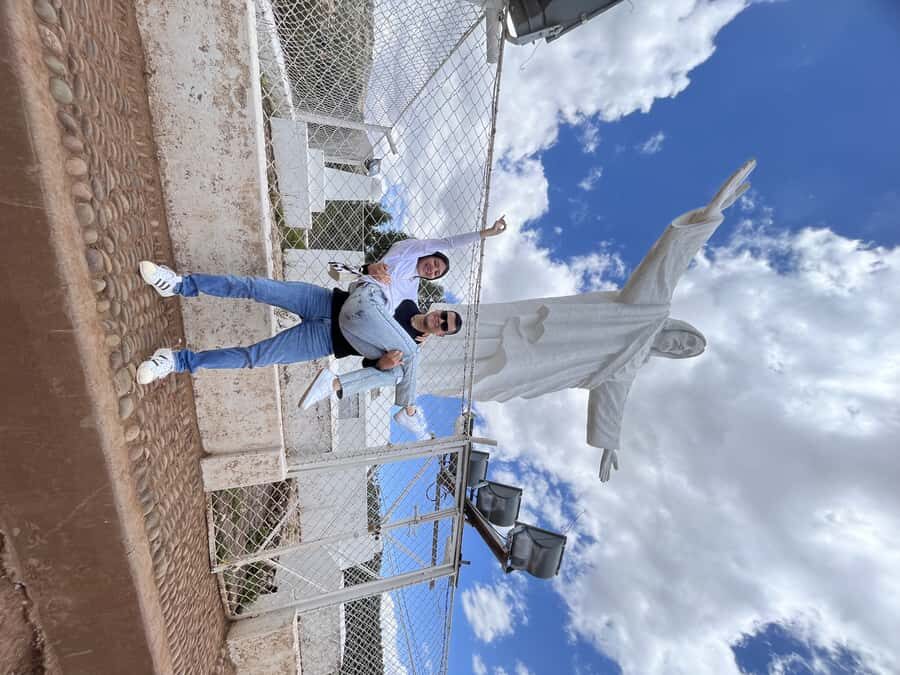
- Qenqo forest photo session included: an expert guide helps you get great images in a dramatic setting.
- Hotel pickup and return: less time herding yourself across Cusco.
- Digital souvenir photograph: you get at least one photo file to take home.
- Local entrance tickets cost extra: plan ahead so it doesn’t surprise your budget.
A Tight Half-Day Plan That Actually Feels Complete
This is a practical Cusco half-day: you’re picked up at your hotel, you visit the key Inca ruins tied to Cusco, and you finish back in the center. At $17 per person, the value comes from the range packed into a short time, plus the photo session that turns a normal ruins tour into something more memorable.
The route also makes sense if it’s your first time in Cusco. You’ll see how the Incas shaped their world in layers: stone built for power and defense, places designed for ceremony, and water-related architecture meant for purification. It’s a lot to cover, but it’s paced as a tour, not a scavenger hunt.
If you’re the type who likes to understand what you’re looking at, you’ll have a good time. If you only want photos and could care less about context, you may find yourself wishing for a longer stay at each site. Still, this is a smart way to get oriented.
You can also read our reviews of more tours and experiences in Cusco.
Qenqo Temple: Rock Formations Turned Into Ceremonial Space
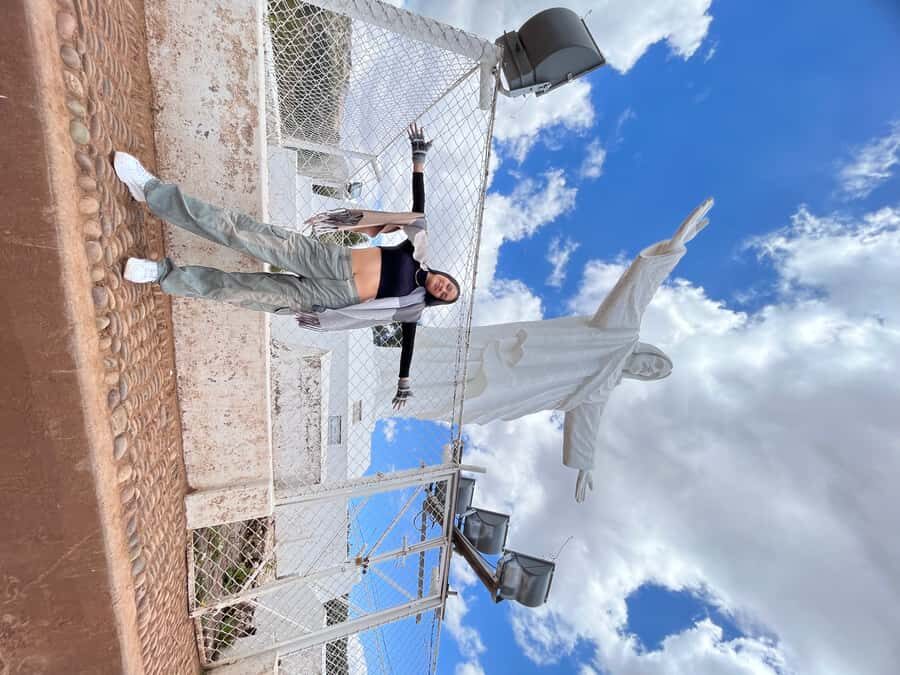
The tour starts at Qenqo, a natural rock formation that the Incas transformed into a ceremonial center. This is the kind of site where the setting matters as much as the structures, because the stone itself looks like it’s been shaped by time and intention.
What I like about Qenqo is how it helps you read Inca design as part geology, part architecture. Instead of only building new things, they worked with what was already there and turned it into a space for ritual. Even if you’ve seen photos before, being on the ground changes the scale and the feeling.
Practical tip: wear comfortable shoes. These are stone sites, and you’ll want traction and stability so you can focus on the details rather than watching your footing.
Puca Pucara: Military Ruins, Guard Posts, and Daily Space
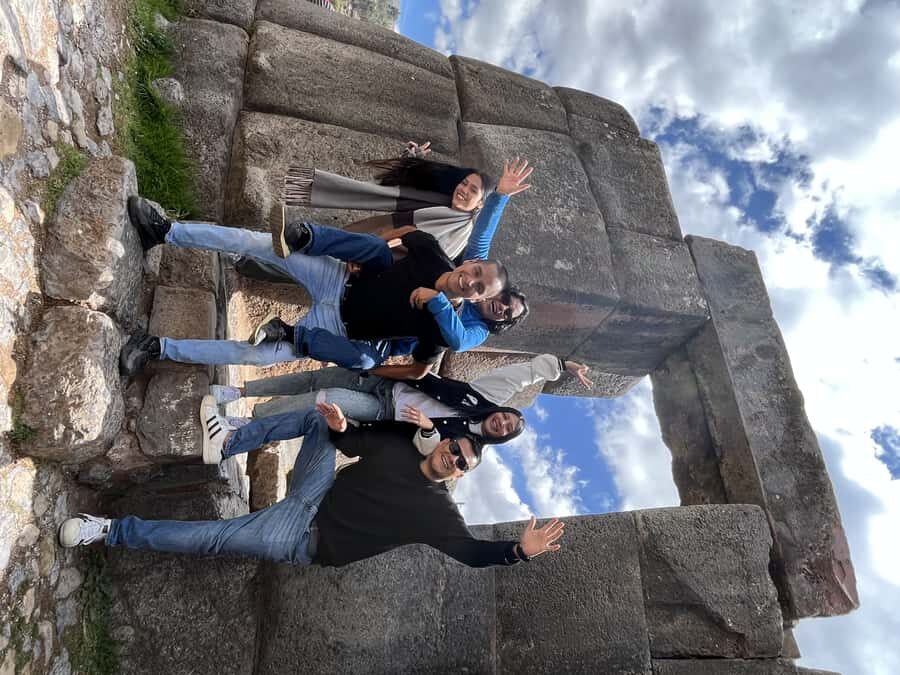
Next is Puca Pucara, known for its military ruins and the remains of Inca guard posts. Here you’ll see the remnants of stairs, streets, houses, and patios, which gives you a more everyday view of how control worked around Cusco.
This stop is especially useful if you’ve been thinking of the Incas as only builders of grand temples. Puca Pucara reminds you that they also planned the infrastructure of presence: people stationed, routes maintained, and spaces organized around defense.
Take a moment to look at the overall layout rather than only individual stones. The value is in understanding how a site can function like a system, not just a monument.
Sacsayhuaman: Solar Sanctuary and Giant Limestone Blocks
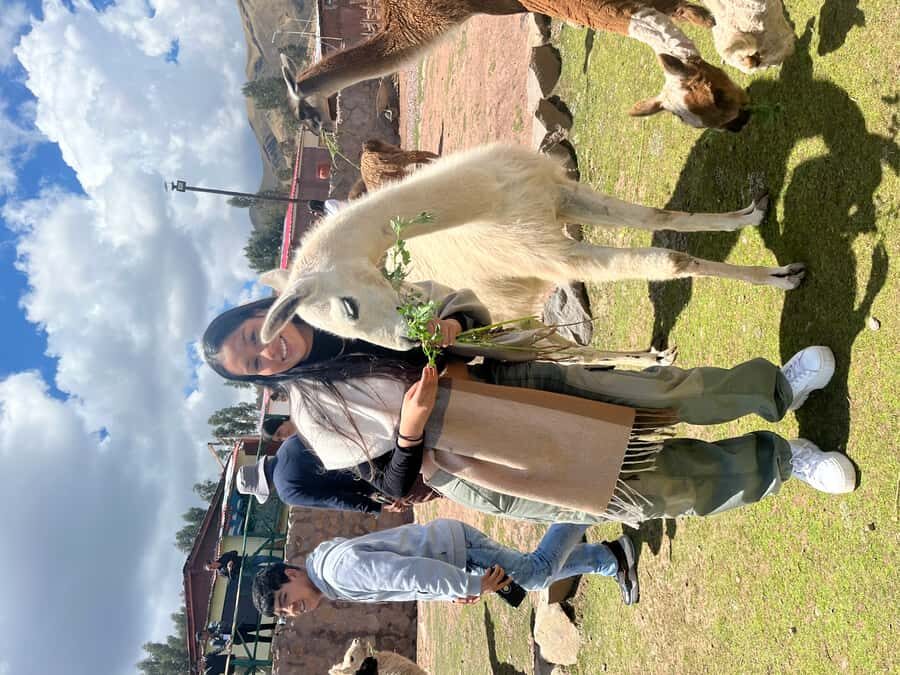
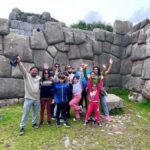
Then you’ll head to Sacsayhuaman, created as a solar sanctuary by the last dynasties of the Incas. The tour explains how the design relates to protecting Cusco, with large limestone blocks used to defend the city from invaders.
This is one of those places where the stones force you to slow down. You can feel the effort in the masonry, and you start to understand why the Incas invested so much in monumental construction. It’s not just about beauty. It’s about engineering, control, and endurance.
If you’re photo-minded, Sacsayhuaman is a great place to grab a few wide shots first. Then you can return your attention to smaller details, like how the blocks sit and how the site frames the city.
Tambomachay: Baths of the Incas and the Meaning of Water
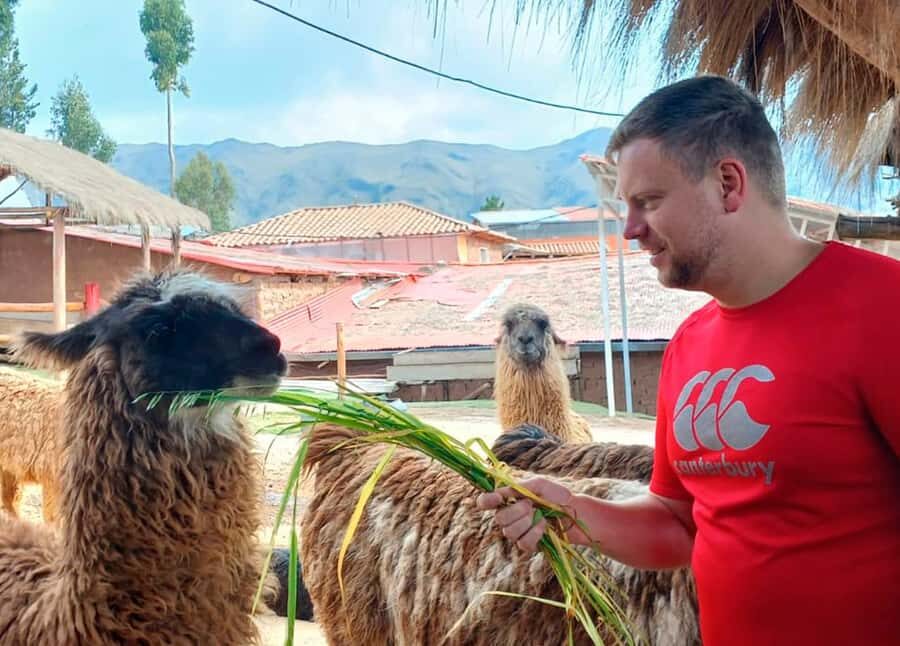
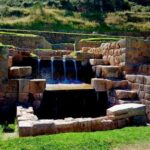
After Sacsayhuaman, the tour continues to Tambomachay, about 9 kilometers from Cusco. It’s often called the baths of the Incas because of the shape of its fountain of water, and the site is also linked to ideas around water cults and purification.
What makes Tambomachay interesting is the theme shift. You go from defense and solar meaning into a water-centered space with ritual implications. The tour frames it as more than a fountain; it’s a location tied to purification and belief.
Bring your jacket or layers here, even if Cusco feels sunny. The area can feel cooler, and you’ll appreciate being comfortable while you look and listen.
Qenqo Forest Photo Session: Get Your Best Shots, Not Just Random Ones
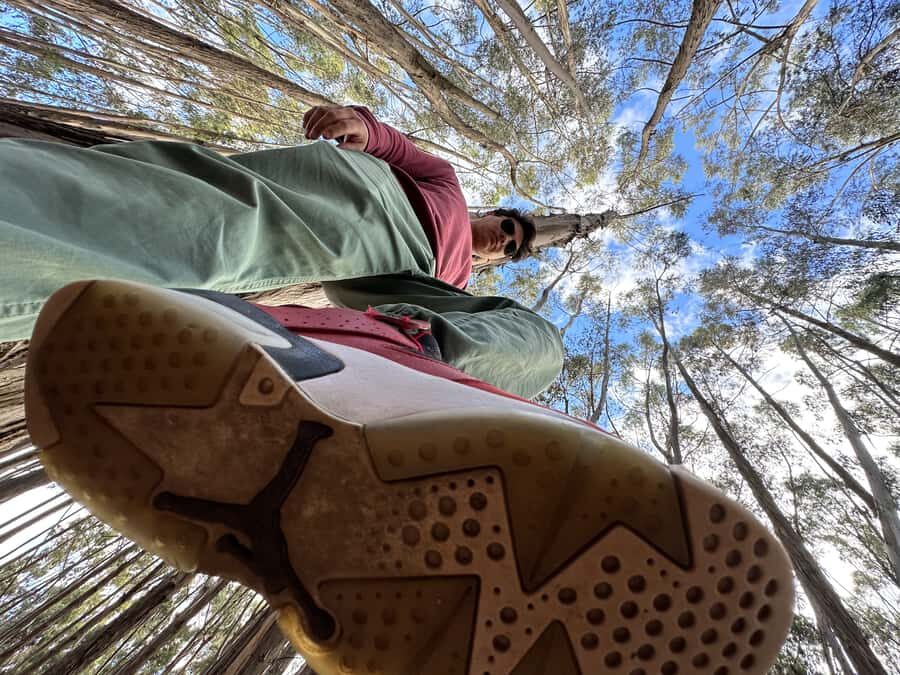
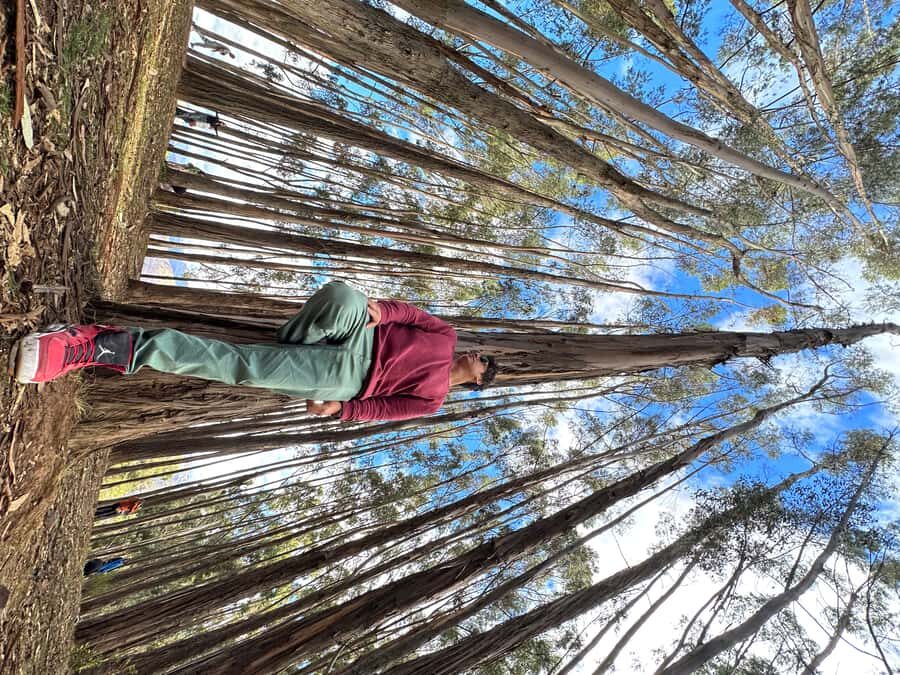
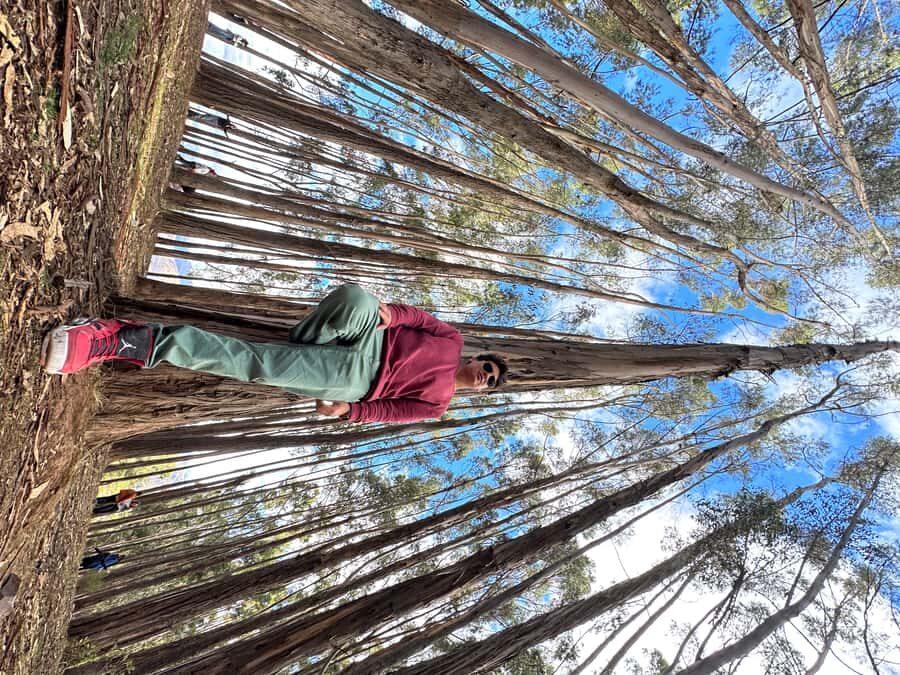
Here’s the highlight that makes this tour feel different from the usual ruins-only day: you enter the Qenqo forest for a photo session. The tour includes an expert photography guide who takes incredible shots that you can take home as a memory of the activity.
The best part is that you’re not left to figure out your angles alone. You’ll get guidance suited to the setting, and you’ll have built-in photo moments instead of hoping you catch a good shot between monuments.
What you should do for better photos:
- Wear clothes that won’t get ruined if you brush against plants or forest ground.
- Protect your eyes from sun glare with a hat.
- Don’t overpack your hands with phones and bags—keep it simple so you can follow the guide.
Also, double-check the digital souvenir photo expectations. The tour includes a souvenir photograph in a digital file, so before the session ends, make sure you understand how and when you’ll receive it.
Coricancha at the End: Temple of the Sun in Cusco’s Heart
To finish, you’ll visit Coricancha, also called the Temple of the Sun. The tour description emphasizes its perfect architecture and stone construction, and it makes clear this was the most important temple of the Inca empire.
This ending matters. Coricancha is in Cusco, so you’re not closing with a far-out outpost. You end near the city center, which makes it feel like a full-circle conclusion to the tour’s themes.
Coricancha is also a great final stop if you want to compare ideas you’ve seen earlier. You’ll notice how ceremonial purpose returns after the forest photo moment and how the architecture tells the story of power and meaning in stone.
Price, Tickets, and the Real Cost of Doing It Right
The tour price is listed at $17 per person, and that’s the headline number. But you should budget for local entry fees, because they are not included.
Here’s what you’ll need to account for:
- Tourist Ticket: 70 soles (not included)
- Coricancha entrance: 15 soles (not included)
- Food and drink: not included
So the real value question is this: you’re paying for a guided, multi-stop route plus hotel pickup, a Qenqo forest photo session, and a digital souvenir photo, while the major entrance fees are added on top.
If you’re already planning to visit several Inca sites in Cusco, this pricing structure can work in your favor. The savings come from having the transportation and timing handled, rather than trying to hop between sites on your own.
Also, bring cash. The tour specifically calls for cash, which usually means tickets and entry are easiest when you can pay on the spot.
Logistics That Can Make or Break a Short Tour
This is a 5-hour activity, so timing matters more than on a slow, all-day itinerary. You’re picked up at your hotel, and the driver holds a sign with their last name.
Plan to be ready. The driver doesn’t wait more than 5 minutes after the scheduled pickup time. If you’re the type who runs late while figuring out one last thing, set a timer and stick to it.
The itinerary can also be modified depending on how operations run. The good news is that all the mentioned sites are still visited. You’re not losing the core stops, even if the order shifts slightly.
What to Bring for Cusco Ruins and Forest Photos
This tour calls for a very sensible packing list, because you’ll combine sun, stone, and forest air. Bring:
- Comfortable shoes (you’ll walk on uneven surfaces)
- Sun hat
- Biodegradable sunscreen
- Jacket
- Rain gear
- Comfortable clothes
- Cash
If you only pack for “nice weather,” you’re gambling. Cusco can change fast, and you’ll be happier if you’re ready for light rain or cooler air during the forest/photo portion.
Who This Tour Suits Best
This tour is a strong fit for:
- First-time visitors who want big Cusco Inca sights in one short outing
- Photo lovers who want more than random snaps
- People who like getting the story behind the stones, not just looking at them
It might be less ideal if:
- You want deep, hour-by-hour wandering at just one site
- You’re picky about exact timing and hate any itinerary adjustments (even though all stops are still visited)
It also works well if you’re juggling limited time and want something that feels organized without being overly long.
Should You Book It?
I’d book this if you want a fast, guided hit of Cusco’s major Inca sites plus a photo session that gives you actual take-home images. The value is in the mix: Sacsayhuaman + Tambomachay themes, a Qenqo forest photo moment, and Coricancha to close strong.
The decision hinges on two things. First, confirm your budget includes the tourist ticket and Coricancha entrance costs, since those are extra. Second, if the digital photo matters to you, ask how it’s delivered and when you’ll receive it before the end of the tour.
If you handle those two items, this is a tidy, worthwhile half-day.
FAQ
How long is the tour?
It runs for about 5 hours.
What sites are included?
You’ll visit Qenqo, Puca Pucara, Sacsayhuaman, Tambomachay, the Qenqo forest for the photo session, and Coricancha.
Is hotel pickup included?
Yes. Pickup and return to your hotel are included.
What language is the guide?
The live guide speaks Spanish and English.
Are entrance tickets included in the price?
No. You’ll need the tourist ticket (70 soles) and you’ll also pay for Coricancha entrance (15 soles).
Is there a photography session?
Yes. You’ll enter the Qenqo forest for a photo session with an expert photography guide, and you’ll receive a souvenir photograph in digital file format.
What should I bring?
Bring comfortable shoes, a sun hat, biodegradable sunscreen, a jacket, rain gear, comfortable clothes, and cash.
Is food or drink included?
No. Food and drink are not included.
Can I cancel and get a refund?
Yes. Free cancellation is available up to 24 hours in advance for a full refund.