REVIEW · CUSCO
Cusco in 2-days: Sacred Valley and Machu Picchu
Book on Viator →Operated by Altitude Peru · Bookable on Viator
Machu Picchu arrives fast on this 2-day run. I like the small group (max 8) feel, and I really appreciate that the Machu Picchu permit plus train and buses are handled for you. The main drawback is the early wake-up energy on day 2, plus the Sacred Valley entrance fee is not included.
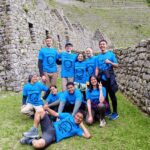
You’ll start in Cusco with pickup, then work your way through classic Sacred Valley stops like Chinchero textiles, Moray’s circular terraces, and the living salt pans of Maras. Guides on this route get praised by name in past trips, including Robinson, Teddy, Yoel, and Wagner, and the common thread is clear storytelling and keeping the pace realistic at altitude.
For first-time Cusco visitors, this is a great sprint. Just know it’s tight: one included lunch, a lot of driving time, and some extra costs on your own like the Sacred Valley entrance fee.
In This Review
- Quick Hits That Make This Tour Worth It
- Cusco to Machu Picchu in 48 Hours: What You’re Really Signing Up For
- Price and Value: Why $599 Can Make Sense (and When It Doesn’t)
- Day 1 in the Sacred Valley: Textiles, Terraces, Salt, and a Real Lunch
- Chinchero: Alpacas, Textiles, and a Craft Stop With Purpose
- Moray: Circular Terraces That Explain Inca Experimentation
- Salinas de Maras: Salt Mines That Are Still Active
- Urubamba Lunch: The Included Break (With Vegan and Vegetarian Options)
- Ollantaytambo Choice: Stay Overnight or Keep It Simple
- If you stay overnight near Aguas Calientes
- If you return to Cusco
- Day 2: 4:00am Pickup, Expeditions-Class Train, and Machu Picchu With a Guide
- Why the early schedule matters
- Machu Picchu guided tour at 9:00am
- After Machu Picchu: bus down, lunch on you, then back to Cusco
- Guides, Group Size, and the Smooth-Running Parts That People Actually Notice
- What to Budget for On Your Own (and How to Avoid Surprise Costs)
- Sacred Valley entrance fee
- Hotel nights
- Lunch on Day 2
- Tips
- Who This 2-Day Cusco Plan Fits Best
- Should You Book This 2-Day Sacred Valley and Machu Picchu Tour?
- FAQ
- How long is the tour?
- What’s the meeting and pickup like in Cusco?
- Is Machu Picchu entry included?
- Are train tickets included, and what class is used?
- How do you get from Aguas Calientes to Machu Picchu?
- Is lunch included?
- Is the Sacred Valley admission fee included?
- Do I need to book my own hotel?
- How big is the group?
- Is the tour refundable if plans change?
Quick Hits That Make This Tour Worth It
- Small group size (max 8) means less waiting and more space to ask questions
- Machu Picchu permit included so you do not chase paperwork
- Train + buses are included, which is half the stress of the route
- Sacred Valley hits the icons: Chinchero, Moray, Maras, Ollantaytambo
- Day 2 starts at 4:00am for that early, quieter first-visit timing
Cusco to Machu Picchu in 48 Hours: What You’re Really Signing Up For
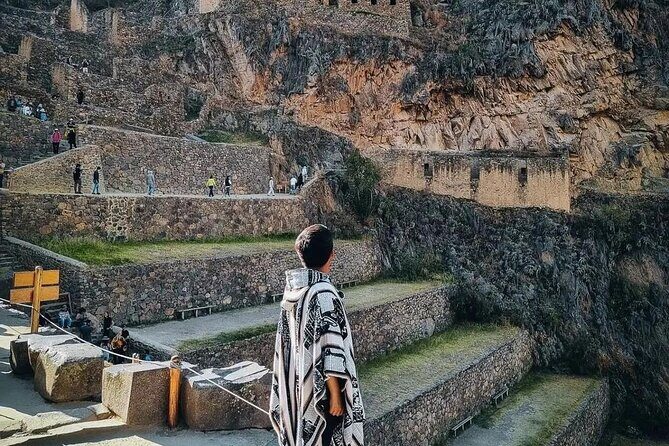
This is a classic Cusco-to-Machu Picchu “greatest hits” plan, designed for people who want the big monuments without taking a week. You get Sacred Valley context on Day 1, then you’re up early on Day 2 to take the guided walk inside Machu Picchu. It’s busy, but it’s not random bus-jumping. The order makes sense: you build Inca agricultural and cultural ideas in the morning, then you see how those ideas land at Machu Picchu.
Two things matter a lot here. First, the tour keeps the group small (up to 8), which is huge when you’re navigating tickets, buses, and altitude. Second, the Machu Picchu logistics are wrapped into the package: permits, the train legs, and the bus from Aguas Calientes to the site. That’s the difference between enjoying the day and spending it trying to coordinate.
The tone is also practical. You’ll have a licensed local guide for the guided portions, and the company notes first-aid training on the team. Still, you should plan your own body-care: water, layers, and good shoes. Cusco is not a place to treat altitude like a minor inconvenience.
A few more Cusco tours and experiences worth a look
Price and Value: Why $599 Can Make Sense (and When It Doesn’t)
At $599 per person, this tour is priced like a convenience product: transportation, guide time, tickets/permits, and the train+buses are bundled so you can show up and move. If you were to assemble those pieces separately in high season, you’d likely spend similar money—or more—after adding the time cost of figuring it all out.
Here’s what’s included that you should actually care about:
- Local guide for the stated stops and Machu Picchu tour
- Private comfortable bus for the Cusco-side driving
- Round-trip train from Ollantaytambo to Aguas Calientes in Expeditions class
- Machu Picchu entrance permit
- Round-trip bus between Aguas Calientes and Machu Picchu
- One included lunch (and Day 1 lunch has vegetarian and vegan options)
What is not included:
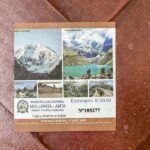
- Entrance fee to the Sacred Valley (listed as S/ 90 per person)
- Hotels in Cusco or Aguas Calientes
- Tips
- Lunch after Machu Picchu is not listed as included
So the value is best if you want a guided flow with less coordination. If you like freedom and have your tickets already lined up, you might find a cheaper DIY approach. But if the idea of planning trains, permits, and bus times makes you tired, this package is built for you.
Day 1 in the Sacred Valley: Textiles, Terraces, Salt, and a Real Lunch
Day 1 is all about building the Inca world you’ll later see reflected at Machu Picchu. You’re not just collecting photos. You’re learning why this region mattered and how people used it.
Chinchero: Alpacas, Textiles, and a Craft Stop With Purpose
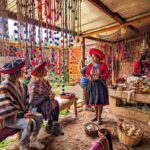
You start with a visit to Chinchero, including a textile center stop. This is one of those places where you can see how Andean wool and dye culture are part of daily life, not just souvenirs. The presence of alpacas and llamas also makes the textile theme feel grounded; you’re not only hearing about fibers, you’re looking at the animals that drive the raw material.
Why I like this stop for a 2-day schedule: it gives you sensory context. Wool, weaving, and natural dyes make the region feel human-scale before you jump into big archaeological sites.
One practical note: plan for time on foot and some sun exposure, depending on weather.
Moray: Circular Terraces That Explain Inca Experimentation
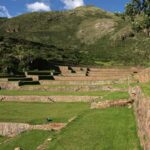
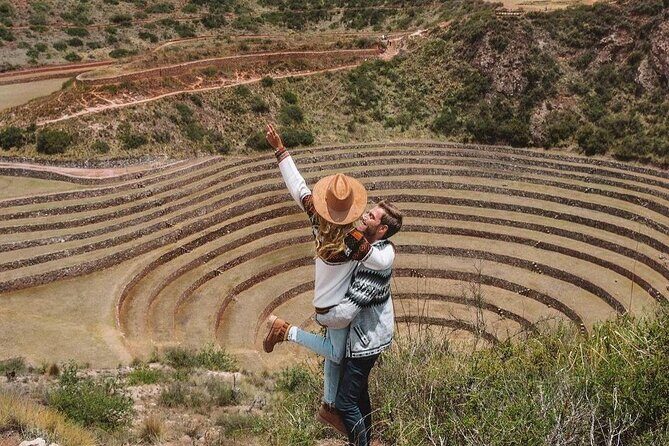
Next comes Moray, famous for those giant circular terraces. The key idea here is agricultural experimentation. These terraces were used as a kind of Inca laboratory, letting people test different crops at different altitudes.
This stop is especially worth it if you care about how systems work. Instead of only admiring stones, you learn what the design was trying to do. It also helps you understand why the Sacred Valley is more than scenic views. It’s built around microclimates and careful use of the land.
A possible drawback: Moray is more about understanding than about dramatic ruins. If you’re the type who wants big stone monuments at every stop, Moray might feel quieter. Still, for me it’s one of the smartest stops on this route.
Salinas de Maras: Salt Mines That Are Still Active
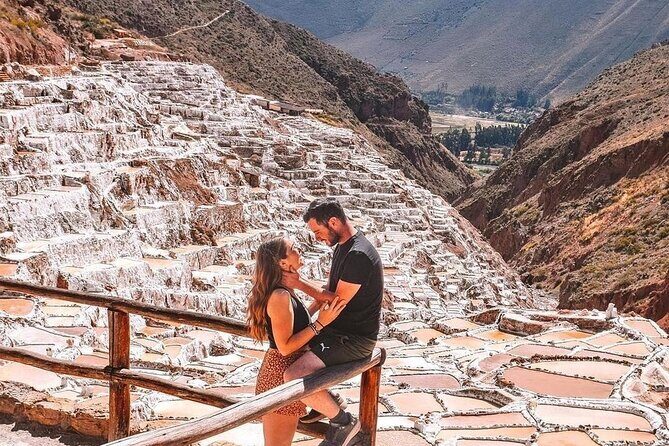
Then you reach Salinas de Maras, the salt mines also called Salineras de Maras. The standout detail is that they have been in use since the Inca period and are still actively producing salt today. That means you’re looking at a living craft industry, not a purely historical set.
You’ll also learn about how local families extract and harvest salt, using traditional methods and maintaining the pools across generations. If you pay attention here, you get a strong theme for the whole trip: continuity. Inca-era infrastructure plus modern hands.
Urubamba Lunch: The Included Break (With Vegan and Vegetarian Options)
Lunch is in Urubamba and is included. The tour notes vegetarian and vegan options are available, which is good news if you’re planning ahead for dietary needs.
This is more than a meal stop. It’s your reset button. Day 1 combines driving, walking, and a lot of attention—so taking a real break helps you actually enjoy Day 2 rather than just survive it.
Ollantaytambo Choice: Stay Overnight or Keep It Simple
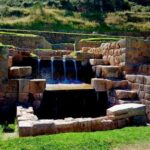
After lunch, you head to the Archaeological Park Ollantaytambo. This site was a strategic military, religious, and agricultural center during the Inca period, and the stone architecture is a big part of why it’s a must-see.
Then you face a practical fork: you can leave the group to take the train to Aguas Calientes and stay the night there (recommended), or you can return to Cusco. This choice matters because Day 2 is early.
If you stay overnight near Aguas Calientes
You tend to save yourself from the 4:00am stress loop. You may also find it easier to handle the order of train, bus, and guided timing.
If you return to Cusco
You keep your base in Cusco and avoid changing hotels in the middle. But you will start Day 2 with that very early pickup and transfer to the train station.
Either way, you should think honestly about your energy. Cusco altitude does not care about your schedule, and 4:00am starts can feel rough if you’re not used to it.
Day 2: 4:00am Pickup, Expeditions-Class Train, and Machu Picchu With a Guide
Day 2 is the big moment, and it runs on serious timing.
You’re picked up in Cusco at 4:00am and transferred to the train station in Ollantaytambo. Then you take a train at 6:10am to Aguas Calientes in Expeditions class. At 8:00am, the guide meets you at the station and you take the bus up to Machu Picchu.
Why the early schedule matters
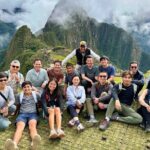
Even if your actual tour time inside Machu Picchu starts at 9:00am, the early start helps with crowds and gives you a better chance at clear views. A few past guests specifically praised the feeling of getting to Machu Picchu early, and the timing on this plan supports that.
Machu Picchu guided tour at 9:00am
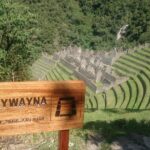
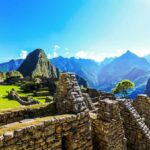
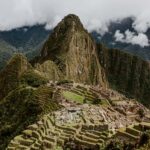
At 9:00am, you get a guided tour in the Santuario Historico de Machu Picchu. This is where your Sacred Valley context pays off. Moray’s agriculture logic and the Salt Mines’ living continuity help you see Machu Picchu as part of an entire system, not an isolated postcard.
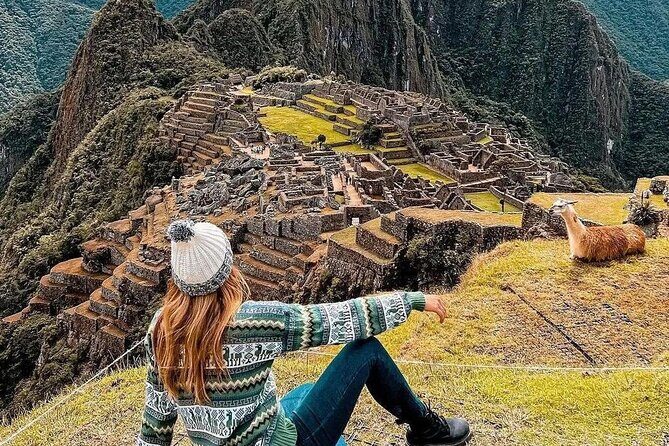
A guided walk also helps you navigate the flow of what’s where. You’ll have time to explore the impressive ruins and take in views of the surrounding mountains, and your guide can point out the details you might miss on your own.
If you want photos, you’ll likely spend time at key viewpoints after the main guidance, but the exact rhythm will depend on your guide and the group pace. This is where a small group size helps again.
After Machu Picchu: bus down, lunch on you, then back to Cusco
At 11:30am, you leave Machu Picchu and ride the bus back to Aguas Calientes. Lunch after that is not included, so bring cash or plan a simple meal stop. After lunch timing, you take the return train to Ollantaytambo, and a private driver brings you back to your Cusco hotel.
By the end of the day, you’re tired in a good way. But it is still a long day. Build in the next-day recovery if you can.
Guides, Group Size, and the Smooth-Running Parts That People Actually Notice
The reviews for this company heavily emphasize people—specifically guides. Names that show up include Robinson, Teddy, Yoel, and Wagner, and the feedback points to punctuality, good communication, and guides who adjust to the group’s pace.
That matters because Machu Picchu is not just history. It’s queues, weather, walking speed, and timing. A guide who keeps you moving in the right order helps you feel in control instead of rushed.
Group size also shows up as a real benefit. With a maximum of 8 people, you’re more likely to:
- get answers without feeling swallowed by a loud crowd
- keep your walking pace reasonable at altitude
- have fewer delays when buses and timing get tight
There’s also a practical safety note: the tour states first aid training on the team. That won’t turn you into a fearless mountain climber, but it’s a comfort.
What to Budget for On Your Own (and How to Avoid Surprise Costs)
Even with a lot included, you should plan for a few extra items.
Sacred Valley entrance fee
The tour lists an entrance fee to the Sacred Valley as S/ 90 per person. Since it’s not included, budget for it so it doesn’t interrupt your day’s flow.
Hotel nights
Hotels in Cusco or Aguas Calientes are not included. If you choose the recommended option to stay near Aguas Calientes, make sure you already have that night booked.
Lunch on Day 2
Lunch after Machu Picchu (in Aguas Calientes) is not included, even though Day 1 lunch is included. Build in time and money for that meal.
Tips
Tips are not included.
If you’re trying to be very tight with spending, this tour still works well. Just treat it like a package plus a few add-ons, not like everything is magically paid for.
Who This 2-Day Cusco Plan Fits Best
This tour is a strong fit if:
- you want Sacred Valley highlights and Machu Picchu in a short time
- you prefer a guided route over figuring out train and bus timing on your own
- you like small-group energy (max 8)
- you want help with permits and core logistics
It may be less ideal if:
- you hate early mornings (Day 2 pickup is 4:00am)
- you want maximum freedom to wander without a set schedule
- you are very sensitive to altitude and need slower pacing (the tour is active, even if walking distances vary)
The good news: the plan is structured, and licensed local guides are part of the package. That reduces stress, especially if it’s your first time in the Cusco region.
Should You Book This 2-Day Sacred Valley and Machu Picchu Tour?
If your priority is seeing Machu Picchu with minimal planning pain, I’d lean yes. The biggest wins are the bundled logistics (permits, trains, buses), the small group size, and the fact that Day 1 builds context with Moray and the still-working salt mines at Maras. You also get an included lunch with vegan and vegetarian options, which is an easy win.
Before you book, do two reality checks:
1) Can you handle a 4:00am start without losing your mind?
2) Are you okay paying the Sacred Valley entrance fee (S/ 90 per person) plus Day 2 lunch on your own?
If those answers are yes, this is a well-run way to pack two unforgettable days into one Cusco chapter—without turning your vacation into a spreadsheet.
FAQ
How long is the tour?
The tour runs for 2 days (approx.), moving from Cusco through the Sacred Valley to Machu Picchu and back.
What’s the meeting and pickup like in Cusco?
You receive hotel pickup in Cusco on Day 1. On Day 2, there is hotel pickup in Cusco at 4:00am with transfer to the train station in Ollantaytambo.
Is Machu Picchu entry included?
Yes. Entrance tickets to Machu Picchu are included on this tour.
Are train tickets included, and what class is used?
Yes. Round-trip train tickets from Ollantaytambo to Aguas Calientes are included in Expeditions class.
How do you get from Aguas Calientes to Machu Picchu?
Bus tickets are included for the round trip from Aguas Calientes Village to Machu Picchu.
Is lunch included?
Yes. Lunch is included, with vegetarian and vegan options available. Lunch after Machu Picchu on Day 2 is not included.
Is the Sacred Valley admission fee included?
No. The entrance fee to the Sacred Valley is listed as S/ 90 per person and is not included.
Do I need to book my own hotel?
Yes. Hotels in Cusco or Aguas Calientes are not included. The tour notes you can optionally leave the group to train to Aguas Calientes and stay the night there.
How big is the group?
The tour has a maximum of 8 travelers.
Is the tour refundable if plans change?
No. The experience is non-refundable and cannot be changed for any reason.