REVIEW · CUSCO
Private Cusco City Tour with Sacsayhuaman & Inca Sites
Book on Viator →Operated by TreXperience · Bookable on Viator
Cusco hits you fast, and this tour helps you keep up. In one half-day (or close), you get a clean orientation of the city center and then a carefully paced climb to major Inca sites above town.
What I like most is the private format and the way the guide turns ruins into stories you can actually picture. I also love the built-in timing: short visits at each place mean you cover more ground without feeling dragged through one site for hours.
The main trade-off is that each stop is time-limited (think around 20–30 minutes), so you have to be okay with moving along even if you spot one angle you want to linger on.
In This Review
- Key highlights you’ll notice right away
- Why this Cusco loop works in 4–5 hours
- Plaza de Armas: your Cusco orientation, fast and useful
- Qorikancha (Koricancha): the Golden Courtyard idea explained
- Sacsayhuaman fortress: 100-ton blocks, real engineering
- Qenqo and Puka Pucara: ritual spaces and the road checkpoint logic
- Qenqo (Q’ enko / Kenko)
- Puka Pucara (Red Fortress)
- Tambomachay: the Inca Baths water works
- Cristo Blanco: the panoramic finish that makes Cusco click
- Private guides can tailor the pace (and that matters at altitude)
- Price and value: what $180 buys in the real world
- How to prepare so you actually enjoy every stop
- Who should book this Cusco private city tour?
- Should you book this Cusco private city tour?
- FAQ
- FAQ
- What’s the duration of the tour?
- What time can the tour start?
- Is this a private tour?
- Are hotel pickup and drop-off included?
- Where does the tour start and end?
- Are entrance tickets included?
- Are meals included?
- What fitness level is required?
- Are children allowed?
- What’s the cancellation policy?
Key highlights you’ll notice right away
- Flexible start time at 9:00 am or 1:00 pm for your comfort
- Private pickup and drop-off so you skip the hassle of navigating on your own
- Admissions mostly handled for the Inca sites (Plaza de Armas is the exception)
- A smart Cusco orientation at Plaza de Armas, including the 12 Angled Stone and Loreto Street
- High-altitude pacing with guides who pay attention to how you’re feeling
- Big panoramic payoff from Cristo Blanco above the city
Why this Cusco loop works in 4–5 hours
Cusco is not a city where you can wing it if you only have a day or two. Streets twist uphill. Altitude sneaks up on you. And if you try to piece together rides and tickets yourself, you often lose the best daylight to logistics.
This private tour is designed for efficiency without feeling like a sprint. The route starts in central Cusco, then uses a comfortable vehicle to reach the main ruins above town. You’ll get a steady rhythm: a quick walk with your guide, a short time to take photos, and just enough context so the stones stop looking random.
For first-timers, it’s a big confidence builder. For repeat visitors, it’s useful because the guide can help you compare styles and purposes across sites—temples, fortifications, ritual spaces, and water works—without you having to guess.
And yes, the price is not low ($180 per person). But the value comes from the package: hotel pickup and drop-off, a professional native guide, transport, and entrance fees for most of the stops.
You can also read our reviews of more city tours in Cusco
Plaza de Armas: your Cusco orientation, fast and useful
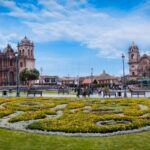
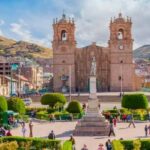
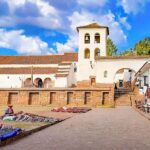
You begin at the heart of town at Plaza de Armas, with a flexible morning or afternoon start. Your guide picks you up from your hotel and then brings you straight into the most important city-square setting.
This first stop is also where Cusco becomes easy to navigate later. You’ll see the Plaza de Armas layout and then key nearby points that anchor your sense of place. Two details I’d plan for are the famous 12 Angled Stone and Loreto Street. They’re small, but they help you recognize Cusco’s colonial-and-Inca mix when you’re wandering on your own later.
The visit is about 30 minutes, and the pace is usually brisk but not chaotic. You’re not meant to master the city in one go. You’re meant to get oriented so you can enjoy the rest of your time without constantly asking where to go next.
A practical note: Plaza de Armas is at lower elevation than the viewpoints and ruins above town. That makes it a good early stop if altitude affects you. Still, Cusco air can feel thin from the start, so go slow and sip water before you start climbing later.
Qorikancha (Koricancha): the Golden Courtyard idea explained
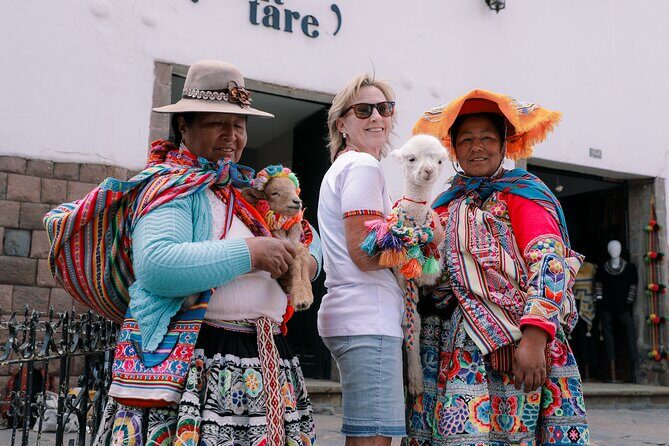
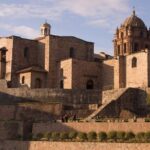
From the plaza, you walk to Qorikancha, also spelled Koricancha. This is the Inca Empire’s most important temple complex in the Cusco area, and the meaning behind its Quechua name matters.
Qorikancha means Golden Courtyard. The point of that name is not just romance. It’s a reminder that the site was once decorated with gold, and that the Incas treated this place as sacred space with multiple roles—ceremonies, astronomy, and Sun worship.
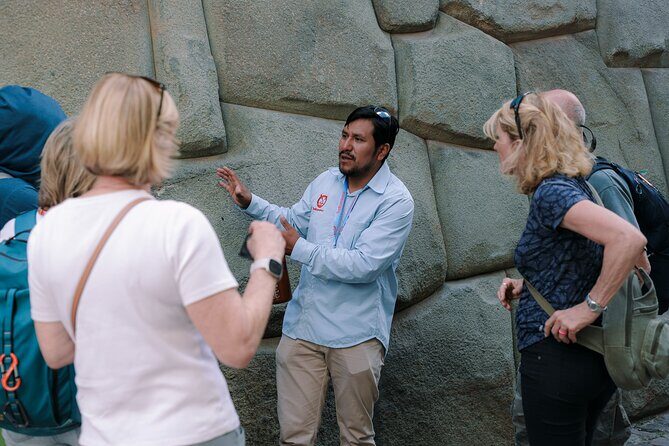
I like how the guide frames what you’re seeing: the precision of Inca stonework and the logic behind the layout. Even if you’ve seen photos before, having someone point out how the stones fit together changes the way you look at the walls.
You’ll have about 30 minutes here, with admission included. That timing is enough to focus on one or two areas instead of trying to cover everything and feeling rushed. Still, because it’s a top stop, expect it to feel busy at times. If you’re sensitive to crowds, bring your patience and keep your goal simple: understand what Qorikancha was for.
Sacsayhuaman fortress: 100-ton blocks, real engineering
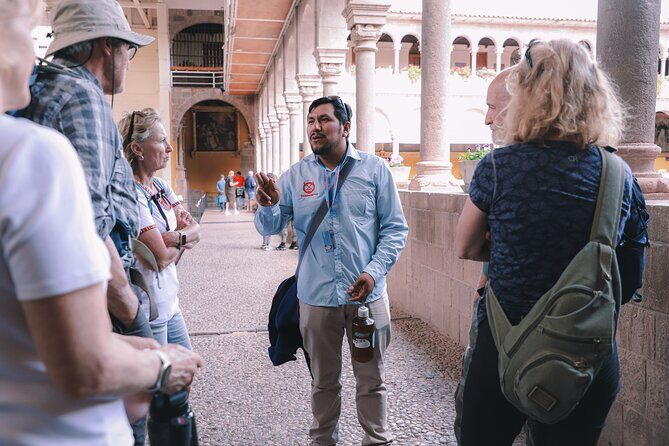
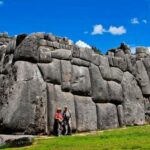
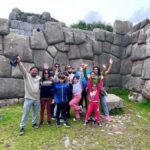
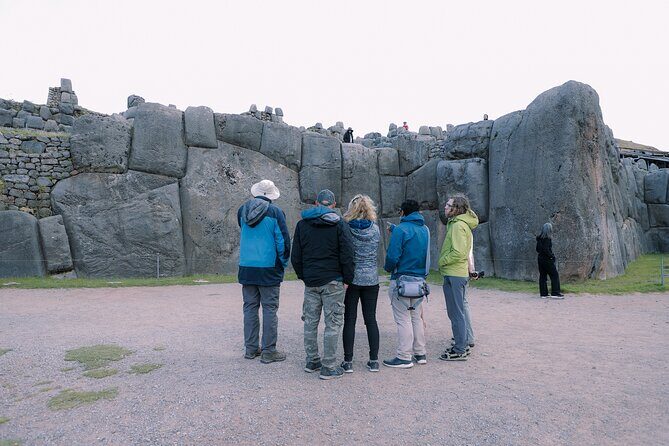
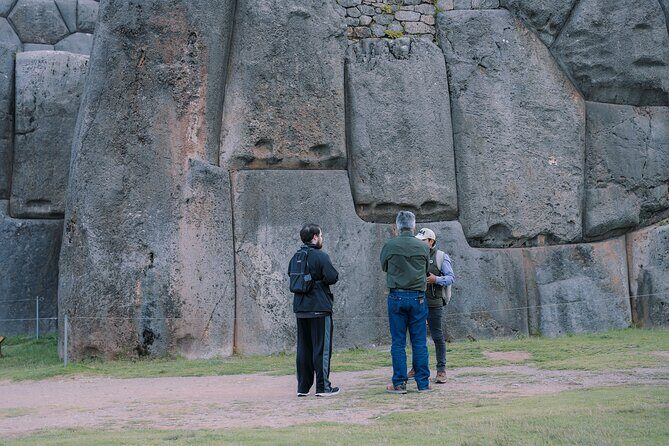
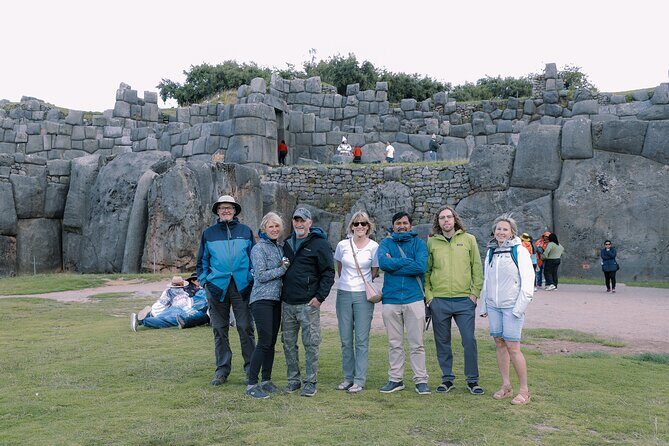
After Qorikancha, you head up by private vehicle to Sacsayhuaman. This is one of those places where your brain says wow before your feet do. Huge stone walls crown the hill above Cusco, built from blocks that were reportedly more than 100 tons each.
Your guide walks you through the site and explains why Sacsayhuaman is considered one of the best examples of Inca engineering and architectural skill. The key is that you’re not just looking at walls. You’re trying to understand a system: how the fortress shape, stone fitting, and elevation work together.
This stop is around 30 minutes with admission included. That’s enough time to appreciate the scale and learn what mattered—defense, power, and the ceremonial landscape above the city.
The only consideration here is physical effort. Even though the route is handled with transport, you’ll still walk and look around at altitude. If you feel winded, slow down. Let the guide know. A good guide will adjust your pace and help you keep the experience enjoyable.
Qenqo and Puka Pucara: ritual spaces and the road checkpoint logic
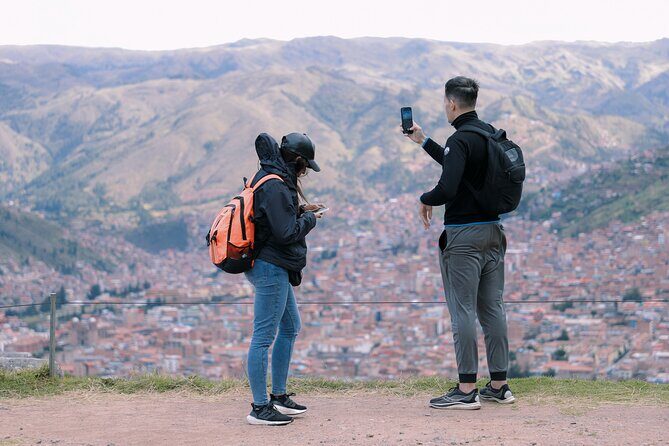
Next come two sites that feel different from Sacsayhuaman, and that contrast is part of why the tour works. Together, they round out what Cusco’s Inca world likely meant in daily life: religion, ritual timing, and movement through the region.
You can also read our reviews of more private tours in Cusco
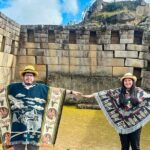
Qenqo (Q’ enko / Kenko)
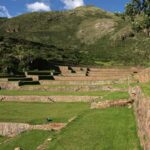
Qenqo is a ceremonial site a few kilometers from Cusco. Its Quechua name connects to what you can see: zigzag carved channels and winding shapes in the rock. The setting is unusual—altars, tunnels, and carved stones—so it’s easy to think it’s just art.
Your guide helps you make sense of it as a huaca, a sacred place tied to Inca ritual and stories. You’ll get a clear explanation of why it mattered and what legends go with it.
Time here is about 30 minutes with admission included. That’s usually enough to understand the purpose and take a few angles for photos without feeling like you’re stuck in one corner.
Puka Pucara (Red Fortress)
Then you drive to Puca Pucara, meaning Red Fortress. This one is smaller, and it has a different vibe: it feels like a viewpoint plus function.
The guide frames it as likely used as a military outpost and checkpoint on roads leading toward the Sacred Valley and Machu Picchu. That’s a useful detail because it turns the stones into a travel map. You start thinking in routes and checkpoints, not just monuments.
You’ll also get some lovely views over the hills and valleys. Time is about 30 minutes with admission included. Again, altitude can make the viewpoint portion feel longer—so keep your breaks short but frequent.
Tambomachay: the Inca Baths water works
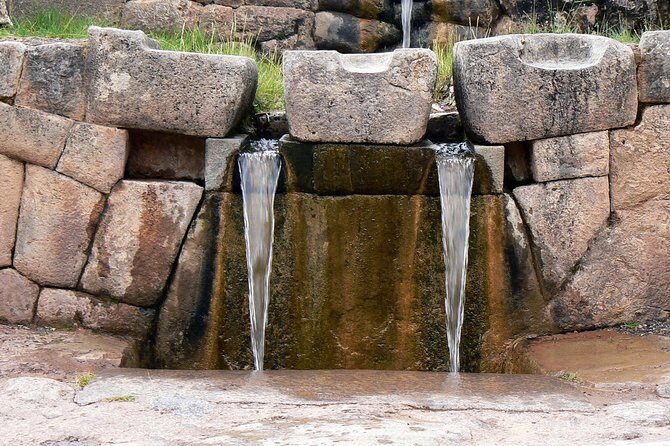
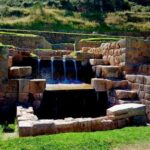
Tambomachay is next, and it’s a welcome shift from forts and carved ritual stones. This site is known for crystal-clear water fountains and fine stonework, often called the Inca Baths.
The guide explains the likely purpose: water ceremonies and resting by Inca nobility. Even if you don’t fully picture the rituals, the presence of water and the way the area is built makes the “this was a place to pause” idea easy to accept.
This is also one of the best stops to refresh your energy. Think fresh air, photos, and a mental reset before the final viewpoint. The visit is about 30 minutes with admission included.
If you’re prone to getting cold at altitude, remember: Cusco can change quickly. Bring layers, even if the day starts warm.
Cristo Blanco: the panoramic finish that makes Cusco click
To close the loop, you visit Cristo Blanco, the white statue of Christ above Cusco. The big value here is the panoramic context.
From this hill viewpoint, you can see Cusco spread across the valley—red roofs, plazas, and the surrounding mountains framing the city. It’s a strong way to connect your earlier stops to the bigger picture. Plaza de Armas suddenly feels like the center of a much larger landscape.
Time at Cristo Blanco is about 20 minutes with admission included. That duration is deliberate: enough to get photos and take in the view, not enough to turn the finale into a long slog.
If you do the afternoon start, you’ll likely enjoy nicer light as the city activity settles. If you start in the morning, you’ll get clearer visibility and a crisp sense of geography.
Private guides can tailor the pace (and that matters at altitude)
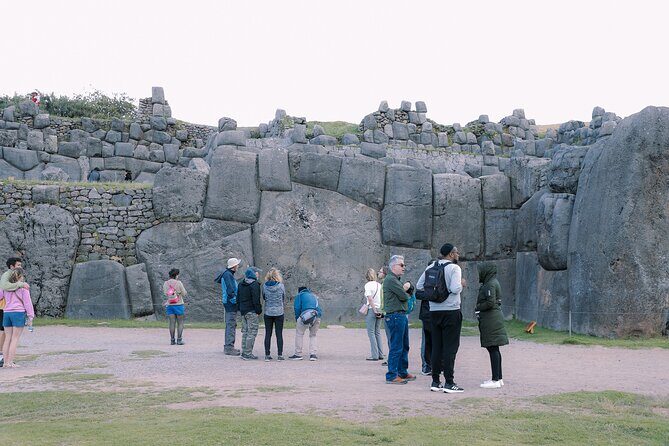
This is a private tour, so your guide isn’t trying to herd a large group through multiple lanes and entrances. That difference shows up in small ways, like pacing and how often you can ask questions.
From the guide experiences I’ve seen tied to this tour, you’ll find real personality and flexibility. Guides like Freddy, Frank, Franklin, Miguel, Jennifer, Katia, Katie, and Filio have been praised for being patient, friendly, and able to adjust the flow based on the group. One standout theme in the feedback is how a guide can match the pace for a 10-year-old, and still keep the history clear.
Another practical win: altitude. Cusco altitude can hit people differently day to day. Good guides check in and share acclimatization tips when someone isn’t feeling great. You don’t need a medical miracle here. You need a calmer plan and someone telling you what to do next.
So do yourself a favor: tell your guide what you’re feeling during the day—headache, nausea, breathlessness, or just “I’m fine but slow.” The tour works best when you treat it like a guided rhythm, not a race.
Price and value: what $180 buys in the real world
At $180 per person, you’re paying for convenience plus the parts that add up when you DIY Cusco sightseeing.
Here’s what’s included that usually costs extra if you arrange things on your own:
- Professional native guide
- Comfortable transportation between the city and the hilltop ruins
- Pickup and drop-off from your hotel (and the tour ends back at the meeting point)
- Entrance fees for Qorikancha, Sacsayhuaman, Qenqo, Puka Pucara, Tambomachay, and Cristo Blanco
- Taxes and handling included
What you pay out of pocket:
- Meals are not included. Plan on bringing water and snacks.
For value, the big win is that this route covers multiple major sites without requiring you to coordinate rides, tickets, and timing yourself. If you only have a short window in Cusco, this tour can save you hours of friction. And if you’re traveling with someone who gets tired easily, private transport and a shorter visit per site can make the day feel doable.
Is it a bargain? Not exactly. But it’s the kind of price that makes sense when you compare against the cost of doing the same stops separately with the same level of guidance.
How to prepare so you actually enjoy every stop
This tour asks for moderate physical fitness. That usually means: expect walking, some stairs, and time at altitude. You’re not doing a long hike, but you are moving through old stone sites that demand attention to footing.
Your checklist is simple:
- Bring water and a few snacks since meals aren’t included
- Wear shoes with grip for uneven ground
- Bring layers for changing temperatures near the hills
- If you’re sensitive to altitude, go easy from the start and speak up early
Also, plan your expectations. The visits are short enough that you won’t memorize every detail of every wall. Instead, you’ll leave with a clear map in your head: what each site was likely used for and how it fits into the Inca world around Cusco.
Who should book this Cusco private city tour?
I’d book this if you match one of these situations:
- You’re in Cusco for a short time and want major Inca sites without stress
- It’s your first visit and you need fast orientation
- You want a private guide who can tailor pace for kids or a mixed group
- You prefer comfort—pickup, drop-off, and a plan that keeps you from wandering between sites blindly
- You like having context while you look, not just taking photos
I’d think twice if you’re the type who needs 60–90 minutes per site to feel satisfied. This tour moves. It gives you a lot of highlights, but it doesn’t try to replace a slower day of independent exploration.
Should you book this Cusco private city tour?
If you want the best Cusco highlights in a tight window, this tour makes a strong case. The combination of hotel pickup, comfortable transport, and guide-led explanations helps you get more meaning out of each stop than you’d likely manage on your own.
Book it if you’re planning Machu Picchu or Sacred Valley later and want a better sense of how the region fits together. Skip it only if you already know the sites well and you’re hunting for long, slow wandering sessions.
FAQ
FAQ
What’s the duration of the tour?
It runs about 4 to 5 hours.
What time can the tour start?
You can start at 9:00 am or 1:00 pm, and the start time is flexible for your comfort.
Is this a private tour?
Yes. It’s private, and only your group participates.
Are hotel pickup and drop-off included?
Yes, pickup and drop-off from your hotel are included.
Where does the tour start and end?
It starts at Plaza de Armas, Cusco, and ends back at the meeting point.
Are entrance tickets included?
Admission is included for Qorikancha, Sacsayhuaman, and the other Inca stops on the route. Plaza de Armas has free admission.
Are meals included?
No. Meals are not included. Bring water and snacks of your choice.
What fitness level is required?
The tour calls for moderate physical fitness.
Are children allowed?
Yes, children must be accompanied by an adult.
What’s the cancellation policy?
Free cancellation is available up to 24 hours in advance of the experience for a full refund.