REVIEW · CUSCO
Sacred Valley – Pisac and Ollantaytambo day tour
Book on Viator →Operated by Machupicchu Latin America · Bookable on Viator
One day in the Sacred Valley moves fast. You’ll start in Cusco, ride through Inca-era stops on the way, then spend the morning and early afternoon at two of the valley’s biggest names: Pisac and Ollantaytambo. There’s also time for a local market and a hands-on weaving/dye stop, plus an early animal rescue visit that breaks up the ruins time nicely.
I particularly like the small-group setup. That usually means less standing around and more personal attention when you have questions about what you’re seeing, from Inca buildings to how people lived and worked here. I also like how the tour is built around viewpoints and walking breaks, so the day stays varied instead of feeling like one long museum session.
One thing to consider: entrance fees and meals aren’t always included unless you choose the upgrade. If you’re budgeting tightly, double-check which option you booked and plan for additional costs in Peruvian soles where needed.
In This Review
- Key Things I’d Watch Before You Go
- A Morning Start in Cusco and the Drive Into the Sacred Valley
- Manos De La Comunidad: Alpacas, Llamas, and Vicuñas Up Close
- Taray Viewpoint Photos and the Timing That Makes Them Worth It
- Pisac: Terraces, the Temple of the Sun, and Real Market Time
- Urubamba Lunch: Budget Reality and How the Clock Affects Your Afternoon
- Weaving and Dye Demonstrations: How Colors Get Made
- Ollantaytambo Fortress: The Big Inca Power Move
- Ending at Ollantaytambo Station for Machu Picchu Trains
- Price and What the Upgrades Actually Change
- Who This Tour Suits (and Who Might Want a Different Plan)
- The Guides: What Makes the Stories Feel Personal
- Should You Book This Sacred Valley Pisac and Ollantaytambo Day Tour?
- FAQ
- How long is the Sacred Valley day tour to Pisac and Ollantaytambo?
- What time does pickup start?
- Is hotel pickup and drop-off included?
- Do I need to pay for lunch?
- Are entrance fees included?
- What stops are included besides the ruins?
- Is there an option to end the tour at Ollantaytambo train station?
- If I’m going to Machu Picchu, what train timing does this support?
- What group size should I expect?
- Do I need a passport for this tour?
- Can I cancel for a full refund?
Key Things I’d Watch Before You Go
- Small group size (max 15) keeps the day more manageable and easier for photo stops
- Pisac citadel time with agricultural terraces and ceremonial areas like the Temple of the Sun
- A real local market stop in Pisac for handicrafts and people-watching
- Animal rescue center visit with alpacas, llamas, and rare vicuñas
- Clear option to end at Ollantaytambo station for trains toward Machu Picchu
- Lunch timing in Urubamba can affect how smoothly your afternoon train plan works
A Morning Start in Cusco and the Drive Into the Sacred Valley
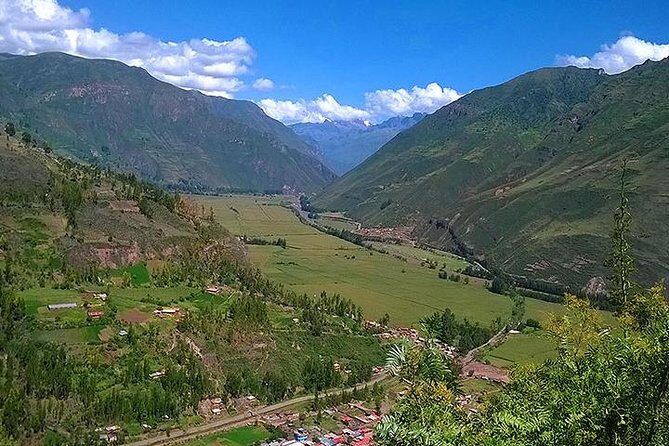
Plan on an early start. You’ll grab breakfast at your hotel around 6:30 AM, then pickup and departure kicks off around 7:00 AM. The whole point is to reach the valley before the day gets crowded, and before the light turns harsh for photos.
The drive is part of the experience, not just downtime. As you head toward the Sacred Valley, the route can pass by well-known Inca sites such as Saqsaywaman and Tambomachay (stops depend on timing and flow). Even if you’ve seen Cusco’s highlights already, these roadside glimpses help you connect the city to the wider Inca landscape and practical water/control systems the empire built.
This is also where altitude realities matter. The day includes a mix of car time and shorter walking blocks, which can be a big help on your first full day in the region. You still need to pace yourself, though—Cusco altitude doesn’t care that the schedule is tourist-friendly. I’d bring a light layer and keep water handy (you get one bottle on the tour).
You can also read our reviews of more tours and experiences in Cusco.


Manos De La Comunidad: Alpacas, Llamas, and Vicuñas Up Close

Your first “wow” moment hits early: Manos De La Comunidad, a local animal rescue center. It’s scheduled as an Animal Rescue stop (with admission ticket free), and it’s your chance to meet Andean camelids up close—alpacas, llamas, and vicuñas.
Why this stop is more valuable than it sounds: it’s not just a photo op. It’s a rescue/community space. You’ll likely spend about 30 minutes here, and you can take it at a calm pace—watching how the animals behave, how the area works, and how locals connect animal care with their livelihoods.
The practical note: this is where people tend to slow down in a good way. You’re not staring at stone walls. You’re interacting with living animals, which helps break up the mental load of archaeology. If you want to shop at all, you’ll often see opportunities here too, since the site supports local families. But you’re never required to buy anything.
Taray Viewpoint Photos and the Timing That Makes Them Worth It
After the rescue center, the day moves into viewpoint mode. Next up is Mirador Taray, a Taray Viewpoint stop around 8:50 AM. This is brief—about 15 minutes—but it’s the kind of quick stop that helps the day feel like more than “ruins + bus.”
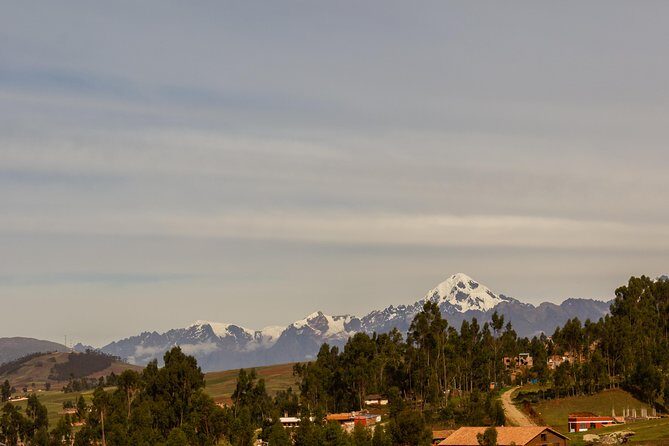
Expect classic Sacred Valley panorama views. If you’re the type who wants at least one postcard shot, this is one of the easier chances to get it without rushing through the next site. The descent and the timing also help with light and framing, especially if you’re traveling in shoulder seasons or days when weather shifts fast.
Because this stop is short, come prepared to move when your guide calls it. If you’re traveling with a camera (or you just want cleaner angles), pick your spot early and then adjust from there. Don’t wait until the last minute to start scanning for photos.
Pisac: Terraces, the Temple of the Sun, and Real Market Time
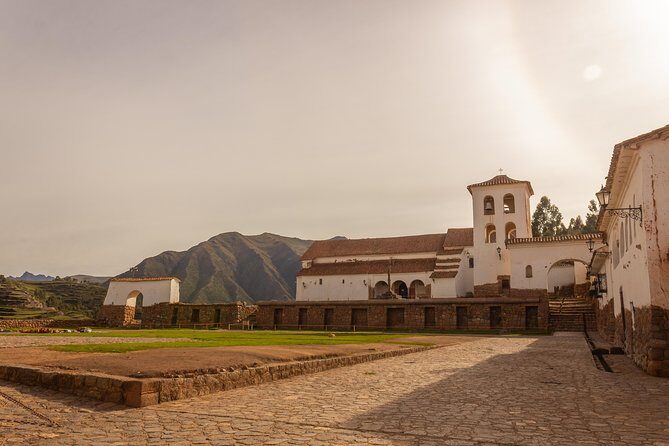
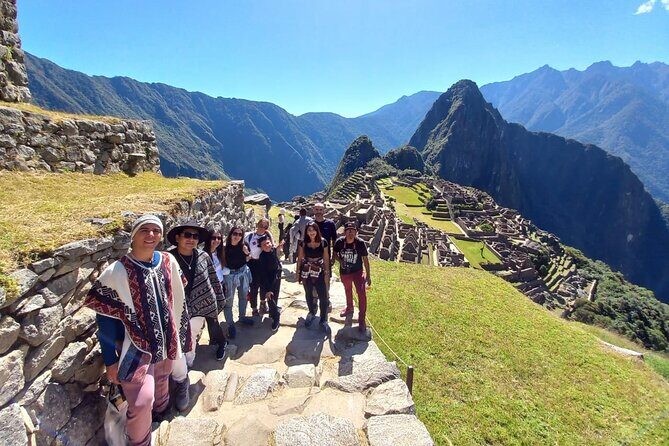
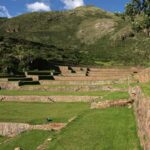
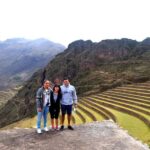
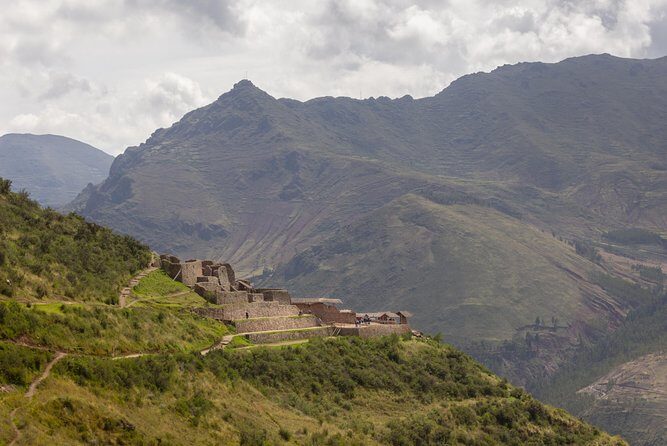
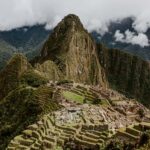
The morning’s centerpiece is Pisac Archaeological Park. You reach it around 9:30 AM and spend roughly 30 minutes there. This is the Inca citadel area famous for agricultural terraces and a ceremonial core. One highlight you’ll likely hear about is the Temple of the Sun.
What makes Pisac special is that it’s not just “big stone ruins.” You can see the Inca’s engineering logic—how terraces control water and slope, how ceremonial and residential spaces connect, and how carefully the site is shaped around the valley. The view alone is worth the visit, but the structures give you something to read: altars, channels, and stonework that looks different up close than it does in photos.
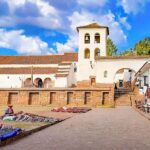
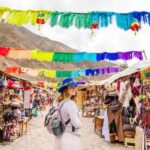
Then comes the market. Around 10:30 AM, you’ll visit the Pisac Market in the village. This is your chance to slow down, browse local crafts, and get a feel for daily life beyond the archaeological headlines. It’s also where you can buy souvenirs—handicrafts, small gifts, and the kind of items people bring home after a day in the valley.
A balanced tip: if you want real market time, don’t treat it like a sprint. Your guide’s likely to give you a chunk of free time after the guided ruins portion, so you can choose what you care about most: browsing, pottery/handicraft details, or just wandering.
Urubamba Lunch: Budget Reality and How the Clock Affects Your Afternoon
After Pisac, the plan moves toward Urubamba, with a scenic drive that’s about one hour (often described as around 40 minutes to Urubamba depending on pacing). Lunch lands around 12:00 PM.
Here’s the key value detail: lunch is usually your expense unless you booked the upgrade that includes it. At Urubamba, you’ll be looking at an Andean buffet style lunch with about 1 hour allotted. One company explanation puts the Sacred Valley buffet average around US$16, but prices can vary by restaurant and what’s included.
Why this matters for you: if you’re also planning an afternoon train connection, too-long a lunch stop can squeeze the next part of the day. The good news is that smaller groups and flexible guides can sometimes adjust timing. You might even be able to skip the buffet in certain cases to protect your connection later at Ollantaytambo.
If you’re not rushing, lunch here is a comfortable reset. You’ll be sitting, recovering, and eating in a place that’s set up for tour groups—so you aren’t trying to figure out food options while everyone else is moving to the next site.

Weaving and Dye Demonstrations: How Colors Get Made
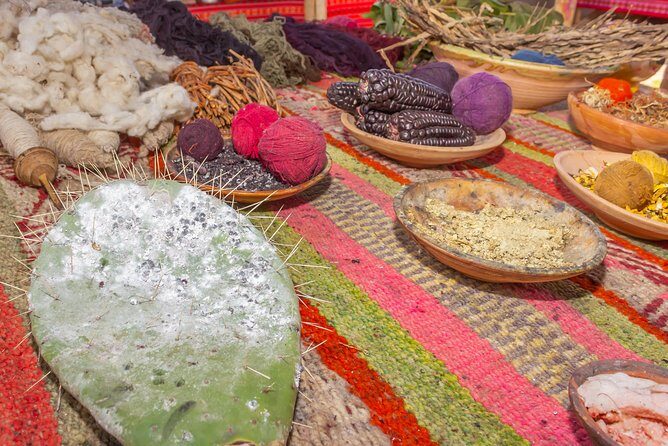
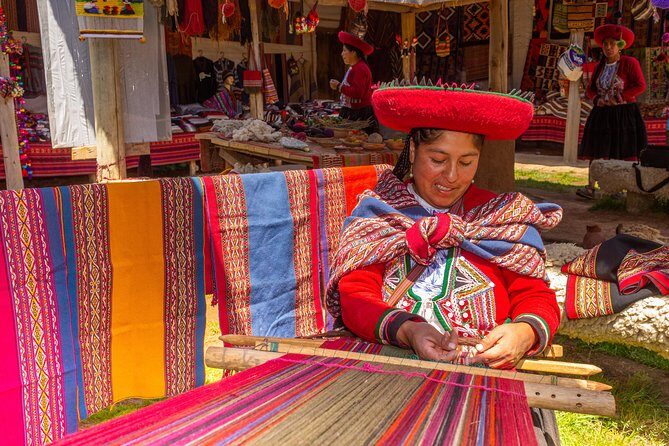
On the way to Ollantaytambo, the day includes a weaving house stop and a demonstration on dyeing and weaving techniques. This isn’t one of those “shop stop” add-ons you can ignore, because weaving in the Andes is tied to culture, skill, and the practical science of turning plant/material colors into thread.
You’ll likely watch a demonstration and see how the process works—how dyes are produced and how weaving becomes finished fabric. Even if you’re not buying anything, this is a chance to connect what you saw in the market to the actual craft behind the patterns.
If you’re the type who hates forced shopping: good. This demo is typically paired with a chance to browse, and in practice you’ll often have the option to keep moving without pressure. If your goal is learning over spending, focus on asking questions about materials and techniques, then treat the shop side as optional.
Ollantaytambo Fortress: The Big Inca Power Move

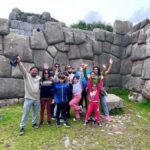
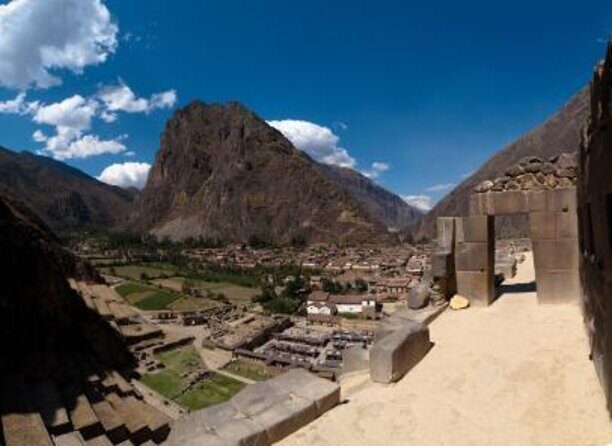
Your final major site is Ollantaytambo Archaeological Park, scheduled around 1:30 PM. Expect a strong mix of architecture and dramatic terrain. Ollantaytambo is described as an Inca fortress, a religious sanctuary, and a place that functioned as a living city.
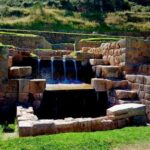
It’s known for massive stone architecture and extensive agricultural terraces. You’ll also hear about resistance against the Spanish conquistadors, which helps add context beyond just admiring the stones. This site often feels more “alive” than some ruins because the structures relate to daily life and movement through the town.
One practical note from real-world experience: Ollantaytambo can involve steeper climbing than you expect from a bus day. Some visitors find the climb up to the top levels strenuous, especially after a morning of walking at Pisac. Wear shoes that grip well, take your time, and don’t let your ego outrun your lungs.
When it works, the payoff is huge. You end the day with a powerful Inca setting and a lot of views over the valley—plus you’ve got options to either return to Cusco or continue on toward Machu Picchu.
Ending at Ollantaytambo Station for Machu Picchu Trains
This tour can end at Ollantaytambo train station, which is a big deal if you’re continuing to Aguas Calientes (Machupicchu pueblo). Depending on your selected option, you can be dropped at the station around 3:00 PM or 4:00 PM.
If you’re connecting to Machu Picchu, you’ll want this detail: the tour is designed to end at Ollantaytambo station so you can take trains from 15:37 PM onward. That timing is what keeps the plan stress-free. Your guide will handle the transfer so you don’t have to scramble for platform logistics while your brain is tired from altitude and the long day.
If you finish back in Cusco, you’ll typically return around 5:30 PM to 6:00 PM (about 17:30 on many schedules). Either way, you get the rest of the evening to do what you want—dinner, a slow walk, or just sleep.
Price and What the Upgrades Actually Change
At $29 per person, this tour is priced like a value day trip—especially because Cusco hotel pickup/drop-off and an English-speaking guide are included, along with transport and a small-group walking focus (walking tour is capped at max 10 people).
But the smartest way to judge value here is to separate three categories:
- You’re usually paying extra for entrance tickets unless you choose the all-inclusive upgrade.
- Lunch is usually extra unless the all-inclusive option includes it.
- You still get the core experience either way: Pisac ruins, the Pisac market, Urubamba lunch time (or skip options), the weaving/dye demo, and Ollantaytambo.
So should you upgrade? If you want fewer “cash decisions” during the day, the all-inclusive package can be worth it because it can bundle admission and lunch. If you’re comfortable paying on the ground and prefer controlling costs, the base option can work well—just keep in mind that entrance tickets may need to be purchased in Peruvian soles.
Also, shop-related stops exist in the rhythm of the day. The weaving stop and craft opportunities can include places where you can buy. The difference between a “nice day” and a “shopping day” comes down to how you handle it: treat purchases as optional, and focus your attention on learning and photos.
Who This Tour Suits (and Who Might Want a Different Plan)
This is a great fit if you:
- want a first-day Sacred Valley plan that mixes ruins with community life (market + weaving + animals)
- like the idea of a smaller group where your guide can respond to questions
- need a day that can work with Machu Picchu train timing without hiring separate logistics
It’s less ideal if you:
- hate steep walks at archaeological sites and want minimal climbing (Ollantaytambo can be a climb)
- want maximum time per site. The day has short blocks—enough to hit the highlights, not enough for deep wandering at every terrace
A quick altitude sanity check: you’ll be higher than sea level, and walking up Inca stone steps can surprise you. If you’re prone to headaches, go slow at the climbs, drink water, and don’t treat every viewpoint as a race.
The Guides: What Makes the Stories Feel Personal
A lot of the tour’s quality comes from the guide. Names you might encounter include Luis, Gary, Fabricio, René, and Michael. The common thread is strong storytelling—Quechua history, Inca architecture, and the way plants and water systems supported life here.
In practical terms, a good guide helps you look past the “wow stones” and understand what the stones were for: ceremonial purpose, agricultural use, and how the Inca adapted engineering to steep valleys. You’ll also get helpful tips on how to pace the day and where to spend your energy while you’re still fresh.
Should You Book This Sacred Valley Pisac and Ollantaytambo Day Tour?
If you want one day that gives you a real Sacred Valley sampler—Pisac citadel + market + rescue animals + weaving demo + Ollantaytambo—this tour makes a lot of sense. The price is attractive, pickup/drop-off is included, and the optional ending at Ollantaytambo station is a clean solution for travelers heading to Machu Picchu.
Before you book, do two things:
1) Pick the option that matches how you like to manage costs. If you want fewer surprises, consider the all-inclusive upgrade that covers admission/lunch.
2) Pack for walking and climbing—especially shoes with grip—then pace yourself at Ollantaytambo.
If you’re thinking: I want value and I want a day that feels both historical and local, book it.
FAQ
How long is the Sacred Valley day tour to Pisac and Ollantaytambo?
The tour runs about 9 hours on average.
What time does pickup start?
Pickup & departure is listed at 7:00 AM, and breakfast at your hotel is suggested around 6:30 AM.
Is hotel pickup and drop-off included?
Yes. Cusco hotel pickup and drop-off are included.
Do I need to pay for lunch?
Lunch is not included (unless you choose the all-inclusive package option). The Urubamba lunch is an Andean buffet at your expense.
Are entrance fees included?
Entrance fees are not included in the standard setup. You can upgrade to an all-inclusive option that includes admission (and lunch), depending on what you book.
What stops are included besides the ruins?
The day includes stops such as the animal rescue center (Manos De La Comunidad), Taray Viewpoint, Pisac Market, a weaving house demonstration, and Ollantaytambo.
Is there an option to end the tour at Ollantaytambo train station?
Yes. You can end at Ollantaytambo train station at either 3:00 PM or 4:00 PM.
If I’m going to Machu Picchu, what train timing does this support?
The tour is designed to end at Ollantaytambo station so you can take trains from 15:37 PM onwards.
What group size should I expect?
The tour maximum is 15 travelers, and the walking tour is capped at max 10 people.
Do I need a passport for this tour?
Yes. A current valid passport is required on the day of travel.
Can I cancel for a full refund?
Yes, you can cancel for a full refund up to 24 hours in advance of the experience start time.