REVIEW · CUSCO
Salt Mines(Maras),Moray and Chincheros
Book on Viator →Operated by Trip Inka Town · Bookable on Viator
Maras salt pans still work today. This Cusco private outing stacks Maras, Moray, and Chinchero into one efficient circuit, with private tour and live commentary that helps you connect the dots fast.
I love the private pace, where you can ask for short detours and your guide can adjust on the fly. I also like the alpaca wool shopping stop at the Mercado de Artesanias, which feels local rather than touristy.
The main catch: entrance tickets for Chinchero and Moray are not included, so your total spend may be a bit higher than the $80 headline price.
In This Review
- Key takeaways before you go
- A Private Sacred Valley Day That Actually Feels Flexible
- Price and Logistics: The $80 Value Math
- Meeting at Av. El Sol: How to Set Yourself Up
- Mercado de Artesanias: A Quick Alpaca-Wool Stop That Feels Real
- Chinchero Complex: Pachacuteq, Andean Trading, and Everyday Architecture
- Moray Terraces: The Mountain Lab for Farming Experiments
- Maras Salt Mines: Seeing Salt Making Where It Still Works
- The Guide and Driver: Where the Reviews’ Praise Shows Up
- Is This Tour for You? Who Should Book
- Weather, Timing, and Getting the Day Right
- Should You Book This Private Maras, Moray, and Chinchero Tour?
- FAQ
- How long is the Salt Mines (Maras), Moray, and Chinchero tour?
- What stops are included during the tour?
- Is this a private tour?
- Are entrance tickets included?
- Where does the tour start and end?
- What happens if the weather is poor or I need to cancel?
Key takeaways before you go
- Private guide, private timing: Your guide can pause where you want and keep the day relaxed instead of minute-chasing.
- Working Maras Salt Mines: You’ll see the salt pans in action, still used by local people.
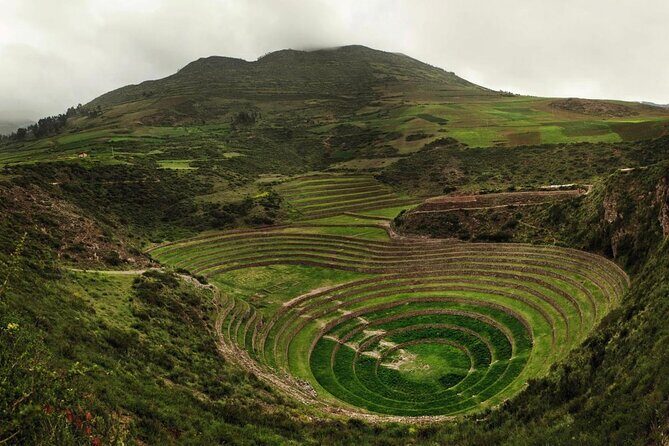
- Moray’s farming terraces: These mountain terraces were an agricultural experimental center, not just scenic ruins.
- Chinchero’s Pachacuteq link: You’ll visit an ancient local house tied to Pachacuteq and the area’s famed trading.
- Alpaca crafts at Mercado de Artesanias: Handmade alpaca wool goods produced by local people.
- Easy meet-up: The tour starts at Av. El Sol 920 and ends back at the same meeting point.
A Private Sacred Valley Day That Actually Feels Flexible
If you like your Peru travel days with breathing room, this style of private tour is a strong fit. You’re not stuck with the same pace as everyone else in a larger group, and that matters on a route like this where the highlights are scattered across the countryside.
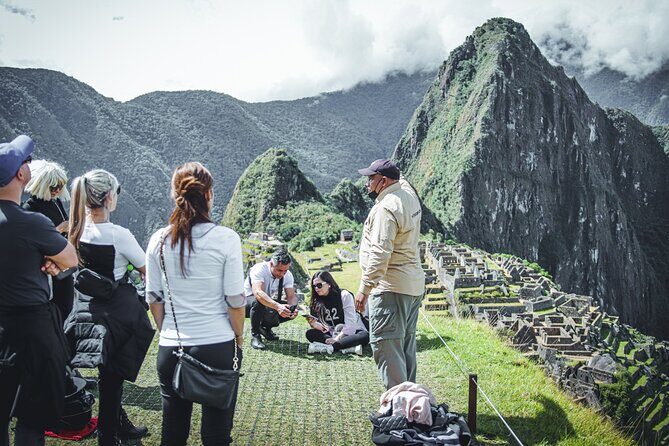
This one runs about 6 to 7 hours, starting in Cusco and focusing on three big Sacred Valley stops: Chinchero, Moray, and Maras. The guide gives live commentary along the way, so you’re not just looking at stone and salt—you’re getting the story while you’re there, when it still feels fresh.
You can also read our reviews of more tours and experiences in Cusco.


Price and Logistics: The $80 Value Math
At $80 per person for a private half-day, the value comes from two things: transport plus a personal guide. Most “see-it-all” days in the Cusco area get expensive fast once you start paying for transfers and then adding guide time on top. Here, transportation and the guide are included, and you spend your money on the experience, not on extra add-ons.
One part to plan for: entrance tickets are not fully included. Mercado de Artesanias has admission included, Maras entry is free, but Chinchero and Moray entrance fees are not included. So think of the $80 as a base price, then budget a little extra for those two sites.
Duration is also part of the value. At roughly 6 to 7 hours, you get major stops without feeling like your whole day is gone. If you’re trying to fit multiple Cusco activities into a short stay, that timing is useful.
Meeting at Av. El Sol: How to Set Yourself Up
The meeting point is Av. El Sol 920, Cusco 08002, and the tour ends back at the same place. That sounds simple, but it’s a real time-saver in Cusco where navigation can eat up energy.
The tour runs Monday through Thursday, with operating hours 7:00 AM to 3:00 PM. If you’re building your schedule, try to reserve one of those days so you don’t end up scrambling if your first choice fills up.
This tour is commonly booked ahead—on average about 25 days in advance—so if your dates are firm, book early rather than hoping for a last-minute spot.
Mercado de Artesanias: A Quick Alpaca-Wool Stop That Feels Real
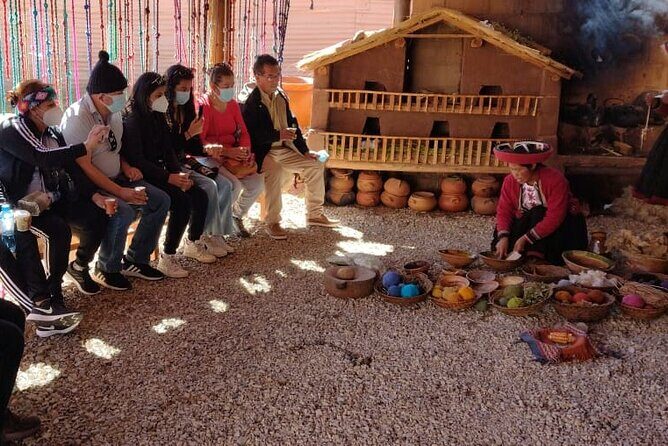
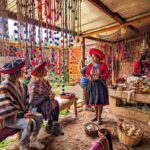
You start with Mercado de Artesanias, with about 40 minutes there. This is a place where you can find handmade alpaca wool products created by local people. It’s short enough that it doesn’t slow the day down, but long enough to browse without stress.
Why I like this kind of stop: it’s not only about buying. It’s about seeing the craft process in a direct way. If you’ve ever wondered what alpaca wool actually means in Peru beyond a souvenir tag, this is the first place that turns the idea into something tangible.
What to do in your 40 minutes:
- Look closely at texture and thickness rather than only the color.
- If you’re shopping, treat it like comparison time, not a rush purchase.
- Use the guide to point out what people typically buy here so you don’t waste the whole moment guessing.
Note: the admission ticket for this stop is included, so you won’t be surprised by an extra fee at the door.
Chinchero Complex: Pachacuteq, Andean Trading, and Everyday Architecture
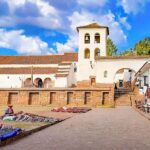
Next you head to the Archaeological Complex of Chinchero, where you’ll spend about 30 minutes. This stop focuses on an ancient local house linked to Pachacuteq and also includes a look at Andean trading.
Chinchero can feel like a quick detour on paper, but in practice it’s a useful bridge. It connects the larger Inca story to how people lived and traded close to home. Instead of thinking of Cusco as only ruins and temples, you start noticing how daily life and power were intertwined.
A practical way to enjoy the short time you have here:
- Ask your guide what the trading area would have meant in everyday terms.
- Pay attention to how the space is organized; even a half-hour can make the layout click.
Entrance tickets for Chinchero are not included, so plan for that extra cost. Also, because your time is limited, be ready to move when the group moves—this is one of those places where you get more by paying attention early.

Moray Terraces: The Mountain Lab for Farming Experiments
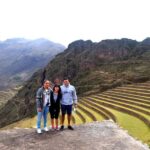
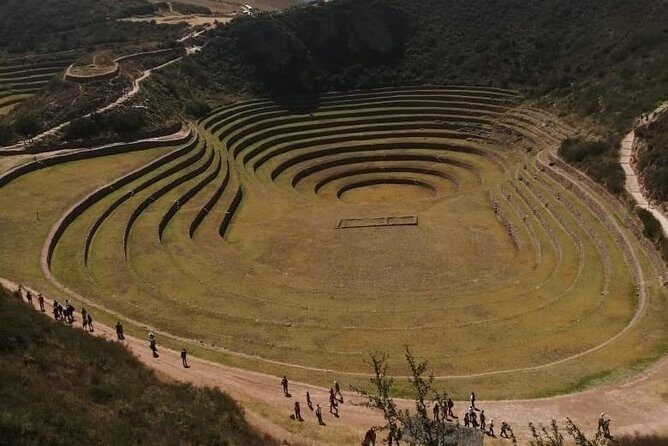
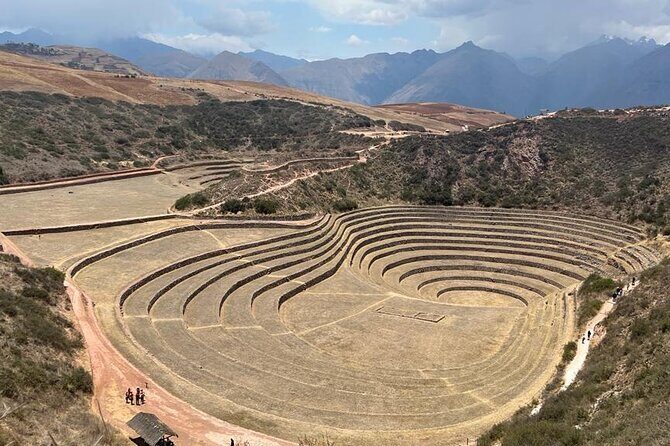
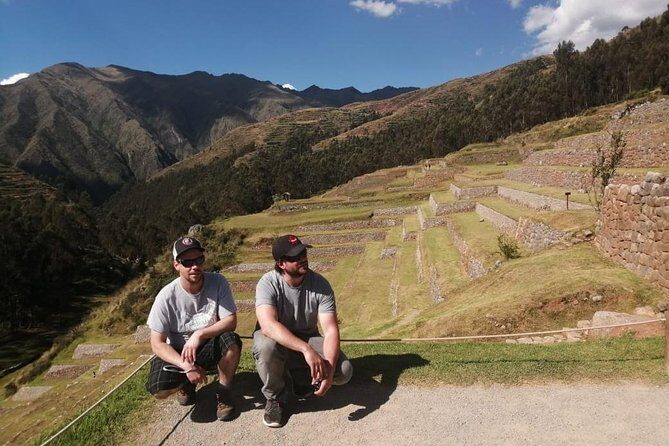
Moray is the “how did they think of this?” stop. You’ll spend about 40 minutes at the agricultural experimental center in the mountains, where the main attraction is the terraced system.
The value here isn’t only that it looks cool from above. It’s that it was designed for experimentation—how to grow crops better using the natural conditions created by the terraces. That changes how you look at the site. You stop treating it like random ruins and start seeing it as a tool.
What to do at Moray with limited time:
- Walk at a comfortable pace and keep an eye out for how the terraces step down.
- Let your guide explain the purpose while you’re still standing in the same space where those ideas were put into practice.
Entrance tickets for Moray are not included. This is also one of the reasons I think a live guide helps: you’ll get more context than you would if you arrived with only a quick photo plan.
Maras Salt Mines: Seeing Salt Making Where It Still Works
Then comes Maras, the Salt Mines. You’ll have about 1 hour here, and entrance is free.
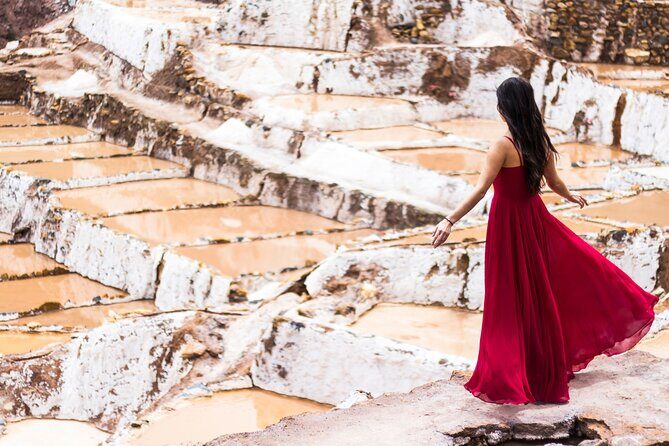
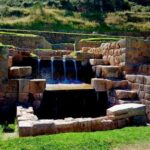
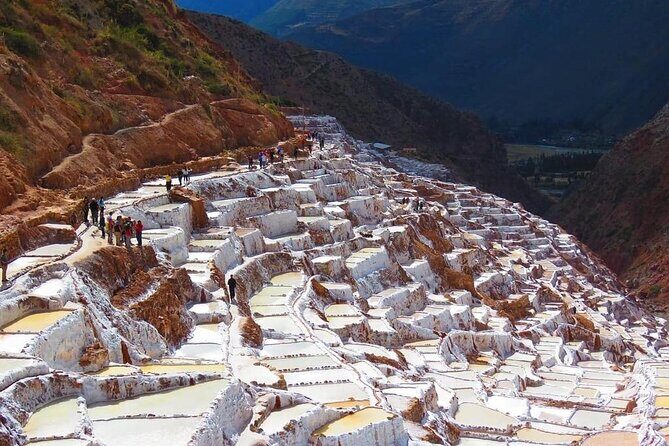
This isn’t a dead museum site. The Inca salt mines are still working, and they’re used by local people. You’ll be able to see the salt pans and the process of salinization—salt production in action rather than just a historical reference.
This is also the stop where the private-tour advantage shows up. With more time and fewer people, your guide can help you watch the process in a way that feels calmer. And since you’re there for about an hour, you can take the photos you want without turning the rest of the day into a sprint.
Practical tips for Maras:
- Plan to slow down for visuals like how the pans are laid out and how the work is organized.
- If you like details, ask your guide what to watch for during the salt-making process.
- Wear shoes you trust; you’ll want sure footing on uneven surfaces.
The Guide and Driver: Where the Reviews’ Praise Shows Up
The tour’s real win is how smoothly it can run when the guide is on point. In at least some outings, a guide named Franco has been singled out for making the day feel organized but not stiff. The common theme: the tour stays efficient because the guide understands what matters, and you still get flexibility.
There’s also a driver mentioned in connection with the relaxed flow—Elder. A good driver helps you stay comfortable during transit, and that matters because you’re bouncing between Cusco-area stops.
Even if you don’t know who you’ll get, use this to guide your expectations: the best version of this tour isn’t about racing through every minute. It’s about making smart stops with a guide who talks as you go and can adjust when you ask.
Is This Tour for You? Who Should Book
You’ll likely love this tour if you:
- Want the big three Cusco-area hits—Chinchero, Moray, Maras—without committing to a full day of driving.
- Prefer a private format so you can move at your pace.
- Like getting practical context, not just reading signs after the fact.
It may not be your best choice if you:
- Hate paying separate entrance fees at stops (since Chinchero and Moray entrances are not included).
- Want a long, slow day with extra time for wandering. This route is built for a focused 6–7 hour run.
For families, it can work well too, since the private timing reduces pressure. One family setup included kids ages 7 and 12, and the day was described as relaxed and well organized.
Weather, Timing, and Getting the Day Right
This experience requires good weather. If it gets canceled due to poor conditions, you’ll be offered a different date or a full refund. That’s worth treating seriously in Cusco, because rain and low visibility can turn good viewpoints into frustration.
The good news: because the tour happens only Monday through Thursday and runs through a broad window (7:00 AM to 3:00 PM), you have some flexibility when you choose your day—if your schedule allows it.
Should You Book This Private Maras, Moray, and Chinchero Tour?
If you’re choosing between a quick group tour and a private half-day, I’d lean private for this route. You’re paying for comfort and a guide who can explain what you’re seeing while you’re there—and that’s especially valuable at Moray and Maras, where the purpose behind the structures matters.
Book it if you can handle entrance tickets at Chinchero and Moray and you’re going on a day when the weather is likely to cooperate. It’s also a strong option when you want a tight schedule that still feels thoughtful.
Before you book, double-check one thing: confirm you’re okay with a 6 to 7 hour structure. If you want more downtime in between, you might feel a little “on the go.” For focused sightseeing with real context, this one makes a lot of sense.
FAQ
How long is the Salt Mines (Maras), Moray, and Chinchero tour?
It lasts about 6 to 7 hours.
What stops are included during the tour?
You’ll visit Mercado de Artesanias, the Archaeological Complex of Chinchero, Moray, and the Maras Salt Mines.
Is this a private tour?
Yes. It’s a private experience, so only your group participates.
Are entrance tickets included?
Admission is included for Mercado de Artesanias, Maras is free, and entrance tickets for Chinchero and Moray are not included.
Where does the tour start and end?
The tour starts at Av. El Sol 920, Cusco 08002, Peru, and ends back at the same meeting point.
What happens if the weather is poor or I need to cancel?
The tour requires good weather. If it’s canceled due to poor weather, you’ll be offered a different date or a full refund. You can also cancel for a full refund up to 24 hours before the experience’s start time.