REVIEW · CUSCO
Short Inca Trail 2 Day Hike to Machu Picchu with Permits & Train
Book on Viator →Operated by Machu Picchu Peru Tours · Bookable on Viator
Two days, one big wow moment. This Short Inca Trail to Machu Picchu ties together train access, trail highlights, and a guided citadel visit. It’s designed as a small-group experience (capped at 10 people), with logistics handled from Cusco to Ollantaytambo and back.
What I like most is the way the tour removes the stress. You get all the core pieces included—train to km 104, entrance tickets for both the trail and Machu Picchu, and the bus shuttles around Aguas Calientes. Second: the pacing hits the important sights without turning your whole trip into a full-on trekking marathon.
One consideration: it starts brutally early and the hike is still real. Expect a 5:00 am meeting time (with pickup around 4:10 am on Day 1) and moderate fitness is required, so plan to move steadily even if you’re not a hardcore trekker.
In This Review
- Key highlights worth your attention
- The value in a short permit trail (and why km 104 matters)
- Small-group logistics: your comfort budget is doing the work
- Day 1 from Cusco to the Inca Trail: early starts and planned momentum
- Chachabamba terraces (and why you should pay attention)
- Wiñay Wayna and the lead-up to Sun Gate
- Inti Punku and Machu Picchu viewpoints (the Day 1 crescendo)
- Back to Aguas Calientes and a realistic dinner window
- Aguas Calientes night: where rest makes or breaks Day 2
- Optional hot springs: a small add-on, not the core plan
- Day 2 at Machu Picchu: early bus, guided citadel tour, then train home
- The afternoon timing that keeps things from dragging
- Pacing and fitness: what moderate really means on this hike
- What to bring (practical, not fancy)
- Price and value: how $795 stacks up for what you actually get
- Who should book this Short Inca Trail, and who should choose something else
- Should you book this Short Inca Trail with permits and train?
- FAQ
- How many people are in the group?
- What’s included in the price?
- What time does the tour start?
- Are meals included on both days?
- Is Huyana Picchu included?
- What about the Aguas Calientes hot springs?
- What if the weather is bad or the trip needs to be canceled?
Key highlights worth your attention
- Small group size (up to 10) so the guide can actually keep track of everyone’s pace.
- Train to km 104 for a proper trail start without wasting energy getting there.
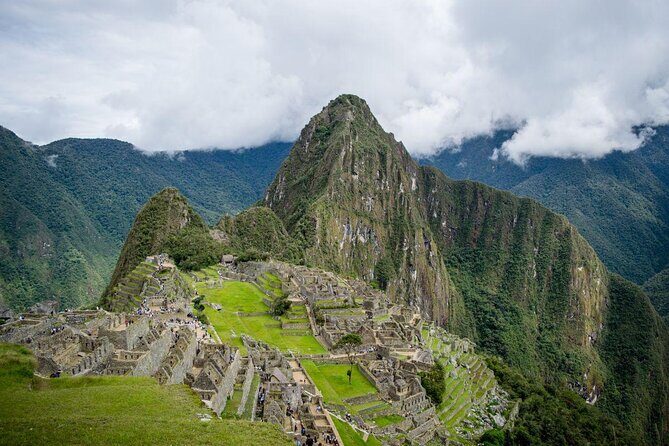
- Chachabamba + Wiñay Wayna + Inti Punku (Sun Gate) for a strong hit of Inca Trail landmarks.
- 1 night in Aguas Calientes with dinner and a guided prep-style briefing for Machu Picchu.
- Early entry strategy for Machu Picchu by bus, so you start the day with some breathing room.
- Machu Picchu guided tour included focusing on the most iconic areas, not just free time.
The value in a short permit trail (and why km 104 matters)
The biggest practical win of a Short Inca Trail with permits & train is that it solves a problem most people run into: the longer Inca Trail can be sold out. The shorter route is built around a similar idea—get you onto the Inca-world route with the right access, without requiring you to scramble for last-minute permits.
You also avoid a common rookie mistake: starting too low and too late, then hiking longer than you planned. Here, the included train takes you directly to km 104, which is the official trail access point for this style of itinerary. That’s not just a convenience. It keeps your day focused on walking the historic route and reaching the key viewpoints on schedule.
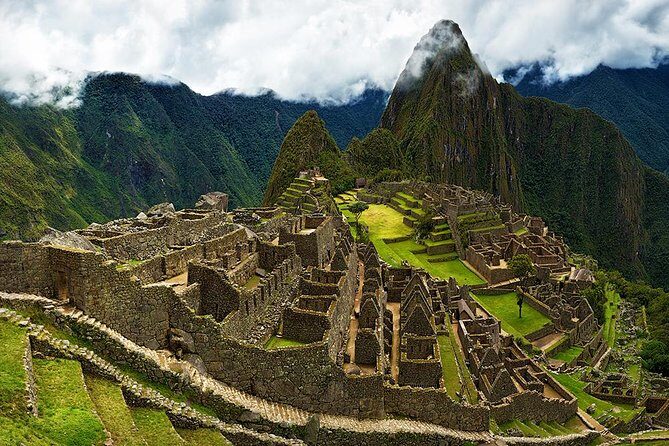
From the schedule, you can see this tour aims for two kinds of payoff. First is daytime trail moments—terraces, ruins, and the slow build toward the Sun Gate (Inti Punku) view. Second is Machu Picchu itself, reached early the next day with a guided plan. That combination is what makes it feel like more than a simple add-on: you’re doing two separate experiences that connect smoothly.
And if you’ve got limited time in Peru, this is a smart use of it. Two days is enough to feel you did the “real Inca Trail thing,” but it doesn’t swallow your entire schedule the way a full multi-day trek does.
You can also read our reviews of more hiking tours in Cusco

Small-group logistics: your comfort budget is doing the work
At $795 per person, you’re not just paying for a hike. You’re paying for the stuff that’s hard to DIY: the transportation chain, the timed access, and the entry tickets lined up so you don’t lose hours in queues and confusion.
This tour builds that value in a few concrete ways.
- Cusco ↔ Ollantaytambo transfers are included, so you’re not trying to coordinate taxis or buses at early-morning hours.
- Train out and back are included. That matters because the return is part of the rhythm—after Machu Picchu, you still have a set window to get back by bus and train.
- A guide is included, and a small group (up to 10 people) means the guide can actually manage pacing and questions. Several guide names came up in past feedback—people like Abel, Alwyn, Andy, and Gabriel—so the human factor seems to be a big part of the experience.
The other “value” item is the all-in approach to the Machu Picchu logistics. Getting onto the bus to the sanctuary early isn’t glamorous, but it is hugely practical. You’re basically buying time and reducing stress, which lets you spend your energy on the views and the walk.
One note from the information: trekking poles aren’t included. If you know your knees don’t love downhill, bring your own. It’s one of those small upgrades that can make the trail feel easier without adding bulk or cost.
Day 1 from Cusco to the Inca Trail: early starts and planned momentum
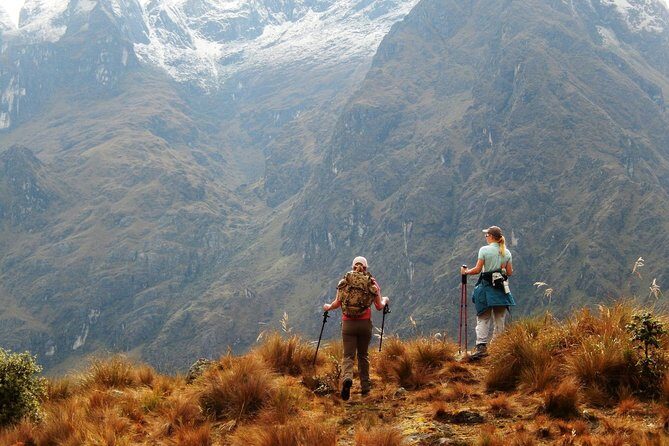
Day 1 begins like a well-run expedition—fast, timed, and built to get you on the trail without wasting daylight. You’ll be picked up from your accommodation in Cusco around 04:10–04:15 and transferred toward Ollantaytambo. Then you board the train to km 104 around 06:40–07:40.
Here’s why that timing matters. The trail portion starts soon after, so you’re walking while your body is fresh and visibility is typically better for views. It also keeps the day from turning into a “wait, then hike, then scramble” mess.
Chachabamba terraces (and why you should pay attention)
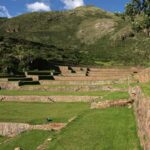
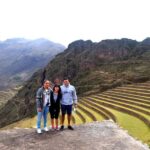
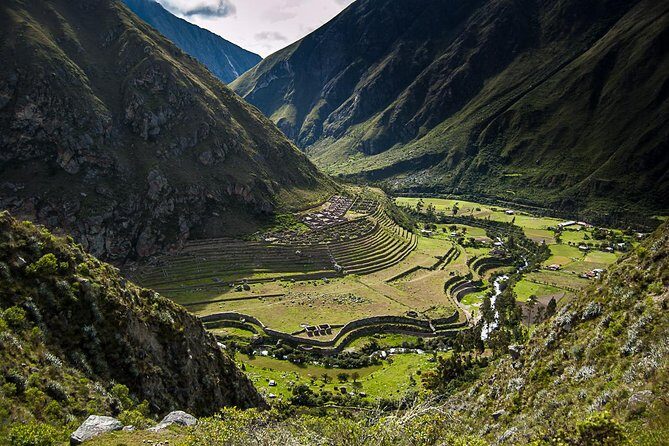
The first major stop is Chachabamba (2250 m) from about 08:00–14:15. This is where the tour shifts from transportation mode to Inca-land mode. You’ll observe local agricultural terraces—and the interesting detail here is that they’re described as supplying Aguas Calientes. Even if you’re not studying irrigation systems, it’s a useful mental hook: these weren’t random stone steps. They were infrastructure.
This part is also a good place to set your hiking rhythm. The long stretch means you’ll get plenty of time on the path, but it’s not a single frantic climb. Think of it as “steady effort” more than “sprinter behavior.”
Wiñay Wayna and the lead-up to Sun Gate
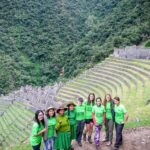
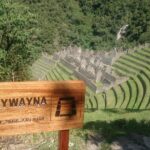
From Chachabamba, you hike toward Wiñay Wayna, one of the best-known sections of the Inca Trail experience. You’ll later get your big view payoff at Inti Punku—but this middle portion is what makes that first view feel earned.
Touring this way helps you avoid a common problem: arriving at Sun Gate without context. If you’re paying attention to how the trail moves through terraces and ruin areas, the Machu Picchu reveal becomes more than a photo moment. It feels like a sequence.
A few more Cusco tours and experiences worth a look

Inti Punku and Machu Picchu viewpoints (the Day 1 crescendo)
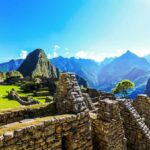
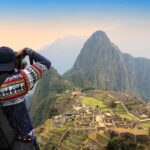
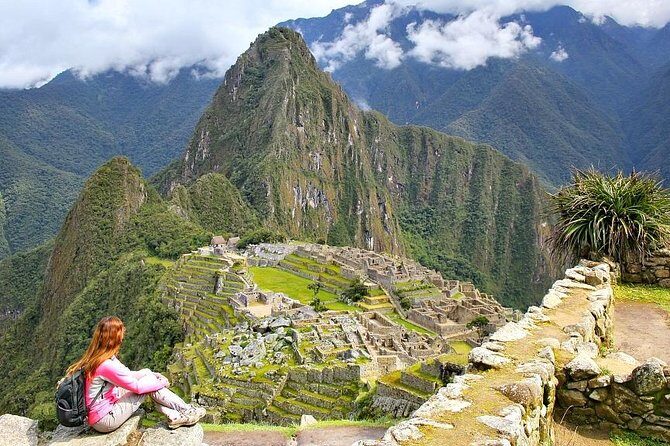
You’ll reach Inti Punku around 14:15–15:45, and this is the first incredible view of Machu Picchu Sanctuary. Then you continue hiking to Machu Picchu itself from 15:45–16:25, exploring the historic site in the late afternoon light.
That timing can be surprisingly satisfying. Day 2 will be the guided citadel tour, so Day 1 works more like your “arrival and orientation” moment—plus a chance to see the site from another angle before the more structured visit.
Back to Aguas Calientes and a realistic dinner window
You return to Aguas Calientes around 16:45–17:20, then dinner is 19:00–20:00. After dinner, there’s a briefing with your guide for the next day’s Machu Picchu guided tour.
This is a smart move for nervous first-timers. Machu Picchu can feel like an assembly line if you don’t know what to focus on. A briefing helps you sleep better too, because you understand what happens in the morning.
In some past feedback, the food setup in Aguas Calientes stood out—one note specifically praised chef Pedro for cooking after the trail. That matters, because after a hike, you want food that’s actually comforting, not just “technically a meal.”
Aguas Calientes night: where rest makes or breaks Day 2
A key ingredient here is the 1 night’s accommodation in Aguas Calientes. You’re not traveling overnight, and you’re not trying to squeeze everything into a same-day day trip. The town acts like a buffer, and the tour’s schedule gives you a dinner window, then a briefing, then sleep.
In real terms, this means you can show up to Machu Picchu Day 2 with less grit. The early bus start can feel easier when you’re already in the right place rather than rushing from Cusco again.
What you’re getting is also part of the “you’re not doing logistics” value. Instead of figuring out where to stay and how to reach the next-day bus timing, you’re handled end-to-end.
One more practical point: breakfast on Day 1 isn’t included. So if you’re not used to very early starts, do yourself a favor and eat something in Cusco before pickup. You’ll want energy before the train.
Optional hot springs: a small add-on, not the core plan
The hot springs in Aguas Calientes are not included (they cost 10 Soles), but if you want a soak to ease your legs, this tour leaves that door open.
Just keep expectations realistic: you’re still traveling early the next day, so don’t turn the springs into an all-night spa night.
Day 2 at Machu Picchu: early bus, guided citadel tour, then train home
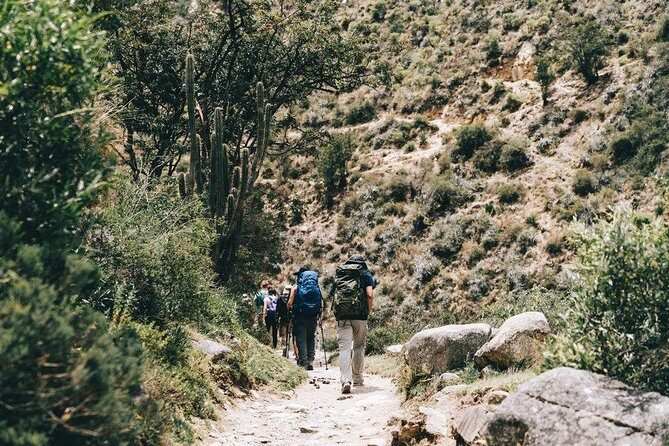
Day 2 starts with the mission to get you into Machu Picchu early. You leave Aguas Calientes between 06:00–07:00 and ride the bus up to the archaeological complex. The tour schedule calls out your first breathtaking view along the way, with Machu Picchu above the Urubamba River.
Then comes the part most people care about: the guided tour of Machu Picchu from about 07:00–09:30 for roughly two hours. You’ll cover the iconic areas and learn about site history, significance, and spiritual beliefs, all while standing in front of the architecture.
Why the guided format is so worth it here:
- You’ll be shown what to look at, so you don’t wander through and feel like you missed the story.
- You’ll get context for the design—useful if you’re the kind of person who wants the “why,” not just the “what.”
After the tour, you return by bus to Aguas Calientes.
The afternoon timing that keeps things from dragging
You’re not stuck waiting around forever. You board the train back from Aguas Calientes to Ollantaytambo around 14:30–16:10. Then there’s a scenic bus ride back to Cusco from 16:10–20:10.
This works well if you want your last hours to feel like travel, not like exhaustion. You also avoid the trap of a late-night return the same day as the summit-level viewpoint.
If you love having your trip “end clean,” this schedule helps.
Pacing and fitness: what moderate really means on this hike
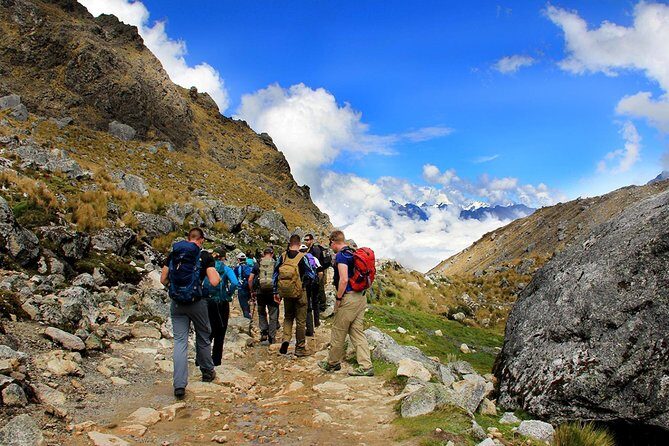
This tour asks for moderate physical fitness. That sounds gentle until you look at the time on your feet: the main hiking block on Day 1 runs from 08:00 to 16:25, with breaks and points to observe, but it’s still a full working day.
Here’s how to think about it so you don’t overreact.
- The trail includes a mix of walking and viewpoints, not just one unbroken climb.
- You’re moving at high altitude relative to sea level, and Chachabamba is listed at 2250 m, so take it slow early.
- Your best strategy is steady pacing, not fast ambition. If you try to power through, you’ll arrive more tired and less able to enjoy the views.
One thing to watch: the guide pace can affect group comfort. In past feedback, one guide was described as enthusiastic and knowledgeable (for example, people mentioned guides like Alwyn, Andy, and Gabriel), but one review also mentioned a harsher tone when someone walked slower. That doesn’t mean everyone gets that style, but it does suggest you should pick your hiking expectations carefully: if you need extra time, say it upfront and keep yourself in a calm rhythm.
What to bring (practical, not fancy)
Even though the tour includes major logistics, you still control your comfort. Bring:
- Hiking shoes with good traction
- Layers for early mornings and cooler air near the trail
- Sun protection, plus a way to carry water
- Optional trekking poles if you use them (since they’re not included)
If you’re planning to add Huyana Picchu, note that it’s not included. You’d need to arrange it separately.
Price and value: how $795 stacks up for what you actually get
Let’s talk money in a way that helps you decide.
At $795, you’re paying for:
- Train to the trailhead at km 104 and the return train from Aguas Calientes to Ollantaytambo
- Entrance tickets for the Inca Trail portion and Machu Picchu
- Bus transportation between Aguas Calientes and Machu Picchu Sanctuary
- Accommodation for one night in Aguas Calientes
- Guide service plus the two guided components (trail overview and the Machu Picchu guided citadel tour)
- Transport between Cusco and Ollantaytambo
Then the tour also includes three complimentary meals—with dinner on Day 1, and breakfast and lunch included during the overall plan—while breakfast on Day 1 is not included.
That bundle is the heart of the value. The Machu Picchu experience is expensive no matter how you do it, because the site access and transport chain aren’t cheap. This tour packages that chain into one decision, and that’s often what you’re actually buying: fewer moving parts.
Where you might feel the price most is if you end up only using parts you would have done anyway. But if you want the guided story, the trail route, and the early entry plan without chasing tickets, the math usually starts to make sense.
Who should book this Short Inca Trail, and who should choose something else
This is a great fit if:
- You want the Inca Trail experience but don’t want a longer multi-day trek
- You value guided context at both the trail and Machu Picchu
- You like small-group travel (up to 10 people) and a clear schedule
- You want permit access handled alongside train and entrance logistics
You might choose differently if:
- You’re very sensitive to early mornings and long hiking blocks
- You want total flexibility on pacing and timing (guided tours mean you follow the plan)
- You were hoping to do both Machu Picchu and an extra big add-on like Huyana Picchu without extra effort (it’s not included)
Also, if you’re the type who thrives on silence and independent wandering, you may find a guided structure helpful for the story, but less ideal for solo freedom. You can still enjoy it—you just won’t be off-grid.
Should you book this Short Inca Trail with permits and train?
Yes, if you want a high-satisfaction version of the Inca Trail that doesn’t require permit chess moves. This tour does the hard stuff—timed train access to km 104, trail entrance, Machu Picchu tickets, and the early bus strategy—so you can focus on walking, learning, and taking photos with less stress.
I’d book it especially if your travel window is tight, because two days is enough time to feel like you did the core Inca highlights: Chachabamba terraces, Wiñay Wayna, the Sun Gate view at Inti Punku, and then the Machu Picchu guided citadel tour.
One last check before you decide: be honest about your fitness and your alarm-clock tolerance. The hike is short compared to longer treks, but it still takes effort, and the day starts early.
If that fits you, this is a strong value way to get the permit-and-train version of Machu Picchu without turning your vacation into a logistics project.
FAQ
How many people are in the group?
The tour has a maximum of 10 travelers, which keeps it feeling like a small-group experience.
What’s included in the price?
Transport between Cusco and Ollantaytambo, the train to km 104 and the return train, entrance tickets for the Inca Trail and Machu Picchu, bus transport between Aguas Calientes and Machu Picchu Sanctuary, one night accommodation in Aguas Calientes, a tour guide, and three complimentary meals.
What time does the tour start?
You’ll have a meeting time of 5:00 am, with pickup from your accommodation in Cusco around 04:10–04:15 on Day 1.
Are meals included on both days?
Breakfast on Day 1 is not included. The tour includes three complimentary meals overall, and it does not include lunch and dinner on Day 2.
Is Huyana Picchu included?
No, Huyana Picchu is not included.
What about the Aguas Calientes hot springs?
Hot springs entry is not included, and the cost listed is 10 Soles.
What if the weather is bad or the trip needs to be canceled?
The experience requires good weather. If it’s canceled due to poor weather, you’ll be offered a different date or a full refund. There’s also free cancellation up to 24 hours in advance for a full refund.