REVIEW · CUSCO
Cusco: Uros Taquile Island from Cusco
Book on GetYourGuide →Operated by Chullos Tours · Bookable on GetYourGuide
Two islands, one night bus, and lots to learn. This Cusco to Uros and Taquile day connects Lake Titicaca culture fast, with the Uros floating reed islands and a Taquile lunch that feels made for real-life sightseeing. One catch: you trade comfort for time, so expect an all-night bus and real insect pressure on the reed islands.
I like that the tour is built around people, not just postcard stops. You get guided time on the Uros islands, then a Taquile visit that includes a 1-hour walk toward the town and a close look at daily life through local fabrics. The guided explanations are a big part of why this feels worthwhile instead of rushed.
Still, plan smart. The schedule is long, the walk is on uneven ground, and you’ll want warm layers for the boat and wind off the water. Also, I’d rather have extra time than be stuck at pickup points—some logistics can be tight when you’re moving between terminals and hotels.
In This Review
- Key things to know before you go
- How the Cusco–Puno–Titacaca loop really works (and why it’s efficient)
- The overnight bus: what to expect from the bed-bus timing
- Entering Uros: reed islands, boats, and how the lake becomes a home
- Taquile Island: the 1-hour walk and the fabric-driven way of life
- Traditional lunch on Taquile: what’s included and how to get the most from it
- Puno from about 5:00 pm: use the free time wisely
- Price and value: is $150 worth it for this route?
- Practical gear and money: what to pack for Titicaca conditions
- Who should book this Cusco to Uros and Taquile tour
- Booking call: should you take this one?
- FAQ
- What time is the pickup in Cusco?
- What time do we arrive in Puno and when does the tour start?
- What’s included on Uros and Taquile?
- Is lunch included?
- What meals are included, and is dinner covered?
- Is transportation between Cusco and Puno included?
- Do the guides speak English?
- What do I need to bring, and what’s not allowed?
- Is there free cancellation and reserve-pay-later?
Key things to know before you go

- Uros reed islands built for homes, boats, fuel, and even food
- A guided visit that turns the lake into a living resource story
- Taquile includes a 1-hour walk up to the town area
- Traditional lunch on Taquile, plus a fabric-focused look at local life
- Mosquitoes are common at the floating islands, so pack insect protection
- You get free time in Puno before the return bus to Cusco
How the Cusco–Puno–Titacaca loop really works (and why it’s efficient)
This tour is designed as a connection between Cusco and Puno. You start with a late pickup in Cusco—hotel pickup is at 9:15 pm—then you head to the land terminal and board an overnight bed bus to Puno. The bus ride ends around 5:00 am, and once you arrive, staff meet you so you’re not scrambling alone at sunrise.
After arrival you’ll have time for a basic breakfast, and then the actual island day kicks off at about 7:00 am. You’re back in Puno around 5:00 pm, followed by a transfer to the land terminal for the return bus, departing about 10:00 pm and arriving in Cusco around 5:30 am.
Why this matters: you’re not just doing islands—you’re also moving between two major hubs. If you were to do Cusco to Puno separately, add boats, and then add meals, this bundled format can save you both time and the hassle of piecing everything together.
The drawback is obvious once you see the clock: this is a long travel day, and you’re sleeping on a bus overnight. If you’re the type who needs deep, uninterrupted sleep, you may feel the schedule more than you expect.
You can also read our reviews of more tours and experiences in Cusco.



The overnight bus: what to expect from the bed-bus timing
You’re leaving Cusco late and arriving in Puno early, which means your day starts and ends on transport. That can actually be a plus: you’re using the night efficiently, and by morning you’re ready to start the Titicaca portion with breakfast.
Bring your warm clothing seriously. Even if daytime feels mild, mornings on the lake can be cold, and the boat ride plus wind can make it feel colder. I’d also keep your jacket close because you may want it as you move between terminals, breakfast, and the port.
Also pay attention to what the tour says about luggage. Large bags aren’t part of the plan. If you’re traveling with a big suitcase, you might have trouble fitting into the small-bag reality of day tours and boat logistics. Plan to travel light.
Entering Uros: reed islands, boats, and how the lake becomes a home

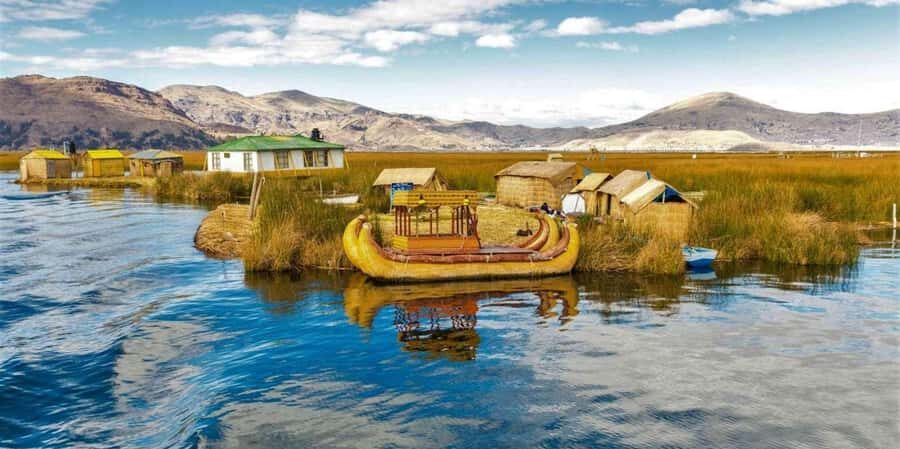
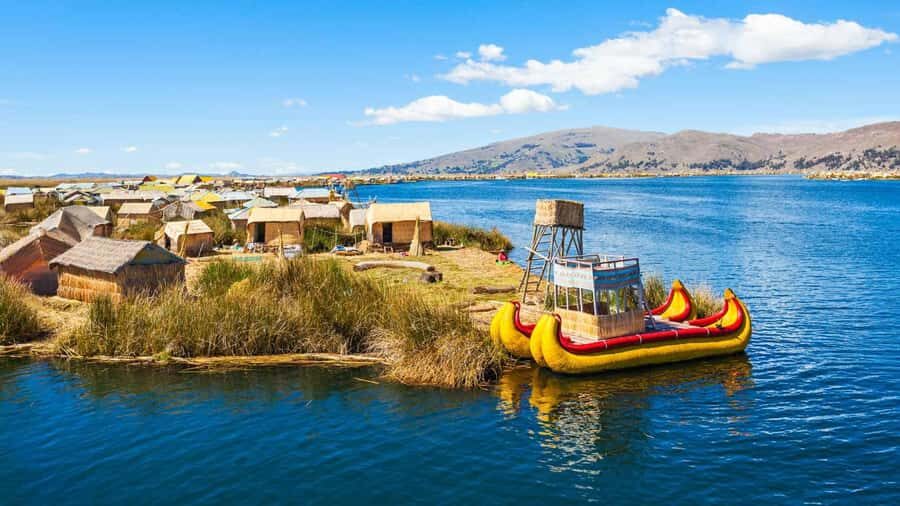
Uros is the first island stop and the one that sets the tone. You board a boat from Puno, and then you’ll have a guided visit to the Uros islands—built with reed reeds by the people who live there.
Here’s what makes Uros more than a quick photo stop: the reeds are described as a full material system. They’re used for constructing homes, making and supporting boats (rafts), providing fuel, and even as food for human consumption. That turns the experience into a hands-on story of adaptation to the lake’s resources.
What you’ll do on the ground is walk and listen. Expect a guided experience focused on how life works on the water. You’ll also see why this community has become so famous: the islands really do look like they float, and the whole place is built from the same material you see in motion on the lake.
Two practical tips matter here. First: mosquitoes. The reed islands are notorious for insects, and you should assume you’ll need repellent and some protection for skin and clothes. Second: the environment is active—wind, sun glare on water, and wet surfaces—so wear clothes that handle a little damp and bring a camera you don’t mind getting splashed at the edges.
Taquile Island: the 1-hour walk and the fabric-driven way of life
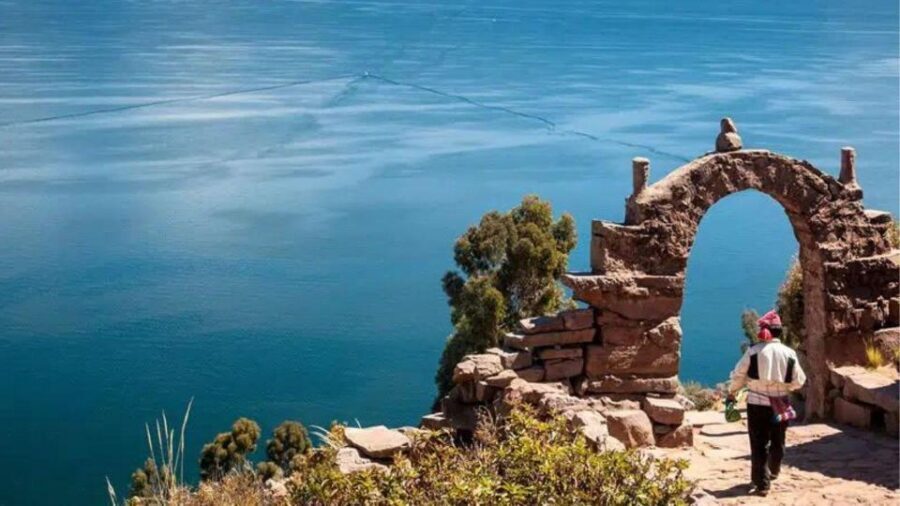
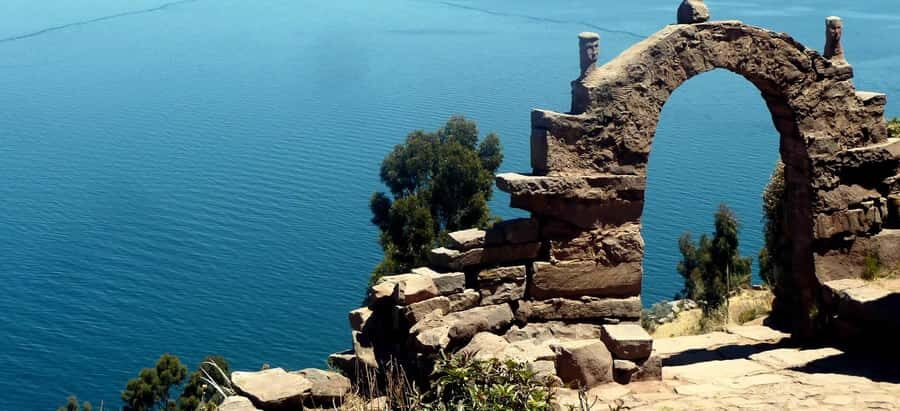
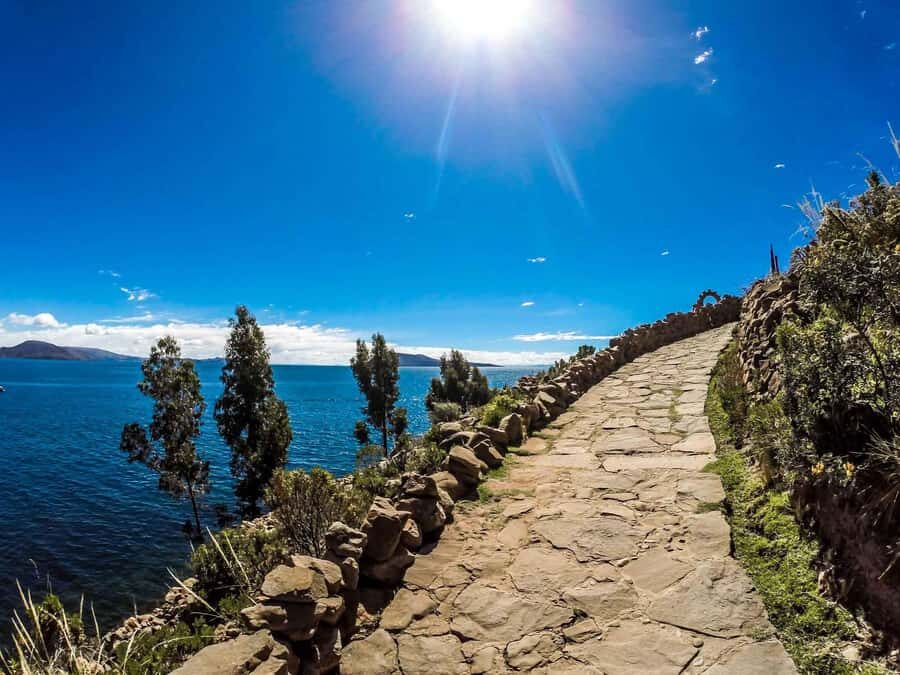
Taquile is where the tour shifts from survival resources to culture. After arriving, you get about a 1-hour walk to reach the town area. This isn’t described as a strenuous hike, but it is a walk on an island with changing surfaces, so comfortable footwear helps.
Once you reach the town area, you’re there to observe and learn. The tour is set up so the inhabitants show you their way of life through their fabrics. That means you’ll be less focused on sweeping monuments and more focused on craft, daily rhythm, and how textiles fit into community identity.
This part is valuable because it gives you something tangible to remember. Instead of leaving with a vague impression, you can connect what you saw—materials, methods, finished pieces—with the life that produces them. If you enjoy learning through hands-on culture rather than just scenery, Taquile is the star of the day.
Traditional lunch on Taquile: what’s included and how to get the most from it
Lunch is included and described as a typical or traditional meal served in a local restaurant on Taquile. This is one of the best parts of the itinerary because it keeps you tied to local routines rather than eating on the move.
Since the exact menu isn’t provided in the tour details, I’d think of the lunch as a satisfying reset after the walk—food is there to keep you energized for the return to Puno. Go hungry if you can. Also, remember that dinner isn’t included later in the day, so you may want to either eat early in Puno or plan for your own dinner before the 10:00 pm bus back.





Puno from about 5:00 pm: use the free time wisely

After Taquile, you return to Puno around 5:00 pm. Then you get a free afternoon, which is a smart buffer before your return bus.
This free time is helpful in two ways. One: you can decompress after boat rides and walking. Two: you can handle your own dinner since the tour lists dinner as not included.
Keep it simple. If you want a quick stroll, do it close to places you can easily reach again. The later your plans run, the more you risk stress getting to the terminal for the night departure.
Then, as the day transitions, you’ll be transferred to the Puno land terminal around 9:00 pm, with departure at 10:00 pm and arrival in Cusco around 5:30 am. That means you shouldn’t plan an activity far from pickup/drop-off points unless you’re comfortable making tight time decisions.
Price and value: is $150 worth it for this route?
At about $150 per person, this tour can feel like a good value if you break it down by what’s included. You’re paying for round-trip transportation between Cusco and Puno (including overnight bed-bus segments), local transfers to and from terminals, a guided boat tour covering both Uros and Taquile, plus a basic breakfast and a traditional lunch.
The “value” part is not just the islands. It’s that you’re also solving the Cusco-to-Puno movement problem in one package. If you tried to arrange the transport separately and then add boat and meals on top, costs and coordination can easily creep upward.
Where value can slip: extra expenses can appear, and dinner isn’t included. You’ll also want small spending cash for personal items. The tour is also built around limited luggage—if you travel with bulky gear, it may create friction that feels like a hidden cost.
Still, for the mix of guided island time plus included meals plus the fact you’re traveling overnight efficiently, the price-to-experience ratio is pretty reasonable—especially if you’re excited about cultural encounters more than comfort.
Practical gear and money: what to pack for Titicaca conditions
The tour gives clear packing guidance, and I agree with it. Bring:
- Passport (also required for ticket purchase in advance, using passport information)
- Warm clothing and a jacket
- Comfortable clothes for walking and boat time
- Cash for extra expenses
- A camera if you like photos
Also note what’s not allowed. Pets aren’t allowed. Large bags, mobility scooters, baby carriages, and scooters aren’t part of this plan.
That last bit matters more than people think. If you’re traveling with lots of gear, you’ll feel it during boarding and transfers. I’d plan for compact travel.
Who should book this Cusco to Uros and Taquile tour
This works best for you if:
- You want a cultural day on Lake Titicaca focused on how people live (reeds on Uros and fabrics on Taquile)
- You’re okay with a very early/late schedule because the overnight bed bus is part of the deal
- You don’t mind a guided walk and prefer explanations over self-guided wandering
Skip it if you’re in a group with accessibility needs or mobility constraints. The tour notes it isn’t suitable for wheelchair users and not suitable for pregnant women.
And be honest with yourself about insects. If you’re extremely sensitive to bites and hate dealing with them, you’ll want strong insect protection before you step onto the reed islands.
Booking call: should you take this one?
Yes, I’d recommend booking if you want the quickest meaningful way to connect Cusco and Puno while still getting a real Lake Titicaca experience. The guided Uros reed-island visit and the Taquile fabric-focused culture are the kind of combination that feels more than just a pass-through.
Think twice if you’re hoping for a relaxed day. This is a long schedule built around an overnight bus and cold/windy conditions. If you pack smart, protect yourself from mosquitoes, and keep your plans close to the transport timing, it can be a satisfying and efficient way to see two iconic parts of the lake in one go.
FAQ
What time is the pickup in Cusco?
Pickup from your hotel is at 9:15 pm, followed by transfer to the land terminal in Cusco.
What time do we arrive in Puno and when does the tour start?
The bus arrives in Puno at about 5:00 am. After breakfast, the tour starts at 7:00 am.
What’s included on Uros and Taquile?
You’ll have a guided visit to the Uros reed islands and a Taquile Island visit that includes a 1-hour walk to the town area.
Is lunch included?
Yes. You’ll have a traditional lunch in a local restaurant on Taquile.
What meals are included, and is dinner covered?
Included meals are a basic breakfast and a traditional lunch. Dinner is not included.
Is transportation between Cusco and Puno included?
Yes. The tour includes bus tickets Cusco to Puno, transfers/pickup in Puno, and bus tickets Puno to Cusco, plus pickup from the Cusco land terminal.
Do the guides speak English?
Yes. The live guide is listed as Spanish and English.
What do I need to bring, and what’s not allowed?
Bring your passport, warm clothing, a jacket, comfortable clothes, camera, and cash. Pets and luggage/large bags aren’t allowed, and mobility scooters, baby carriages, and scooters are also not allowed.
Is there free cancellation and reserve-pay-later?
Cancellation is free up to 24 hours in advance for a full refund. You can reserve now and pay later.