REVIEW · CUSCO
From Cusco: 3-Night Lake Titicaca Excursion
Book on GetYourGuide →Operated by Peru Hop · Bookable on GetYourGuide
Lake Titicaca has a way of sticking with you. This 4-day trip pairs the famous Uros floating reed islands with an Amantani homestay, so you get both the postcard sights and a real evening with a local family. I especially liked how much the guides explained what you were seeing, not just where to stand for photos.
Expect a lot of moving around, and the overnight travel can feel rough if you run cold. I saw strong praise for the way Peru Hop staff and guides like Juan Carlos, Roberto, and Bruno keep handoffs organized, but one recurring practical issue is that the overnight bus can be very cold, and the Puno waiting hostel experience can be hit-or-miss depending on your time and room.
In This Review
- Key highlights worth your attention
- The value of this Lake Titicaca circuit (and who it’s for)
- Day 1: Cusco to Puno on Peru Hop’s overnight bus
- Day 2 morning: Puno base, luggage, and the Uros pickup
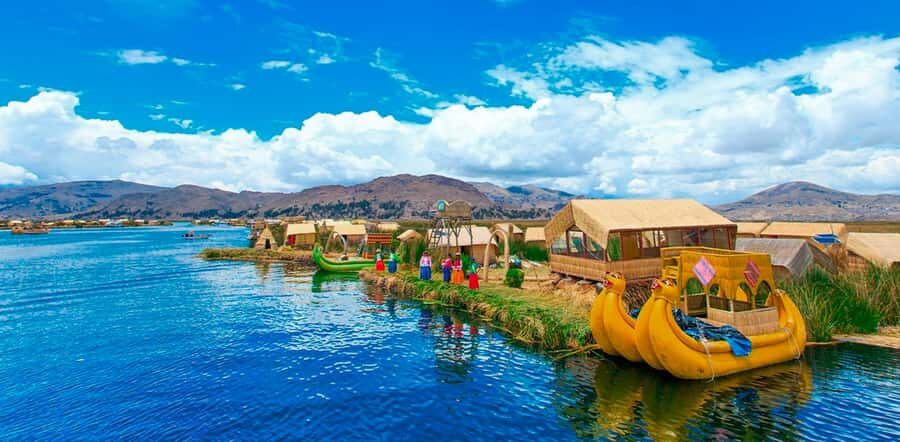
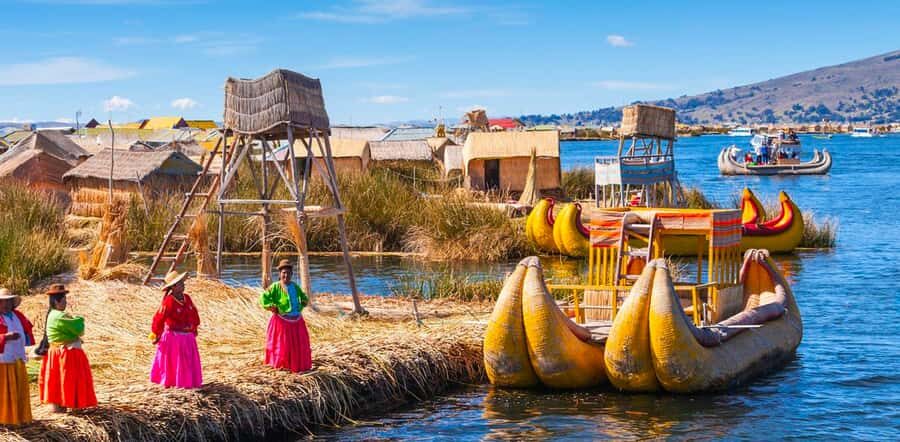
- Uros Floating Islands: totora reed living, not just a photo stop
- Midday transfer: the high navigable lake feeling on the way to Amantani
- Amantani Island homestay: the overnight that makes this tour matter
- Day 3: Llachon Peninsula on the lake, with a more rural rhythm
- The return to Cusco: another overnight bus, plus what to pack for it
- Logistics that can make or break your comfort
- Price, what’s included, and where the extras show up
- What you should bring (so the cold and cash moments don’t surprise you)
- Who should book this and who should consider a different option
- My quick decision guide: book it or skip it?
- FAQ
- How long is the Lake Titicaca tour from Cusco?
- What are the main places you visit?
- How do you get from Cusco to Puno?
- What time do you arrive in Puno on the first morning?
- Is Wi-Fi included?
- Is the homestay included on Amantani?
- What meals are included?
- Is the Kontiki reed boat ride included at Uros?
- What should I bring?
- Is there anything about who the tour isn’t suitable for?
Key highlights worth your attention
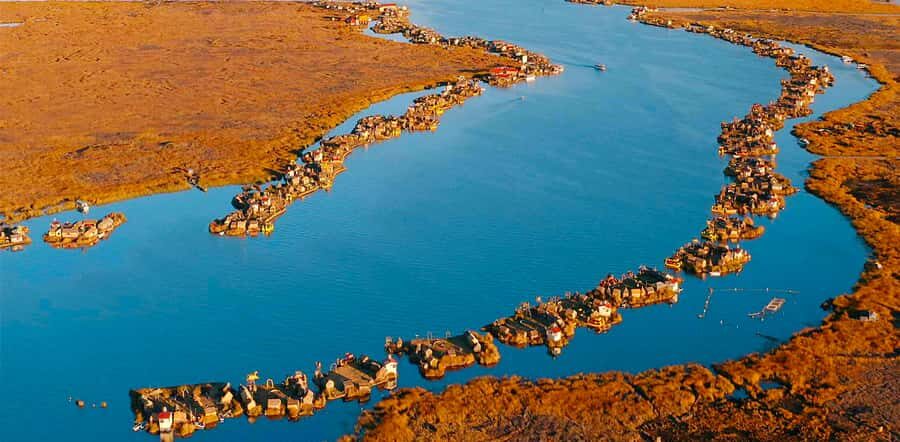
- Totora reed “living” islands at Uros: guided time on islands made from floating reed mats
- Amantani homestay with cultural activities: dinner, music, and a chance to hike at sunset (optional) toward Pachatata
- Llachon Peninsula rural community time: a slower, local-feeling slice of life on the lake
- Bilingual guide support: English and Spanish help that matters when plans change due to weather
- Wi-Fi on the Peru Hop bus: a real quality-of-life perk on long rides
- Optional Kontiki reed boat ride: an extra S/.10 soles add-on at Uros, if you want it
The value of this Lake Titicaca circuit (and who it’s for)

This is a classic Lake Titicaca combo tour: Uros in the morning, Amantani for the overnight cultural exchange, then Llachon Peninsula before heading back to Cusco. The big question is whether you want the journey as part of the experience. If you’re the type who enjoys meeting people and exchanging stories more than maximizing comfort, this can be a great deal.
At $109 per person for a 4-day package, you’re paying for a lot that would be annoying to piece together yourself. You get guided lake time plus boat rides, bilingual support, entry tickets for key island stops, and overnight transportation on Peru Hop. In other words, you’re mostly buying structure and context, not just scenery.
This tour also makes sense if you want authentic social contact. The overnight with a local family on Amantani is the heart of the trip, and it’s the part that tends to linger in your memory because it’s not something you can replicate from a day boat.
You can also read our reviews of more evening experiences in Cusco

Day 1: Cusco to Puno on Peru Hop’s overnight bus
You start in Cusco and shift straight into travel mode. The departure is at 9:30 pm from the Hop private bus terminal at Alameda Pachacuteq 499 B, which is about a 10 to 15 minute walk from Plaza de Armas. If you’re arriving alone at night, I’d plan to get there a little early with the exact address saved, because the surrounding streets can feel quiet.
One nice practical touch: Peru Hop provides high-speed onboard Wi-Fi, and it’s only available through the Peru Hop buses on this route. That helps if you want to message home, download offline maps, or read up on the next day so you’re not guessing.
Comfort-wise, treat this as a cold-weather bus situation. Some travelers mention the lack of heat and the small lap blanket won’t be enough if you feel cold easily. Pack warm layers that you can sleep in, not just a sweater for the day.
Day 2 morning: Puno base, luggage, and the Uros pickup
You reach Puno around 5:00 am. Then you transfer to a partner hostel so you can store your luggage for free while you get ready for the tour. If you want breakfast, you can order it there, and if that waiting spot feels unpleasant, there may be an easier option nearby for grabbing something to eat before the boats (I’d check what’s open and practical rather than waiting too long).
Your pickup for the lake portion is at 7:40 am. From there, the day moves quickly: at 8:15 am you board for the guided Uros Floating Islands visit.
Uros Floating Islands: totora reed living, not just a photo stop

Uros is the part of Lake Titicaca most people recognize. It’s also the part that can feel either shallow or meaningful, depending on the guide and your attitude. With a bilingual guide, you’re set up to understand what you’re seeing instead of just collecting images.
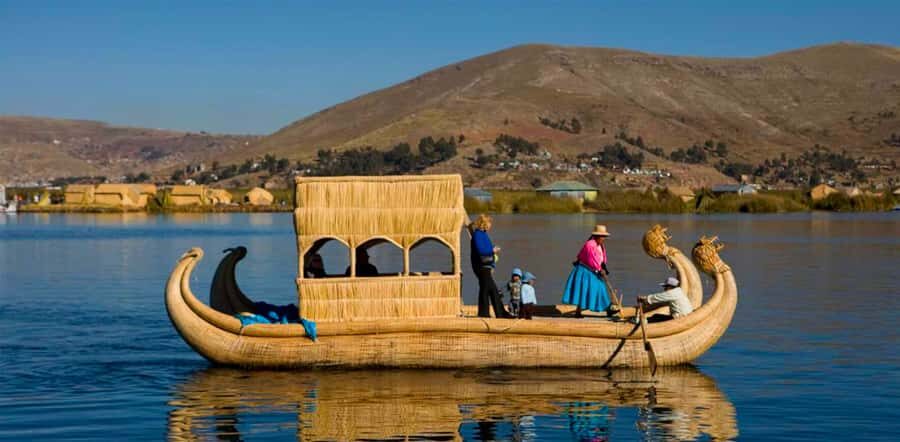
You’ll tour the floating reed islands with a guide, then cruise across the lake toward Amantani. The experience is built around the idea that these communities live in a system that’s tied to totora reeds and lake conditions. You’ll be on the water long enough to feel the scale of Titicaca as more than a backdrop.
There’s also an optional add-on: a reed boat ride often called Kontiki in the Uros area costs S/.10 soles. If you’re short on time or not feeling extra lake rides, skip it. If you like hands-on experiences, it’s a low-cost way to add another layer of interaction.
Midday transfer: the high navigable lake feeling on the way to Amantani
After Uros, you cruise across the lake to Amantani, arriving around 1:30 pm. This is one of those stretches where the day balances spectacle and transition. You’ll go from guided stops to a more personal schedule, which is exactly what you want if your goal is connection rather than checklists.
On the boat, look for the changing light and the way the water and sky can flatten distance. Titicaca has a strong sense of openness; it makes the homestay night feel like a shift into a more human pace.






Amantani Island homestay: the overnight that makes this tour matter
At Amantani, you meet your host family and check in to your homestay. You’ll typically share lunch made from natural products, and then the afternoon is for intercultural activities with your hosts.
This is where the most positive feedback usually comes from. People praise the warmth of families and the feeling that the visit becomes more than tourism. In at least one case, guides like Hernán and Pablito were singled out for keeping the experience thoughtful, not just operational.
You’ll have an option to hike up to the Pachatata temple to watch the sunset around 4:00 pm. If you want the best views, this is the one activity on the tour that’s worth building your energy around. The hike isn’t described in detail here, so don’t treat it like a casual stroll—bring a layer for the evening and pace yourself.
Dinner is normally served at 7:00 pm, and later you may have local dance and music or time to rest. I like this setup because it gives you two choices: join in if you’re social, or conserve energy if you’re tired from the buses and boats.
Day 3: Llachon Peninsula on the lake, with a more rural rhythm
Breakfast is served around 7:00 am at the family house. Then you get morning time to slow down a bit before heading out to Llachon Peninsula at about 12:30 pm.
Arrival is around 1:15 pm, and you’ll witness seasonal activities of this rural community. The tour doesn’t rush you through constant attractions. Instead, you get free time in one of the most picturesque spots on Titicaca’s side, then you’ll have lunch around midday.
After that, you’ll catch the boat back to Puno, arriving around 5:00 pm. One practical note: dinner in Puno on the return day isn’t included, so plan on spending some cash for food when you get back. If you’re the type who needs a real meal before bed, eat soon after you drop your bags rather than waiting until you’re exhausted.
The return to Cusco: another overnight bus, plus what to pack for it
Back in Puno, you’ll be dropped at a partner hostel a few blocks from the central plaza. Bag storage is available for free, and you can use shower facilities for a low price.
Pickup for the overnight Peru Hop bus back to Cusco happens between 9:00 pm and 9:30 pm. The bus then arrives in Cusco around 5:00 am on Day 4.
This is the point where your comfort planning matters most. If you felt cold on the way to Puno, prepare the same way for the return: warm socks, a hat or head covering, and a jacket you can sleep in. Also bring cash, since the tour data specifically lists cash as something you should have on hand.
Logistics that can make or break your comfort
This trip runs on timing and handoffs, and that’s a strength when staff are on point. In the strongest examples, guides like Juan Carlos and Roberto were praised for being organized with clear meeting points and schedules. That matters because this tour includes waits—especially in Puno.
Still, the quality of the Puno waiting hostel can vary. Some people describe it as dingy or unwelcoming, with issues like mold on shower curtains and a not-great breakfast setup. You can’t fully control that, but you can control your response: bring flip-flops for showers, keep your toiletries minimal, and be ready to use alternatives for meals if the hostel vibe isn’t working.
There’s also a common theme about autonomy and group control. One person mentioned being called back if they wandered a bit to look around, and another noted a push to buy and tip. My advice: decide your boundaries early. If you want some independence, tell the guide you’ll stick close but appreciate a brief look around at scheduled stops.
Price, what’s included, and where the extras show up
For about $109 per person, you’re getting:
- Guided transportation from Cusco to Puno (overnight bus)
- Boat transportation
- Bilingual Spanish and English-speaking guide
- Entry tickets to Uros Floating Islands and Amantani Island
- Lunch in Llachon Peninsula
- Onboard high-speed Wi-Fi on the Peru Hop bus
The extras are mostly meal-related and optional activities:
- Breakfast in Puno on arrival is optional (extra)
- Dinner in Puno on the return day is not included
- The Kontiki reed boat ride in Uros costs about S/.10 soles (optional)
- Hotel pickup isn’t included, and shower/bag storage options are tied to the partner hostel
So, is it good value? I’d say yes if you want the “buy structure, show up, let it happen” style. You’re paying less for planning stress and more for guided lake time plus the homestay exchange. If you already enjoy DIY travel and speak enough Spanish to handle details alone, the price might feel less compelling because the real cost is your time on transport.
What you should bring (so the cold and cash moments don’t surprise you)
Based on the tour info, bring cash. That covers optional add-ons like the Kontiki reed boat ride and any meals not included (like dinner in Puno on the return day).
Beyond cash, pack for weather and overnight buses:
- Warm layers for the night bus (cold is a recurring issue)
- A hat or head covering for sleeping
- Earplugs if you’re a light sleeper
- A small daypack for the lake day
- Flip-flops for showers, especially if your waiting hostel isn’t immaculate
Also, keep a flexible mindset. The tour notes that weather, rain, mudslides, overflows, strikes, or demonstrations can affect timing. That’s not fun, but it’s normal for remote, water-and-weather-dependent routes. If you treat it like “time may move,” you’ll stay calm.
Who should book this and who should consider a different option
This fits best if you:
- Want an overnight cultural exchange, not just island sightseeing
- Enjoy guided explanations in English and Spanish
- Don’t mind a travel-heavy pace with two overnight bus journeys
- Can handle basic comforts and focus on human connection
It’s not suitable for children under 4, pregnant women, or wheelchair users. Also, because of the overnight bus and outdoor activities, it’s best for travelers who can manage long rides and cool evenings.
My quick decision guide: book it or skip it?
Book it if you want the main payoff: Uros plus an Amantani homestay with guided context and bilingual support. The homestay is the part that turns this from sightseeing into a personal experience, and the best version of the tour shows up when staff keep the handoffs smooth and guides explain what you’re seeing.
Skip it (or look for a more comfortable alternative) if you’re very sensitive to cold on buses, hate basic hostel waiting situations, or need lots of free time without group boundaries. In that case, the time you spend waiting and the comfort trade-offs can start to outweigh the lake magic.
If you do book, plan your kit for warmth, bring cash for extras, and set your expectations: this is a cultural experience built on transport, not a lazy cruise.
FAQ
How long is the Lake Titicaca tour from Cusco?
It runs for 4 days.
What are the main places you visit?
You visit the Uros Floating Islands, spend an overnight on Amantani Island with a local family, and visit the Llachon Peninsula.
How do you get from Cusco to Puno?
You take a Peru Hop overnight bus. It departs Cusco at 9:30 pm from the Hop private bus terminal at Alameda Pachacuteq 499 B.
What time do you arrive in Puno on the first morning?
You arrive around 5:00 am.
Is Wi-Fi included?
Yes. High-speed onboard Wi-Fi is included, but it is only available through Peru Hop.
Is the homestay included on Amantani?
Yes. You stay overnight with a local family on Amantani.
What meals are included?
Lunch is included on the Llachon Peninsula. On Amantani, you’ll also have a typical lunch in your host family’s home. Breakfast in Puno is optional, and dinner in Puno on the return day is not included.
Is the Kontiki reed boat ride included at Uros?
No. It’s optional and costs about S/.10 soles.
What should I bring?
Bring cash.
Is there anything about who the tour isn’t suitable for?
Yes. It’s not suitable for children under 4 years, pregnant women, or wheelchair users.