REVIEW · CUSCO
Rainbow Mountain and Red Valley Hike – 2 Days / 1 Night
Book on Viator →Operated by Salkantay Trekking · Bookable on Viator
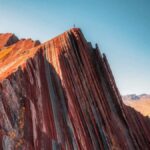
Rainbow Mountain starts before sunrise. This 2-day, 1-night hike from Cusco strings together Ausangate scenery and the striped peaks of Rainbow Mountain in a way that feels efficient, not rushed. I love how the route builds from valley passes to first big mountain views, so the wow moments arrive one after another instead of all at once.
My second favorite part is the camp experience. The itinerary includes a chef-prepared breakfast and hearty meals on the trail, plus dinner at Surinecocha where the sky can be clear enough for serious stargazing. Even better, the guide Marco stands out in reviews for making the long hours feel organized and manageable, and for food that actually tastes great up at altitude.
The main drawback to know up front is the early start and the physical demand. You’re signing up for a challenging trek, and you’ll want time to acclimatize in Cusco before you go, not just a quick morning grab-and-go.
In This Review
- Key Things You’ll Notice on This Rainbow Mountain and Red Valley Hike
- First Light in Cusco: What 2 Days and 1 Night Really Means
- Day 1: Quesiuno to Puka Pass, Warmisaya Pass, and Surinecocha Camp
- Pukaqocha and Ausangate: Why This First Mountain Day Matters
- Camp Comfort at Surinecocha: Gear, Food, and Starry-Sky Time
- Day 2 Wake-Up: Coca Tea, Vinicunca Sunrise Views, and a One-Hour Push
- Red Valley Observatories: Mars-Like Terrain and Meeting Local Communities
- Price and Logistics: Is $415 Good Value for This Hike?
- Fitness, Altitude, and Practical Packing You’ll Thank Yourself For
- Who This Trip Suits Best (and Who Might Want a Different Plan)
- Should You Book This Rainbow Mountain and Red Valley Hike?
- FAQ
- What time does hotel pickup start?
- Are meals included during the hike?
- Do I get camping equipment?
- Is there luggage support on the trail?
- Are entry tickets included for Rainbow Mountain and Red Valley?
- Do I need travel insurance?
Key Things You’ll Notice on This Rainbow Mountain and Red Valley Hike
- 4 a.m. pickup energy: expect a very early start and a full day pacing plan built around mountain weather
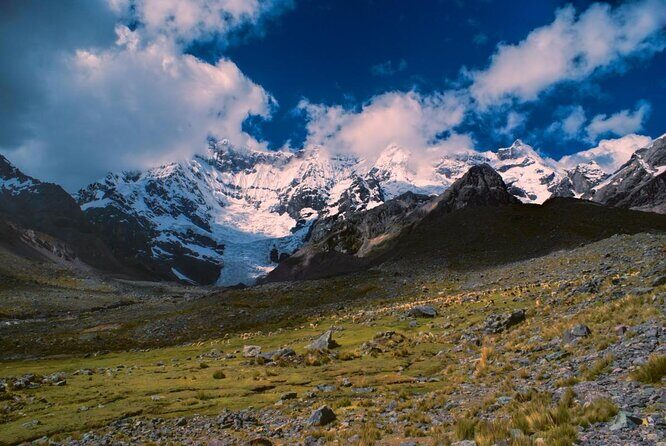
- Ausangate first, then Vinicunca: Day 1 sets the stage with passes, alpacas, and Pukaqocha lagoon views
- Surinecocha camping is included: tents plus sleeping pads and sleeping bags, with dinner and starry-sky time
- Rainbow Mountain viewpoint timing: you hike about one hour to reach the viewpoint early and get panoramic views
- Red Valley observatories: two viewpoint stops for Mars-like terrain and a chance to see local community life
- Safety support isn’t an afterthought: oxygen supply and a first aid kit come with the group
First Light in Cusco: What 2 Days and 1 Night Really Means
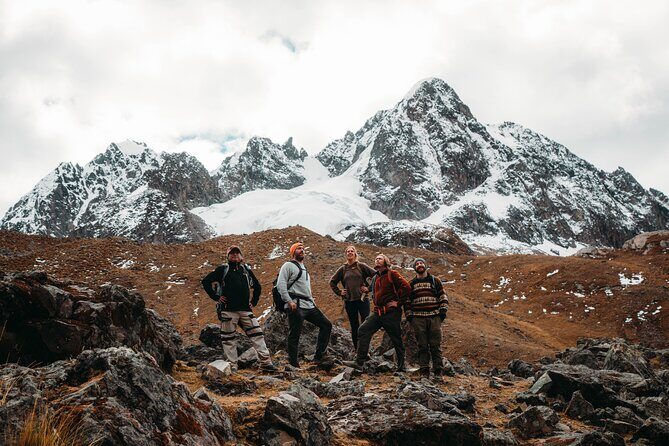
This is a classic high-altitude hike format: you travel in the dark, walk all day, sleep at elevation, then go again early the next morning. The schedule is designed for best light and best odds of clear visibility, which matters a lot around Cusco’s mountains.
You’ll start with a hotel pickup in the Cusco area (with the tour listing a very early meeting time of 4:30 am and a Day 1 pickup described around 4 am). Plan to be ready before you think you need to be. If you hate early mornings, you won’t love this part. If you like beating the day and getting great views without rushing, you’ll probably enjoy it.
The group size is capped at 12 travelers, which is big enough for social energy but small enough that the guide can keep an eye on everyone. You also get private transport and transfers during the tour, plus pre-departure briefing, hiking poles, and a rain poncho. Those details add up when the weather flips or when your legs are tired but the views keep coming.
You can also read our reviews of more evening experiences in Cusco
Day 1: Quesiuno to Puka Pass, Warmisaya Pass, and Surinecocha Camp
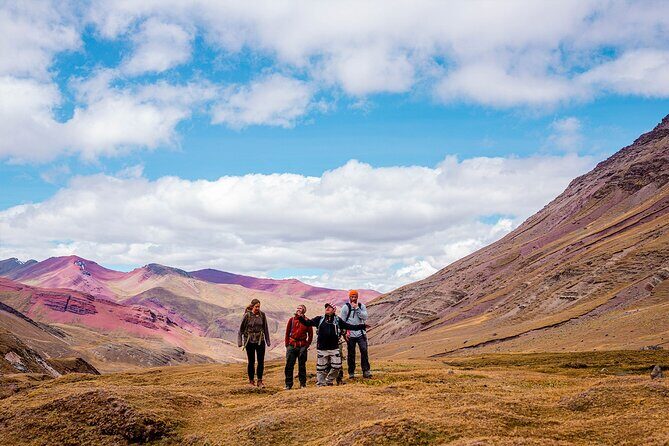
Day 1 starts in Quesiuno, after a drive from Cusco. Breakfast is included and prepared by the chef, then you’ll get safety instructions from your mountain guide. This matters because the best part of these treks is the steady routine: walk, pause, breathe, drink water, check in with your group. When you’re not guessing, you move better.
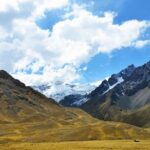
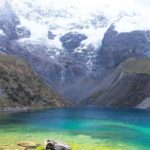
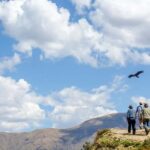
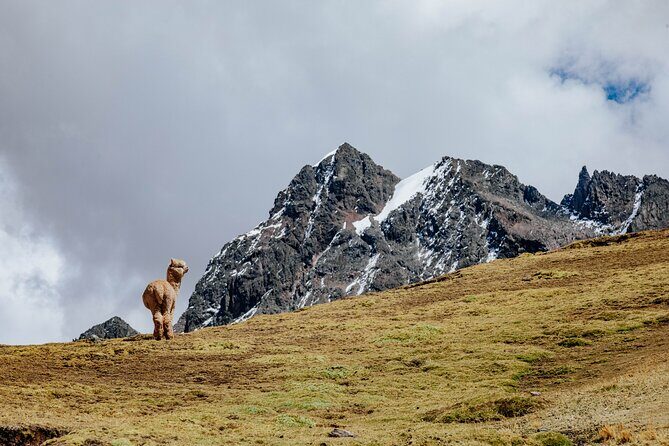
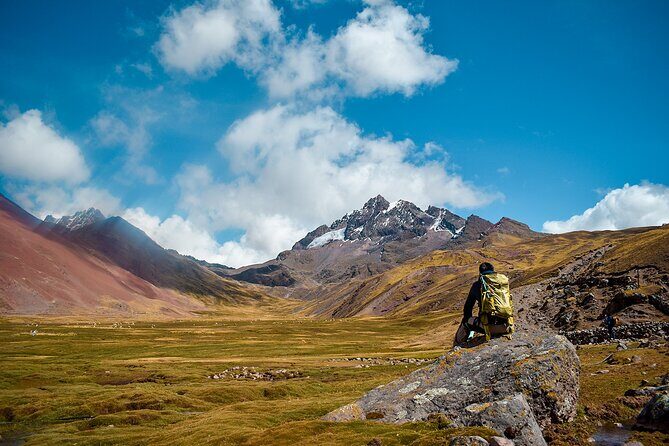
From there, you traverse a green and reddish valley up toward Puka Pass. Along the way, you’ll spot alpacas, which is one of those little altitude bonuses that makes the trail feel more alive than just another climb. The route then brings you to your first major payoff: a view of Ausangate and the Pukaqocha lagoon at its base.
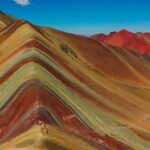
After that first viewing area, you head to a lunch spot and continue over Warmisaya Pass. The itinerary notes a stretch that goes up and down, and this is where you can start seeing the colors of Rainbow Mountain for the first time. It’s not the full reveal yet, but it’s a smart way to keep anticipation growing without turning the day into one long wait.
By the end of Day 1, you reach the camp at Surinecocha. You’ll have dinner there and get time to look at the stars before sleeping in your tent. That starry-sky window is more than a nice photo moment. It’s also when you feel how far you’ve traveled from normal city noise and schedules.
Pukaqocha and Ausangate: Why This First Mountain Day Matters
A lot of people sign up for Rainbow Mountain, but the best version of this trip is how it sets up Ausangate as your foundation. You start by seeing Ausangate and the lagoon (Pukaqocha) before you’re even thinking about Vinicunca. The effect is simple: when Rainbow Mountain finally shows its stripes, it feels earned.
You’re also moving through a mix of valleys and passes rather than only hiking straight toward one destination. That means your brain gets multiple scenic anchors. If one viewpoint is misty, you still have the next one. And if you’re tired, the guide’s pacing and planned stops help you keep control.
One more point: seeing the mountain base and lagoon early helps you understand the region’s scale. You’re not just looking at a peak. You’re seeing how the terrain and water sit together at high elevation, which makes later viewpoints feel more coherent.
Camp Comfort at Surinecocha: Gear, Food, and Starry-Sky Time
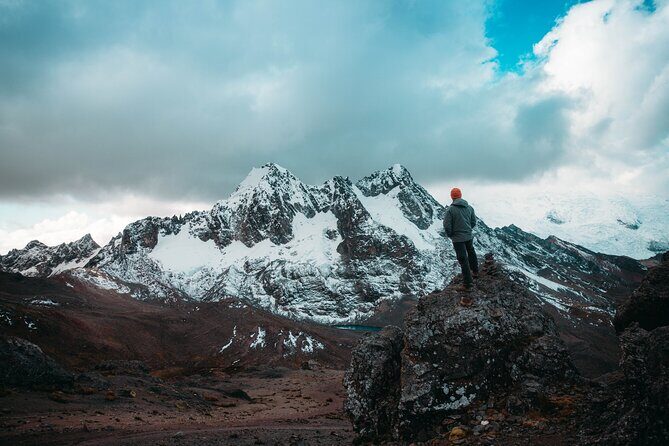
If you want to hike at altitude and also sleep like a person, pay attention to what’s included here. Camping equipment comes with the tour: tents, plus sleeping pads and sleeping bags, along with tables and chairs. That’s not fancy lodging, but it’s practical support that keeps you from carrying gear that would slow you down.
Meals are built into the plan. You get dinner at Surinecocha, and the tour also includes breakfast and lunch on both days. The value isn’t just calories. It’s that you don’t have to solve food logistics while your body is adjusting to elevation. In reviews, the food is specifically called out as amazing, which lines up with the fact that the chef is mentioned for at least one of the meals.
Then there’s the evening itself. After dinner, you can watch the sky if conditions are clear. Even if you don’t plan on sleeping right away, that calm moment helps the next day feel less brutal. You’re not just surviving the mountain; you’re experiencing it in a slower rhythm for a few hours.
Tip for comfort: you’ll be cold at night, even if daytime feels manageable. The sleeping bag and overall camp setup help, but bring a mindset that this is still high elevation.
Day 2 Wake-Up: Coca Tea, Vinicunca Sunrise Views, and a One-Hour Push
Day 2 begins with an early wake-up. The itinerary says you’ll have hot coca tea in your tent, which is a classic touch for the altitude cold and a nice ritual before you start moving. Then you’ll explore Rainbow Mountain and the Red Valley.
The hike to the Rainbow Mountain viewpoint is described as about one hour, with the big goal of arriving early to be among the first at the viewpoint. That early arrival matters. It means better lighting for the colors and less frantic feeling when you step up to look out across the mountain basin.
Once you arrive, you get panoramic views of Ausangate Mountain and Rainbow Mountain. Your guide also explains what you’re seeing, including the origins of the mountain. This is where having an experienced guide pays off. The views are the headline, but the context makes the photos more meaningful.
After that, you climb for another hour to the Red Valley observatories. This is a separate payoff zone, and it’s paced to keep the day moving rather than collapsing into one exhausted slog.
You can also read our reviews of more hiking tours in Cusco

Red Valley Observatories: Mars-Like Terrain and Meeting Local Communities
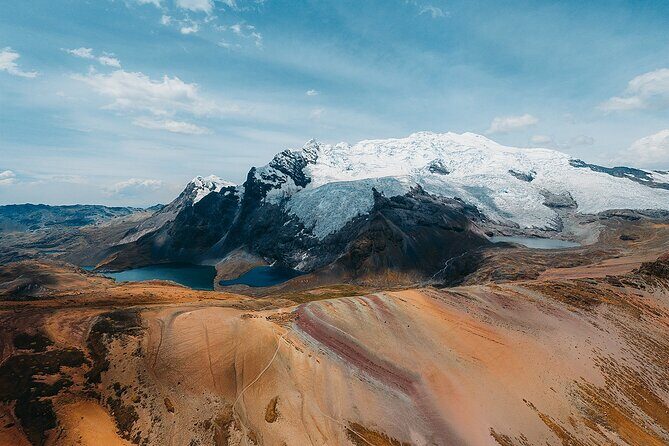
The Red Valley section is about angles. The itinerary notes two observatories, so you can view the terrain from different sides. The result is a more complete sense of the terrain shape, not just a single viewpoint. It’s described as Mars-like, and the key is that your eyes get multiple perspectives as you walk between stops.
This part also includes meeting local communities before you descend to transport. You’re not only seeing a natural spectacle. You’re seeing how people live and move in the same high-altitude space where the terrain looks dramatic and otherworldly.
After the observatories, the descent brings you back to transport. The tour then finishes with lunch midway through Cusco, with drop-off around 4 pm. That timing is helpful because it gives you a full return to town in the afternoon, not late-night fatigue.
Price and Logistics: Is $415 Good Value for This Hike?
At $415 per person, the value comes down to what’s included versus what you’d otherwise have to rent or plan yourself. This tour bundles several expensive, time-consuming pieces:
- Camping gear included (tents, sleeping pads, sleeping bags, plus camp tables/chairs)
- Private transport and hotel pickup/drop-off
- Entry fees for Rainbow Mountain and Red Valley included
- Luggage transport on the hike of 7 kg so you don’t haul everything up the trail
- Safety support with a first aid kit and oxygen supply
- Hiking poles and rain poncho included
- Meals included across the two days: breakfast (2), lunch (2), dinner (1)
You’re also getting an experienced mountain guide and a group cap of 12, which is a quieter, more managed way to hike high terrain.
What’s not included matters too. Horse assistance is optional but not included, and travel insurance is recommended (not provided). If you know you might need backup support on the trail, ask about the horse option ahead of time so it doesn’t become a surprise cost.
If you’re comparing to DIY trips, the biggest difference is risk management and time saved. The early starts, camp setup, and permits are all part of the package. For most people, that turns the trip from a complicated project into a guided plan you can trust.
Fitness, Altitude, and Practical Packing You’ll Thank Yourself For
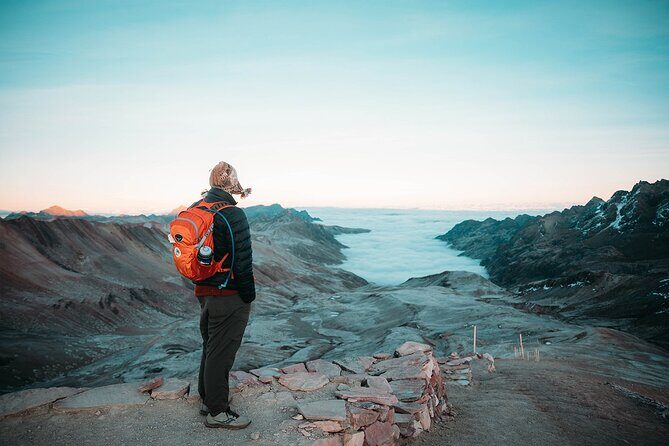
This trek is listed as challenging, so you should have strong physical fitness. The itinerary includes multiple pass crossings and a Red Valley climb on Day 2, with early mornings that don’t give your body much time to warm up.
Altitude matters, and the tour specifically recommends arriving in Cusco at least 2 days before your trek to adjust. That isn’t optional advice you should ignore. It’s the difference between feeling like you can enjoy the views and feeling like you’re just trying to survive the walk.
Packing-wise, the good news is that you don’t need to bring poles or a poncho; those are included. Luggage transport covers 7 kg, so you can travel lighter than you might think, but still keep the essentials on you.
Here’s what I recommend focusing on while you pack, based on the structure of the days:
- Warm layers for early mornings and nights at camp
- Extra socks and gloves if you get cold easily
- A small day bag with water/snacks you’ll access during short pauses
- Passport details should match your booking, and you’ll need passport information at the time of booking
If you’re traveling with dietary needs, vegetarian or vegan options are available if you tell the operator at booking time. Service animals are allowed, which can help some travelers plan more confidently.
Who This Trip Suits Best (and Who Might Want a Different Plan)
This hike makes sense if you want a full-value 2-day, 1-night mountain experience with real camping, early viewpoint timing, and a guide who explains what you’re seeing. I’d also say it’s a fit if you enjoy structured pacing. The itinerary is built like a system: passes, viewpoints, meals, then camp.
It might feel too intense if:
- You don’t handle cold weather well, since nights are chilly and mornings start in the dark
- You’re not ready for the combination of multiple climbs plus a Day 2 viewpoint route
- You can’t take the recommended time to acclimatize in Cusco
It also tends to work well for small groups that want the comfort of organized logistics but still want the real trail experience. With a max of 12 travelers, you get room to breathe without a huge moving crowd.
Should You Book This Rainbow Mountain and Red Valley Hike?
Yes, if you want the best kind of mountain brag without the chaos. This trip’s strength is the full arc: Ausangate first, then Rainbow Mountain, then the Red Valley observatories with clear pacing and included camp comfort.
Book it if you:
- Like early starts and early payoffs
- Want meals, entry fees, and key gear handled for you
- Appreciate a guide’s explanations, not just click-and-go photos
- Can handle a challenging trek and give yourself time to acclimatize in Cusco
Consider skipping or choosing a gentler option if you know you struggle with altitude, long uphill stretches, or very cold mornings. The mountain doesn’t care about schedules, and this one is designed for travelers who can meet it halfway.
FAQ
What time does hotel pickup start?
The tour lists a very early meeting time of 4:30 am, and Day 1 pickup is described as around 4 am. Expect to be ready before that.
Are meals included during the hike?
Yes. Breakfast (2), lunch (2), and dinner (1) are included.
Do I get camping equipment?
Yes. The tour includes camping equipment such as tents, sleeping pads, and sleeping bags, plus tables and chairs.
Is there luggage support on the trail?
Yes. Luggage transport on the hike is included for up to 7 kg.
Are entry tickets included for Rainbow Mountain and Red Valley?
Yes. Entry fees are included for Rainbow Mountain and Red Valley.
Do I need travel insurance?
Travel insurance is not included, but it is recommended.