REVIEW · CUSCO
From Cusco: 2-Night Lake Titicaca Excursion
Book on GetYourGuide →Operated by Peru Hop · Bookable on GetYourGuide
Reed islands float on a high lake. I like the guided Uros reed-island tour, and I also enjoy how the day shifts from famous photo stops to real island life on Amantani Island. The main drawback to consider is the rhythm: you’re on overnight buses twice, so this is more about “covering ground” than taking it slow.
At the same time, this circuit has a lot going for it. You get boat time on Lake Titicaca, entry tickets for Uros and Amantani, and a lunch stop on the Llachon Peninsula. If you’re the type who likes your Peru trips with both scenery and structure, this can be a good fit.
In This Review
- Key Things To Know Before You Go
- Overnight Bus Logistics: You Sleep, Peru Hop Drives
- Finding the Hop Terminal in Cusco (and Getting Started on Time)
- Day 1: Cusco to Puno by Overnight Bus
- Day 2 Morning: Uros Floating Islands with a Guided Reality Check
- The Boat Cruise Toward Amantani: The Lake Between Stops
- Amantani Island: Culture, Traditions, and Learning by Living
- Llachon Peninsula Lunch and Free Time: A Rural Pause
- Puno Evening: Use the City Time Wisely
- Huacachina Buggy and Paracas Reserve: Confirm What’s Actually Included
- Price and Value: Is $86 a Fair Deal?
- Who This Tour Suits Best (and Who Should Skip)
- Should You Book This Lake Titicaca Excursion?
- FAQ
- How long is the tour?
- Where do I meet for the tour in Cusco?
- What time does the bus leave Cusco and when do I arrive in Puno?
- What happens after I arrive in Puno?
- What is included in the price?
- What is not included?
- Is Wi‑Fi available during the trip?
- What should I bring?
- Is the itinerary guaranteed the same way every day?
- Are there limits on who can join?
Key Things To Know Before You Go

- Overnight-bus schedule means long travel, but it saves daylight for the lake
- Bilingual guide keeps you moving and explains what you’re seeing
- Uros + Amantani mix gives you both the staged-famous and the daily-life version
- Llachon Peninsula lunch is included, and the stop includes seasonal rural activities
- Plan for small extra costs once you’re on the water and in villages
- Weather can shift stops, so be flexible if rain or lake conditions change timing
Overnight Bus Logistics: You Sleep, Peru Hop Drives

This is built around two overnight bus legs. Day 1 starts in Cusco in the evening with an overnight Peru Hop ride to Puno, departing at 9:30 pm. Day 2 includes the lake and island portions, and then you board another 9:30 pm overnight bus back to Cusco, arriving the following morning.
For many people, that’s the value: you’re not burning extra days just to get to Lake Titicaca. The tradeoff is sleep quality. If you’re a light sleeper, bring earplugs and expect a bumpy stretch at altitude-level elevation. You’ll at least have a practical comfort perk: Peru Hop offers high-speed onboard Wi‑Fi, but it’s only available on their buses.
One more thing that helps: this tour has a guide and clear handoffs. You’re not expected to navigate Puno alone at 5:30 am. Still, do pack snacks and water, because you’ll be moving early and long.
You can also read our reviews of more evening experiences in Cusco



Finding the Hop Terminal in Cusco (and Getting Started on Time)

Your meeting point is at the Hop private bus terminal at Industrial 252. From Cusco’s Plaza de Armas, expect about 10–15 minutes on foot or quick transit to get there. Your departure timing is strict—boarding happens in the evening before the 9:30 pm departure.
You may also see a reference to the Cusco terminal area on Alameda Pachacutec 499B. Rather than guessing, I’d treat this as a check-before-you-go situation: confirm the exact pick-up spot for your date so you don’t lose time tracking details in the dark.
If you want the smoothest start, arrive a bit early, keep your ID/passport ready, and have cash accessible for whatever small village or port purchases you might decide to make once you’re there. Bring snacks and water—those two items solve a lot of “I didn’t plan for that” moments on lake days.
Day 1: Cusco to Puno by Overnight Bus

Day 1 is about repositioning yourself. You meet in the evening, board the Peru Hop overnight bus to Puno, and head out at 9:30 pm. The itinerary notes the route arriving in Puno around 5:30 am the next day.
If you’re thinking about altitude: Cusco already put you high, so you’ll likely feel the effects in familiar ways. Still, don’t assume you’ll be fully fine the moment you step off the bus. Take it slow in the morning, drink water, and don’t force a big breakfast right away if your stomach feels off.
Day 2 Morning: Uros Floating Islands with a Guided Reality Check
After arriving in Puno around 5:30 am, you transfer to a partner hostel where you can store your luggage (bag storage isn’t listed as included in the purchase info, so just be ready for possible fees). Then you head out on the water.
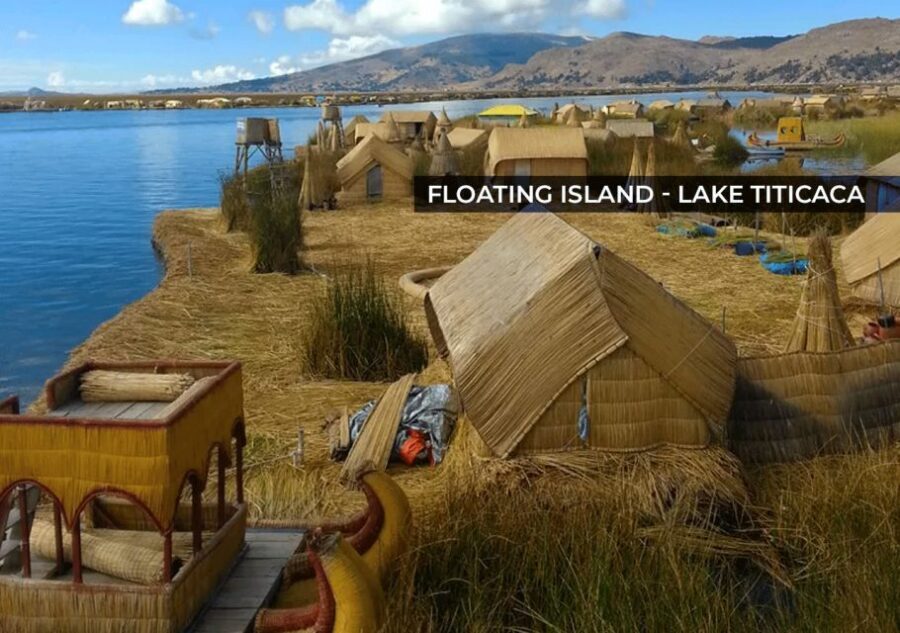
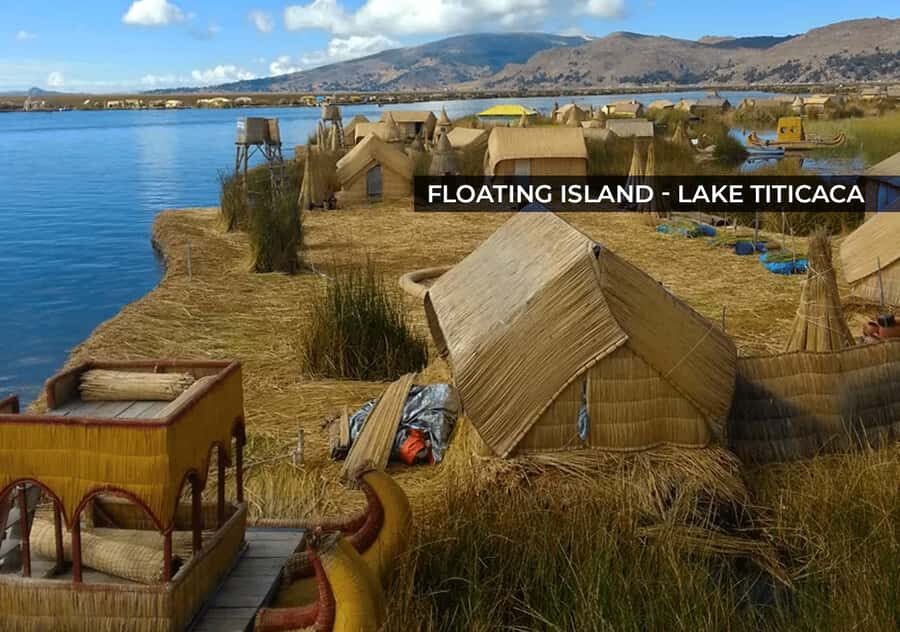
The first major stop is the Uros Floating Islands for a guided tour. This is a man-made reed-island system on Lake Titicaca. The guide-led format matters. Without the explanation, you’d just see small islands. With it, you start to understand how people maintain the reed structure, how the communities live on the lake, and why this place became a must-see stop for visitors.
Now for a fair caution. Some people end up feeling they didn’t meet the broader Uros community in the way they expected—more like a brief stop on a smaller island plus other island activity where shopping can creep in. You can’t fully control what dock is used, but you can control how you show up: keep your expectations grounded. Treat Uros as part history lesson, part cultural encounter, and part tourist experience. If you want maximum community interaction, ask your guide what you’ll see upon arrival and how much time you’ll have.
The Boat Cruise Toward Amantani: The Lake Between Stops
Once Uros time ends, you cruise across Lake Titicaca toward Amantani. The notes describe it as cruising out to a remote island, and the trip itself is the point—you’ll experience the lake as a moving landscape, with wide views from the water.
This part is valuable even if you don’t love long boats. It breaks up the itinerary and helps you understand the scale. Lake Titicaca isn’t just background. It’s the whole stage. And that makes the following land-based village time feel more meaningful.
One more practical tip: during boat crossings, keep your belongings secure and easy to grab. Cold and wind can pop up fast even when the sun looks strong. A light layer can save you from feeling miserable on deck.






Amantani Island: Culture, Traditions, and Learning by Living

You arrive at Amantani Island and take a guided tour focused on traditional history, lifestyle, and culture. This is the section that many people find most satisfying because it feels more like stepping into daily life rather than just passing through a set of attractions.
The itinerary also schedules time for learning and a structured walk-through experience with your guide. That’s helpful in places where you don’t want to guess what’s polite or useful to ask. You’ll get context for what you’re seeing—especially around how life works on a remote island.
Because the pace is guided and timed, this is not a “wander for hours” kind of day. It’s closer to: understand, see, then move on. If you love tight structure, great. If you hate being rushed, you’ll want to prepare yourself mentally.
Llachon Peninsula Lunch and Free Time: A Rural Pause
Around 12:30 pm, you cross by boat to the Llachon Peninsula. Lunch is included in a shoreline village. This stop is more than food, though lunch matters because you’re coming in from earlier movement and time outdoors.
The notes include witnessing seasonal activities of the rural community and then enjoying free time in a picturesque hideaway on Lake Titicaca. That free time is important. It gives you space to reset, take photos at your own pace, and observe without a guide talking nonstop.
This is also where your “extra costs” reality can show up. The tour includes lunch, but once you’re in villages and scenic stops, it’s common to see additional small purchases, snacks, or other add-ons. One of the most practical tips I can give: bring extra cash even if you’re trying to keep the trip budget-tight.
Puno Evening: Use the City Time Wisely
After Llachon, the tour returns you to Puno. From there, you get free time to explore the city or find dinner on your own. Then you board the overnight bus back to Cusco at 9:30 pm from the partner hostel.
This “free time in Puno” can be either relaxing or stretched out depending on how the earlier lake timing plays out. One thing to watch for: you might have waiting time at the hostel between activities. If you tend to get antsy when you’re stuck indoors, pack something to do—download offline content or bring a book.
Your bag and comfort situation also matters. The notes mention a hostel where you can store luggage and pay to shower. Keep your expectations practical: it’s a base for logistics, not a full hotel vacation. If cleanliness matters a lot to you, plan to manage expectations and bring travel wipes.
Huacachina Buggy and Paracas Reserve: Confirm What’s Actually Included

Here’s the one part where you should slow down and check details. The experience highlights describe a thrilling Huacachina buggy ride and Paracas Reserve with desert-meets-ocean scenery. But the day-by-day description you’re seeing focuses on the Lake Titicaca circuit: Uros, Amantani, Llachon, and the bus legs.
So what should you do? Treat this as a confirm-first situation. When you book, verify whether Huacachina and Paracas are included on your exact departure date, and if yes, how they fit into the 3 days. Don’t rely on the highlight bullets alone. If the operating plan for your dates turns out to be Titicaca-only, at least you’ll be prepared for a more focused lake experience.
Price and Value: Is $86 a Fair Deal?
At $86 per person for 3 days, the price looks low for a tour that includes both overnight buses and multiple guided/boat components. Here’s what you’re paying for in practical terms: transport Cusco–Puno and back via Peru Hop, boat transportation on Lake Titicaca, bilingual English/Spanish guiding, entry tickets for Uros and Amantani, and lunch at Llachon.
What you’re not paying for: breakfast and dinner in Puno, hotel pickup, and hostel bag storage (and your notes suggest there may also be an optional paid shower). That’s normal for a value-style group trip, but it matters for budgeting. If you show up expecting everything meal-wise to be included, you’ll feel surprised.
My take on value: this is worth it if you want a structured, guided Lake Titicaca experience without planning boats and transfers yourself. It’s less ideal if you hate overnight travel or you want lots of downtime in each place. The tour gives you “see a lot” more than “linger deeply.”
Also factor in extra spending. Even when your lunch is included, Lake and village visits can create small additional costs. Bring extra cash so you don’t feel stuck saying no to everything.
Who This Tour Suits Best (and Who Should Skip)
This is a solid choice for independent travelers who don’t want to figure out the day-by-day logistics. It works especially well if you like:
- Guided explanations rather than just photo stops
- A mix of Uros and a more remote-feeling community like Amantani
- Overnight buses as a trade for saving daytime travel
It’s not listed as suitable for children under 4, pregnant women, or wheelchair users. That’s important. Plan around it rather than trying to make it work.
If you’re traveling with high expectations of meeting a broad Uros community directly, keep the earlier caution in mind. You might get less direct “community access” than you dreamed. You can still learn a lot—but go in expecting a guided cultural stop with a tourist element.
Should You Book This Lake Titicaca Excursion?
Book it if you want an organized, guided Lake Titicaca circuit that covers the essentials—Uros reed islands, Amantani island culture, and Llachon lunch—without you wrestling with scheduling. The included boat time and entry tickets make it easier to justify the price, and the onboard Wi‑Fi on Peru Hop is a real modern bonus for overnight travel.
Skip or think twice if:
- overnight buses are a dealbreaker for you
- you hate any chance of schedule pressure and hostel waiting time
- you’re expecting every day-trip highlight (like Huacachina and Paracas) to be guaranteed in the exact way described
If you’re on the fence, my practical checklist is simple: confirm whether Huacachina/Paracas are truly part of your dates, pack for boat wind and early starts, and bring extra cash for small extras.
FAQ
How long is the tour?
The duration is listed as 3 days.
Where do I meet for the tour in Cusco?
You meet at the Hop private bus terminal at Industrial 252. The average time from Plaza de Armas to the terminal is 10 to 15 minutes.
What time does the bus leave Cusco and when do I arrive in Puno?
The Peru Hop bus leaves Cusco at 9:30 pm, and the notes say you arrive in Puno around 5:30 am.
What happens after I arrive in Puno?
You transfer to a partner hostel to store your luggage, then you go on the boat to the Uros Islands for a guided tour and continue on to Amantani.
What is included in the price?
Included items are guided transportation from Cusco to Puno, boat transportation, guided bilingual English/Spanish services, entry tickets to Uros Floating Islands and Amantani Island, lunch in Llachon Peninsula, and high-speed onboard Wi‑Fi on Peru Hop.
What is not included?
Breakfast and dinner in Puno, hotel pickup, and hostel bag storage are listed as not included.
Is Wi‑Fi available during the trip?
Yes. High-speed onboard Wi‑Fi is available through Peru Hop buses.
What should I bring?
Bring your passport or ID card, snacks, water, and cash.
Is the itinerary guaranteed the same way every day?
It’s subject to variation due to factors like weather issues (rain, mudslides, overflows), strikes, demonstrations, or any event that affects the normal development of the itinerary.
Are there limits on who can join?
The tour is not suitable for children under 4 years, pregnant women, or wheelchair users.