REVIEW · CUSCO
From Cusco: 7 Lagoons Tour
Book on GetYourGuide →Operated by Viajeros a Peru · Bookable on GetYourGuide
Seven lagoons in one long high trek.
This Cusco-area day trip is interesting because you’re walking through the Andes toward Ausangate’s snowy-fed waters, then finishing with Pacchanta hot springs. I like that the route is built around several lagoons (not just one quick stop), so your morning keeps unfolding. One consideration: the hike can feel intense at altitude, even if it’s doable with a steady pace and good footwear.
What I really like is the human side of the trip. Guides such as Guillermo are described as easygoing and focused on making the experience enjoyable (including great photo help), while Frank is noted for checking in if anyone is hit by altitude issues. The day also includes real fuel: breakfast in Pacchanta and lunch after the soak, which helps you last through the long walking hours.
In This Review
- Key things to know before you go
- Cusco to Pacchanta: breakfast before the altitude work
- The Ausangate 7 lagoons trek: pacing, photos, and staying steady
- Horse option at the start
- Bathrooms on the trail: go in prepared
- Midday return to Pacchanta: hot springs after the hike
- How to decide whether to soak
- Lunch in Pacchanta: why this stop is part of the value
- Price and what you actually pay for in the real world
- How hard is it: altitude, intensity, and terrain reality
- The guide factor: Frank and altitude awareness
- Getting the best experience: photos, timing, and your “comfort checklist”
- Group feel and tour quality: what to watch for
- Should you book this 7 Lagoons tour?
- FAQ
- How long is the 7 Lagoons Tour from Cusco?
- What does the tour cost, and what’s included?
- Is the entry ticket for the lagoons included?
- Are the hot springs included in the price?
- How far do we walk, and where is the first lagoon?
- What languages are the guides available in?
- Is free cancellation available?
Key things to know before you go
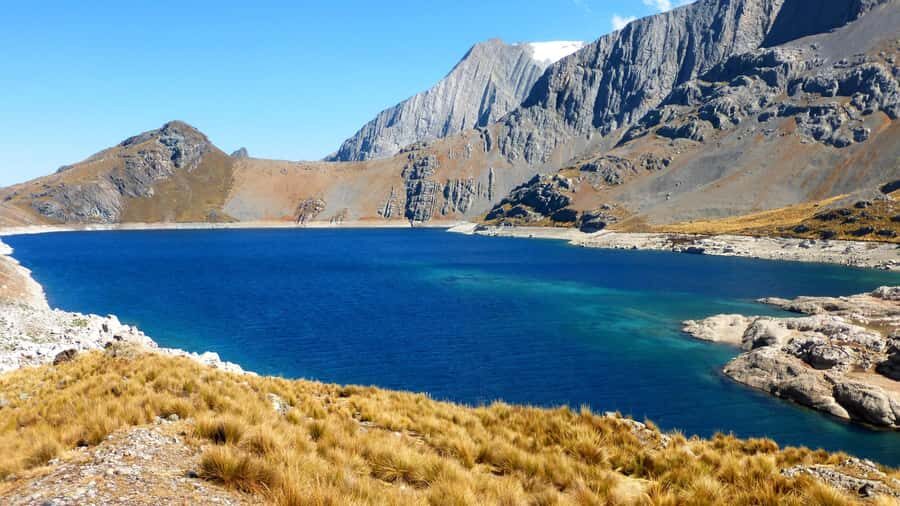
- Ausangate-fed lagoons: The day centers on multiple lagoons formed by the snowy Ausangate.
- A real trek, not a stroll: About 10 km total walking, with the first lagoon roughly 1.5 hours into the route.
- Hot springs as an add-on mood shift: Soak time in Pacchanta is optional with a small extra fee.
- Bilingual guidance: You get an English/Spanish guide who helps with the route and altitude concerns.
- Plan for basics: One review specifically raised a question about bathroom availability on the day.
- Organization can vary: A low-rated booking reported late pickup and bus seating issues, so confirm details.
Cusco to Pacchanta: breakfast before the altitude work
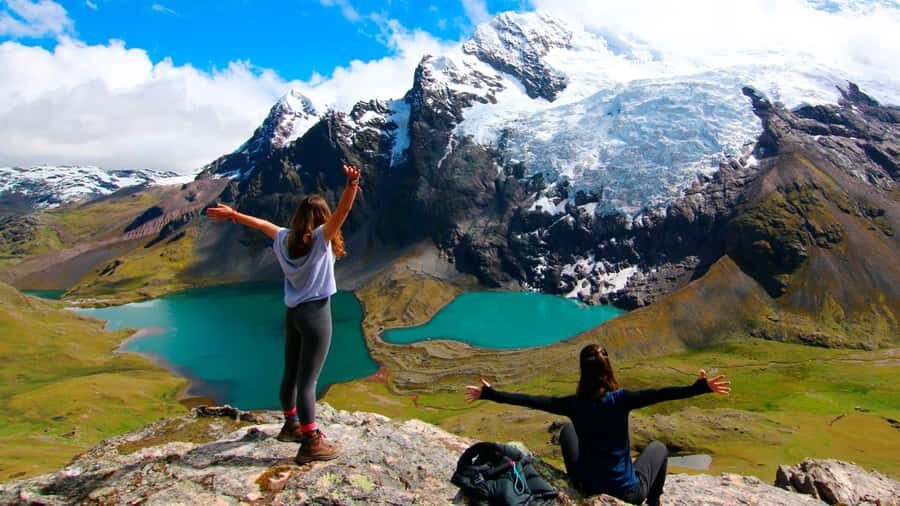
The tour starts with pickup from your Cusco hotel. You’ll want to be ready in the lobby about 10 minutes before the scheduled pickup time, because the Andes day doesn’t wait for slow starts. From Cusco you travel to the community of Pacchanta, where you eat breakfast before the walking begins.
This first step matters more than it sounds. At altitude, you need calories and a calm start. Breakfast in Pacchanta also breaks the day into two phases: travel and fueling first, then the hike. It’s a simple plan, and it helps you avoid the common mistake of rushing out hungry and then feeling it later on.
You can also read our reviews of more tours and experiences in Cusco.

The Ausangate 7 lagoons trek: pacing, photos, and staying steady
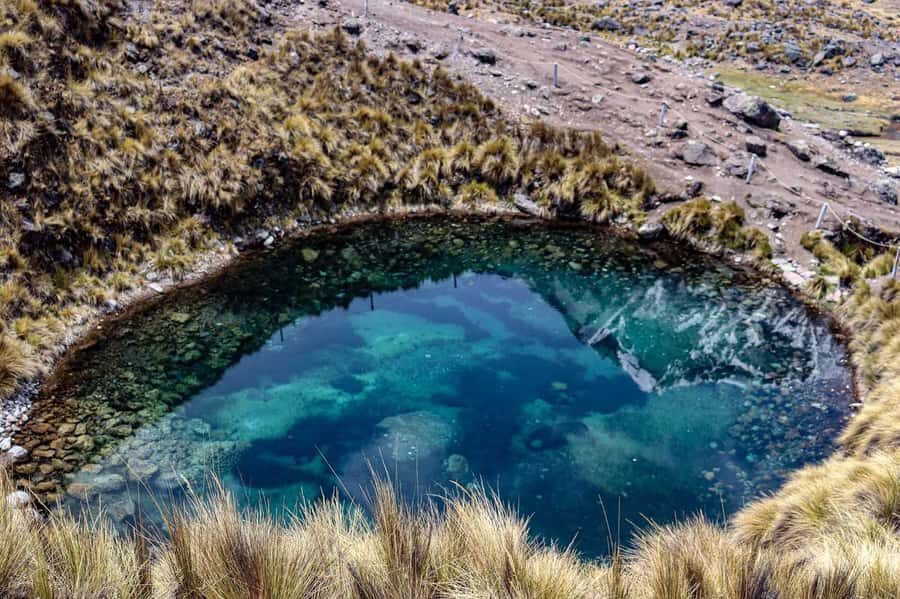
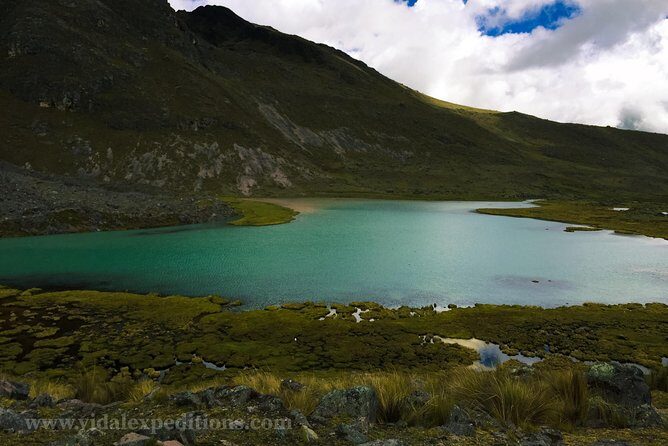
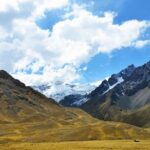
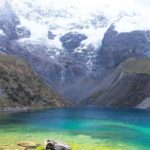
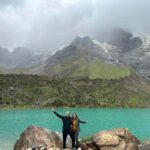
The heart of the day is the trek through the Andes to the 7 lagoons of Ausangate. The route takes you into the middle of the mountains, with views framed by fauna and vegetation along the way. The first lagoon is about 1 hour 30 minutes walking from the start, so you get that early payoff instead of waiting until late morning.
Then comes the slow-burn part: you keep moving between lagoons across roughly a 10 km route, with several hours on your feet. In practical terms, it means:
- You’ll want a pacing strategy (slow and steady beats heroic speed).
- You should plan for changing weather and cold mornings.
- You’ll probably take more photos than you expect, because the light on the water and snow-fed backdrop can be dramatic.
A detail worth respecting: the tour is sold as beautiful and natural, but you still have to treat the terrain like it matters. When you’re hiking high, “pretty” also means slippery or uneven in spots. Wear shoes with grip you trust, and don’t rush down the slope just because you’re excited.
Horse option at the start
One review mentions an option to take horses at the beginning of the route. If this is available on your day, it could be a good compromise if you want the lagoons but you’re not feeling confident about the full walking distance. Just remember: it may not be a guaranteed option, so ask your guide early and don’t build your whole plan on it.
Bathrooms on the trail: go in prepared
One review raised concern about the availability of bathroom facilities. I’d treat this as a heads-up: use the facilities before you start, and keep your expectations simple. If you’re the type who gets anxious about comfort logistics while hiking, bring what you need for your own peace of mind (within local rules, of course).
Midday return to Pacchanta: hot springs after the hike
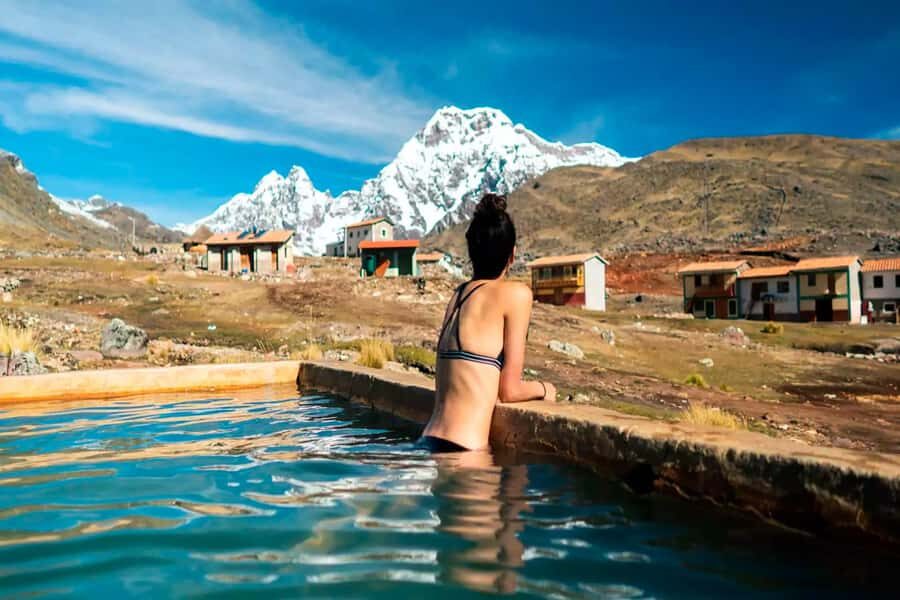
After you’ve seen the lagoons, you head back to Pacchanta. The schedule then shifts to recovery. You’ll have lunch later, but the “reset button” is the hot springs.
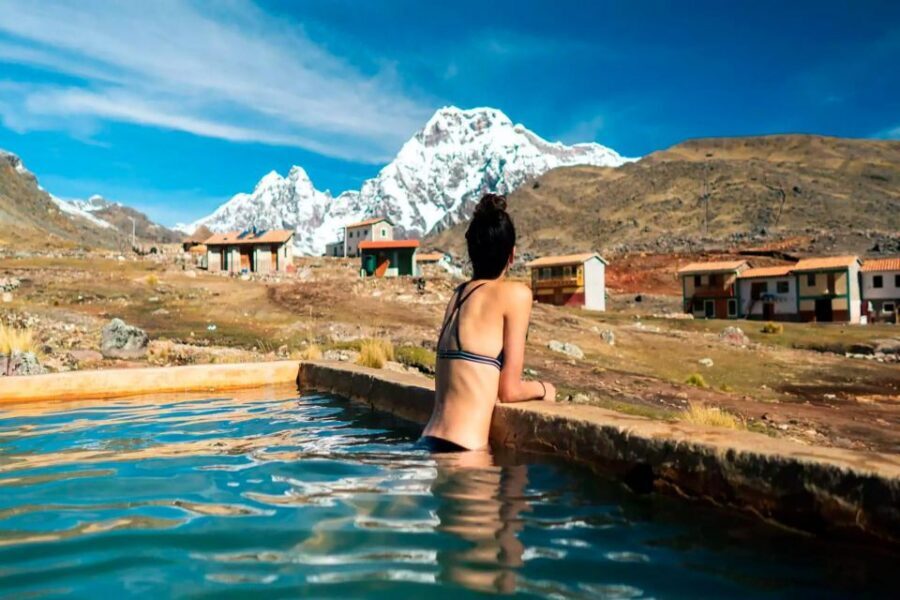
Here’s how it works in real life: after hours of cold air and moving on uneven ground, soaking can feel like a full-body reward. You can add it if you want—entry to the Pachanta hot springs is optional and costs 5 soles. If you skip it, you still get lunch, so the day doesn’t collapse without the soak.


How to decide whether to soak
I’d make the call based on two things:
- How your body feels after the trek. If you’re stiff, sore, or just worn out, hot water usually helps.
- How you handle altitude. If you’re prone to feeling lightheaded or off, the guide’s check-ins become important, and a warm soak can be either soothing or something to approach gently. Go slow and listen to your body.
Lunch in Pacchanta: why this stop is part of the value
You eat lunch after the hot springs time. This is a small detail in the listing, but it’s part of what makes the tour good value: you’re not just hiking and then scrambling for food later in Cusco. Getting a meal as part of the plan helps you avoid the end-of-day “hangry” spiral, especially since you’ll likely be tired and want an easy return.
Also, eating in the community keeps the day grounded in local rhythm, not just a long chain of scenic pull-offs. Even if you’re not a big “foodie,” lunch here is practical fuel for the final drive back.
Price and what you actually pay for in the real world
The tour is priced around $35 per person for transport, breakfast, a bilingual guide, and lunch. That’s not expensive for a full day that includes both the hike and the meal plan.
But the day has a couple of extras:
- Entry ticket for 10 soles is not included.
- If you choose to go into the hot springs, that’s 5 soles extra.
So the real budgeting question is simple: do you want hot springs, and are you okay with paying entry on top of the base price? If yes, it’s a straightforward day. If you’re trying to keep costs ultra-tight, you can still enjoy the lagoons and skip the soak.
How hard is it: altitude, intensity, and terrain reality
You’re walking in the Andes, and that changes everything. One review called the hike really intense due to height, especially if you don’t hike often. Another described the route as medium difficulty and noted that it wasn’t overcrowded, which can make the pace feel more relaxed.
I’d treat this as a moderate-to-intense trek rather than a casual outing. Not because it’s only for athletes, but because altitude can turn “normal effort” into “serious effort.” What helps:
- Move slowly from the start.
- Drink water even if you don’t feel super thirsty.
- Keep warm. Cold mornings at altitude can make you feel worse than you need to.
The guide factor: Frank and altitude awareness
One review specifically mentioned that guide Frank was attentive and cared about altitude symptoms. That’s a big deal. It means the guide isn’t just there to lead the route; they’re watching how the group is doing. If you’ve ever had altitude issues before, that kind of attention is worth a lot.
Getting the best experience: photos, timing, and your “comfort checklist”
This isn’t a “sit and watch” day. You’ll want to think like a hiker with a photo mission.
A few practical moves:
- Pack layers. Even if the sun is out, the higher you go, the faster cold creeps in.
- Bring something warm for breaks. Long pauses can feel colder than the walking.
- Take it slow on the way to the first lagoon. That early part sets the tone for the rest of the day.
- If you want photos, your guide can help with timing and angles, and Guillermo was praised for exactly that.
Also, since you’ll be out for the better part of the day, plan your energy. You’ll return to Cusco around 7:00 pm, so you’ll want to keep your evening plans flexible.
Group feel and tour quality: what to watch for
Most reviews tilt positive about the experience itself: the views, the fact that it’s not overwhelmed by massive crowds, and the guide attention. That said, you should also know one booking complaint reported a rough start: a late pickup, then a claim of no seating on the bus and an option to do the trip the next day (which obviously disrupts plans).
That doesn’t mean your day will go badly. But it does mean I’d do two simple things:
- Confirm pickup time and contact details the day before.
- Give yourself a little breathing room in your schedule so one hiccup doesn’t ruin your whole trip.
When the morning starts smoothly, the day feels like a solid Cusco escape into the high Andes—more authentic than the cookie-cutter quick tours.
Should you book this 7 Lagoons tour?
If you want a one-day hike that combines Ausangate lagoons, a guided walk with real support, and a post-trek soak option, this tour fits well. It’s especially good for travelers who:
- Like long walks with big payoffs.
- Want something outside the busiest mega-famous routes.
- Appreciate local meals (breakfast and lunch) built into the schedule.
- Value a bilingual guide who can help manage altitude discomfort.
Skip it or reconsider if:
- You’re highly sensitive to altitude and don’t have a hiking strategy for it.
- You need guaranteed comfort amenities like frequent bathrooms.
- Your itinerary is tight and you can’t handle a possible start-of-day mess (rare, but at least one booking described it).
If you’re the kind of traveler who plans for cold, takes it slow, and wants real mountain time, this is a strong pick for a Cusco day.
FAQ
How long is the 7 Lagoons Tour from Cusco?
It’s a 1-day tour. Pickup starts in Cusco, and you return to the city around 7:00 pm.
What does the tour cost, and what’s included?
The price is $35 per person. Included are transport, breakfast, a bilingual guide (English/Spanish), and lunch.
Is the entry ticket for the lagoons included?
No. The entry ticket is 10 soles and is not included.
Are the hot springs included in the price?
Hot springs are optional. If you want to enter the Pachanta hot springs, it costs 5 soles.
How far do we walk, and where is the first lagoon?
The route is about 10 km total. The first lagoon is approximately a 1 hour 30 minute walk from the start.
What languages are the guides available in?
Guides are bilingual in English and Spanish.
Is free cancellation available?
Yes. You can cancel up to 24 hours in advance for a full refund, and you can also use reserve now & pay later options.