REVIEW · CUSCO
From Cusco: Balcony of the Devil Rock Climbing
Book on GetYourGuide →Operated by Tangol · Bookable on GetYourGuide
Three routes, one dramatic rock face.
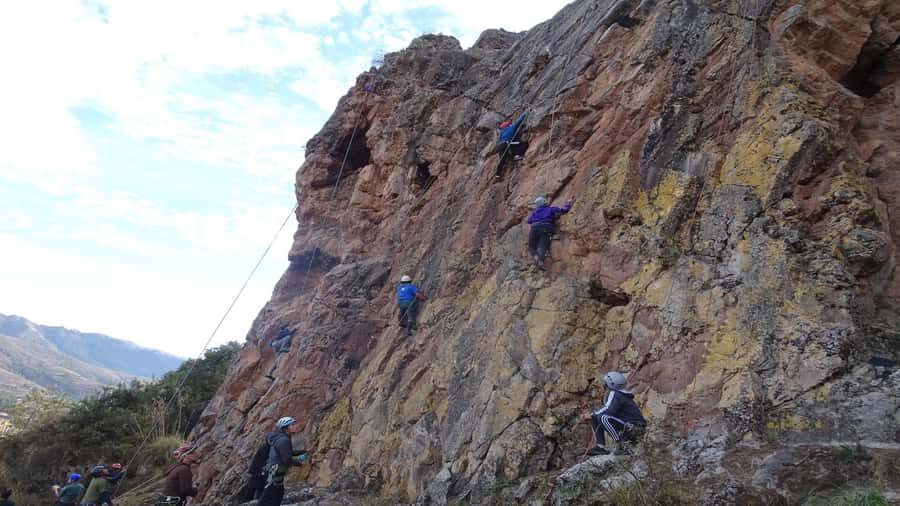
I love that you climb limestone near the Sacsayhuamán area while instructors coach you step-by-step, and I especially like that the day is built around three climbing levels that keep things moving. You’ll reach a high point near the Devil’s Balcony, around 3,750 meters, with the Saphy River as a backdrop and big Andes views waiting at the top.
Here’s the main catch: this is at serious altitude, so your legs and breath can feel it sooner than you expect. If you’re not used to Cusco’s elevation, take the first part easy and trust the pacing your guide sets.
In This Review
- Key things you should know before you climb
- Getting to Devil’s Balcony: Plaza Regocijo to the rock wall
- Devil’s Balcony at 3,750 m: what altitude changes
- The equipment briefing: where you learn the basics fast
- Three climbing levels on limestone: how the day actually feels
- What makes limestone climbing different
- The summit moment: panoramic Andes views as your reward
- Practical value: is $59 worth it in Cusco?
- Who this is best for (and who should skip it)
- What to bring: the small stuff that saves your day
- Timing and pace: why the tour feels short but complete
- Should you book Balcony of the Devil?
- FAQ
- Where is this climbing experience located?
- How much does the tour cost?
- How long is the experience?
- What’s included in the price?
- What languages are the guides?
- What should I bring?
- Do I need to provide my own climbing equipment?
- Is food and drinks included?
- Is there a minimum age or who can’t participate?
- Is there a weight limit?
Key things you should know before you climb
- Bilingual guidance (Spanish and English) so you can learn techniques fast
- Three distinct routes/levels on the limestone wall, not just one try
- A short approach: ride about 30 minutes, then a roughly 10-minute walk to Devil’s Balcony
- Safety-by-routine: you get an equipment briefing before you start climbing
- The best payoff is the top view over the Andes and the surrounding area
- No food or drinks included, so plan a snack if you get hungry
Getting to Devil’s Balcony: Plaza Regocijo to the rock wall
Your day starts in Plaza Regocijo, just a few steps from Cusco’s historic Plaza de Armas area. From there, you’ll hop into a vehicle for about 30 minutes to the adventure zone, which makes this feel like a true half-day plan instead of a long production.
Once you arrive, you’ll do a brief 10-minute walk to reach Devil’s Balcony. I like this setup because you get a little warm-up on foot, but you’re not worn out before the main event. It also helps you start focusing on the rock rather than the logistics.
You’ll be climbing near the archaeological park of Sacsayhuamán, at about 3,750 meters. That altitude detail matters more than most people think—your body notices it during the first steady climbing effort, even if you’re physically fit.
You can also read our reviews of more tours and experiences in Cusco.
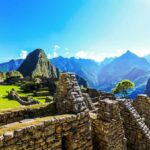
Devil’s Balcony at 3,750 m: what altitude changes
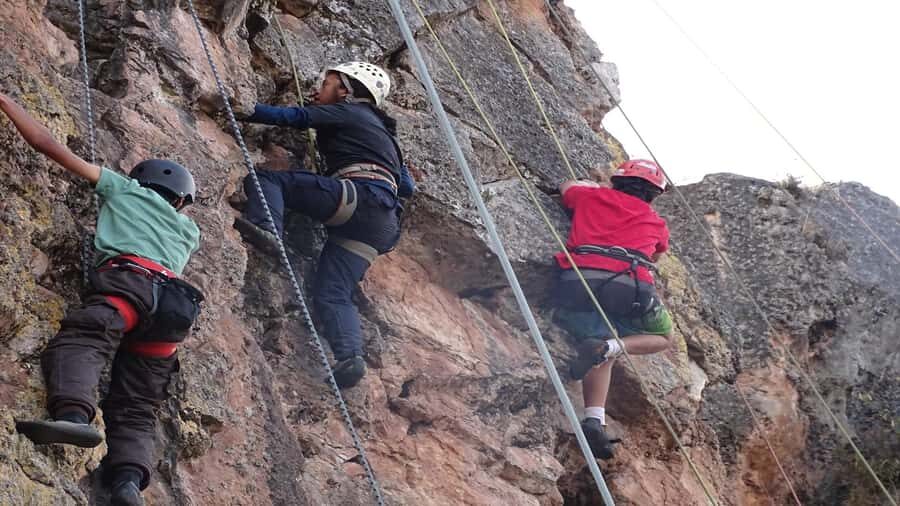
At 3,750 meters, the air is thin enough that breathing becomes part of the climbing skill. You may feel it most during the first couple of moves when you’re pushing from a stance to a handhold.
The good news: this tour is designed around pacing. You start with a 20-minute equipment and technique briefing, so your first minutes on the wall are not a total blind jump. Plus, you’ll be with professional instructors who know how to keep the group safe and moving.
Also, you’ll have the Saphy River as a visible backdrop in the area around Devil’s Balcony. Even if you’re concentrating hard on your feet, you’ll still get those “wait—look at that” moments when you glance up.
The equipment briefing: where you learn the basics fast
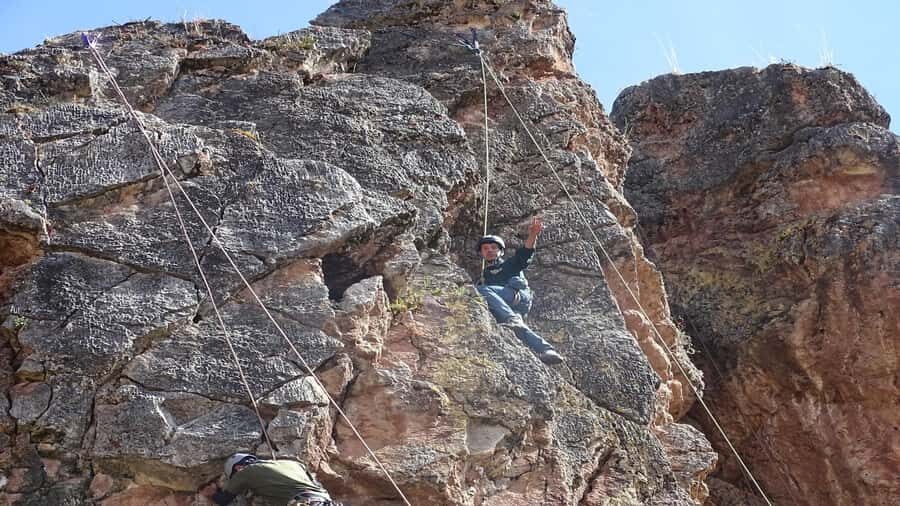
Climbing tours can either feel rushed or well taught. This one gives you a 20-minute briefing before anyone starts climbing, and that makes a big difference.
Climbing equipment is included, so you’re not hunting down a harness rental or figuring out what gear goes where. During the briefing, you’ll learn how to handle the setup properly so you can focus on movement instead of fiddling with straps.
In one guide experience people highlighted Brayan, who served as belayer and company throughout the climb. That kind of calm, close attention is what helps you feel secure on the rock, especially if you don’t climb often.
Three climbing levels on limestone: how the day actually feels
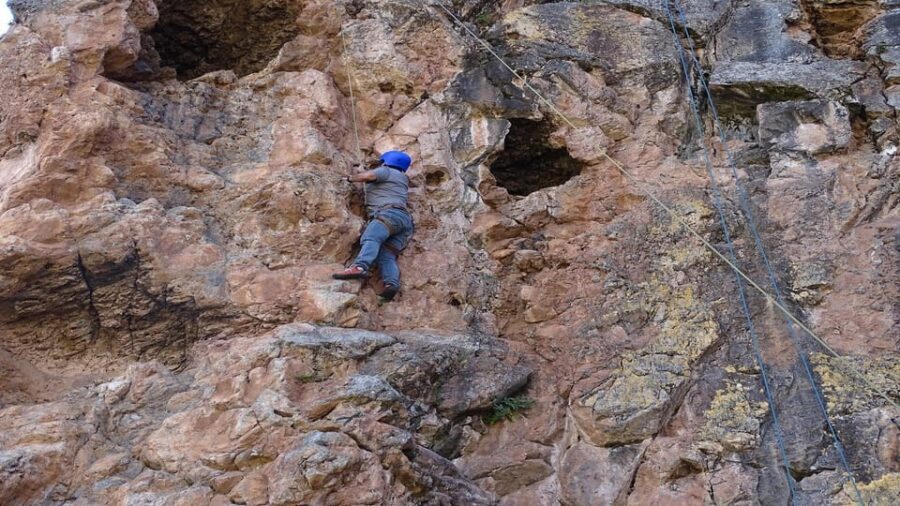
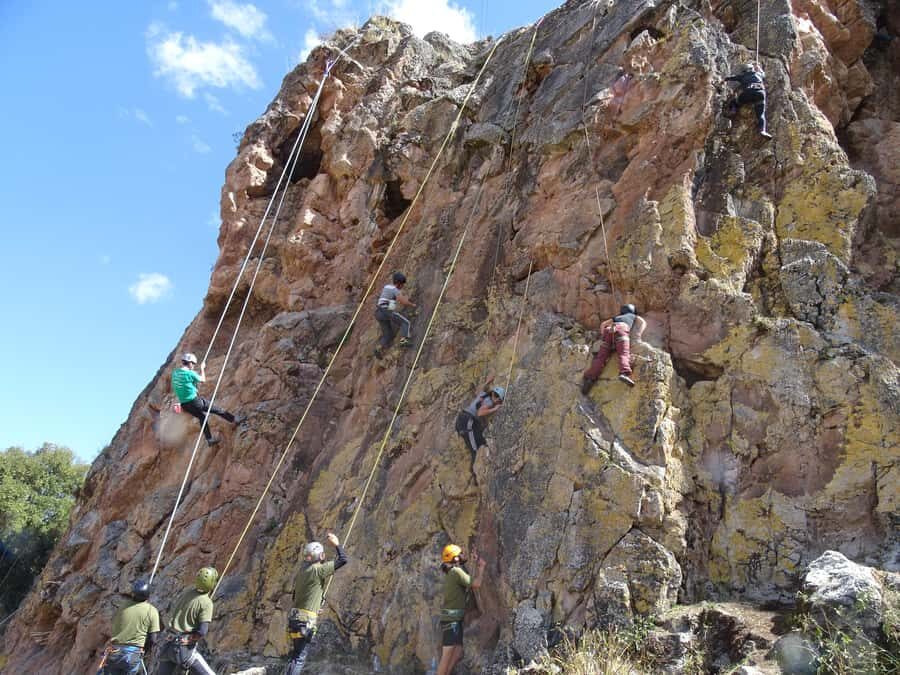
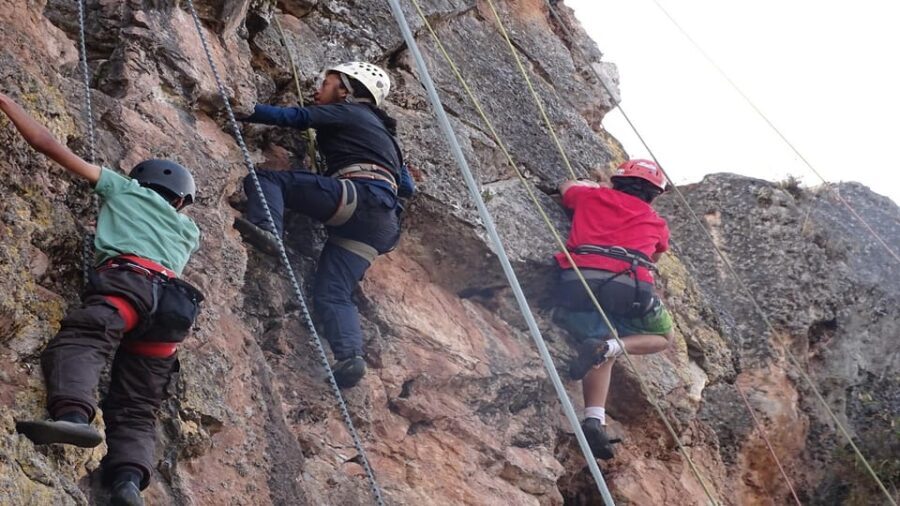
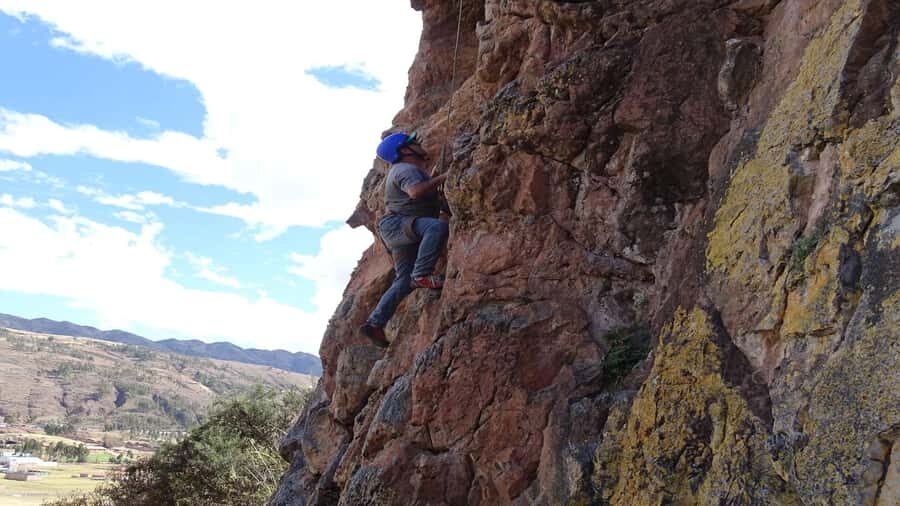
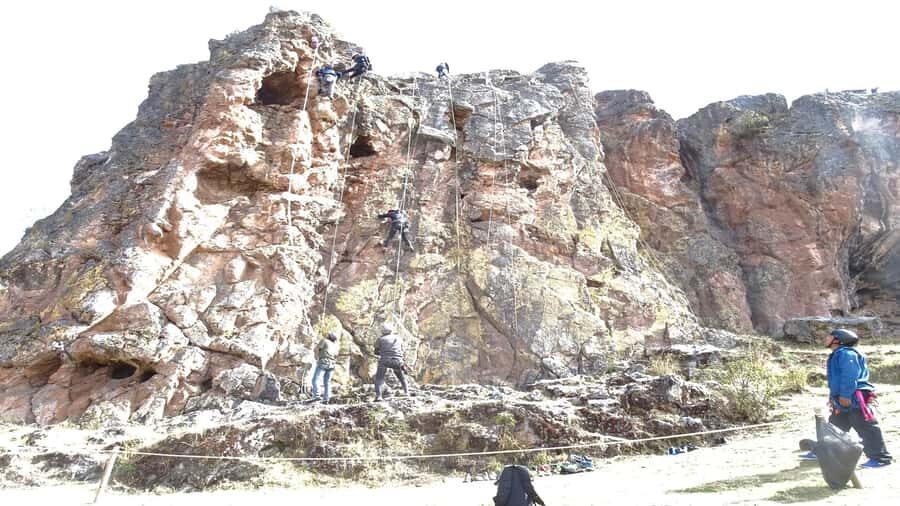
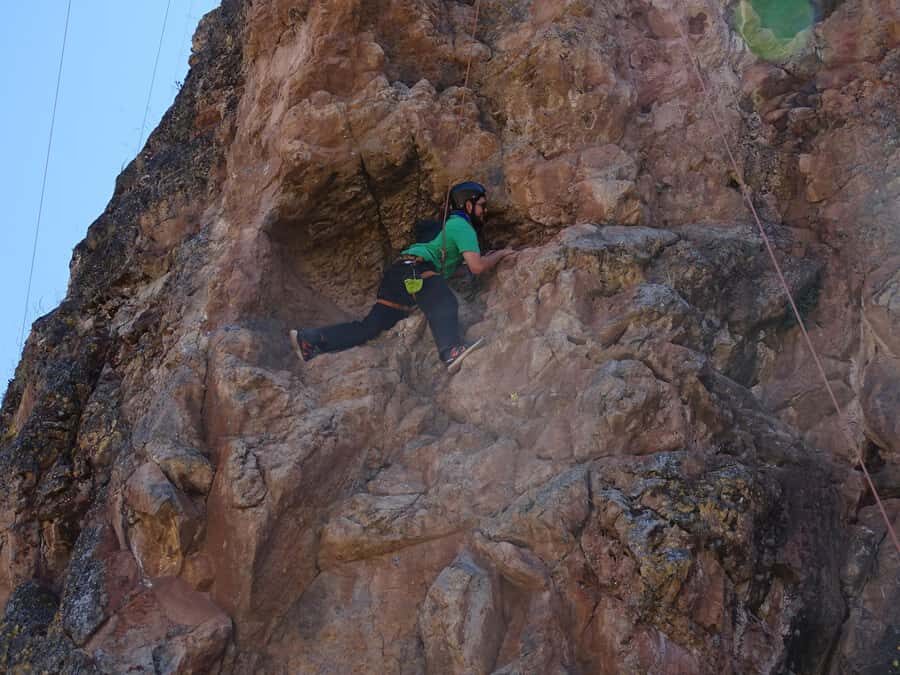
This is not one simple route. You’ll climb three different levels (three routes/lines on the same limestone setting), so you can challenge yourself without feeling like you’re committing to a single exhausting climb for the whole session.
For many casual climbers, the sweet spot is exactly what this tour offers: enough variation to stay interesting, plus instructor support so you can keep going even if a move feels tricky. One climber noted the three routes were doable as a casual climber and a lot of fun—especially when climbing with friends.
Expect a rhythm of going up, then down, then repeating across the levels. One person even described it as climbing up and down the wall three times each. That matters for your mindset: you’re not just “getting to the top once.” You’re practicing, learning, and earning your way through multiple attempts.
What makes limestone climbing different
Limestone tends to offer a particular mix of grips—sometimes more “friendly” than you’d expect, sometimes sharp or specific. The key is that instructors teach you how to read the holds you’re given and how to move efficiently for your body position.
If you’ve never climbed before, you’ll probably spend more time thinking than you want to. But that’s normal. The instructors’ job is to translate the rock into simple steps—hand, foot, breathe, repeat.
The summit moment: panoramic Andes views as your reward
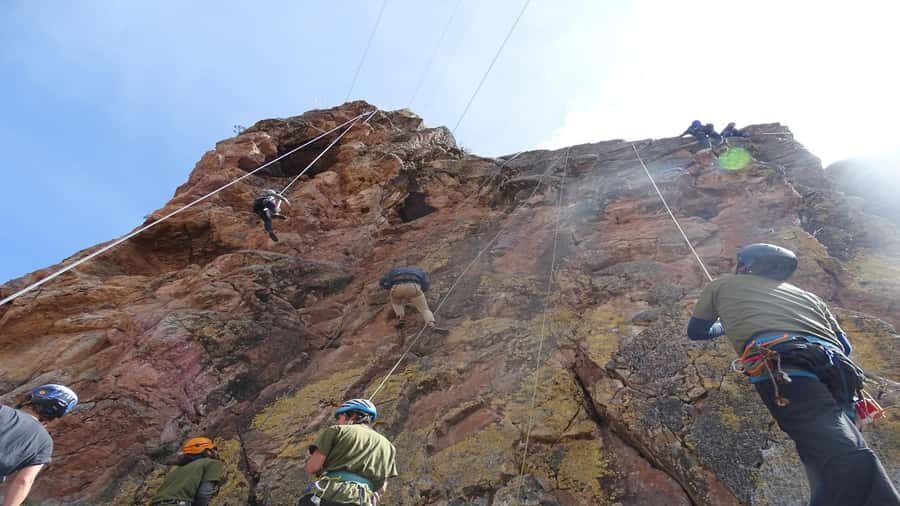
The payoff comes when you reach the top of the wall at Devil’s Balcony. You’ll get spectacular panoramic views over the Andes Mountains, the kind of sight that makes you forget how hard the last few moves were.
I love this kind of finish because it’s not just a photo stop. It’s built into the climb. You’re already working your way upward, so when you finally stand higher and look out, it feels earned—not staged.
If you get motion-sick or anxious when you’re at height, this is something to think through early. The views are the point, but they’re also why the tour isn’t recommended for people with vertigo.
Practical value: is $59 worth it in Cusco?
At $59 per person for about 4 hours, the main value comes from what’s included. You get roundtrip transportation to the Cusco city center, a guide in Spanish and English, and climbing equipment.
What you’re not paying for: buying gear, hiring a separate transport provider, or taking up a full day of logistics. That matters in Cusco, where time and energy can be limited by altitude.
That said, one concern came up: the tour can feel a bit expensive to someone who expected more climbing time for the price. If your ideal day is lots of continuous upward motion or a longer total climb duration, you might feel the session is fairly tight.
My take: it’s good value if you want a guided, safe introduction to real climbing on limestone with multiple levels, plus a rewarding summit view, all within half a day.
Who this is best for (and who should skip it)
This tour is best if you can handle physical movement at altitude and you’re comfortable following safety instructions.
It’s not suitable for:
- Children under 13
- Pregnant women
- People with heart problems
- People with vertigo
- People over 65
There’s also a maximum weight of 95 kilos per person.
If you’re a casual climber with decent balance and you don’t have height anxiety, you’ll likely enjoy this. And if you can climb once, learn, then climb again with small improvements across levels, this format fits well.
What to bring: the small stuff that saves your day
You’ll feel the sun at elevation, so pack with the outdoors in mind. Bring:
- Sunglasses
- Sun hat
- Sunscreen
- Insect repellent
- Sportswear
Because food and drinks are not included, plan a snack or a refill bottle before or after your climb. A light bite can help you recover, especially if you’re already adjusting to altitude.
Also, wear sportswear you can move in. You want flexibility for bending and stepping, but also clothing that won’t distract you once you’re harnessed.
Timing and pace: why the tour feels short but complete
A 4-hour tour sounds short until you remember how much work goes into getting you to the rock safely. This schedule keeps it practical:
- Meet at Plaza Regocijo
- 30-minute ride
- 10-minute walk to Devil’s Balcony
- 20-minute briefing
- Climb three levels
- Return and drop off back at Plaza Regocijo
That’s a complete flow. You’re not spending your whole trip traveling and waiting. You’re spending your time doing the thing.
One more small note: pickup and drop coordination can matter in Cusco. One person said it was easy to coordinate pickup and drop at their hostel. Even so, double-check your exact meeting point and time the day before, since “city center” can mean slightly different spots depending on your lodging.
Should you book Balcony of the Devil?
Book it if you want:
- A guided climbing experience with bilingual support
- Three routes/levels so you stay engaged
- A short half-day outing that still ends with big Andes views
- Included gear and transportation so you can keep planning simple
Skip it if you:
- Have vertigo, heart issues, or you fall into the tour’s age/pregnancy limits
- Know you struggle at altitude and can’t handle strenuous effort at around 3,750 meters
- Want a longer climbing session with more time on the rock per route
If you match the fit, this is the kind of Cusco activity that gives you both the physical story and the view to remember.
FAQ
Where is this climbing experience located?
It takes place in the Cusco Region of Peru, near Devil’s Balcony in the Sacsayhuamán area.
How much does the tour cost?
The price is $59 per person.
How long is the experience?
The duration is 4 hours.
What’s included in the price?
Roundtrip transportation to the city center of Cusco, a tour guide in Spanish and English, and climbing equipment are included.
What languages are the guides?
The guides speak Spanish and English.
What should I bring?
Bring sunglasses, a sun hat, sunscreen, insect repellent, and sportswear.
Do I need to provide my own climbing equipment?
No. Climbing equipment is included.
Is food and drinks included?
No. Food and drinks are not included.
Is there a minimum age or who can’t participate?
It’s not suitable for children under 13 years old, pregnant women, people with heart problems, people with vertigo, and people over 65.
Is there a weight limit?
Yes. The maximum weight allowed per person is 95 kilos.