REVIEW · CUSCO
Full-Day Sacred Valley Tour from Cusco
Book on Viator →Operated by Peru Jungle Trips · Bookable on Viator
One long day, five Inca stops. What I like most is the chance to see Maras Salt Mines at work and to refuel with a buffet lunch in Urubamba, while you also fit in Chinchero, Moray, Ollantaytambo, and Pisac. One possible drawback: the timing can feel tight at Pisac, and shopping stops can take chunks of time.
This is a practical way to pack major Sacred Valley sights into a single day, with a pickup that starts early and ends back in Cusco around the evening. The day runs about 12 to 13 hours, and it’s best if you’re okay with walking on uneven stone and climbing at sites with stairs. Group size tops out at 20 people, so you’ll still get some breathing room.
If you like your Peru days efficient and you’re the type who wants to see, learn, and move on, this tour fits. Just keep a little flexibility in your expectations: it’s a lot of stops, and you’ll spend more time in transit than you might want.
In This Review
- Key things I’d plan around
- Why a full-day Sacred Valley circuit makes sense
- Price and tickets: what the $40 really becomes
- The 6:40 am pickup and how the day flows
- Chinchero: your first look at Inca life in a living town
- Moray terraces: circular farming experiments at altitude
- Salinas de Maras: salt wells where water turns into harvest
- Urubamba lunch and the Sacred Valley break you need
- Ollantaytambo: stairs, palace-style stonework, and shopping nearby
- Pisac market and ruins: good value, tight timing
- Guide quality and the shopping-stops reality check
- Who should book this tour, and who might choose differently
- Should you book the Full-Day Sacred Valley Tour from Cusco?
- FAQ
- What is the price of the tour?
- How long is the Sacred Valley full-day tour?
- What is included in the tour price?
- What entrance fees are not included?
- What time does the tour start and where does it pick up?
- Where does the tour end?
- Is the tour suitable if I have only moderate fitness?
- How many people are in the maximum group?
- Is breakfast or dinner included?
- Is there free cancellation?
Key things I’d plan around
- Maras Salt Mines, Salt Walled in Squares: dozens of little wells where salty water meets the sun and turns into harvestable salt.
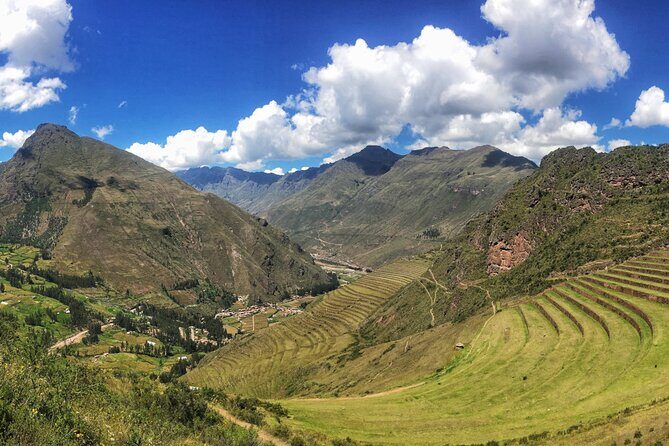
- A full Sacred Valley circuit in one shot: Chinchero, Moray, Maras, Urubamba, Ollantaytambo, and Pisac in one long day.
- Urubamba buffet lunch: included, so you avoid the awkward mid-day scramble for food.
- Ollantaytambo stairs: the stone stairs are the star, and they reward comfy shoes.
- Pisac market + ruins (but time is limited): you’ll get the vibe, but not a slow stroll at the pace you might prefer.
- Tourist ticket affects your true cost: you’ll pay separate site fees beyond the base price.
Why a full-day Sacred Valley circuit makes sense
The Sacred Valley is huge in terms of sights, and doing it slowly from Cusco can take days. This tour is designed for a different style: hit the big names, learn the patterns behind them, and go back to your hotel with the day done.
What makes the plan work is the mix of farming experiments, everyday production, and royal-style stonework. You don’t just see ruins—you see why the Incas cared about water, growing conditions, and elevation. That comes through clearly when you look at Moray’s circular agricultural terraces right after seeing the salt wells at Maras.
The pace is the trade-off. You’ll be up early, you’ll spend real time in the vehicle, and you’ll have to choose how much you want to shop vs. how much you want to look around at each stop.
A few more Cusco tours and experiences worth a look

Price and tickets: what the $40 really becomes
The base price is $40 per person, and transportation plus a buffet lunch in Urubamba are included. That’s a strong value because you’re paying for a long day of driving, guiding, and organized site stops.
But two separate costs can change your final total:
- Salinas de Maras entrance: 20 PEN per person (not included).
- Tourist Ticket (70 soles): needed for Chinchero, Moray, Ollantaytambo, and Pisac (not included).
So you should budget for the base fee plus those admissions. If you compare with the price of going on your own and trying to handle tickets and transport back-to-back, this still often comes out as a fair deal—especially if you want one guided day instead of multiple planning days.
Also remember what isn’t included: breakfast, dinner, tips, and souvenirs. If you hate surprise costs, check your budget for the ticket and the Maras fee before you go.
The 6:40 am pickup and how the day flows
Pickup is at 6:40 am, and the tour leaves the Cusco city area around 7:00 am. You return to Cusco around 7:00 pm, which means you’re looking at a full 12 to 13 hours of travel, stops, and walking.
Because the group max is 20 travelers, the day tends to move smoothly, but it’s still a schedule. You’ll want to treat bathroom breaks and water as part of your plan, not as something you can improvise at the last second.
Bring a layer. Morning air near Cusco can feel cool, and you’ll be outside for site visits even when the valley sun is strong later.
Chinchero: your first look at Inca life in a living town
Chinchero is where the day starts with an archaeological visit and a feel for a town still tied to local traditions. You’ll have about 1 hour 30 minutes here, and that’s enough time to see the ruins and soak in the setting before you head deeper into the valley.
One thing to watch for: Chinchero is one of the sites that needs the 70 soles tourist ticket, so factor that into your morning. If you’re the kind of person who likes learning as you walk, Chinchero is a good early stop because the day’s later ruins can start to blend together without context.
Comfort tip: wear shoes you can grip. Even short walks on stone can feel slippery if you’re not used to it.
Moray terraces: circular farming experiments at altitude
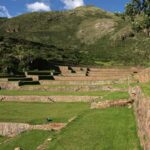
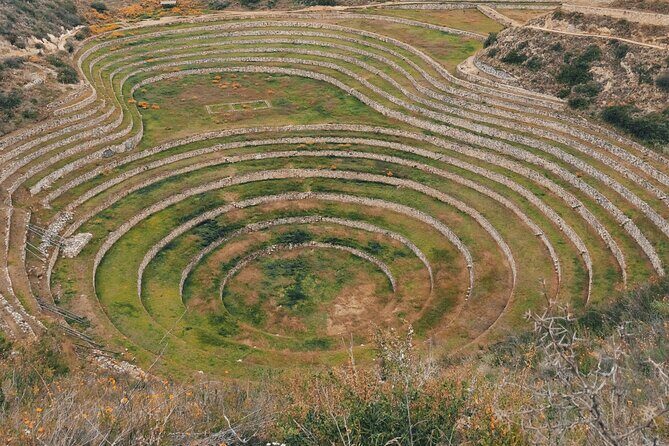
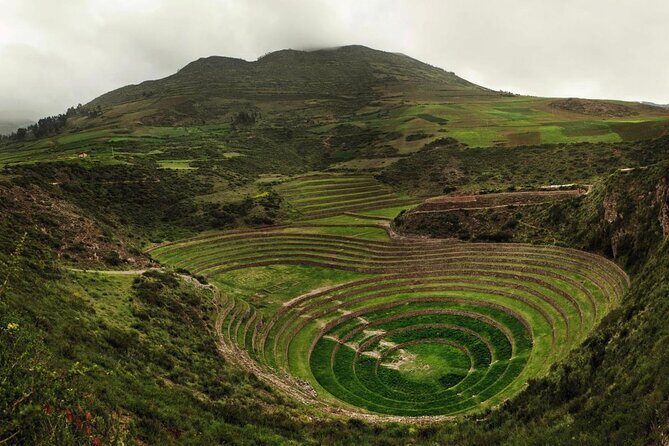
Moray is next, with roughly 30 minutes on site. You’ll see several circular agricultural terraces that have been described as Inca structures for growing plants from warmer climates.
This stop works best when you treat it like a puzzle. The circular layout and terrace design are the clue that the Incas were testing conditions—sun, wind, and temperature—rather than building only for decoration. It’s also a quick stop, so you’ll want to be ready when the guide starts explaining how the terraces are read.
Moray is another ticketed site under the 70 soles tourist ticket. If you forget to plan for the ticket, you’ll feel rushed at the gates and waste time you don’t have.

Salinas de Maras: salt wells where water turns into harvest
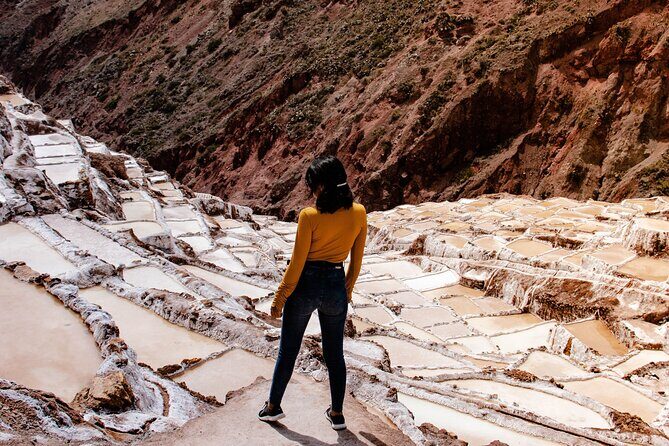
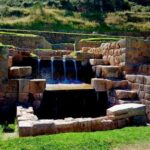
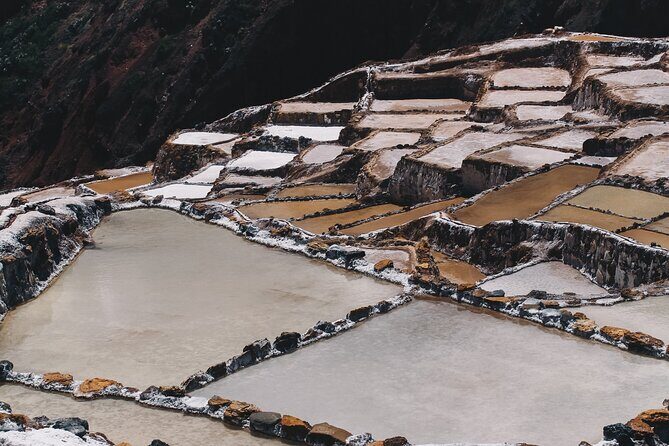
Then you get one of the most memorable Sacred Valley production scenes: the Salinas de Maras salt mines. You’ll have about 30 minutes here, and the whole place is built around dozens of square wells filled with salty underground water.
The process is straightforward and fascinating: sunlight evaporates the water, leaving salt behind, and local people gather it for sale. Even in a short visit, you can understand why this matters—water supply, sunlight, and a workable terrain are everything here.
Important cost note: Salinas de Maras entrance is 20 PEN per person and is not included. I’d treat that as part of the experience budget, not an optional add-on.
If you’re into photos, this is a great spot for them. If you’re more into the human side, take a few minutes to watch how the work is organized and how the workers move through the area.
Urubamba lunch and the Sacred Valley break you need
After Moray and Maras, the tour drives to Urubamba. Urubamba sits in the lower part of the Sacred Valley, and the air is usually warmer, which makes lunch feel like a real reset instead of just a fuel stop.
Lunch is a buffet in Urubamba town, and it’s included. That’s a big practical win because you don’t have to hunt for food while the day is already running long. Try a mix of local dishes, but don’t overdo it. You’ll still have archaeological walking ahead after lunch.
One more thing: this is where people’s energy levels diverge. Some folks eat light and then zoom through shopping; others slow down and savor the meal. Either way, plan to keep moving after lunch because the schedule keeps going.
Ollantaytambo: stairs, palace-style stonework, and shopping nearby
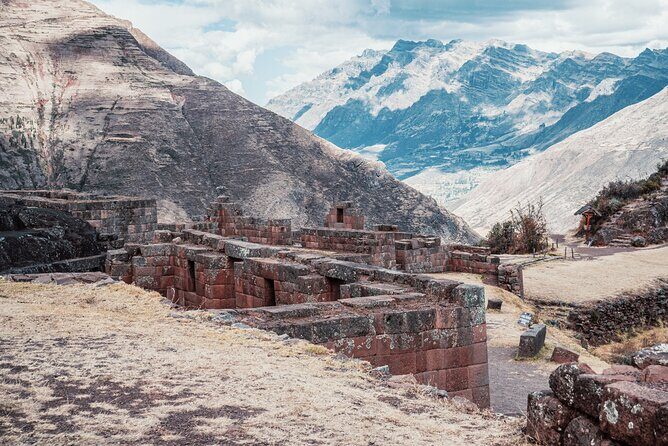
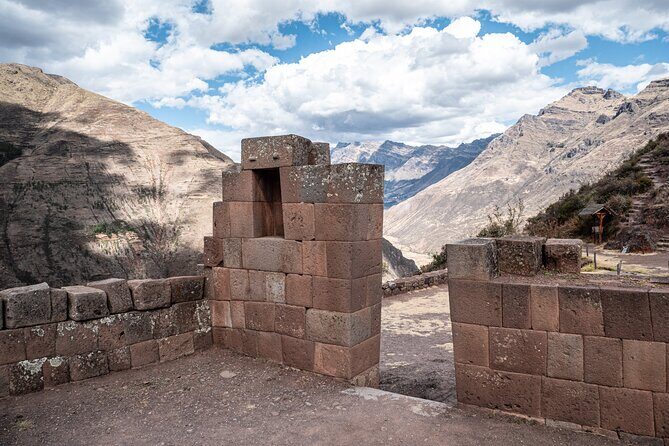
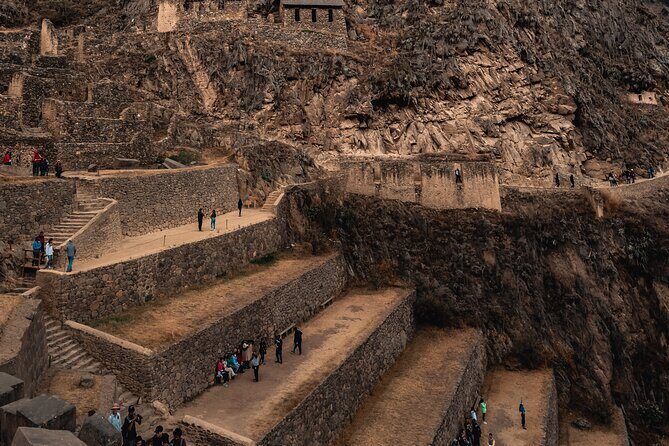
Ollantaytambo is one of the anchors of the day. You’ll have about 1 hour here, plus time to wander through the town where souvenirs are sold.
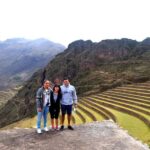
The archaeological complex is known for its long stone stairs that lead up to the main area, and it’s often described as a royal palace. Even if you’re not a stonework specialist, the layout helps you read the power dynamic in the architecture: approach the stairs, climb into the stronghold, and imagine the daily functions happening inside.
Ticket note: Ollantaytambo is included under the 70 soles tourist ticket. If you’re planning your budget tightly, this matters because this ticket also covers Chinchero, Moray, and Pisac.
Shoes matter here. Those stairs aren’t a big climb in distance, but they’re step-focused. If your knees don’t love stairs, you’ll feel it more than you expect by late afternoon.
Pisac market and ruins: good value, tight timing
Pisac comes after Ollantaytambo with about 1 hour 30 minutes total at both the archaeological complex and the town/market area. That’s the part where expectations need to match reality.
You’ll get a cozy village feel beside the Urubamba River and a chance to visit a traditional market—perfect for snacks, small gifts, and watching local trade. Nearby, the archaeological complex sits on a hilltop with stone buildings associated with Inca nobility.
Here’s the key practical advice: choose your priority before you arrive. If you want the best market browsing, do it early in your Pisac time window. If you want more ruins time, head up and give yourself a steady pace for the hill walk and viewpoints. With the time limits, trying to do everything can lead to feeling like you barely scratched the surface.
Also, remember Pisac needs the 70 soles tourist ticket.
Guide quality and the shopping-stops reality check
The biggest positive factor in this kind of day is your guide. Names that come up often include Jhonnatan, Warner, Andy, Ande, Lenny, Gustavo, and Jonathan. Across those guides, the common strengths are clear explanations, friendly group handling, and the ability to keep a long day from feeling like a blur.
One caution: several stops include time for shopping, and these can feel like they take longer than you want—especially if you were hoping for extra ruins time at Pisac. Some shopping places can be expensive, and you may feel pressure to buy even when you’re just trying to look.
My suggestion is simple:
- If you’re shopping, set a budget before you arrive.
- If you’re not shopping, bring your patience and treat those stops as a short rest and photo break.
- If you care most about ruins, keep your purchases small and don’t let shopping swallow the best walking time.
A final tip for the day’s comfort: pace your water and snacks. The tour is long, and once the schedule compresses, it’s hard to slow down without feeling rushed.
Who should book this tour, and who might choose differently
This tour is a good match for you if:
- You want the Sacred Valley highlights in one day.
- You’re comfortable with a 12 to 13 hour schedule and plenty of time outside.
- You like organized stops and clear guidance, not a self-guided day.
It may feel less satisfying if:
- You want slow, deep time at Pisac or any single site.
- Shopping stops would annoy you more than the time spent on them.
- Your knees hate stairs. Ollantaytambo’s stairs are the kind of detail that can turn into a problem if you’re not ready.
Overall, this is a value-forward day: you pay $40 plus admissions, get transport, and don’t have to plan a whole route yourself.
Should you book the Full-Day Sacred Valley Tour from Cusco?
If you’re short on time in Cusco and you want the Sacred Valley’s biggest hits—Maras, Moray, Ollantaytambo, and Pisac—this tour is a solid way to do it. The included Urubamba buffet lunch and the organized transport help a lot with comfort and logistics.
Book it if you’re okay with a fast rhythm and you’d rather see more places than linger. Skip it (or plan a separate, slower day) if your top priority is one site with unhurried time, especially Pisac.
If you do book, I’d go in with two expectations: budget for the 70 soles tourist ticket and 20 PEN for Salinas de Maras, and pick your Pisac priority ahead of time.
FAQ
What is the price of the tour?
The price is $40.00 per person.
How long is the Sacred Valley full-day tour?
It runs about 12 to 13 hours.
What is included in the tour price?
Transportation to the attractions and a buffet lunch in Urubamba town are included.
What entrance fees are not included?
Salinas de Maras costs 20.00 PEN per person. You also need a Tourist Ticket (70 soles) to visit Chinchero, Moray, Ollantaytambo, and Pisac.
What time does the tour start and where does it pick up?
Pickup starts at 6:40 am near the Inca statue, Plaza Mayor de, Cusco. The tour leaves around 7:00 am.
Where does the tour end?
You’ll return around 7:00 pm to Calle Plateros, Cusco, about 50 meters from the main square.
Is the tour suitable if I have only moderate fitness?
The tour asks for a moderate fitness level.
How many people are in the maximum group?
The tour has a maximum of 20 travelers.
Is breakfast or dinner included?
No. Breakfast and dinner are not included.
Is there free cancellation?
Yes, you can cancel up to 24 hours in advance for a full refund.