REVIEW · CUSCO
Cochahuasi Animal Sanctuary® Admission Ticket
Book on Viator →Operated by Cochahuasi Animal Sanctuary · Bookable on Viator
Animal rescue in the Andes hits different.
The Cochahuasi Animal Sanctuary admission ticket gives you a guided look at rescued Andean wildlife outside Cusco, with staff explaining what recovery really means. It’s a practical way to see animals up close while learning why sanctuaries matter.
I especially like that you get a local guide and visit at an unhurried pace, usually lasting 45 minutes to about 1.5 hours. I also like how clearly the visit connects individual animal stories to bigger conservation and rehabilitation goals. One possible drawback: the property is small, and some parts may not feel like the open-range sanctuary picture you might carry in your head.
If you want to avoid waiting, booking ahead helps, and the visit is capped at a maximum of 15 people. Do note that the sanctuary is described as somewhat remote, so having a plan for getting there and back will make your day smoother.
In This Review
- Key things to know before you go
- Cochahuasi Animal Sanctuary: a close-up look with a rescue mission
- Your visit length and pacing (from quick stop to unhurried walk)
- Stop 1: Cochahuasi Animal Sanctuary and your guided route
- The rescued residents you may see: condors, pumas, and more
- What makes this visit meaningful (and how to read the signs on-site)
- Is it really a sanctuary? Handling the hard questions fairly
- Transportation from Cusco: don’t wing it
- Ticket value: comparing $10 vs the local price you might see
- Who should book Cochahuasi (and who may want to skip)
- My take: should you book this sanctuary ticket?
- FAQ
- How long does the Cochahuasi Animal Sanctuary visit take?
- What’s included with the admission ticket?
- Are food and drinks included?
- Do I need to be physically fit to visit?
- Can children visit?
- What animals might I see at Cochahuasi?
- What is the cancellation policy?
Key things to know before you go
- Pre-book to save time and avoid lining up on the spot.
- Small group visit (up to 15 people) keeps the experience from feeling rushed.
- Rescue-and-rehab focus explains why some animals can’t return to the wild.
- Guided route included so you’re not just staring at enclosures.
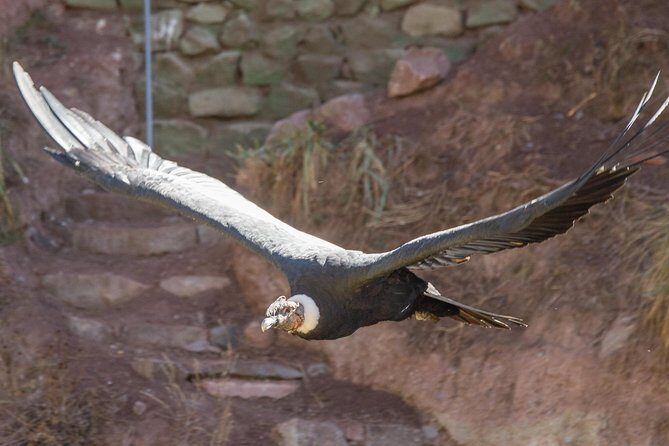
- Andean species on-site can include condors, pumas, bears, monkeys, llamas, and alpacas.
- Plan transportation since the sanctuary is not right in central Cusco.
Cochahuasi Animal Sanctuary: a close-up look with a rescue mission
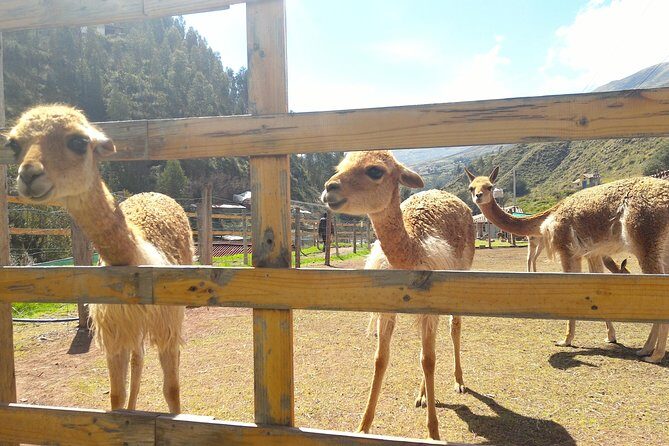
Cochahuasi Animal Sanctuary is in the Cusco area, and the point here is simple: rescued wildlife needs more than sympathy. It needs medical care, daily handling, and a long-term home when release isn’t possible. That’s what your admission ticket is built around: you’re paying for access plus a local guide who connects the animals you see to the conservation work they’re doing.
You’ll get up close with Andean species and hear how the sanctuary cares for them today. The visit isn’t sold as a thrill ride; it’s a learning experience, one that makes the mission feel real rather than abstract.
Also, there’s a key fact to keep in mind as you go: many rescued animals can’t return to the wild because of injuries or because they’ve become imprinted on humans. Sanctuaries like Cochahuasi exist because nature isn’t always able to take a battered animal back.
A few more Cusco tours and experiences worth a look

Your visit length and pacing (from quick stop to unhurried walk)
Most visits run 45 minutes to about 1.5 hours. That wide range usually means the guide can slow down when people have questions, or speed up if you’re moving quickly and keeping things simple. Either way, you’re not stuck in a rigid, clock-punch tour.
The group size matters. With a maximum of 15 travelers, you’re more likely to hear the guide clearly and get answers without feeling like a number. It also helps if you prefer your wildlife experience on the calmer side, where you can actually look and not just pass by.
One practical note: the sanctuary asks for moderate physical fitness. You don’t need to be an athlete, but you should expect some walking on uneven ground and time spent moving between animal areas.
Stop 1: Cochahuasi Animal Sanctuary and your guided route
Your main stop is the sanctuary itself. Your ticket includes a local guide, and the format is a guided walk where you can explore at your own pace while learning what each animal’s story is.
The way the visit tends to work in practice is this: you start moving through the animal areas, and the guide provides context as you go. You’re not just reading signs; you’re hearing what happened before the rescue, what recovery looked like, and what life at Cochahuasi means now. That’s the difference between seeing animals and understanding why their situation is complicated.
You’ll also hear how the sanctuary handles two very different outcomes. Some animals can be rehabilitated and later released back to the wild if they meet the right conditions. Others cannot, and they remain in the sanctuary for life because their health or behavior won’t allow a safe return.
The rescued residents you may see: condors, pumas, and more
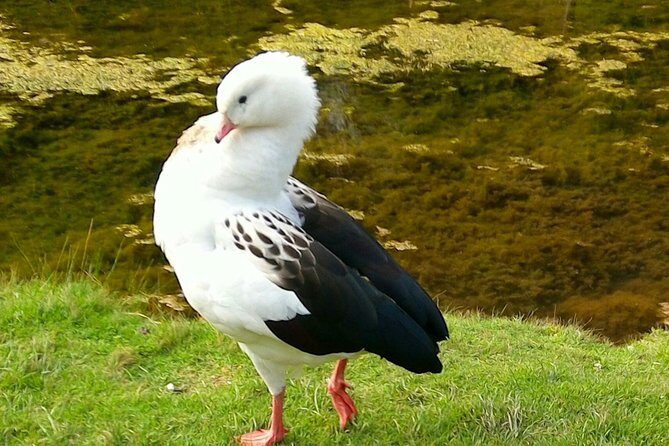
Cochahuasi is all about Andean species, so don’t expect a zoo-style mix. Based on what’s described, you may come across larger residents like condors and pumas, along with bears, monkeys, llamas, and alpacas.
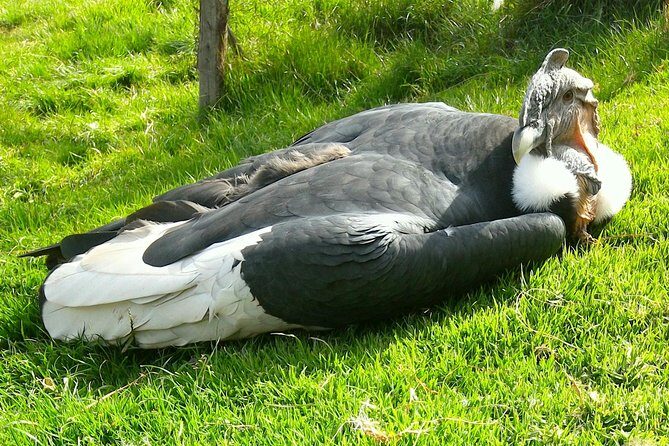
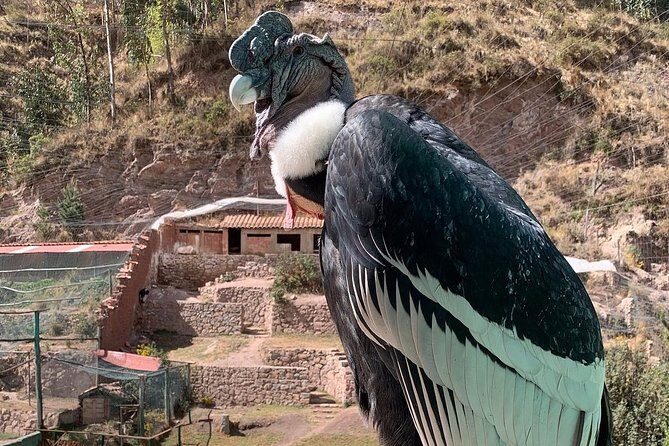
Condors are often a standout in this kind of setting because they’re big, calm, and different from the mammals you might see elsewhere. Seeing them close up can make it easier to understand why people push for protection of raptors and their habitats.
Pumas are another commonly mentioned highlight. One detailed example from a visit describes cases where injuries were severe due to past abuse, including pumas that had teeth and claws removed and then required special care such as dentures so they could eat again. That kind of story isn’t meant to scare you. It’s meant to explain why the sanctuary’s work goes far beyond feeding.
For more gentle moments, alpacas (and sometimes llamas) can be part of the experience, and at least some visitors report getting time to feed and pet alpacas during the visit. If that’s important to you, treat it as a possibility rather than a guarantee, and keep your expectations flexible.
What makes this visit meaningful (and how to read the signs on-site)
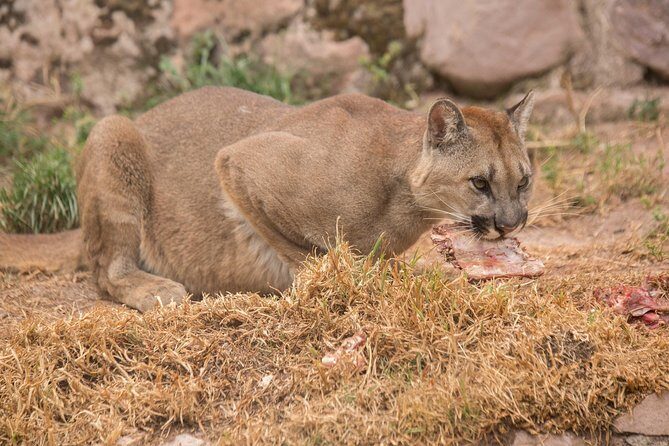
This is where the ticket earns its value. You’re not paying $10 just to view animals. You’re paying for a guide to connect the animals’ present care to the real-world problems that caused them to need help in the first place.
When you’re inside the sanctuary, pay attention to three things:
- How the guide frames each animal’s past
The most helpful visits include honest context: whether an animal arrived due to abuse, trafficking, abandonment, or other human-caused problems.
- What the sanctuary says about release vs. lifelong care
The facility’s mission depends on a simple but tough choice: rehab and release when possible, sanctuary when it isn’t.
- How staff describe day-to-day treatment
Even when enclosures look limited, the guide’s explanation of care routines, medical needs, and behavior management gives you a better sense of what “support” actually means here.
And yes, a balanced review has to acknowledge the uncomfortable reality. Some people feel the animals’ living spaces look small or that the facilities don’t match the ideal image of a sanctuary. Others say the animals appear safe, well cared for, and content.
Both reactions can exist at the same time. Small enclosures can reflect the limits of the site and the needs of animals recovering from serious issues. They can also reflect the facility’s constraints. Your best move is to watch how the guide addresses these points and how the staff talks about welfare.


Is it really a sanctuary? Handling the hard questions fairly
If you’re worried that “sanctuary” might be just a name, you’re not wrong to ask. The experience is described by some visitors as not looking like what they expected, with comments about cages and small living areas. There’s also at least one concern raised about maintenance and cleanliness.
On the other side of the conversation, the sanctuary team’s response emphasizes that the animals were rescued from abuse or illegal trafficking. They also explain that some animals can’t be released due to health or behavior needs. They say they’re working to provide an environment that is safe and clean for the animals’ needs.
So how do you decide whether it’s the right fit for you? Go in prepared for reality, not fantasy. A rescue center often looks like a working place with practical limits, not a perfect wildlife movie set. If you can accept that, and you focus on the care stories and the conservation goal, the experience can feel genuinely worthwhile.
Transportation from Cusco: don’t wing it
One practical theme that comes up with this kind of stop is getting stuck if your transport plan is vague. The sanctuary is described as about 30 minutes from Cusco, but also as remote enough that you should plan accordingly.
If you’re using a taxi, plan for an actual wait time for pickup. If you’re using rideshare, confirm the driver’s willingness to wait or arrange return transport ahead of time. Some visitors note they used a cab or Uber and arranged for the driver to wait for them while they toured.
Because transportation isn’t included with the ticket, your day will be easier if you build in buffer time. You’ll likely enjoy the visit more if you aren’t checking your phone every five minutes.
Ticket value: comparing $10 vs the local price you might see
The admission ticket for this experience is listed at $10 per person. One detail you should know: paying directly at the sanctuary can cost more (one comparison gives 20 soles per person). That means the value of the advance online ticket may come down to simple math and the exchange rate on your travel dates.
Here’s how I’d think about value. This isn’t a long attraction, and it’s not selling you a big entertainment package. You’re paying for:
- access to the sanctuary grounds
- a local guide included in the ticket
- time with Andean species and conservation context
If you’re doing a tight Cusco schedule and want a meaningful wildlife stop that doesn’t eat half your day, this can be a good deal. If you’re already committed to supporting the mission and you’re okay with the logistics, buying ahead can be the simplest path.
If you want to do even more good, consider bringing extra funds for donations, if the sanctuary offers that on-site. (Donation options aren’t guaranteed by the ticket details, but they’re mentioned as appreciated in at least one account.)
Who should book Cochahuasi (and who may want to skip)
This fits best if you care about wildlife conservation and you’re the type who likes learning the “why” behind animal care. It’s also a good option if you want a short trip from Cusco that doesn’t require a full-day commitment.
You might be less happy if you’re expecting a large, open-range sanctuary where animals roam freely. Some areas are described as smaller, and some visitors found the facility not matching the classic sanctuary look. If your brain needs wide open space to feel comfortable, read your comfort level carefully before you go.
If you’re traveling with kids, the guidance is clear: children must be accompanied by an adult. Given the rescue-and-rehab nature of the visit, it can be a good educational stop, but it’s still a real-world situation with animal welfare considerations.
My take: should you book this sanctuary ticket?
Book it if you want a short, guided wildlife visit tied to rescue and conservation, and you can handle the fact that a working sanctuary won’t look like a theme park. The included guide, small group size, and close-up species encounters make this feel like a focused experience for the money.
Skip it (or rethink) if you’re sensitive to seeing animals housed in smaller enclosures or you’re only satisfied by facilities that match an open-range ideal. Also, go only if you’re ready to handle transportation planning, since the sanctuary’s location can make return trips awkward.
If you do go, keep the goal in mind: you’re there to understand rescued wildlife and support the care that happens after things go wrong.
FAQ
How long does the Cochahuasi Animal Sanctuary visit take?
The experience is approximately 45 minutes to 1 hour 30 minutes.
What’s included with the admission ticket?
The ticket includes a local guide.
Are food and drinks included?
No. Food and drinks are not included.
Do I need to be physically fit to visit?
You should have a moderate physical fitness level.
Can children visit?
Yes, but children must be accompanied by an adult.
What animals might I see at Cochahuasi?
You may see Andean wildlife such as condors, pumas, bears, monkeys, llamas, and alpacas.
What is the cancellation policy?
Free cancellation is available up to 24 hours in advance for a full refund. If you cancel less than 24 hours before the start time, the amount paid is not refunded.