REVIEW · CUSCO
Puno: Route Of The Sun to Cusco with Lunch and Ticket Option
Book on GetYourGuide →Operated by Uyuni Experience EIRL · Bookable on GetYourGuide
One road, four big stops, and a whole lot of Andean stories. This Puno to Cusco day trip takes the famous Ruta del Sol and strings together sites you’d usually need separate tickets and timing to enjoy.
What I like most is the mix of cultures in one day: you get Andahuaylillas’ San Pedro Apóstol church, then ruins at Raqchi tied to the Wiracocha legend. Second, the pacing is practical for a long route, with a planned photo stop at La Raya and a real buffet lunch mid-day.
The only real drawback to plan for is the total length: expect an 11-hour itinerary, plus high-altitude conditions at La Raya, and it’s not suitable for wheelchair users.
In This Review
- Quick highlights: Pukara, La Raya photos, Raqchi, Andahuaylillas
- Meeting point on Jirón Tacna and what the day really feels like
- Pukara first: the meaning behind the bulls and clay figures
- La Raya pass above 4,300 meters: photo stop with smart breathing
- Buffet lunch at a local restaurant: energy without stress
- Raqchi archaeological park: reading the Temple of Wiracocha
- Andahuaylillas and San Pedro Apóstol: the Sistine Chapel of America
- Getting to Cusco: drop-off and how to plan the rest of your day
- Price and value for $100: what’s included and what to double-check
- Best for who: the kind of traveler who gets the most out of this route
- Things to watch: meeting point issues and expectations for nature
- Should you book Ruta del Sol from Puno to Cusco?
- FAQ
- How long is the Puno to Cusco Ruta del Sol tour?
- Where does the tour start in Puno?
- Is lunch included?
- Are entrance tickets included?
- What languages are available for the guide?
- Is the tour wheelchair accessible?
Quick highlights: Pukara, La Raya photos, Raqchi, Andahuaylillas
- Pukara interpretation center gives context before you roll into the high Andes.
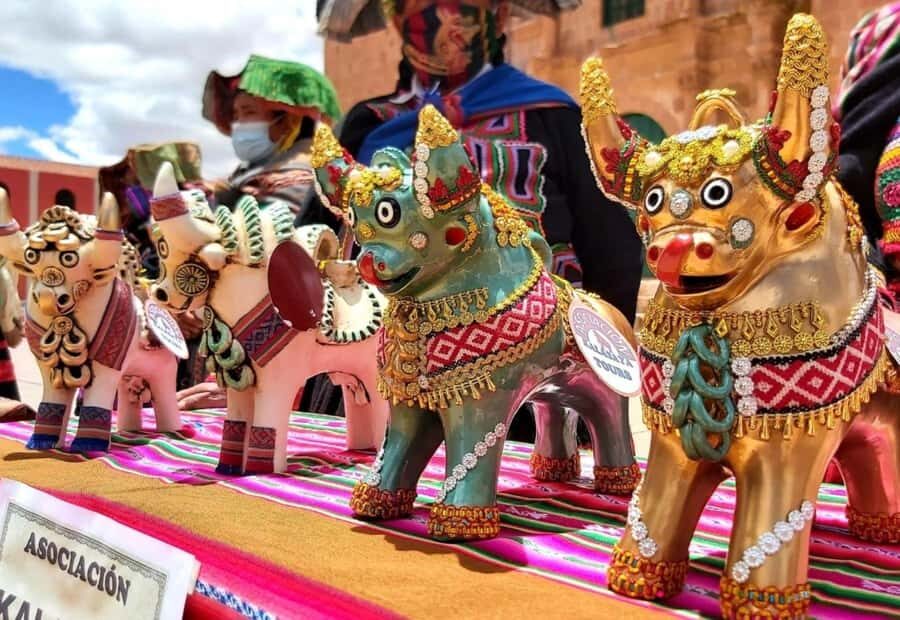
- Pukara bulls and painted clay figures are small details with big meaning for southern Peru.
- La Raya pass photo stop above 4,300 meters is brief, so you’ll want your camera ready.
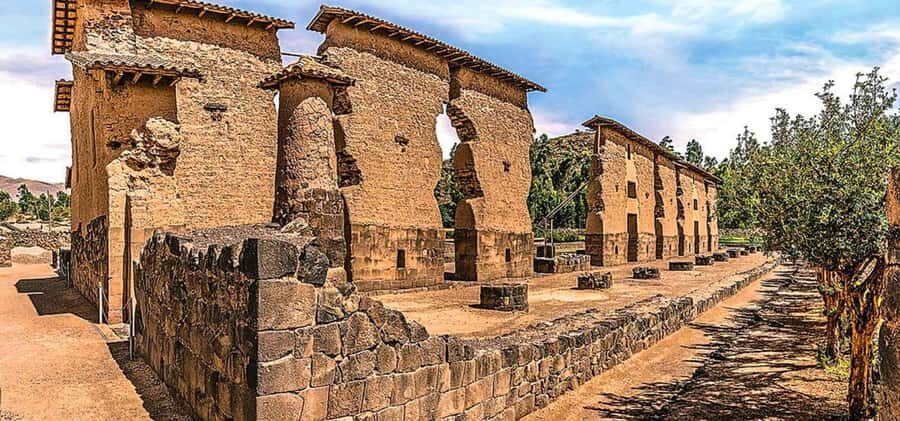
- Raqchi’s Wiracocha temple remains make ancient worship feel close and readable.
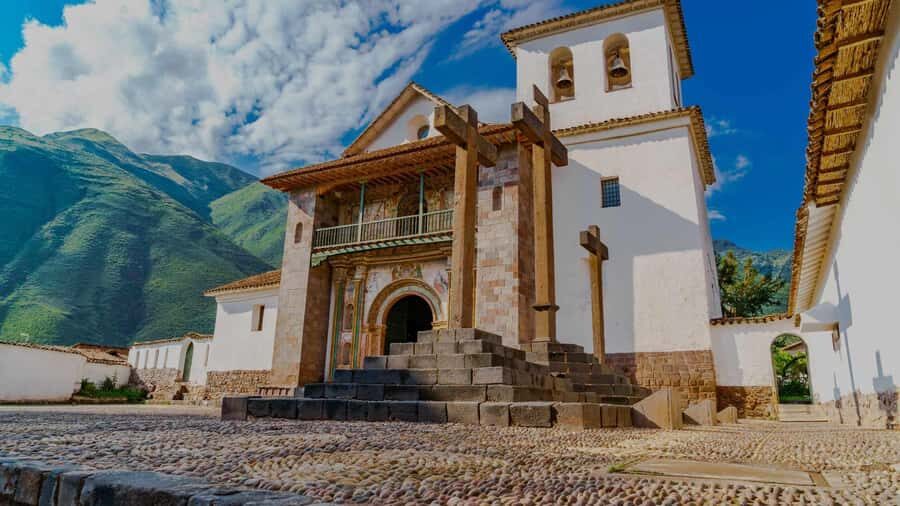
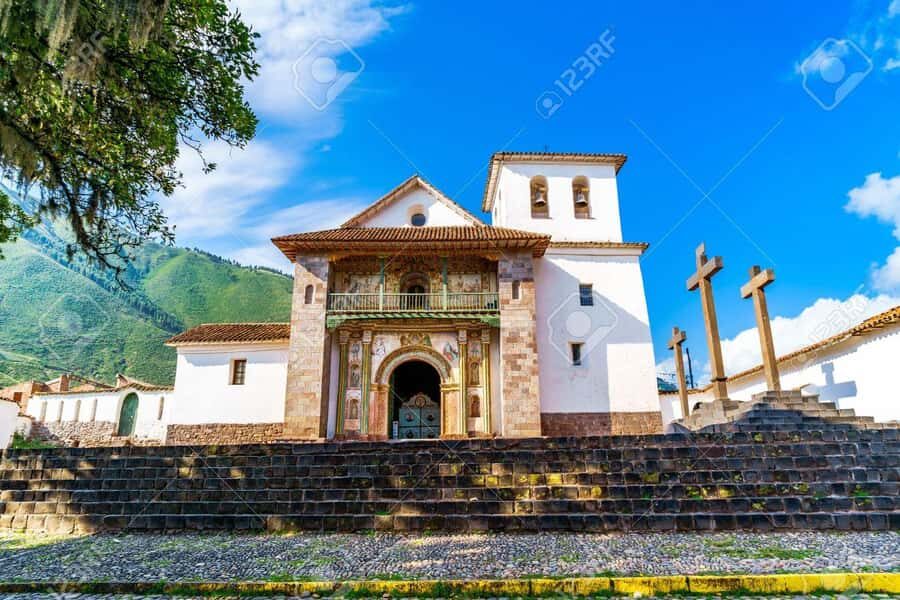
- San Pedro Apóstol in Andahuaylillas is known as the Sistine Chapel of America, and the interior is the point.
- Optional entry tickets can be included depending on your selected option, so check before you go.
Meeting point on Jirón Tacna and what the day really feels like
The tour starts with a clear meeting place in Puno: number 575 of Jirón Tacna. From there, the bus heads out toward Pukara, which means you’re not just transferring between cities—you’re filling the hours with stops.
You’ll be on a bus for most of the journey, and you’ll also have a live guide speaking English and Spanish (so you’re not stuck with a silent ride). In the tour option that includes pickup, you’ll get recogida en el hotel de Puno and a transfer to the bus station first, which saves you the hassle of finding transport on your own.
One more practical detail: bring your passport or ID, plus a camera and cash. Having cash helps since the day includes a restaurant stop for lunch, and you don’t want to scramble mid-route.
A few more Cusco tours and experiences worth a look

Pukara first: the meaning behind the bulls and clay figures
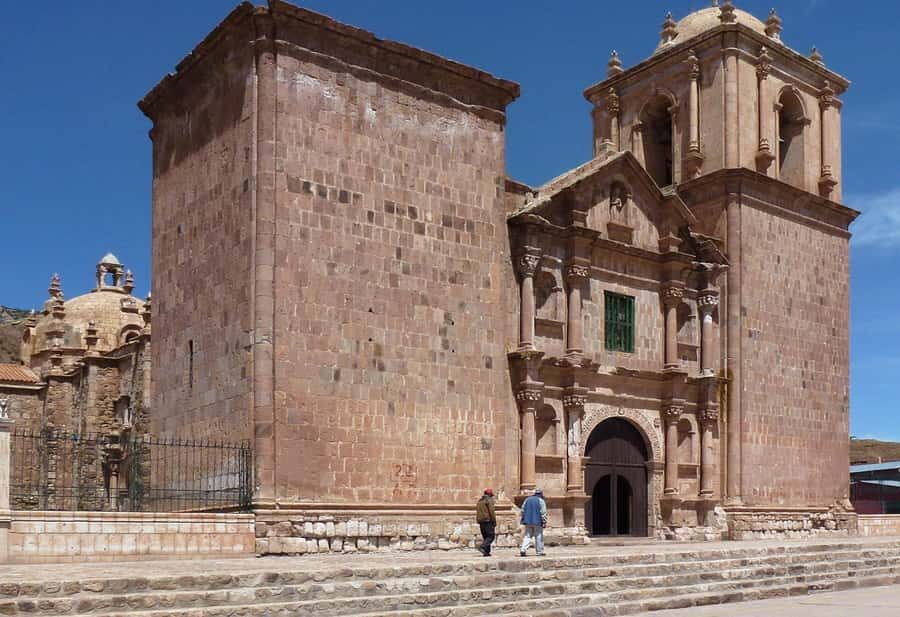
The route of the day is built like a lesson: stop early, learn context, then appreciate what comes next. Your first major stop is the Pukara interpretation center in the town of Pukara.
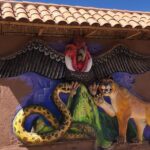
This is where you get a grounding in the ancient Andean settlers before you start thinking about passes and ruins. You’ll also run into the famous Pukara bulls—along with painted clay figures used as symbols of protection, prosperity, and fertility in southern Peru.
Why this works for most travelers: it turns the trip from scenery-only into culture-with-a-brain. If you enjoy understanding what you’re seeing (even a little), this stop makes the rest of the day feel more connected.
La Raya pass above 4,300 meters: photo stop with smart breathing
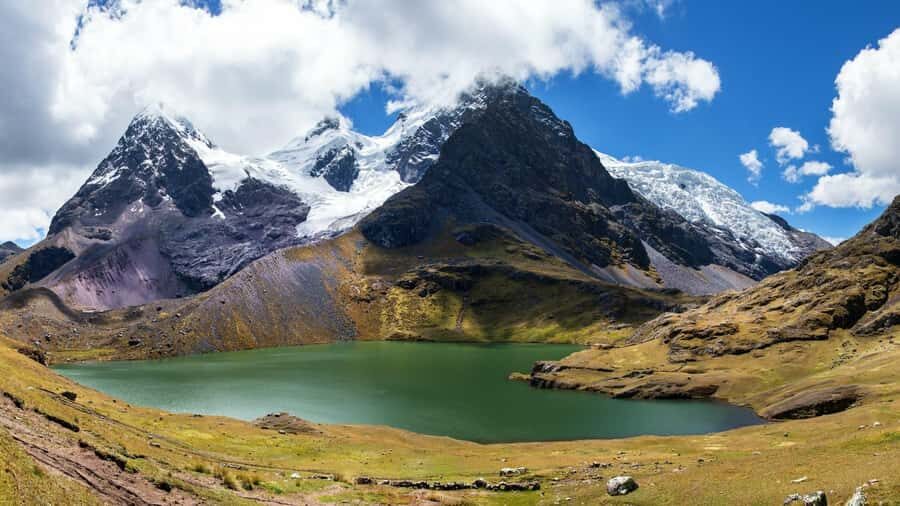
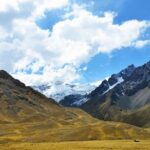
After Pukara, the bus moves toward La Raya pass, where you’ll make a brief stop to take photos. The altitude is high—more than 4,300 meters—so this isn’t a long hangout. It’s a moment to look, shoot, and get back on the bus.
Here’s the best way to treat a short high-pass stop: slow down. Don’t race to the best viewpoint. Give yourself time to catch your breath, and keep your camera work steady so you don’t feel winded while trying to focus.
Also, photo reality check: weather and cloud cover can change quickly at high altitude. If you arrive to gray skies, keep your expectations flexible—you’re there for the look of the pass, not a guarantee of dramatic lighting.
Buffet lunch at a local restaurant: energy without stress
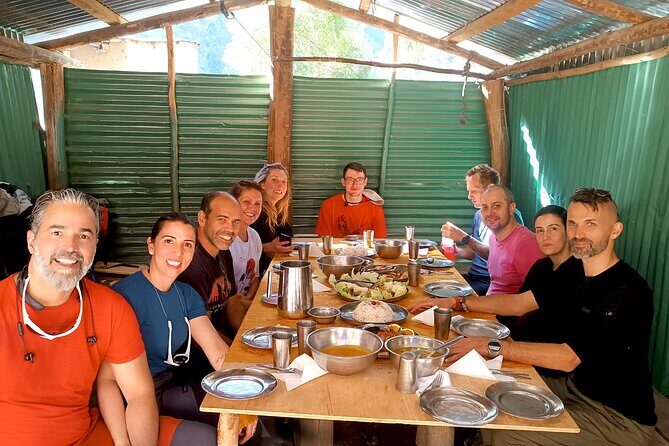
Once the photos are done, you’ll head to a local restaurant for a buffet lunch. For a day that long, this matters more than it sounds. A tour like this is basically a long sequence of “look, walk a bit, sit on the bus, repeat,” and food is what keeps you from turning tired into cranky.
Buffet style is also practical: you can choose what fits your appetite that day. If you’re cautious with stomachs at altitude, look for simple, filling options rather than going wild on unfamiliar flavors.
One tip: keep an eye on how much time you have during the meal. Even with a buffet, you’re on a schedule for the afternoon stops, so eat like a traveler, not like a vacationer who just discovered dessert.
Raqchi archaeological park: reading the Temple of Wiracocha
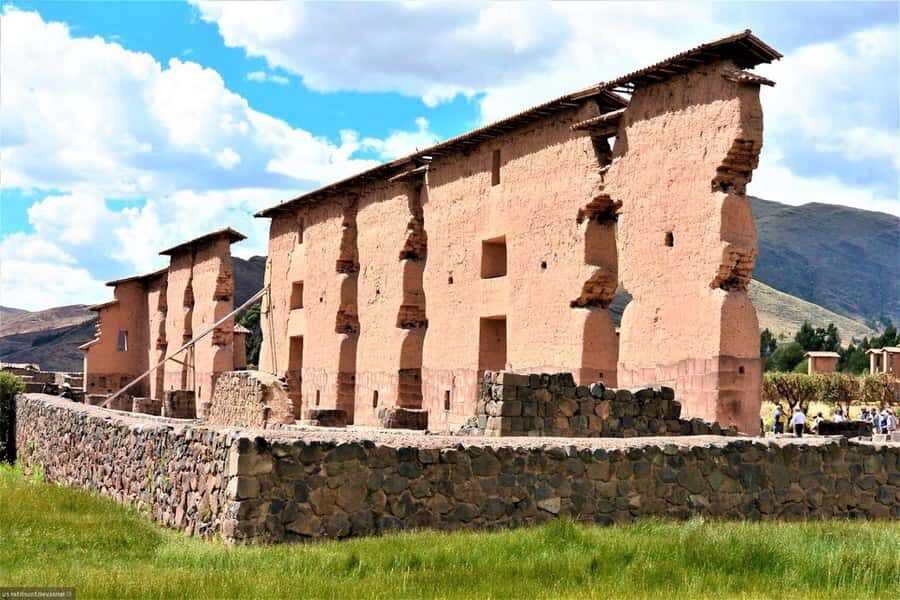
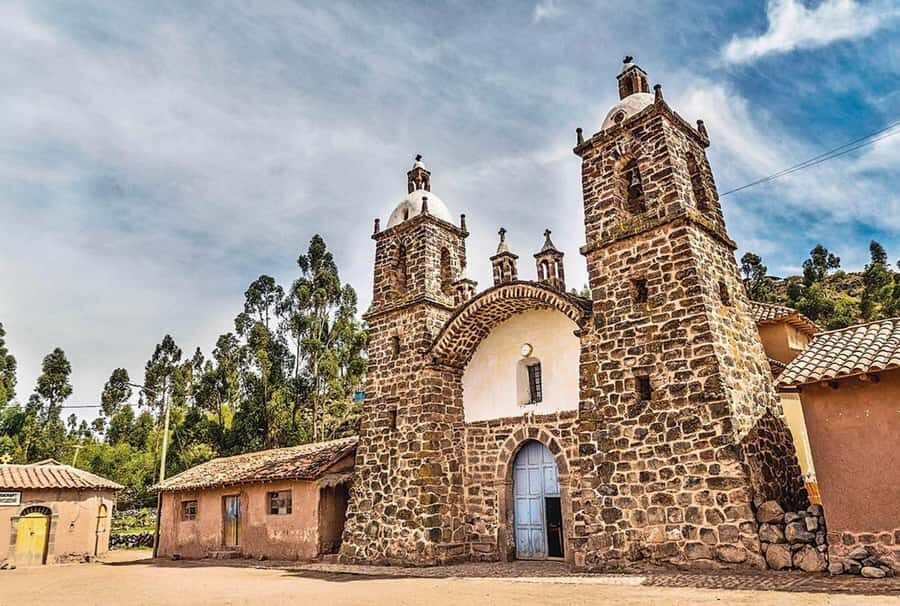
After lunch, the tour heads to Raqchi, one of the day’s main cultural payoffs. You’ll visit the archaeological park and take part in a guided tour, which is the difference between seeing piles of stones and understanding what they represent.
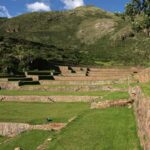
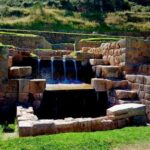
In Raqchi, you’ll see remains of an ancient temple dedicated to Wiracocha, a deity whose pre-Hispanic veneration comes with enigmas, legends, and mysteries. Your guide’s role here is key: they’ll help you connect the site to broader Andean beliefs, so the visit becomes meaningful rather than just scenic.
What to focus on at Raqchi: the way structures are laid out and how the ruins suggest purpose. Even if you’re not a history person, a good explanation makes the space feel intentional—like it’s still speaking, even after centuries.
A few more Cusco tours and experiences worth a look
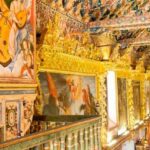
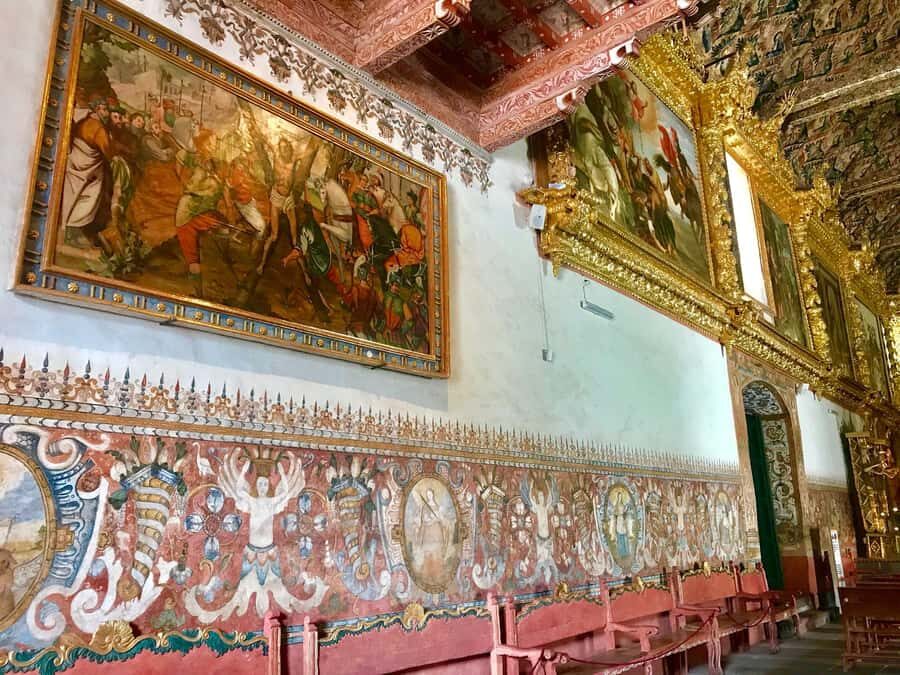
Andahuaylillas and San Pedro Apóstol: the Sistine Chapel of America
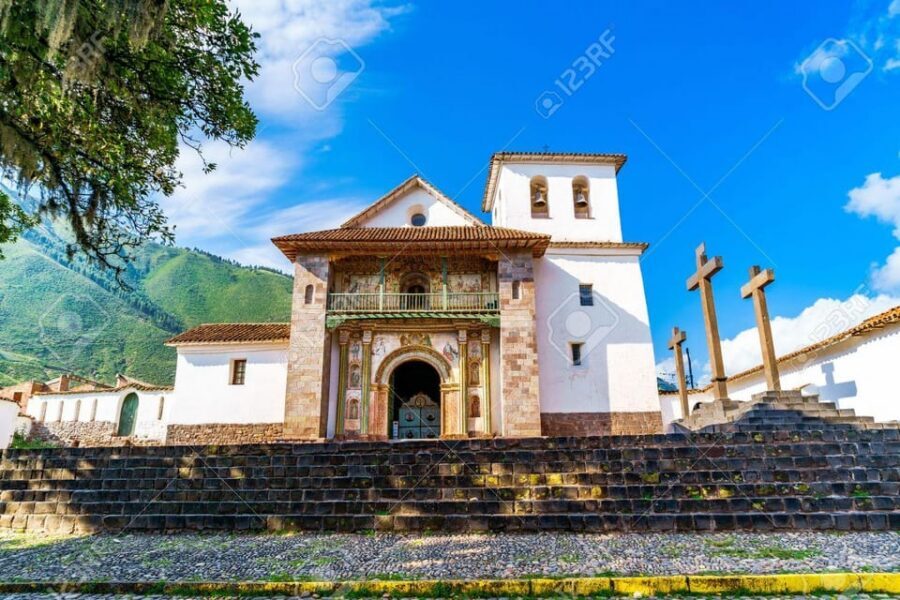
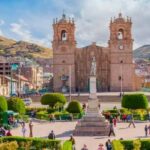
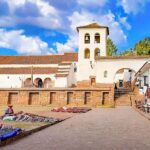
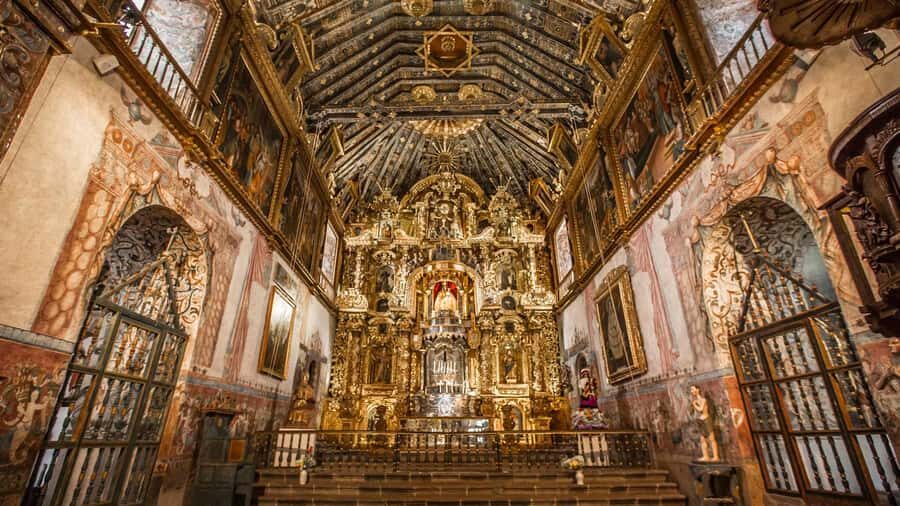
Next up is Andahuaylillas, and the star is the church of San Pedro Apóstol. This is the stop the tour builds toward, because it’s known as the Sistine Chapel of America, and the interior is where that comparison lands.
The church is famous for its striking interior, and the guide experience here matters. If you only see the building from the outside, you’ll miss what makes it special. This stop is a guided look that turns you from tourist to observer.
Practical timing note: churches can be cooler than outside streets, and you might want to have a light layer. Also, bring your camera if you plan to photograph inside—just be ready to follow any rules on-site (the tour listing doesn’t specify photo restrictions, so follow what the staff allow).
Getting to Cusco: drop-off and how to plan the rest of your day
The day finishes after the Andahuaylillas stop, and you’ll be returned to Cusco at the hotel you choose. That’s convenient because it removes one big headache: trying to figure out transport after a long itinerary.
Since the trip runs about 11 hours, I’d treat the rest of your evening in Cusco as low-energy time. You’ll likely want to eat something simple, rest, and avoid major wandering until you feel steady.
If you have onward plans—dinner reservations, a next-day tour, or a flight—try to keep them flexible. Long days like this are best followed by a buffer, not a sprint.
Price and value for $100: what’s included and what to double-check
At $100 per person, the value mostly comes from the structure of the day: transport by bus, a live guide, buffet lunch, and hotel pickup in Puno plus station transfer (in the option that includes it). That combo is often cheaper and easier than trying to assemble the stops yourself.
There’s one important detail to check: tickets are included only if you select the ticket option. If you’re comparing costs, make sure you’re not accidentally judging two different packages. Entries can be the line-item that makes a “cheap” option end up costing more later.
Here’s the balanced way to decide: if you want a guided day that covers Pukara, La Raya, Raqchi, and Andahuaylillas without stress, this price starts to look fair. If you already have tickets lined up and prefer total DIY control, you might find the overall bundle less compelling.
Best for who: the kind of traveler who gets the most out of this route
This tour suits you if you want a single-day hit of southern Peru’s highlights between Puno and Cusco. It’s also a strong fit if you like context—because the itinerary includes guided visits at Raqchi and a guided stop at the church of San Pedro Apóstol.
It’s less ideal if you’re chasing hours of nature-walking or long scenic time off the bus. The high-pass stop at La Raya is brief, and the day is mostly a rhythm of bus → stop → bus → stop.
Also note: it’s not suitable for wheelchair users. If you need accessibility accommodations, you’ll likely want a different format.
Things to watch: meeting point issues and expectations for nature
One real-world risk with any pickup-based tour is coordination at the meeting point. Your departure meeting point is 575 Jirón Tacna, and you should assume you’ll need to be there early. I’d also make sure your contact number includes your country code and that you’re reachable on WhatsApp, since the info specifically asks you to set that up.
If you’re booking close to departure time, confirm availability with the supplier by email before booking for last-minute reservations. That’s not just paperwork—it’s how you avoid the kind of day where you’re left trying to solve the plan yourself.
Finally, calibrate your expectations for scenery. Some people are looking for more time soaking in dramatic stretches of nature. This day is more about heritage stops plus a quick “look at the pass” moment—so go in expecting culture-heavy pacing rather than long scenic free time.
Should you book Ruta del Sol from Puno to Cusco?
I’d book this tour if you want the convenience of guided stops with lunch, and you’re excited about the big names: Raqchi, Andahuaylillas, and the photo moment at La Raya. The guide-driven visits are what make it more than a bus ride, and the lunch keeps the whole day from feeling like a nonstop grind.
Don’t book it if you’re ultra-sensitive to long days, need accessibility support, or you want extended free time for nature and slow wandering. This is a structured route, and the payoff comes from doing those stops together.
If you’re the type who likes to understand what you’re looking at—even at a basic level—this Ruta del Sol day will feel like smart value for your time.
FAQ
How long is the Puno to Cusco Ruta del Sol tour?
The duration is 11 hours.
Where does the tour start in Puno?
The meeting point is at number 575 of Jirón Tacna.
Is lunch included?
Yes. You’ll have a buffet lunch at a local restaurant.
Are entrance tickets included?
Entrance tickets are included only if you select the ticket option.
What languages are available for the guide?
The live tour guide is available in English and Spanish.
Is the tour wheelchair accessible?
No, it is not suitable for wheelchair users.