REVIEW · CUSCO
Excursion: Rainbow Mountain and Ausangate 7 Lagoons 2 days
Book on GetYourGuide →Operated by World Explorer Peru · Bookable on GetYourGuide
Rainbow Mountain plus 7 lagoons is a power combo. I love the color punch of Vinicunca and the longer hike that lets you move through Ausangate’s seven lagoons. Just know this is high-altitude hiking, so you’ll need solid stamina and warm gear.
This trip is built like a two-day mountain relay: Cusco to Kusipata for breakfast, a hike up to the famous rainbow ridgeline, then a night in Pacchanta before the lagoon day. The timing is structured, with set meal stops and trekking segments that give you enough time up top to breathe, snap photos, and actually enjoy the scenery.
One more reality check: the tour runs in a small group (up to 18), with a professional guide for both days, and it’s offered in English and Spanish. You’ll get trekking sticks and a first aid kit, but you still need to show up ready—physically and mentally—for cold mornings, long walks, and early starts.
In This Review
- Key things to know before you go
- Rainbow Mountain and Ausangate: why this 2-day combo works
- Day 1: Kusipata breakfast, Kayrawiri, and the Vinicunca hike
- Pacchanta lodge night and hot springs break
- Day 2: Ausangate’s 7 lagoons, viewpoints, and the return to Cusco
- Price and what you actually get for $357
- Tickets, food, and the small expenses to plan for
- How tough is it at altitude: fitness, timing, and smart pacing
- Where the trip can feel messy: meeting points and communication
- Packing for Vinicunca colors and Ausangate cold
- Should you book this Rainbow Mountain and Ausangate 7 Lagoons tour?
- FAQ
- How long is the Rainbow Mountain and Ausangate 7 Lagoons excursion?
- What’s included in the price?
- Are entrance tickets included for Vinicunca, Ausangate 7 lagoons, and hot springs?
- What time does the second day start?
- What languages are the guides?
- Is this tour suitable for everyone?
Key things to know before you go
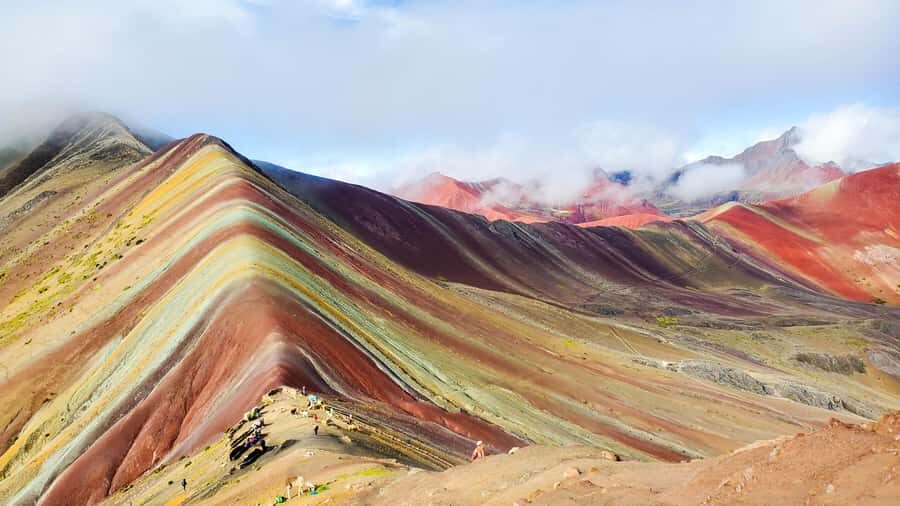
- Vinicunca time at the top: you’ll get guided explanation and free time to explore and take photos before heading back down.
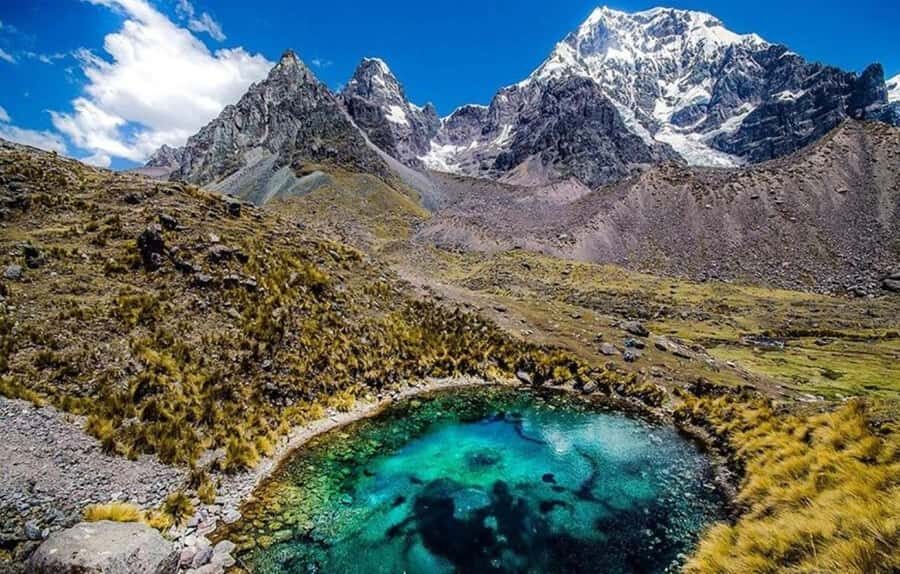
- Ausangate’s 7-lagoon route: a viewpoint-focused hike, then more walking to cover much of the lagoon area.
- Pacchanta overnight plan: sleep in a lodge in Pacchanta, plus afternoon time to experience community life and hot springs access.
- Small-group feel: limited to 18 participants, with pickup from your Cusco hotel and guide support for 2 days.
- Bring cash for entries: key entrance tickets and the Pacchanta hot springs fee are not included.
- Performance matters more than perfection: the scenery is the headline; the logistics can take extra attention on meeting points.
Rainbow Mountain and Ausangate: why this 2-day combo works
If you’re thinking about whether to do Vinicunca Rainbow Mountain only, or add Ausangate’s 7 lagoons, this two-day pairing makes a strong case. You get two very different mountain “moods” back-to-back: the shock of color at Vinicunca and then a longer, more wide-open trek at Ausangate’s lagoon zone.
I like that the itinerary doesn’t just point-and-shoot. Day 1 builds in time on the ridgeline for your own photos and viewing, not just a quick stop. Day 2 is the walking day—more hours moving between viewpoints and lagoon areas—so you feel like you earned the views.
That said, this is not a casual stroll. It’s for people in good physical condition, and the altitude is real. If you already struggle on stairs after lunch in Cusco, you’ll want to seriously consider whether you’re ready for a hike to very high elevations.
A few more Cusco tours and experiences worth a look
Day 1: Kusipata breakfast, Kayrawiri, and the Vinicunca hike
Day 1 starts in Cusco with hotel pickup included. You’re traveling south toward the district of Kusipata, where breakfast gives you a chance to settle your stomach before the steep part of the day. This matters because you’ll likely be breathing harder once the trail climbs.
After breakfast, you continue by bus toward the community of Kayrawiri, with about an hour of driving (plus extra time in the schedule). Then you switch from vehicle to trekking mode with a hike of roughly 1 hour 30 minutes to reach Vinicunca.
At the top, your guide shares explanation, and then you get free time to look around and take photos. I like this structure. You’re not just dropped at a viewpoint and left to guess what you’re looking at. You also don’t have to rush right away—your time at the ridgeline is built in, which is where most people really fall for the place.
On the way back, you return to Kusipata and enjoy a buffet lunch. Then it’s transport time again: you head toward Urcos for a bus change, and eventually toward Pacchanta for the night. That transition is part of the rhythm of the trip—you’re moving a lot, but you’re also not doing everything on foot.
Pacchanta lodge night and hot springs break
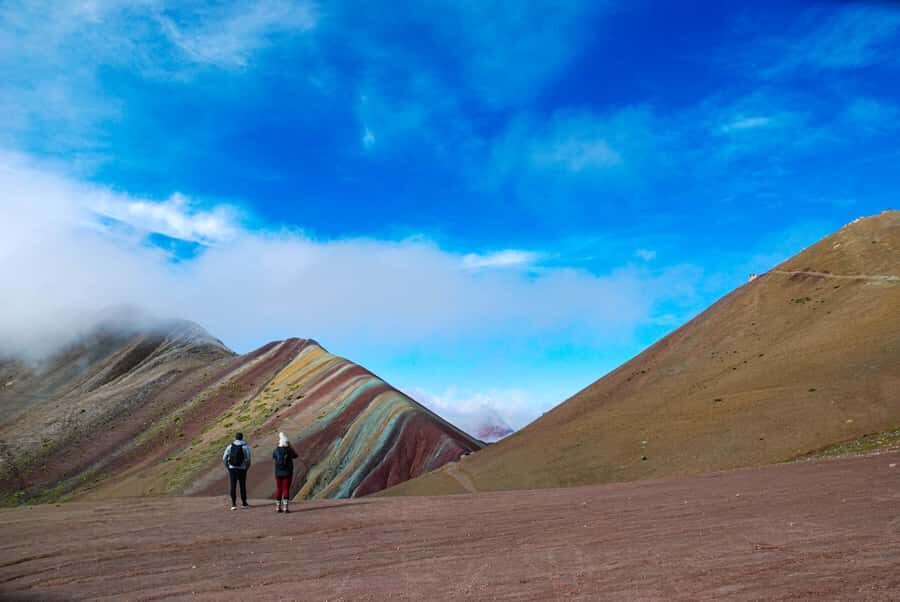
Once you reach Pacchanta, the tour shifts gears from hiking to settling in. You’ll spend the night in a lodge, and you’ll have the afternoon free to get a feel for the local community and what’s going on there.
This is also where the hot springs come into play. The hot springs experience is offered, but the entrance ticket is not included, so plan to pay the fee separately. Even if you don’t go in, the lodge night is a chance to dry out, eat, and reset your legs for the Ausangate day.
Practical note: because this is a remote mountain route, you’ll want to treat evenings as low-tech. You’ll likely rely on your guide and the group for timing and coordination, so be ready to move when told—even if it feels slow at first.
The good news is that a night away from Cusco gives you a more authentic “mountain Peru” feel than a drive-by day trip. You’re sleeping near the landscapes you came for, and the next morning you start your lagoon hikes with that momentum already in your body.
Day 2: Ausangate’s 7 lagoons, viewpoints, and the return to Cusco
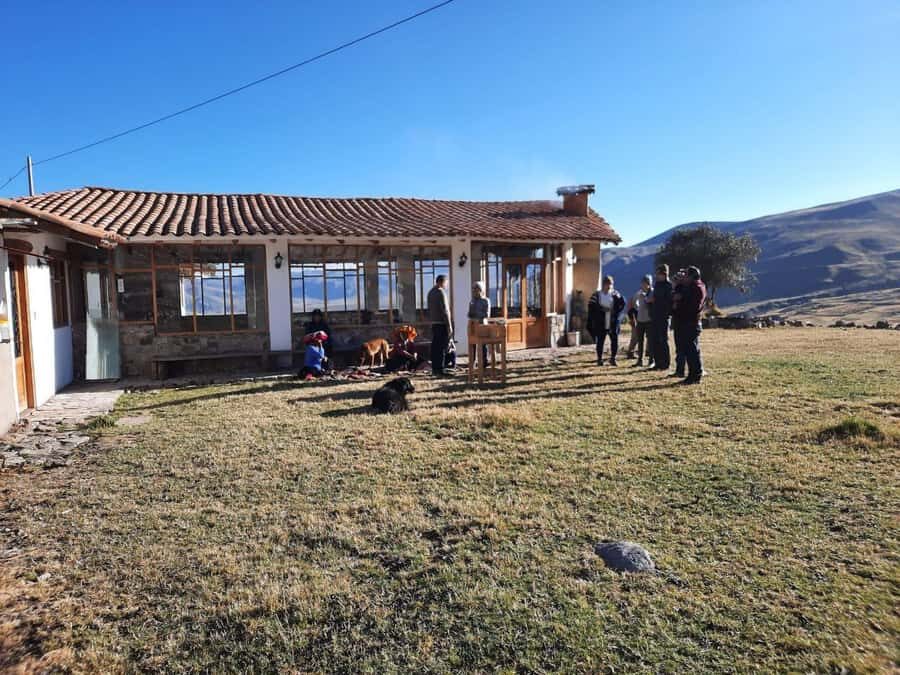
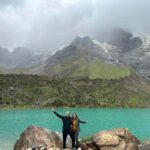
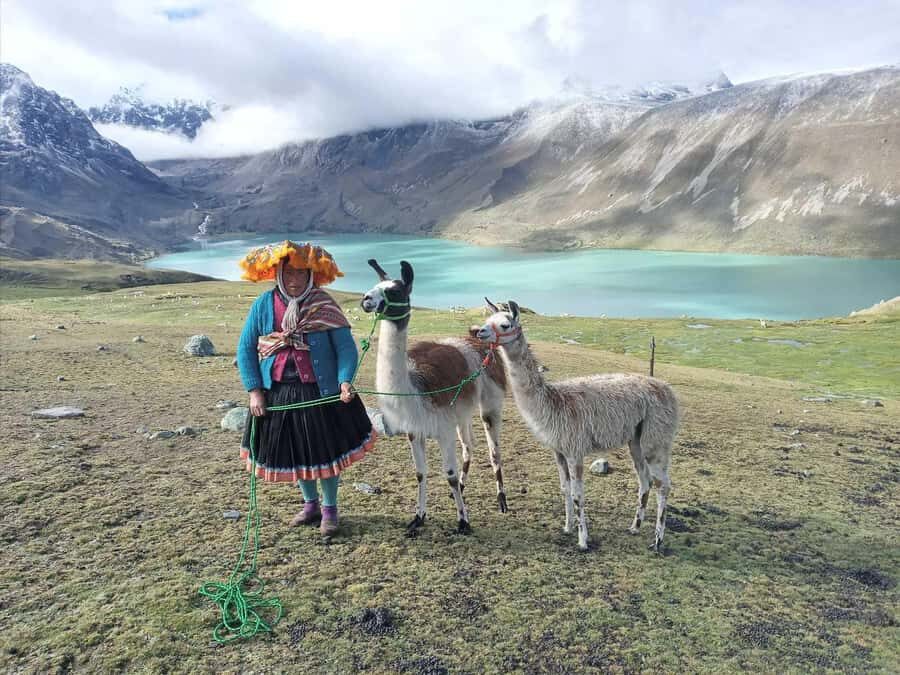
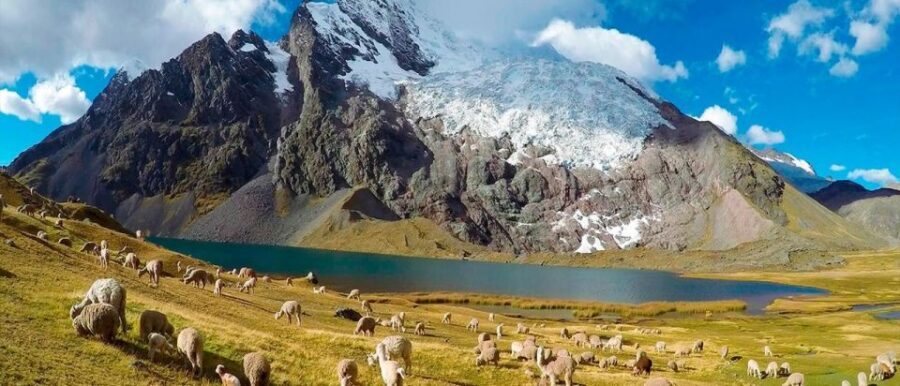
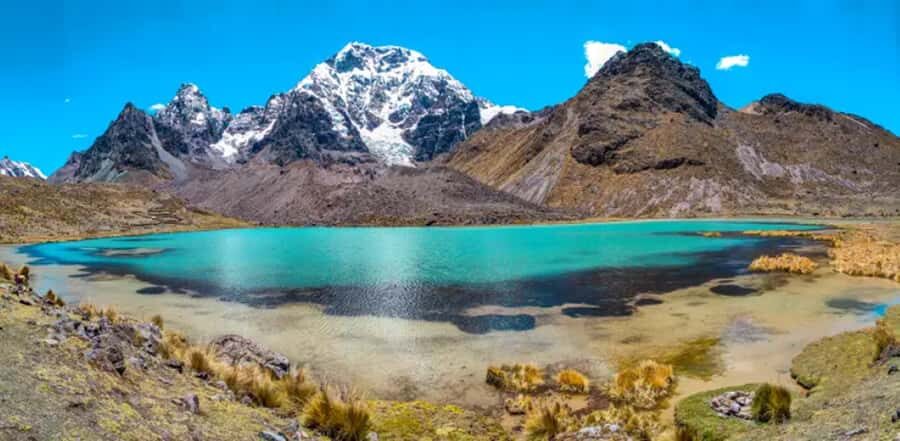
Day 2 begins at 8:00 am after breakfast. This is your day of Ausangate’s 7 lagoons—an area known for striking color and a setting at the foot of the Ausangate mountain range.
You’ll have a choice within the lagoon tour to visit the Pacchanta community village. From there, the hike to the viewpoint is about 2 hours. This viewpoint stop is important because it sets the “map” in your mind—once you can see how the lagoons spread out, the rest of the walk starts making more sense.
After the viewpoint segment, you walk another 3 hours, covering much of the lagoon area. Then you return to the starting point in the village of Pacchanta for lunch, and later you head back to Cusco.
What I like about this structure is that it avoids a common mistake: doing a short walk and calling it a lagoon tour. Here, you’re moving through the area long enough to feel the changing views and the gradual reveal of the lagoons as you approach them.
If you get even mildly nervous about cold and wind at altitude, this day still tends to be manageable if you pace yourself. Layering and steady breathing go a long way. And bring water—because once you’re out there, you’ll feel every minute you don’t have it.
Price and what you actually get for $357
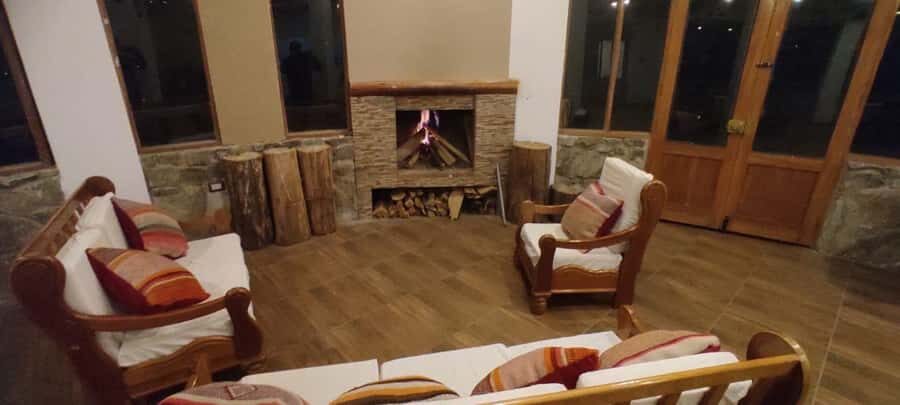
This tour is priced at $357 per group up to 2 people, and it runs for 2 days. That sounds like a lot until you look at what’s included, because you’re not just paying for a view—you’re paying for logistics, guides, meals, and an overnight stay.
Here’s what you do get included:
- hotel pickup in Cusco and tourist mobility for 2 days
- a professional guide for 2 days
- 2 breakfasts, 2 lunches, and 1 dinner
- trekking sticks and a first aid kit
- lodging in Pacchanta
For many visitors, the value is the overnight + guide + transport package. Without that setup, you’d either need to organize vehicles across multiple segments or pay separate rates for each piece. The included trekking sticks also help because trail conditions can make trekking poles feel like a smart life choice.
Still, you should budget for the items that are not included—especially entrance fees and travel insurance. Those costs don’t wreck the value, but they can change the “final price” picture.
If you’re traveling solo, or you don’t want to split a group-based price, it can feel less like a deal. But if two of you are going together and you want a guided route that covers both Vinicunca and Ausangate, it’s fairly direct.
Tickets, food, and the small expenses to plan for
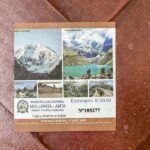
Entrance fees are not included in the price, so have a plan for cash. The tour lists these separate costs:
- Vinicunca mountain of colors: s/25
- Ausangate 7 lagoons: s/20
- Pacchanta hot springs: s/8
That totals s/53 in entrance fees for the main paid sights on this itinerary, plus whatever you want to buy on the trail for snacks or drinks. The tour does provide meals (breakfasts, lunches, and dinner), but having a little cash in your daypack keeps you calm.
Also, travel insurance is not included. That’s not a marketing line; it’s a practical one. When you’re hiking at high altitude, you want coverage that makes sense for trekking.
If you like planning ahead, pack extra sunscreen and keep it handy. The combination of bright sun, high elevation, and cold wind is why people come back with red noses and numb cheeks.
How tough is it at altitude: fitness, timing, and smart pacing
This isn’t marketed as a “light” activity. The tour explicitly says participants must be in good physical condition and that it can only be done by hiking in the two attractions and sharing the experience with local people.
It also says it’s not suitable for:
- pregnant women
- people with heart problems
- people over 80 years old
- people with low level of fitness
So if you’re unsure, don’t guess. Be honest about your current fitness. If you get winded climbing a flight of stairs, you might struggle—especially because the day involves multiple trekking segments.
One thing I’d flag from real-world experiences: people often describe Vinicunca hiking as going extremely high, around 16.5K ft. Another common note is that the altitude experience can feel intense, with some describing it as reaching about 5,000 meters. Even if those numbers vary slightly by route and conditions, the takeaway is the same: expect altitude stress and plan for a slower pace than you’d use at sea level.
Smart pacing tips that help on days like this:
- go slower than you think you need to at the start of climbs
- take short pauses for breathing (not for sightseeing)
- keep warm layers on even when the sun is out
And don’t underestimate gloves. Cold mornings can make your fingers clumsy just when you want to handle your camera or adjust clothing.
Where the trip can feel messy: meeting points and communication
This is the part I don’t want you to ignore. Even with a professional guide, the route involves multiple segments—Cusco, bus changes, community drop-offs, then a new meet-up for the next day.
Some people have described needing extra confirmation close to departure day, including verifying pickup details and whether the tour is running. Others have described mix-ups with names/phone numbers and the need to be redirected to a different meeting guide or group segment.
You can protect yourself from most of that stress with a simple routine:
- confirm your pickup location and timing the day before
- keep your phone charged and have messaging available
- arrive early at the hotel pickup point so you’re not waiting in cold dark streets
This doesn’t mean you should expect chaos. It means you should act like a traveler, not a passenger. If communication is patchy for any reason, your job is to make sure you still meet the right person at the right time.
Once you’re moving on the trail, the experience tends to win people over quickly because the scenery does the heavy lifting.
Packing for Vinicunca colors and Ausangate cold
The tour lists a solid packing list, and I’d stick close to it. High altitude is mostly about layers, sun protection, and keeping your hands functional.
Bring the essentials they mention:
- passport or ID
- comfortable shoes and hiking shoes
- warm clothing, breathable layers, hiking pants
- sunglasses, sun hat, plus a hat
- gloves, socks
- sunscreen (biodegradable is recommended) and sunglasses protection
- rain gear
- towel and change of clothes
- water and a daypack
- camera
- flashlight
- biodegradable insect repellent
And a small pro tip: if your sunscreen is thick and greasy, it can freeze or feel weird in cold wind. A lighter formula tends to work better when you’re constantly adjusting layers.
Also consider carrying trekking gear beyond just poles, like a small zip bag for trash and a snack you can eat if you feel off. The included meals are scheduled, but mountains don’t care if your stomach needs a little extra reassurance.
Should you book this Rainbow Mountain and Ausangate 7 Lagoons tour?
Book it if you want one tight 2-day plan that covers both the famous Vinicunca colors and the longer Ausangate 7 lagoons walk, with an overnight in Pacchanta and a chance to soak in hot springs.
Skip (or switch to a gentler option) if you’re not confident with altitude hiking, if you have heart-related limitations, or if cold mornings and long climbs make you nervous. This isn’t a “try it and see” kind of day.
If you do book, do two things to make your trip smoother:
- confirm pickup details ahead of time
- pack like you’re going to a cold, sunny place that might rain
When it’s working well, this is the kind of itinerary that gives you two unforgettable mountain views in one trip—without you spending your energy figuring out the route.
FAQ
How long is the Rainbow Mountain and Ausangate 7 Lagoons excursion?
It lasts 2 days.
What’s included in the price?
Pickup from your hotel in Cusco, tourist mobility for 2 days, a professional guide for 2 days, 2 breakfasts, 2 lunches, 1 dinner, trekking sticks, a first aid kit, and lodging in Pacchanta.
Are entrance tickets included for Vinicunca, Ausangate 7 lagoons, and hot springs?
No. Entrance tickets are listed separately: Vinicunca s/25, Ausangate 7 Lagunas s/20, and Pacchanta hot springs s/8.
What time does the second day start?
Day 2 starts at 8:00 am after breakfast.
What languages are the guides?
The tour is available with a live guide in English and Spanish.
Is this tour suitable for everyone?
It requires participants to be in good physical condition and is not suitable for pregnant women, people with heart problems, people over 80 years old, or people with low fitness.