REVIEW · CUSCO
From Cusco: 2-Day Sacred Valley and Machupicchu by Train
Book on GetYourGuide →Operated by FLY CUSCO PERU Travel Agency · Bookable on GetYourGuide
One tight itinerary can feel like a sprint—this one slows down. You’ll cover the Sacred Valley highlights like Pisac and Ollantaytambo, then ride the train to Aguas Calientes for an easy, guided Machu Picchu day. I like the pacing and the included logistics, especially the door-to-door transport and the guided context. One thing to keep in mind: you’ll spend part of Day 1 around textile and craft stops where buying may be encouraged.
I also like that you can choose between train types (standard or Vistadome 360° panoramic) for the ride into Machu Picchu. The small-group setup (up to 10) helps the day feel more controlled than the big-bus chaos. The main drawback is that some key entrances besides Machu Picchu itself cost extra, so your final budget needs a little planning.
In This Review
- Key things I’d clock before you go
- A two-day Cusco to Machu Picchu plan that actually breathes
- Day 1 in the Sacred Valley: alpacas, Pisac, Ollantaytambo, and time to look
- Awana Kancha and Taray Viewpoint: the easy intro that sets the tone
- Pisac Market and the Inca agriculture story you don’t want to miss
- Ollantaytambo terraces and the train ride to Aguas Calientes
- Hotel night in Aguas Calientes: where the trip becomes easy
- Day 2 at Machu Picchu: main gate, classic photo, and the lower part
- Price and value: what’s included, what costs extra, and where to watch your budget
- Small group, door-to-door comfort, and the shopping pressure reality
- Should you book this Cusco to Machu Picchu by train tour?
- FAQ
- What time does the tour pick you up in Cusco?
- What train options are available for the Ollantaytambo to Aguas Calientes ride?
- Where do you sleep overnight?
- Is lunch included on the Machu Picchu day?
- Do you need extra tickets for Pisac and Ollantaytambo?
- Is Wayna Picchu included, or do you pay extra?
Key things I’d clock before you go
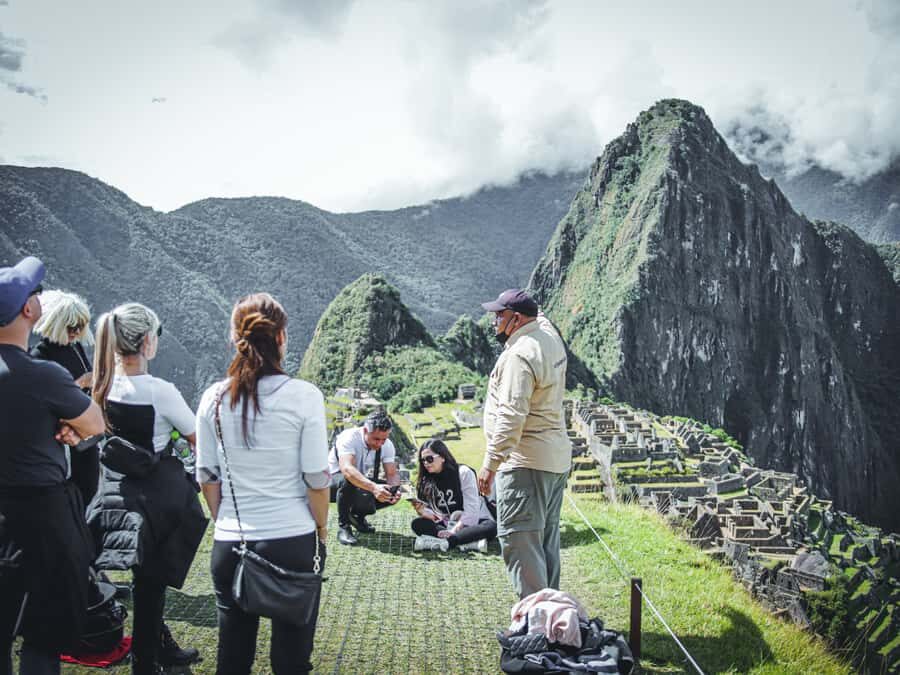
- Small group (up to 10) means you’ll get more guide time and less waiting around
- One-night hotel in Aguas Calientes saves you from an exhausting same-day rush
- Two train options let you decide how much you want to pay for extra panoramic marketing
- Guided Machu Picchu by bus and entrance ticket keeps you from dealing with the maze on your own
- Pisac and Ollantaytambo park entrances are extra even though the day includes sightseeing with a guide
A two-day Cusco to Machu Picchu plan that actually breathes
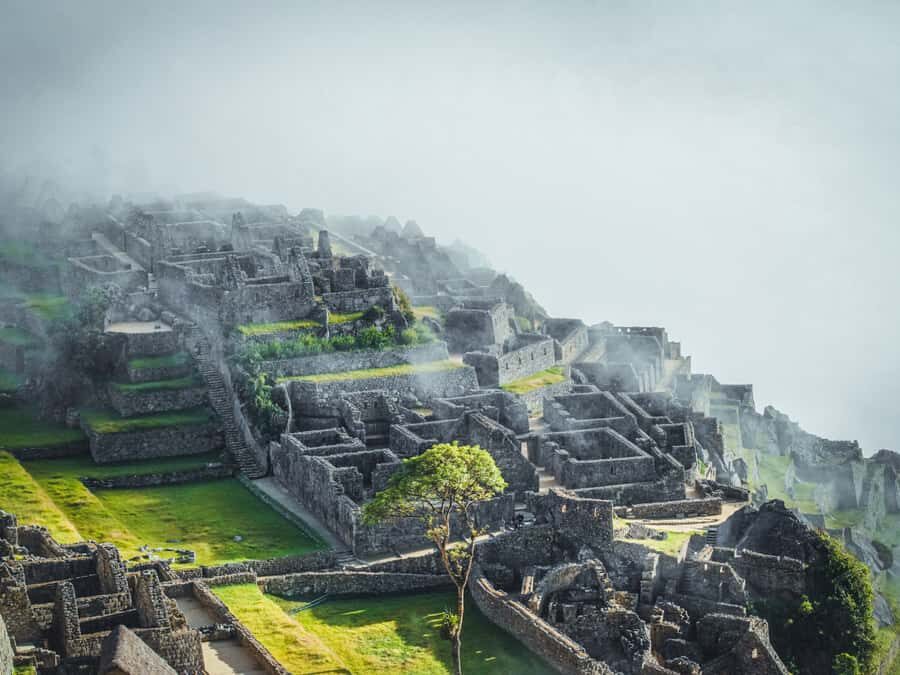
Machu Picchu is intense on its own. The real win here is you’re not trying to cram everything into a single day from Cusco. You get Day 1 for Sacred Valley sites and train travel, then a real hotel night, then Day 2 for Machu Picchu with a guided visit.
That structure matters because it turns the trip into steps you can handle. You’re not negotiating buses, trains, and entry times while tired or rushing. Instead, you follow a set flow: pick-up from your Cusco hotel, guided touring, train ride to Aguas Calientes, then another guided day at Machu Picchu.
I also like how the trip uses included “anchors.” You’re not left guessing about timing for getting to Machu Picchu. The tour includes the Machu Picchu entrance ticket, the bus up and down from Aguas Calientes, and the guided visit through the sanctuary. That’s a lot of moving parts, bundled into one plan.
A few more Cusco tours and experiences worth a look

Day 1 in the Sacred Valley: alpacas, Pisac, Ollantaytambo, and time to look
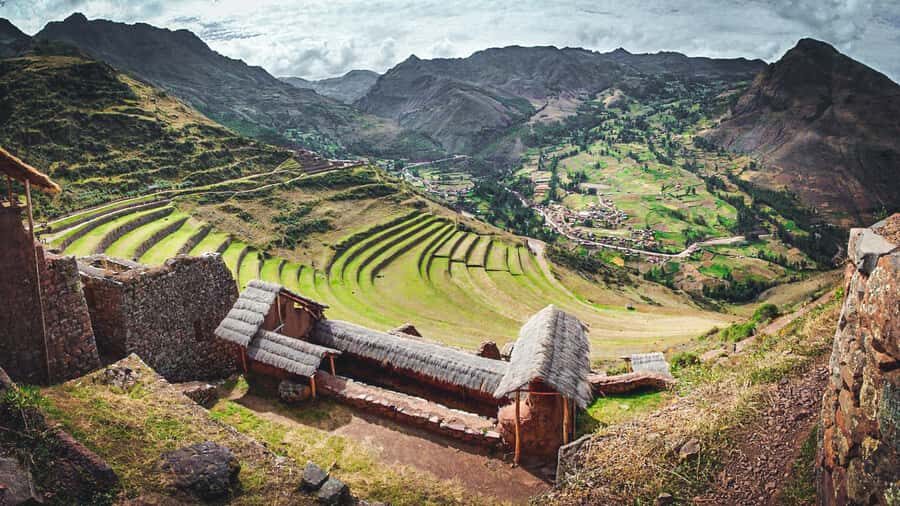
Day 1 starts with a hotel pick-up in Cusco at 7:45 AM. You’ll begin after breakfast at your hotel, and your transport moves toward the Sacred Valley while passing major Cusco-area Inca sites—Sacsayhuamán, Qenqo, and PucaPucara—without stops. Translation: you get the scenic route and context, but not a long detour.
The first proper experience stop is at Awana Kancha for about 30 minutes. This is a textile-and-fiber education moment, focused on weaving and what you can learn from the animals (llamas, alpacas, and vicuñas). You’ll have time for photos, and it’s a good way to connect what you’ll see later—Inca agriculture, trade, and how everyday materials were made.
Next, you go to Taray Viewpoint. This is where you get the classic Sacred Valley view—terraces along the Urubamba River—and the timing is built in for photos. If you care about getting the kind of picture people frame and hang, this stop is a strong use of time.
Then you head into Pisac Archaeological Park. You’re driven up to the Inca site for views over the valley, and the guide helps you understand what you’re looking at: temples, residences, altars, irrigation channels, and especially the agricultural methods. This is one of those visits where the site makes more sense once you understand how they used the slopes and water.
Awana Kancha and Taray Viewpoint: the easy intro that sets the tone
Awana Kancha works well early in the day because it’s not only scenery. It’s a fast, practical lesson about fibers and weaving, and it pairs nicely with what the guide later explains about land use. You’ll also see multiple animal types, which makes the stop feel more like an interactive experience than a quick photo pull-and-go.
Taray Viewpoint then shifts you from education to visuals. You’ll spend time capturing the Sacred Valley terraces and river views. The viewpoint is also strategically placed, so you’re not rushing into Pisac with no buffer.
One realistic note: A tour like this typically includes moments where you can buy textiles or souvenirs nearby. In past groups, the sales pitch around alpaca textiles and certain shops has been described as a little pushy. If you’re not shopping, you can still enjoy these stops—just be mentally prepared for a shopping vibe.
Pisac Market and the Inca agriculture story you don’t want to miss
After Pisac’s ruins, you’ll visit the Pisac Market in the village area. This is the traditional market stop where you can interact with local people and pick up small souvenirs—pottery, jewelry, and textiles are specifically called out. I like this part because it gives you a different angle from the archaeological site. You see what’s still being made and sold in the area today.
Then comes lunch. You’ll enjoy a buffet lunch around 1:00 PM in a restaurant that offers vegetarian options. Having lunch included (and not something you have to hunt down) keeps the day from breaking. It also gives you energy for the afternoon because Ollantaytambo isn’t a short, flat stroll.
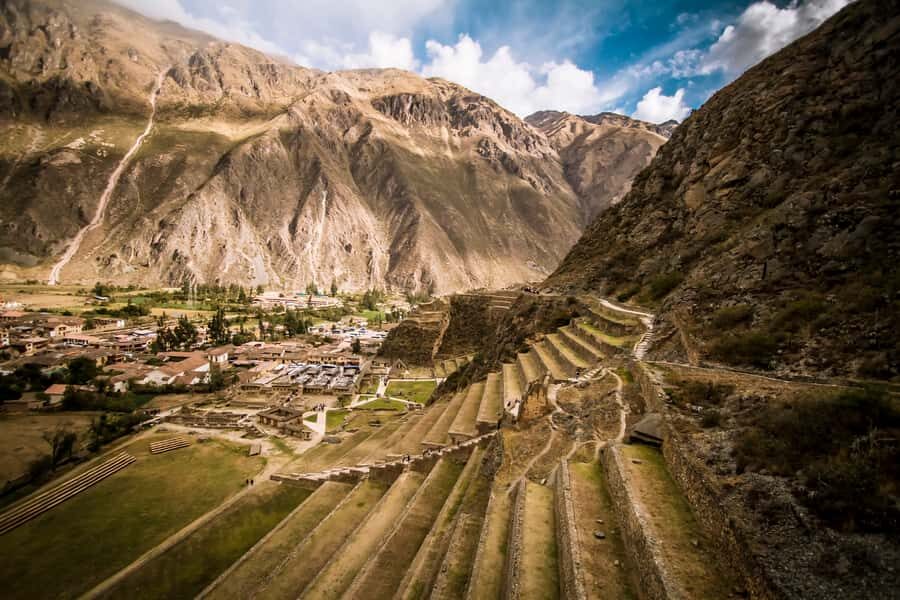
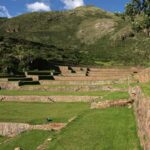
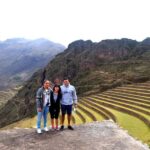
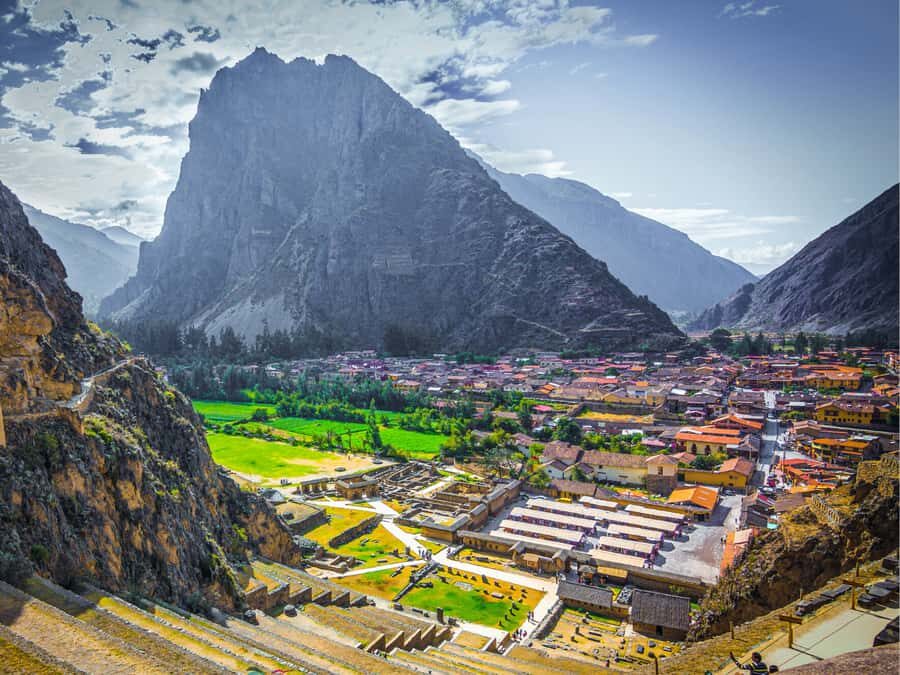
The afternoon centerpiece is Ollantaytambo Archaeological Park. You’ll see the terraces and ruins and learn why this place was so protected: it was tied to the road to Machu Picchu, so it mattered during the Spanish invasion period. This stop feels like the Sacred Valley “setup” for what comes next, because it links the route to the destination.
Ollantaytambo terraces and the train ride to Aguas Calientes
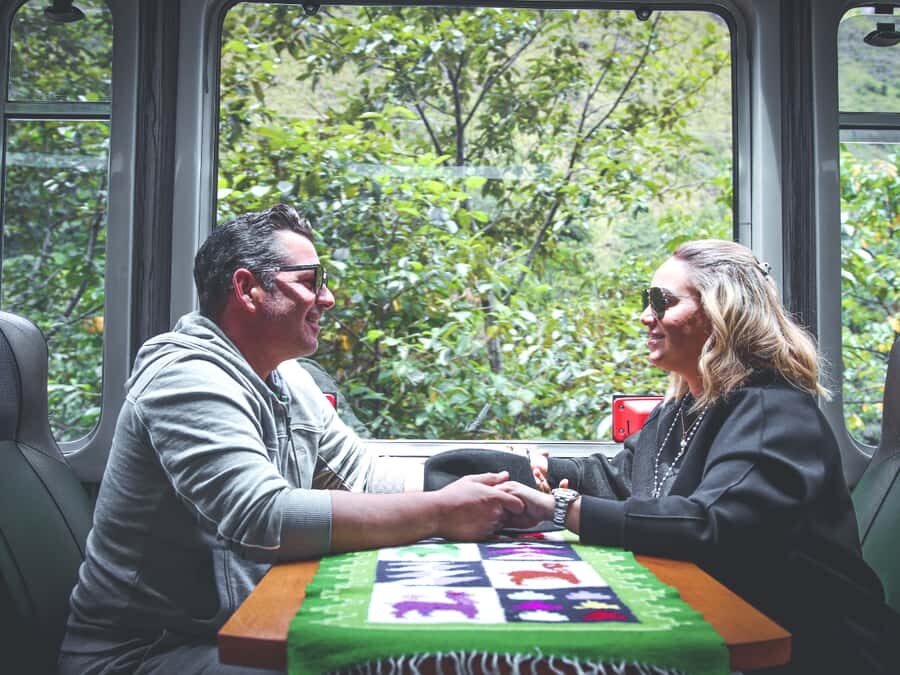
After Ollantaytambo, you head to the station to board your selected train. You’ll have about a 1 hour 45 minute ride to Aguas Calientes with built-in mountain-terrain views. The tour gives you a real choice at booking: a standard train option or the Vistadome 360° panoramic option.
Here’s the practical way to think about it: the panoramic train is marketed for the window experience, but the difference may not feel night-and-day once you’re looking out at the same ridgelines and valleys. If you’re trying to get the most value, you don’t need to automatically pay extra for “bigger windows.” Spend that money where it counts—like budgeting for the extra park entrances you’ll likely need.
You arrive in Aguas Calientes around 6:10 PM. Your transport then takes you from the train station to your hotel, and you’ll have the rest of the evening free.


Hotel night in Aguas Calientes: where the trip becomes easy
Your overnight stay is included for one night at a 3-star hotel: Inti Punku Machupicchu Hotel & Suites or a similar property. Breakfast is included for Day 2, and you’ll get a bottled water as part of the trip.
The best part of the hotel night is what you avoid. You don’t have to rush Machu Picchu prep on the same day you arrive. Instead, you can eat, slow down, and be ready for an early start.
You also get a free afternoon in Aguas Calientes. The tour doesn’t fill every minute with scheduled activities, which is useful if you want a calmer evening or if you want to grab lunch on your own (Day 2 lunch is not included, so planning ahead helps). This flexibility is one of the reasons a two-day format works so well.
Day 2 at Machu Picchu: main gate, classic photo, and the lower part
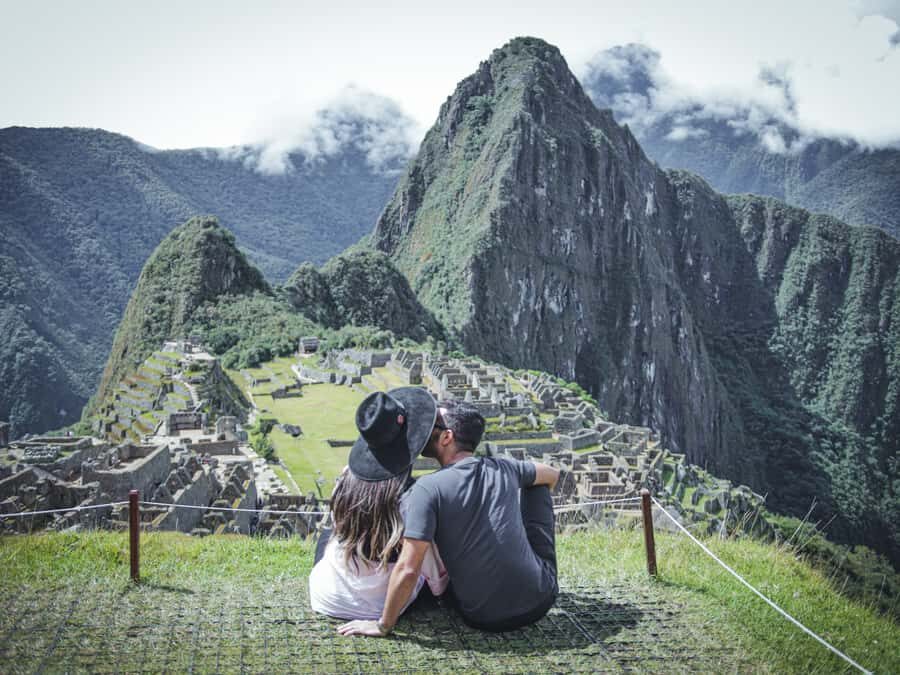
Day 2 begins with breakfast at the hotel, then you’re guided to the bus station in town. The bus takes you up to the main gate of Machu Picchu.
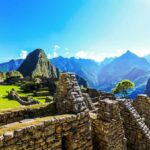
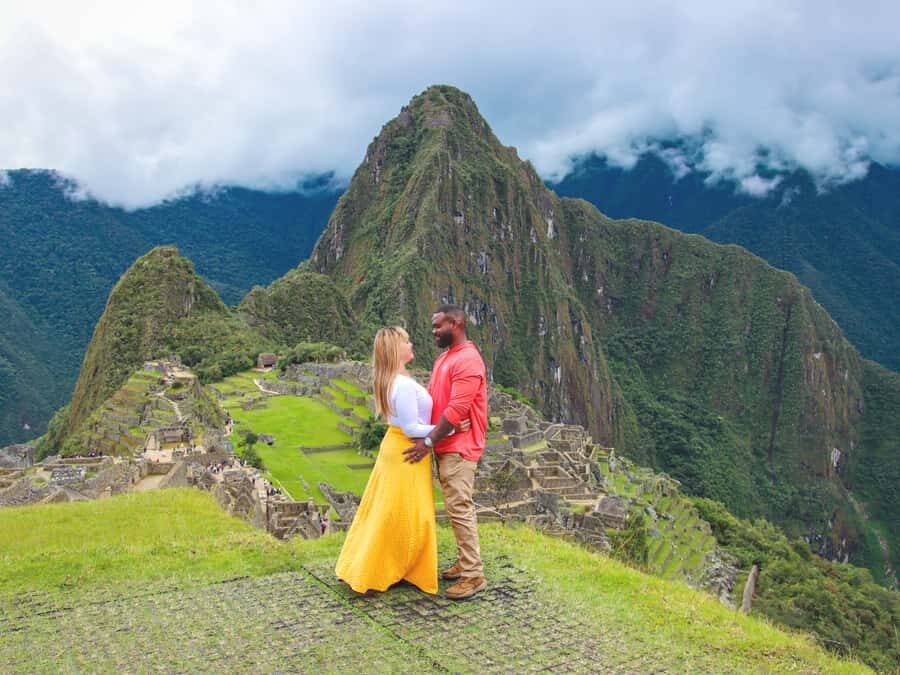
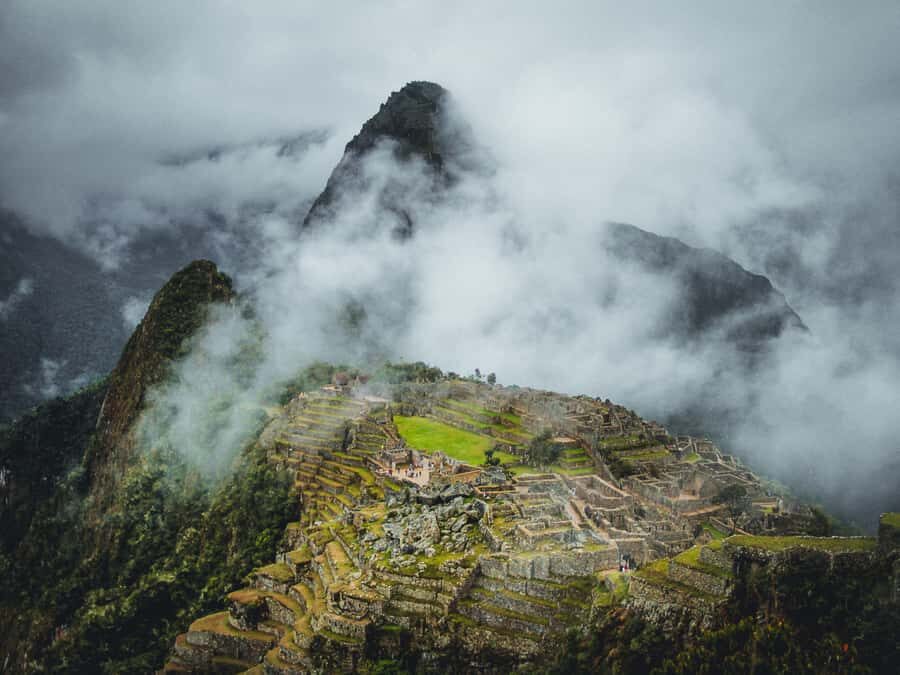
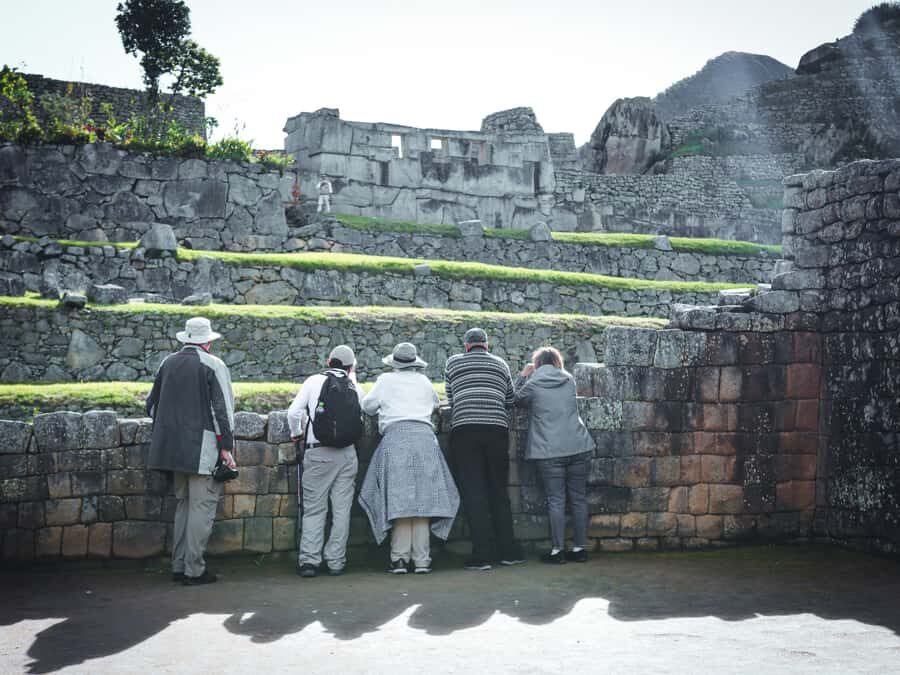
Your guided experience includes the classic “first views” moment: you’ll take the iconic photo from the higher part of Machu Picchu, then continue to the lower part. The guide shares history and helps you connect the ruins to how the site was organized and used. You’re not just walking paths with nothing to anchor the view.
This matters because Machu Picchu can feel like a maze if you’re trying to interpret everything alone. With a guide, you know why each section is there and what questions to ask as you move. It turns the same stone and terraces into something more meaningful.
After the visit, you’ll take the bus back down to Aguas Calientes. You’ll have time for lunch, but lunch is not included. Later, you board the train back to the Ollantaytambo station, and then transport returns you to your Cusco hotel. The estimated arrival back in Cusco is around 6:30 PM.
Price and value: what’s included, what costs extra, and where to watch your budget
The price is $499 per person, and value comes from what you’re not paying separately. You get:
- Hotel for 1 night in Aguas Calientes
- Breakfast for Day 2
- Round-trip train between Ollantaytambo and Aguas Calientes (train class selected when booking)
- Bus tickets for Aguas Calientes ↔ Machu Picchu ↔ Aguas Calientes
- Machu Picchu entrance ticket
- Guided visits (Sacred Valley on Day 1 and Machu Picchu on Day 2)
- Door-to-door transport in Cusco and return transfer on Day 2
That’s a lot of “expensive pieces” bundled together. Machu Picchu entry, train routing, and the hotel night alone can add up fast if you book everything separately.
Now the costs to plan for:
- Pisac and Ollantaytambo archaeological park entrance tickets: $20
- Lunch and dinner (not included)
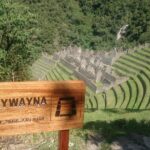
- Wayna Picchu: $30, and you must request it months ahead because it depends on availability
Also note: the tour is non-refundable, so you’ll want to be confident about your dates before booking. If you’re the type who likes backup plans, take that seriously.
Small group, door-to-door comfort, and the shopping pressure reality
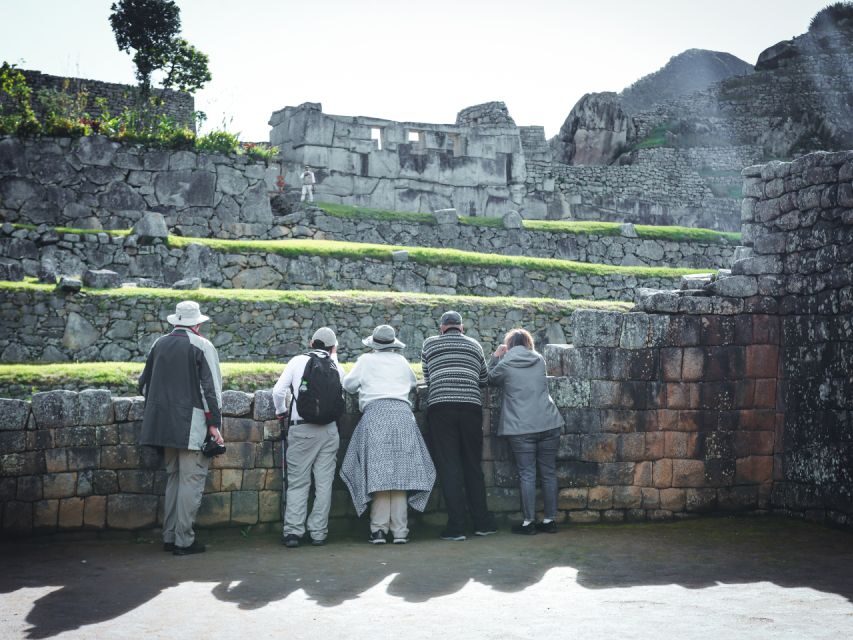
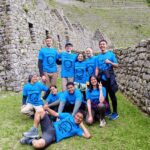
This is a small-group tour limited to 10 participants. That helps with flow—less time waiting for people, and easier pacing for the guide. You also get real comfort in the logistics: hotel pick-up and drop-off in Cusco and transfers around the train station.
Guide quality seems to be a major strength. People have specifically praised guides like Justino for strong Sacred Valley interpretation, and Judy for an excellent Machu Picchu day. Others have called out guides including Ivone and Martín, too. What you should take from that: you’ll spend a lot of your time with a live guide who explains more than just the basics.
One caution: the day includes textile and craft-related stops, including an alpaca/textile learning moment and market areas. Even when the explanations are genuinely interesting, you may feel a sales push. If you’re not buying, set a simple boundary for yourself—enjoy the learning and scenery, and keep your wallet closed.
And about the train upgrade: don’t assume the most expensive window option is automatically the best choice. The ride is still the ride, and you’re already traveling through the same route. Choose based on your budget, not on the feeling that you must “upgrade” to see anything.
Should you book this Cusco to Machu Picchu by train tour?
I’d book this tour if you want a guided Sacred Valley day, a stress-free train setup, and a Machu Picchu visit that’s organized enough to let you focus on the ruins instead of the schedule. The two-day format is the real payoff: it prevents the trip from turning into one long scramble.
Book it if:
- You’d rather spend time learning than figuring out transport
- You like the idea of a small group and door-to-door service
- You want a hotel night in Aguas Calientes so Day 2 starts calmer
I’d think twice if:
- You’re very price-sensitive and you want to control every entrance ticket yourself
- You hate any shopping pressure and want a tour with zero retail-adjacent stops
- You’re not ready to provide passport details soon after reserving
If your goal is to see the big Sacred Valley hits and Machu Picchu with fewer headaches, this is a solid way to do it.
FAQ
What time does the tour pick you up in Cusco?
Pickup is at 7:45 AM from the lobby of your hotel after breakfast.
What train options are available for the Ollantaytambo to Aguas Calientes ride?
You can choose between a normal train and the Vistadome 360° panoramic train when booking.
Where do you sleep overnight?
You stay for one night in Aguas Calientes at a 3-star hotel (Inti Punku Machupicchu Hotel & Suites or similar).
Is lunch included on the Machu Picchu day?
No. Lunch on Day 2 in Aguas Calientes is not included.
Do you need extra tickets for Pisac and Ollantaytambo?
Yes. Entrance tickets for the archaeological parks of Pisac and Ollantaytambo cost $20 and are not included.
Is Wayna Picchu included, or do you pay extra?
Wayna Picchu is not included. The ticket is $30, must be requested a few months in advance, and depends on availability.