REVIEW · CUSCO
From Cusco: City tour 4 ruins + Qoricancha
Book on GetYourGuide →Operated by Chullos Travel Peru · Bookable on GetYourGuide
Five hours, four ruins, and one golden stop. This is a compact Cusco tour built to help you get your bearings fast, starting at Qoricancha and moving through major Inca ceremonial and military sites with a bilingual guide. I especially loved seeing the religious complex at Qoricancha, where Inca design and Spanish-era overlay are impossible to ignore, and I also liked the sheer scale of Sacsayhuamán, with walls that still look engineered rather than ruined.
The main drawback to watch for is timing: you’re on a schedule, and the tour can include extra stops that may eat into your viewing time, so keep your expectations realistic and wear your “flexible traveler” hat.
In This Review
- Key Things That Make This Tour Work
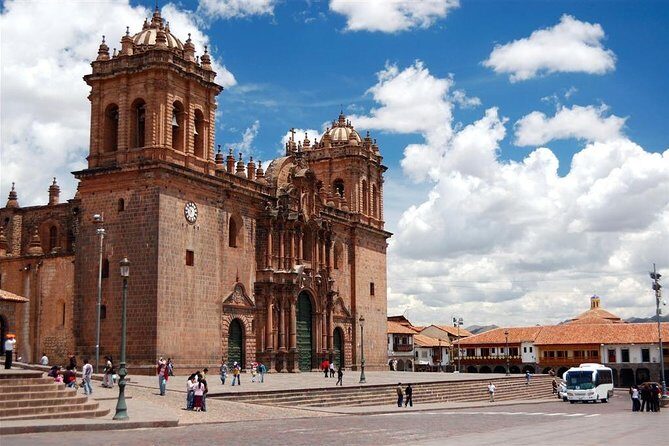
- Starting at Plaza de Armas: Easy, Central, Altitude-Friendly
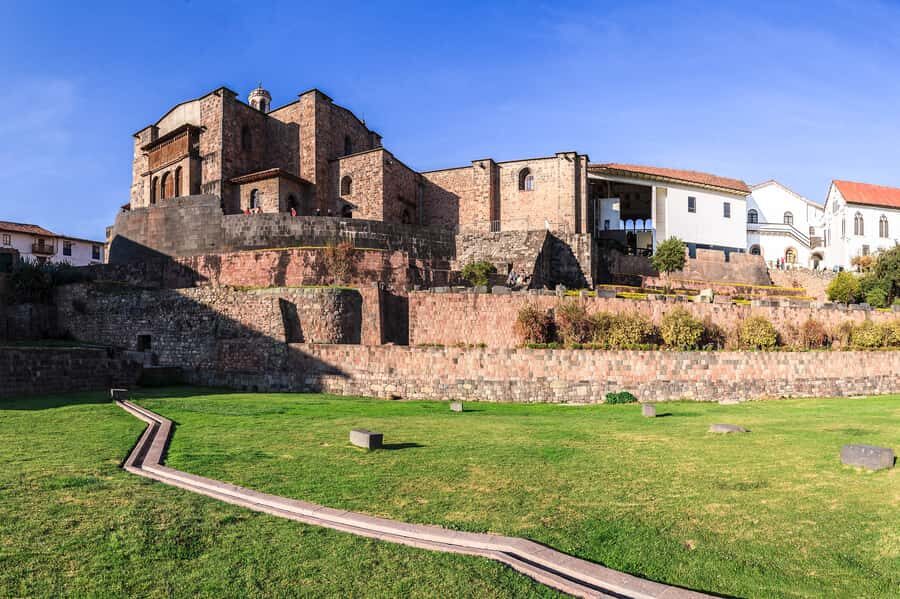
- Qoricancha: Inca Gold Meets Spanish-Era Layers
- Sacsayhuamán: The Inca’s Stone Walls Still Feel Serious
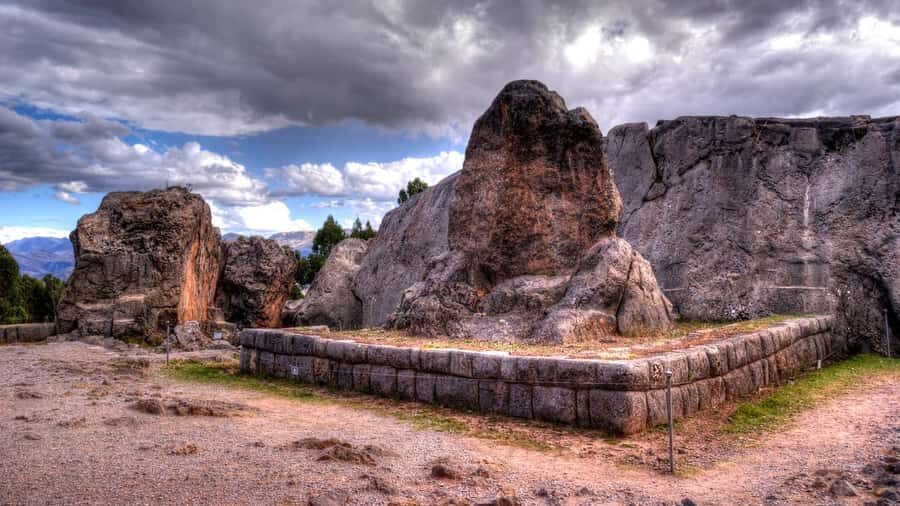
- Qenqo: Ceremony Carved Into a Rock Formation
- Puca Pucara: Cusco’s Defensive System in Miniature
- Tambomachay: Water Worship, Canals, and Purification
- Price and Value: What You’re Paying For
- Guide Quality Matters: Names You Can Use as a Clue
- Logistics and Timing: Where Small Delays Can Hurt
- What to Bring (So Cusco Doesn’t Beat You)
- Who This Tour Fits Best (And Who Should Rethink)
- Should You Book This Cusco City Tour?
- FAQ
- Where does the tour start in Cusco?
- How long is the tour, and what time slots are offered?
- What is included in the price?
- What is not included?
- Do I need to buy a tourist ticket for the ruins?
- Is this tour suitable for people with vertigo?
Key Things That Make This Tour Work
- Qoricancha first: A strong opener near Plaza de Armas sets the Inca vs Spanish story right away.
- Real Inca engineering: Sacsayhuamán is a must for anyone who likes stonework and military logic.
- Stops with different purposes: Ceremony (Qenqo), defense (Puca Pucara), and water worship (Tambomachay).
- Bilingual guide support: English and Spanish live guidance keeps the route understandable.
- A 5-hour plan: Long enough to learn, short enough to pair with other Cusco sights.
Starting at Plaza de Armas: Easy, Central, Altitude-Friendly
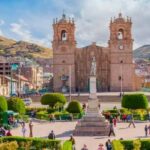
The tour meets at Cusco’s Plaza de Armas, with two shifts. The morning shift runs roughly from 8:40–9:00 a.m. until about 2:30 p.m., and the afternoon shift runs about 12:40–1:00 p.m. until around 6:30 p.m. On Sundays, timing can shift a bit because some sites open later, so it helps to avoid tight same-day plans.
If you want to use this day to acclimatize, this tour’s pacing can make sense. One helpful review tip was doing it on your first day in Cusco, since you’ll be moving at a guided pace without committing to a full day excursion far outside the city.
Transport is included, but you should still expect walking between stops. Bring comfortable shoes because Cusco isn’t a smooth sidewalk city, and you’ll want your feet to be happy.
You can also read our reviews of more city tours in Cusco
Qoricancha: Inca Gold Meets Spanish-Era Layers
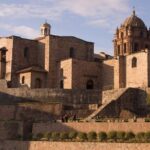
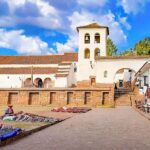
You start with a short walk (about three blocks) from Plaza de Armas to Qoricancha, also known as the Temple of the Sun. The experience begins with a guided tour on site, so you don’t just stare at walls—you get the story behind why this place mattered.
What makes Qoricancha a great first stop is that it visually explains the big theme of Cusco: power changes, but sacred sites often keep their importance. You’re seeing an Inca religious complex that later Spanish influence also touched, giving you a two-culture lens without needing a lecture hall.
This stop is also ideal for photos, especially when the sun hits the stone and you can trace how the complex was built and reused. It’s the kind of place where you’ll quickly understand why people call it iconic.
Sacsayhuamán: The Inca’s Stone Walls Still Feel Serious
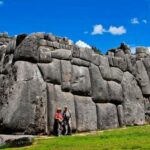
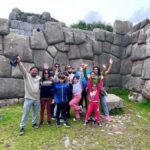
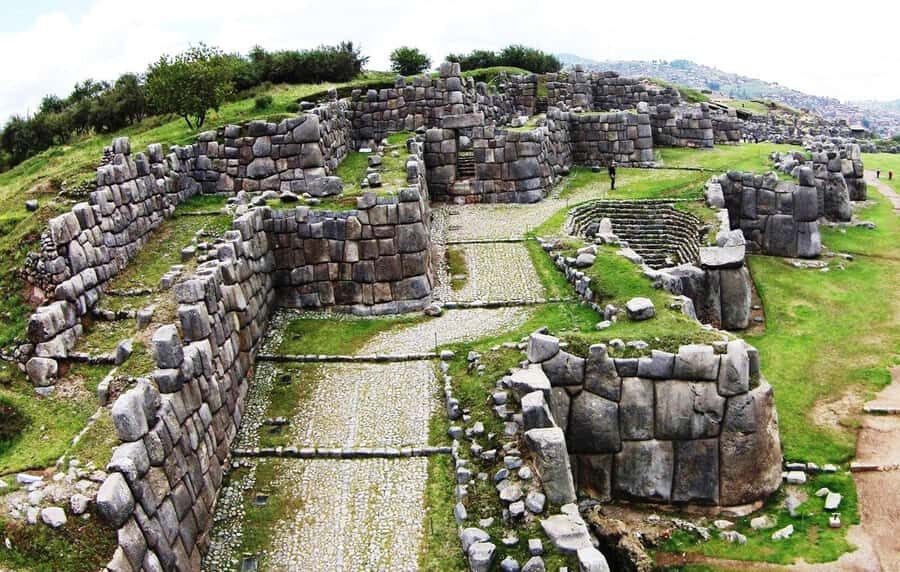
Next comes Sacsayhuamán, one of the most impressive examples of Inca military architecture near Cusco. Expect big, carefully assembled stone walls and a setting that makes the word fortress feel more than just a metaphor.
This is where the tour earns its “Inca riches” promise in a practical way. Instead of only learning abstract history, you’re seeing how Inca engineering created defensive strength—walls, angles, and layout that make sense if you picture the city as something that had to be protected.
If you’re the type who likes architecture details, this stop usually lands hardest. Even if your Spanish isn’t perfect, a good guide can point out what to look for, and a bilingual tour helps keep that flow going.
Qenqo: Ceremony Carved Into a Rock Formation
After Sacsayhuamán, the itinerary takes you to Qenqo, described as an ancient ceremonial center built into a natural rock formation. The setting is part of the point: you’re not just visiting a built temple, you’re stepping into a space where nature and ritual space get combined.
Qenqo is a good contrast stop. After the military focus of Sacsayhuamán, Qenqo shifts you toward religion and ceremony—how people structured sacred space and used it as part of daily worldview.
One practical note: stone sites can feel exposed to wind and sun, so sunglasses and sunscreen matter more than you might think. Cusco light can be sneaky. Bring a hat if you have one.
Puca Pucara: Cusco’s Defensive System in Miniature
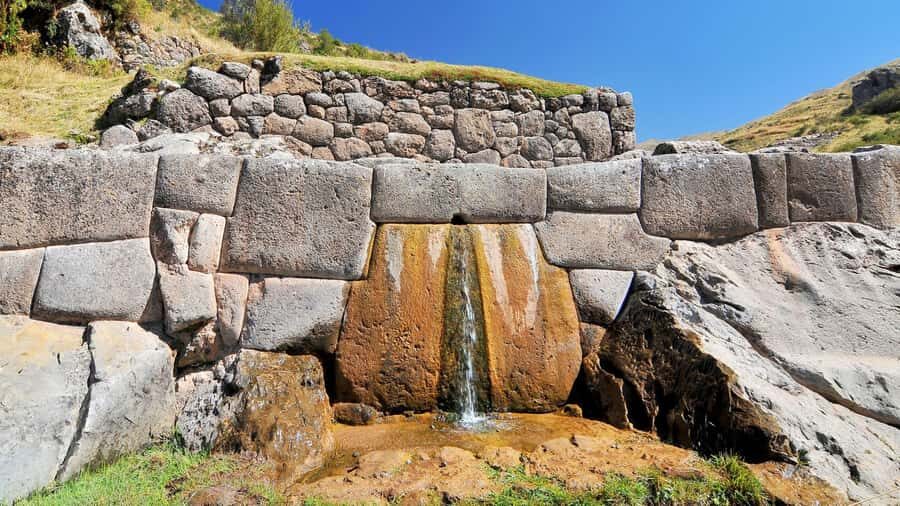
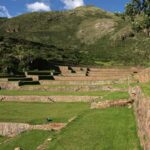
Next is Puca Pucara, a military fortress that was part of Cusco’s defensive system. You’ll see walls, terraces, and stairways designed for movement and control rather than comfort.
This stop helps connect the dots between “fortress” and “system.” Instead of only one big site, you get another piece of the defensive logic around Cusco, which makes the story feel more complete.
If you’re traveling with family or friends who like different things, this is a nice middle ground. The terraces and stairways are visual and easy to understand, even when you’re still learning the background.
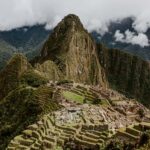
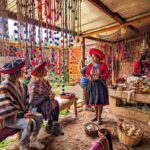
Tambomachay: Water Worship, Canals, and Purification
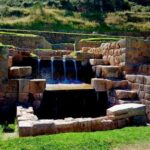
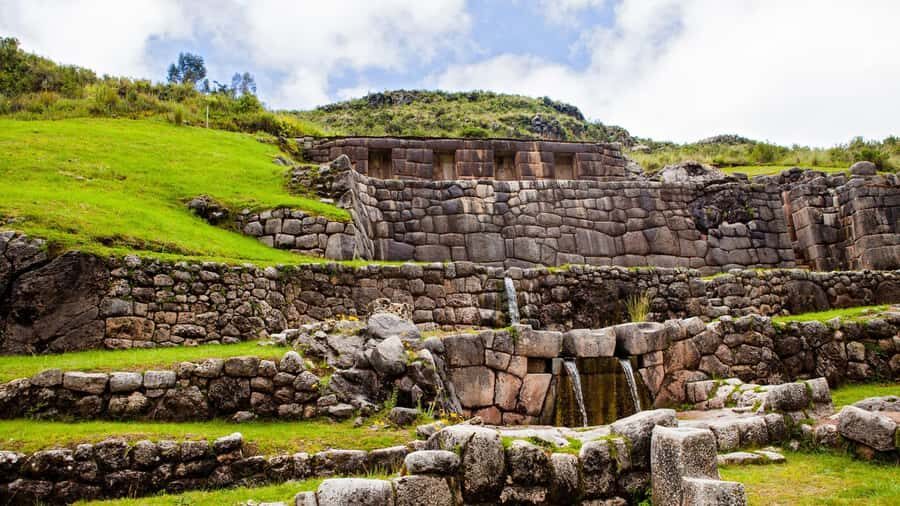
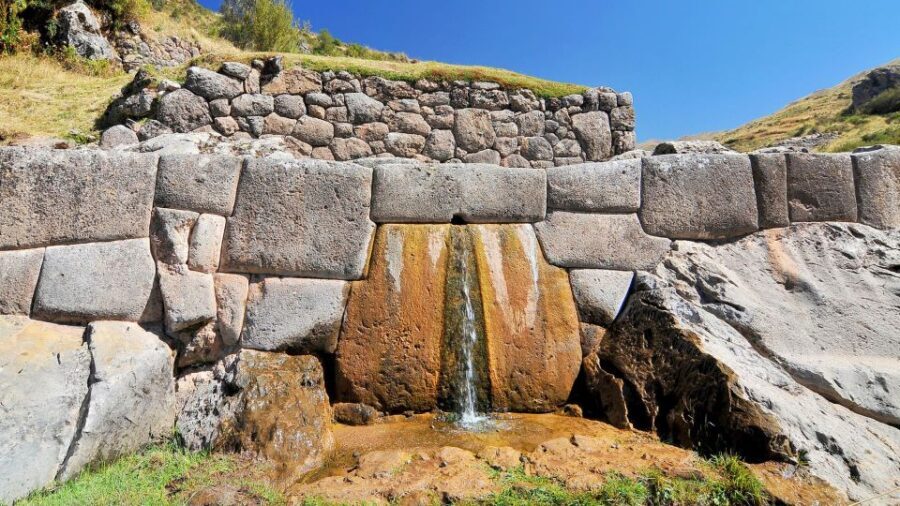
The tour ends at Tambomachay, an archaeological site tied to worship of water and purification. The key features are the canals and fountains, which are easy to notice once you’re there, even if you’re not a history nerd.
Why end here? Water sites can feel grounding after several stone-heavy stops. You shift from defensive architecture to a different kind of sacred function, and the canals give you something physical and tangible to focus on.
This final stop is also a good reminder that the Incas weren’t only about walls and warfare. They also designed sacred systems for everyday life—water, ritual, and purification in one place.
Price and Value: What You’re Paying For
At $11 per person (and about 5 hours on the clock), this tour can be a strong value if you want a guided overview without buying every single entrance on your own.
Here’s the catch: entrances are not included. That means you’ll likely need to budget for a ticket called Boleto Turístico (often referred to as the tourist ticket) and choose the right version depending on what you’ll visit next. One smart tip from a traveler was considering the full tourist ticket if you plan to visit more archaeological parks after this tour. Students can have a cheaper option, but it’s a good idea to verify pricing before you buy so there are no surprises at the counter.
So the value equation looks like this:
- You’re paying for transport + bilingual guide and a set route through several major sites.
- You’re paying separately for site entrances, which can be a meaningful add-on.
If you only want a fast taste of Inca Cusco within the city, this works well. If you already know you’ll do multiple archaeological parks, your best move is to plan your ticket strategy early so you don’t overpay.
Guide Quality Matters: Names You Can Use as a Clue
Tour quality usually comes down to the guide. In this tour, you may meet different bilingual guides, and some reviews point to standout service.
For example, Werner was described as very attentive, and another guide, Angélica, received praise for historical knowledge. On the logistical side, a guide named Sam helped fix confusion when a traveler had trouble finding the right group at Plaza de Armas.
What I’d take from that, as a practical traveler: arrive a little early at Plaza de Armas and double-check your group name or booking details. If there’s any mix-up, don’t panic—good guides usually handle it quickly.
Logistics and Timing: Where Small Delays Can Hurt
Because this is a tight 5-hour route, timing matters. Some travelers experienced late transport, and in at least one case the schedule felt tight enough that later sites got rushed. Another issue that can pop up on tours like this is stopovers that aren’t exactly what you thought you were buying into, such as time spent at a store.
None of that means the tour is bad. It means you should treat it like a guided city plan, not a slow museum crawl. If you’re someone who wants long, quiet time at each ruin, you might prefer a different style of tour (or pair this with extra independent time later).
One simple fix: wear good shoes, carry water in a way that fits the rules, and keep your expectations aligned with a structured route.
What to Bring (So Cusco Doesn’t Beat You)
You’ll move through outdoor sites, and altitude is part of the background. For this tour, I’d pack the basics the operator recommends:
- Passport or ID card
- Comfortable shoes
- Sunglasses
- Sunscreen
- Hat
- Camera
Also: coca tea before the tour can help some people cope with altitude. I’m not promising miracles, but it’s a common Cusco habit and it can make the start feel easier.
Not allowed items include pets and alcohol/drugs, plus no drinks in the vehicle and no littering. If you’re the type who brings snacks, plan to have them outside the vehicle routine, and follow local rules on what’s permitted at stops.
Who This Tour Fits Best (And Who Should Rethink)
This tour is a good fit if you want:
- A guided way to see multiple major Cusco sites in a short window
- The Inca + Spanish story, focused on Qoricancha
- A structured route with bilingual support
It’s not suitable for people with vertigo. Even if the sites aren’t described as unsafe, the terrain and outdoor viewpoints can be challenging.
If you’re traveling solo, the group format can help you learn faster because you’re not trying to translate everything alone. If you’re with friends who disagree on what they want to do, this itinerary offers something for both architecture and ceremony fans.
Should You Book This Cusco City Tour?
I’d book it if you want an organized, value-minded introduction to Cusco’s major archaeological highlights—especially if you’re excited by Qoricancha and the architectural scale of Sacsayhuamán. At $11 for transport and a bilingual guide, the math can work well, as long as you’re ready to handle entrances separately and you keep the pace expectations realistic.
Skip or choose carefully if you need long free time at ruins or you know you get stressed by tight schedules and extra stops. In Cusco, a little flexibility goes a long way.
If you’re unsure, consider timing: morning and afternoon runs are different, and Sundays can shift site opening hours. Picking the shift that matches your energy level is often the best “secret upgrade.”
FAQ
Where does the tour start in Cusco?
The tour starts at Cusco’s Plaza de Armas. There’s also a short walk (about three blocks) from Plaza de Armas to Qoricancha to begin the guided portion.
How long is the tour, and what time slots are offered?
The duration is about 5 hours. You can choose a morning shift (meeting around 8:40–9:00 a.m., ending about 2:30 p.m.) or an afternoon shift (meeting around 12:40–1:00 p.m., ending about 6:30 p.m.). Sunday hours may vary because some sites open later.
What is included in the price?
The price includes tourist transport and a bilingual tour guide (Spanish and English).
What is not included?
Entrances (often tied to the tourist ticket), meals, and extra expenses are not included.
Do I need to buy a tourist ticket for the ruins?
Yes. Entrances are not included, so you’ll need to plan for the ticket you want to use to access the sites.
Is this tour suitable for people with vertigo?
No. The tour is listed as not suitable for people with vertigo.