REVIEW · CUSCO
Machu Picchu & Sacred Valley 2-Day Tour
Book on Viator →Operated by Viagens Machu Picchu · Bookable on Viator
Two days, one real Inca wow moment. This package strings together Sacred Valley history and a guided Machu Picchu visit, with the kind of tight logistics you want when you’re short on time. I like the small group setup (max 16) and the guided pacing that helps you understand what you’re actually seeing.
You also get a practical mix of included pieces: a 3-star hotel night in Aguas Calientes, breakfast plus lunch, key entrance tickets, and the train and bus you need to make Machu Picchu work smoothly. That means less day-of stress and more time focused on the sites.
One possible drawback is language. The professional guide works in Spanish, English, or Portuguese, but it is not a bilingual setup, so your comfort will depend on which language your group is assigned.
In This Review
- Key things that make this tour worth your time
- Cusco Start: how a small-group Sacred Valley day feels
- Awana Kancha Museum: textiles and animal shelter context
- Pisac Archaeological Park: ruins at 3,300 meters and big views
- Pisac Artisan Market: what to buy, and what to ignore
- Urubamba lunch: buffet break with a river soundtrack
- Ollantaytambo Archaeological Park: Inca city planning you can see
- Train transfer to Aguas Calientes: why this night matters
- Machu Picchu morning: the main entrance with a real guide
- Poroy back to Cusco: a cleaner ending than most day trips
- Price and value: what $679 includes (and why it can be fair)
- Logistics you should understand before you go
- No bilingual guide
- Moderate physical fitness
- Weather dependency
- Seats and timing
- Passport details are required
- Who this Machu Picchu and Sacred Valley tour fits best
- Before you book: my honest recommendation
- FAQ
- FAQ
- What is the maximum group size for the Sacred Valley portion?
- What’s included with the price for this Machu Picchu and Sacred Valley tour?
- Is Huayna Picchu included?
- What time does the tour start in Cusco?
- Do I need to provide passport details?
- Is the tour guide bilingual?
Key things that make this tour worth your time
- Max 16 travelers: smaller groups typically mean faster questions and more personal attention
- Hotel in Aguas Calientes included: you wake up close to Machu Picchu logistics
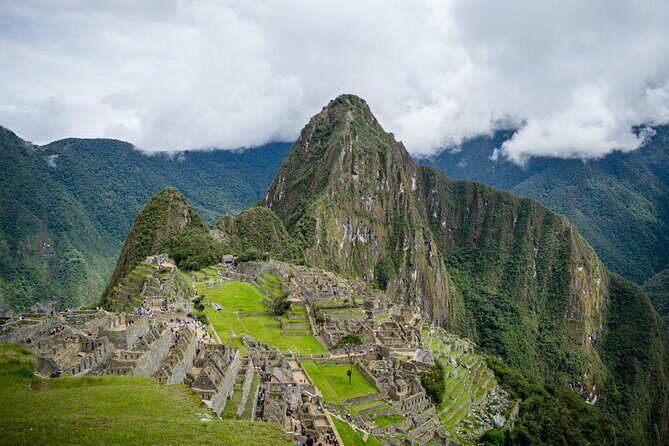
- Guided Machu Picchu at the main entrance: someone helps you read the site instead of guessing
- Pisac + Ollantaytambo included: you see more than just the headline views
- Train and bus tickets handled: fewer moving parts from Sacred Valley to Machu Picchu
- Passport details required upfront: helps lock in the train and entrance ticket in advance
Cusco Start: how a small-group Sacred Valley day feels
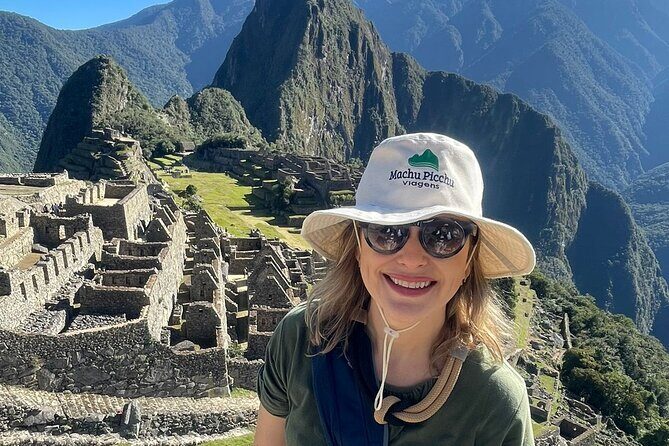
Cusco is a base loaded with energy, but Sacred Valley tours can turn chaotic fast if the plan isn’t tight. This one stays organized by design, starting in the morning from your Cusco hotel area with pickup around 8:00 am (departures generally fall between 7:30 am and 8:00 am, depending on your location). The payoff is simple: you spend the day traveling in one clear rhythm, not hopping between half-informed plans.
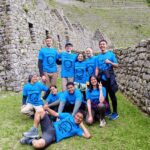
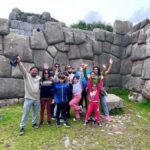
The “small” part matters. With up to 16 people, you’re less likely to get stuck at the back of the group when questions pop up. It also helps with timing when you’re moving through markets and ruins where people naturally want to linger.
If you’re the type who likes to understand what you’re looking at, the guided format is a big deal. Your guide is professional and covers Inca history and site details across the day.
A few more Cusco tours and experiences worth a look
Awana Kancha Museum: textiles and animal shelter context
Day 1 begins with Awana Kancha, a museum and animal shelter connected to traditional Peruvian textiles. Even if you’re not a craft person, this stop helps you set the right context. Textiles in the Andes are not just decoration; they’re often tied to identity, symbolism, and how communities express tradition.
The visit is short (about 20 minutes), so it isn’t a time sink. Think of it as a warm-up: you’re already in Inca country, and you’re starting with something people still practice, not only ruins people only study.
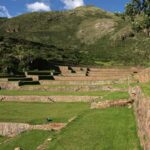
Pisac Archaeological Park: ruins at 3,300 meters and big views
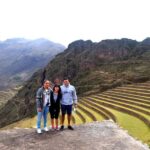
Next comes Pisac (Archaeological Park), set high at roughly 3,300 meters. The altitude is real, but the good news is that you’re not stuck in one long hike; you’re guided through the most meaningful areas while you also get wide views over the Sacred Valley.
What I like about this stop is how it balances “wow scenery” with a reason to look. Ruins at this altitude make you pay attention—your body reminds you you’re not at sea level—so the guide’s explanations help turn effort into understanding.
This portion lasts around one hour, and the entrance ticket is included.
Pisac Artisan Market: what to buy, and what to ignore
After the ruins, you drop into the Pisac Market area for about 40 minutes. This is one of the larger local markets in the region, and it mixes handmade crafts with practical everyday items like produce and food.
Here’s the practical advice: buy something small and specific to the Andes if you want a real souvenir—textiles are a natural match because you saw how they’re made and valued earlier. For everything else, keep your expectations grounded: markets move fast, and you only have a limited window.
Also, bring a plan for money and pacing. With only 40 minutes, you’ll feel rushed if you wander without deciding what you want first.
Urubamba lunch: buffet break with a river soundtrack
Then you get a reset lunch at Tunupa Restaurant in Urubamba, with the Urubamba River nearby. Lunch is included, and the schedule gives you about one hour here.
A buffet works well on tours like this. You can eat without debating options, and you won’t lose time waiting while everyone orders. If altitude has you eating light, you still get the chance to top up with something filling.
Tip that helps: aim to eat normally, not heroically. You’ll still have more walking later, and Ollantaytambo is a key part of the day.

Ollantaytambo Archaeological Park: Inca city planning you can see
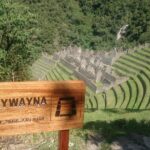
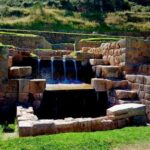
Ollantaytambo has a way of grabbing you fast. The town is known as a good example of Inca urbanism, and you’ll see cobbled streets plus an Inca open draining system that shows how practical the engineering was.
The archaeological park stop is about one hour, and it includes entrance. It’s also where the story gets more dramatic: this place is described as the only stronghold that defeated the Spanish army during colonization for nearly 50 years.
That detail matters, because it changes how you look at stones. It’s not only a postcard location; it’s a site tied to resistance and survival.
Train transfer to Aguas Calientes: why this night matters
By mid-to-late day, you continue to Ollantaytambo train station, then ride the train to Aguas Calientes. This piece of the plan is included: round trip Ollantaytambo–Aguas Calientes in tourist class, plus local transport around the stations.
One key note for expectations: PeruRail does not allow passengers to choose seats; seat assignment is automatic. If you’re picky about windows or exact seating, don’t plan around it. In practice, it’s still a comfortable way to reach Machu Picchu logistics without stress.
Once you arrive in Aguas Calientes, a guide takes you to your 3-star hotel. Having that night included is a big value point, because it keeps you from trying to race day-of. It also sets you up for an early Machu Picchu start the next day.
Machu Picchu morning: the main entrance with a real guide
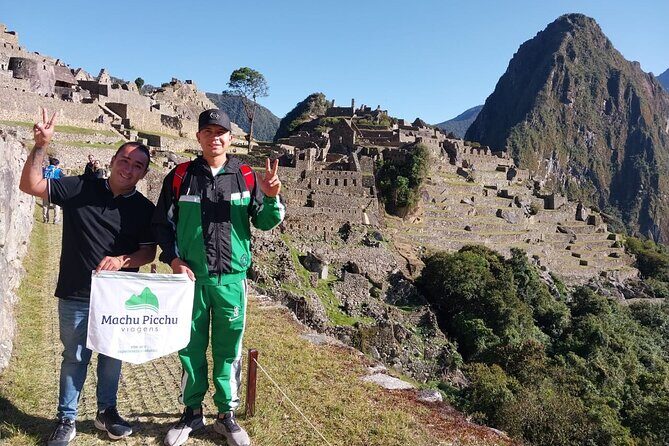
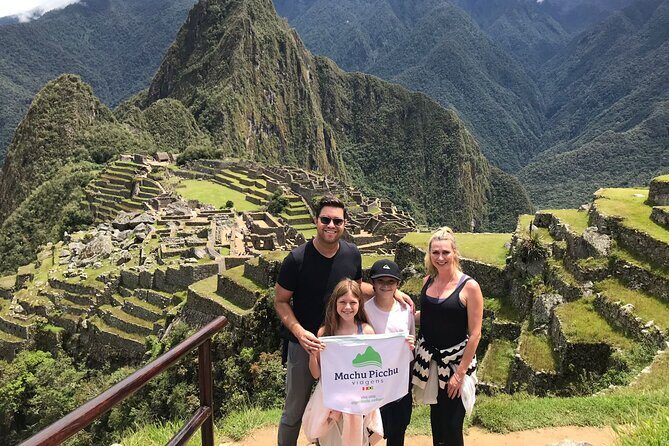
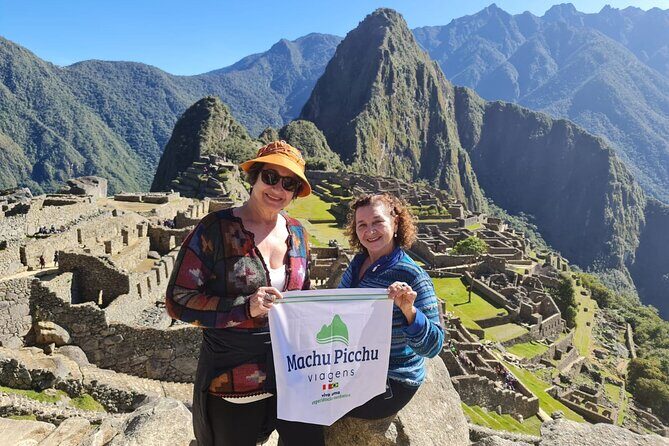
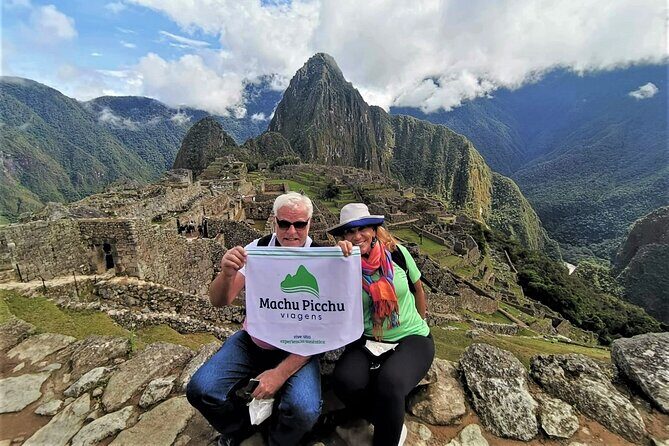
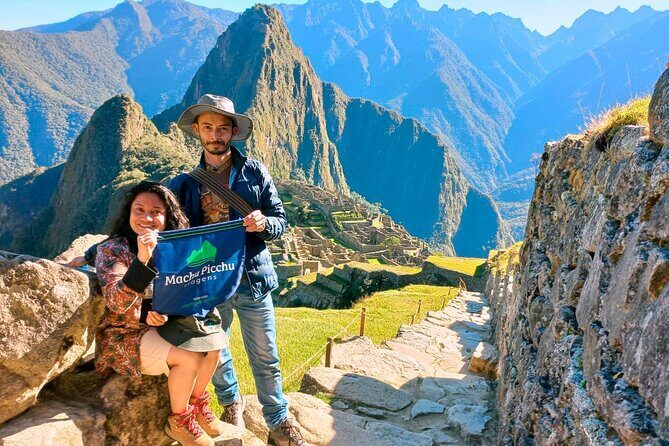
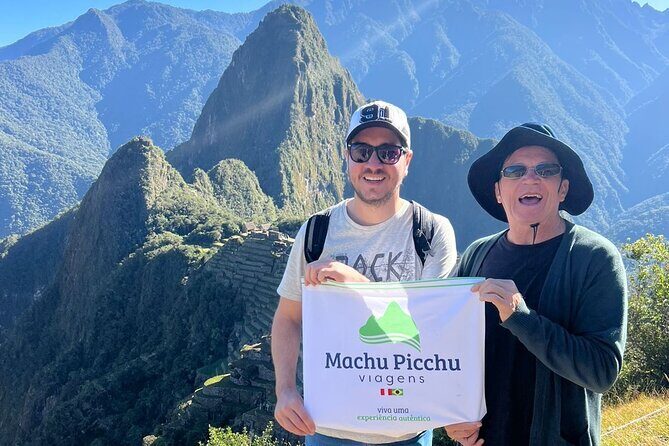
Day 2 starts early. Your team picks you up from the hotel to ride the bus up to Machu Picchu’s main entrance. The bus ride is about 30 minutes from Aguas Calientes, and this timing is where a lot of the experience lives.
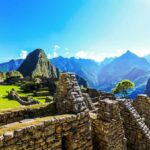
Once you’re at the top, you get a guided visit with professional explanations about the site and Inca culture. The visit is about two hours, and the entrance ticket is included.
Here’s why guided pacing helps: Machu Picchu is visually powerful, but it’s also easy to miss the logic of the design if you only follow photo spots. With a guide, you spend your energy looking at the right features first—so the site feels less like a blur and more like a place with purpose.
Back down, you return to Aguas Calientes and then onward toward Cusco.
Poroy back to Cusco: a cleaner ending than most day trips
To return to Cusco, you take the train from Aguas Calientes area through Poroy. Poroy is about 30 minutes away from Cusco, and your team meets you there for the short transfer back to your Cusco hotel (around 15 minutes).
This matters because it reduces the “what now?” moments that can happen with independent travel. You don’t need to coordinate buses, timing, or where to stand. The tour keeps the ending smooth.
You’ll likely get your Cusco evening back. If you want a low-key plan that night, this itinerary sets you up well.
Price and value: what $679 includes (and why it can be fair)
At $679 per person, this isn’t the cheapest way to do Machu Picchu. But it’s also not a bare-bones ticket package. You’re paying for a lot of the pieces that are usually the hardest to coordinate.
Included value highlights:
- 1 night in a 3-star hotel in Aguas Calientes
- Breakfast and lunch
- Machu Picchu entrance ticket plus round trip bus to the site
- Train: round trip Ollantaytambo–Aguas Calientes
- Sacred Valley guided tour (max 16 passengers)
- Pisac and Ollantaytambo entrances
- Cusco hotel pickup and drop-off, plus station transfers
When you price those items separately, the package starts to make sense. The real win isn’t just savings—it’s reduction in decision fatigue.
Also, the included 24-hour assistance and personalized concierge help when you’re in a place where plans can change due to timing or weather.
Logistics you should understand before you go
A smooth trip is often won or lost in details. Here are the ones that matter most for this itinerary.
No bilingual guide
Your guide is in one language: Spanish, English, or Portuguese. If you’re sensitive to language nuance, confirm your tour language before you lock in travel plans. The experience may feel very different depending on whether you get the language you’re most comfortable with.
There can be extra help in real situations. For example, one observed departure had a guide named Franco translate for an English speaker even when the main group language was Spanish, which shows that support can happen when there’s a need—but you shouldn’t count on it.
Moderate physical fitness
This tour is listed for people with moderate physical fitness. You’re dealing with altitude, walking through historic sites, and getting to viewpoints. If your mobility is limited, ask before booking and be honest with yourself about effort levels.
Weather dependency
Machu Picchu and this region are weather-dependent. If the experience is canceled due to poor weather, you’re offered a different date or a full refund. It’s worth thinking about flexibility in your broader Peru schedule.
Seats and timing
Train seating is assigned automatically. And tours depart between 7:30 am and 8:00 am, so plan for a start that feels early but is part of the reason you get a guided Machu Picchu visit.
Passport details are required
You’ll need to provide passport details to book your train and Machu Picchu entrance ticket. Don’t wait until the last minute to find the right passport info.
Who this Machu Picchu and Sacred Valley tour fits best
This is a great match if:
- You want Machu Picchu with a guide, not just a ticket and a map
- You like a tight, guided schedule that reduces confusion
- You care about history beyond the postcard shot
- You prefer a small group over big bus tours
It’s less ideal if:
- You need a strictly bilingual guide
- You hate early mornings
- You want total freedom to roam without any schedule at all
Before you book: my honest recommendation
If your goal is to see Machu Picchu and the Sacred Valley highlights with minimal logistics hassle, this tour is a strong option. The included hotel night in Aguas Calientes, Machu Picchu ticket and bus, plus the guided Sacred Valley stops make it feel like a complete plan rather than a collection of separate bookings.
I’d book it if you want your time controlled and your questions answered. I’d pause and double-check the guide language choice if that’s important to you. And if you’re the type who relies on flexible plans, remember that the experience is non-refundable and cannot be changed, with weather cancellations handled by refund or date change.
FAQ
FAQ
What is the maximum group size for the Sacred Valley portion?
The tour has a maximum of 16 travelers.
What’s included with the price for this Machu Picchu and Sacred Valley tour?
You get a 3-star hotel night in Aguas Calientes, breakfast and lunch, Machu Picchu guided tour and entrance ticket, round trip bus to Machu Picchu, and round trip train tickets Ollantaytambo to Aguas Calientes. Sacred Valley is also guided and includes Pisac and Ollantaytambo entrance tickets, plus hotel pickup/drop-off and station transfers.
Is Huayna Picchu included?
No. Admission tickets to Huayna Picchu are optional and must be booked in advance.
What time does the tour start in Cusco?
Start time is listed as 8:00 am, and tours depart between 7:30 am and 8:00 am. Your exact pickup time is confirmed based on your hotel or pickup address.
Do I need to provide passport details?
Yes. You must provide your passport details to book your train and the Machu Picchu entrance ticket.
Is the tour guide bilingual?
No. The professional tour guide is in Spanish, English, or Portuguese, but it is not a bilingual tour.