REVIEW · CUSCO
Planetarium Cusco Trip
Book on GetYourGuide →Operated by XPLORA AMERICA · Bookable on GetYourGuide
Stargazing with a Cusco twist is worth your evening. This 150-minute Planetarium Cusco visit takes you from Inca ideas of the universe to a dome show with Inca constellations overhead. I especially like how the night sky is explained in a way that feels connected to the Andes, not like a random science lecture.
Two more reasons I enjoyed it: the virtual projection under the planetarium dome makes the constellations easy to follow, and the plan includes a chance to look through professional telescopes afterward. One thing to keep in mind is that the telescope portion depends on conditions, so if the sky is poor, your close-up stargazing may be limited.
In This Review
- Key things to know before you go
- Getting to the Planetarium Cusco: the 5:40 p.m. plan
- Inca astronomy in the interpretation rooms
- The dome show: how the sky becomes constellations
- Telescope time: the part you should plan for (and flex)
- Price and value: is $43 a good deal?
- What’s included, what’s not, and what to bring
- Who this tour suits best (and who should skip it)
- A quick note on reliability
- Should you book the Planetarium Cusco trip?
- FAQ
- FAQ
- What time do I need to meet in Cusco?
- How long does the Planetarium Cusco trip last?
- How do we get to the planetarium?
- What happens once we arrive?
- Do you get to use telescopes?
- What languages are available?
- Is food included?
- How much does it cost?
- What’s included in the ticket price?
- Is cancellation possible?
Key things to know before you go
- A 5:40 p.m. start in the Plaza area with a minibus ride under 20 minutes to the observatory
- Inca astronomy talk in the interpretation rooms before you look up
- Sky dome projection designed around how the Incas grouped stars into constellations
- Telescope viewing when weather cooperates (this is the wildcard)
- English-speaking live guide plus English or Spanish support
Getting to the Planetarium Cusco: the 5:40 p.m. plan
This tour is built for the evening crowd, starting with a meet-up around 5:40 p.m. in central Cusco. From there, you board a minibus for a short transfer—less than 20 minutes—to the Planetarium Cusco observatory. That timing matters in Cusco. Nights cool down fast, and you don’t want to spend your precious stargazing window stuck in traffic or scrambling for the meeting point.
I like that the schedule is straightforward. You’re not waiting all day, and you still get enough time for the talk, the dome show, and telescope time. The experience is designed to end back near Plaza de Armas by about 7:40 p.m., so it doesn’t hijack your entire night.
You can also read our reviews of more tours and experiences in Cusco.

Inca astronomy in the interpretation rooms
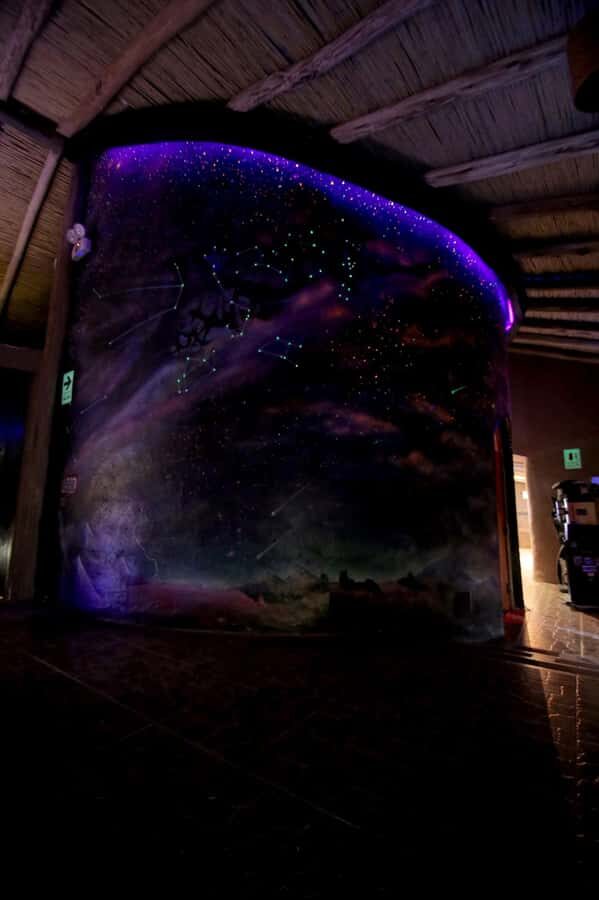
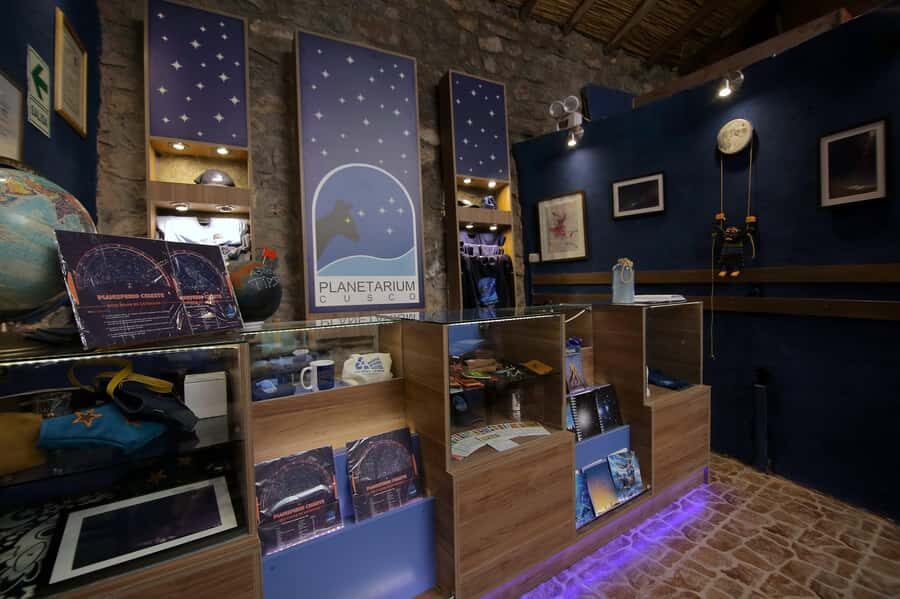
Once you arrive at the observatory, the evening starts indoors. You’ll get a live talk on Inca astronomy in the planetarium’s interpretation rooms. The goal here isn’t just facts. It’s translation—turning how the Incas tracked the sky into something you can actually picture.
For me, the value is in the framing. Instead of treating stars as decorative, this kind of explanation connects the sky to a worldview: patterns, seasons, and what people could infer from the heavens. Even if you’re not a science person, you’ll likely enjoy the logic of it. You come out of the talk with names and mental maps, so when the dome show starts, it isn’t just pretty lights.
The dome show: how the sky becomes constellations
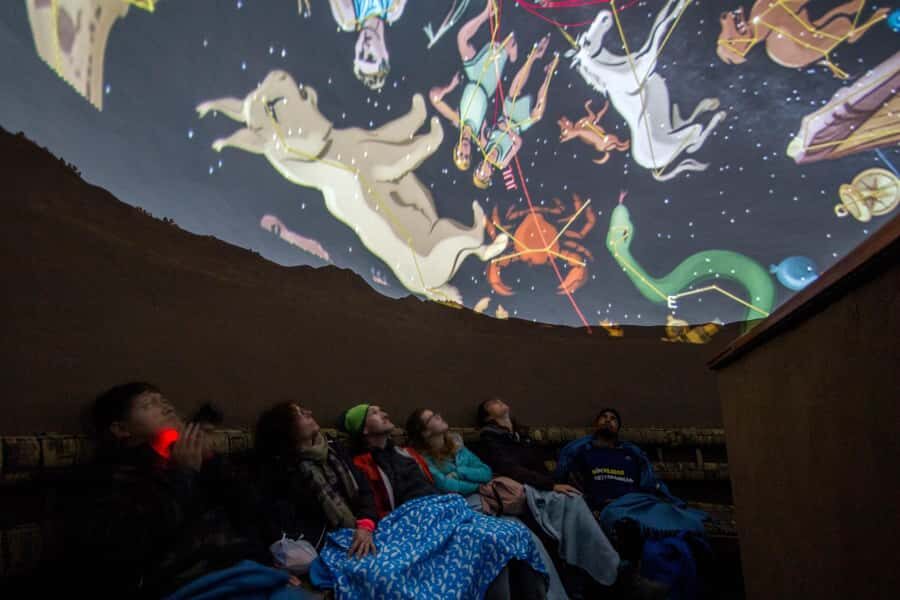
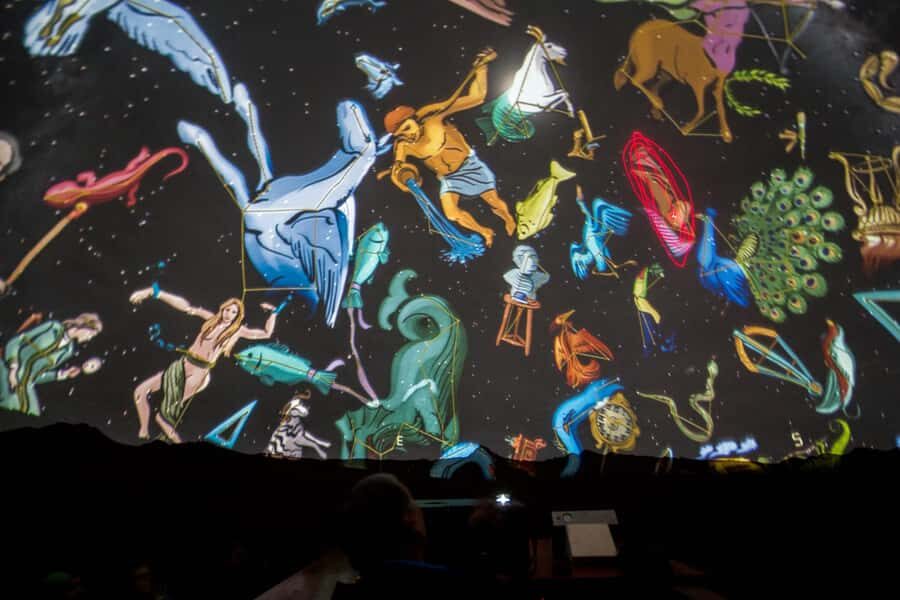
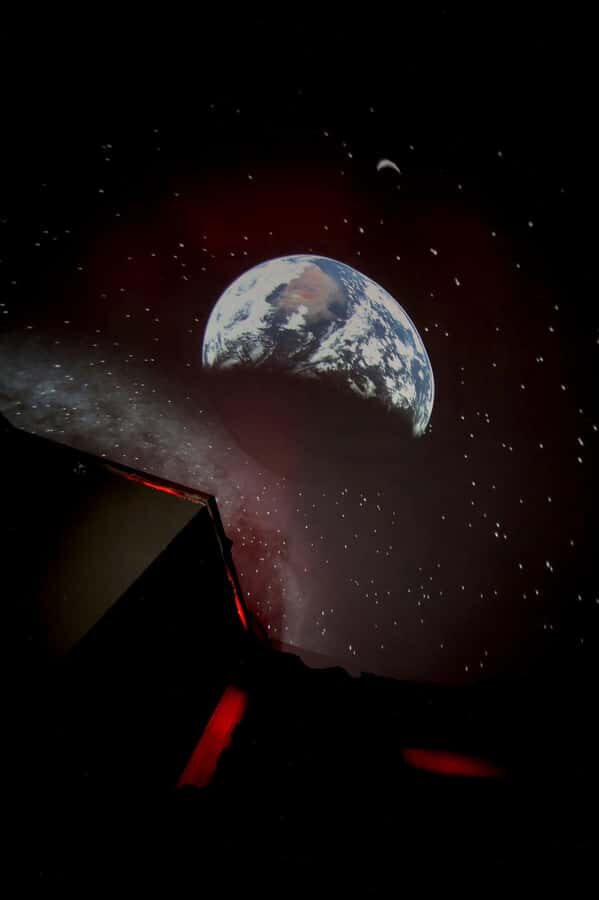
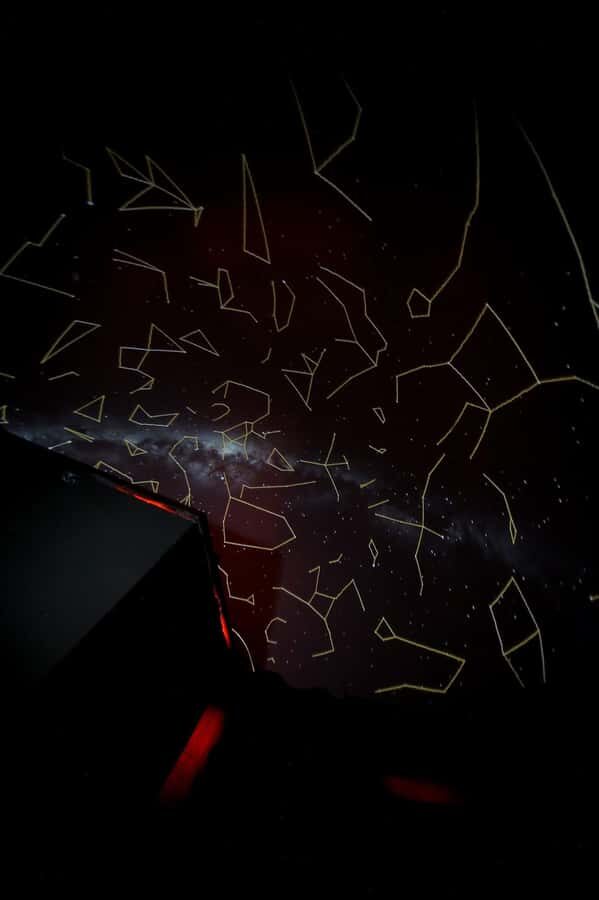
After the talk, you’ll move into the planetarium dome for a virtual projection of the sky. This is where the experience really clicks. The projection guides you through the night sky in a way that matches how the Incas grouped stars into constellations.
I like the “learn, then look” sequence. You first hear how the system works. Then you watch the sky arranged overhead. That order helps a lot in a place like Cusco, where people often jump straight to stargazing without context—and then spend the night trying to guess what they’re seeing.
Keep your eyes open during this part. The constellations you’re learning aren’t always obvious when you’re outside, especially if clouds roll in or the sky is bright. The dome show acts like a cheat sheet.
Telescope time: the part you should plan for (and flex)
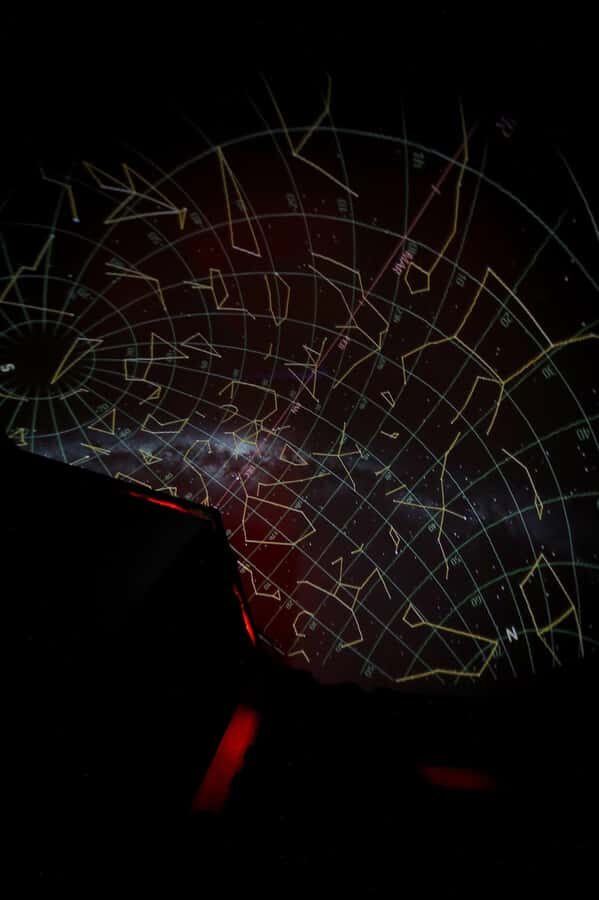
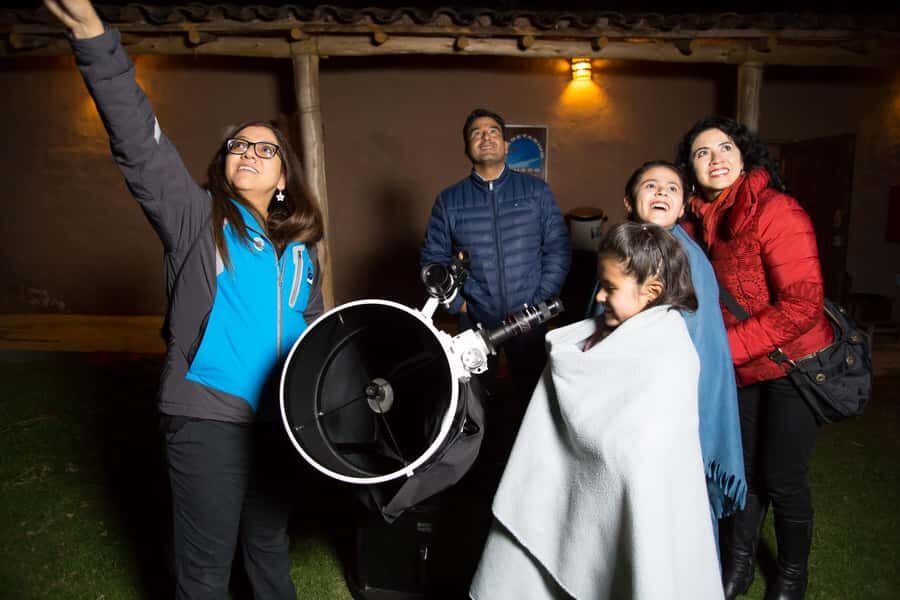
The final activity includes using the planetarium’s professional telescopes to view stars in close detail. This is the “real sky” payoff, the moment that turns an educational show into an actual stargazing session.
Here’s the catch: telescope time is subject to weather conditions. In the Andes, that can mean anything from clouds to haze. So go in with the right mindset. If conditions are good, you’ll get that crisp, up-close view. If conditions aren’t great, you may still enjoy the dome projection (which is the more reliable part of the program).
Practical tip: dress like you’re going outside, because you will be. Even if the telescopes are the last stop, you’ll feel the temperature drop as the evening goes on.
Price and value: is $43 a good deal?
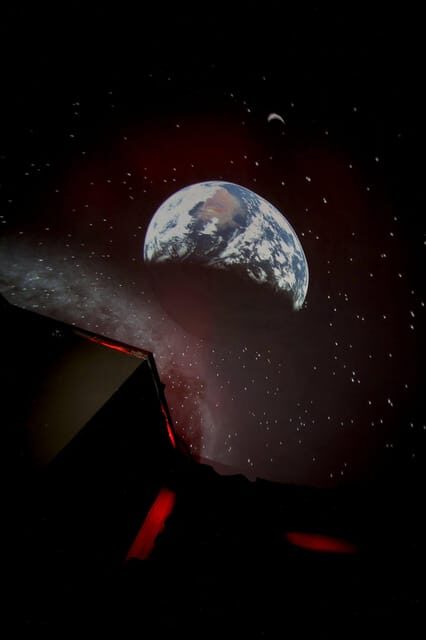
At $43 per person, this is reasonably priced for what you’re getting: transport by minibus, a live English-speaking guide, entry to the planetarium, and a structured program with both a dome show and potential telescope viewing.
The value really comes from the combination:
- A guided explanation of Inca astronomy (not just a generic astronomy talk)
- A dome projection that makes constellations understandable
- An upgrade to telescope viewing when conditions allow
If you were only paying for entry to a planetarium, it might already feel fair. But the added astronomy interpretation and the chance to use telescopes pushes it into “worth your evening” territory—especially if you’d rather not hunt for stargazing spots on your own.


What’s included, what’s not, and what to bring
This tour includes:
- Minibus transport
- An English-speaking guide
- Entry to Planetarium Cusco
Food isn’t included. So if you’re doing this after dinner plans, you’re covered only if you eat before you go. If you haven’t eaten yet, plan to grab something earlier in Cusco, because the schedule is tight.
What I’d bring:
- A warm layer (Cusco nights can surprise you)
- Something for comfort to sit/stand during viewing
- Patience, because the telescope portion depends on weather
Who this tour suits best (and who should skip it)
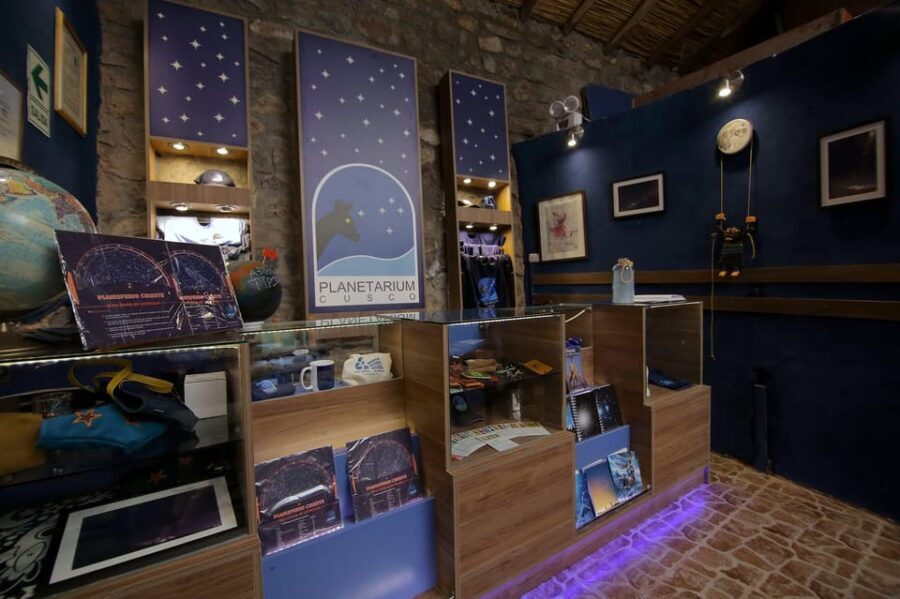
This experience is a great match if you want an astronomy activity that’s actually about Cusco and the Andes, not just “here are the planets.” If you like learning how people understood the sky—through stories, patterns, and practical observation—you’ll get a lot out of it.
It’s also a good option if you’re short on time. Two and a half hours (150 minutes) is manageable, and the return by around 7:40 p.m. helps you keep your night open for Cusco dinner and wandering.
You might consider skipping or tempering expectations if you’re expecting guaranteed telescope time. That part hinges on weather. And if you’re the kind of traveler who hates indoor lectures, the room talk may feel like a lot—though it’s part of what makes the dome show easier to understand.
A quick note on reliability
The overall rating is 3.8 out of 5 across four reviews, which is solid but not flawless. One booking reported an issue where the guide did not show up. I can’t predict whether that will happen to you, but I do recommend confirming pickup details ahead of time and showing up a few minutes early in the central Cusco meeting area. Small effort, big peace of mind.
Should you book the Planetarium Cusco trip?
If you want a guided, structured way to learn Inca astronomy and see the sky as constellations, this is an easy yes. The dome projection is the “sure thing,” and it pairs nicely with the telescope chance when conditions cooperate. At $43, the mix of transport, entry, and live interpretation feels like good value for an evening activity in Cusco.
If your priority is guaranteed outdoor stargazing, keep your expectations flexible. Weather controls the telescopes, not you. Still, even a reduced telescope experience usually won’t wipe out the learning, because the dome show is doing most of the heavy lifting.
Bottom line: book it if you want a smart, guided sky experience that’s tied to Cusco’s cultural lens. If you’re picky about outdoor viewing, go in prepared for the weather wildcard.
FAQ
FAQ
What time do I need to meet in Cusco?
You meet around 5:40 p.m. in the center of Cusco.
How long does the Planetarium Cusco trip last?
The activity is listed as 150 minutes.
How do we get to the planetarium?
You’ll board a minibus in central Cusco and travel to the planetarium, which is less than 20 minutes away.
What happens once we arrive?
You’ll receive a talk on Inca astronomy in the interpretation rooms, then watch a virtual projection of the sky over the planetarium dome.
Do you get to use telescopes?
Yes, the plan includes viewing through the planetarium’s professional telescopes, but it’s subject to weather conditions.
What languages are available?
The tour is offered with a live guide in English and Spanish.
Is food included?
No, food isn’t included.
How much does it cost?
The price is $43 per person.
What’s included in the ticket price?
Included: minibus transport, an English-speaking guide, and entry to the Planetarium Cusco.
Is cancellation possible?
Yes. Free cancellation up to 24 hours in advance is offered for a full refund.