REVIEW · CUSCO
Sacred Valley Vip Cusco
Book on GetYourGuide →Operated by Uyuni Experience EIRL · Bookable on GetYourGuide
Five Sacred Valley stops in one day.
This is a tightly packed route that mixes Inca engineering, a colonial church in Chinchero, and the famous salt wells at Maras. I especially like how Chinchero gives you both the old stonework feel and a chance to see a textile center up close.
Next, you get Moray’s circular terraces, the down-and-in-to-out path of Maras Salt Mines, then a classic finish with Ollantaytambo and the Pisac market. The one drawback to watch for is logistics: confirm pickup timing carefully, and plan for the salt mines cost to be higher than what you might see in an app.
In This Review
- Key things you’ll like about this Sacred Valley day
- The 7:00 am route: how the full day actually plays out
- Chinchero: Inca wall construction, a colonial church, and a textile center
- Moray’s circular terraces: an agricultural site with a strange genius
- Maras Salt Mines: walking through 3,000+ salt wells
- Urubamba buffet lunch: refuel before Ollantaytambo
- Ollantaytambo: the Last Living Inca City feel
- Pisac market on Intihuatana hill: crafts you can recognize
- Pisac Archaeological Park: finely crafted Inca stone buildings
- Price and value: why this route makes sense for a limited window
- Pace, comfort, and what to plan for a 12-hour day
- Who this tour fits best
- Should you book Sacred Valley Vip Cusco?
- FAQ
- What locations are included in the Sacred Valley tour?
- How long is the tour and what time does it start?
- Does the tour include lunch?
- What languages are available for the live tour guide?
- How big is the group?
- Is free cancellation available?
Key things you’ll like about this Sacred Valley day
- Chinchero’s Inca walls plus a colonial church for two eras in one stop
- Moray’s circular terraces, an agricultural site tied to Inca times
- Maras Salt Mines with 3,000+ salt wells that are easy to spot and photograph
- Ollantaytambo as the Last Living Inca City vibe, before you head back to Cusco
- Pisac market shopping right on the slopes of Intihuatana hill
- Small group limit of 10 with a live guide in Spanish and English
The 7:00 am route: how the full day actually plays out
This tour runs about 12 hours, starting at 7:00 am and getting you back to Cusco around 7:00 pm. That schedule matters. You’re not lingering. You’re seeing key sites efficiently, with a guide moving you through a route that covers five different locations.
Because the group is limited to 10 participants, the day usually feels more relaxed than big-bus tours. Still, it’s a long day outdoors in the Sacred Valley, and each stop has a different rhythm: some places are best for short walks and photos; others are better for slow market browsing.
Also, the guide is live and works in Spanish and English. That’s a practical plus if you want the context for what you’re seeing, not just a list of names.
A few more Cusco tours and experiences worth a look
Chinchero: Inca wall construction, a colonial church, and a textile center
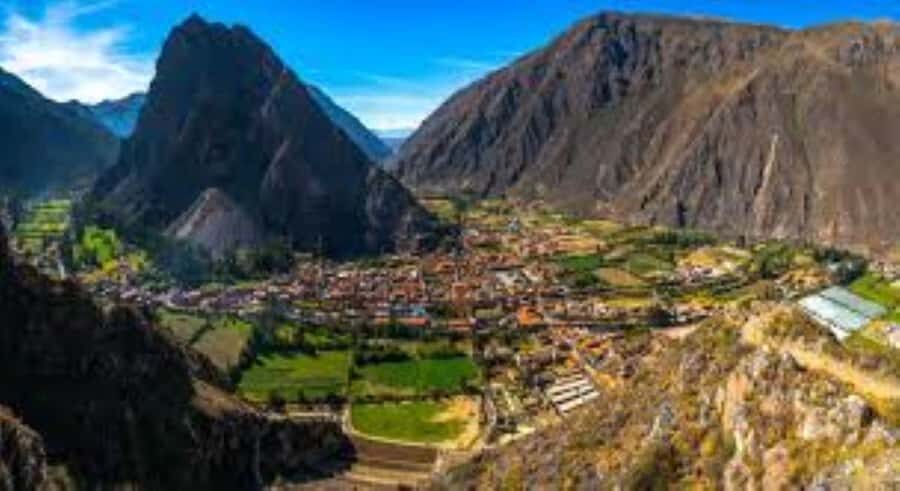
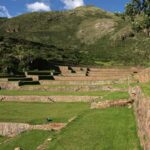
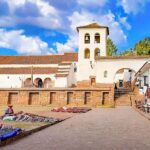
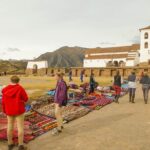
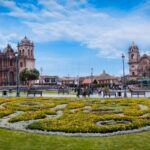
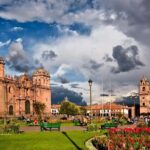
Chinchero is usually the first moment where the Sacred Valley shifts from “views” to “this was built for a reason.” You’ll see Inca wall constructions and then a historic colonial church, which gives you a clear before-and-after feeling in the same area.
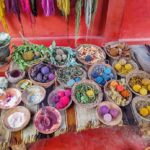
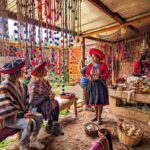
What I like here is the way the stop isn’t only about ruins. You also visit a textile center. That matters because Sacred Valley crafts aren’t just souvenirs. You’re seeing the kind of work that’s still tied to local traditions—so when you later shop in Pisac, you’ll recognize the style and materials more easily.
Practical tip: Chinchero can involve some walking on uneven ground. Wear shoes that handle stones and slopes, and plan for cool-to-warm temperature swings since mornings in the Cusco area can feel crisper than later in the day.
Moray’s circular terraces: an agricultural site with a strange genius
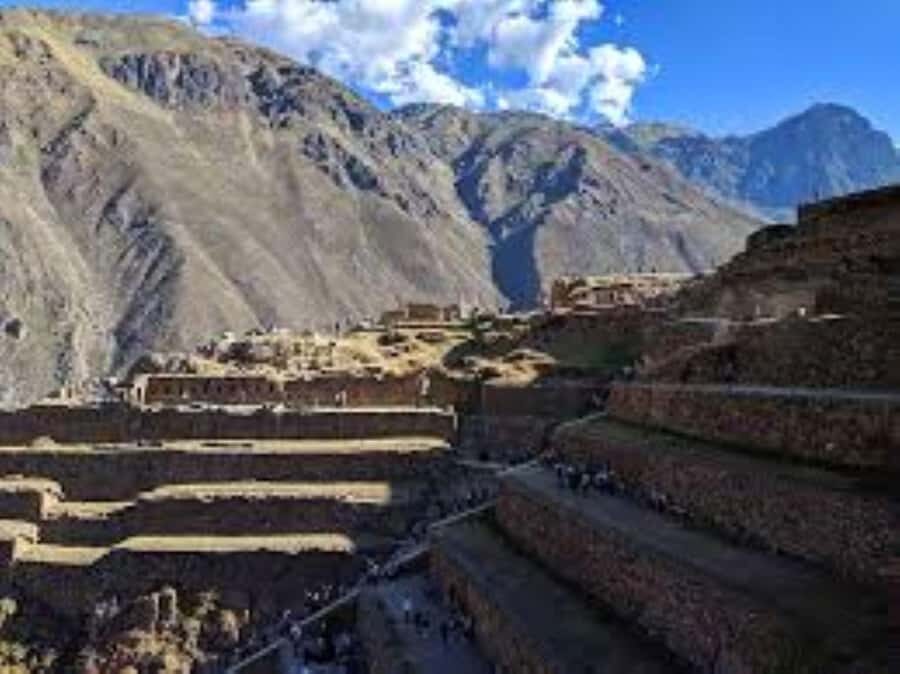
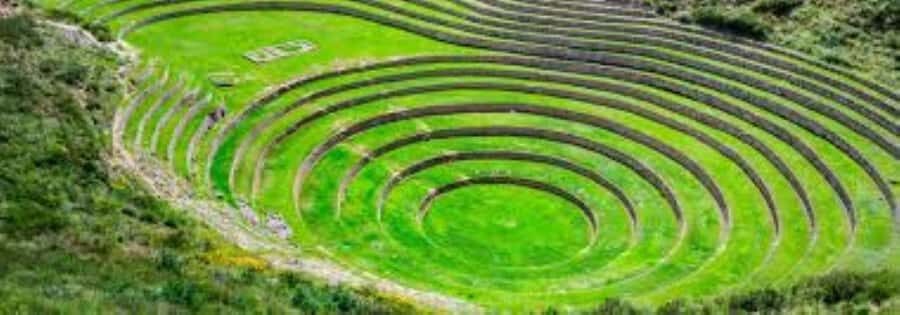
Next up is Moray, famous for its circular terraces. These aren’t random curves for decoration. They’re presented as an important agricultural site from Inca times, and seeing the circles in person helps you understand why people keep returning to this place.
The terraces act like a lesson in experimentation. The shape creates a pattern you can visually track as you move around—so instead of just staring, you can “read” the structure. It’s one of those spots where the guide’s explanation makes your photos more meaningful, because you know what you’re trying to notice.
Timing note: Moray is a solid stop for photos and a short exploration, but it’s also easy to spend too long if you’re not moving with the group. If you’re the type who wants every angle, choose carefully: get the wide overview shot early, then circle back for closer details if time allows.
Maras Salt Mines: walking through 3,000+ salt wells
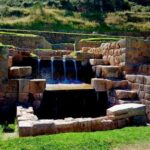
Maras is the star for many people, and for good reason. You’ll descend to the Maras Salt Mines, where there are over 3,000 salt wells. The tour frames them as wells historically used by the Incas, and that historical connection is part of what makes the scene so compelling: it’s not just a salt landscape; it’s a working tradition turned into a world-famous sight.
Here’s the practical catch. One booking review flagged that the salt mine price can be 20 soles rather than 10, depending on what’s charged. So do two things:
- Ask the guide what you should expect to pay at the mines.
- Bring some extra cash so you’re not stuck negotiating mid-day.
Also, you’ll likely spend time walking around the rows of wells. That’s where good footwear pays off. The ground can feel uneven and you might be standing in sun and shade as you hop between viewpoints.
Urubamba buffet lunch: refuel before Ollantaytambo
After Moray and Maras, the tour breaks with a buffet lunch in Urubamba. This is a smart move on a route like this. It gives you a chance to reset energy before Ollantaytambo, which is usually a more intense site to explore.
A buffet format also helps with flexibility. If you’re sensitive to spicy food or you just want something simple, you can pick what feels right without delaying the group too much. The key is pacing: don’t turn lunch into a long sit-down that eats your remaining time.
Tip: keep your water bottle ready for the next leg. Even if lunch is filling, you’re still in a full-day schedule with several more stops.
Ollantaytambo: the Last Living Inca City feel
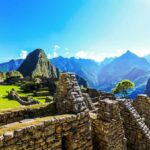
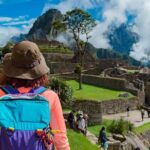
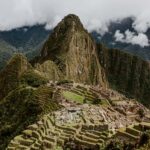
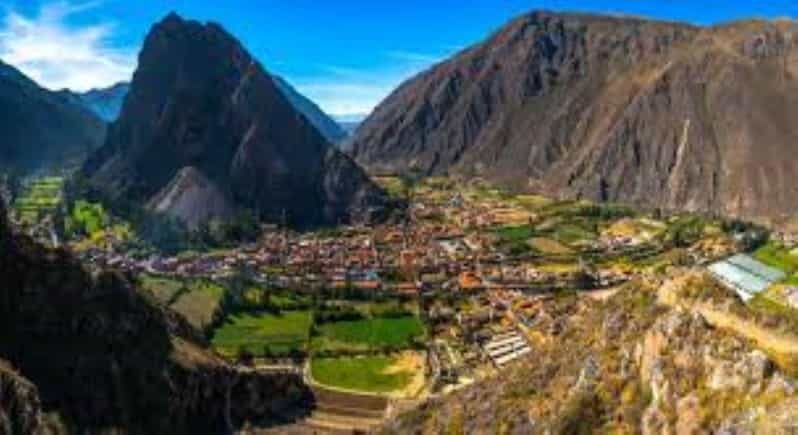
Then comes Ollantaytambo, described as The Last Living Inca City. That phrasing is useful because it hints at what makes this stop different from the others. You’re not only seeing ruins; you’re moving through a town identity that’s tied to Inca-era layout and continued life.
From a visitor perspective, the value of Ollantaytambo is the way it changes your mood. By this stage, you’ve seen engineering at Chinchero and Moray, and production history at Maras. Ollantaytambo brings it together with a sense of everyday presence—stonework you can connect to how people might have lived.
Practical note: this is a stop where you’ll probably climb and walk more than you expect, because the site and town feel active and spread out. Keep an easy pace, and plan to stop for photos when you have a natural viewing spot rather than rushing up and down repeatedly.
Pisac market on Intihuatana hill: crafts you can recognize
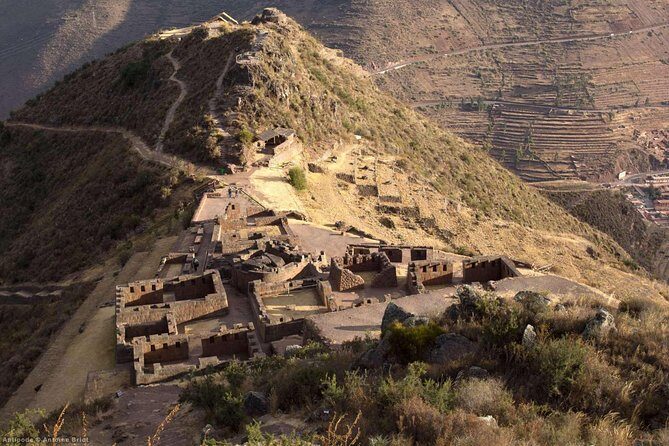
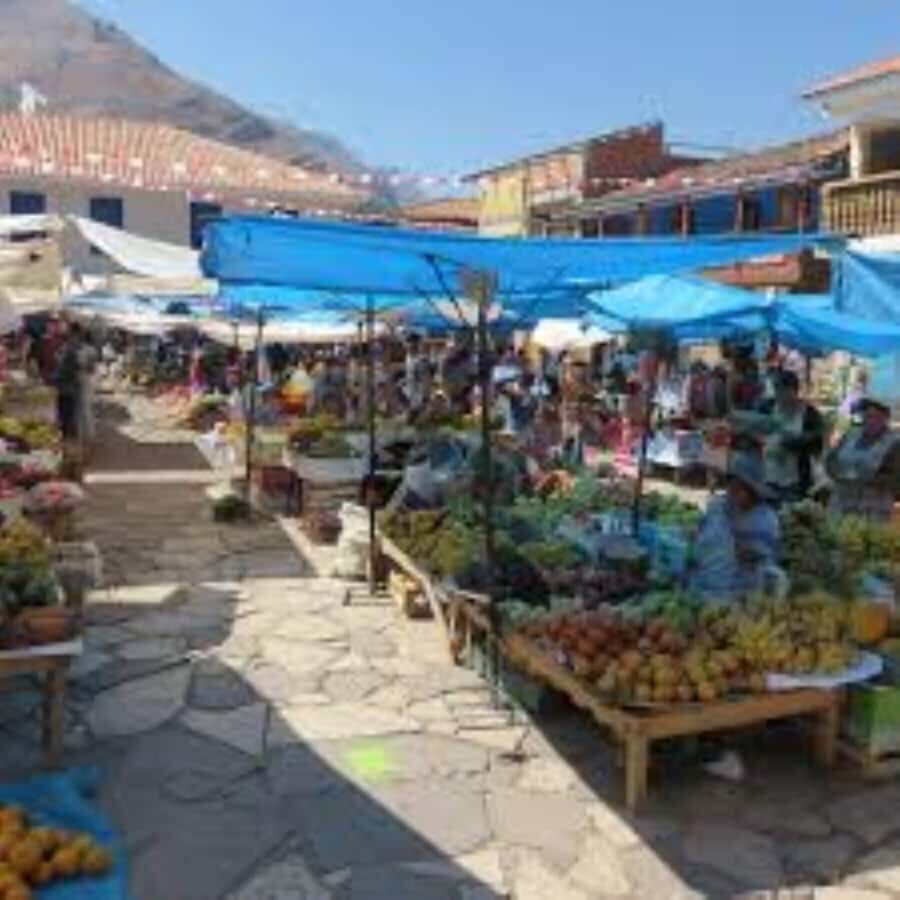
Pisac comes in two parts: the town and market, then the Archaeological Park of Pisac. The town sits on the slopes of Intihuatana hill, which helps explain why the views and stonework feel like they belong together.
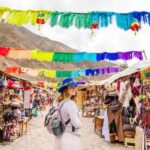
First, you’ll explore the indigenous market, described as a great place to buy handicrafts. This is where the earlier textile center visit starts paying off. You’re shopping with context, and you can ask better questions about what you’re seeing—materials, patterns, and practical use.
I also like that Pisac market time tends to work for different styles of travelers. If you want fast browsing, you can do that. If you like conversations and careful shopping, you can slow down and actually compare items without feeling like you’re sprinting.
Pisac Archaeological Park: finely crafted Inca stone buildings
After the market, you’ll tour the Archaeological Park of Pisac, known for finely crafted Inca stone buildings. This stop rounds out your day with the most straightforward “big site” feeling.
What makes it satisfying is how it ties back to your earlier stops. Chinchero showed Inca walls with a colonial layer. Moray showed engineered agricultural design. Maras showed Inca-linked production. Pisac Archaeological Park brings you back to built stone architecture—so by the time you reach Pisac, you’re not only collecting sights, you’re collecting themes.
Time management matters here. The park can tempt you to keep moving for one more viewpoint. If your legs are feeling it, focus on fewer key angles and let the rest go. A great trip is one you can enjoy all the way to 7:00 pm return.
Price and value: why this route makes sense for a limited window
Even without a stated price in the info provided, you can still judge value by what you’re getting for your time. This tour strings together five major Sacred Valley stops—Chinchero, Moray, Maras Salt Mines, Ollantaytambo, and Pisac—plus a buffet lunch and a live guide in Spanish and English.
That’s the core value: time efficiency plus context. If you tried to stitch these sites together alone, you’d spend more time coordinating transport, figuring out routes, and searching for local interpretation for each stop. Here, the guiding thread is built in.
The small group limit of 10 also adds value. It supports a steadier pace and more chance to ask questions without the constant churn of a large crowd.
One more value point: you’re not just doing ruins. The textile center and Pisac market give you a cultural thread that makes the history feel less like a checklist.
Pace, comfort, and what to plan for a 12-hour day
A 7:00 am start means you’ll want to treat the morning like part of the trip, not something you “power through.” Plan to be ready early so you’re not stressed during pickup.
This itinerary also mixes different types of walking:
- Short explores at scenic viewpoints and historic areas
- Steadier walking in market zones
- More movement in the Archaeological Park and around the salt mines
So I’d plan your body like this is one continuous outing. Wear shoes you trust, bring sun protection, and carry a water bottle if you’re allowed to during the stops. The goal is simple: stay comfortable enough that you can enjoy the scenery and not just measure the distance to the next rest moment.
Who this tour fits best
This Sacred Valley day trip fits best if you:
- Want one full-day hit of the big Sacred Valley highlights without multiple separate tours
- Prefer a small group with a live bilingual guide
- Like mixing ruins and architecture with places to buy crafts and see textile work
- Appreciate practical explanations over just stopping for photos
It may feel like a lot if you’re someone who wants slow travel and lots of time in only one or two sites. Since you cover five stops, the pace is structured.
Should you book Sacred Valley Vip Cusco?
I’d book this tour if your goal is a smart, organized Sacred Valley introduction: Chinchero for the Inca-plus-colonial contrast, Moray for that circular terrace puzzle, Maras for the salt wells, and then Ollantaytambo plus Pisac for the town-and-stone finishing combo.
Before you confirm, do one thing to protect your day: verify pickup timing and ask what you should expect at the Maras Salt Mines so there are no surprise price moments. If you handle that, you’ll end the day with a full set of Sacred Valley experiences—architecture, agriculture, production history, and craft shopping—packed into a single 7:00 am to 7:00 pm loop.
FAQ
What locations are included in the Sacred Valley tour?
The tour covers Chinchero, Moray, Maras Salt Mines, Ollantaytambo, and Pisac.
How long is the tour and what time does it start?
The duration is 12 hours. It starts at 7:00 am and returns to Cusco around 7:00 pm.
Does the tour include lunch?
Yes. You’ll have a buffet lunch in Urubamba during the day.
What languages are available for the live tour guide?
The live tour guide speaks Spanish and English.
How big is the group?
It’s a small group with a limit of 10 participants.
Is free cancellation available?
Yes. Free cancellation is available up to 24 hours in advance for a full refund.