REVIEW · CUSCO
4 Days Inca Jungle to Machu Picchu Standard
Book on Viator →Operated by Conde Travel · Bookable on Viator
Jungle energy, then Machu Picchu. I love how this route mixes real movement—bike descents, river rafting, jungle walks—rather than turning the trip into a sit-and-watch bus tour. I also love that Machu Picchu starts with a short guided orientation so you know where to look instead of wandering blind. One possible drawback: several of the headline activities (like rafting and zip-line) are not included, so you’ll want a budget for add-ons and a bit of patience with logistics in remote areas.
You’ll start early out of the Cusco region, sleep three different nights in jungle and mountain towns, and end the trip with time on your own inside Machu Picchu. It’s a hands-on way to reach the ruins, but it’s not a soft adventure—moderate fitness is the expectation, and the days are long.
In This Review
- Key things I’d zero in on before booking
- 4 days of jungle-to-ruins energy: what this trip really feels like
- Day 1: Abra Málaga bike descent to Huyro, then rafting in Santa María
- Day 2: High-forest hike toward Inca Carcel, lunch with tubers and fruits, then Cocalmayo hot springs
- Day 3: Santa Teresa options (zip-line or hike) to the hydroelectric, then waterfalls to Aguas Calientes
- Day 4: Sunrise-first Machu Picchu with a guided 2-hour orientation, then free time and the walk back to the hydroelectric
- Price and value: what $455 covers, and what you should budget separately
- Guides, pacing, and group size: what you can expect day to day
- What to pack for the Inca Jungle route (and why it matters)
- Who this tour suits best (and who should rethink it)
- Should you book this Inca Jungle to Machu Picchu route?
- FAQ
- What time does the tour meet each day?
- How many people are in the group?
- What fitness level do I need?
- Are meals included?
- Are rafting and zip-line included?
- Is Machu Picchu admission included?
- Is Cocalmayo hot springs admission included?
- Where do you stay overnight?
- How do you get back to Cusco after Machu Picchu?
- Can I add Huayna Picchu or Machu Picchu Mountain?
Key things I’d zero in on before booking
- Small-group size (max 15 travelers) with a private bilingual guide
- Multiple transport styles: mountain bikes, rafting, hiking, plus optional zip-line
- Inca Carcel in the high forest, with an on-the-ground cultural stop
- Cocalmayo hot springs included admission after a 4-hour forest walk
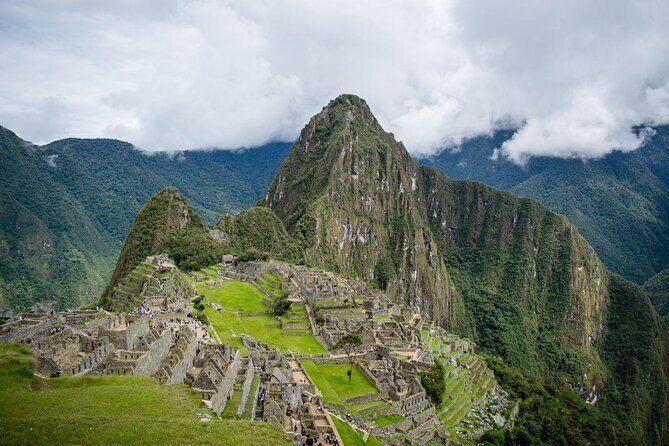
- Machu Picchu with a 2-hour guided visit, then free time to explore
- Watch the extras list: rafting, zip-line, and some transit/tickets are not included
4 days of jungle-to-ruins energy: what this trip really feels like
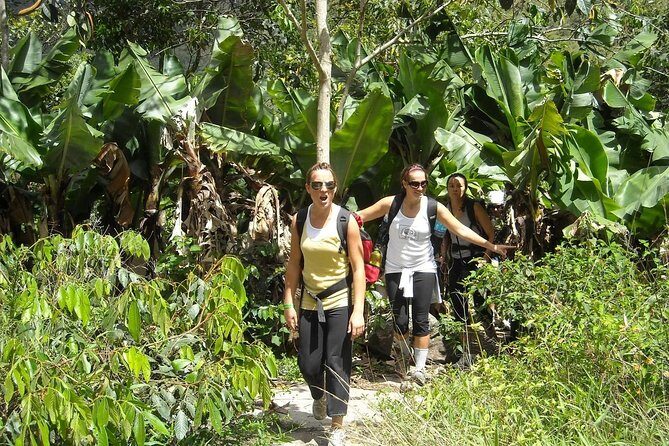
This is the kind of Machu Picchu journey you do for the ride, not just the destination. You’re moving through altitude, cloud forest, and river valleys, switching from bikes to trails and back again. The best part is how the “Inca Jungle” theme stays physical and visual: you’ll see coffee and cocoa growing, pass small hamlets, and spend time in dense high-forest terrain.
If you like tours that feel organized but still hands-on, you’ll probably click with this one. If you want comfort-first travel with everything included, you may feel nickeled-and-dimed when extras pop up. The trip is also very early-start heavy (5:00am meeting), and that’s by design.
A few more Cusco tours and experiences worth a look
Day 1: Abra Málaga bike descent to Huyro, then rafting in Santa María
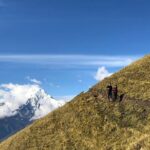
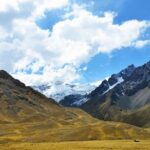
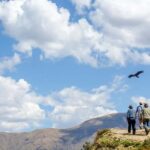
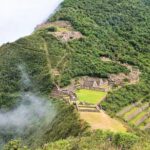
Day 1 is all about payoff for getting up and moving. After breakfast, you travel through villages and scenery until you reach Abra Málaga at about 4,350 meters. That altitude jump matters because you’re going to feel it later—so bring water and plan for slower pacing right at the start.
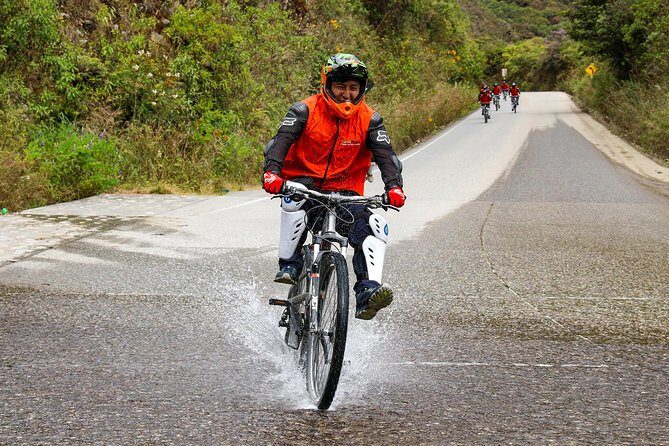
Then comes the 3-hour mountain biking descent. You’ll ride through rural villages, cross paths with rivers, and pass orchards and streams before reaching Huamanmarca. You’ll have a chance to buy water and snacks there if you need them. From there, you continue toward Huyro, where lunch is served before you shift gears again.
After lunch, your private bus takes the group to Santa María to begin the rafting portion. The general rhythm is: travel in the morning, bike mid-day, eat, then get on the water. One heads-up: the rafting activity is listed as not included, so you should assume you may pay an extra amount on the ground unless your operator confirms otherwise in writing.
What I like about Day 1: it’s varied. You don’t just “arrive” somewhere. You earn your views—then you use your energy again on the river.
Possible snag: if you’re sensitive to long days or you prefer a steadier pace, the combination of altitude + bike descent + rafting can feel like a lot in one shot.
Day 2: High-forest hike toward Inca Carcel, lunch with tubers and fruits, then Cocalmayo hot springs
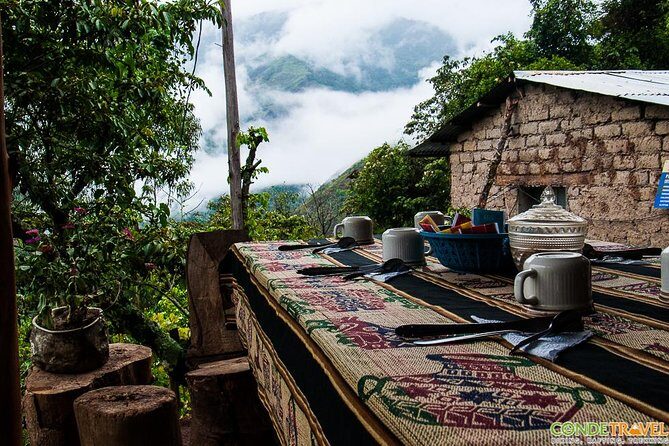
Day 2 is where the jungle turns into a learning walk. You start with transport to Pasto Grande, then begin a roughly 4-hour hike through the high forest. This is not a roadside stroll. Expect to move at a steady pace while watching small coffee and cocoa plantations and fruit trees, with lots of birds and wild life in the mix.
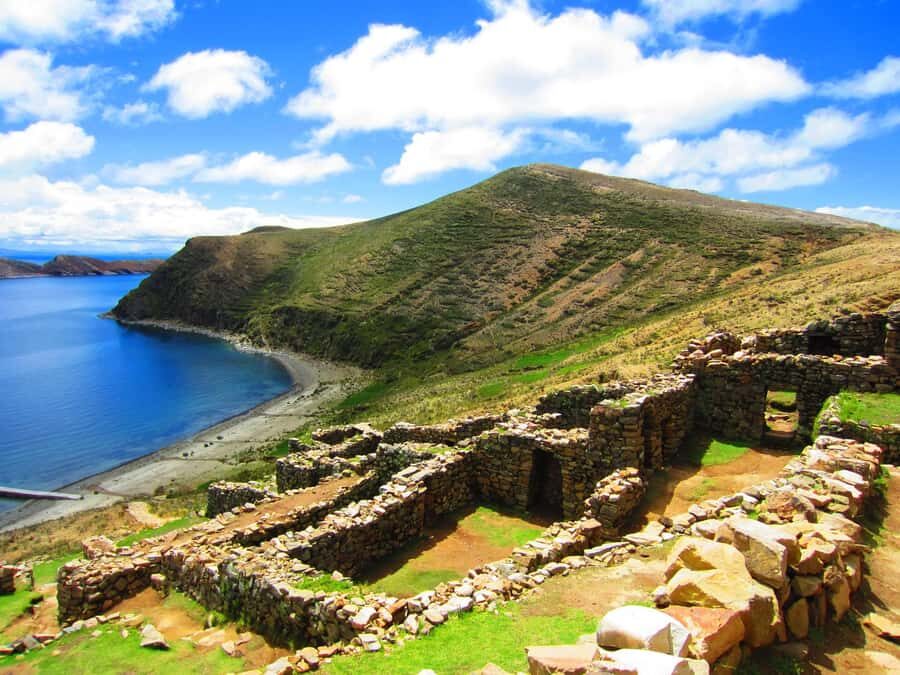
Near the top, you reach the archaeological center of Inca Carcel. The guide provides detail here—specifically, it’s described as a place where the Incas punished people who didn’t follow the rules of Inca society. Even if you’re not a pure-ruins person, I’d still treat this as one of the most meaningful stops. It connects the jungle experience to how people organized life in tough terrain.
From Inca Carcel, you continue on the route toward the community of Pumachaca, where lunch is served. The meal is described as nutritious and made with fruits and tubers, which fits the region. After lunch, you head to Cocalmayo hot springs. Here’s a real value point: the hot spring admission is included for this day.
Relaxing in the thermal waters is the best kind of recovery. If your body is feeling the Day 1 biking and Day 2 hiking, you’ll understand why they build in this stop. You can also opt for refreshing beers if you want, but the main goal is muscle relief.
You finish Day 2 in Santa Teresa, staying at a hostel with wifi and hot water (as listed). That’s a good setup for drying out and getting a proper night’s sleep before the final trek toward Aguas Calientes.
Day 3: Santa Teresa options (zip-line or hike) to the hydroelectric, then waterfalls to Aguas Calientes
Day 3 starts in Santa Teresa, and you split based on what you reserved in advance. If you reserved ahead, you can do the zip-line; if not, you hike. Either way, the group reunites at the hydroelectric.
The hiking portion is about 3 hours until you reach the hydroelectric area, while zip-line participants are taken by bus to meet the group there. When everyone reconnects, you share lunch. After the meal, you continue walking for another 3 hours through the path lined with waterfalls, plus coca and coffee farms, until you reach Aguas Calientes.
By late day, you’re at the town that acts as your base for Machu Picchu. You’re taken to the hostel around 4:00pm. Nighttime includes a group dinner at a restaurant and a briefing about the Machu Picchu trek. That briefing is practical: you’ll want to know what time you’re leaving, what to bring, and how the day at the sanctuary will flow.
Important reality check: zip-line and rafting are listed as not included. So if zip-line is a must for you, budget for that early rather than hoping it’s bundled.
Also, consider your energy. Day 3 is long walking, and it’s the day that makes or breaks how good Day 4 feels. If you pace yourself and hydrate, you’ll enjoy the final morning much more.
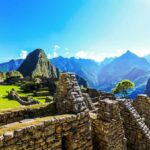
Day 4: Sunrise-first Machu Picchu with a guided 2-hour orientation, then free time and the walk back to the hydroelectric
Day 4 is early. The group gets up early to head toward Machu Picchu on an ascending route through the high forest. The chance to see sunrise is included in the plan, though Mother Nature always holds the final card.
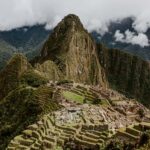
Once you arrive, your guide shows you around for about 2 hours in the sanctuary area. This is exactly the kind of time I like on a first visit. Machu Picchu can feel overwhelming if you don’t know where to start. A good guide makes you aware of key sightlines and what each section is for, so your later free roaming is sharper.
After the guided portion, you get free time to enjoy Machu Picchu on your own. This is when you slow down, take photos without rushing, and revisit the spots that caught your attention on the first pass.
Return is also part of the schedule: you walk about 2 hours from Aguas Calientes back toward the hydroelectric area. Then a bus waits (around 3:00pm) to take you back to Cusco. You arrive back around 9:00pm.
Optional add-on: there’s a possibility to spend one extra night in Machu Picchu town for $30 extra, then return next day. That’s specifically mentioned as useful if you want to climb Huayna Picchu or Machu Picchu Mountain.
Price and value: what $455 covers, and what you should budget separately
At $455 per person, the value comes from the “big logistics” being handled: transport, a bilingual professional guide, gear for biking, and multiple nights of lodging plus meals. You’re not only buying access to Machu Picchu. You’re buying an organized multi-day movement plan.
Here’s what’s included (based on the package details):
- Evening briefing before the trip
- Transportation in the Cusco region (Cusco to Ollantaytambo–Abra Málaga) and return bus from Ollantaytambo to Cusco
- Mountain bikes plus helmets and gloves
- A private bilingual professional guide
- Lodging for 3 nights:
- 1 night at Conde Ecolodge (Pispitayoc), shared room
- 1 night in Santa Teresa hostel (wifi, hot water)
- 1 night in Aguas Calientes hostel (private bathrooms, hot water)
- Meals:
- Breakfast (4)
- Lunch (3)
- Dinner (3)
- Pickup service, plus a first aid box
What’s not included (and can change your true cost):
- Lunch and dinner on the last day
- Tips
- Bus Aguas Calientes to Machu Picchu (note: your schedule includes an early arrival plan, but this bus leg is listed as not included)
- Rafting and zip-line activities
- Optional mountains like Huayna Picchu / Old Mountain
- An additional option called Llactapata (minimum 2 persons) for $55, with a tradeoff that you skip Santa Teresa lodging for a 2.5-hour walk through Llactapata ruins in a lodge setting
So the smartest way to think about value is this: you’re paying a fair base price for the core route plus most meals and key infrastructure. But the “active extras” and some transit pieces can raise your total if you want every optional activity.
Guides, pacing, and group size: what you can expect day to day
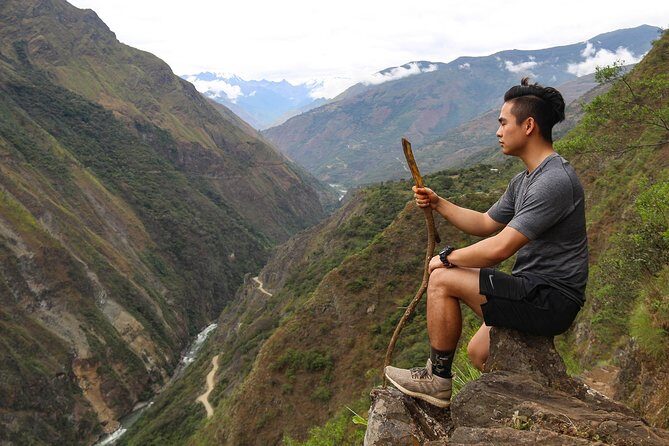
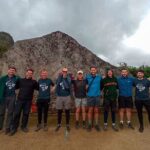
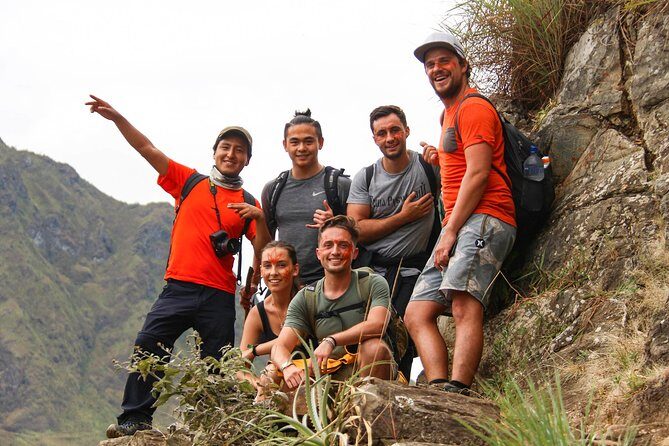
This trip runs as a small-group tour (max 15 travelers), and that matters more than people think. In places like the high forest and jungle routes, you need flexibility: trail pacing, waiting times, and getting everyone aligned for the next move. Smaller groups usually mean less chaos.
You’ll also have a private bilingual guide focused on the tour. In feedback I’ve seen names like Jonathan and Carlitos praised for care and attention, plus English that makes the whole route easier to understand. That’s not just comfort. When the guide explains Inca Carcel and the rules behind the Inca punishment story, the stop becomes meaningful instead of just “another ruin in the jungle.”
Pacing is active. Some feedback mentions that rest time can feel like sitting around at times, but the broader consensus is that the route still delivers a lot of variety: bike time, forest hiking, hot springs, and a real Machu Picchu day.
If you’re the type who wants constant motion, you might find a few stretches slower than expected. If you’re smart about conserving energy—especially on Day 3—you’ll land in Aguas Calientes ready for the sunrise call.
What to pack for the Inca Jungle route (and why it matters)
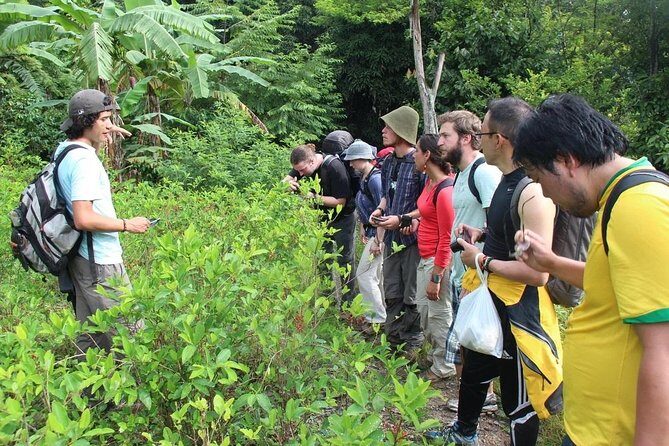
You don’t need to overpack, but you should pack for three realities: wet trails, cold mornings, and bugs.
Based on the kinds of needs that come up on this route:
- Bug spray (seriously—jungle time plus humidity)
- Sunscreen
- A light jacket (early mornings can feel chilly)
- Swim trunks (useful if you want comfort for the water day and hot springs areas)
- Flip flops (handy for hostel time and quick recovery)
- A headlamp (useful for early starts and dark hostel mornings)
- A light layer for changing temps
Also, keep your pack light if you can. Day 3 walking plus the Machu Picchu schedule add up. A small pack makes you feel human instead of cargo.
Who this tour suits best (and who should rethink it)
This tour fits best if you want an active alternative to the classic Inca Trail style of getting to Machu Picchu. It’s also a great fit if you enjoy variety: bike descents, jungle hikes, hot springs, and a final guided ruins walk.
You’ll likely enjoy it if you:
- have moderate fitness
- can handle early mornings and long travel days
- like learning on the move, especially stops like Inca Carcel
You might reconsider if you:
- want everything included with zero extra payments
- get stressed by schedule changes or delayed pickup windows (there are examples of this in feedback)
- need strict dietary customization in remote family-style settings (vegetarian options were described as limited in one experience)
- hate bugs or don’t want to bring the right gear
Should you book this Inca Jungle to Machu Picchu route?
I think you should book if you want the journey to Machu Picchu to feel like a story you lived, not a checklist. The combination of biking, high-forest hiking, Cocalmayo hot springs, and a guided 2-hour orientation at Machu Picchu is a strong value package—especially with lodging and most meals included.
I’d hesitate if you’re hoping rafting and zip-line are included, because they’re not. I’d also plan for the fact that this is a remote, early-start, multi-transfer route. If you’re the type who needs perfect punctuality, you may find some days a bit unpredictable.
One practical note: the experience is listed as non-refundable and cannot be changed if you cancel, so double-check your dates before you pay.
If that all sounds okay, then yes—this is the kind of trip where you’ll look back and remember not only Machu Picchu, but the hours that led you there.
FAQ
What time does the tour meet each day?
The start time is listed as 5:00am.
How many people are in the group?
The tour has a maximum of 15 travelers.
What fitness level do I need?
It’s described as suitable for travelers with a moderate physical fitness level.
Are meals included?
Breakfast is included for 4 days, and lunch is included for 3 days. Dinner is included for 3 days. Lunch and dinner on the last day are not included.
Are rafting and zip-line included?
Rafting is listed as not included, and zip-line is also listed as not included.
Is Machu Picchu admission included?
Yes. Machu Picchu admission is included for Day 4.
Is Cocalmayo hot springs admission included?
Yes. Cocalmayo Hot Springs admission is included on Day 2.
Where do you stay overnight?
You have:
- 1 night at Conde Ecolodge (Pispitayoc) in a shared room
- 1 night in Santa Teresa at a hostel with wifi and hot water
- 1 night in Aguas Calientes at a hostel with private bathrooms and hot water
How do you get back to Cusco after Machu Picchu?
You walk about 2 hours from Aguas Calientes to the hydroelectric area, then take a bus (listed as waiting at 3:00pm) back to Cusco, arriving around 9:00pm.
Can I add Huayna Picchu or Machu Picchu Mountain?
Huayna Picchu or the Old Mountain are listed as not included. There’s an option to spend one extra night in Machu Picchu town for $30 extra so you can return the next day for that kind of climb.