REVIEW · CUSCO
Cusco : Half-Day Explore Inca Ruins qoricancha sacsayhuaman
Book on GetYourGuide →Operated by tour machupicchu best E.i.r.l · Bookable on GetYourGuide
Ruins and views in just one morning. This half-day Cusco plan takes you to Qoricancha and the big-hitter Sacsaywaman so you get Inca stories plus sweeping scenery without losing your whole day. I love how the schedule is tight but still includes meaningful stops, not just quick photo stops.
Two things I especially like: the expert bilingual guide helps you make sense of what you’re seeing, and the tour includes time for authentic local food so you’re not sightseeing on an empty stomach. The main thing to consider is altitude and pacing—Cusco can feel tough until you acclimate, and this tour keeps you moving.
Also, don’t forget the extra cost: archaeological entry tickets aren’t included, and you need cash in Peruvian soles. If you’re prone to get cold in the morning or you hate being approached to buy stuff, plan your attitude ahead of time and bring layers.
In This Review
- Key points
- The half-day rhythm: starting at Plaza de Armas (8:45 am)
- Qoricancha: Temple of the Sun and why it hits first
- Sacsaywaman: panoramic views and the heavy feeling of Inca stonework
- Qenqo, Puca Pucara, and Tambomachay: a three-stop story arc
- Qenqo (about 30 minutes)
- Puca Pucara (about 20 minutes)
- Tambomachay (about 30 minutes)
- Getting around: short drives, real downtime, and a smart 5-hour window
- The bilingual guide: helpful history, and one real caution about language balance
- Local food during the morning: how to handle it without slowing down
- Price and tickets: what $15 really means for your budget
- What the tour feels like on the ground: shopping pressure and how to stay in control
- Who should book this half-day ruins route—and who should skip it
- Should you book this Cusco half-day explore tour?
- FAQ
- What is the duration of the tour?
- How much does it cost?
- Where do I meet the guide?
- What sites are visited during the half day?
- Are entry tickets included in the price?
- What languages is the guide available in?
- Is there free cancellation?
Key points
- Morning pickup at Plaza de Armas keeps the start simple and easy to find
- Panoramic viewpoints from Sacsaywaman are a real payoff for the drive up
- Bilingual guide support helps you connect the dots across multiple sites
- Stops include Qenqo, Puca Pucara, and Tambomachay so it is more than just one ruin
- You’ll budget for entry tickets (bring 90 soles cash) so you’re not scrambling
- Altitude matters in Cusco—go gently if you are still adjusting
The half-day rhythm: starting at Plaza de Armas (8:45 am)
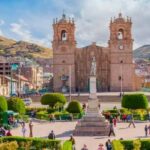
This tour is built for convenience. You’re picked up at 8:45 am right at the center of Cusco’s main square, at the water fountain. It’s the kind of meeting point that helps you avoid stress—show up a few minutes early, and they call your name.
Timing matters here because the day is short on purpose. You’re out for about 5 hours, which is ideal if you’re only in Cusco for a quick stop or you want to save energy for later big activities. You also spend a chunk of time at viewpoints above the city, so you get that classic Cusco sense of height and open air, even before lunch.
If you’re new to altitude, I’d treat the first part of the morning like a slow warm-up. Cusco sits high, and ruins at higher elevations can make even a short walk feel like work. I like that this tour includes transport between stops, so you’re not constantly grinding uphill on your own.
A few more Cusco tours and experiences worth a look
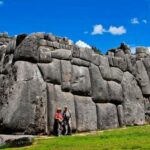
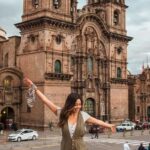
Qoricancha: Temple of the Sun and why it hits first
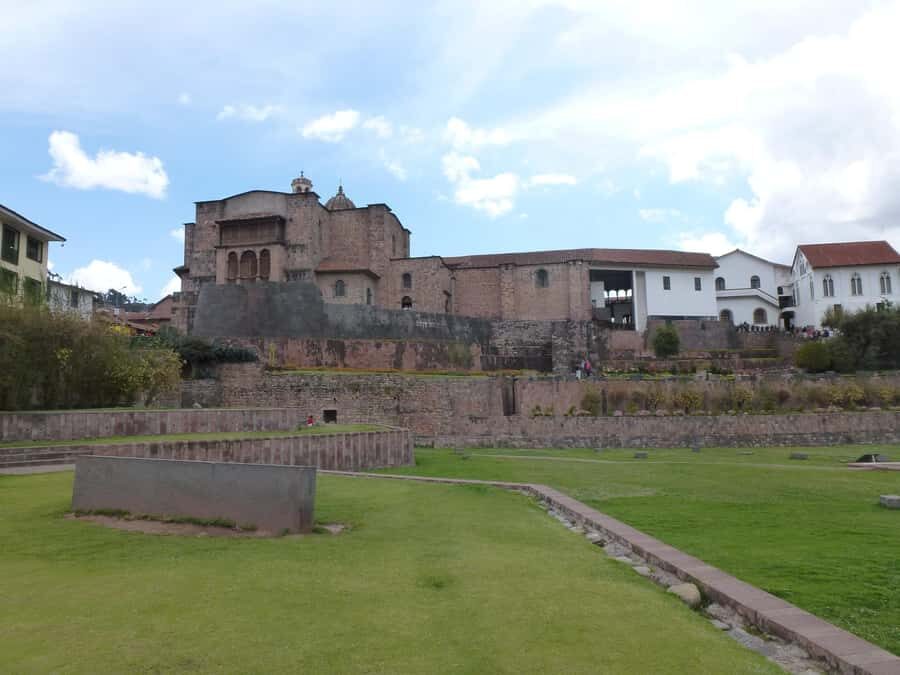
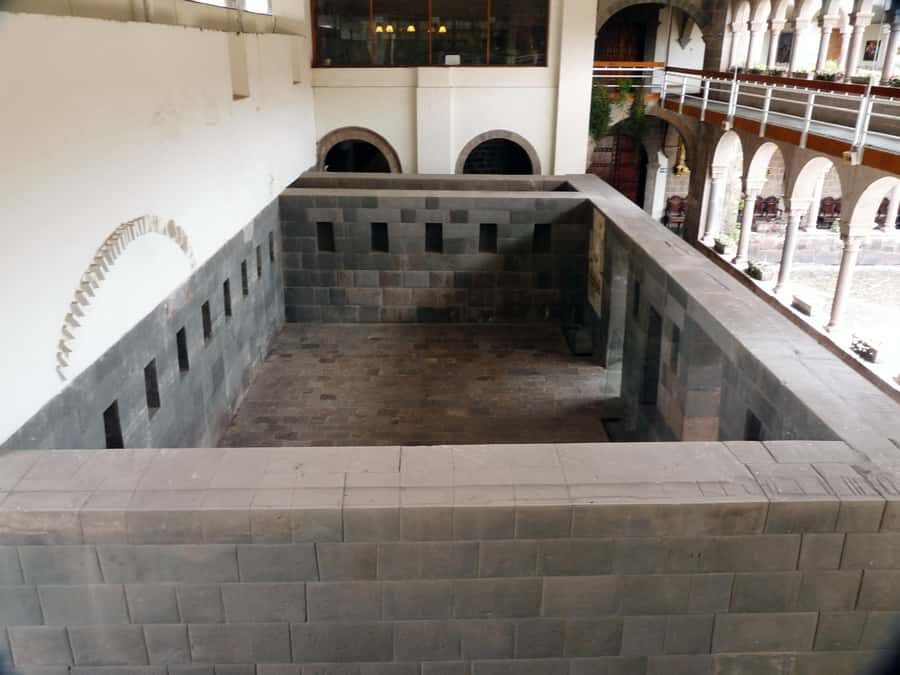
Qoricancha is where the tour plants the story. You’ll spend about 40 minutes here, which is enough time to understand the site without feeling rushed into the next stop before your brain catches up.
What I like about starting at Qoricancha is the way it sets the tone for everything after. It’s one of those places where you can immediately feel the importance of what the Incas built: a sacred setting with serious symbolism. Even if you don’t know the details yet, the guide’s explanations help you see beyond the walls and into the meaning—why this place mattered, how it connected to Inca beliefs, and how you can recognize clues across the different sites later.
Practical tip: plan for changing light. Mornings in Cusco can shift fast, and the stone surfaces change mood depending on the sun. Bring sunglasses if you like, and keep an eye on your breath as you move around—don’t force your pace.
Best for: first-time Cusco visitors who want context fast
Possible drawback: because it is an early stop, you might still be waking up physically if you slept poorly at altitude
Sacsaywaman: panoramic views and the heavy feeling of Inca stonework
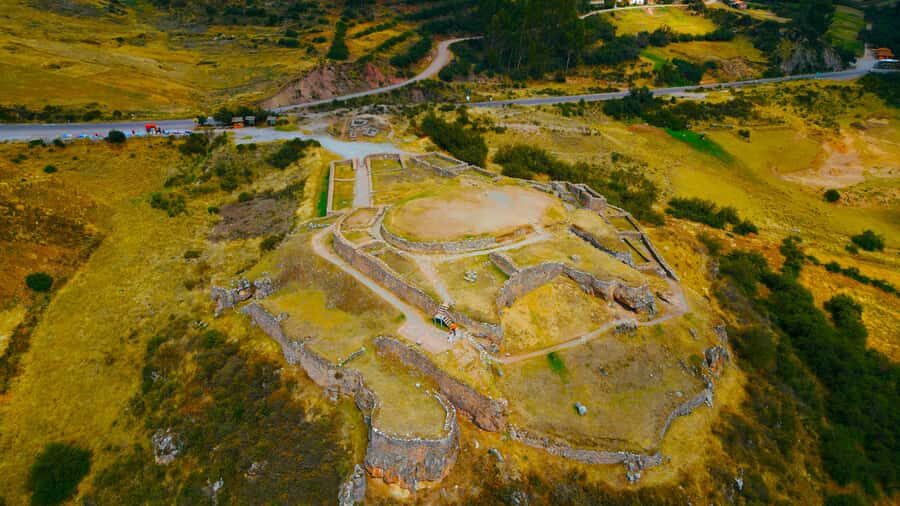
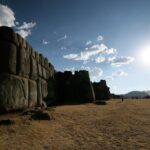
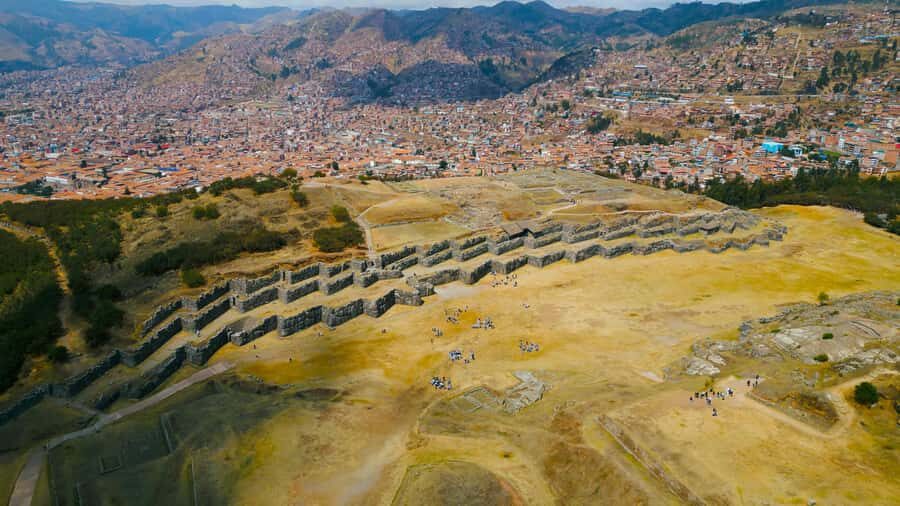
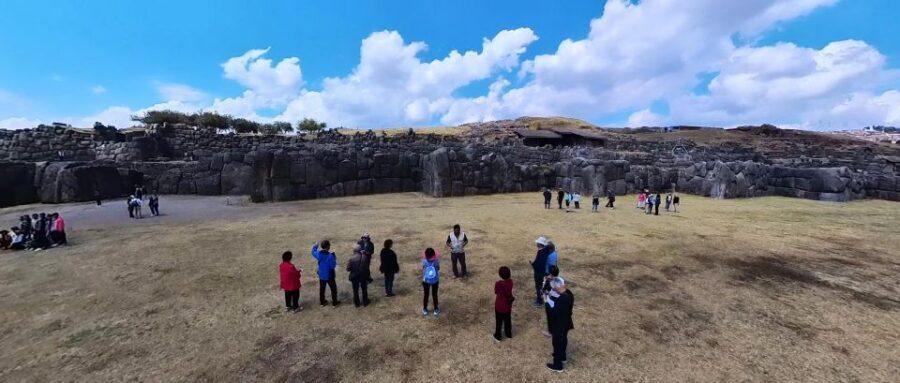
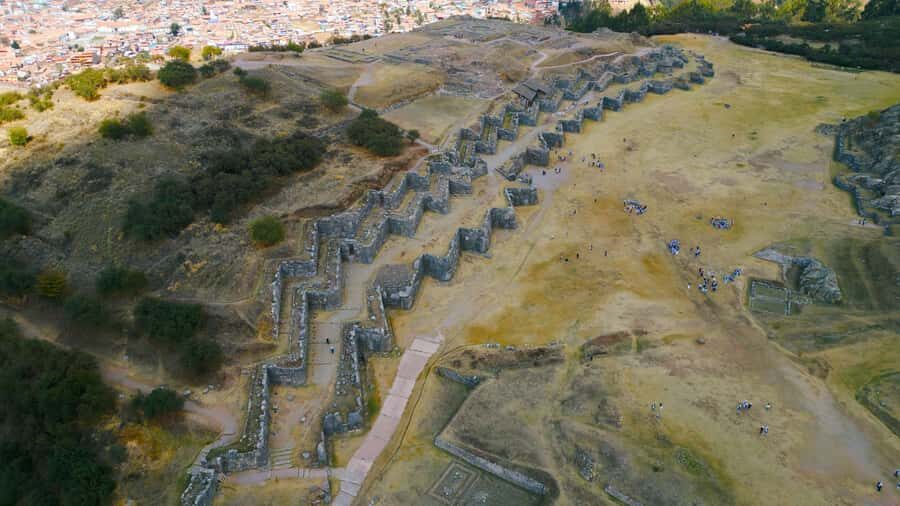
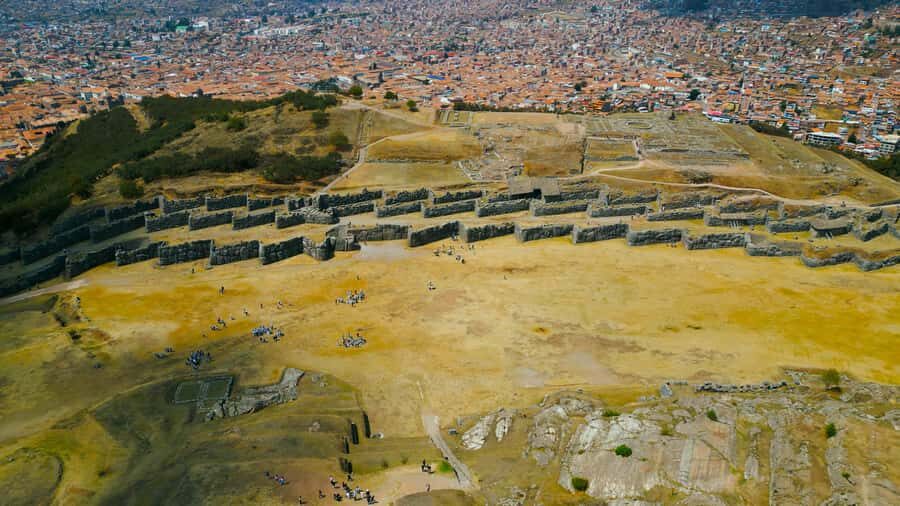
Sacsaywaman is the stop you’ll remember later. You’ll have about 40 minutes here, and the payoff is not only the ruins—it’s the way the site lets you look out over Cusco with a sense of scale.
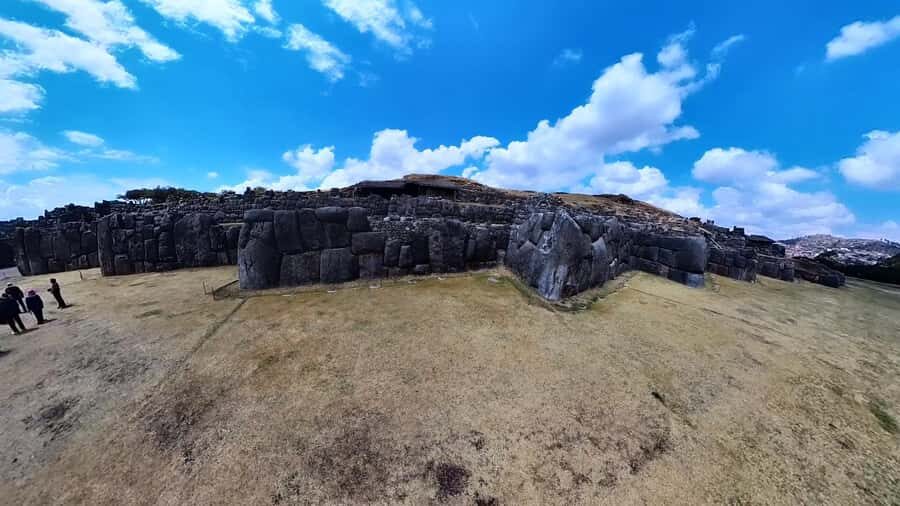
This is where the “why” of Inca engineering becomes easier to grasp. You can see the stonework and the overall layout in a way that feels planned and intentional, not random. The guide’s explanations matter a lot here, because without context, it can look like a strong fortress and nothing more. With context, you start to understand how power, ritual, and construction style show up in the same place.
And yes, the views are a highlight. You’re above the city, so you get sweeping perspective and crisp sightlines. That makes it easier to connect the dots: how the city sits below, how the terrain shapes movement, and why these sites were placed where they are.
One caution: Sacsaywaman can feel more physical than it looks from street level. The path and elevation can push you faster than you expect. If you’re still acclimating, take it slow, pause when you need to, and keep hydration steady.
Best for: people who want the biggest visual payoff in a short time
Possible drawback: if you’re not acclimated, the elevation can make the walk and standing feel tiring
Qenqo, Puca Pucara, and Tambomachay: a three-stop story arc
After Sacsaywaman, the tour shifts to a trio of sites that broaden the Inca picture. You’ll visit Qenqo (about 30 minutes), then Puca Pucara (about 20 minutes), then Tambomachay (about 30 minutes).
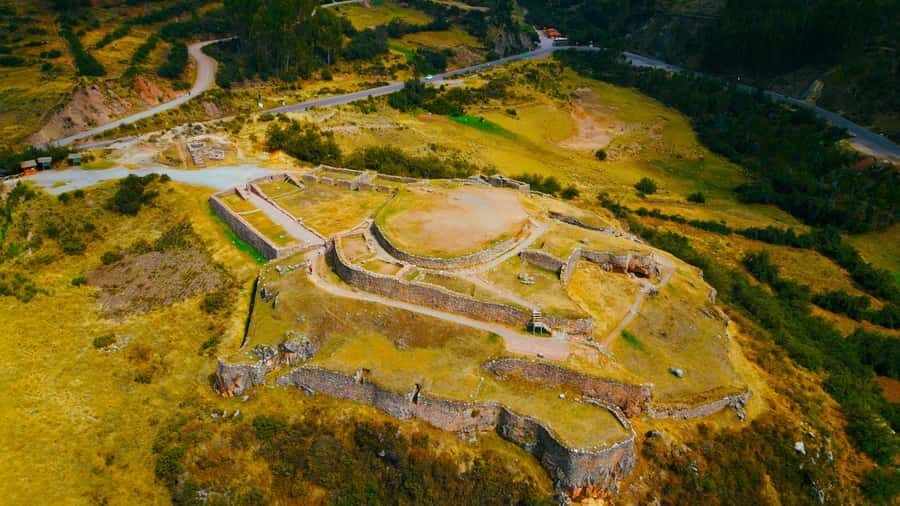
Here’s why this matters for you: the Incas didn’t just build one dramatic ruin. They used multiple sites across the surrounding area for different purposes—ritual, observation, water systems, and practical planning. The guide’s job is to connect each stop to that larger pattern, so the tour feels like a coherent narrative rather than a checklist.
Qenqo (about 30 minutes)
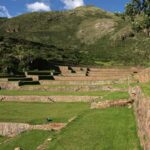
Qenqo tends to feel more “human-scale” than the big fortress sites. You get time to look closely and listen to the meaning behind the site features. For me, the value is learning what to look for. Once you know what the guide is pointing out—how the space is arranged and what it may have been used for—it becomes much more than stone walls and steps.
Puca Pucara (about 20 minutes)
Puca Pucara is shorter, but it still adds texture. It helps you understand how the surrounding area forms a network rather than isolated spots. The guide’s explanations make the place feel less mysterious and more purposeful—an extra piece in the puzzle.
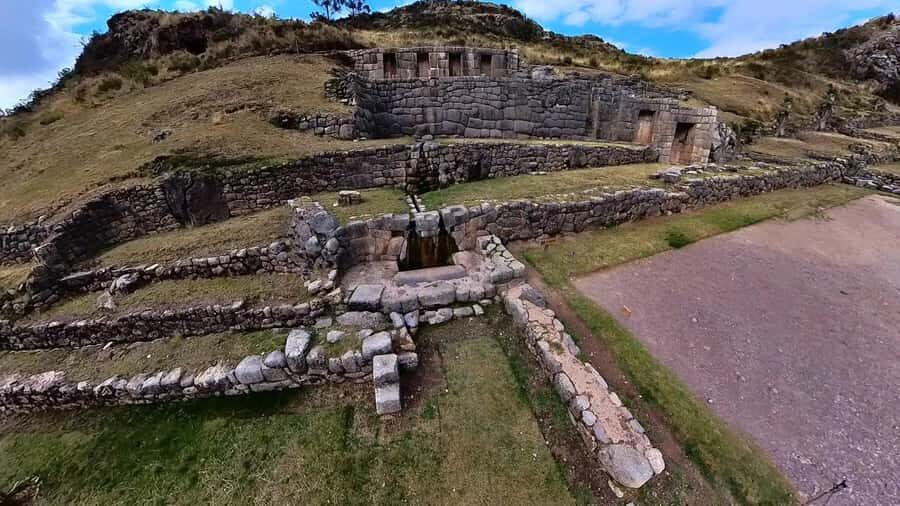
Tambomachay (about 30 minutes)
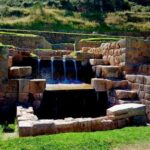
Tambomachay is the calm closer. You’re still in ruin mode, but the focus shifts toward how the site works and what stands out about it. This stop is often a good “exhale” point after earlier viewing and listening, especially if you’re feeling altitude fatigue.
Small practical detail: the order is designed so you keep moving while the day stays manageable. You also have short transport breaks between stops, which really helps if you’re sensitive to elevation.
Getting around: short drives, real downtime, and a smart 5-hour window
Between stops, you’ll ride in transport most of the time. The schedule includes transfers after each main visit, with short gaps that keep you from losing too much time on logistics.
I like this style because it respects your energy. In Cusco, you can burn out fast if you try to do everything by yourself. Here, you get structure: go, see, listen, and then ride to the next viewpoint. It’s still active, but it is controlled.
That’s also why the tour is priced the way it is. You’re not paying for private car time or long lunches—you’re paying for a morning route, transport support, and an expert guide who keeps the story flowing. For many people, that’s the best value in Cusco when you have limited time.
One possible drawback: tight timing can make each stop feel shorter than you’d like if you love lingering. That’s the trade-off with a half-day plan. If you want to sketch, take lots of close-up photos, or read every plaque slowly, you might feel a little rushed.
The bilingual guide: helpful history, and one real caution about language balance
The tour includes a professional guide bilingual in Spanish and English. In theory, that’s perfect—especially if you care about understanding what you’re looking at, not just snapping pictures.
In practice, language balance depends on the group. I’ve seen bilingual tours where the guide spends more time in the language most common in the group. If you’re an English-only traveler, plan to still catch key points even if conversation leans Spanish at moments. If that matters a lot to you, I’d consider checking that enough English speakers are in your group before you lock it in—or just come ready to use your listening skills and the guide’s gestures.
What I appreciate most: the guide doesn’t just list dates. They explain what you’re seeing at each stop, which helps you connect the sites into one larger picture.
Local food during the morning: how to handle it without slowing down
The tour highlights include time to enjoy local cuisine. Even without a detailed meal breakdown, the intent is clear: you’re not meant to spend the whole morning sightseeing on empty energy.
My advice: if you’re acclimating, eat something light and familiar, then build from there. Cusco can make heavy food feel uncomfortable early on. If you are sensitive, go for simple carbs and warm drinks first, then save your bigger meal for later.
Also, Cusco mornings can be cool. If you buy snacks during the route, keep an eye on timing so you don’t miss the next transfer.
Price and tickets: what $15 really means for your budget
The tour price is $15 per person, which is very approachable for a half-day with transport and a bilingual guide. But it is not the full cost.
Archaeological entry tickets are not included. The amount you need is 90 soles in cash. This is important: you’ll want to withdraw cash ahead of time, because showing up without it can slow you down.
So how do you think about value?
- You’re paying a low base price for organization, transport, and guided explanations.
- You’re paying extra on top for site access, which is standard for archaeological stops.
If you want to maximize value, come with the cash ready and a little patience. You’ll spend your time on the guide and the sites, not on last-minute money problems.
What the tour feels like on the ground: shopping pressure and how to stay in control
One thing I’ve learned from Cusco tours: some routes include frequent stops where people try to sell items—during transport and at certain points along the way. This can range from friendly to relentless depending on the day.
If you’re not interested, you can handle it by setting a rule for yourself before you step out of the vehicle. You don’t have to negotiate your way into spending money. You can politely listen, ask questions if you want, and then move on when you’re ready.
The key is keeping your focus on why you’re there: ruins, viewpoints, and explanations that help you understand what the Incas built around Cusco.
Who should book this half-day ruins route—and who should skip it
This tour makes sense if:
- You want the best hits around Cusco without planning a full-day itinerary.
- You like guided context more than reading everything on your own.
- You want big viewpoint energy early, then breathing space later.
I’d be more cautious if:
- You haven’t acclimated to Cusco yet. Altitude can hit harder here than people expect, and you’ll feel it more on elevated ruins.
- You hate being approached to buy things and prefer silent, independent exploring.
- You want long, slow time at each site. This is a half-day, so it’s structured and move-forward.
Wheelchair accessibility is listed, so if you use mobility support, this can be a workable choice—but I’d still arrive ready for uneven terrain at archaeological sites.
Should you book this Cusco half-day explore tour?
If you’re in Cusco for a short stay, I think this is a smart way to get oriented. You hit the major names—Qoricancha, Sacsaywaman, Qenqo, Puca Pucara, Tambomachay—without needing to coordinate transport on your own. At $15, the guide-led narrative and planned stops are strong value, as long as you budget the 90 soles cash entry tickets.
Book it if you want structure, history explanations, and panoramic payoff. Skip it or swap it for a slower plan if you’re still struggling with altitude or you’d rather wander quietly at your own pace. Either way, go prepared: layers for cool mornings, cash for tickets, and a plan for how you’ll handle sales stops.
FAQ
What is the duration of the tour?
The tour runs for about 5 hours.
How much does it cost?
It costs $15 per person.
Where do I meet the guide?
You are picked up at 8:45 am at the water fountain in the center of Cusco’s main square (Plaza de Armas).
What sites are visited during the half day?
You visit Qoricancha, Sacsaywaman, Qenqo, Puca Pucara, and Tambomachay.
Are entry tickets included in the price?
No. Entry tickets are not included, and you need 90 soles in cash for the archaeological sites.
What languages is the guide available in?
The guide is bilingual, offering Spanish and English.
Is there free cancellation?
Yes. You can cancel up to 24 hours in advance for a full refund.