REVIEW · URUBAMBA
Cusco: Sacred Valley and Salt Mines Ending in Ollantaytambo
Book on GetYourGuide →Operated by XPLORA AMERICA · Bookable on GetYourGuide
A single day in the Sacred Valley can feel like a movie montage. This one runs from Cusco out through Chinchero, Moray, and the Maras Salt Mines, then ends in Ollantaytambo—so you get big variety without a night of packing and unpacking. I especially love how the stops are spread across different kinds of history and daily life: Inca-era agriculture ideas, salt production, and still-active communities.
The best part is the mix of hands-on scenery plus real context from a live guide. If you land with Johnathan, the smooth English/Spanish switching is a real bonus when you want the story and the details. One possible drawback: it’s a fast, “see a lot” day, and there’s not much slack if you want to linger.
In This Review
- Key things that make this tour worth your time
- A Day-Long Sacred Valley Loop From Cusco to Ollantaytambo
- Price and Value: What $40 Gets You (and what it doesn’t)
- Hotel Pickup and the Drive Out of Cusco: Settle In Fast
- Chinchero at 3,772 Meters: Textiles, a colonial church, and a real market
- Moray’s Circular Terraces: The agricultural idea you can see
- Maras Salt Mines: 4,000+ wells and a pattern you can’t unsee
- Urubamba Buffet Lunch: Real food, real calories, and a much-needed pause
- Ollantaytambo’s Fortress: A living Inca city with a protective purpose
- Pace, comfort, and photos: how to enjoy a fast day
- Who this Sacred Valley tour fits best
- Should you book Cusco: Sacred Valley and Salt Mines Ending in Ollantaytambo?
- FAQ
- How long is the tour?
- What’s included in the price?
- Do I need to pay entrance fees?
- Where does the tour start and end?
- What languages are available for the guide?
- What should I bring?
- Can I cancel or pay later?
Key things that make this tour worth your time
- A logical route: Cusco out to Chinchero and Moray, then Maras, then on to Ollantaytambo
- Altitude-aware stops: Chinchero sits at 3,772 meters, so you’ll get used to the high-country pace
- Moray’s circular terraces: an agricultural experiment you can still visually read
- Maras Salt Mines: 4,000+ wells in one of the most distinctive salt landscapes around
- Real break time for food: a buffet lunch in Urubamba (included)
- Photo-friendly timing: you’ll have time to shoot, even though the schedule moves
A Day-Long Sacred Valley Loop From Cusco to Ollantaytambo
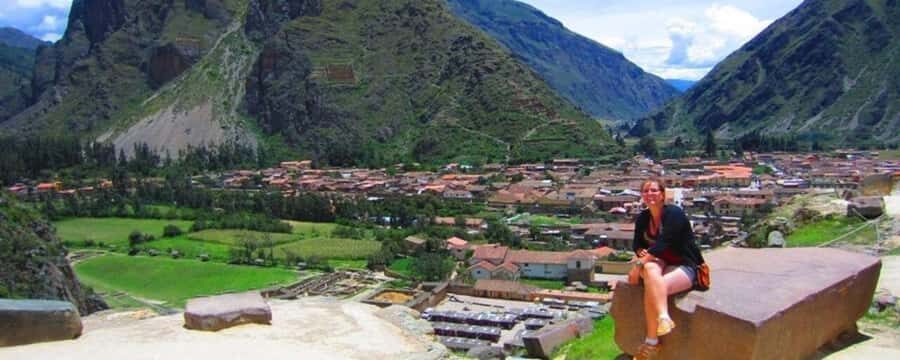
This is the kind of tour I like for people who have limited time but still want variety. It’s 12 hours, with hotel pickup in Cusco, guided driving between major sites, a buffet lunch in Urubamba, and a finish around 3:30 PM near the Ollantaytambo train area.
You’re not just checking boxes. You’re moving through a chain of places that connect land use, local culture, and production. You’ll see crop fields and villages with snow-capped mountains in the background, but you’ll also hit places where humans shaped the terrain for practical reasons—farming and salt.
Tip for expectations: this is “packed day” energy. Plan for short walks, quick explanations, and steady movement.
You can also read our reviews of more tours and experiences in Urubamba.
Price and Value: What $40 Gets You (and what it doesn’t)
At $40 per person, the value is mostly about what’s included in the day structure. You get:
- Hotel pickup in Cusco
- Tourist transport between stops
- A live guided tour (English or Spanish)
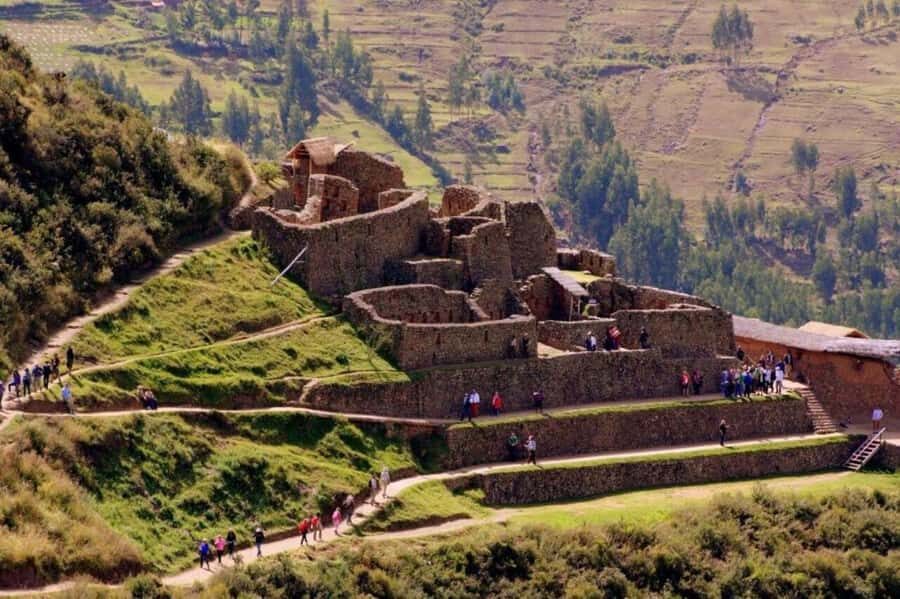
- Visits to Chinchero, Moray, Maras Salt Mines, and Ollantaytambo
- A buffet lunch in Urubamba (included in the price)
What’s not included is important for budgeting: entrance fees are not included, and the tour specifically notes that Moray and Maras have entrance fees you’ll pay separately. Also, the buffet lunch is included, but anything beyond that at the restaurant isn’t listed as included.
So here’s the math that matters: if you were to hire separate transport and pay for guide time across multiple sites, you’d spend more than this. The tour is basically selling you a full route + guidance + lunch at a rate that’s hard to beat—just accept that you’re trading time for efficiency.
Hotel Pickup and the Drive Out of Cusco: Settle In Fast
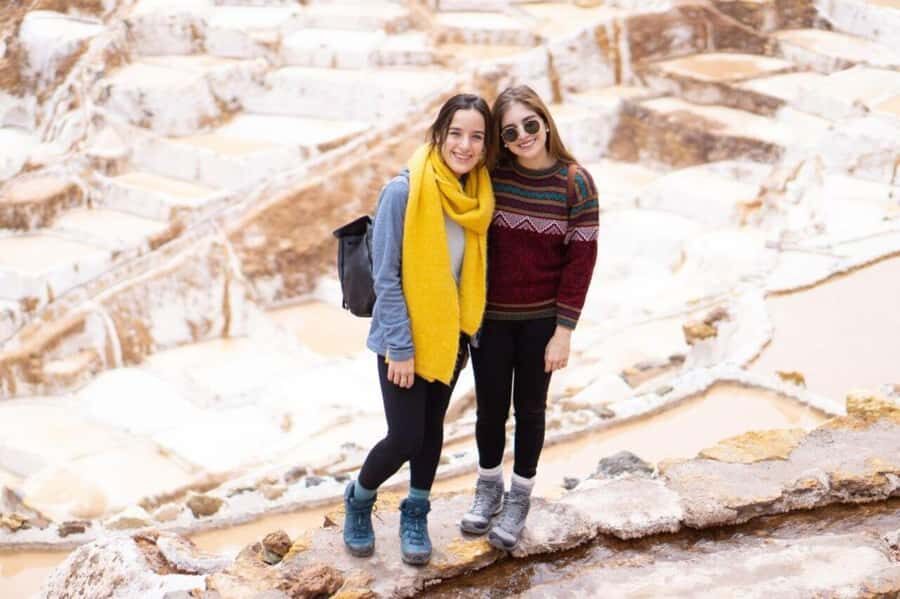
The day starts with pickup from your hotel in Cusco, then you head into the Sacred Valley. Even if you’re feeling fine in the morning, expect the high-altitude rhythm to shape your pace—especially once you reach higher-elevation stops.
What I recommend before the car even leaves:
- Wear comfortable shoes right away. You’ll want traction for uneven ground.
- Have water ready. You’ll be moving all day.
- Put sunscreen and a hat within easy reach. The sun in the Andes doesn’t ask permission.
The drive itself is part of the experience. You’ll see agricultural patterns, villages, and mountain views that help make the later stops make sense. It’s easier to understand Moray’s purpose and Maras’s salt grid when you’ve already seen how the valley is used.
Chinchero at 3,772 Meters: Textiles, a colonial church, and a real market
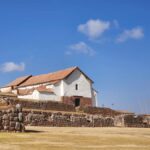
Chinchero is where this tour slows down just enough to feel like a culture stop. It sits at 3,772 meters, so the altitude is right there in the experience—short walk, steady breaths, and good views.
In Chinchero, you’ll visit archaeological and cultural sites including:
- A 17th-century colonial church with canvases from the Cusco School
- A typical market, where you can still see bartering in action
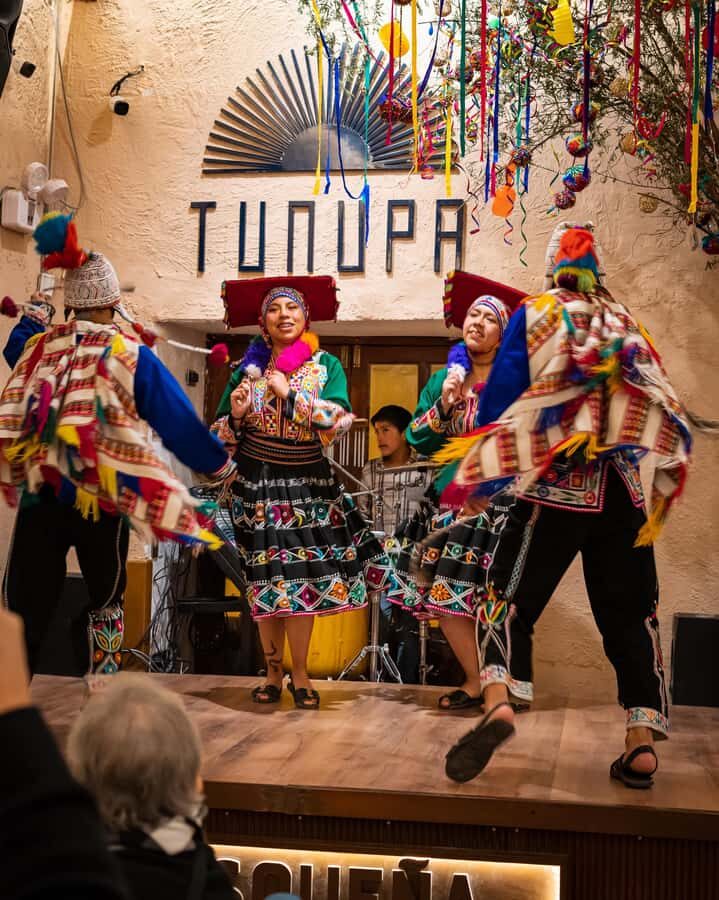
- Areas focused on traditional textiles, with emphasis on handmade work by Andean women
What I like about this stop is that it’s not only about ruins. You’re seeing craft as a living system. Textiles here aren’t just souvenirs; they’re tied to work, tradition, and daily identity. And the market makes it feel grounded—like a place people actually use, not a staged set.
A small consideration: the day can feel rushed, so if you’re the type who likes to “shop with your brain switched on,” give yourself permission to move intentionally. Look, ask what you can, and don’t try to master every pattern in 12 minutes.
Moray’s Circular Terraces: The agricultural idea you can see
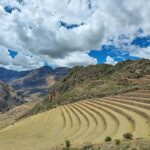
Next comes Moray, famous for its circular agricultural terraces. This is an experimental agricultural center, and that’s the key to understanding why it still grabs people today.
Even if you don’t know the agriculture science, the layout tells the story:
- The terraces are engineered into a shape that helps create different growing conditions
- It shows how Inca-era planners treated the land like a tool, not just a backdrop
This stop is worth it because it shifts you from “history as architecture” to “history as problem-solving.” Moray is less about a dramatic fortress and more about testing how to grow food in a challenging environment. You’re seeing an approach to farming that’s still visually obvious: concentric rings and purposeful structure.
Practical note: this is another walk-and-look area. Comfortable shoes matter more than you think.
Also remember: entrance fees for Moray are not included, so plan to pay separately on the day.


Maras Salt Mines: 4,000+ wells and a pattern you can’t unsee
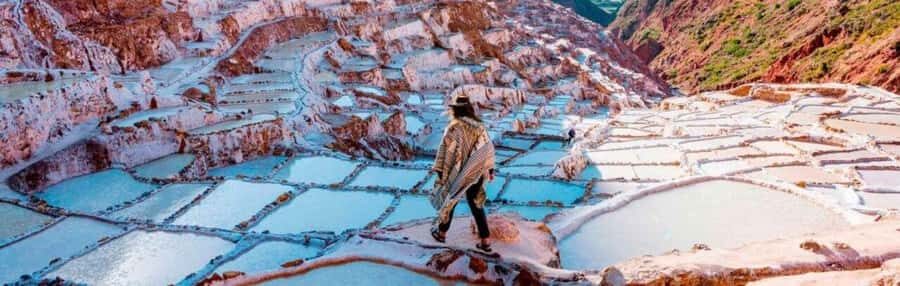
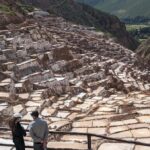
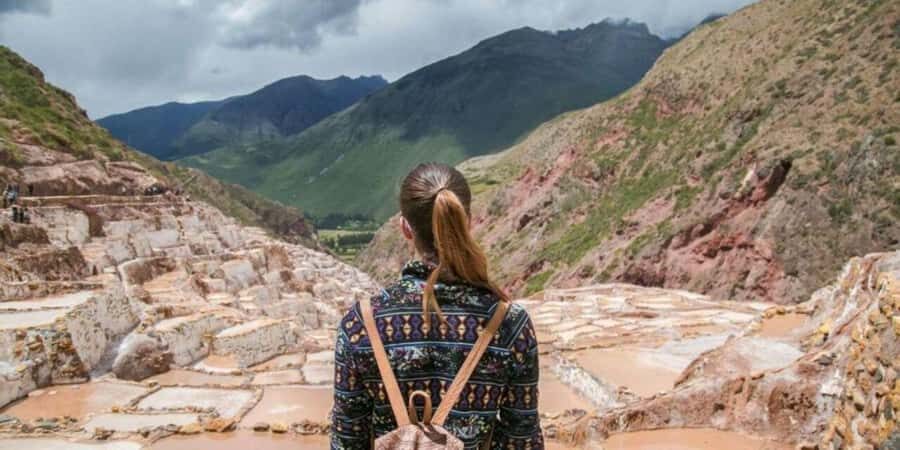
Then you hit the Maras Salt Mines. The mines include more than 4,000 wells, where salt is extracted—some of the best in the world is the phrasing used.
What makes Maras work is the geometry. From a distance, it looks like a patchwork of pale grids climbing a hillside. Up close, you notice the repetition of wells and the sense of how long this operation has been part of the landscape.
This is also where the tour’s “many sites” style pays off. You get to compare salt production to agriculture at Moray, then contrast it again with market culture at Chinchero. It’s the same region, but different ways people shaped their survival.
Like Moray, entrance fees aren’t included for Maras. Budget for that so it doesn’t feel like a surprise mid-day.
Bring your camera. The best shots usually require moving to find angles where you can see both the wells and the mountain context.
Urubamba Buffet Lunch: Real food, real calories, and a much-needed pause
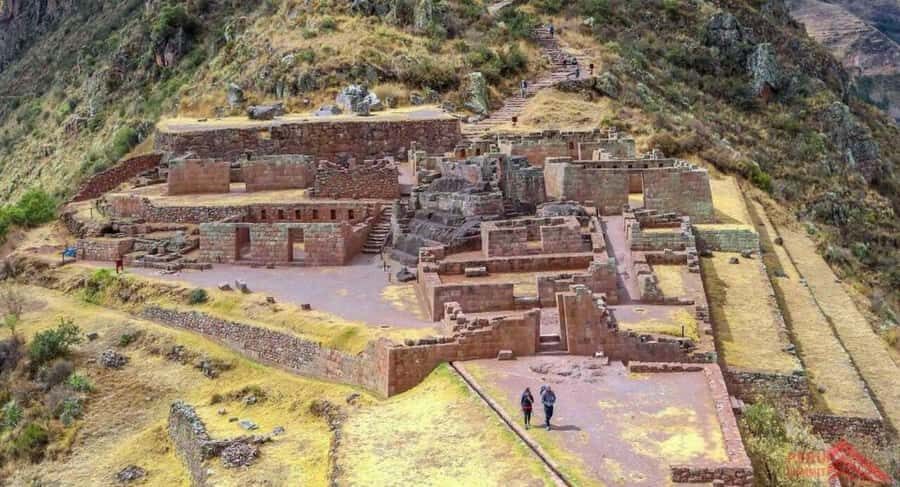
By the time you reach Urubamba, you’ll appreciate the schedule break. Lunch is a buffet at a typical local restaurant.
Even if you’re not a huge buffet person, this stop is practical value:
- It keeps you fueled without hunting for food on your own
- It reduces decision fatigue in the middle of the day
- It gives you a rhythm reset before the final push to Ollantaytambo
A good strategy: eat a bit slower than you normally would. You’ll likely have some altitude in your system, and a calmer lunch helps you enjoy the last stop instead of racing to it.
Ollantaytambo’s Fortress: A living Inca city with a protective purpose
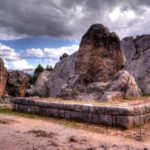
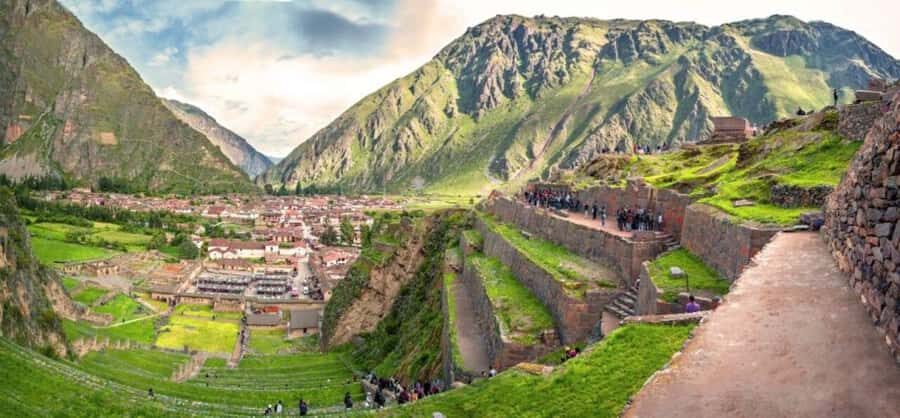
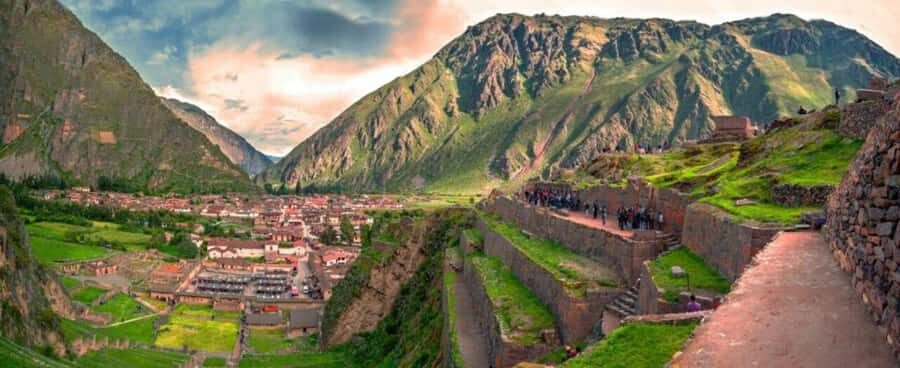
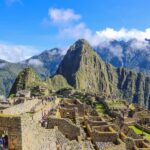
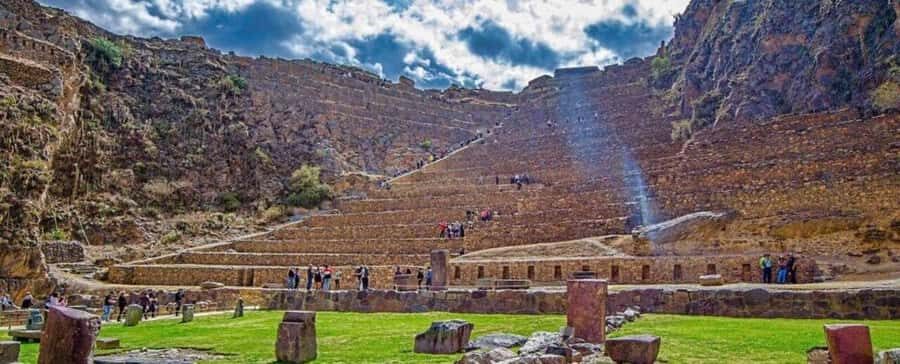
The tour ends at Ollantaytambo, described as a living Inca city. Your final viewpoint centers on its military fortress, built to protect the Sacred Valley from potential invaders.
This last stop works well after Moray and Maras, because it brings you back to “who controlled the land.” You’ve seen how people farmed and extracted salt. Now you see how they defended the valley.
Ollantaytambo is also an especially useful ending point because the tour drops you off near the train station around 3:30 PM. If you’re continuing to Machu Picchu or staying in the area, this timing can save you time and stress.
Stay aware: the day is ending, but you’ll still want energy for walking and photos. If you’re feeling a little tired, prioritize the views from the fortress area and save casual wandering for later.
Pace, comfort, and photos: how to enjoy a fast day
This tour is a classic “one day, many highlights” format. The payoff is variety. The tradeoff is pace. One downside that can pop up is that the day can feel rushed from sight to sight if you’re the type who wants deeper time at each stop.
So how do you make it enjoyable?
- Use the guide’s first explanation. It sets context fast. After that, you’ll understand what you’re seeing without needing more time at every stop.
- Take photos in bursts. Don’t try to shoot every angle. Get one or two solid frames per site, then move.
- Keep hydration simple. Drink water even if you don’t feel thirsty. High-altitude days trick you.
Also, dress for sun and sweat. A hat and sunscreen are specifically recommended for a reason. If you only pack the minimum, you’ll feel it by mid-afternoon.
Who this Sacred Valley tour fits best
I think this is a strong match for:
- You have limited time in Cusco and want multiple major Sacred Valley stops in one day
- You want guided context rather than self-driving
- You like a route that ends where travel plans often continue (near Ollantaytambo’s train station)
- You enjoy seeing how communities and old systems still connect to daily life—especially with the market and textiles in Chinchero
It’s also a decent choice if you value efficiency and a predictable schedule. The included pickup and transport reduce the amount of planning you have to do.
If you hate “see it, move on” days, you might prefer a slower tour with fewer sites. But if you can handle a packed itinerary, this one gives a lot of return for the money.
Should you book Cusco: Sacred Valley and Salt Mines Ending in Ollantaytambo?
If you want a cost-effective, structured day that hits Chinchero, Moray, and the Maras Salt Mines with guided explanations and an included Urubamba buffet lunch, I’d say it’s a good bet. The route is sensible, the included services reduce hassle, and the finish near Ollantaytambo helps your next step.
I’d book it especially if you can accept that it’s a fast sightseeing day. That’s the trade. To make it worth it, go in with a photo plan, wear comfortable shoes, and treat the guide’s narration as your “shortcut” to understanding what you’re looking at.
If your ideal day is slow, quiet, and lingering at each stop, look for a more relaxed option instead. But if you want maximum Sacred Valley coverage without complicated logistics, this one is built for you.
FAQ
How long is the tour?
It runs for 12 hours from pickup in Cusco to the drop-off near the Ollantaytambo train station.
What’s included in the price?
The tour includes hotel pickup in Cusco, tourist transport, a guided Sacred Valley tour, visits to Chinchero, Moray, Maras Salt Mines, and Ollantaytambo, plus a buffet lunch in Urubamba.
Do I need to pay entrance fees?
Yes. Entrance is not included, and the tour notes that entrance fees for Moray and Maras must be paid separately.
Where does the tour start and end?
It starts with hotel pickup in Cusco and ends at 3:30 PM, when your transport drops you off near the Ollantaytambo train station.
What languages are available for the guide?
The live guide is available in English and Spanish.
What should I bring?
Bring comfortable shoes, a hat, camera, sunscreen, and water.
Can I cancel or pay later?
Yes. You can cancel up to 24 hours in advance for a full refund. You can also reserve now and pay later.
If you want, tell me your travel dates and whether you’re continuing on to Machu Picchu. I can help you think through whether the 3:30 PM Ollantaytambo drop-off timing will line up with your plans.