REVIEW · CUSCO
From Cusco: Via Ferrata & Zip Line with lunch
Book on GetYourGuide →Operated by Tangol · Bookable on GetYourGuide
Climbing iron rungs, then flying on a zip line, is a wild combo. This Sacred Valley day tour pairs a guided Via Ferrata on anchored rock with a thrilling zip line run, plus either a scenic 4-course lunch in a glass capsule or a simpler box lunch at a high point. The main thing to consider is it’s intermediate and not for everyone: you’ll need good health and height tolerance, and it’s not suitable for kids under 8, pregnant women, or anyone with back problems.
I love that the focus stays practical: you’re met with full safety gear, clear guidance, and professional instructors so you’re not guessing where to put your hands or feet. And there’s some real value in the included meal with big views. A standout detail from the guide world here is Americo, noted for keeping people feeling safe and supported during the climb.
In This Review
- Key highlights you’ll care about
- Cusco to Pachar: how the day starts and why it matters
- The Via Ferrata in Pachar: iron rungs, real technique, and real confidence
- Lunch with mountain views: Sky Lodge glass capsule vs suspension-bridge box meal
- Option A: 4-course lunch at the Sky Lodge capsule
- Option B: Box lunch after crossing to the highest point
- Zip line down the Sacred Valley: 700 meters of let-go momentum
- Timing, energy, and what this tour feels like over 5–8 hours
- Price and value: what $159 buys you in Cusco’s Sacred Valley
- What to bring so the day feels easy instead of annoying
- Should you book the Via Ferrata and Zip Line with lunch?
- FAQ
- Do I need previous experience for the Via Ferrata and zip line?
- What lunch options are included?
- How long does the tour take?
- How long are the zip lines?
- What equipment is provided?
- What should I bring and what are the limits?
Key highlights you’ll care about
- Full safety gear included for both the Via Ferrata and the zip lines
- Rock-wall climbing experience with iron rungs anchored in place
- Two lunch formats: 4-course mountain lunch in a glass capsule or box lunch at a high point
- Zip line lengths up to 700 meters, plus shorter runs for variety
- Hotel pickup in Centro Histórico with a direct bus route to Pachar
Cusco to Pachar: how the day starts and why it matters
Your day kicks off with pickup from Centro Histórico in Cusco, then you’ll head toward the Sacred Valley connecting Pisac and Ollantaytambo. The drive is about 110 minutes, and it’s long enough that you’ll want to settle in early and treat the morning like part of the experience, not just travel time.
After the bus ride, you reach the base area in Pachar, about 33 miles from Cusco. You’ll get a short guided moment there with sightseeing and scenic views on the way (around 30 minutes total), which is a nice buffer before you start moving on the rock wall. Pachar is also specifically where this activity happens: it’s between Urubamba and Ollantaytambo, so you’re right in the Sacred Valley action without having to bounce around.
One smart timing tip: if you can choose your start time, going as early as possible tends to mean more shade during the climb while still giving you clear blue-sky valley views. It’s a comfort win that also helps you enjoy photos without melting.
A few more Cusco tours and experiences worth a look
The Via Ferrata in Pachar: iron rungs, real technique, and real confidence
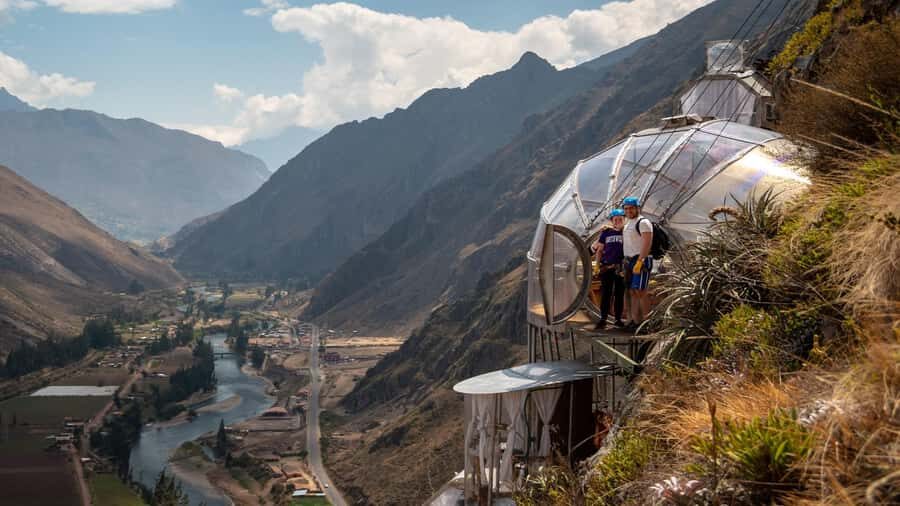
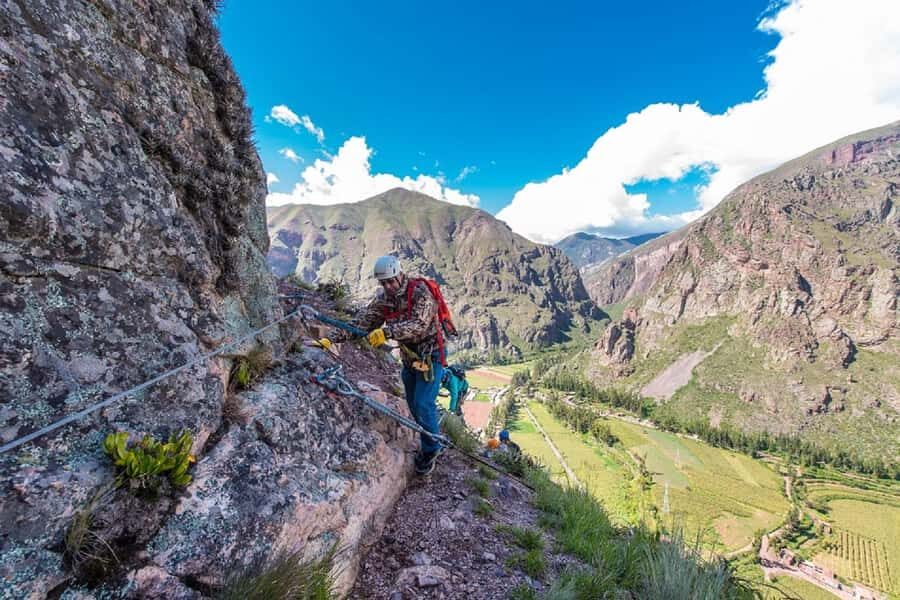
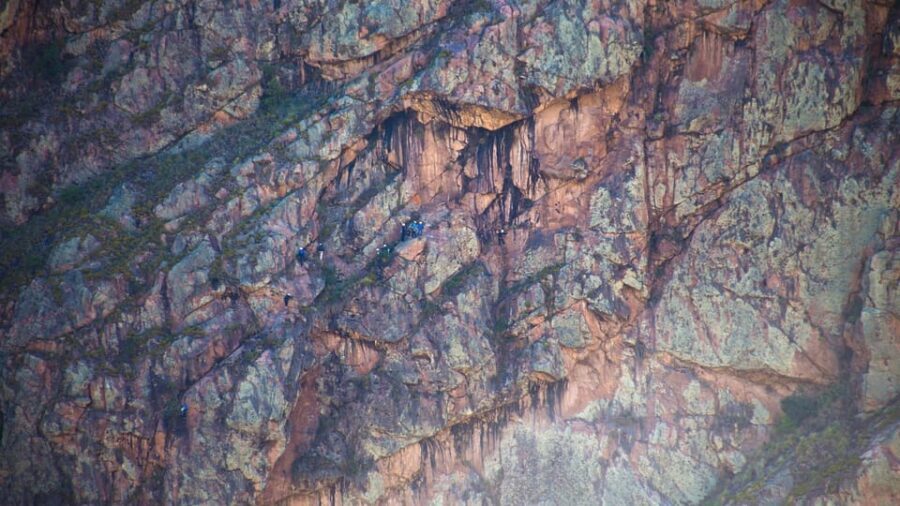
The Via Ferrata part is the heart of the morning. Once you arrive at the rock wall area in Pachar, you’ll put on the safety equipment and begin climbing. This route uses iron rungs anchored in the rock, so it’s not a free-climb situation where you depend entirely on natural holds.
You do not need previous experience to do this tour, but it’s still rated intermediate, so you should expect some physical effort and focus. The operators are building in safety and instruction with professional guides, and that shows in how people are helped with body positioning—where to place hands and feet, and how to keep moving confidently along the route. A good guide makes the difference between I’m scared and I can do this, and Americo is a name you’ll hear as an especially supportive instructor.
A key consideration is that you need height tolerance and good health. If you’re uneasy with exposure or you don’t handle steep drops well, this part may feel intense even with harnesses on.
Here’s what you should do to get the most out of the climbing:
- Wear long pants and shoes with grip (you’ll want traction and protection).
- Keep your focus on the next rung or hold, not the whole route ahead.
- Move at the pace your guide sets; rushing is how people waste energy.
And if you’re unsure about your endurance, remember: this is set up as a guided experience, not a solo test of willpower.
Lunch with mountain views: Sky Lodge glass capsule vs suspension-bridge box meal
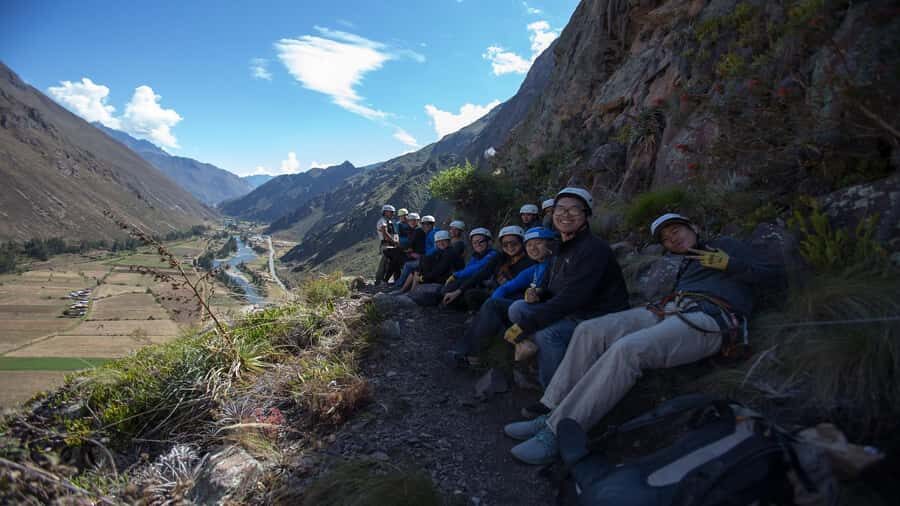
Once you’ve done about an hour on the Via Ferrata, lunch depends on which option you choose.
Option A: 4-course lunch at the Sky Lodge capsule
If you pick the Sky Lodge option, you’ll reach a transparent capsule hanging on the mountain, over 400 meters. This is where the Sacred Valley view becomes part of your meal. You’ll enjoy a 4-course à la carte lunch with soup, salad, a first course, and dessert.
This option is best if you want the day to feel like more than adrenaline. It turns lunch into a moment to slow down, recover your energy, and soak up the scale of the valley from a very dramatic spot.
Option B: Box lunch after crossing to the highest point
If you choose the box lunch option, after your Via Ferrata climb you’ll reach a suspension bridge that takes you to the highest point of the tour. You’ll eat your box lunch there.
This one keeps the momentum going. Instead of switching to a seated restaurant vibe, you’re still in movement mode—eating while you get that high-point perspective before the next adrenaline hit.
One practical note: both lunch styles are built into the schedule with a break window (about 40 minutes at Pachar). Either way, you’ll come away with food that’s meant for an active day, not just a snack.
Zip line down the Sacred Valley: 700 meters of let-go momentum
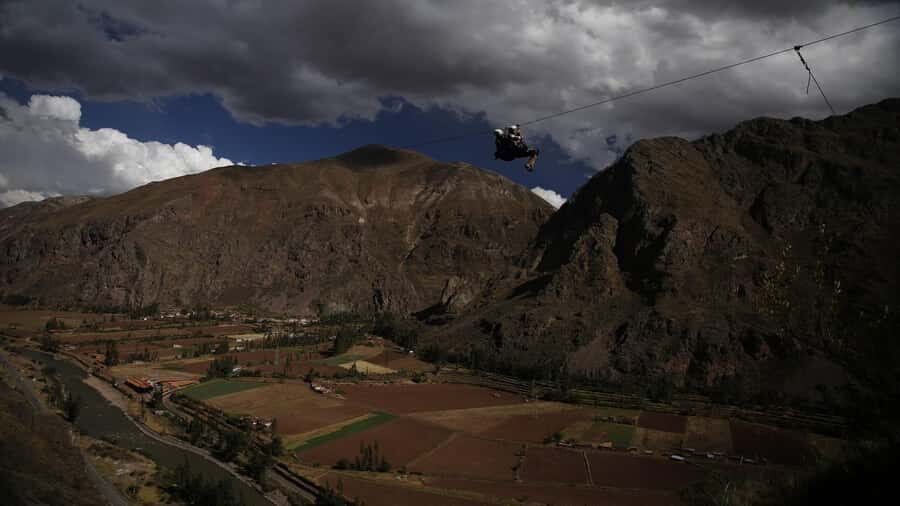
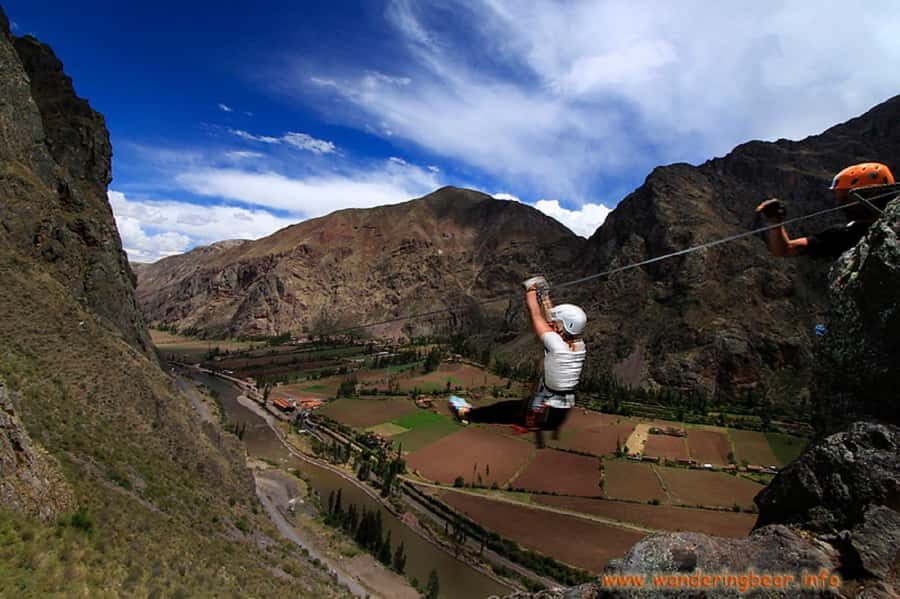
After lunch, the tour shifts into the zip line phase at Pachar. You’ll get zip-line equipment—including a harness, helmet, zip-line set, and gloves—then you’ll line up for the descent.
This part is designed to be your adrenaline payoff. The system includes multiple lines with different lengths. The largest has a run of 700 meters, and there are shorter ones around 250 meters. That mix is nice because it gives you variety: one long ride to really feel the glide, then additional shorter runs that keep the excitement from getting repetitive.
The practical advantage here is that your harness and gear are set up for you, and the guides manage the process. If you’re the kind of person who ends hikes thinking, I’ll never go down stairs again, zip lining may genuinely ruin normal descents for you.
Also consider this: since this happens after climbing, you’ll want to be mentally ready for the switch from careful footing to trusting the ride. If you’ve got height tolerance, zip lines often feel freeing because you’re not scrambling—you’re strapped in and moving forward.
Timing, energy, and what this tour feels like over 5–8 hours
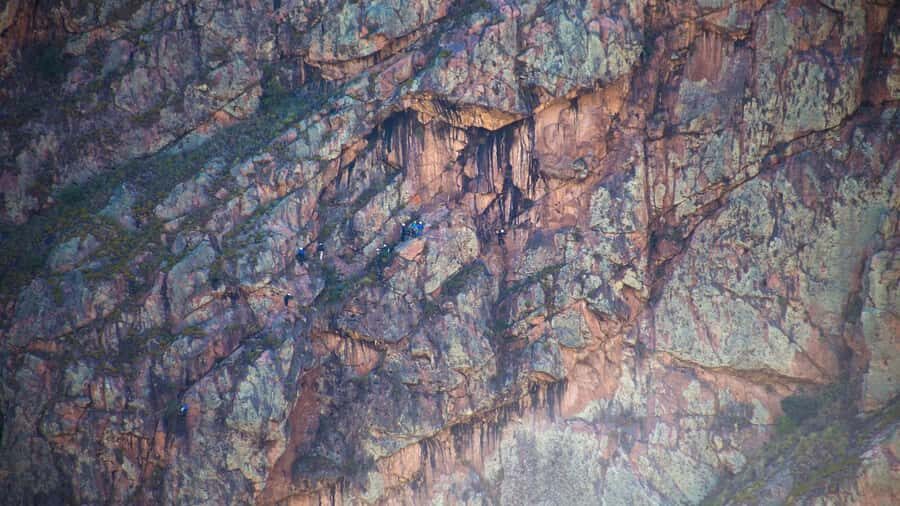
Even though the total duration is listed as 5–8 hours, the day feels like it has two distinct peaks: the rock climbing and the zip line momentum. Transportation makes up a big chunk (about 110 minutes each way), and you’ll also get built-in time for gear prep and short breaks.
A typical flow looks like this:
- Pickup in Centro Histórico
- Bus ride toward the Sacred Valley (about 110 minutes)
- Arrival and guided time at Pachar with scenic views (about 30 minutes)
- Break time with lunch (about 40 minutes)
- Zip line activity (about 30 minutes)
- Return bus ride to Cusco (about 110 minutes)
So you’re not out there for all-day climbing. You’re doing a concentrated set of challenges, then recovering, then finishing with a clear finale.
Who this fits best:
- You want adventure with structure, not a DIY day.
- You like adrenaline but also want professional guidance.
- You’re physically comfortable with an intermediate climbing route.
- You have decent height tolerance and can stay calm in exposed settings.
Who should skip it:
- People with back problems (not suitable).
- Pregnant women (not suitable).
- Anyone who can’t meet the limits, including a weight limit of 265 pounds.
- Children under 8 (not suitable).
Price and value: what $159 buys you in Cusco’s Sacred Valley
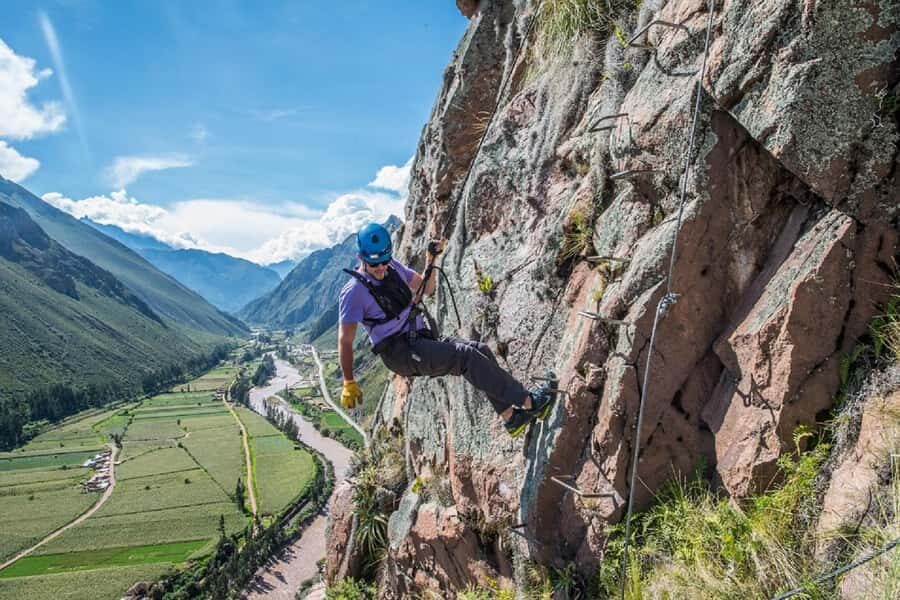
At $159 per person, the value comes from more than just the activity. You’re paying for:
- Guides for both climbing and zip line stages
- Full Via Ferrata equipment (harness, helmet, via ferrata set, and gloves)
- Full zip line equipment (harness, helmet, zip-line set, and gloves)
- Transportation to and from Cusco
- Lunch included, either the 4-course Sky Lodge meal or a box lunch
When you price the day like a combo of guided gear-heavy adventure plus round-trip transport, it starts to make sense. You’re not likely to replicate this level of equipment and coaching on your own in the Sacred Valley without spending time and effort on logistics.
Two extra value notes to be aware of:
- Christmas has an increased rate of 50%.
- It’s designed to run in shifts and depends on weather and capacity, so confirmation happens after booking.
Also, you do get flexibility: free cancellation up to 24 hours in advance for a full refund, and a reserve now & pay later option to keep plans flexible.
What to bring so the day feels easy instead of annoying
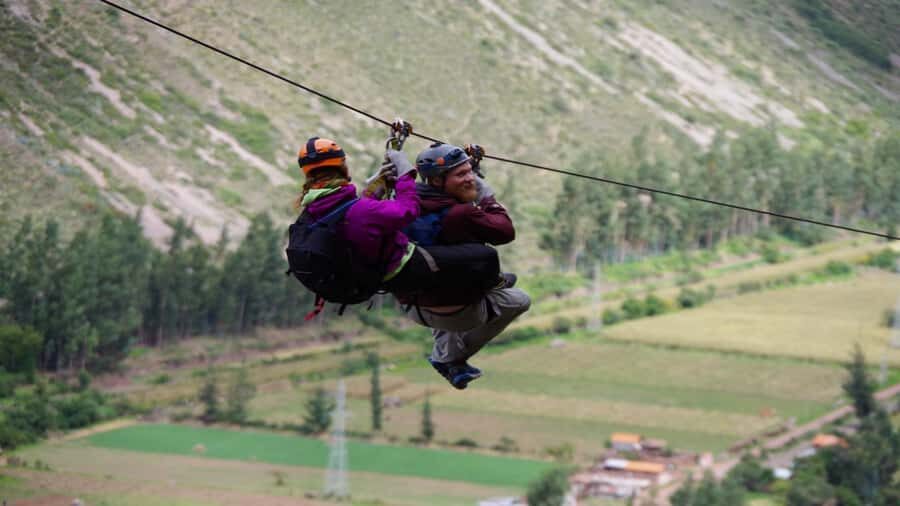
For this type of day, comfort matters. Your most useful items are the ones that help you move securely and stay warm if the breeze picks up.
Bring:
- Comfortable shoes or sports shoes with grip
- Long pants
- A jacket
- Sunglasses and sunscreen
- A daypack
- A reusable water bottle
You’ll also be in gear, so loose items and anything that doesn’t fit well can slow you down. Tight shoes and breathable clothes help you focus on the route.
If you’re sensitive to cold, pack the jacket even if Cusco is sunny. A morning start plus time outdoors can mean temperature swings.
Should you book the Via Ferrata and Zip Line with lunch?
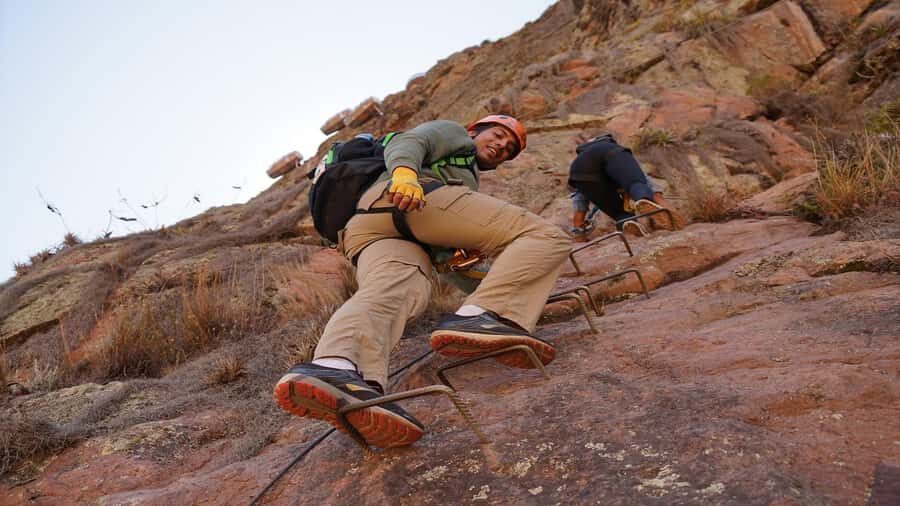
If you’re craving a day that blends skill-building, big scenery, and a clear adrenaline payoff, this is a strong pick. The best reasons to book are included professional guidance, all the required equipment, and the fact that lunch is part of the experience (either in a transparent capsule or at a high point after a suspension bridge).
Book it if:
- You’re comfortable with an intermediate climb and you can handle heights
- You want a guided adventure that doesn’t require previous experience
- You want your lunch to come with views, not just a meal stop
Skip it if:
- You have back issues, you’re pregnant, or you’re traveling with kids under 8
- Height exposure makes you feel panicky
- You can’t meet the 265-pound weight limit
If you can pick your time, aim for earlier slots for better shade during the climb and still-clear valley views. Then show up ready to listen, move carefully, and enjoy the ride down.
FAQ
Do I need previous experience for the Via Ferrata and zip line?
No. The tour says you do not need previous experience to do the activity. You’ll use guided instruction and safety gear throughout.
What lunch options are included?
You can choose either a 4-course à la carte lunch at the Sky Lodge (served in a transparent capsule) or a box lunch after the Via Ferrata, reached via a suspension bridge.
How long does the tour take?
The total duration is listed as 5 to 8 hours. The day includes about 110 minutes of bus travel each way plus time in Pachar for climbing, lunch, and zip lining.
How long are the zip lines?
The largest zip line is listed at 700 meters, with shorter options at about 250 meters.
What equipment is provided?
Guides are included, along with Via Ferrata equipment (harness, helmet, via ferrata set, and gloves) and zip-line equipment (harness, helmet, zip-line set, and gloves).
What should I bring and what are the limits?
Bring comfortable shoes, sunglasses, sunscreen, a jacket, comfortable clothing, long pants, a daypack, and a reusable water bottle. You must be in good health with height tolerance, you must weigh 265 pounds or less, and it’s not suitable for children under 8, pregnant women, or people with back problems.