REVIEW · CUSCO
Amazonas Manu Cultural Zone 4 Days / 3 Nights
Book on GetYourGuide →Operated by Exploor Trip E.R.L · Bookable on GetYourGuide
Four days in the Amazon, with real jungle nights.
From Cusco you’ll ride up and over into the cloud forest and then down toward the Pilcopata area, with camping that feels far more like the region than a quick day trip.
I like this itinerary because it mixes hands-on nature time with guided wildlife watching. I particularly enjoy the telescope-and-binocular bird time and the slow-but-rewarding rhythm of night walks. One thing to consider: you’re up early on Day 1 (pickup between 5:30 and 6:00 AM) and the route uses bus, boat, and raft, so it’s not the kind of trip you do if you hate travel days.
In This Review
- Key highlights I’d plan around
- Day 1 from Cusco to Ajanaco (3500m): cloud forest hiking with real bird chances
- Pilcopata camping and the lodge rhythm: why the overnight style matters
- Day 2 Atalaya by boat, Machuhuasi lagoon raft, and the first night walk
- Day 3 parrot clay lick at dawn, ceiba tree trails, and night insects and snakes
- Day 4 final jungle trail, boat back to Atalaya, then van to Cusco
- Guides with telescopes and binoculars: why this tour’s wildlife time feels more productive
- Food, water, and bathrooms: what you actually get each day
- Transport and timing: the hidden shape of your itinerary
- Price and value: is $430 per person fair for 4 days in the Manu region?
- Who this Amazonas Manu Cultural Zone tour suits best (and who should think twice)
- Should you book Amazonas Manu Cultural Zone 4 Days / 3 Nights?
- FAQ
- What is the duration of the tour?
- Where does the tour start?
- How big is the group?
- What’s included for meals?
- Is Day 1 breakfast included?
- What kind of bathrooms should I expect?
- What transport is included?
- Are drinks included?
- What language is the guide?
- What wildlife experiences are included?
Key highlights I’d plan around
- Camping in Pilcopata for a real feel of the Amazon overnight rhythm
- Ajanaco cloud forest at 3500m, with orchids, heliconias, and ferns plus bird chances
- Atalaya by bus and boat, including river swimming or a mud bath option en route
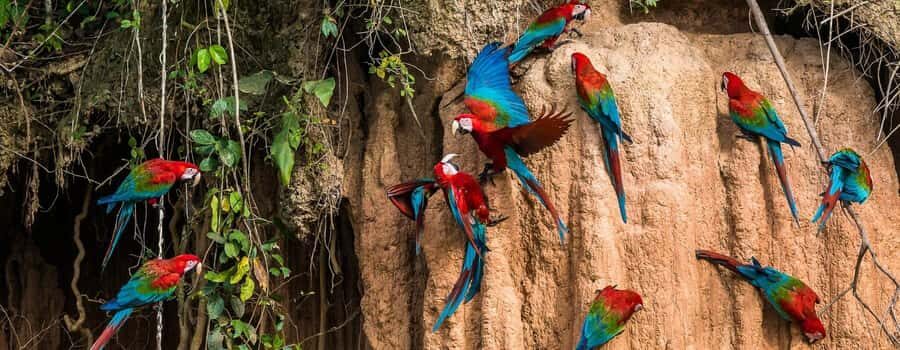
- Parrot clay lick at dawn, where you’ll watch birds feed on the nutrient-rich wall
- Machuhuasi lagoon raft time, with chances of dwarf caimans, capybaras, tapirs, and more
- Two night walks focused on wildlife plus insects, amphibians, and snakes
Day 1 from Cusco to Ajanaco (3500m): cloud forest hiking with real bird chances
Day 1 starts early, because the best jungle viewing doesn’t happen after breakfast. Between 5:30 and 6:00 AM, your guide picks you up in a company vehicle in Cusco. From there, you’ll begin the long, winding drive up through Andean villages and towns, then continue until you reach the jungle entrance area called Ajanaco (3500m).
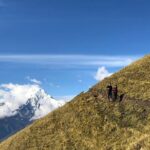
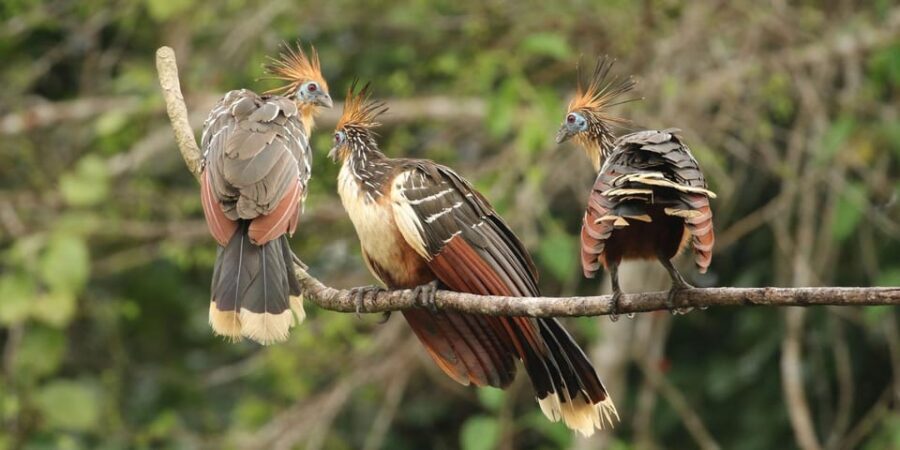
Here’s what makes this part work: you’re not jumping straight into lowland swamp. You’re stepping through a cloud forest transition, and that matters for what you see. As you descend, you move through a thick mix of vegetation—orchids, heliconias, and ferns. And while no one can guarantee sightings, the tour is built around looking: you may spot cock-of-the-rock, umbrella bird, trogon, quetzal, or orioles during this forest time.
After the hike, you’ll reach your lodge and have time to relax and reset. This lodge stop is part of the value here, because it gives you a breather between the morning travel push and the deeper river/lake days that come next.
What I love about Day 1: it’s a guided “look and learn” day, not just moving from A to B.
What to keep in mind: you’ll likely feel the early start and the big change in surroundings even if you’re physically fine.
A few more Cusco tours and experiences worth a look
Pilcopata camping and the lodge rhythm: why the overnight style matters
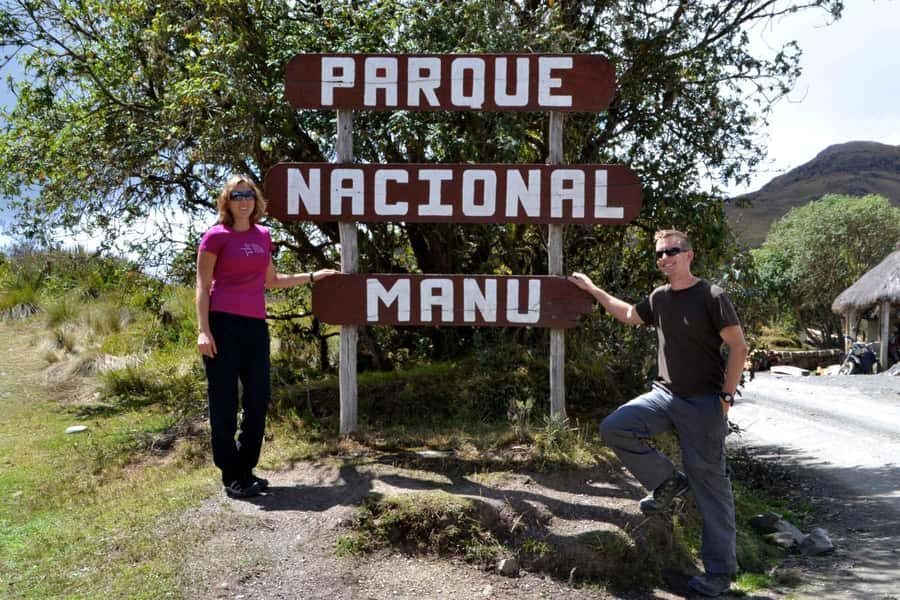
The tour includes a camping experience in Pilcopata, and that changes the feel of the trip. Lodges are great, but camping is where you start to notice the small, jungle-only details: the soundscape, the time shift, and how the day’s wildlife energy follows you into the night.
You’ll still get comfortable basics. The included setup covers meals and safety equipment, and the tour also includes wellingtons (good jungle boots). That’s a practical touch because footwear is one of those issues that can ruin the vibe if you show up unprepared.
Rooming is not a one-size-fits-all situation. The experience notes rooms with private and shared bathroom/showers, and on Day 2 specifically it calls out overnight at the lodge with private bathrooms and showers. So if you’re the type who wants zero sharing, I’d treat the trip as “mostly comfortable, with some variation by night.”
Day 2 Atalaya by boat, Machuhuasi lagoon raft, and the first night walk
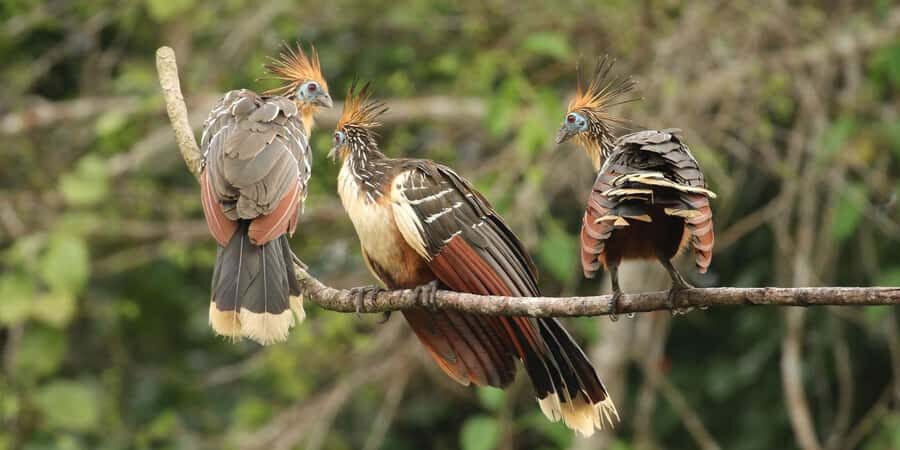
After breakfast, the plan shifts from hiking to wildlife searching closer to camp. You’ll go on a nature walk aimed at observing birds and monkeys. It’s the kind of morning that rewards calm attention—stop, look, listen, then move again.
Next comes the big “Amazon logistics” piece. You take a 1-hour bus ride to the port at Atalaya, then board a 30-minute boat ride to reach the lodge. This transfer time is not treated like dead time. Along the way, the program gives you options to swim in the river or enjoy a mud bath. Even if you skip both, the boat ride itself is part of the experience because it’s your entry into the waterways that shape life here.
Lunch comes after you’ve arrived, and then the afternoon is built around a raft sail on the Machuhuasi lagoon. This is where the tour leans hard into wildlife spotting. The itinerary specifically lists chances to see shanshos, monkeys, reptiles, dwarf caimans, capybaras, tapirs, and more.
Then dinner, then the first night walk. After dinner you’ll go on an intriguing night walk, and this matters because it’s when a lot of jungle activity becomes more visible. The guide and the itinerary keep the focus on observation rather than speed.
Overnight on Day 2 is noted as private bathrooms and showers, which is a welcome comfort after a long travel-and-boat day.
Day 3 parrot clay lick at dawn, ceiba tree trails, and night insects and snakes
Day 3 begins earlier in spirit than in clock time, because dawn is the target. You’ll sail to the parrot clay lick to watch these birds feed. The description is clear about the moment: the parrots feed on a nutrient-rich wall. That’s the kind of feeding behavior that draws wildlife observers year after year, and it’s also one of the more memorable “this is why we came” moments in the whole trip.
After that, you’ll return for breakfast and a bit of rest. Then the hiking begins again, but this time it’s framed as exploring trails for diverse fauna and flora. Two things stand out in the program details:
- You’ll look for the ceiba, described as the tallest and thickest tree in the area
- You may spot animals like monkeys, reptiles, dwarf caimans, capybaras, or tapirs
Day 3 ends with another night walk, and it’s more specific than the Day 2 version. This one is focused on insects, amphibians, or snakes. If you’re the kind of traveler who likes your nature experiences to feel focused rather than random, you’ll probably appreciate that specificity. If snakes make you nervous, you can still do it—but go with the guide’s lead and set your expectations that you’re in real wildlife territory.
Day 4 final jungle trail, boat back to Atalaya, then van to Cusco
The last morning is another trail day, but with a “one last look” feel. You’ll explore a trail to observe jungle wildlife, keeping your camera and binoculars handy.
Breakfast comes next, then it’s time to transition back to land travel:
- Boat back to Atalaya
- Van back to Cusco
You’ll be traveling through areas where you may spot hummingbirds, orchids, waterfalls, and potentially birds and monkeys again. It’s basically a second chance to catch “the good stuff” before you return to city life.
The arrival window is between 5:00 p.m. and 7:00 p.m. in Cusco. Plan for a slower evening. You’ll likely be tired in a good way.
Guides with telescopes and binoculars: why this tour’s wildlife time feels more productive
A lot of tours promise wildlife viewing. This one is set up for it. The program includes professional guides equipped with telescope and binoculars, and they’re not just handing you a vague suggestion to look harder.
When you have proper viewing tools, your odds go up in two ways:
- You can pick out birds and movement without guessing
- You spend more time watching and less time scanning blindly
The group is limited to 15 participants, which also helps. Smaller groups tend to move at a pace where your guide can actually keep track of everyone’s sightings and questions, instead of being stuck managing a crowd.
Also, you’ll have a live guide in Spanish and English. That’s more than comfort. It helps you understand what you’re looking at and why the guide is choosing a particular spot or moment.
Food, water, and bathrooms: what you actually get each day
Meals are included: breakfasts, lunches, dinners, and snacks. Dietary restrictions are handled too, including vegetarian, vegan, or gluten-free meals. That’s a big practical value because jungle days can be hard on eating plans.
Two caveats:
- Day 1 breakfast is not included, and the tour notes alcohol, soft drinks, and water for breakfast on the first day are not included either.
- Bathroom situations vary. The inclusions say rooms with private and shared bathroom/shower, and Day 2 specifically mentions an overnight with private bathrooms and showers.
Water is also part of the inclusion: mineral water at the lodge is included. It’s a comfort feature after long travel segments.
And one more small but useful detail: wellingtons are included. Jungle footwear isn’t glamorous, but it can save your day if trails get muddy.
Transport and timing: the hidden shape of your itinerary
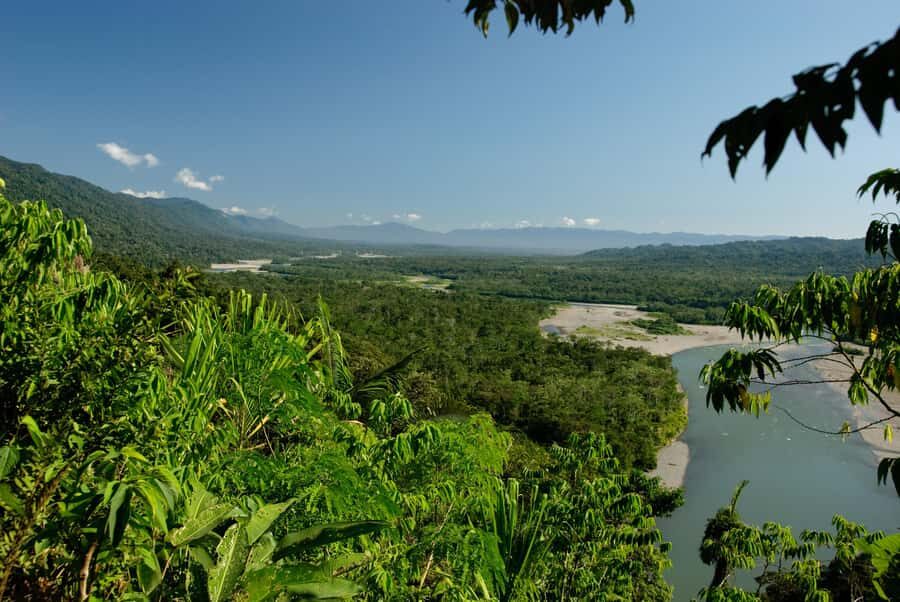
This trip runs on three types of movement: Andes roads, then jungle water. That’s why the itinerary has different segments every day:
- Day 1: road ascent, then cloud forest descent on foot
- Day 2: bus to Atalaya, boat to lodge, then raft on a lagoon
- Day 3: sailing to the parrot clay lick, then trails, then night walk
- Day 4: morning trails, then boat back, then van to Cusco
If you’re the type who gets impatient with transit, this might not feel like a “pure nature day” even though it’s full of nature. But if you’re okay with travel time as part of the experience, the itinerary makes sense: you’re using the waterways for what they do best, and you’re not forcing everything into a single long trek.
The early pickup on Day 1 is the other timing reality. It’s not negotiable if you want dawn and morning viewing.
Price and value: is $430 per person fair for 4 days in the Manu region?
At $430 per person for 4 days / 3 nights, you’re paying for more than bed and breakfast. This cost includes:
- Land and river transport (bus and boat)
- Raft time on the lagoon as part of the program
- Professional guides with telescope and binoculars
- A team that includes boat driver, crew member, and cook
- All meals and snacks (with the first day breakfast being the one missing meal detail)
- Lodge accommodations with private/shared bathroom options
- Safety equipment
- Wellingtons
- Mineral water at the lodge
From a value standpoint, the key is that wildlife viewing equipment and guided observation are part of what’s included, not an add-on. Also, the food plan removes a common jungle headache: figuring out where you’ll eat after boat and trail time.
What’s not included is mostly typical: alcohol, soft drinks, and water for Day 1 breakfast. If you keep your first morning simple and plan to purchase drinks on your own that day, the overall package feels straightforward.
Who this Amazonas Manu Cultural Zone tour suits best (and who should think twice)
This tour fits best if you want:
- Guided bird and wildlife watching with telescope and binocular support
- A mix of cloud forest hiking plus river and lagoon time
- Multiple night walks, including a Day 3 night walk aimed at insects, amphibians, or snakes
- A small group experience capped at 15 people
- A trip that includes Pilcopata camping, not just lodge-only nights
I’d think twice if you:
- Dislike early mornings (Day 1 pickup is 5:30–6:00 AM)
- Get stressed by day schedules with bus, boats, and rafts
- Need a guaranteed private bathroom every night (the tour includes both private and shared options, with at least one night specifically listed as private)
Should you book Amazonas Manu Cultural Zone 4 Days / 3 Nights?
Yes, book it if you’re looking for a structured Amazon trip that still feels hands-on: cloud forest birds on Day 1, Atalaya water travel on Day 2, a parrot clay lick at dawn plus ceiba tree trails on Day 3, and a final wildlife morning before returning to Cusco.
If your priority is maximum comfort with minimal movement, you might prefer something more lodge-forward and less river-and-raft heavy. But if you like wildlife time and don’t mind getting up early, this one is built for exactly that.
If you’re considering it, also check your comfort level with night walks and the possibility of shared facilities on some nights. Done right, those jungle evenings are part of what makes the trip feel real.
FAQ
What is the duration of the tour?
The tour lasts 4 days and includes 3 nights.
Where does the tour start?
It starts in Cusco, with pickup between 5:30 and 6:00 AM on Day 1.
How big is the group?
The group is limited to a small group of 15 participants.
What’s included for meals?
The tour includes breakfasts, lunches, dinners, and snacks, with Day 1 breakfast specifically not included.
Is Day 1 breakfast included?
No, Day 1 breakfast is not included, and water for breakfast on the first day is also not included.
What kind of bathrooms should I expect?
Accommodations include rooms with private and shared bathroom/shower options. Day 2 specifically notes an overnight with private bathrooms and showers.
What transport is included?
You’ll use land and river transport: bus and boat, plus a raft sail on the lagoon.
Are drinks included?
Alcoholic drinks, soft drinks, and water for Day 1 breakfast are not included.
What language is the guide?
The live guide provides interpretation in Spanish and English.
What wildlife experiences are included?
Expect wildlife-focused stops like the parrot clay lick, walks in the cloud forest, Machuhuasi lagoon raft time, and night walks (including one focused on insects, amphibians, or snakes).