REVIEW · CUSCO
Cusco: 4-Day Lares Trek to Machu Picchu with Panoramic Train
Book on GetYourGuide →Operated by TreXperience · Bookable on GetYourGuide
Machu Picchu feels far away until you trek in. What makes this trip special is the mix of Lares countryside and real local stops, then the payoff of Machu Picchu at sunrise. I love the Lares hot springs after hiking all day, and I also like that you get hands-on contact with Andean life through women-run weaving cooperatives and the village rhythm in Canchacancha. One thing to weigh: this route reaches high altitude, so the cold nights and thinner air can slow you down if you’re not used to 3,900–4,750 m.
You also get a smooth flow of transport that doesn’t feel like a rush-through. There’s time for stargazing from camp, a proper Sacred Valley downhill before the salt mines, and a guided Machu Picchu walk that focuses on what you’re seeing instead of just dropping you at the gates. If you’re hoping for a comfort-only day trip, this isn’t it—but if you want an outdoorsy, cultural route with a famous finish, it fits well.
In This Review
- Key Points That Matter Before You Go
- Day 1: Cusco Start, Market Stops, and Blue Lagoon Soaking at 3,900 m
- Day 2: Condor Pass 4,750 m and Canchacancha Village Life
- Day 3: Downhill into the Sacred Valley, Maras Salt Mines, and to Ollantaytambo
- Day 4: Sunrise Machu Picchu, a Guided Walk, and Vistadome Rail Back
- Train and Transport: Why Vistadome Feels Worth It
- Altitude, Cold Nights, and What to Pack (Without Overthinking It)
- Food, Guides, and Small Touches That Make Camp Work
- Price and Value: What You’re Really Paying $690 For
- Who Should Book This Lares Trek (And Who Should Think Twice)
- Should You Book? My Decision Guide
- FAQ
- How long is the tour?
- How many nights are spent camping?
- What meals are included?
- Are entrance fees included?
- Is the Machu Picchu bus and train included?
- What sleeping gear should I bring?
- Do I need to bring my passport?
- What languages are guides offered in?
- Is this suitable for everyone?
- What should I do about altitude and cold at night?
Key Points That Matter Before You Go
- Hot springs + camps at altitude: soak your muscles after trekking, then sleep around 3,900 m.
- Condor Pass at 4,750 m: big views and a true high-mountain day.
- Cultural stops with purpose: weaving cooperatives plus village time in Canchacancha and donations you can bring.
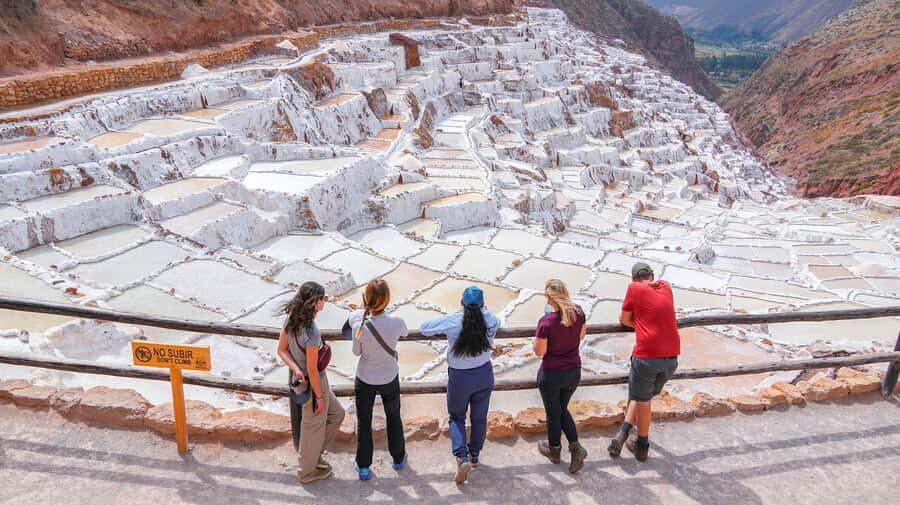
- Maras salt mines and Ollantaytambo: traditional salt harvesting and the last living Inca town.
- Machu Picchu with early timing: bus to arrive at sunrise, then a 2–3 hour guided walking tour.
- Vistadome return train: a scenic rail ride back after Machu Picchu.
Day 1: Cusco Start, Market Stops, and Blue Lagoon Soaking at 3,900 m
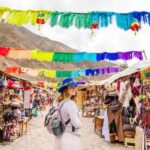
Day 1 begins with an early pickup from your Cusco hotel or the Sacred Valley area. You’ll start with a practical reality check: the day is timed to get you to the countryside while you’re still fresh. First stops include a lively Calca market area, then you’ll visit Ancashmarca, an ancient Inca site. It’s a nice way to get oriented before you start hiking and before the landscape gets noticeably more “high Andes.”
After that, the route climbs to a high plateau where you can see Puyas de Raimondi. This matters because it’s not just scenery for photos. These plants only show up in certain conditions and elevations, so it feels like you’re seeing something that’s specific to altitude—not just pretty.
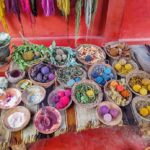
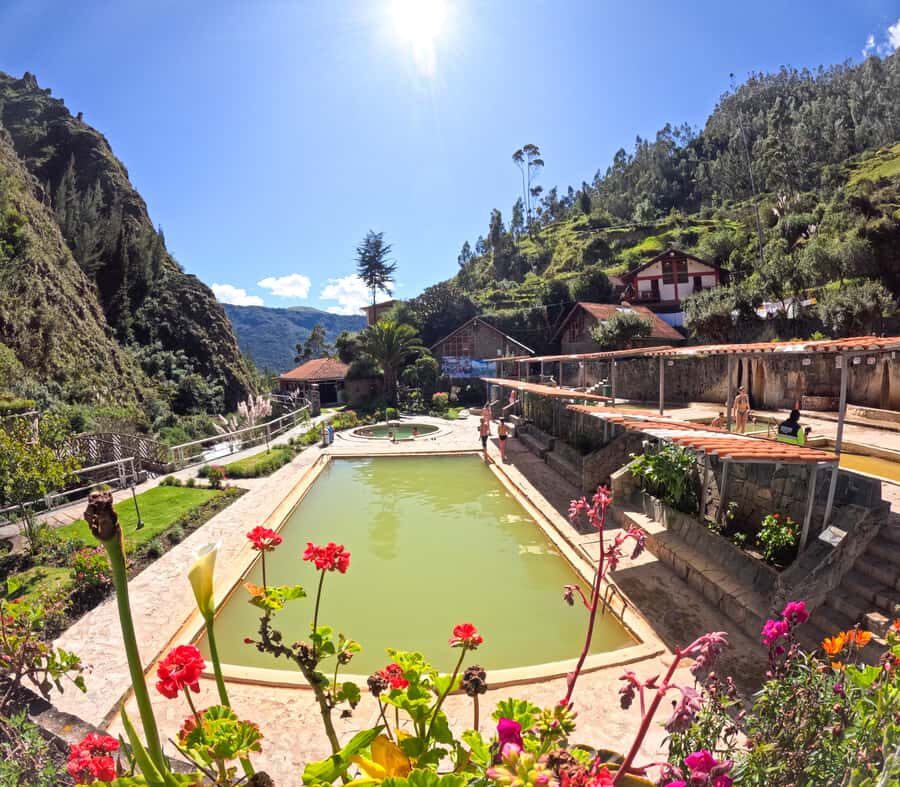
Then comes one of the biggest reasons people love this trek: the Lares Hot Springs. You’re hiking and driving in thin air, so a warm soak with mountain views helps you reset. The day also includes a weaving stop where you learn Andean textile traditions—especially relevant because you’re supporting women-run cooperatives. This is one of those experiences that makes the souvenirs feel less like stuff from a rack and more like work with meaning.
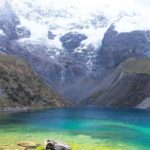
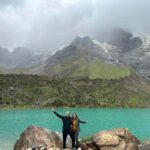
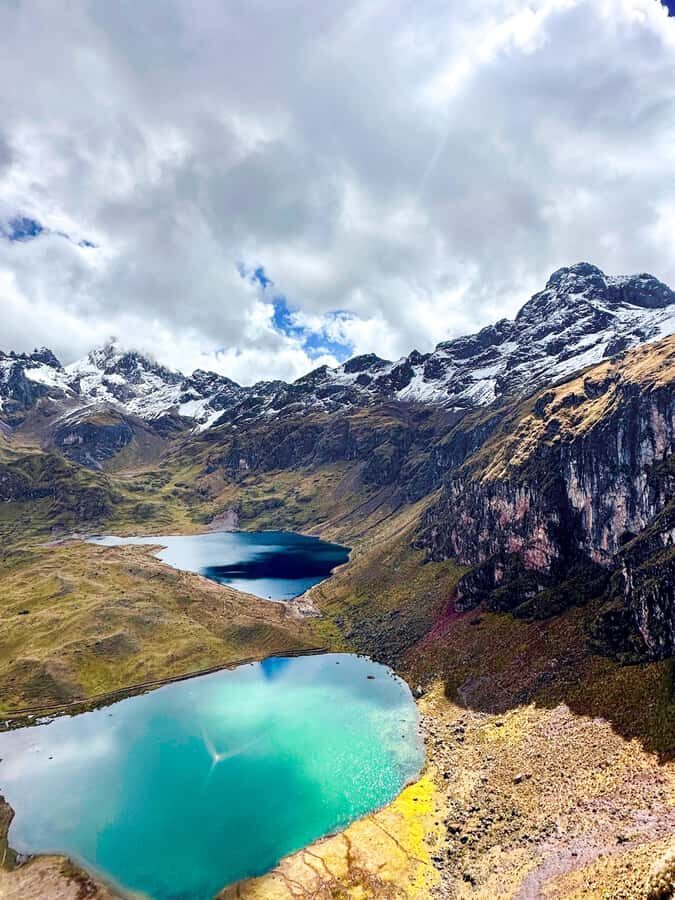
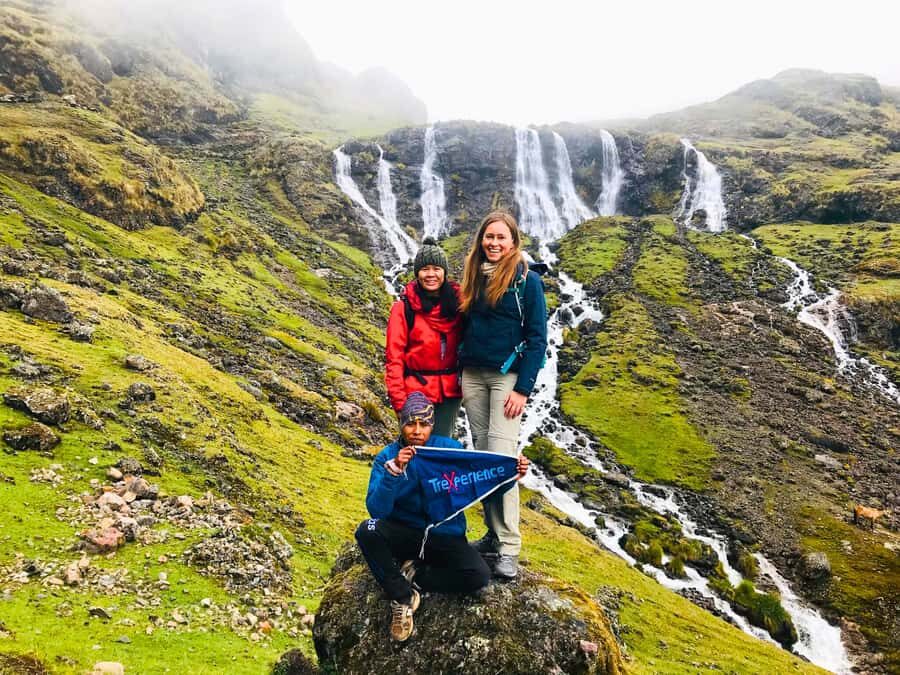
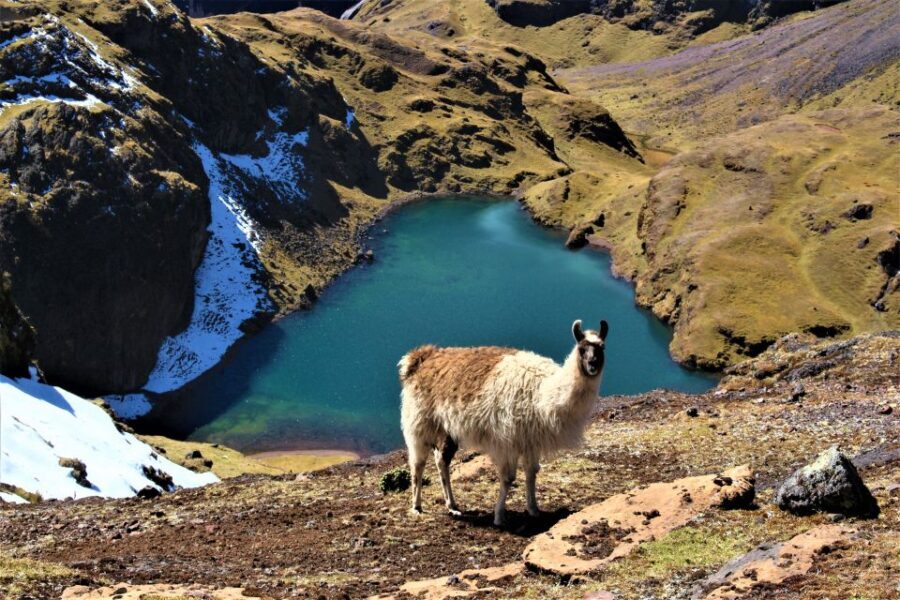
You’ll begin the hike through alpaca-dotted valleys and potato fields, with a lunch stop in Kiswarani. Later, you’ll follow a waterfall to camp at the Blue Lagoon, around 3,900 m. The campsite setup is part of the charm here: coca tea, dinner, and stargazing give the evening structure once the trekking is done. If you like watching the sky turn slowly black and getting that clean mountain quiet, you’ll enjoy camp nights.
You can also read our reviews of more hiking tours in Cusco
Day 2: Condor Pass 4,750 m and Canchacancha Village Life
Day 2 starts at camp with coca tea or coffee, then breakfast. After that, you hike steadily through valleys with lakes and Andean wildlife. This is where the trek starts to feel like a rhythm: climb, pause, climb again, and let the view change in layers.
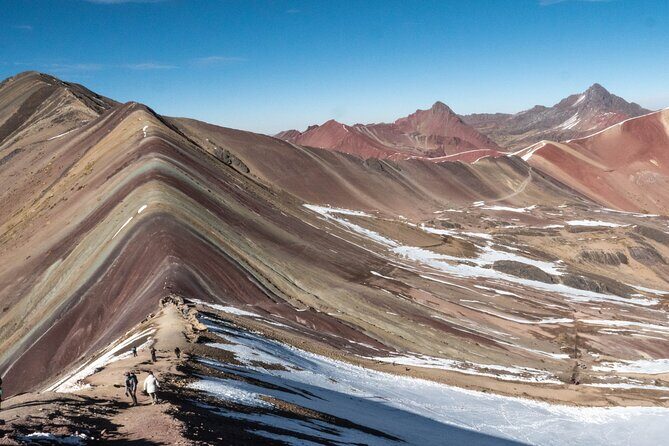
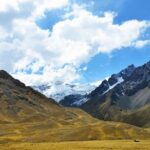
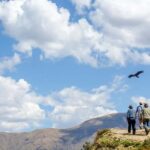
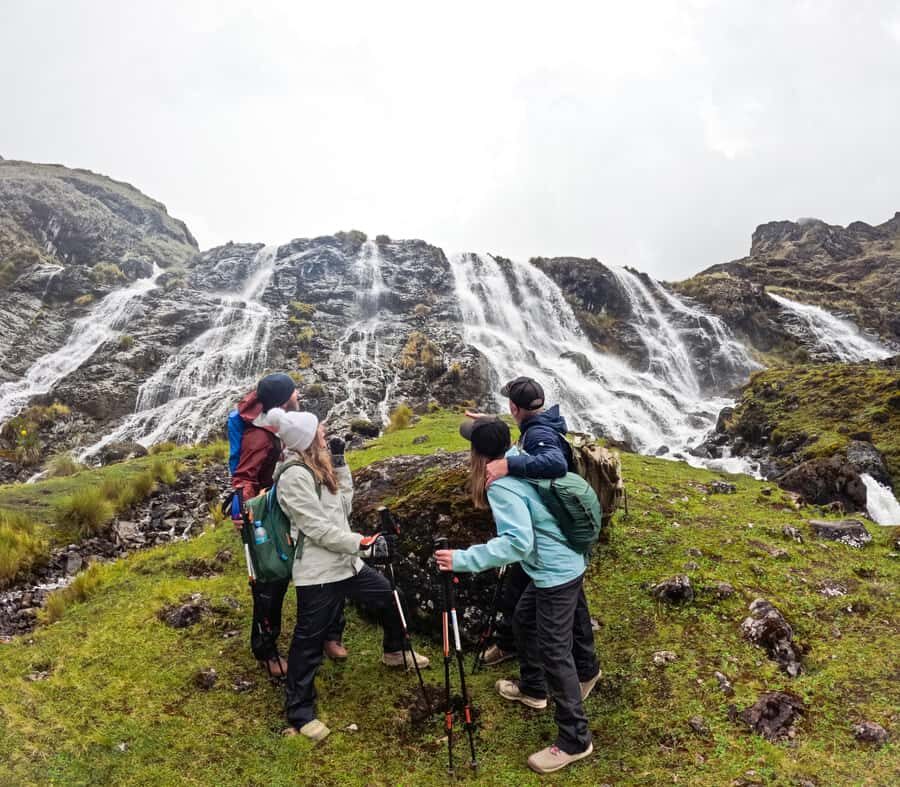
The big moment is Condor Pass at 4,750 m. Expect sweeping views of snowy peaks and turquoise lagoons. You’ll also do a traditional offering ceremony before descending. Even if you’re not deeply familiar with Andean rituals, it’s a respectful moment that adds context to what you’re seeing. Treat it like a cultural checkpoint, not a performance.
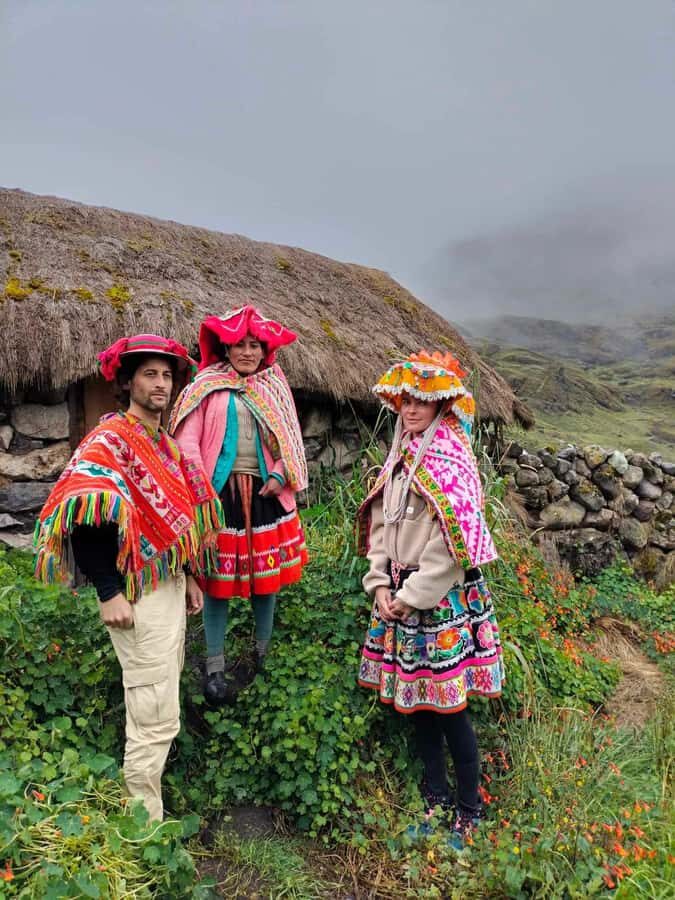
After Condor Pass, you descend through scenic valleys where you’ll spot llamas and alpacas along the way. Lunch is served hot in Acopata. Then you’ll arrive at Canchacancha village around 3,750 m, meet local families, and learn a few Quechua phrases. This is a real “slow down and connect” portion of the day, not just a photo stop.
One practical note: at altitude, small distances can still feel long. The upside is your senses sharpen. The day tends to feel more vivid—sound carries differently, and the mountain air makes everything feel crisp. In at least one group, the guide helped keep the pace comfortable, with pauses as needed. That matters because you want your energy for the pass and not to burn out early.
Day 3: Downhill into the Sacred Valley, Maras Salt Mines, and to Ollantaytambo
Day 3 shifts from trekking to variety. You’ll start with breakfast and mountain views, then spend time in Canchacancha. There’s an option to explore homes and the school, and you can bring supplies to donate (if you choose to). If you want a meaningful “give-back” moment, this is the day where it’s built in.
Then you take a scenic downhill hike into the Sacred Valley. It’s about four hours, with changing crops—potato fields, corn, and avocado. Downhills can be tough on knees, but the terrain here is part of the payoff: you’re not just walking; you’re watching the valley become more agricultural and more alive.
You’ll stop in Huaran at about 2,700 m for a picnic lunch. Then you say goodbye to the muleteers and trekking chef. This handoff matters because it signals the transition from camp logistics to easier transport days.
Next: a private van ride to Salineras Maras, the salt mines. This is another standout because it’s a working landscape tied to tradition. Watching salt harvesting happen in the side of a mountain feels different from viewing ruins—you’re seeing a living process.
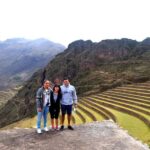
From Maras you continue to Ollantaytambo, described as the last living Inca town. It’s a great place to break the day into a “culture now, transport later” sequence. You’ll then dine and board the train to Aguas Calientes, where you spend the night in a comfortable 3-star hotel. That hotel night is more than convenience; it gives you real recovery before Machu Picchu.
Day 4: Sunrise Machu Picchu, a Guided Walk, and Vistadome Rail Back
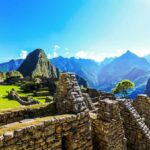
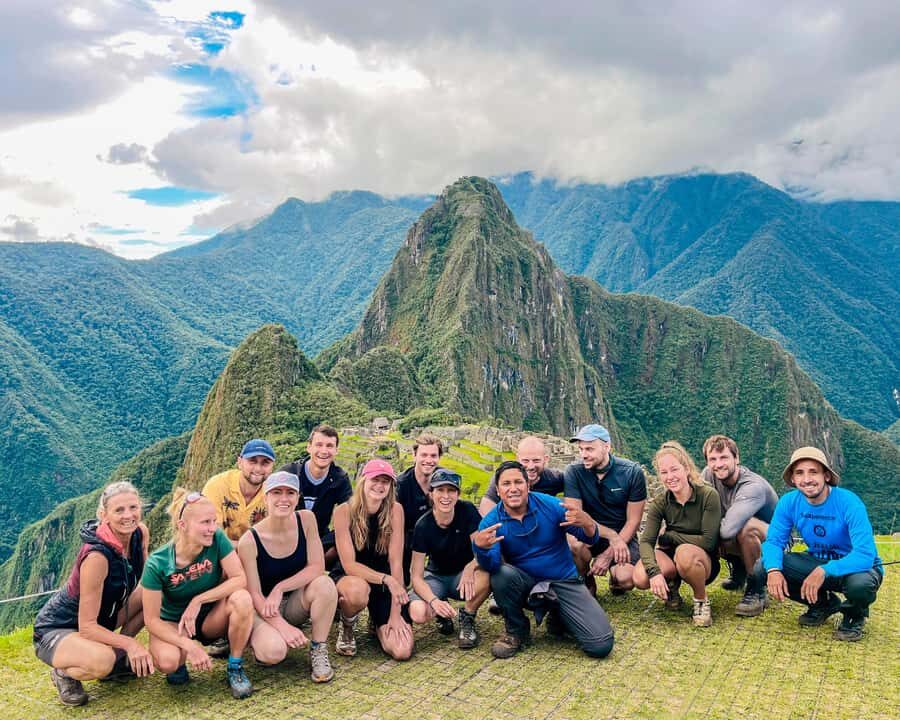
Day 4 starts early with breakfast at the hotel, then you take the bus to Machu Picchu. The timing is a big deal: you arrive just as the sun rises over the citadel. That means fewer crowds at the start and soft light on the stone. If you care about photos that look natural rather than harsh, sunrise helps.
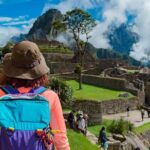
You’ll pause at iconic viewpoints for panoramic photos. Then you join your guide for a 2–3 hour walking tour through key landmarks. This is the part where a guide can make a huge difference. Machu Picchu is easy to admire from a distance, but it’s harder to understand without context—how different areas connect, how the Inca engineered the city, and how the place worked.
After the tour, you return to Aguas Calientes for lunch and leisure time. Then comes the Vistadome return train to Ollantaytambo. The Vistadome name matters because it’s built for views—this is the scenic “exhale” after a long emotional day. Back on the ground in Ollantaytambo, you get a private transfer back to Cusco by evening.
Train and Transport: Why Vistadome Feels Worth It
This trip doesn’t only deliver famous sites. It also tries to make the transfer time enjoyable. The Vistadome train is included, and you’ll use it after Machu Picchu to head back toward the Sacred Valley.
Why that matters: after hiking at altitude and standing in Machu Picchu for hours, you’ll want calm and comfort during travel. A scenic rail ride breaks the day up in a healthy way. It also gives you a chance to look out at the valley again from a different angle—so the whole journey feels connected, not like separate boxes checked off.
A few more Cusco tours and experiences worth a look

Altitude, Cold Nights, and What to Pack (Without Overthinking It)
The trip climbs high enough that you should plan for both physical strain and temperature swings. The camps are around 3,900 m, Condor Pass hits 4,750 m, and your body will feel it even if you’re fit.
I’d treat this as a “bring warm layers seriously” itinerary. One of the helpful notes from past trekkers is that the cold at night can reduce how much your body can do. So don’t assume you’ll feel fine just because you’re active in daytime.
What you should bring (from the trip guidance):
- Hiking shoes (you’ll be happier if they’re already broken in)
- Rain gear and a sun hat (high-altitude sun is real)
- Sunscreen, sunglasses
- Insect repellent
- Passport (details are required at booking)
- Camera
- Weather-appropriate clothing, plus hiking pants
Also, note what you’re not given: sleeping bag, air mattress, and trekking poles are not included. You can rent sleeping gear and poles on request. If you tend to run cold, prioritize securing proper warmth before you go rather than bargaining with nature.
Food, Guides, and Small Touches That Make Camp Work
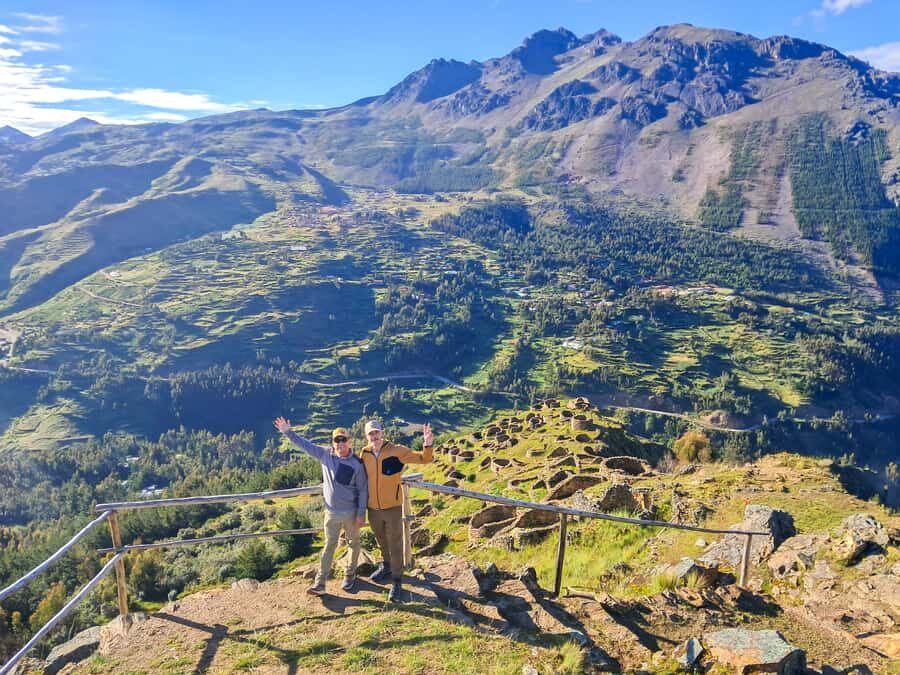
The tour is run with a certified professional guide, with English and Spanish. In past groups, guides like Manolo have been praised as excellent, and Filio has also led trekkers with standout support. That tells me something important: the guide role is not an afterthought here. They set the pace, manage safety, and keep the experience coherent day to day.
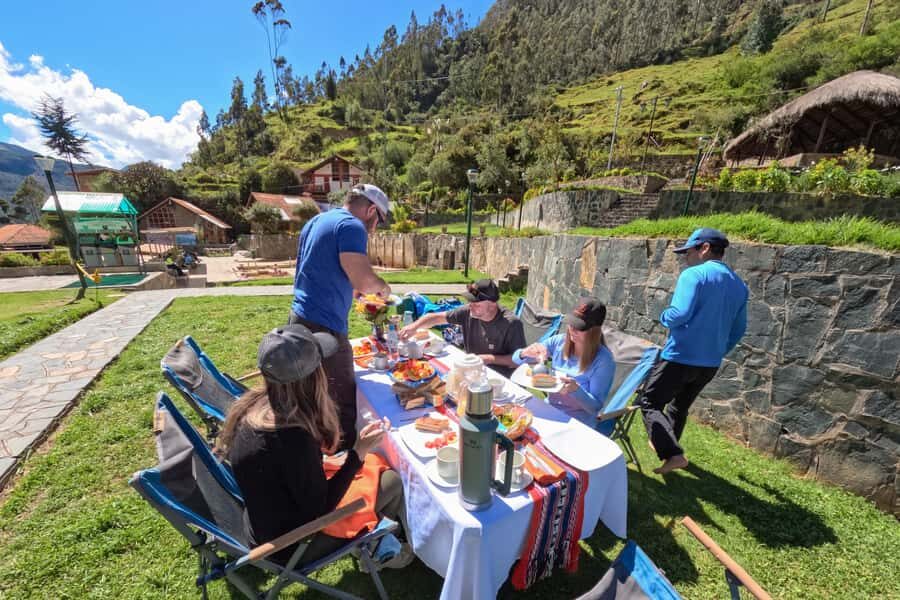
Meals are handled by skilled trekking chefs, with 4 breakfasts, 3 lunches, and 3 dinners included. You’re also given coca tea at camp, which becomes a normal part of the ritual. In one group, vegan dietary requests were handled well, which is reassuring if your needs are more specific than average.
You’ll travel with horses and muleteers that transport food and equipment. That’s part of why this trek can feel like “work, but manageable.” You carry your own essentials, while camp logistics stay in motion.
You also get a personal duffle bag limit (up to 7 kg) for camping gear, carried by the muleteers. That keeps the hike from turning into a shoulder-burn marathon.
Price and Value: What You’re Really Paying $690 For
At $690 per person, this isn’t a budget sampler. But it also isn’t just a trek with a few transfers thrown in. This price includes guide leadership, entrance fees to Machu Picchu, Maras salt mines, and Lares Hot Springs, plus hotel night coverage in Aguas Calientes and two nights of scenic camping.
It also includes:
- Round-trip bus to Machu Picchu
- Vistadome return train
- Pickup and drop-off
- Meals (4 breakfasts, 3 lunches, 3 dinners)
- Horse/mule support for food and equipment
When you add up what’s typically separate—Machu Picchu entry, train costs, guide time, and multi-day food and camp support—the value starts to make sense. You’re paying for an organized, end-to-end route that links cultural stops, a real hike, and a sunrise Machu Picchu visit. If you tried to build this alone, the coordination burden would eat your time and likely cost you more once you account for all permits and transport pieces.
One more value point: the experience includes both “learning” moments (weaving cooperatives, salt mines context, Quechua phrases) and “recovery” moments (hot springs soak, camp rituals, a hotel night). That mix is what keeps the trip from feeling like a grind.
Who Should Book This Lares Trek (And Who Should Think Twice)
This 4-day plan is best for people who want active travel with cultural depth and a strong outdoor finish. It suits:
- Fit hikers who can handle altitude and a steady climb
- People who like village interactions and don’t mind walking on mixed terrain
- Travelers who want Machu Picchu at sunrise, with a guided walking tour rather than self-wandering
It may not suit you if you:
- Are pregnant
- Have back problems
- Have mobility impairments
- Have heart problems
- Use a wheelchair
Even if you’re unsure, I’d be honest about your limits. Altitude plus cold nights plus high passes isn’t the kind of thing to “wing.”
Should You Book? My Decision Guide
Book this trek if you want a structured Lares adventure with hot springs and real cultural stops, and you’re excited by the idea of reaching Machu Picchu with sunrise light and guided context. The included meals, support staff, and Vistadome train add up to real convenience, not just sightseeing.
Skip it if you’re seeking a low-effort itinerary, or if altitude and cold nights are deal-breakers for you. And because the activity is listed as non-refundable, decide carefully before you commit, especially if your health or plans are unpredictable.
If you’re ready for a hike that feels like a journey—not a checkbox—and you can handle high elevation, this one is a strong bet.
FAQ
How long is the tour?
The tour lasts 4 days.
How many nights are spent camping?
You get 2 nights of scenic camping and 1 night in a comfortable 3-star hotel.
What meals are included?
You’ll have 4 breakfasts, 3 lunches, and 3 dinners. Lunch on the final day in Aguas Calientes is not included.
Are entrance fees included?
Yes. Entrance fees to Machu Picchu, Maras Salt Mines, and Lares Hot Springs are included.
Is the Machu Picchu bus and train included?
Yes. The round-trip bus to Machu Picchu and the Vistadome return train are included.
What sleeping gear should I bring?
A sleeping bag, air mattress, and trekking poles are not included. They are available for rent upon request.
Do I need to bring my passport?
Yes. You must bring your passport, and you need to provide passport details at booking.
What languages are guides offered in?
The guide speaks Spanish and English.
Is this suitable for everyone?
No. It is not suitable for pregnant women, people with back problems, mobility impairments, heart problems, or wheelchair users.
What should I do about altitude and cold at night?
The itinerary includes very high points and camping at high altitude, so bring warm clothing for cold nights and pack rain gear and sun protection for changing mountain weather.