REVIEW · CUSCO
Half-Day Tour Tipón, Pikillaqta & Andahuaylillas Shared Tour
Book on GetYourGuide →Operated by LimaTours · Bookable on GetYourGuide
Three sites. One great half day.
This tour strings together Tipón’s famous terraces, the older Wari city of Pikillacta, and the artwork-packed Church of Andahuaylillas. It’s a smart way to see big contrasts—engineering, ancient urban planning, and Andean religious art—without losing half your day to logistics.
I love how Tipón shows irrigation that still matters, not just stone that looks pretty. And I love walking into Andahuaylillas, where you get high-quality frescoes and ornamentation in a compact, guided stop.
One consideration: you’ll need to plan for the Cusco Tourist Ticket (BTC), since it’s not included and is required for Tipón and Pikillacta.
In This Review
- Key things to know before you go
- A tight 4-hour run: how the Cusco loop actually feels
- Tipón terraces: irrigation engineering that still runs the show
- Pikillacta (Wari): an older city with serious architectural discipline
- Andahuaylillas Church: why this place gets called the Sistine Chapel of America
- Shared tour logistics: what to expect from the van pace
- Price and value: why $38 can be a good deal (and when it isn’t)
- Who this tour suits best (and who should choose something else)
- Should you book this half-day shared tour?
- FAQ
- What is the duration of the Half-Day Tour Tipón, Pikillaqta & Andahuaylillas?
- How much does the tour cost?
- Where does the tour pickup happen in Cusco?
- Is the Cusco Tourist Ticket (BTC) included?
- Which site admission is included in the tour price?
- What languages are the tour guides available in?
- Are snacks and beverages included?
- Is the tour wheelchair accessible and can children go?
Key things to know before you go
- Tipón’s terrace-and-water system: 12 still-cultivated terraces plus an irrigation setup still used locally
- Pikillacta’s Wari scale: roughly 700 structures spread over more than 3,000 hectares
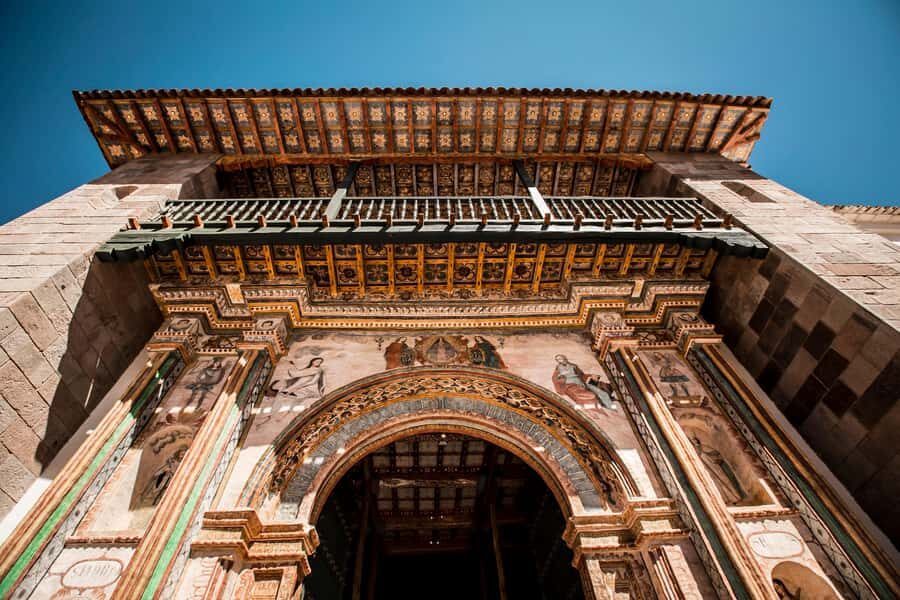
- A church stop that feels like art history: Andahuaylillas is nicknamed the Sistine Chapel of America
- Short, guided time at each site: you see the essentials without rushing all day
- English, Spanish, Portuguese guiding: your language choice is part of the experience
- BTC is required for two stops: budget time to get it before you arrive
A tight 4-hour run: how the Cusco loop actually feels
This is a true half-day outing: pickup in the Cusco Historic Center, a couple of drives out to the countryside, then guided time at three major sites before returning to town. The route is designed so you don’t just collect photos—you get context for what you’re looking at, from water engineering to city layouts to church art.
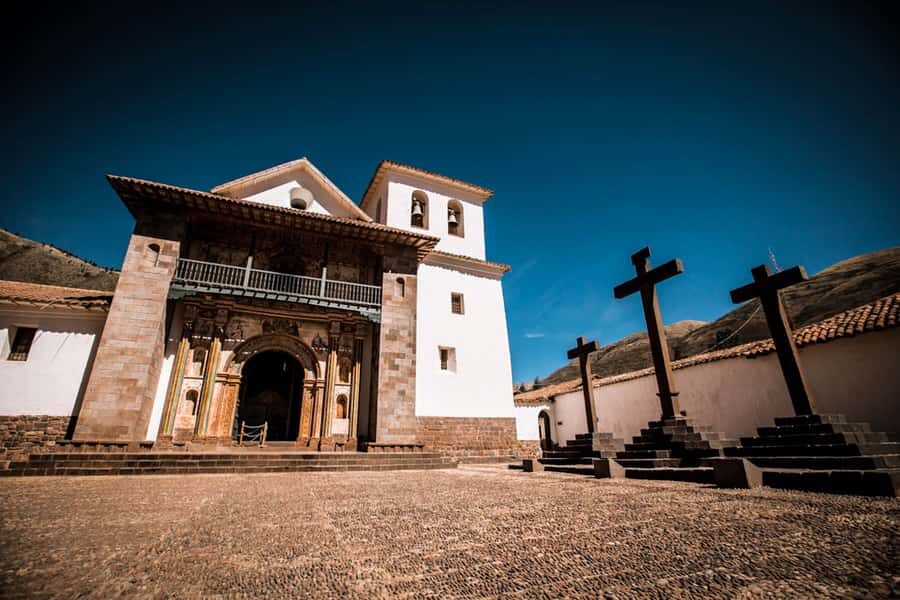
The value is in the balance. Tipón gives you a hands-on way to understand how people used land and water in ancient times. Pikillacta adds a different kind of brain workout—urban design from the Wari culture. Andahuaylillas then shifts the mood to color, craft, and symbolism, with the church’s famous frescoes plus a restored pipe organ.
The shared part matters too. You ride in a van with other people and you keep moving at a steady pace, which is great if you want “high impact” in limited time. If you prefer slow wandering with zero structure, you might feel the schedule is a bit brisk—though the stops are long enough to see the highlights.
A few more Cusco tours and experiences worth a look
Tipón terraces: irrigation engineering that still runs the show
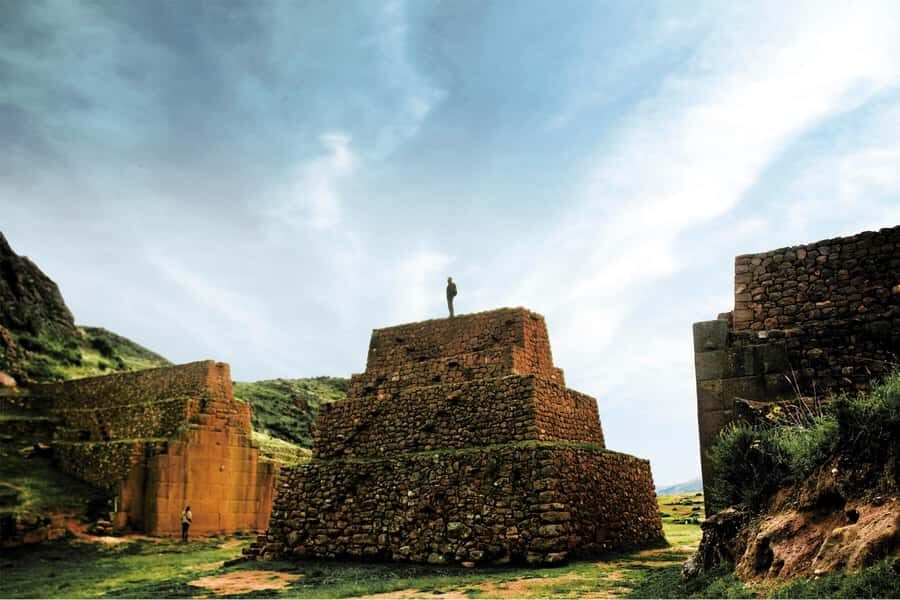
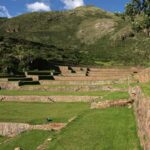
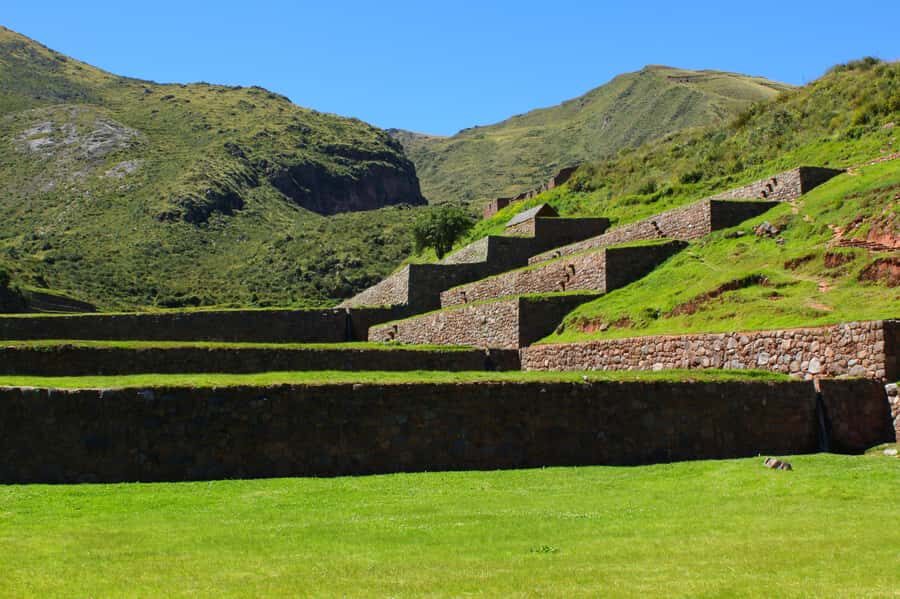
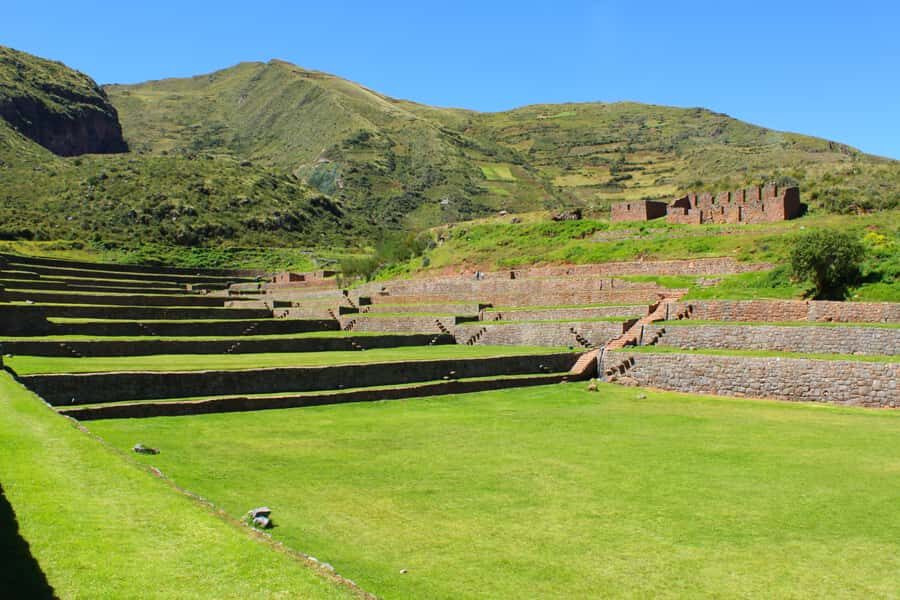
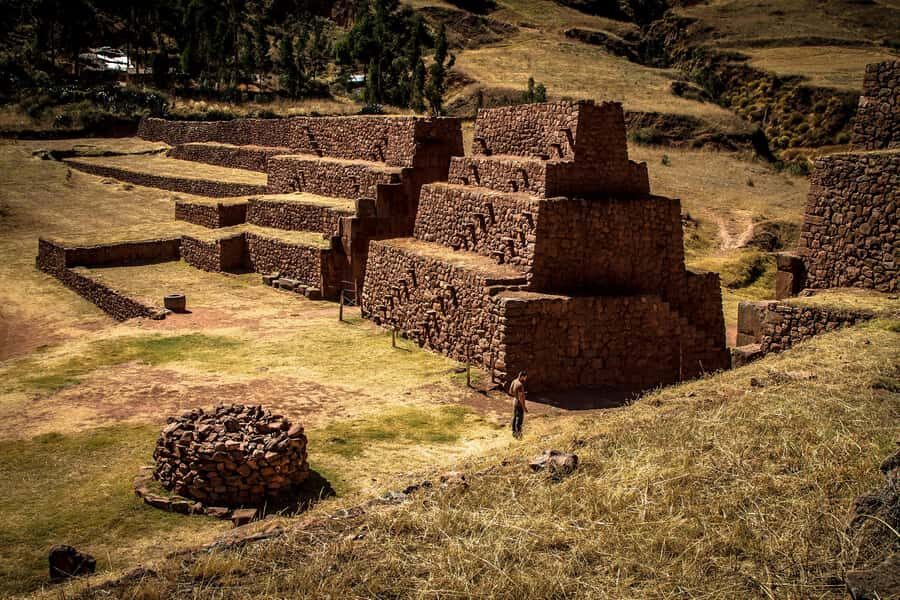
Tipón is about 27 kilometers from Cusco, close to the town that shares its name. The setting helps: you’re not trudging through a museum feeling. You’re seeing rural land use and archaeology side by side, which makes the whole system easier to grasp.
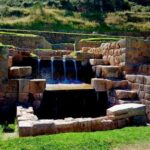
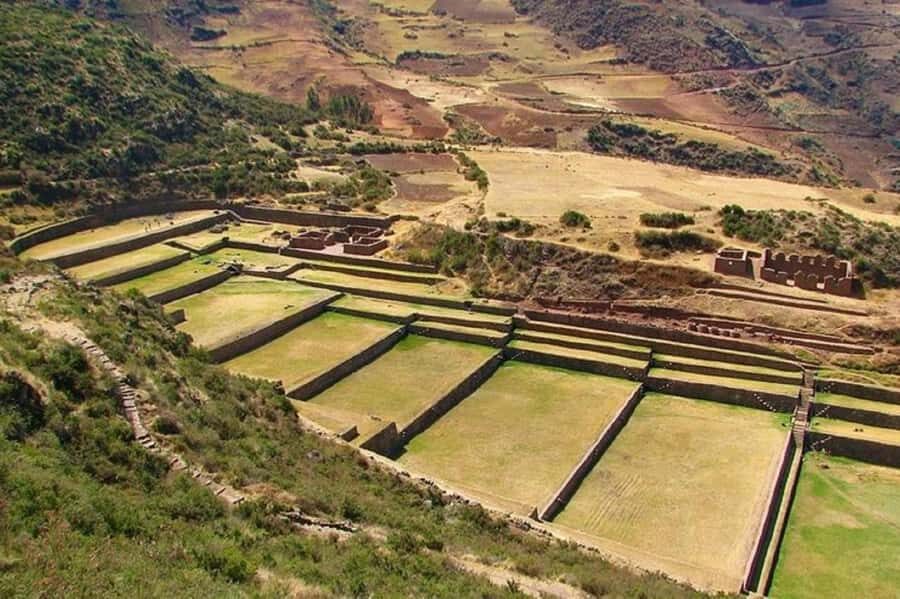
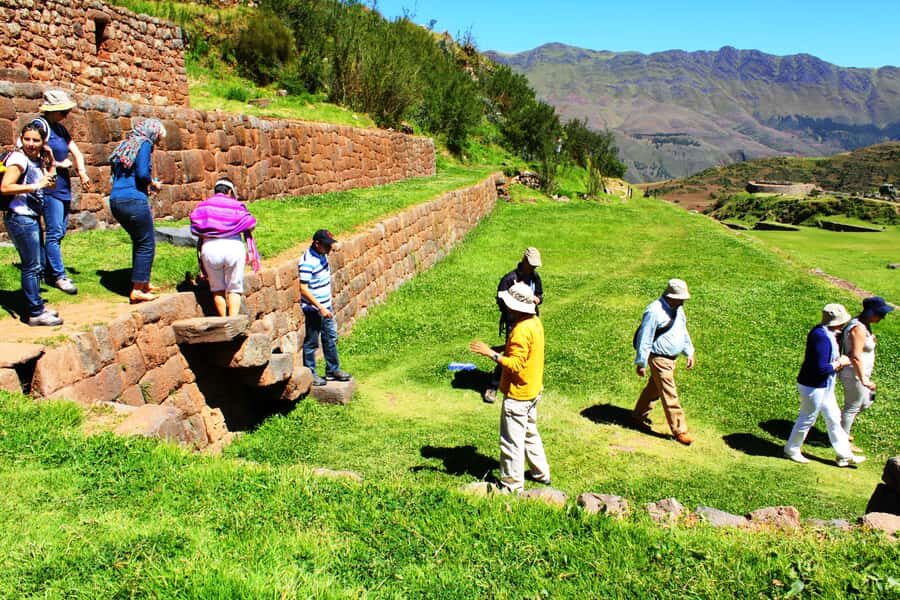
Here’s what makes Tipón special: you’ll explore an Inca-era feat of irrigation engineering, built around terraces. What I think is most useful for you to know is that the site still has 12 terraces that are still cultivated, plus enclosures and a hydraulic system that’s described as a masterpiece—and still in use by surrounding communities. That means your guide can point out why this design mattered: it wasn’t “just for the past.” It solved real water control.
During your guided time, it’s worth keeping your eyes on the patterns: where water would have flowed, how terraces hold soil, and how those enclosures relate to function. You’re also near a rural colonial mansion dated to 1650, which adds another layer—how later eras continued to shape the same landscape even after Inca systems were no longer the main power.
Practical heads-up for Tipón: wear comfortable shoes. Stone paths and terrace edges can feel uneven, and you’ll want sure footing. Sun can be strong too, so sunglasses and sunscreen aren’t optional in real life.
Pikillacta (Wari): an older city with serious architectural discipline
After Tipón, you move on to Pikillacta, tied to the Wari culture—an earlier civilization often described as an ancestor of the Incas. This is the stop that rewards you most if you like “how cities work” rather than only “how ruins look.”
Pikillacta is described as having 700 structures spread over more than 3,000 hectares. That scale is what makes the guided explanation so valuable. You’re not just seeing a few scattered walls—you’re seeing evidence of planned construction, with stone and mud buildings, and even multi-level buildings (two and three floors).
The details you’ll hear about are the kind that stick in your brain: fine engineering, plus a carved condor head in rock. That condor detail is small compared to the whole site, but it’s the kind of visual cue your guide can help you connect to the broader design language of the Wari.
A smart way to enjoy Pikillacta: let your guide’s pacing do the heavy lifting. With so much area involved, trying to “self-navigate your way to the best spots” can leave you chasing your own tail. Instead, listen for what makes each area function—then look for those same design traits as you walk.
This stop is also a reminder that Inca architecture wasn’t the only serious game in town. You’re stepping into a different time period and a different approach to building, which makes the overall tour feel like a timeline rather than three random tickets.
Andahuaylillas Church: why this place gets called the Sistine Chapel of America
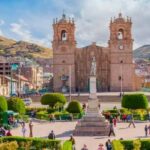
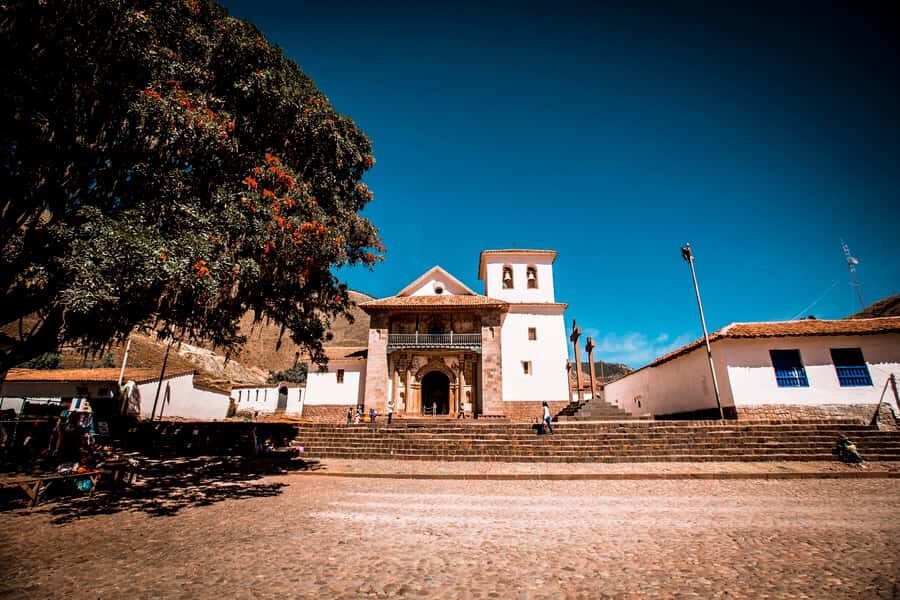
The final stop is the town of Andahuaylillas, about 40 kilometers from Cusco, anchored by the Church of Andahuaylillas. This is the one where your senses get busy immediately—because the church is known for the quality of its artwork and decoration.
The nickname matters: it’s called the Sistine Chapel of America due to the high quality of the pieces of art inside. That’s a bold comparison, but it signals what you’ll actually care about when you’re there: frescoes, ornamentation, and visual storytelling that feel intentionally crafted, not improvised.
One very practical detail: admission to the church is included in the tour price. So you’re not trying to figure out extra entry steps while you’re on the ground.
The church also features an original pipe organ that’s been recently restored. Even if you don’t catch a performance (the data here only says it’s restored), it’s still a meaningful element: it’s part of the building’s living function, not only a preserved artifact. That helps the church feel less like a frozen stage set.
If you’re sensitive to bright light inside churches, bring sunglasses—but also know that the darker interior can shift your comfort level. Give yourself a minute to adjust before you start photographing or staring too intensely at details.
Shared tour logistics: what to expect from the van pace
This is run as a shared experience using a van, with pickup from hotels in the Cusco Historic Center. You’ll want to be ready early: plan to arrive at the hotel lobby 15 minutes before the pickup time so you’re not sprinting outside while your group rolls in.
Time on the ground is guided and structured. You’ll have a guided block at Tipón, then another at Pikillacta, and then guided time at Andahuaylillas. Between sites you’ll ride together as a group, which is efficient for half-day travelers. The main tradeoff is that you don’t control the flow the way you would on a private tour.
About language: the guide is available in English, Spanish, and Portuguese. From a practical standpoint, if you’re relying on English (or you prefer one language over the others), I’d confirm language details ahead of time so there’s no awkward delay in communication once everyone meets at the pickup point. One recent booking flagged some stress when the language arrangement wasn’t clear early, so avoiding that situation is easy: ask, confirm, and move on.
Finally, bring water and a snack plan even though snacks aren’t included. This is only 4 hours, but Cusco altitude plus travel time can still make you feel it. If you’re prone to getting hungry, you’ll be happier with a light plan.
Price and value: why $38 can be a good deal (and when it isn’t)
At $38 per person for a half-day, you’re paying for a guided, multi-site route with pickup and drop-off. That’s decent value because you’re getting more than one major attraction in one go, plus a professional guide who can explain what you’re seeing.
But the budget picture isn’t finished until you account for the Cusco Tourist Ticket (BTC). The BTC is not included, and you need it to visit Tipón and Pikillacta. Admission to Andahuaylillas is included, which partially offsets the ticket cost on your total day.
Here’s how I’d think about value for your trip:
- If you were planning to visit Tipón and Pikillacta anyway, the shared guided approach likely saves you hassle and time.
- If you’re skipping one of those sites, the tour might feel less “worth it” because the BTC requirement still affects your day.
Also note that personal expenses and snacks/drinks are not included. The tour is built for site time and guiding, not comfort extras. If you price in a small snack and a drink, you’ll avoid feeling like you’re paying twice.
You’ll also want to compare this with DIY travel. If you’re comfortable renting transport, navigating routes, and figuring out entrance needs, you could do it yourself. If you want explanations and a stress-free schedule, $38 plus the BTC requirement is a reasonable trade.
Who this tour suits best (and who should choose something else)
This shared tour is a strong match if you want structure and context without committing to a full day. It’s ideal for first-time Cusco visitors who want three major sites that cover different eras and themes: Inca irrigation design, Wari city planning, and church art.
It’s also a solid fit for travelers who like guided storytelling. You’ll get help connecting what you see—terraces and water flow at Tipón, buildings and planning at Pikillacta, and frescoes and ornamentation at Andahuaylillas—so the tour feels like a coherent arc.
It’s not a good fit if you have mobility limitations. It’s explicitly not wheelchair accessible, and the walking and uneven surfaces at archaeological and church sites can be challenging.
If you’re traveling with kids, the rule is simple: children must be accompanied by an adult. That means plan for the adult-child dynamic and keep an eye on comfort and pace.
If you’re traveling with pets, this tour doesn’t allow them. Plan alternative arrangements for your pet.
Should you book this half-day shared tour?
Book it if you want a high-impact Cusco route in 4 hours, and you’re okay with the BTC step for Tipón and Pikillacta. You’ll get a guided look at engineering that still matters, ruins that show a different culture’s city logic, and a church that delivers serious art in a short visit.
Skip it (or choose a private option) if your priority is lingering freely at one site, or if you need more accessibility support than this format offers. Also think twice if you’re trying to avoid extra ticket planning, because BTC isn’t optional for two of the three stops.
If you’re flexible and you want the easiest path to see all three, this tour is the kind of “smart grouping” that makes limited time in Cusco feel productive.
FAQ
What is the duration of the Half-Day Tour Tipón, Pikillaqta & Andahuaylillas?
The tour lasts about 4 hours.
How much does the tour cost?
It costs $38 per person.
Where does the tour pickup happen in Cusco?
Pickup is included from hotels located in the Cusco Historic Center, and you should be in the lobby 15 minutes before pickup.
Is the Cusco Tourist Ticket (BTC) included?
No. The BTC is not included, and you need it to visit Tipón and Pikillacta.
Which site admission is included in the tour price?
Admission to the Andahuaylillas church is included.
What languages are the tour guides available in?
The guide is available in English, Spanish, and Portuguese.
Are snacks and beverages included?
No. Snacks and beverages are not included.
Is the tour wheelchair accessible and can children go?
It is not wheelchair accessible. Children must be accompanied by an adult. Pets are not allowed.