REVIEW · CUSCO
Lima: 7-Day Inca Tour with Flights and Machu Picchu
Book on GetYourGuide →Operated by Inkayni Peru Tours · Bookable on GetYourGuide
One quick hook: Peru hits fast. This 7-day route strings together Lima’s classic sights, the desert fun of Huacachina, and the heavy-hitters of the Andes: Maras, Moray, Rainbow Mountain, and Machu Picchu. I especially like how much is included for the price (flights, train, buses, and entrance fees), and that the guides have real people skills—names like Yenny (Cusco) and Freddie Torres show up in great feedback. The main thing to consider is pace: you’ll move a lot, including very early starts, and one review flagged pickup confusion unless you stay on top of times.
If you want the “big Peru” highlights without building a route from scratch, this tour is built for you. You’ll sleep in good-enough central hotels (often Miramar/Ayni Cusco, plus one night in Aguas Calientes), and you’ll get a guide for essentially every step that matters. The possible downside? Some add-ons (like Huayna Picchu and train upgrades) aren’t included, and if you’re unlucky with timing or pickup clarity, you could feel a bit rushed before activities.
In This Review
- Key Things That Make This Tour Worth Your Time
- Lima First: Plaza Mayor Power and Huaca Pucllana Up Close
- Paracas to Ica and Huacachina: Sea Lions, Pisco, and the Sand Rush
- Cusco Arrival and Acclimatization: What Helps and What to Watch
- Chinchero, Moray, and Maras Salt Mines: Inca Brains at Work
- Machu Picchu Day: Temples, Terraces, and the Mountain Add-On Choice
- Rainbow Mountain at 4–5 AM: Ausangate Views, Real Altitude Work
- Price and Value: What $1,379 Really Buys You
- Hotels, Group Size, and the Pickup Reality (Yes, It Matters)
- The Tour Rhythm: When It Fits (and When It Doesn’t)
- Who Should Book This? My Take
- FAQ
- Does the tour include international flights?
- How many nights and breakfasts are included?
- What meals are included besides breakfast?
- Are Machu Picchu entrance and buses included?
- Can I visit Huayna Picchu or Machu Picchu Mountain?
- Is the train upgrade included?
- What time do we start for Rainbow Mountain?
- What languages are the guides?
- What should I bring, and what is not allowed?
- Who is this tour not suitable for?
Key Things That Make This Tour Worth Your Time
- Machupicchu logistics are handled: round-trip touristic train, entrance fee, and buses at the site are included.
- You get more than one Inca flavor: Chinchero weaving, Moray terraces, and Maras salt pools all tell connected stories.
- A real desert day: Paracas boat views plus Ica pisco/wine tasting followed by Huacachina buggy rides and sandboarding.
- Early start, big payoff: Rainbow Mountain hiking begins around 4–5 AM and is paired with a short breakfast stop.
- Small-group feel: limited to 14 participants, with a note that groups can run between 2 and 12.
- Guide support shows up in reviews: strong praise for English/Spanish-speaking guides like Yenny, Herlin, and Freddie Torres.
Lima First: Plaza Mayor Power and Huaca Pucllana Up Close
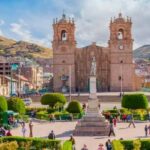
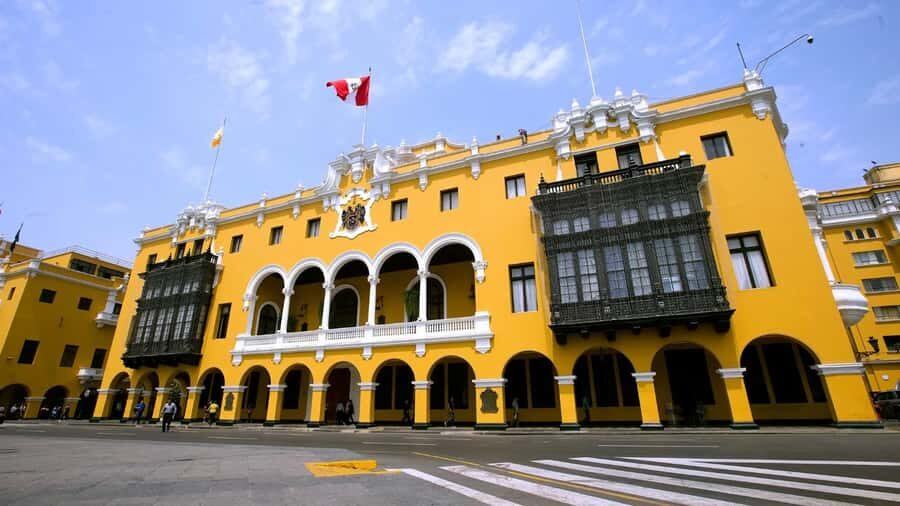
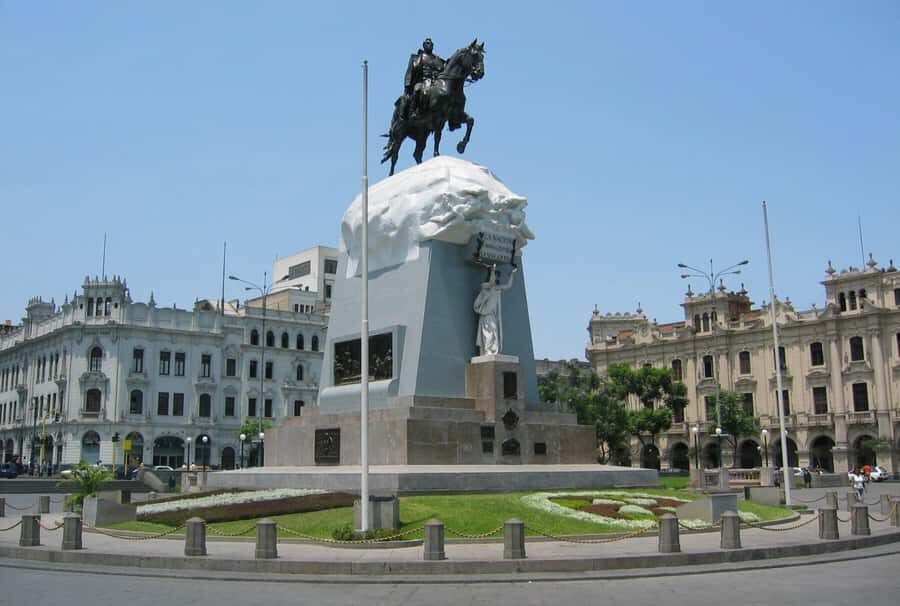
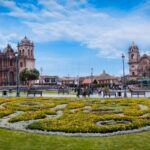
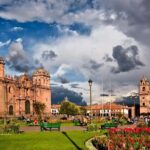
Day 1 is a smart warm-up. After landing at Jorge Chávez Airport, you’ll transfer to your hotel and then head straight into Lima’s historic core. The tour stops at Plaza Mayor, framed by colonial power buildings like the Cathedral of Lima and the Government Palace. It’s not just a photo stop—this is where Lima’s “old capital” vibe still matters.
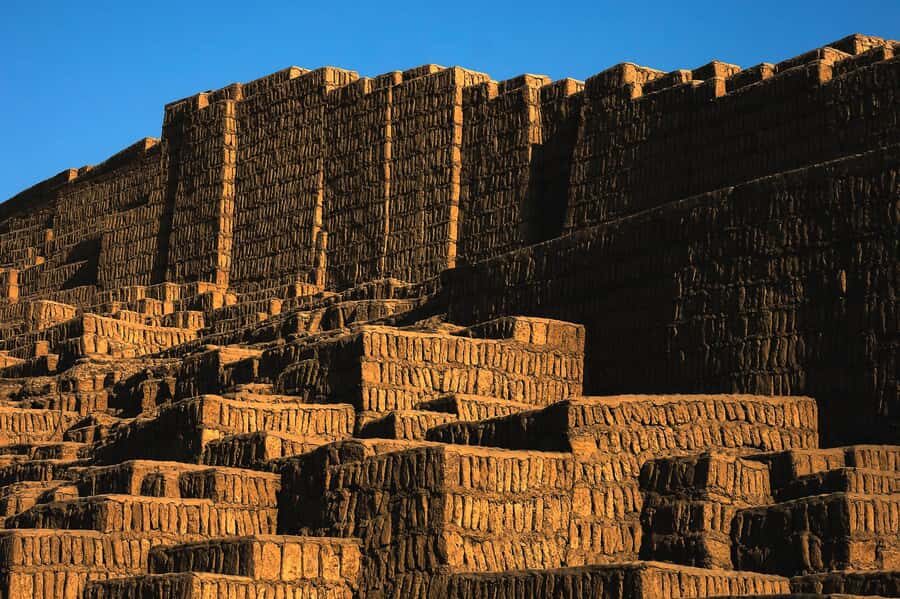
Right before the main square, you’ll visit Huaca Pucllana, an ancient pre-Inca pyramid. This contrast is part of the value: many Lima visits only do colonial streets, but Pucllana gives you a quick reminder that Peru’s layers run deep—Inca-era influence sits on top of earlier civilizations. If you’re the kind of traveler who likes context, this stop pays off later when you start seeing how Andean societies adapted to their environments.
Night one is at Miramar hotel or similar. You’re not chasing luxury here—you’re building location convenience so you can actually enjoy the city the first day without a long commute.
A few more Cusco tours and experiences worth a look

Paracas to Ica and Huacachina: Sea Lions, Pisco, and the Sand Rush
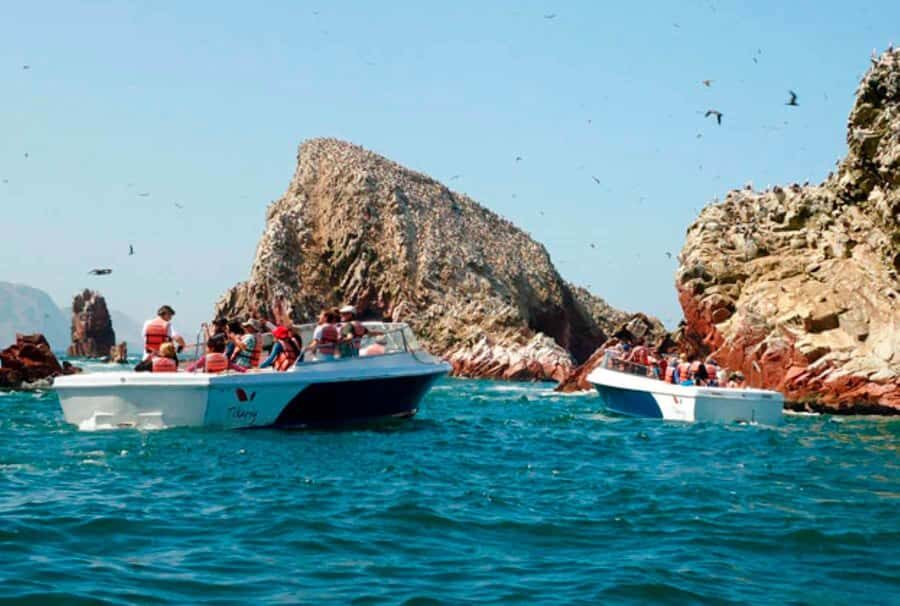
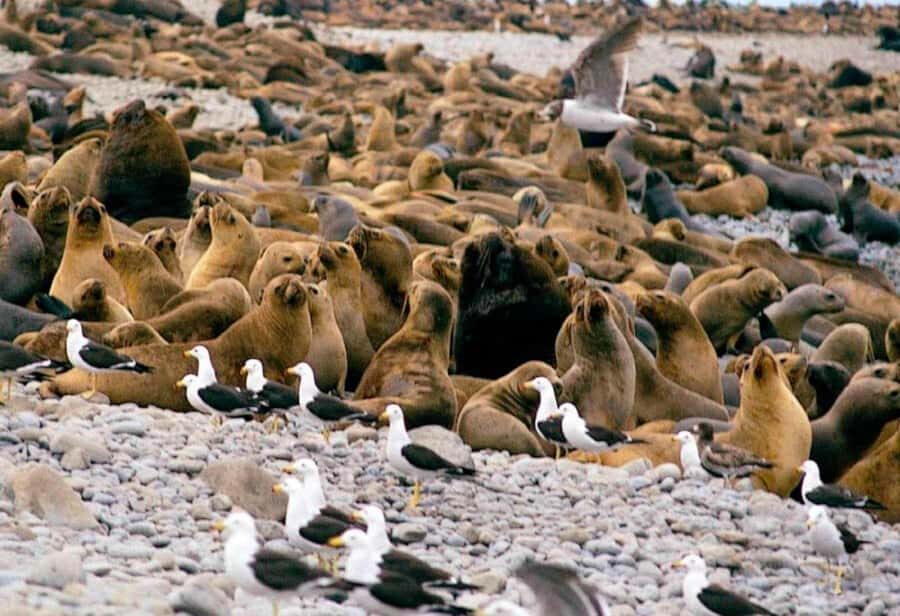
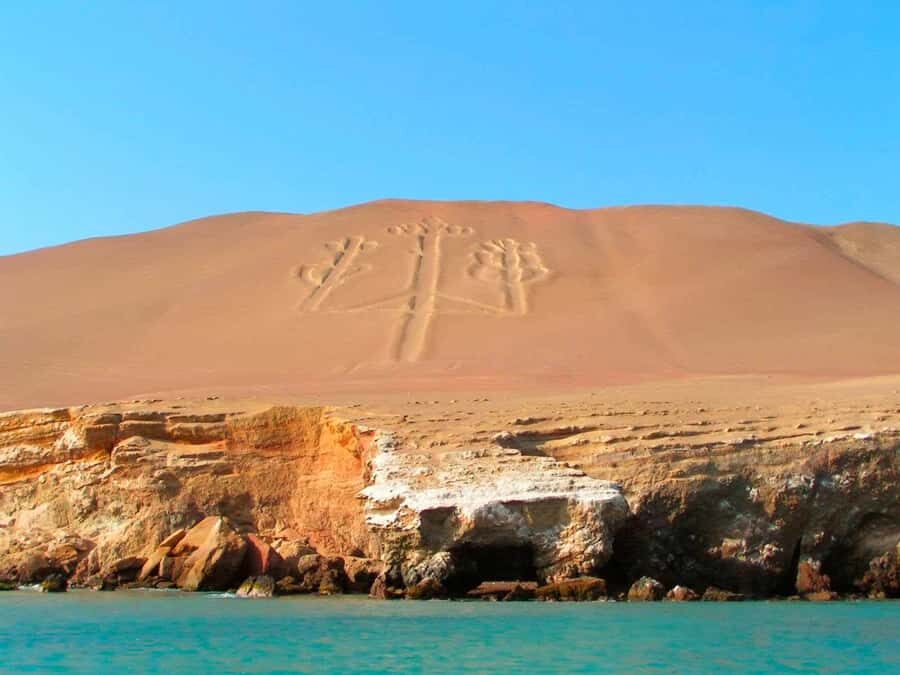
Day 2 is a packed but fun arc. You leave early for Paracas, where a boat ride to the Ballestas Islands is the main event. This is one of those places where the animal viewing is the show: sea lions, penguins, and lots of seabirds, all with the coast curving around you like a natural stage.
Then you continue to Ica, adding a classic Peru flavor with pisco and wine tasting and a traditional lunch. This isn’t meant to turn you into a sommelier. It’s more about tasting what the region is known for and giving you a break from early mornings and high-altitude breathing.
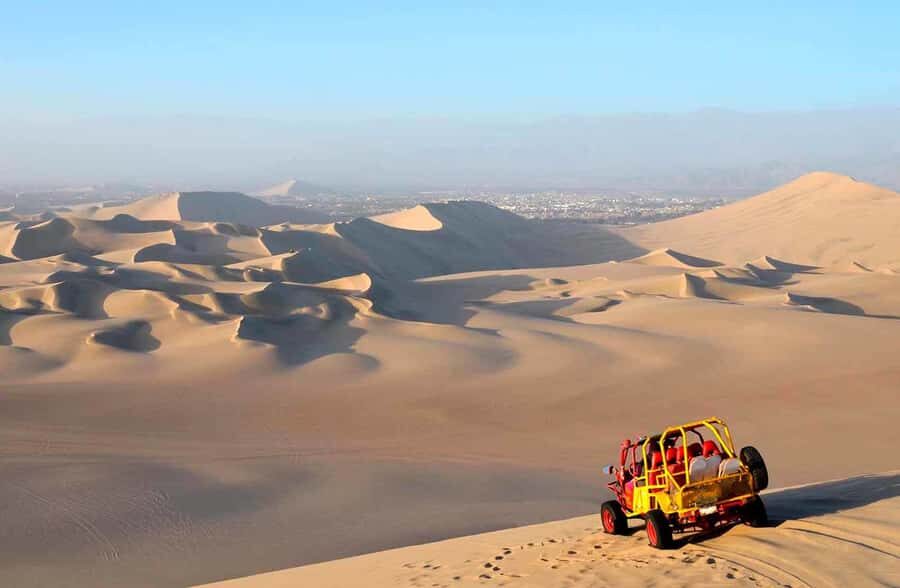
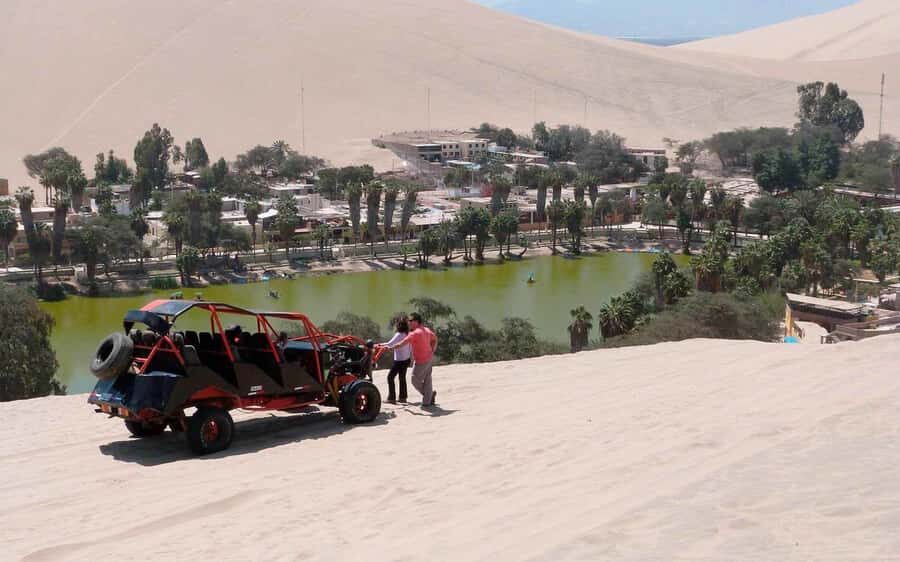
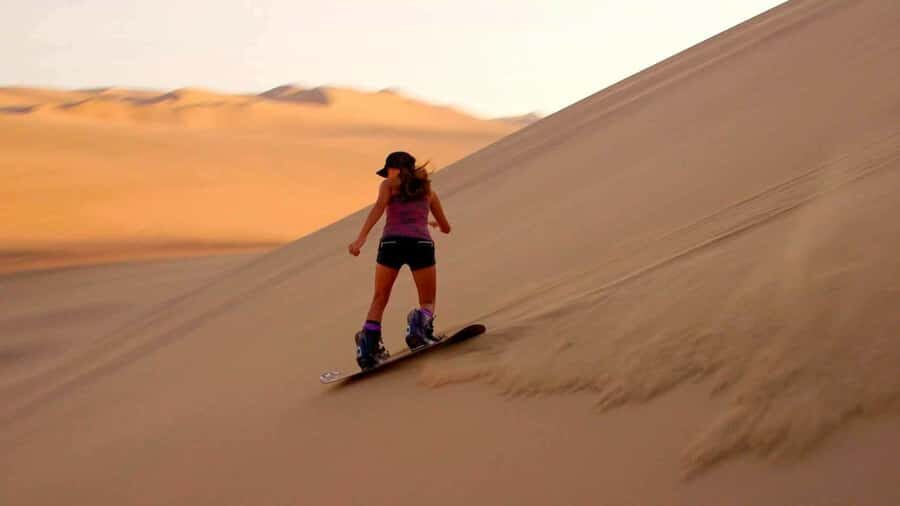
The afternoon shifts gears to the Huacachina desert oasis. This is where the tour turns “sightseeing mode” into “activity mode,” with buggy rides and sandboarding. If you like physical stuff, this day keeps the trip from feeling like all tickets and temples. And if you’re not sure about sandboarding, the buggy ride alone is often worth the trip—just keep your expectations realistic about comfort. The desert is the desert.
Cusco Arrival and Acclimatization: What Helps and What to Watch
Day 3 starts with the flight into Cusco, at about 11,152 ft / 3,399 m. Your transfer drops you into the historic center zone, and the rest of the day is for acclimatization. That matters, because the next two days include high points like Chinchero and later a train into Aguas Calientes—altitude is part of the itinerary whether you love it or not.
Your hotel is Ayni Cusco hotel or similar, and the time cushion is key: you can walk the cobbled streets, grab a simple meal, and let your body catch up. For me, this is the “quiet value” day—this is when you avoid turning the whole trip into a slog caused by starting too hard too fast.
One practical note: the tour includes warm clothing. That’s not just generic advice. Even when the sun is strong in Cusco, nights and early mornings can feel sharp. Pack like you’ll be comfortable at the temperature where your breath shows up.
Chinchero, Moray, and Maras Salt Mines: Inca Brains at Work
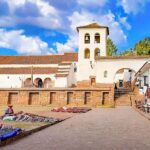
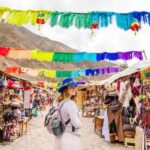
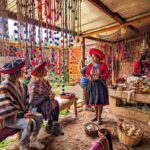
Day 4 is one of the most interesting concept-days in the whole trip, because it’s built around how the Andes were used. First comes Chinchero, at roughly 12,500 ft / 3,800 m, where you’ll see local artisans and traditional weaving techniques. This is the kind of stop that’s easy to skip if you’re only chasing monuments—but weaving ties into identity, trade, and how Inca communities understood materials.
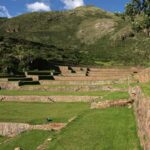
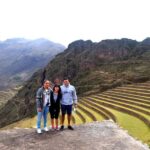
Next is Moray (about 11,500 ft / 3,500 m), described as an Inca agricultural laboratory. Even if you don’t read every explanation card, the layout makes sense: the circular terraces help show how microclimates could support different crops. It’s Inca engineering that looks like an art project until you realize it’s built to solve real food challenges.
Then you descend toward the Maras Salt Mines (around 10,827 ft / 3,300 m). The standout here is the visual: thousands of salt pools reflecting sunlight, creating a shimmering pattern across the hillside. It’s also a reminder that the Andes aren’t frozen in time—people still make use of the land today.
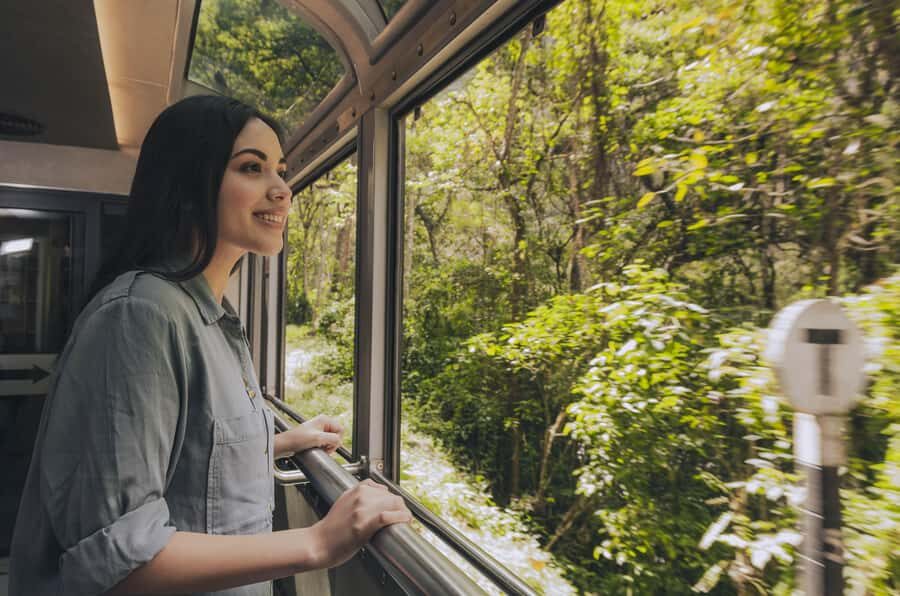
In the afternoon, you board the train from Ollantaytambo to Aguas Calientes. You’ll stay overnight at Golden Sunrise or similar. That’s the usual staging point for Machu Picchu, and this tour uses it well—you get to settle before the big day.
Machu Picchu Day: Temples, Terraces, and the Mountain Add-On Choice
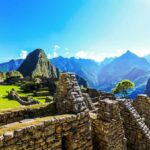
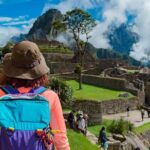
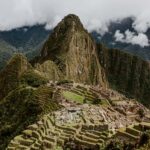
Day 5 is the main ticket day: Machu Picchu. You take a morning bus up (the included plan is buses in Machu Picchu), then your guide leads you through the sacred Inca spaces: temples, terraces, and the big ceremonial layout. You’ll want comfortable shoes. Paths are uneven, and you’ll do more walking than you expect once you start exploring areas that look close on a map.
This day is also where advance decisions matter. If you booked ahead, you may have an option to add time for Huayna Picchu or Machu Picchu Mountain for panoramic views. The important detail: these aren’t automatically included. Huayna Picchu costs about $85 USD per traveler (not included), and Machu Picchu Mountain is also listed as an extra hike option if you booked it in advance.
Here’s the practical way to think about it:
- If you want the classic Machu Picchu experience with less steep climbing, stick with the main site tour.
- If you want bigger viewpoints and can handle the altitude and stairs, plan the extra hike.
After Machu Picchu, you return to Cusco by train, then use a private transfer to your hotel.
Rainbow Mountain at 4–5 AM: Ausangate Views, Real Altitude Work
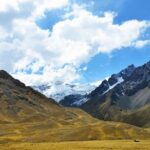
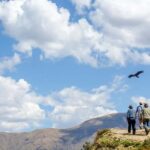
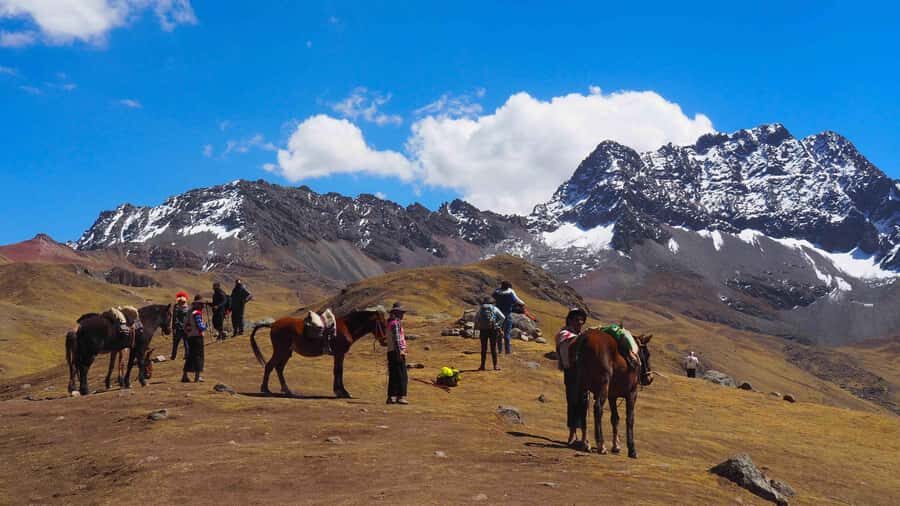
Day 6 is the day you earn your Instagram-worthy colors. You leave extremely early—around 4 to 5 AM—toward Rainbow Mountain (listed around 16,466 ft / 5,020 m). There’s a breakfast stop near Cusipata (about 11,811 ft / 3,600 m), then you continue by van to the trailhead and start hiking after you catch your breath.
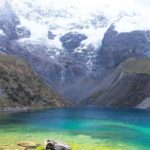
The hike is described as about two hours on the trail. At the summit you’ll see the multicolored slopes, with Ausangate Mountain in view. Ausangate is one of the Andes’ most sacred peaks, and the guide will connect the place to local meaning. Even if you don’t get emotional about sacred peaks, you can still respect the fact that locals have long treated this terrain as more than scenery.
The “back half” is the payoff and the challenge. You descend on foot along the same route, then get back into the van for a lunch stop and return to Cusco. This is where your day-4 acclimatization work really pays off. If you felt fine in Cusco already, you’ll likely handle this better. If you felt off, you’ll feel it here.
One more reality check: this hike is not described as wheelchair-friendly, and it also isn’t a great fit if you have back problems. The altitude adds stress, and the path is still a path—expect some steep sections.
Price and Value: What $1,379 Really Buys You
The headline price is $1,379 per person for 7 days. On paper, that sounds like a lot—until you itemize what’s included.
You’re getting:
- Round-trip internal flights (Lima to Cusco, with possible extra charges depending on date/availability)
- 6 nights of accommodation
- 6 breakfasts plus 2 lunches (days 2 and 6)
- Airport and station pickups/transfers in Lima and Cusco
- Lima city tour, plus multi-day excursions for Paracas/Ica/Huacachina, Chinchero/Moray/Maras, and Rainbow Mountain
- All entrance fees
- Round-trip touristic train to Machu Picchu, plus Machu Picchu buses
- A professional guide for the tours
That’s the core value: Machu Picchu is logistics-heavy. When train schedules, bus timing, and entrance arrangements are bundled, your trip becomes much less about problem-solving and more about walking into the right places at the right time.
What’s not included matters too:
- Huayna Picchu entrance (about $85 USD per traveler)
- Train upgrade to Vistadome: about $105 USD round-trip (or roughly $45–70 one way, per the info)
- Travel insurance
- International flights
So, should you buy add-ons? Only if you truly want the extra hike or the upgrade. The main site visit already delivers the big experience. Upgrades are optional comfort/choice, not required to enjoy the core sights.
Hotels, Group Size, and the Pickup Reality (Yes, It Matters)
You’ll stay in 3-star class hotels, including Miramar hotel or similar in Lima, Ayni Cusco hotel or similar in Cusco, and Golden Sunrise or similar in Aguas Calientes. The goal is simple: clean rooms and central locations so you can actually spend time in the city without extra travel.
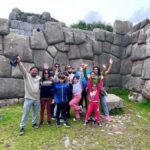
Group size is small—limited to 14 participants, and there’s also a note that group size can run between 2 and 12. That smaller setup usually means you get more guide attention and less waiting around than on huge tours.
Now the practical catch: pickups have to work. Most travelers have smooth transfers when the team is on schedule, but one review described confusion around airport pickups and said they had to run to find the right pickup times. That doesn’t mean the tour is unreliable—it means you should do two things:
- Keep your phone handy and ready for any message.
- Confirm pickup times the night before big transfers so you know what “time” actually means for your day.
The Tour Rhythm: When It Fits (and When It Doesn’t)
This itinerary is built for people who want structure. You’ll have enough guided time to cover key sights without getting lost, and you’ll still have short windows to explore on your own—especially in Cusco during acclimatization.
This tour is a good fit if:
- You want Lima + Inca highlights without planning separate days for train tickets and entrance timing
- You like a mix of culture and action (weaving/terraces/temples plus buggy rides and hiking)
- You’re okay with early mornings, especially for Rainbow Mountain
It’s a weaker fit if:
- You dislike schedules and constant movement
- You’re sensitive to altitude (the tour isn’t suitable for pregnant women, people with back problems, or wheelchair users)
- You need a slow, flexible pace where you can stay put when weather shifts
Also, English and Spanish guidance are offered. If you prefer one language, you’ll likely be accommodated, but it’s still smart to check at booking if language assignment is important to you.
Who Should Book This? My Take
I’d recommend this tour to you if your priority is seeing Machu Picchu plus Rainbow Mountain plus the Sacred Valley highlights in one efficient package. The best part isn’t just the checklist—it’s how the included train, entrance, and buses reduce the stress around Peru’s most time-sensitive day.
I’d hesitate if you’re the type who hates any uncertainty about pickups. The tour has strong praise for service and guides, including named guides like Yenny, Freddie Torres, and Herlin, but the pickup hiccup story is real enough to take seriously. If you’re organized, ask clear questions, and stay on top of timings, that risk drops.
If you can handle early mornings and altitude, you’ll likely feel like the week flies by in the best way—because you’re not waiting around for logistics. You’re doing the good stuff.
FAQ
Does the tour include international flights?
No. It includes round-trip internal flights from Lima to Cusco, and international flights are not included.
How many nights and breakfasts are included?
You get 6 nights of accommodation and 6 breakfasts at the hotels.
What meals are included besides breakfast?
Two lunches are included: one on day 2 and one on day 6. Other meals are not included.
Are Machu Picchu entrance and buses included?
Yes. Entrance fee to Machu Picchu and buses in Machu Picchu are included, along with the touristic train.
Can I visit Huayna Picchu or Machu Picchu Mountain?
Huayna Picchu is not included in the tour price and costs about $85 USD per traveler. Machu Picchu Mountain is mentioned as an optional additional hike if booked in advance.
Is the train upgrade included?
No. Upgrading to Vistadome is not included and costs an additional amount (listed as $105 USD round-trip, or about $45–70 one way).
What time do we start for Rainbow Mountain?
You depart very early, around 4 to 5 AM, then hike about two hours.
What languages are the guides?
Guides are available in English and Spanish.
What should I bring, and what is not allowed?
Bring your passport or ID card, comfortable shoes and warm clothing (plus hiking shoes), comfortable clothes, and cash. Weapons or sharp objects are not allowed.
Who is this tour not suitable for?
It is not suitable for pregnant women, people with back problems, and wheelchair users.