REVIEW · CUSCO
Sacred Valley & Machu Picchu by Train: 2-Day, 1-Night Tour
Book on GetYourGuide →Operated by TreXperience · Bookable on GetYourGuide
You’re going from Cusco to Machu Picchu without juggling logistics all day. I like how this packs the Sacred Valley classics (Pisac, Moray, Maras, Ollantaytambo) into two days, while still building in a real overnight break in Aguas Calientes. I also like that you get a guided 3-hour Machu Picchu tour timed for the early hours, with guides who can answer questions as you walk.
One drawback to think about: this is a tightly run schedule, and you’ll need to follow the day’s pacing closely—plus there can be minor timing hiccups on the train legs.
In This Review
- Key points at a glance
- Sacred Valley by train: why this route feels easier
- Day 1 from Cusco: alpacas, textiles, and Andes color lessons
- Pisac ruins and Pisac Market: terraces plus smart souvenir time
- Moray and Salineras of Maras: Inca farming engineering you can see
- Ollantaytambo and the Expedition train: setting up your Machu Picchu morning
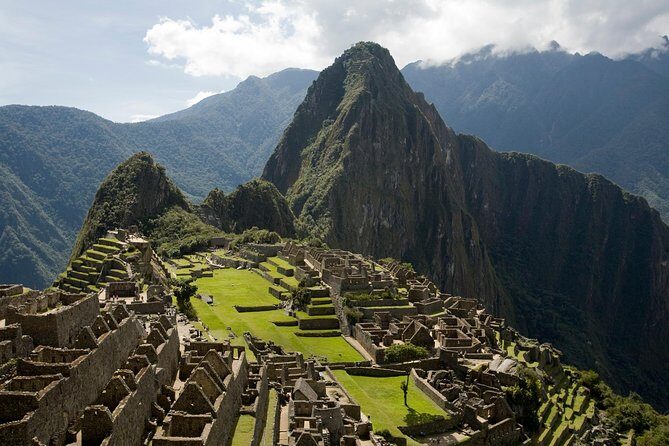
- Machu Picchu sunrise: early bus, passport check, and a 3-hour guided route
- Optional Huayna Picchu or Machu Picchu Mountain: how to decide fast
- Timing, train delays, and what to pack so you’re not stressed
- Price and value: what your $698 includes (and where costs can pop up)
- Who this tour fits best (and who should think twice)
- Should you book Sacred Valley & Machu Picchu by Train?
- FAQ
- How long is the Sacred Valley & Machu Picchu train tour?
- Where does the tour start and is hotel pickup included?
- Is there an overnight stay during the tour?
- What meals are included?
- Are entrance tickets included for all the main sites?
- Do I need a passport for Machu Picchu?
- Are Huayna Picchu or Machu Picchu Mountain hikes included?
- How big is the group?
- What languages is the live guide available in?
- Is cancellation possible after booking?
Key points at a glance
- Small group size (up to 16): easier questions and a calmer experience at busy sites
- Sacred Valley to Machu Picchu in one smooth flow: hotel pickup, entrances, buses, and train connections are handled
- Moray and Salineras of Maras: real Inca-era farming engineering plus the famous salt pools
- Sunrise entry to Machu Picchu: early bus, then a guided circuit before the crowds thicken
- Guides that explain clearly: I’m seeing a strong pattern of people loving the depth of on-the-ground commentary
- Your $698 includes a lot of hard-to-schedule items: train round-trip, hotel night, entrances, and key meals are bundled
Sacred Valley by train: why this route feels easier
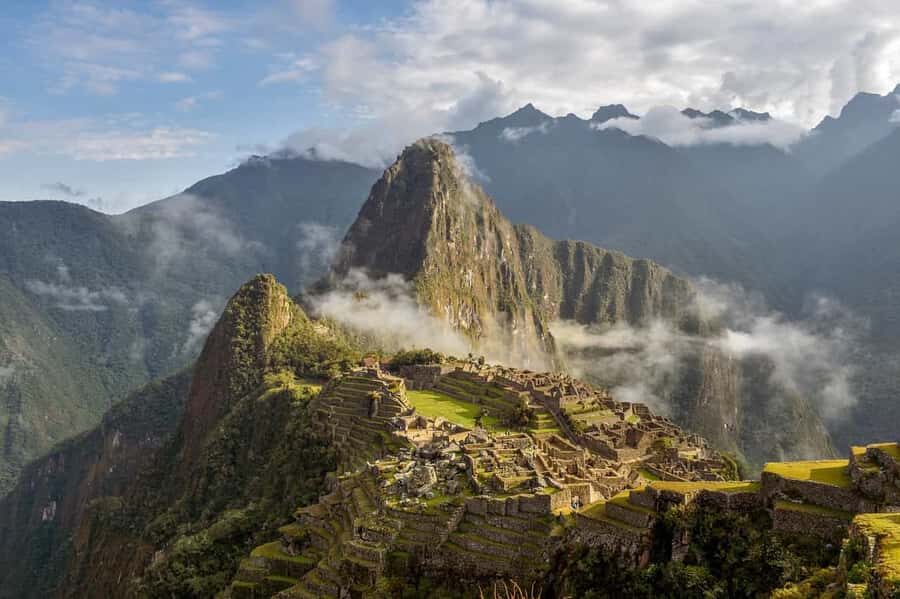
Machu Picchu is not hard, it’s just time-sensitive. This itinerary helps because your transport, key tickets, and the day’s big movements are already stitched together for you, from Cusco pickups to the Expedition train and the bus up to the citadel.
I also like the order of stops. You start with Sacred Valley highlights first—ruins, terraces, markets—so Machu Picchu feels like the final chapter, not the random middle of a long travel day.
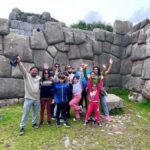
The group size matters too. With a cap of 16 participants, you’re less likely to get stuck behind a wall of other people, and you can actually ask your guide follow-ups.
You can also read our reviews of more evening experiences in Cusco
Day 1 from Cusco: alpacas, textiles, and Andes color lessons
Day 1 begins with pickup from your Cusco hotel, hostel, or Airbnb. Your guide meets you, then you head out to an alpaca center and textile farm area where you’ll see llamas, alpacas, viñuna, and guanacos.
This is the part that tends to surprise first-timers. It’s not just cute animals; you also get to learn how weaving works and how natural colors are used, which helps you understand what you later see for sale at craft markets.
You also get time for shopping here if you want it. Just keep an eye on what you’re buying, because the best value often comes from knowing what it is and how it’s made, not just grabbing the first souvenir.
Next, you’ll drive to a scenic viewpoint around Mirador Taray. From there, you get Andes views over the Urubamba River and the Sacred Valley’s farming lands—helpful context before you start visiting the Inca sites.
Pisac ruins and Pisac Market: terraces plus smart souvenir time
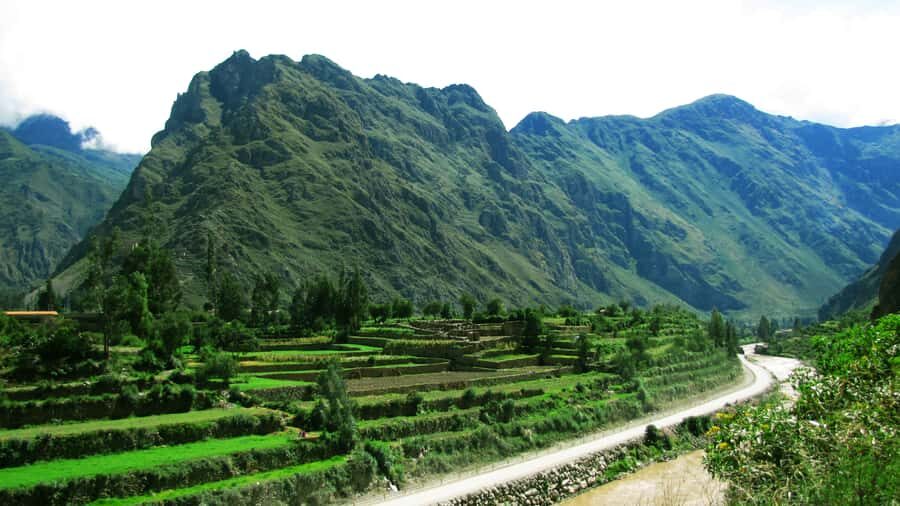
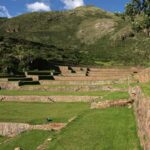
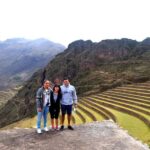
Pisac archaeological site sits up on the mountainside, with stone walls, terraces, irrigation systems, and a cemetery area tied to Inca times. The setting alone makes the ruins feel more like a living place than a boxed-in museum stop.
A practical tip: because it’s elevated, you’ll want a comfortable daypack and good layers. The Sacred Valley weather can shift, and you’ll be outside moving around.
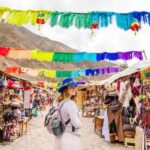
After Pisac, you head to Pisac Market, one of the best places in the region to browse traditional crafts. You’ll see ceramics, textiles, jewelry, Andean instruments, and alpaca products, plus plenty of everyday souvenirs.
This is also where you can put your bargaining skills to work. You’re not just shopping; you’re practicing how local artisans position value—so go in with a calm pace and compare before you commit.
Moray and Salineras of Maras: Inca farming engineering you can see
Moray is the kind of place that makes you rethink what “terraces” can mean. These are not just scenic steps; they show how the Incas used varied conditions to support experimentation in farming.
Then you move on to Salineras of Maras, the famous salt ponds where water feeds the salt pans across the hillsides. This stop hits a different vibe from the ruins: it’s still an active landscape, and you can visually connect how geography becomes production.
The way these two stops are paired is smart. You get the science of Inca agriculture at Moray, then you see how salt production uses the same kind of careful attention to water and terrain.
Ollantaytambo and the Expedition train: setting up your Machu Picchu morning
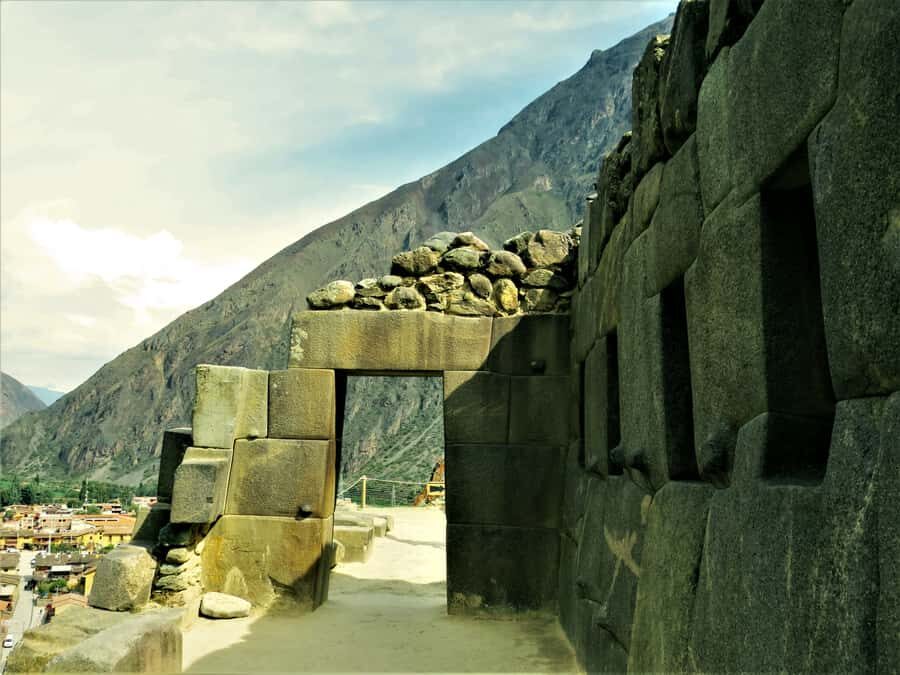
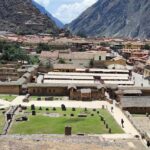
After Moray and Salineras, you continue to Ollantaytambo, often described as the last standing Inca citadel. The town is built on top of ancient Inca foundations, so you feel the layers right where people live and move.
You’ll explore the archaeological area with temples, terraces, storehouses, and a notable large monolithic. Even if you’re not an archaeology buff, the site is easy to follow because it’s structured and visually connected.
After that, the day shifts into travel mode. You take the Expedition train to Aguas Calientes, check into your 3-star hotel for one night, and reset so you’re ready for an early Machu Picchu start.
Aguas Calientes is where you’ll feel the pull of the whole region. It’s not a quiet village getaway, but it’s a good base for the next morning’s bus timing.
A few more Cusco tours and experiences worth a look

Machu Picchu sunrise: early bus, passport check, and a 3-hour guided route
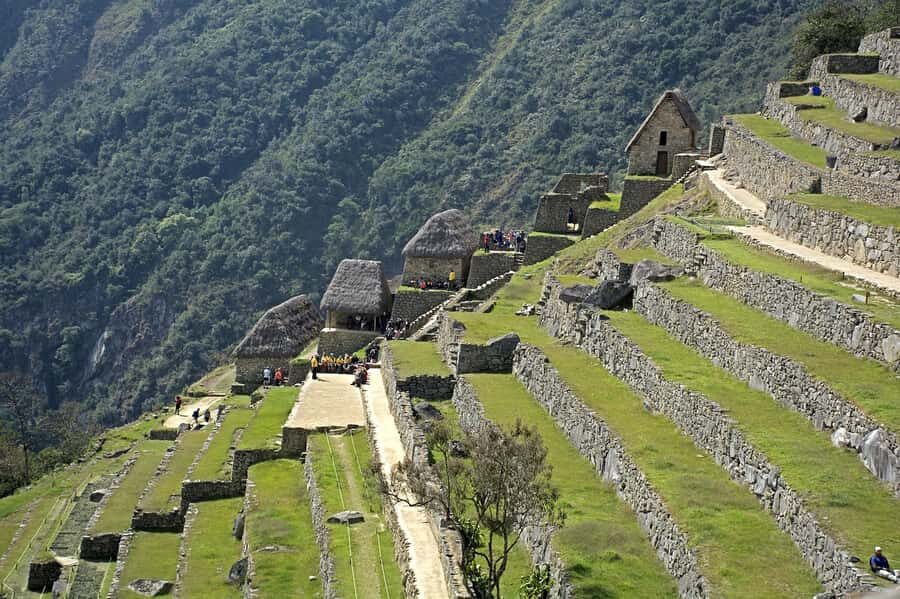
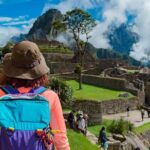
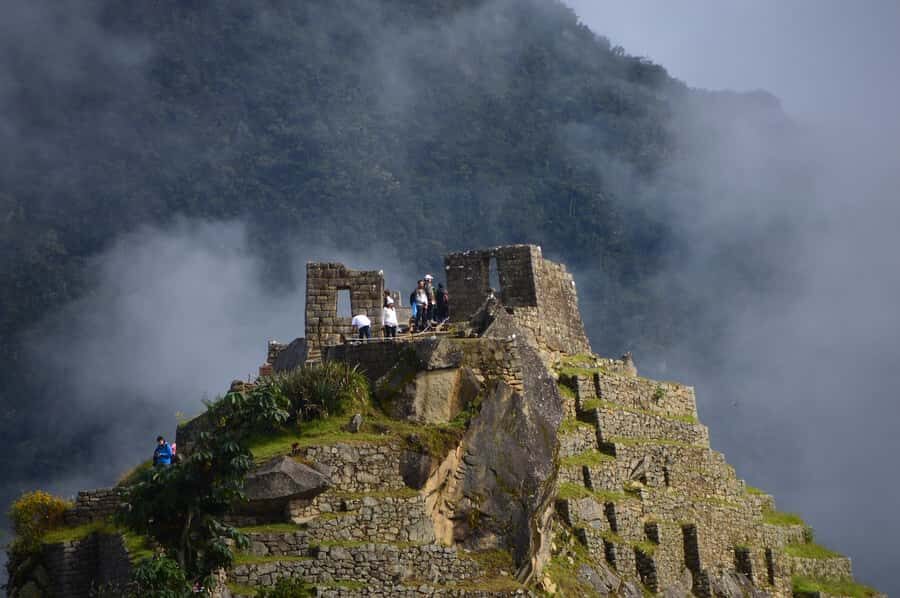
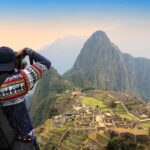
Your Machu Picchu day begins with an early wake-up and breakfast, then you take a first bus up to the site. When you arrive, you show an original passport at the checkpoint to enter.
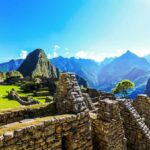
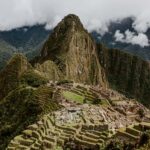
The payoff comes quickly. Once you’re inside, you get about 3 hours of guided touring, covering key terraces, storehouses, temples, and palaces—enough time to learn the layout without it feeling like a sprint.
This is also the part where guide quality really shows. In past experiences from this program, people have singled out guides for giving detailed, patient explanations about Machu Picchu and the surrounding ruins. Names that come up include Herbert Vidal, along with Alex and Oliver, and that matches what you’re hoping for on a day like this.
After the guided portion, you can choose an optional extra hike to either Huayna Picchu or Machu Picchu Mountain (not included). If you want photos from higher viewpoints and you’re comfortable with steep stairs, this can be worth it. If your legs are already negotiating with altitude, skip it and soak in the main circuit.
Afterward, you take the bus back down to Aguas Calientes. Lunch there is on your own, then you board the Expedition train back toward Ollantaytambo.
Optional Huayna Picchu or Machu Picchu Mountain: how to decide fast
Because Huayna Picchu and Machu Picchu Mountain are extra hikes, you should decide early based on your energy, not on FOMO. You’re already doing an early bus and a guided walk, so treat the main visit as the core plan.
If you’re the type who likes variety in views and doesn’t mind climbing, an extra hike can add a second angle on the same sacred place. If you’re easily winded or you’d rather keep the day relaxed, you’ll still have plenty to do without the hike.
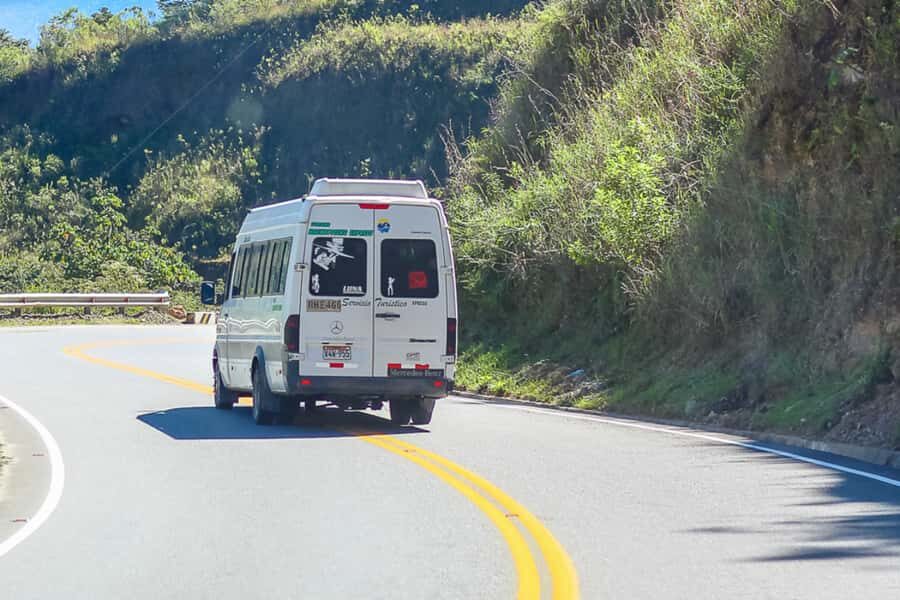
Either way, you’ll be descending back through the afternoon and catching the train timing that returns you to Ollantaytambo, then a van back to your Cusco hotel.
Timing, train delays, and what to pack so you’re not stressed
This itinerary runs on schedules, and that’s normal for Machu Picchu. One review note I’d take seriously: there can be minor lateness on the train leg around the Machu Picchu movement, and one traveler wished they could select train times.
Here’s how I’d protect your peace. Start your day early, keep your patience for the train, and don’t plan any tight connections the same day back in Cusco unless your provider has already handled it.
Packing is straightforward. Bring your passport (original) and a daypack, since large bags or luggage are not allowed. Also skip drones, alcohol, and drugs, and don’t feed animals.
If you’re prone to motion sickness on winding roads, plan for it with what works for you. Nothing in the tour info promises a smooth ride every minute, and this area involves repeated driving segments.
Price and value: what your $698 includes (and where costs can pop up)
At $698 per person, this isn’t cheap. But when you compare it to booking everything separately, a lot of the expensive headache is bundled in: train round-trip, hotel night, entrance fees, expert guides, and the key buses.
Included costs you’re getting:
- Hotel pickup in Cusco and door-to-door service (from your hotel and back)
- Transport covering the full journey
- Entrance tickets for Pisac, Moray, Salineras of Maras, Ollantaytambo, and Machu Picchu
- Buffet lunch in Urubamba and dinner in Ollantaytambo
- One night in a 3-star hotel in Aguas Calientes
- Round-trip bus to Machu Picchu
- Round-trip on the Expedition train
- Taxes and reservation charges
What’s not included is where you should watch your budget:
- Optional hikes like Huayna Picchu or Machu Picchu Mountain
- Meals not mentioned in the program (for example, lunch in Aguas Calientes is optional)
- Travel insurance
My value verdict: this is a strong deal if you want a guided, timed path that protects you from the most annoying parts of Machu Picchu logistics. It’s less of a deal if you love building your own schedule and you’re already comfortable navigating tickets and timing on your own.
Who this tour fits best (and who should think twice)
This tour fits best if you want the Sacred Valley highlights plus Machu Picchu in two days, with a guide handling navigation and ticket access. The small group size (max 16) is ideal if you like asking questions and not getting lost in a crowd.
It also suits you if you want an efficient “first big Peru” trip. You get alpaca and weaving context, major Inca sites, market time for shopping, and the Machu Picchu morning with a guided circuit.
Think twice if you’re looking for a slow travel pace. This itinerary is built for movement and early starts, and it’s not designed for people over 95 years old.
If you’re traveling with lots of bulky luggage, you’ll have to downsize. Large bags aren’t allowed, and the tour centers around a daypack-friendly rhythm.
Should you book Sacred Valley & Machu Picchu by Train?
Book it if you want:
- A structured route that ties together Sacred Valley sites with Machu Picchu
- Early Machu Picchu access plus a guided 3-hour walkthrough
- A one-night base in Aguas Calientes, so your Machu Picchu morning is not chaos
- A small group experience where you can get answers, not just follow arrows
Consider skipping it if:
- You strongly prefer DIY flexibility over a fixed schedule
- You’re counting on selecting train departure times yourself (this program follows its own train arrangement)
- You need lots of free time for rest and wandering without structure
If you’re on your first trip to Peru, this is the kind of trip that helps you leave with better context. You’ll understand what you’re seeing, not just that you saw it.
FAQ
How long is the Sacred Valley & Machu Picchu train tour?
The tour runs for 2 days, 1 night.
Where does the tour start and is hotel pickup included?
It starts in Cusco, and hotel pickup in Cusco is included. Pickup works from any hotel, hostel, or Airbnb in Cusco.
Is there an overnight stay during the tour?
Yes. You stay for one night in a 3-star hotel in Aguas Calientes.
What meals are included?
Day 1 includes a buffet lunch in Urubamba and dinner in Ollantaytambo. Other meals are not mentioned.
Are entrance tickets included for all the main sites?
Yes. Entrance tickets are included for Pisac, Moray, Salineras of Maras, Ollantaytambo, and Machu Picchu.
Do I need a passport for Machu Picchu?
Yes. You’ll need your original passport to enter at the Machu Picchu checkpoint.
Are Huayna Picchu or Machu Picchu Mountain hikes included?
No. Optional extra hikes to Huayna Picchu or Machu Picchu Mountain are not included.
How big is the group?
The tour is limited to a small group of up to 16 participants.
What languages is the live guide available in?
The live tour guide is available in English and Spanish.
Is cancellation possible after booking?
The activity is non-refundable.