REVIEW · CUSCO
Salkantay Trek: 5 Days to Machu Picchu
Book on Viator →Operated by Tierras Vivas · Bookable on Viator
Five days, fewer crowds, big altitude payoffs. This guided Salkantay Trek trades the Inca Trail’s crowds for a route built around Humantay Lake, the Abra Salkantay pass, and a morning entry to Machu Picchu. I especially like the small group size (max 12) and the way the company keeps logistics tight from your 4:30 am pickup to the final bus back to Cusco. One drawback to plan for: the first two days can be hard on the knees and lungs, and mosquitoes can show up in the warmer, jungle stretch on day 3.
What makes this trip feel practical is the built-in support. You get a bilingual guide, a professional cook, camping gear (including a sleeping bag rated to -5°C), and horses that carry food and cooking equipment plus up to 7 kg of your stuff. The trek still has real altitude and real walking, so bring layers and realistic expectations.
In This Review
- Key points worth knowing before you go
- The Salkantay alternative: fewer crowds, more variety
- Price and what you truly get for $909
- Pre-trek briefing and the 4:30 am Cusco pickup
- Day 1: Humantay Lake, the 2,900 m to 3,900 m jump
- Day 2: Abra Salkantay pass (4,650 m) and the big descent to Chaullay
- Day 3: Jungle-leaning trekking to Santa Teresa and the Cocalmayo hot springs choice
- Day 4: Hydroelectric to Aguas Calientes, plus a guide-led game plan
- Day 5: Sunrise Machu Picchu guided tour, train to Ollantaytambo, back to Cusco
- Crew support: guides, cooks, and horses that actually matter
- Packing tips that match the real rules
- Who this Salkantay trek is best for (and who should think twice)
- Should you book Salkantay Trek: 5 Days to Machu Picchu?
- FAQ
- What time is the pickup in Cusco?
- How long is the Salkantay Trek to Machu Picchu?
- Is Machu Picchu entrance included?
- Are meals and camping equipment included?
- Is there a vegetarian meal option?
- What is the maximum group size?
Key points worth knowing before you go
- Max 12 people means more attention and easier pacing when the trail gets steep
- Early starts (including a 4:30 am pickup) help you reach key spots before the day heats up
- Abra Salkantay at 4,650 m is the physical highlight and the big view payoff
- Day 3 jungle walk + optional Cocalmayo thermal baths gives you a real reset
- Camping comfort is included with double tents, inflatable mattress pads, and cold-weather sleeping bags
- Machu Picchu is guided on day 5 and you finish with train + bus back to Cusco
The Salkantay alternative: fewer crowds, more variety
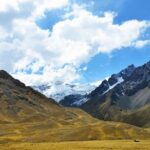
The big reason people choose Salkantay over the Inca Trail is simple: it feels less packed. You’re still walking classic Andean scenery, but your days stitch together a wider range of environments than a single “main corridor.” You’ll see high glacial lakes, icy mountain viewpoints, then a drop into warmer zones with coffee and plants in the cloud-forest stretch.
The other advantage is timing. You start early enough each morning that the day doesn’t feel like it’s chasing you. By day 5, you’re up very early to visit Machu Picchu and get a guided route through terraces, temples, palaces, and platforms before you split off for photos and exploring on your own.
The trip also keeps you moving through the transition zones that make Peru feel alive: high-altitude passes, steep descents, and then lush, humid areas around Santa Teresa and Aguas Calientes. If you like variety more than crowd-control photos, Salkantay fits.
You can also read our reviews of more hiking tours in Cusco
Price and what you truly get for $909
$909 is not a low number. But compare what’s bundled: 3 nights camping, 1 night in Machu Picchu, multiple meals, a bilingual guide, a professional cook, horses for carrying loads, emergency horse support if someone gets ill or slows down, and key transport pieces (train plus buses).
Here’s the value logic:
- You’re not just buying “walking days.” You’re buying the full framework: transfers, food, camping systems, and the Machu Picchu arrival plan.
- The package includes most of the hardest logistics: private bus to the trail head, campsite setup support, and the tourist train from Aguas Calientes to Ollantaytambo.
- You also get trekking infrastructure that matters for comfort: inflatable mattress pads, a sleeping bag rated down to -5°C, pillows and blankets, plus hiking poles.
What you should budget outside the package:
- Huayna Picchu entrance is extra (listed as $25).
- The shuttle bus between Machu Picchu and Aguas Calientes is not included (listed as $12 one-way, $24 round trip).
- Tips and other extras are not included.
- Water is not provided during your first ~4 hours on day 1, so plan for that early stretch.
If you want a guided, gear-supported trek with fewer unknowns, this price starts to make sense fast.
Pre-trek briefing and the 4:30 am Cusco pickup
This tour includes a pre-trek briefing the day before your hike, with the guide visiting your hotel. That matters more than it sounds. It helps you confirm what to carry, what you can leave for the muleteers, and how the day-by-day timing works.
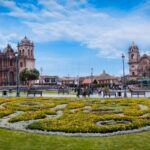
On day 1, the start is early: the meeting point is Plaza de Armas de Cusco, and pickup is at 4:30 am. You then ride a tourist bus through towns like Izcuchaca and Limatambo before arriving at Mollepata. That long pre-dawn transfer isn’t optional, but it’s also what sets up the rest of your hiking rhythm.
You should also note the group size cap: up to 12 people. That keeps the day feeling more manageable on steep sections and easier during camp transitions.
Day 1: Humantay Lake, the 2,900 m to 3,900 m jump
Day 1 starts with travel and altitude right away. After pickup at 4:30 am, you reach Mollepata (~2,900 m) around 7:30 am. Breakfast comes first. Then you can leave up to 5 kg of personal belongings to be carried by the muleteers. That’s a huge comfort factor: you hike with what you need, and the heavy stuff stays handled.
Next, you transfer about an hour to Challacancha (~3,380 m). Then you walk for around three hours toward Soraypampa (~3,900 m), arriving around 1:30 pm. Lunch is at Soraypampa.
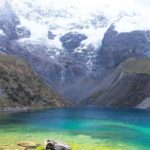
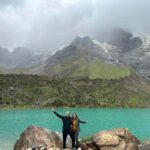
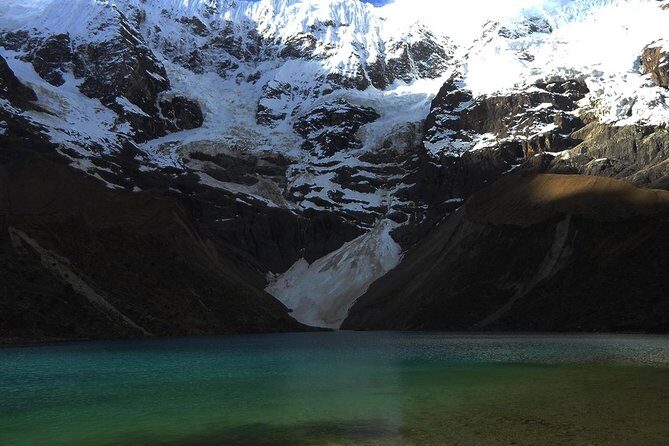
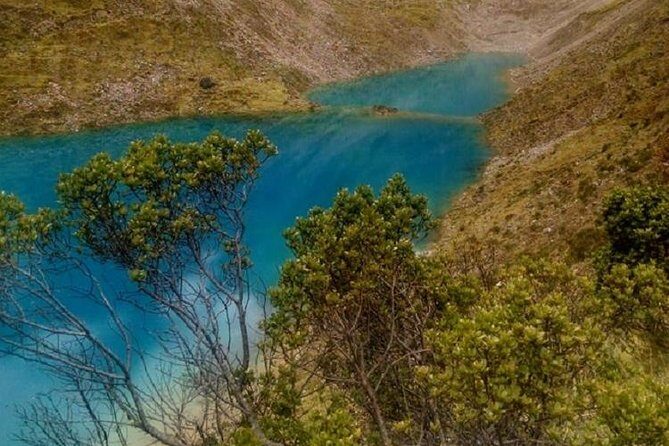
The highlight comes when you visit Humantay Lagoon. It’s a classic high glacial setting: sharp air, big views, and that “this is why I’m here” feeling. Afterward, you return to camp to rest.
What to watch: day 1 mixes a lot of early travel with steady climbing. It’s not just walking—you’re also adapting to altitude. If you’re sensitive, go slow on the first climbs and don’t try to outpace the group.
Day 2: Abra Salkantay pass (4,650 m) and the big descent to Chaullay
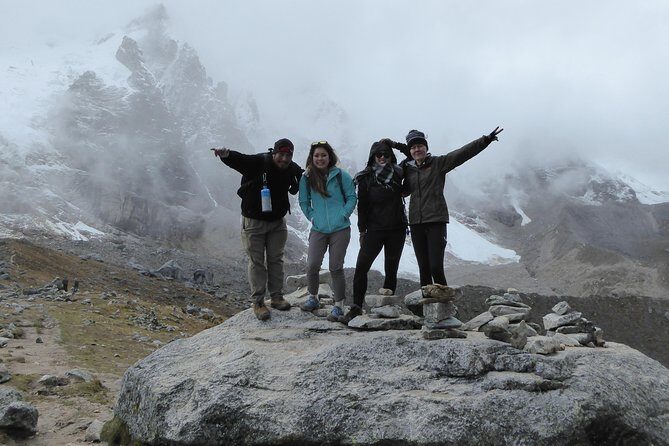
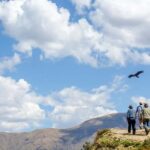
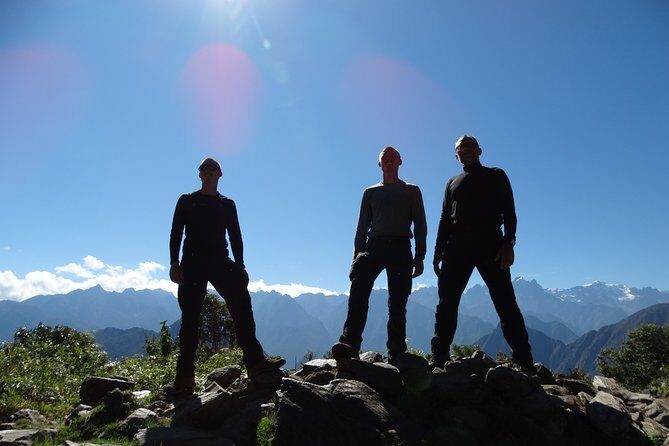
Day 2 is where the trek earns its reputation. You have breakfast at 5:00 am and then start from Soraypampa toward the highest point: Abra Salkantay (~4,650 m). The climb takes about three hours, and at the top you can appreciate major peaks and snowfalls in the Salkantay area, including Humantay, Tucarhuay, and Pumasillo.
The route then continues through Salkantaypampa and Soyrococha, where you’ll see a small lagoon. After that comes a long, satisfying change: you descend toward Huayracmachay (~3,800 m) for lunch (about three hours).
Then you keep walking down to Chaullay (~2,900 m) for the campsite (another three hours). This second half is still serious, but the air changes and the terrain shifts. That drop in altitude is a mental reward.
Real-world consideration: descents can be rough on knees. The tour includes an emergency horse option if someone is feeling ill or slower, and many people use horses as part of the strategy when legs get cranky. If your knees are a known weakness, plan for slower pacing early and don’t be shy about asking for support.
A few more Cusco tours and experiences worth a look
Day 3: Jungle-leaning trekking to Santa Teresa and the Cocalmayo hot springs choice
Day 3 moves into a totally different feel. Breakfast is at 6:00 am. You trek for about 5.5 hours through what’s described as a jungle eyebrow with level ascents and descents. The payoff is the variety: coffee plantations, orchids, bromeliads, and plants used for natural medicine.
You arrive at Playa Sahuayaco, eat lunch, then board included transport to the campsite in Santa Teresa. Camp life follows quickly: tea, dinner, and a rest window.
Here’s the useful option: you have the chance to visit thermal baths in Cocalmayo. The entrance ticket is not included, so budget for it if you want that soak. This is one of those day-3 choices that can change how you feel going into the last big transition days.
Planning note: day 3 is also when mosquitoes can become a problem in humid zones. The data here doesn’t list a repellent policy or anything like that, so bring your own and use it early rather than waiting until the bites start.
Day 4: Hydroelectric to Aguas Calientes, plus a guide-led game plan
Day 4 is about moving into position for Machu Picchu and letting your body recover. The schedule starts with sunrise in a tropical setting, then you eat breakfast and head toward Hydroelectric.
You’ll have lunch at a restaurant in Hydroelectric, then continue walking through the tropical zone toward Aguas Calientes. You settle into a hostel in town. At 6:30 pm, you have dinner with the guide and go over the itinerary for day 5.
This dinner planning step is underrated. It gives you a clear sense of what to expect the next morning and reduces the stress of figuring out timing, meeting points, and the flow of the guided tour.
You’ll likely feel the humidity more on day 4 than on the higher passes. Pack accordingly—light layers you can peel off, and something to protect from mist or rain if it pops up.
Day 5: Sunrise Machu Picchu guided tour, train to Ollantaytambo, back to Cusco
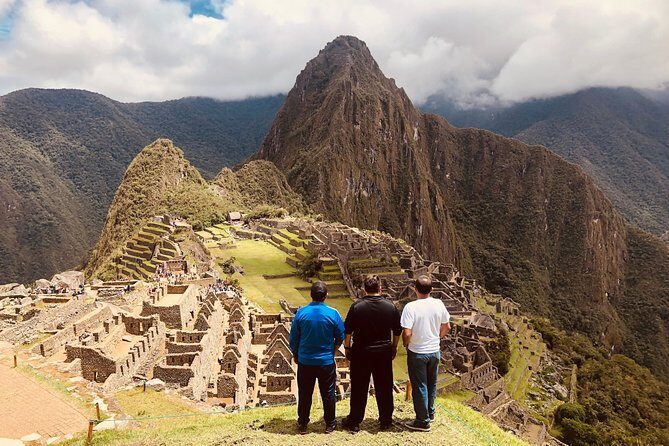
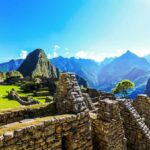
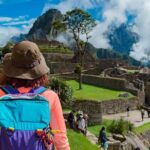
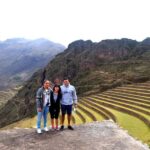
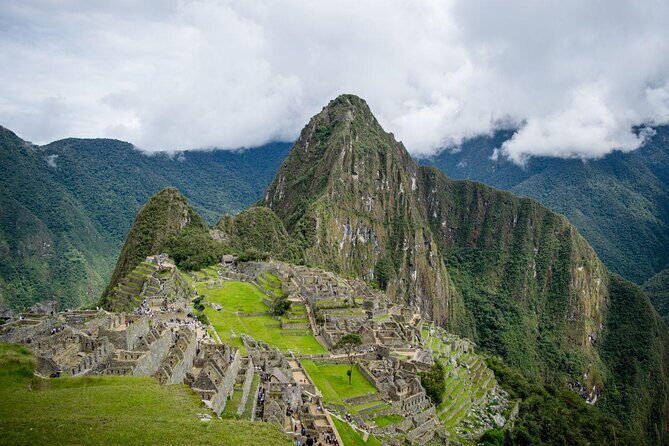
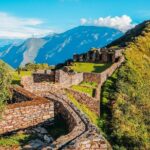
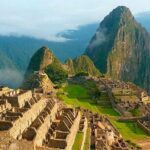
Day 5 starts very early for Machu Picchu. You’re taken to the citadel for a guided tour, hitting temples, terraces, palaces, and platforms. You’ll then have time for photos and independent exploring.
After that, you descend to Aguas Calientes and take the tourist train to Ollantaytambo. A representative meets you there, and you ride the transfer back to Cusco, dropping you off at/near your hotel.
Two money and logistics notes:
- Machu Picchu entrance is included in the tour flow, but Huayna Picchu costs extra ($25).
- The shuttle between Machu Picchu and Aguas Calientes isn’t included in the listed package price (one-way $12, round trip $24). If you don’t want to manage the descent on your feet, budget for the shuttle option.
The guided format is the best part on day 5 if you care about meaning. The guide is there to connect what you’re seeing—terraces and structures—to how the site was used.
Crew support: guides, cooks, and horses that actually matter
In a trek like this, the crew isn’t a side detail. It’s the difference between a fun hard hike and a miserable grind.
This tour is run with:
- A professional bilingual guide
- A professional cook
- Horseman and horses to carry food, camping and cooking equipment, plus 7 kg of each passenger’s stuff
- An emergency horse you can ride if you’re ill or moving slowly
The camping setup is also well specified, which is what you want when you’re paying for comfort in the mountains: personal double tents (4 people per tent) with storage for backpacks, inflatable mattress pads, a sleeping bag rated for up to -5°C, plus a blanket and pillow per person, and a duffel bag for your personal items.
You also get hiking poles included. That may sound minor, but on steep days, poles help you control steps and reduce strain.
Names you might hear from this operator’s guides and cooks include Carlos (praised for English and mountain/Inca knowledge), Nico (praised for going above and beyond), Leoncio (praised for standout meals), Juan de Dios and Diego (praised for service), Alvina (praised for overall care and food), and Dan (praised for humor and professionalism). I’d treat those as a signal of how the team tends to show up, not a guarantee that you’ll get the same people every departure.
Packing tips that match the real rules
Based on how this trek is run, pack to the system:
- Expect that you can leave up to 5 kg on day 1 with the muleteers, and that the broader rule for horse carrying is 7 kg per passenger.
- Water isn’t provided during the first ~4 hours on day 1, so bring what you need for that early window.
- You’ll have real cold-weather gear in camp (sleeping bag and inflatable mattress), so you can focus your personal clothing on layers you can hike in, plus something for morning chills.
For comfort, I’d plan for:
- A warm layer for the early climbs and pass time.
- Sun protection and a hat for the high exposure.
- Insect protection for the warmer stretches around day 3.
And keep a little budget set aside for optional extras like Cocalmayo thermal baths, and possible shuttle use near Machu Picchu.
Who this Salkantay trek is best for (and who should think twice)
This trek is for people with moderate physical fitness who can handle altitude and long walking days. It also helps if you’re okay with camping nights—three nights in campsites—because that’s part of the experience.
It’s a great fit if you:
- Want a less-congested alternative to the Inca Trail
- Enjoy guided interpretation, not just checklists
- Like the idea of moving from high pass views to jungle-green days
- Appreciate that meals, cooking, and camping gear are handled for you
Think twice if:
- You have major knee issues for steep descents (the first two days are the toughest)
- You’re extremely altitude-sensitive and haven’t cleared the plan with a doctor
- Mosquito season is a dealbreaker for you—day 3 is the jungle zone stretch
The tour is listed as suitable for ages 4+, with a small group cap of 12, which can make it feel friendlier and easier to manage.
Should you book Salkantay Trek: 5 Days to Machu Picchu?
I’d book this trek if you want a guided, supported route that hits the high pass moment at Abra Salkantay (~4,650 m), then lands you at Machu Picchu in a structured way with train and transfers handled. The inclusion of camping comfort gear, meals, and the crew support system makes it easier to focus on the hike instead of the logistics.
I’d hesitate only if you know you can’t handle early starts, long descents, or altitude. If you’re mostly worried about “Will I survive day 2?” the better approach is to pace deliberately, use poles, and take advantage of the horse support options when needed.
If you want a classic Peru hike that feels big, varied, and less crowded than the Inca Trail route, this is a strong choice.
FAQ
What time is the pickup in Cusco?
Pickup is scheduled for 4:30 am from the Plaza de Armas de Cusco area. The meeting point is listed at Del Medio 123, Cusco.
How long is the Salkantay Trek to Machu Picchu?
The itinerary runs for 5 days, with an early start and an arrival at Machu Picchu on day 5 followed by train and transfer back to Cusco.
Is Machu Picchu entrance included?
The Machu Picchu visit is included in the tour flow. Huayna Picchu entrance is listed as not included and is priced separately at about $25.
Are meals and camping equipment included?
Yes. You get 4 breakfasts, 4 lunches, 4 dinners, plus afternoon hot beverages. Camping equipment is included, including double tents, inflatable mattress pads, and a sleeping bag rated for up to -5°C.
Is there a vegetarian meal option?
Yes. If you are vegetarian, you should advise at booking time, and this option is listed as no extra cost.
What is the maximum group size?
The trek is listed with a maximum group size of 12 travelers.