REVIEW · CUSCO
Trek to Choquequirao 4 days
Book on GetYourGuide →Operated by Exploor Trip E.R.L · Bookable on GetYourGuide
The first drop hits fast. This Choquequirao trek is one of the toughest multi-day hikes around Cusco, and it’s built for people who want real effort plus real payoff. I like how the route blends steep walking with long, satisfying camp days, and I also like that you’re cared for by a team that includes a guide and cooks. One thing to take seriously: this is a physically hard trek, with long descents and climbs that can wear you down if you aren’t in good trekking shape.
You’ll also get a front-row day at the archaeological complex of Choquequirao, guided, with time to wander on your own. And the food at camp is a highlight, not an afterthought. Still, there are a few costs to budget for, like the entrance ticket and basic extras such as rehydration water and trekking poles.
In This Review
- Quick Key Points (What You’ll Feel on This Trek)
- Choquequirao: Machu Picchu’s Sister Site, But a Harder Day Hike Starts
- Price and Logistics: Getting Value From the $366 Per Person
- Day 1: Cusco to Capuliyoc Viewpoint, Then Down to Santa Rosa Camp
- Day 2: Maranpata, Choquequirao at 9:30 am, and a Ruins Day With Breathing Room
- Day 3: Apurímac River Canyon Descent, Chiquisca Camp, and a Sugarcane Drink
- Day 4: Capuliyoc Viewpoint Before Noon Light, Then Back to Cusco
- Camp, Food, and What Support Looks Like on a Hard Trek
- What’s Not Included: Small Costs That Can Add Up Fast
- Packing and Pacing Tips for a Trek This Tough
- Who Should Book This Choquequirao Trek (And Who Might Rethink It)
- Should You Book This Choquequirao Trek?
- FAQ
- How long is the Choquequirao trek?
- Where does the trek operate?
- What is included in the price?
- Are entrance tickets included?
- What meals are included?
- How big is the group?
- What languages does the guide speak?
- Is water included during the trek?
- Is horseback riding included?
- Do I need to bring trekking poles?
Quick Key Points (What You’ll Feel on This Trek)
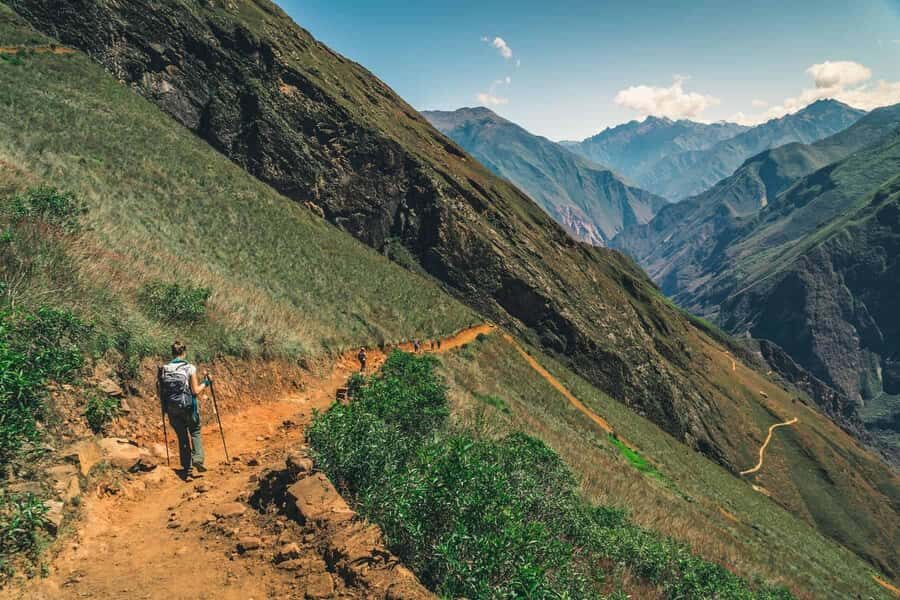
- Hard trek in the Cusco area: long climbs/descents with multiple days of real elevation work
- Choquequirao with guided interpretation: you’ll explore the ruins, then you get time to roam
- Camp support that reduces load: muleteers and a mule carry extra luggage (up to the included limit)
- Food and warm drinks at altitude: hot coca tea wakes you up on day two, with full meals at camp
- Small group size: limited to 15 participants, which keeps the pace and logistics more manageable
Choquequirao: Machu Picchu’s Sister Site, But a Harder Day Hike Starts
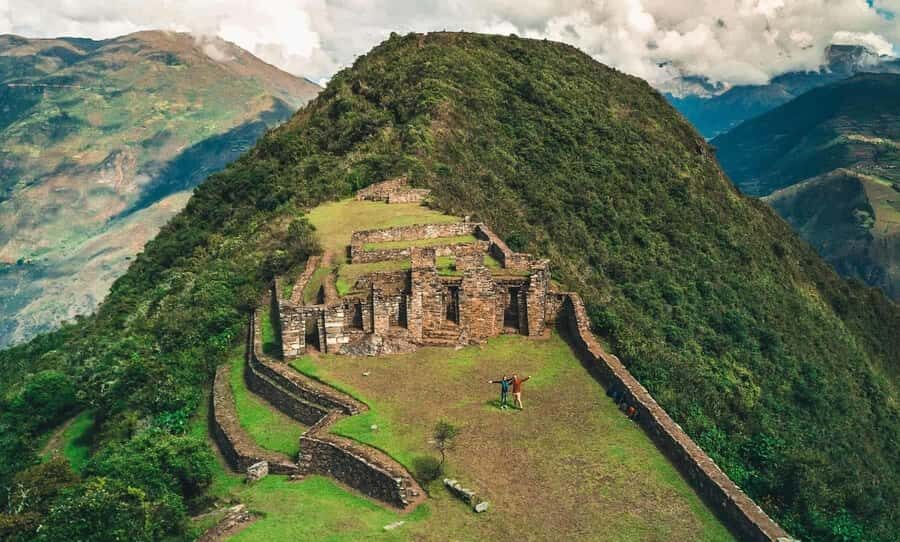
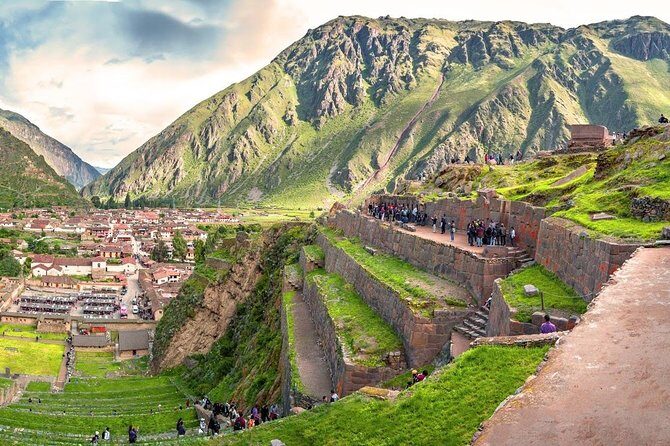
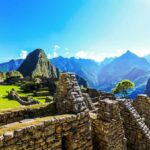
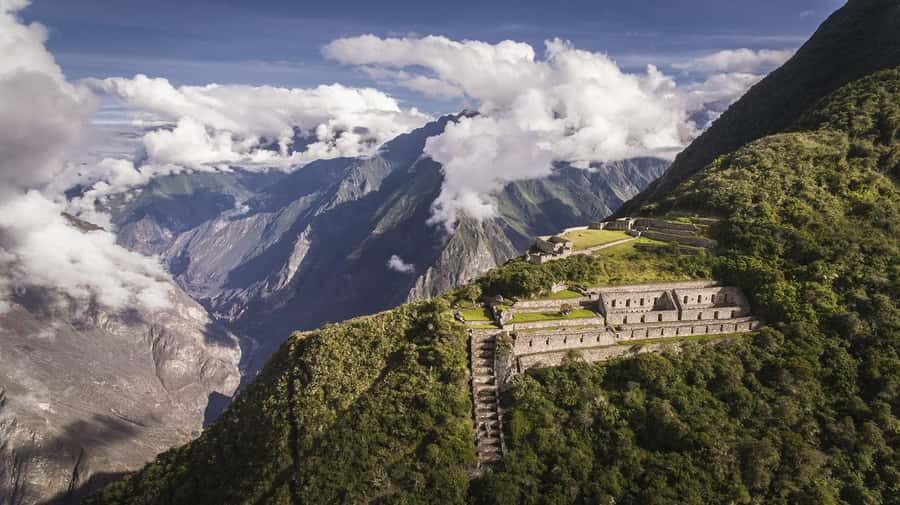
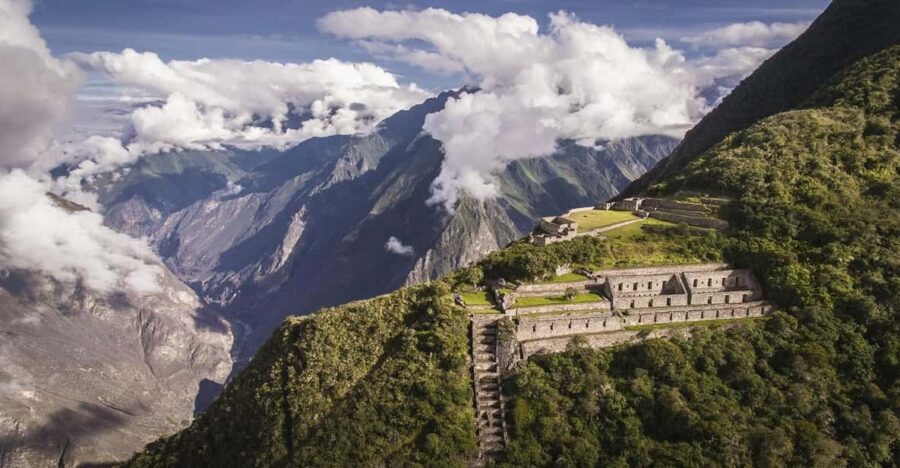
Choquequirao is often described as the sister city of Machu Picchu, and that label makes sense in spirit: you’re walking toward Inca-era stonework in a dramatic mountain setting. The big difference is the trek itself. This isn’t a casual “see the ruins and go” outing. It’s a multi-day grind through valleys and high points, including the Apurímac canyon, so your body becomes part of the story.
That’s why this trek appeals to the kind of traveler who loves effort. The satisfaction isn’t just at the ruins. It’s also in the rhythm: descend into the valley, work your way back up, sleep in rural camps, eat well despite the effort, then repeat. If you want a challenge with strong structure, this one has it.
You can also read our reviews of more hiking tours in Cusco
Price and Logistics: Getting Value From the $366 Per Person
The price is listed at $366 per person for 4 days, and you should think of it as paying for more than walking. You’re paying for real logistical support: transportation in Peru (Cusco to the trail region and back), a tour guide, meals throughout the trek, and rural lodging for three nights.
The included support is especially valuable if you don’t want to carry everything yourself. There’s a mule for extra luggage and muleteers to help manage it, plus an included duffel bag for extra weight (up to 5 kg). That matters on a hard route. Less weight on your back can be the difference between finishing strong and feeling wrecked.
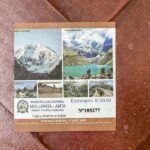
That said, budget the extras. Entrance tickets are not included (60 soles for adults, 30 soles for students). Also not included: first breakfast, last dinner, rehydration water, water for canteens, trekking poles (unless you bring your own), and costs like hot shower and towels (40 soles per person). If you go in expecting a fully all-in package, you’ll likely feel surprised.
Day 1: Cusco to Capuliyoc Viewpoint, Then Down to Santa Rosa Camp
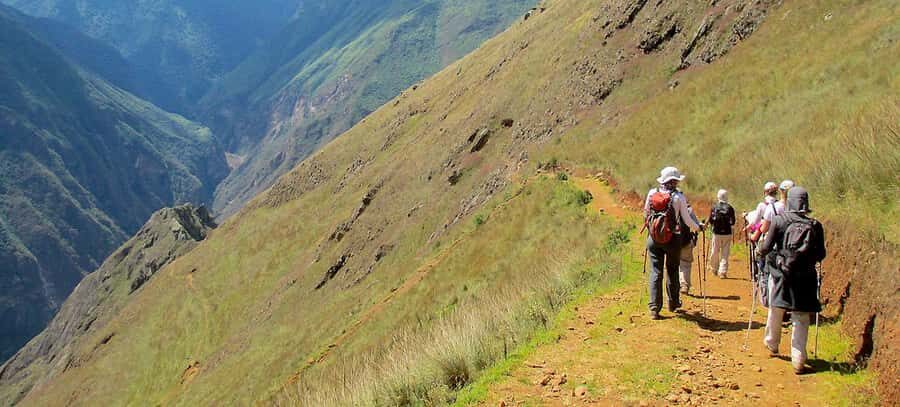
Your early start is part of the deal. You’re picked up at the meeting point at 5:00 am, then ride to Curawasi by car for about 3 hours. There’s a short breakfast stop on the way, then you continue another hour to the Capuliyoc Viewpoint, where the trek begins.
From there, the day is built around a long descent. You start descending for roughly 3 hours to the lunch area at Chiquisca. After lunch, you keep going downhill toward Playa Rosalinas, where you rest before the climb that ends the day at Santa Rosa. That final ascent is about 2 hours to the camp.
Two practical notes for this first day:
- Long descents can be harder than you expect on knees and shins, especially after a very early wake-up.
- Your main goal is not to “race.” It’s to settle into a steady pace before the climb days begin.
On arrival at Santa Rosa, the camp gets set up, then you eat dinner and sleep on-site. This day is where the trek starts to feel real, but it’s also where the structure helps you stay on track.
Day 2: Maranpata, Choquequirao at 9:30 am, and a Ruins Day With Breathing Room
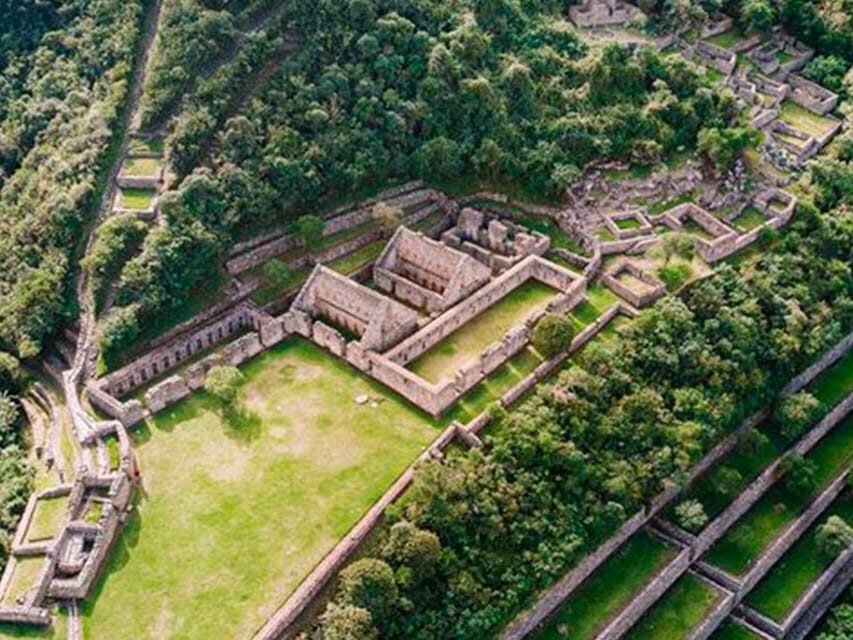
Day two starts at camp with hot coca tea, then breakfast. After that, you walk uphill for about 2 hours to Maranpata, which becomes your base day logistics hub.
Here’s what makes this day work: while you’re climbing and later visiting the site, the cooks and support team prepare the meal plan. Lunch is carried to Choquequirao for the group. Meanwhile, cooks, muleteers, and horses handle the behind-the-scenes effort so you can focus on walking and exploring.
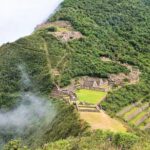
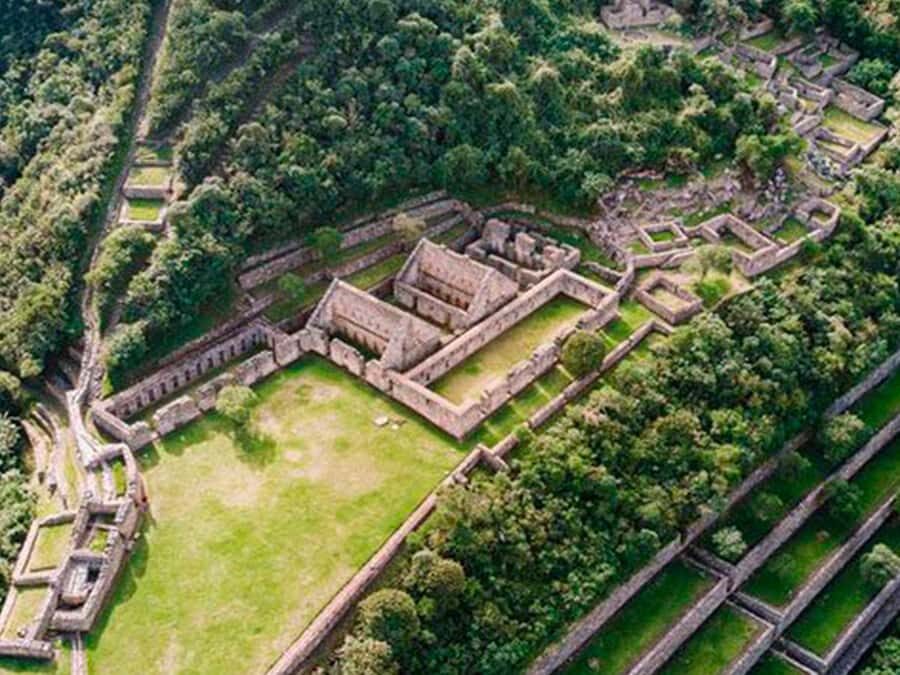
You arrive at Choquequirao around 9:30 am, which is ideal timing for feeling more awake and getting a good chunk of viewing before your body starts to demand rest. The guide explains the complex, then you have enough time to explore on your own. That mix matters. A guide helps you notice what’s easy to miss, and solo time helps you connect what you learned to what you’re actually seeing.
After exploration, you head back to Maranpata for dinner and sleep at camp again. This second night is part of what makes Choquequirao more than a photo stop: you’re not rushing off immediately. You’re absorbing it.
Day 3: Apurímac River Canyon Descent, Chiquisca Camp, and a Sugarcane Drink
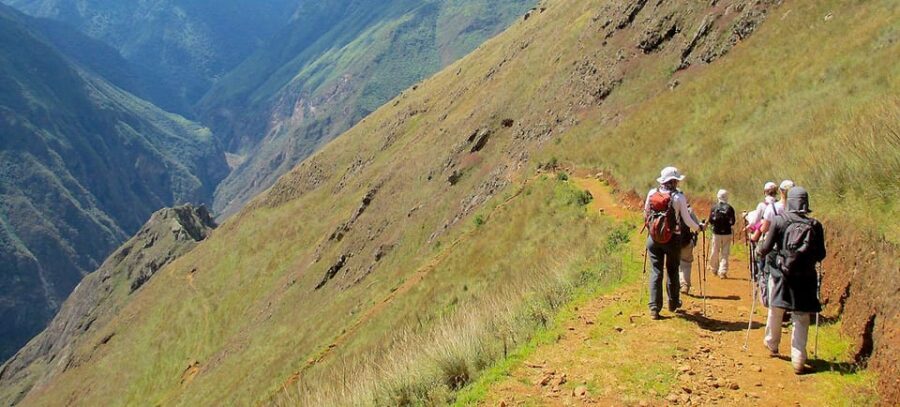
Morning starts again with breakfast, then you prepare to walk back toward the canyon area. The day includes a major descent to the Apurímac River canyon, lasting around 3 hours.
Once you reach the river area, there’s time to relax and reset before lunch. Then you climb for about 2 hours to the third camp in Chiquisca. When you get there, you settle into the camp routine and have dinner.
One of the more memorable cultural moments is planned right here: you get an opportunity to interact with locals and taste a typical drink made from sugar cane. Even if you’re not sure you’ll like it, this kind of moment is valuable because it shifts the trek from pure hiking to human contact.
If day two had you focused on the ruins, day three is about the physical contrast. Descent down to the river, then climb back up again. If you’re tired, your best strategy is to keep your effort smooth rather than forceful.
A few more Cusco tours and experiences worth a look
Day 4: Capuliyoc Viewpoint Before Noon Light, Then Back to Cusco
The final day starts early again—around 5:00 am after breakfast. The last part is a climb back to Mirador Capuliyoc. Expect about 4 hours of uphill walking before you arrive at the viewpoint.
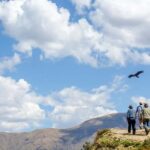
The timing is intentional. You start early to avoid the intense sun that typically hits the area later in the day. When you reach Mirador Capuliyoc, you wait for lunch while taking in views of the surrounding mountains and the Apurímac canyon. Then you eat, and you return by car back to Cusco, arriving around 4:30 pm.
This day can feel like a victory lap, but it’s still walking. If you managed to protect your energy earlier in the trek, day four feels manageable. If you went too hard on the descents or skipped breaks, day four becomes a test.
Camp, Food, and What Support Looks Like on a Hard Trek
This trek is built around rural accommodations and full meals. You’ll sleep at camps, and the day structure is designed so cooks and support staff can handle food even with the group moving. That’s why you get reliable meal moments—lunch at Chiquisca, food arranged at Choquequirao, lunch at the canyon, and dinners each night.
The hot coca tea on day two is a small detail, but it signals how the routine supports you at altitude and fatigue. It’s not fancy, but it’s practical. You’re getting warm liquid and a wake-up moment before you start climbing.
Another support win: the inclusion of mule carriage for extra luggage (5 kg). If you’re someone who packs too much “just in case,” this helps you bring what you need without turning your trek into a weight-carry mission.
What’s Not Included: Small Costs That Can Add Up Fast
There are several items to plan for so the trek doesn’t become a last-minute budget crunch.
- Entrance ticket: 60 soles for adults, 30 soles for students
- First breakfast and last dinner: not included
- Rehydration water and water for canteens: not included
- Hot shower and towels: 40 soles per person
- Trekking poles: available to rent/purchase (not included), listed at 30 soles per pair
- Horseback riding: not included, listed at 200 soles
- Travel insurance: not included
If you’re the type who likes to travel with minimal unknowns, make a simple budget before you go. Estimate entrance ticket, water needs, poles (or bring your own), and the shower/towel option if you care about that comfort.
Packing and Pacing Tips for a Trek This Tough
Because the trek is described as one of the hardest in the Cusco area, you’ll want to protect your joints and your energy. The route includes long descents (day one and day three), then multiple climbs (day one final ascent, day two uphill to Maranpata, day three and the big day four uphill).
Practical tips you’ll feel during the trek:
- Wear footwear you trust for rough descents and uneven ground.
- Plan to use trekking poles if you can. Poles aren’t included, but they’re listed as available, and they can help with downhill strain.
- Keep your pace steady on descents. You might feel fast at first, but form matters when your quads are burning.
- Bring a small day pack for essentials, since most of your extra weight is better managed via the included luggage support.
Also remember: you’re starting early each day. Don’t underestimate the effect of wake-up time on how fast your body adapts.
Who Should Book This Choquequirao Trek (And Who Might Rethink It)
This is a strong fit if you:
- want a serious workout in a beautiful Andean setting
- enjoy archaeology days with a guide and time to explore
- like group logistics handled for you (guide, cooks, mule support, camp routine)
- care about good camp food, not just “survival meals”
It’s not a great fit if you:
- struggle with long descents or repeated climbs
- want something mostly flat or short
- dislike early starts, since the trek starts at 5:00 am and also finishes with an early 5:00 am start on day four
If you’re a first-time multi-day trekker, consider training first or choosing a gentler route. But if you’ve done multi-day hikes and want a bigger challenge, this one delivers.
Should You Book This Choquequirao Trek?
I think you should book it if you want a hard, structured trek with an archaeology payoff and strong camp support. The combination of Choquequirao exploration (guided plus time to wander), real meal planning, and the mule-carriage luggage approach is a good value for the price.
You should pause if you’re unsure about physical readiness or if you’re counting on the trek being fully all-in. Budget for entrance tickets, basic water, and extras like poles or showers. Also be honest about whether you can handle downhill strain, because the itinerary includes serious descents.
If that sounds like your kind of trip, you’re in the right place.
FAQ
How long is the Choquequirao trek?
It runs for 4 days.
Where does the trek operate?
It’s in the Cusco Region of Peru.
What is included in the price?
You get transportation between Cusco and Cachora (and back), meals, 3 nights in rural accommodation, a tour guide, muleteer support with a mule for extra luggage, and an included duffel bag for extra luggage (5 kg).
Are entrance tickets included?
No. Entrance tickets are extra: 60 soles for adults and 30 soles for students.
What meals are included?
Meals are included during the trek, but the first breakfast and the last dinner are not included.
How big is the group?
The group is limited to 15 participants.
What languages does the guide speak?
The guide works in Spanish and English.
Is water included during the trek?
Rehydration water and water for canteens are not included.
Is horseback riding included?
Horseback riding is not included, and it’s listed as an additional 200 soles.
Do I need to bring trekking poles?
Trekking poles are not included. They’re listed as available to rent or buy for 30 soles per pair. Hot shower and towels are also extra (40 soles per person).