REVIEW · PUNO
Uros Floating Islands Tour in Puno
Book on GetYourGuide →Operated by Machupicchu Terra · Bookable on GetYourGuide
Uros Floating Islands in Puno are one of those trips where reality feels stranger than fiction, but it still stays grounded in daily life. I love the up-close cultural encounter with the families who live on reed islands, and I also like the practical way this tour strings together boat time + walking + photo stops without wasting your whole day.
The main thing to consider is timing: even though the tour is advertised around 4 hours, the overall experience can feel a bit brisk. And if you want to avoid extra spending, be clear up front about what’s truly optional (especially the reed boat add-on and on-island selling).
In This Review
- Key Highlights You’ll Care About
- Floating Islands of Uros: Why This Short Tour Works
- Pick-Up Times in Puno (8:45, 11:45, 3:30) and How to Plan Your Day
- Getting to the Port: Van Transfer Meets Lake Time
- Guided Uros Island Visit: Reed Construction, Fishing, and Daily Life
- Optional Reed Boats: Decide Before You’re Asked
- The Main Square Stop: Food, Cafes, and Souvenirs Without Pressure
- Price and Value: Is $13 Worth Your Time?
- Languages and Guide Expectations (English vs Spanish)
- What to Bring (and What to Skip)
- Smoothness Tips: How to Avoid Common Friction
- Who Should Book This Uros Floating Islands Tour
- Should You Book It?
Key Highlights You’ll Care About
- Hotel pick-up in Puno plus van transfer to the port, so you don’t have to figure out logistics on your own
- Lake Titicaca boat ride (about 30 minutes each way), including time for real lake views at 3,812m
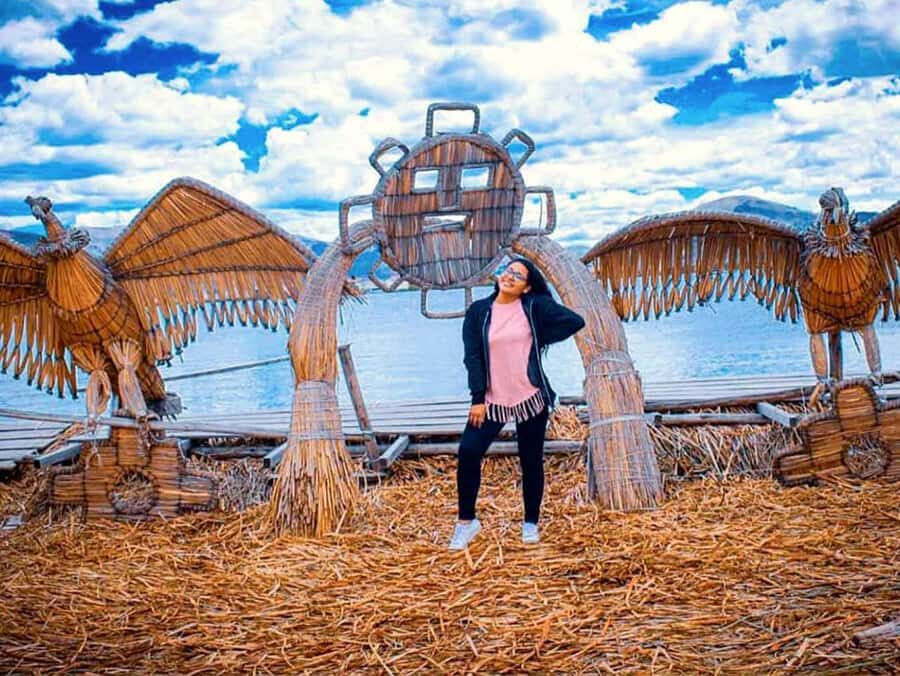
- Guided Uros island visit with reed construction, lifestyle, fishing, crafts, and traditions
- Optional reed boat experience that can feel less optional in practice, so confirm details before you pay
- Main square stop with food, cafes, and souvenirs for a quick break after the island visit
- Total tour time runs short, so it’s best if you want a taste, not an all-day deep immersion
Floating Islands of Uros: Why This Short Tour Works
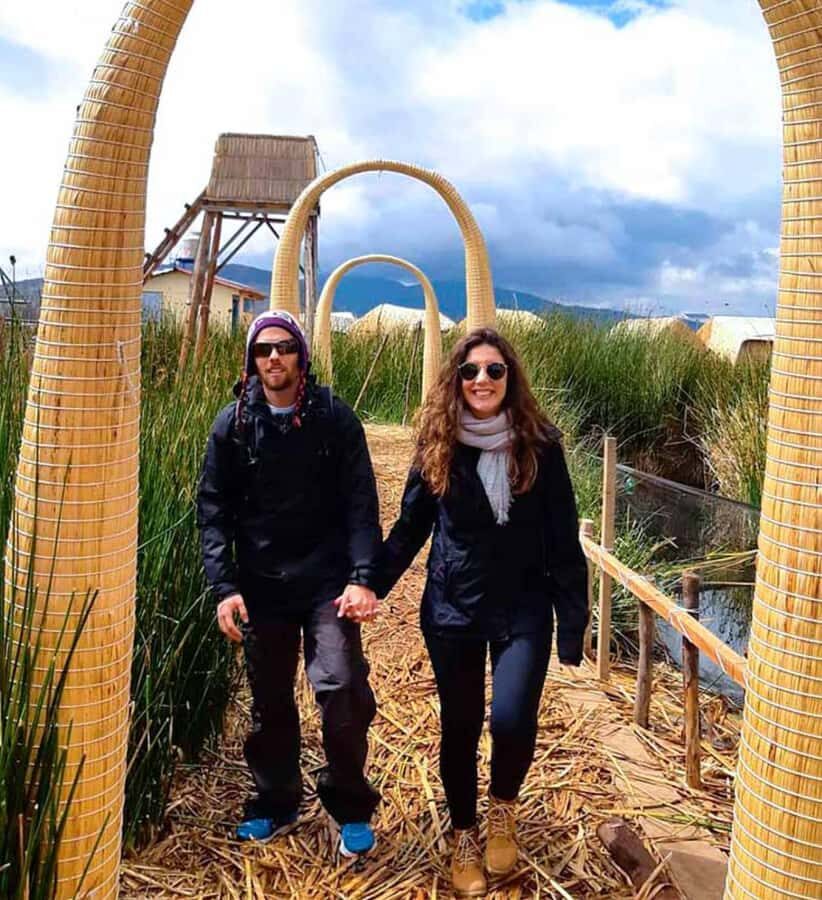
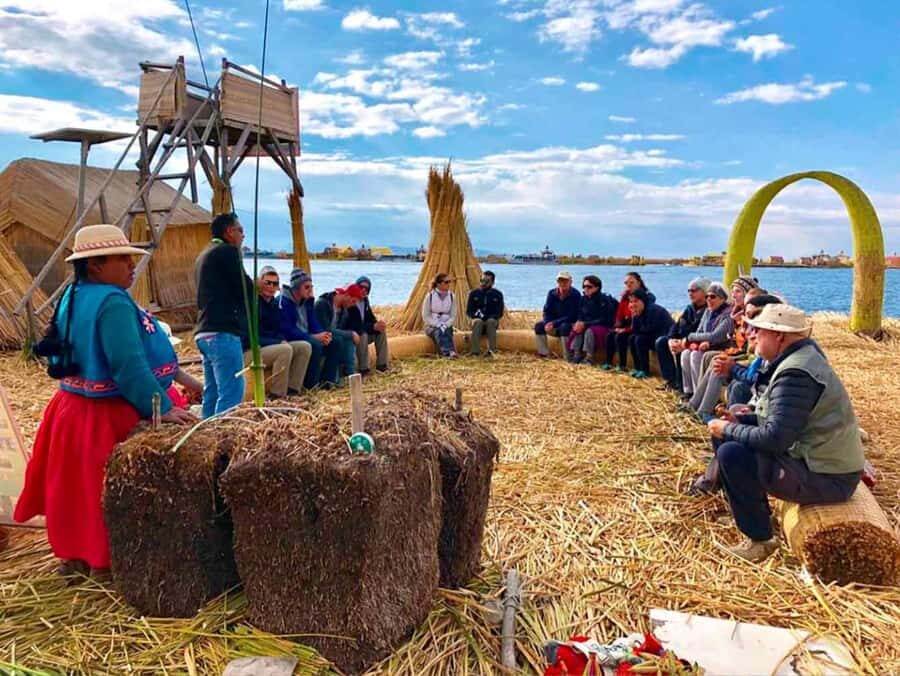
Uros Floating Islands aren’t about watching a show from the shore. You’re taken out onto Lake Titicaca, where families explain how reed islands are maintained and how everyday life works on top of water. You’ll hear about lifestyle, festivities, crafts, fishing techniques, and more, guided by a tour leader in English or Spanish.
The value here is the mix: you get a guided cultural walk on the island plus lake time on a motor boat. For a modest price, you’re basically buying transport, a guide, and access to the core Uros sites without needing to plan anything yourself.
One more thing: this lake sits at 3,812 meters. Even if you don’t feel altitude hard, you’ll likely notice the air is crisp and the sun can hit with force. That matters because you’ll want to be comfortable for boat rides and outdoor photo time.
You can also read our reviews of more tours and experiences in Puno.



Pick-Up Times in Puno (8:45, 11:45, 3:30) and How to Plan Your Day

This tour is timed around three pick-up windows in Puno: 8:45 am, 11:45 am, and 3:30 pm. Your return in the city is also tied to your chosen departure, with finish times listed as 12 pm, 3 pm, or 6 pm.
That structure is helpful, because you can line it up with breakfast plans and the rest of your sightseeing. If you’re trying to fit Uros into a packed first or last day in Puno, the afternoon option can be a smart move since it doesn’t steal your full morning.
Here’s the practical caution: several details suggest the schedule can run tight. The lake transfer is about 30 minutes each way, and you’ll still have to move by van to/from the port. So even when a tour says 4 hours, you should expect a brisk pace rather than a long, slow island hangout.
Getting to the Port: Van Transfer Meets Lake Time
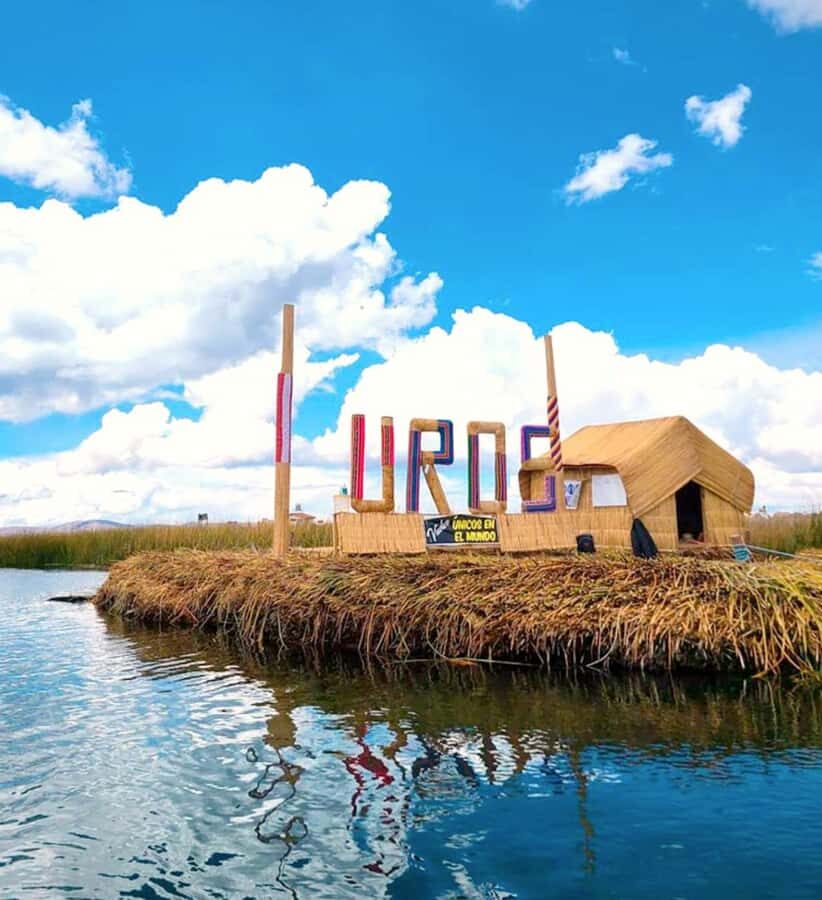
Once you’re picked up (hotel in the tourist center, the Main Square, or the bus terminal depending on the meeting point), you’ll take a van ride to the port. That land leg is listed as about 20 minutes.
Then comes the most exciting part: motor boats on Lake Titicaca heading to the Uros floating islands. The trip is about 30 minutes, covering roughly 7 kilometers. On this part of the day, the biggest difference-maker is your gear and posture—sun exposure, wind from the boat, and how quickly you can find shade when you arrive.
Also, if you’re sensitive to choppy water, it helps to keep your rain gear accessible. Rain gear is recommended in the packing list for a reason: at altitude, conditions can shift fast.
Guided Uros Island Visit: Reed Construction, Fishing, and Daily Life
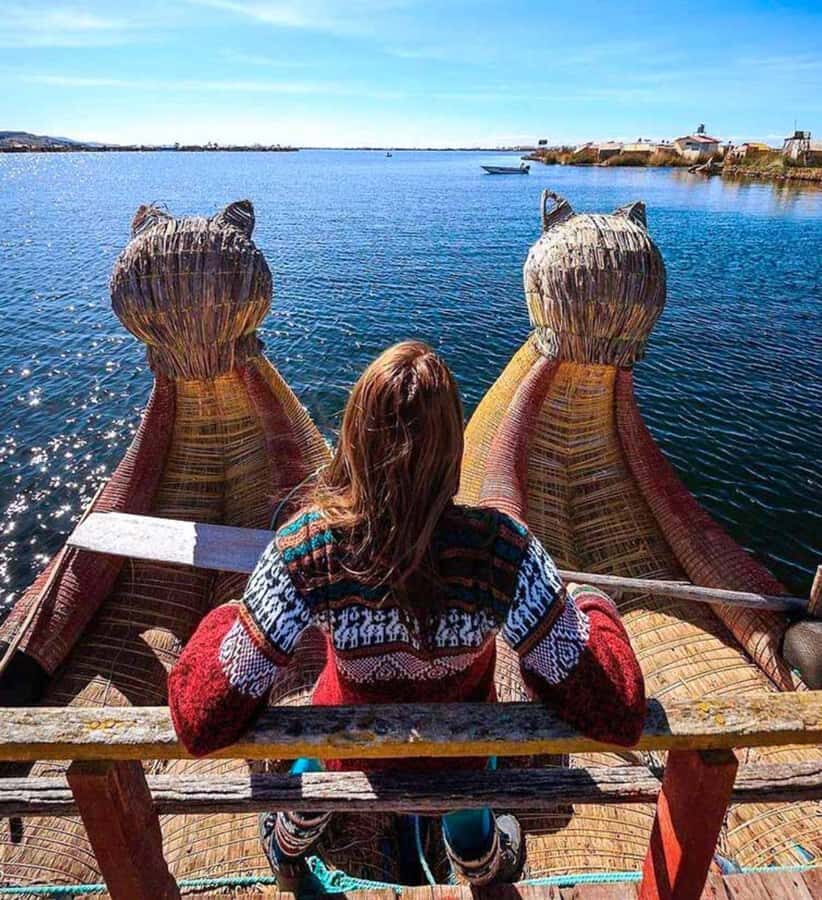
When you arrive, you’ll disembark and be welcomed by local people who explain the culture and daily routine on Uros islands. This isn’t framed as a museum tour. The focus is on how they live, including:
- lifestyle and community customs
- crafts and practical skills
- fishing techniques
- how islands are built and maintained with reeds
The guided part matters because Uros can look simple from a distance, but understanding the reed construction process changes what you see. Instead of thinking, how is this even possible? you start thinking, how do they keep it working day after day?
You’ll also have time for photos with Lake Titicaca in the background. It’s worth moving deliberately during the photo window. The best shots tend to happen when you’ve got clean sight lines—before the group thickens and before everyone starts turning toward the next activity.
Optional Reed Boats: Decide Before You’re Asked
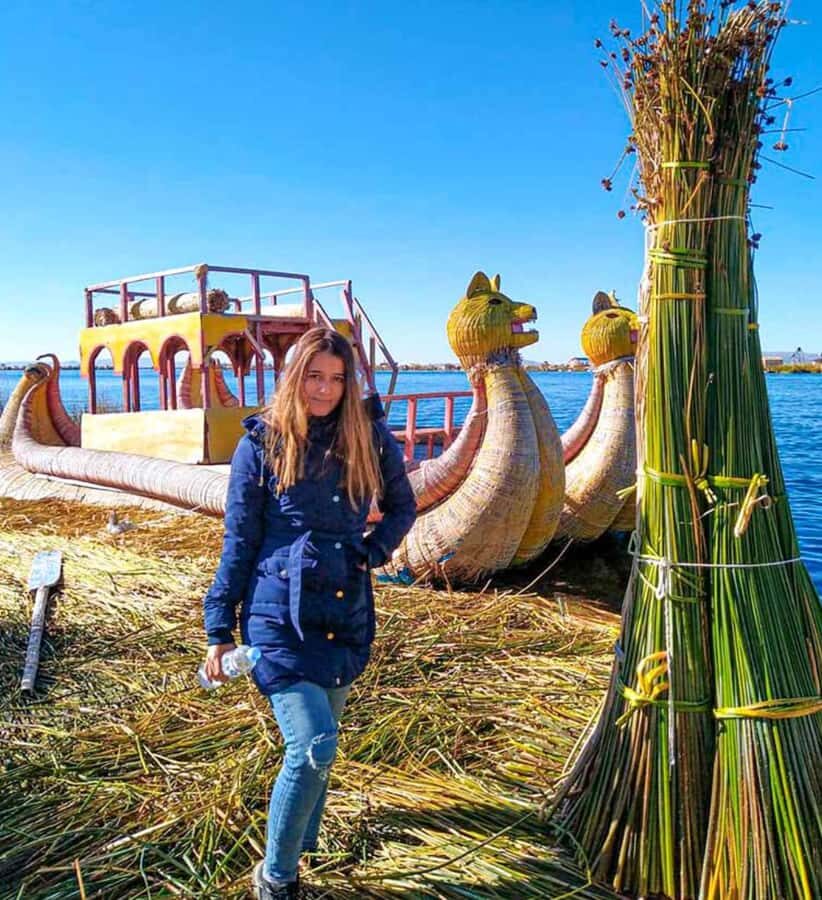
You’ll have a chance to take a traditional reed boat made of reeds. The tour info labels this as optional, with the ride taking about 20 minutes.
But here’s the reality check you should plan for: an add-on that’s marked optional can still feel like a must-do once you’re on the island. If you want to ride the reed boat, great—it’s a hands-on way to connect with the materials and tools you heard about. If you don’t want the extra cost, be firm before you go down to the water.
My practical advice: ask early what the reed boat experience costs and confirm it’s truly your choice. Then decide while you still have control over the decision, not when you’re already inside the flow of the visit.





The Main Square Stop: Food, Cafes, and Souvenirs Without Pressure
After the island time and any optional reed boat segment, the tour includes a return route toward the city area. You’ll arrive at the main square area with access to restaurants, cafes, and souvenir shops.
This stop is useful because it breaks up the energy after you’ve been outdoors and on boats. It’s also a good moment to think about spending. You’ll be told to bring cash, and that’s likely tied to souvenirs and any extra activities beyond what’s included.
If your goal is to keep the trip simple, set a small budget for souvenirs and snacks. That way you’re not negotiating decisions while tired, cold, or rushed.
Price and Value: Is $13 Worth Your Time?

At $13 per person, the pricing is low for what you’re getting: pick-up, motor boat transport, a guide, and admission to the tourist attractions included in the route. Even without lunch, it can still feel like strong value because your biggest costs—transport and guide—are bundled.
That said, there’s one trade-off: the tour is short. The experience is more like a focused snapshot than a long, slow cultural day. If you’re hoping for deep conversation, lots of time inside homes, or a relaxed pace, you might find it too condensed.
So think of it like this: Uros is a great choice if you want to see the reed islands, learn the basics from families on-site, and take lake time out of Puno. It’s less ideal if you need a long, unhurried visit with flexibility.
Languages and Guide Expectations (English vs Spanish)
The guide is listed as available in English or Spanish. That sounds straightforward, but language experience can vary in real life.
If English is important to you, go in with a small backup plan: be ready to rely on the guide for the main structure of the story, while using photos and simple questions to fill gaps. If you speak Spanish, even a little, you’ll likely feel more grounded during the explanation of reed island construction and daily practices.
Also, don’t underestimate how fast groups move. Short island visits can leave less time for questions, so if you want specific answers, ask early.
What to Bring (and What to Skip)

The recommended packing list is practical:
- passport
- sunglasses and sun hat
- camera
- sunscreen
- rain gear
- comfortable clothes
- cash
I’d treat this as a weather + comfort checklist more than a travel checklist. The sun at altitude can be intense, and the boat ride adds wind. If you show up without sun protection, you’ll feel it quickly. If you forget rain gear, you’ll probably regret it later.
One small note: lunch and snacks aren’t included, so plan either for meals before and after or for buying something during the main square stop.
Smoothness Tips: How to Avoid Common Friction
This tour is simple on paper, but a few things can make it smoother in practice:
- Start with a calm budget mindset for souvenirs and add-ons. If you keep cash reserved for what you actually want, you’ll enjoy the experience more.
- Confirm the reed boat decision before you’re committed. Optional should feel optional.
- Don’t assume the full tour duration will match the longest advertised version. The day is structured around boat and return timing, so you’ll feel the pace.
Also, the activity includes a first aid kit, which is reassuring for a small, water-based outing. It won’t change the experience day-to-day, but it’s a nice baseline.
Who Should Book This Uros Floating Islands Tour
Book it if you want:
- a short, guided taste of Uros life from the island itself
- real Lake Titicaca boat time without DIY planning
- a low-cost excursion that fits between other Puno activities
Consider skipping (or booking with extra caution) if you:
- hate add-ons that don’t feel optional
- need a very relaxed pace with lots of free time
- rely heavily on detailed English commentary and long Q&A
This isn’t a luxury long-haul day. It’s a focused cultural visit and photo-worthy boat outing. If that matches your style, it can be a satisfying use of a half-day.
Should You Book It?
My take: yes, if your expectations match the format. Uros is worth seeing, and the guided explanation of how reed islands are built and maintained is the real reason to go. The $13 price feels fair for guided transport on Lake Titicaca, especially since you don’t have to handle port logistics.
But book smart. Ask clearly about any add-ons you might not want, keep your budget tight, and remember the trip can feel quick. If you’re ready for a brisk visit with cultural highlights and photos, this is a solid way to spend a morning or afternoon in Puno.