REVIEW · CUSCO
Salkantay 5-Day Trek To Machu Picchu
Book on Viator →Operated by Bamba Travel · Bookable on Viator
Salkantay packs big views into 5 days. You’ll follow a high Andean route over the 4,650m pass, drop into warmer jungle valleys, and finish with an early-morning walk through Machu Picchu.
What I like most is how practical the plan feels: hotel pickup in Cusco, bus + train transfers, and meals handled for most days. I also like that you’re not carrying everything—horsemen and mules cover cooking/camping gear plus a limited personal load, which makes the hike far more doable.
The main consideration is the physical side. This is a demanding trek with major altitude swings, cold nights near the top, and long hiking days—so you’ll want solid fitness and good footwear.
In This Review
- Key Takeaways Before You Go
- A Rugged Trek That Still Feels Managed
- Price and Value: What $797 Actually Covers
- Before Day 1: The Cusco Briefing and Your Packing Reality
- Day 1: Mollepata, Challacancha Prep, Soraypampa, and Humantay Lagoon
- Day 2: The High Pass at 4,650m and the Long Descent
- Day 3: Upper Jungle Walking, Santa Teresa River Valleys, and Optional Hot Springs
- Day 4: Santa Teresa to Hydroelectric Station, Then Aguas Calientes Hotel Time
- Day 5: First Bus into Machu Picchu and the Guided Walk
- Small-Group Pace: What the “Avg 4” Group Size Means
- Food, Vegetarian Options, and Why Snacks Matter
- Safety and Comfort: Cold Nights, Oxygen, and Shared Tents
- Who This Salkantay Trek Fits Best
- Should You Book This Tour or Keep Looking?
- FAQ
- How long is the Salkantay trek to Machu Picchu?
- Where does the trek start and when do you get picked up?
- What altitude challenge should I expect?
- Is there an option to reduce effort on the highest pass?
- Do you provide camping and hotel accommodations?
- What’s included for food?
- Do I need to bring a sleeping bag?
- How do transfers work on the final day and after Machu Picchu?
- Are entrance fees covered?
- What optional add-ons can I choose?
Key Takeaways Before You Go
- Small-group feel (max 16, average around 4) means you spend less time waiting and more time walking.
- Altitude reality check: the high pass tops out around 4,650m, and temperatures can swing hard.
- Food and camping support are built in, including vegetarian options if you request ahead.
- Gear-lugging is reduced thanks to horsemen and mules carrying most equipment.
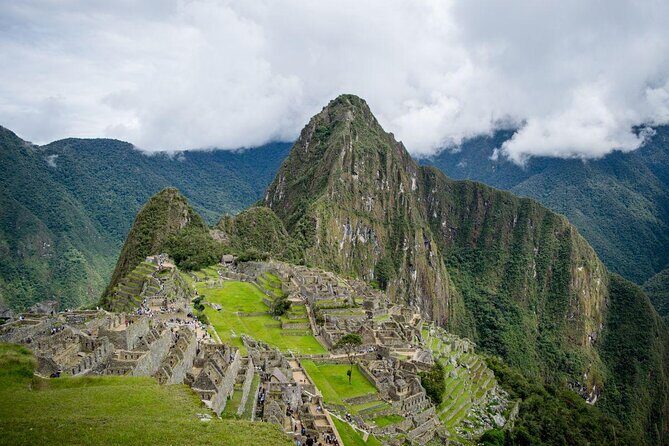
- Machu Picchu timing matters: you catch one of the first buses for early light and mist.
- Optional upgrades are there, like hot springs and Huayna Picchu, but they cost extra.
A Rugged Trek That Still Feels Managed
The Salkantay 5-day route is the kind of itinerary that sounds intense on paper—and still surprises you with how organized it feels once you’re moving. The big reason: the schedule is built around doing the hard parts with support. You’re not just dropped at a trailhead. You get pickup in Cusco, transportation into the mountains, scheduled food stops, and a guide for both the trek and the Machu Picchu tour.
Also, this route is famous for variety. You go from cool high Andean zones (with snow-capped views when weather cooperates) to wetter, greener regions with tropical plants and waterfall views. That change doesn’t just look good—it keeps the trek interesting day to day. The walking may be tough, but you’re not grinding through one single type of scenery.
You can also read our reviews of more hiking tours in Cusco
Price and Value: What $797 Actually Covers
At $797 per person, it’s not a budget hike. But it’s priced like a full logistical package, not just “a guide and a map.” Here’s why that matters.
Included value you’re getting:
- Small-group trek guiding (a professional bilingual guide on the trek and Machu Picchu tour).
- Camping setup during three trek nights: a basic sleeping pad and a tent for two people.
- One 3-star hotel night in Aguas Calientes (Day 4).
- Most meals: 4 breakfasts, 4 lunches, 4 dinners, plus 3 snacks.
- Transfers that are usually a headache: bus and train connections back to Cusco.
- Entrance fees (including Machu Picchu) and guided timing designed around early access.
- Safety support, including an emergency oxygen bottle.
- Porter-style help: horsemen and mules carry cooking and camping equipment plus up to 7 kilos total per trekker (with specific allocation for sleeping gear and personal items).
What’s not included (and where costs can pop up):
- Sleeping bag (you’ll need to bring or rent it; it’s not part of the provided gear).
- Your Cusco accommodation (the tour covers pickup, not a place to sleep before/after).
- Airport transfers.
- Some optional activities: Santa Teresa hot springs, some transfer shortcuts, and additional Machu Picchu hikes like Huayna Picchu.
If you compare this to piecing together separate tickets, guides, and transport, the price starts to look more reasonable—especially because the trek includes camping logistics and the Machu Picchu portion is bundled with early-bus timing.
Before Day 1: The Cusco Briefing and Your Packing Reality
One thing I really appreciate about this trek’s setup is the mandatory pre-departure briefing. It happens the day before at the Cuzco headquarters around 5pm, 6pm, or 7pm depending on your trek. They also expect you to check in with your passport before the briefing, and they’ll confirm your departure details.
That briefing is more than a formality. It’s your best moment to align on equipment, how much you’ll carry, and what to bring for cold, wet, and high-altitude conditions.
Bring or plan around:
- Rain pants or a rain poncho, and a poncho that actually covers you in wind and rain.
- Trekking boots (broken in) and warm socks.
- Thermals, sweater, hat, and gloves. The highest campsite is the coldest spot of the trip.
- A water bottle and small cash for overpriced extras on the trail.
- Hand sanitizer and a small personal first aid kit.
- A torch/flashlight, plus extra batteries. There’s limited or no electricity during the trek.
- Original passport and any required documents for your booking.
Tip: pack in a way that lets you grab your warm layer fast. On the high days, timing matters—especially for the ascent and pass.
Day 1: Mollepata, Challacancha Prep, Soraypampa, and Humantay Lagoon
Day 1 starts early. Pickup in Cusco is scheduled between 5:00–6:00 am, then you head by tourist bus to Mollepata (2,900m). This is a useful staging stop: you stretch, buy snacks, and get your body used to the altitude before the trek really starts.
From there, you travel by car to Challacancha, where your equipment gets a final check. This kind of checkpoint matters. It helps keep the trek from turning into a scramble later.
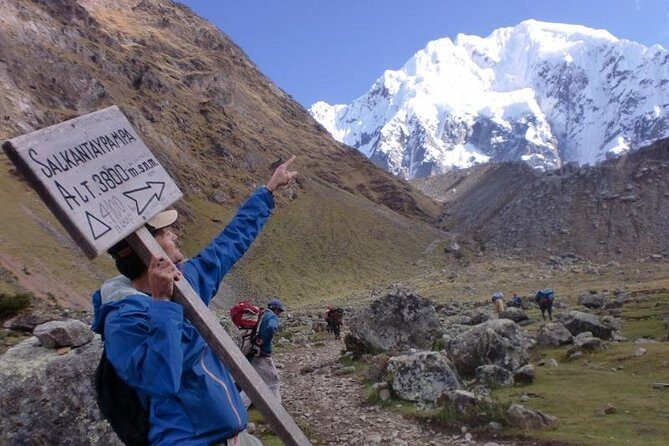
Then you walk about 3 hours to Soraypampa (3,920m). You’ll have lunch with panoramic views—exactly the kind of first-day reward that makes the next climbs feel less brutal.
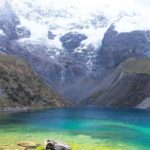
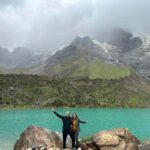
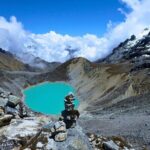
After lunch, you hike up to Laguna de Humantay (about 1.5 hours each way). This is a classic move for the route: the walk is just enough to feel like you earned it, and the views give you a taste of what the Andes can do.
Finally, you sleep at 3,920m, which is the highest and coldest campsite of the trip. You’ll want an early night. If you’re thinking you’ll “stay up for a while,” altitude and cold will correct that.
Practical drawback: Day 1 is shorter than later days, but the cold can hit hard at 3,920m. Dress for night conditions, not just daytime.
Day 2: The High Pass at 4,650m and the Long Descent
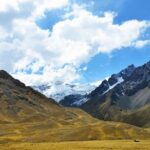
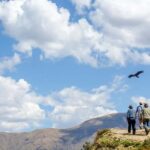
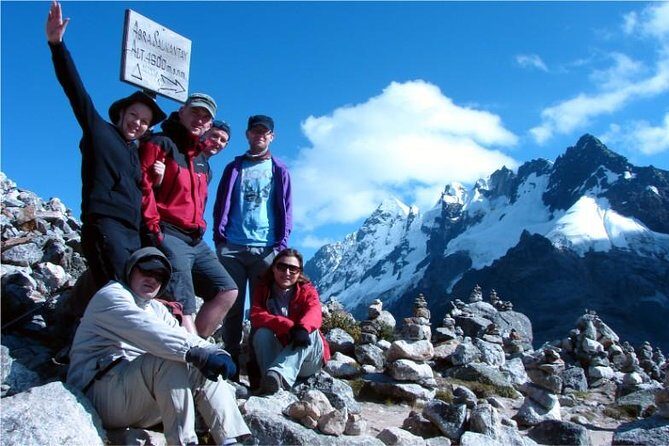
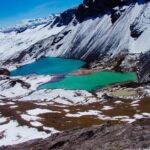
Day 2 is the signature challenge. After breakfast (around 6:00 am), you hike for roughly 4 hours to the highest pass, reaching about 4,650m. This pass sits between Salkantay (6,267m) and Humantay (5,900m), so the views can be dramatic—and yes, snow is possible.
There’s an optional horse rental for about 100–120 soles if you want help getting to the high pass. It’s the kind of option that can make the day feel more manageable without changing the overall trek route.
Once you crest the pass, you hike downhill for about 2 hours, then lunch at Huayracpampa. After lunch, another 3-hour trek takes you to the campsite near 2,900m, at Challhuay or Colcapampa. That’s a meaningful drop. Your body will feel it.
What to watch:
- This day is long (about 22km and 9–10 hours), and the pass is physically demanding.
- Footing can be uneven. Good boots matter here.
- Cold can still linger even as you descend.
A few more Cusco tours and experiences worth a look
Day 3: Upper Jungle Walking, Santa Teresa River Valleys, and Optional Hot Springs
Day 3 shifts gears. After breakfast (around 6:30 am), you start trekking through the upper jungle region. The route follows the Santa Teresa River and smaller brooks, and it’s a nice change from high-pass altitude work.
You’ll pass valleys, see waterfalls, and notice tropical plants and fruits. This is one of the best days for people who want the trip to feel like more than “just elevation.” It’s also where the trek starts to feel less like a winter hike and more like a living ecosystem.
Lunch happens at La Playa (2,200m), then there’s a car transfer to Santa Teresa (1,700m) for the night. The lower altitude often makes the next day feel easier by comparison.
After you rest, there’s an optional visit to the Santa Teresa hot springs for about 20 soles. If you’re sensible, you use that window. Three hard days are enough to make hot water feel like a vacation within the vacation.
Drawback to consider: the terrain and humidity can make the day feel tiring even if it’s “warmer.” You still need to pace yourself and keep hydrated.
Day 4: Santa Teresa to Hydroelectric Station, Then Aguas Calientes Hotel Time
Day 4 is your “last day on the trail” and it’s designed to end with a real breather. You’ll start from Santa Teresa (1,700m) at about 8:00 am, walking around 3 hours toward the hydroelectric station (1,880m). You’ll have a box lunch there.
From hydroelectric, you walk about 3 hours (slight uphill) to Aguas Calientes (2,010m). This is when your energy should start catching up, because the walking is more gentle than the pass day.
Dinner is at a local traditional restaurant, then you sleep in a 3-star hotel for the night.
Optional transfer shortcuts:
- There’s an optional bus transfer from Santa Teresa to the hydroelectric station for around 10 soles.
- There’s also an optional train transfer from the hydroelectric station to Aguas Calientes for $28.
My practical take: if you’re feeling solid, walk it for the sense of closure. If your legs are cooked, use the shortcut. The goal is to arrive in Aguas Calientes ready for Machu Picchu, not just “survive the day.”
Day 5: First Bus into Machu Picchu and the Guided Walk
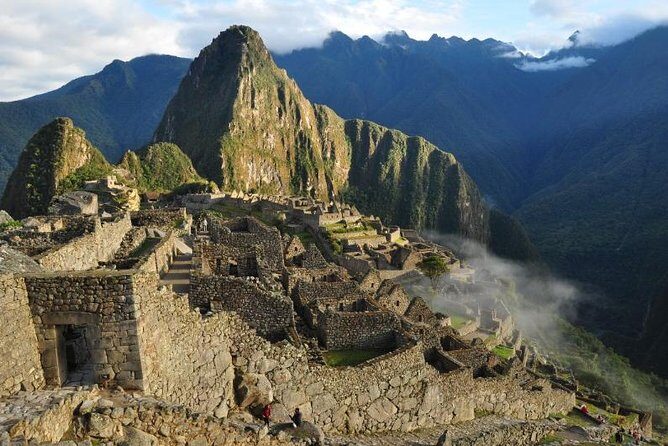
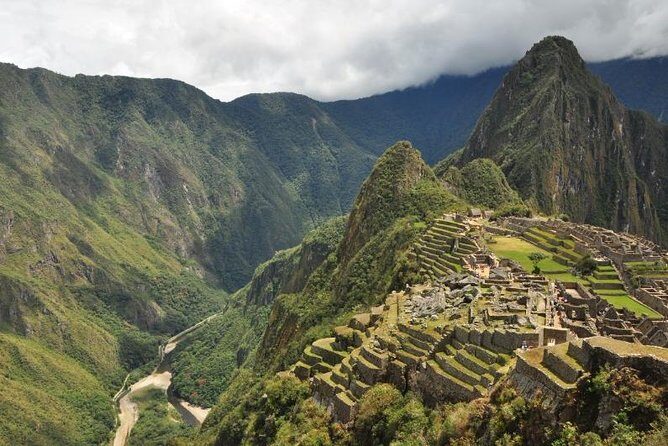
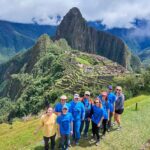
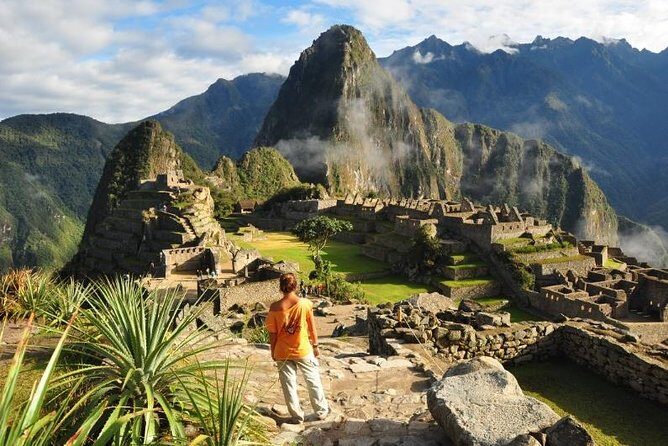
Machu Picchu day starts with discipline. You catch one of the first buses around 5:30 am for the roughly 25-minute ride into the site. Early timing matters because you’ll be on the mountain in calmer conditions, and mist often clears as the morning progresses.
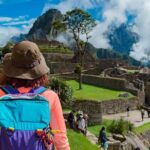
You get a guided walking tour of about 2 hours. After that, you explore on your own. If you want an extra vertical challenge, there’s an optional climb to Huayna Picchu, but you must book in advance at extra cost.
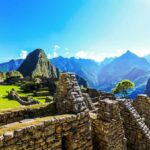
After visiting, you take the bus back down to Aguas Calientes, then return by train to Ollantaytambo. From there, you take a bus back to Cusco and you’ll be dropped at Plaza San Francisco late in the day. Plan for a long travel finish rather than expecting to end early.
One more detail that helps: the guide is with you for the Machu Picchu tour itself, but you’re on your own for some transport segments. That’s normal, and it’s also why the itinerary is built around scheduled connections.
Small-Group Pace: What the “Avg 4” Group Size Means
This trek runs with a maximum of 16 people, and the average group size is about 4. That’s a big deal. It usually means:
- You don’t feel like you’re sprinting to keep up with a big line.
- You get more attention when something needs adjusting (pace, gear checks, questions).
- You still get the safety of traveling with a team and support staff.
The trek also includes a bilingual guide on the trail, which is useful for understanding what you’re seeing and for staying calm when the hike feels rough.
Food, Vegetarian Options, and Why Snacks Matter
The meal plan is one of the most practical parts of the trip. You’re scheduled for four breakfasts, four lunches, four dinners, plus three snack moments. Meals on the trek are prepared fresh, and there’s a vegetarian option available if you request it at least two days in advance.
You’ll typically see:
- Hot breakfasts like porridge, quinoa or oats, plus things like fried bananas and omelets/pancakes.
- Lunch and dinner with first courses that may include soups (quinoa/corn/noodle/vegetable-based) and second courses that rotate across chicken, beef stews, fried rice, or pasta dishes.
- Desserts like plantains, pudding, or cake.
- Snacks based on hot drinks (tea/coca/coffee) plus popcorn/cookies/crackers.
Why this matters: when you’re walking 5–10 hours in altitude and cold, meals aren’t a bonus. They’re fuel and recovery.
Also, expect prices to be higher for extra snacks and water you buy on the way, so keep some cash handy.
Safety and Comfort: Cold Nights, Oxygen, and Shared Tents
This trek builds in a basic safety net. There’s an emergency oxygen bottle, and the route is supported with horsemen and mules. That reduces risk in two ways: less strain from carrying heavy loads, and fewer logistics failures during camping days.
Comfort-wise, the camping gear is simple:
- Basic sleeping pad and a tent for two people.
- Single travelers share a tent, and couples get their own tent.
- Day 4 hotel: single travelers share a room; couples get a private room.
Sleeping bag: not included. This is a big one. At high altitude and the coldest campsite on Day 1, a weak sleeping bag can ruin a night.
Who This Salkantay Trek Fits Best
This trip fits you if:
- You want the classic Salkantay mix of high peaks and jungle valleys.
- You like having meals and logistics handled, while still doing a real trek.
- You’re comfortable with a demanding schedule and want help carrying equipment.
It may be a tough match if:
- You’re not ready for a steep high pass day at 4,650m.
- Cold nights are a problem for you and you don’t have proper gear.
- You prefer a more leisurely pace or shorter hikes.
Minimum age is 7 years, and the operator notes you should have moderate fitness. That’s realistic, but the pass day still sets the tone.
Should You Book This Tour or Keep Looking?
If you want a well-supported Salkantay trek with guided hiking and a smooth Machu Picchu finish, this is a strong option. The value comes from what’s bundled: camping setup, meals, transfers, entry fees, guide time, and even an oxygen bottle.
I’d book if:
- You want early entry into Machu Picchu and a guide-led walk.
- You’re happy to prepare for cold and altitude, including bringing a sleeping bag.
- You like the small-group approach and don’t want to micromanage logistics.
I’d be cautious if:
- You’re uncertain about the high pass day and don’t want to consider optional help (like a horse rental to reach the pass).
- You need a fully private experience. Single accommodations are shared, and some guide coverage does not apply during bus/train transfer segments.
FAQ
How long is the Salkantay trek to Machu Picchu?
It’s a 5-day trip (4 nights) with a multi-day trek route that finishes with a Machu Picchu tour.
Where does the trek start and when do you get picked up?
Pickup in Cusco is offered, and the trek start time is listed as 5:00 am. Pickup is scheduled between 5:00 and 6:00 am on Day 1.
What altitude challenge should I expect?
The highest point is the pass at about 4,650 meters, plus major altitude changes from high areas down toward around 2,900m and lower during the later days.
Is there an option to reduce effort on the highest pass?
Yes. There’s an optional horse rental to reach the high pass, costing approximately 100–120 soles.
Do you provide camping and hotel accommodations?
Yes. You get camping accommodation during the trek (with a basic sleeping pad and tent) and one 3-star hotel night in Aguas Calientes.
What’s included for food?
The tour includes 4 breakfasts, 4 lunches, 4 dinners, and 3 snacks during the specified days. A vegetarian meal option is available if requested in advance.
Do I need to bring a sleeping bag?
Yes. A sleeping bag is not included, so you’ll need to bring or rent one.
How do transfers work on the final day and after Machu Picchu?
After Machu Picchu, you take a bus back down to Aguas Calientes, then train to Ollantaytambo, and a bus to Cusco. You’re dropped off late at Plaza San Francisco.
Are entrance fees covered?
Yes. Entrance tickets are included, including for Machu Picchu.
What optional add-ons can I choose?
Optional extras include hot springs in Santa Teresa, optional transfer shortcuts, and additional Machu Picchu hikes like Huayna Picchu (book in advance) and another optional mountain hike that also requires advance booking.