REVIEW · AREQUIPA
Trek to the Route of the Sillar and Culebrillas in Arequipa
Book on GetYourGuide →Operated by AREQUIPA EXPLORER Y ACTIVIDADES TURISTICAS · Bookable on GetYourGuide
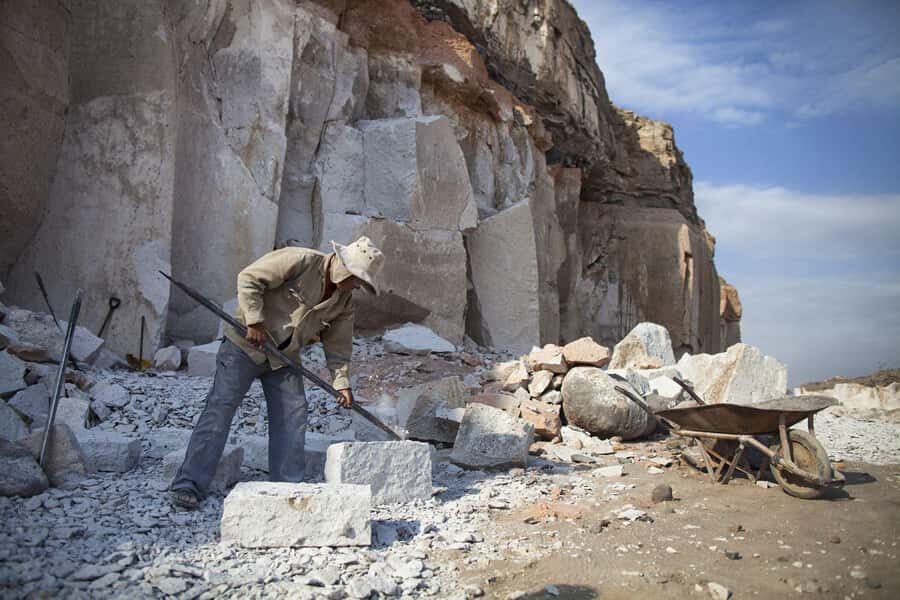
That view from the quarry hits fast. This trek pairs Arequipa’s Sillar Route—where the famous white ashlar/stone was made—with a close look at living quarry work at Añashuayco, plus a short walk through the Culebrillas canyon. I especially like the hands-on feel of seeing stonemasons at work, and the scale of the carved stone you’ll spot in the quarries. One thing to factor in: the tour can run behind on busy days because of normal city traffic, and the schedule is not built for long wandering.
In This Review
- What’s in it for you?
- Key Points You’ll Actually Care About
- Route of the Sillar: Why Arequipa’s Stone Culture Feels Different
- Getting There From C. Álvarez Thomas 115: Timing and Transfers
- Volcanoes and Andenerias Viewpoint Stops: Quick Scenery With Big Payoff
- Añashuayco Quarry and the Megacarved Church Detail
- What you’ll see here
- The mega-carving experience
- The hands-on moment
- A realistic note on pace
- Quebrada de Culebrillas: A Short Canyon Walk for Photos and Breath
- Why this stop works
- What to watch for
- Where the Day Lands in Arequipa (and Why That’s Convenient)
- Chivay Hot Springs After Your Trek: A Good Follow-On
- Price and Value: What $13 Gets You (Plus the 10 Soles Entrance)
- Is it worth it?
- Who This Trek Fits Best (and Who Might Want Something Else)
- What to Watch Out For: Traffic Delays and Group Pace
- Should You Book This Trek to the Route of the Sillar and Culebrillas?
- FAQ
- How long is the trek?
- What’s the meeting point?
- Where does the tour end?
- Do I need to pay an entrance fee?
- What’s included in the price?
- Is the tour offered in English?
- What are the main stops?
- How long is the stop at Añashuayco Quarry?
- How long do you walk in Culebrillas?
- Is Chivay hot springs part of this tour?
What’s in it for you?
If you want geology-meets-craft, this is a smart way to spend about 4.5 hours without exhausting yourself. You’ll also get viewpoints over volcanoes and the Chilina Valley, and you can round out the day with a soak in Chivay hot springs after the trek if you’re continuing onward.
Key Points You’ll Actually Care About
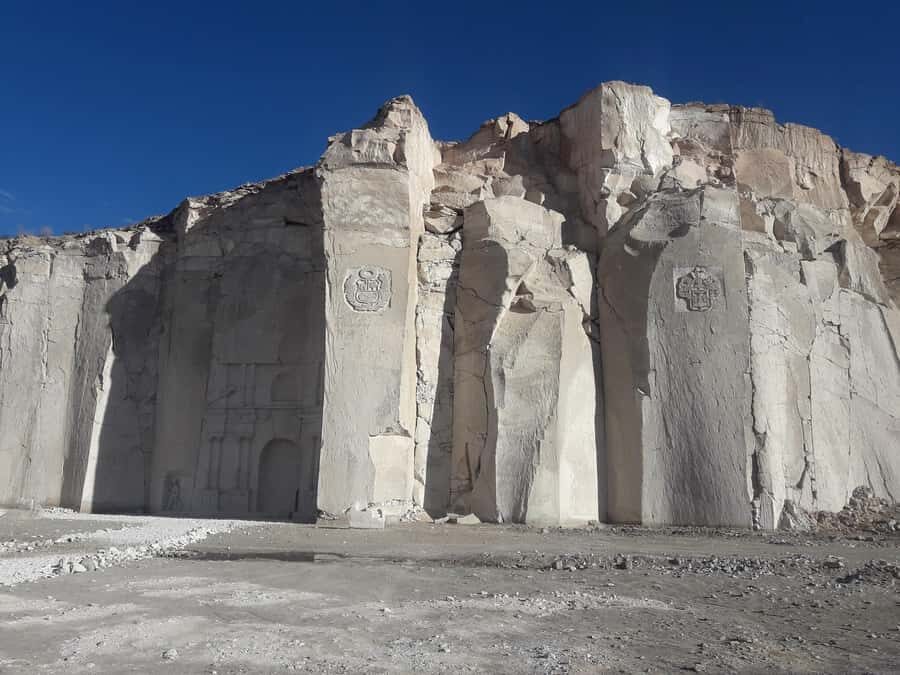
- Añashuayco Quarry mega-carving: See a large-scale carving made by the stonemasons themselves.
- Real quarry working hours: The quarry activity starts very early, so you get a living scene, not a staged show.
- Short canyon walk in Culebrillas: A walk through a narrow area shaped by water—made for photos and calm pacing.
- Volcano + Chilina Valley viewpoints: A brief scenic stop early (and another viewpoint depending on the season) helps you orient.
- Professional guide in English or Spanish: You’ll get the “why” behind the stone and the route, not just where to stand.
You can also read our reviews of more hiking tours in Arequipa
Route of the Sillar: Why Arequipa’s Stone Culture Feels Different
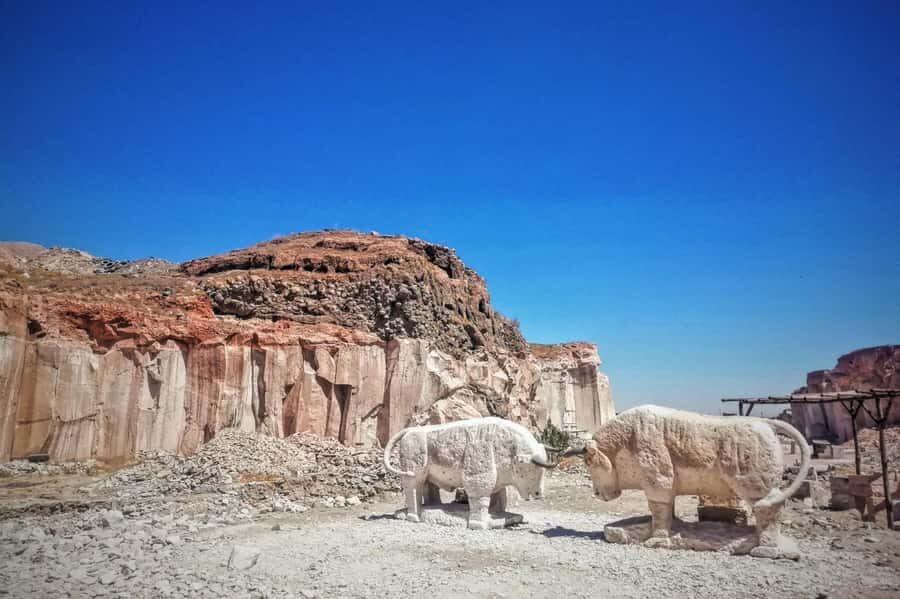
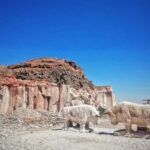
Arequipa’s white stone is more than a pretty material. The Sillar Route connects the city’s look to the physical source: quarries and the places where ashlar/ashlars began as extracted stone. What makes this tour interesting is that it doesn’t treat the quarry like a museum piece. It frames the stone as a working resource tied to local craftsmanship and daily routines.
I like tours that explain the link between what you see on buildings and what’s happening in the ground. Here, you’re not just “looking at rocks.” You’re learning how the stone gets shaped, why it’s extracted the way it is, and how it ended up defining parts of Arequipa’s architecture.
Getting There From C. Álvarez Thomas 115: Timing and Transfers
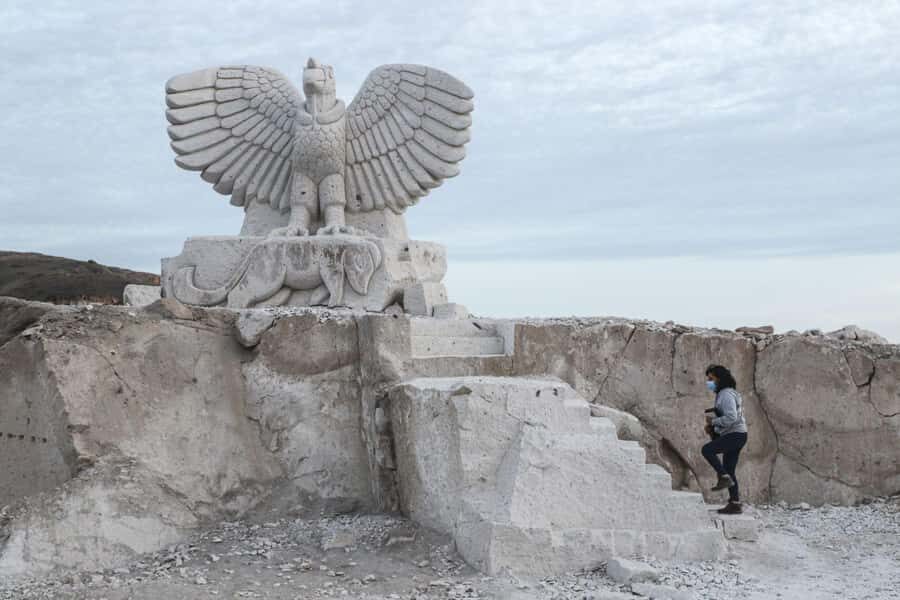
The day starts at C. Álvarez Thomas 115. From there, you’ll go by van with multiple short segments. The plan is designed for comfort: you’re driven between the quarry, the canyon, and viewpoint/photo stops instead of spending your energy on long transit.
You’ll start in the morning (the itinerary begins around 09:15), then:
- A van ride early on brings you toward the first scenic break.
- You’ll have a photo stop in the Andes Mountains area.
- Then you transfer to Añashuayco Quarry, the main stop.
A practical tip: give yourself a little buffer in your plans. Even though the tour follows a set schedule, traffic can slow the van route and reduce your time for photos at the quarry.
Volcanoes and Andenerias Viewpoint Stops: Quick Scenery With Big Payoff
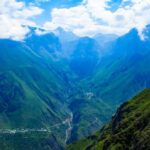
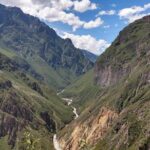
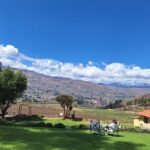
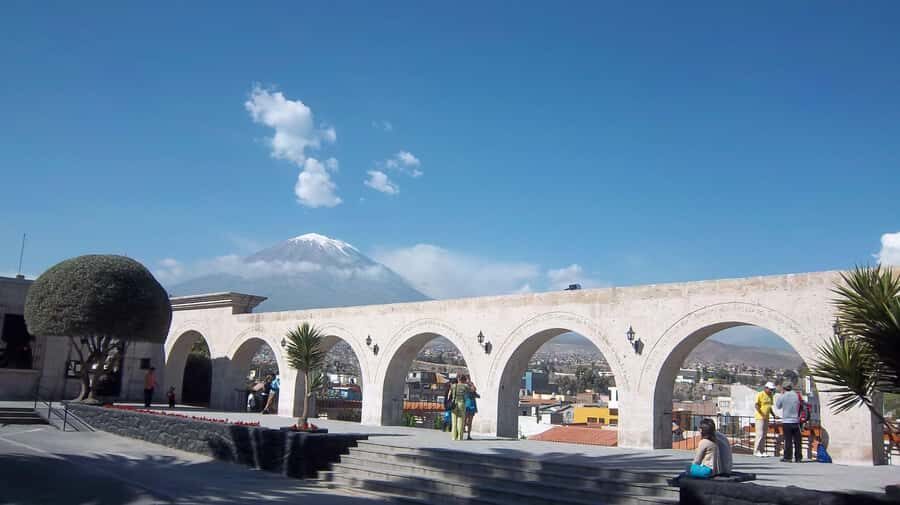
Before you get into the quarries, there’s a strategic viewpoint stop where you can see volcanoes and the Chilina Valley. The timing matters here. You’re going from “city-level” to “high-visibility geography,” so this early stop helps you understand what you’ll be walking around later.
Also note: depending on the season, the tour can swap the order and include an additional traditional viewpoint at the beginning. That means the scenery can vary a bit, but the goal stays the same—help you connect the terrain to the quarry landscape.
If you’re someone who likes photos, this is where you want your camera ready. The scenic stops are short, so you’ll do best if you know which lens you prefer and you’re not fiddling with settings at the last second.
Añashuayco Quarry and the Megacarved Church Detail
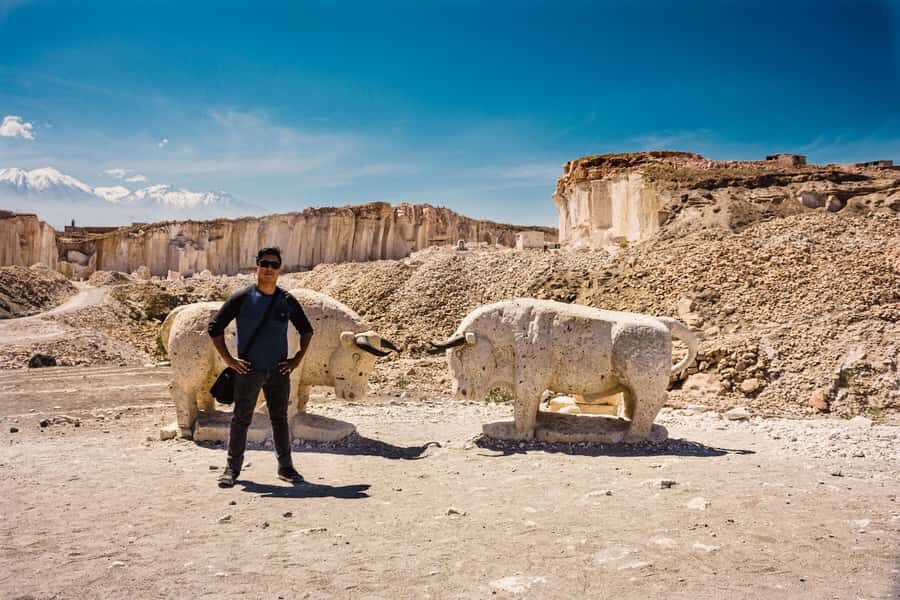
The heart of the trek is Añashuayco Quarry. You’ll arrive after about a 45-minute transfer from the first main viewpoint area, and then you’ll spend about one hour on site with a guided visit, plus some hiking/walking.
What you’ll see here
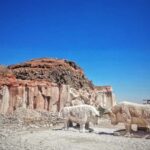
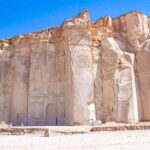
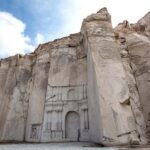
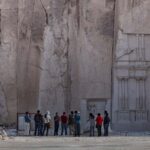
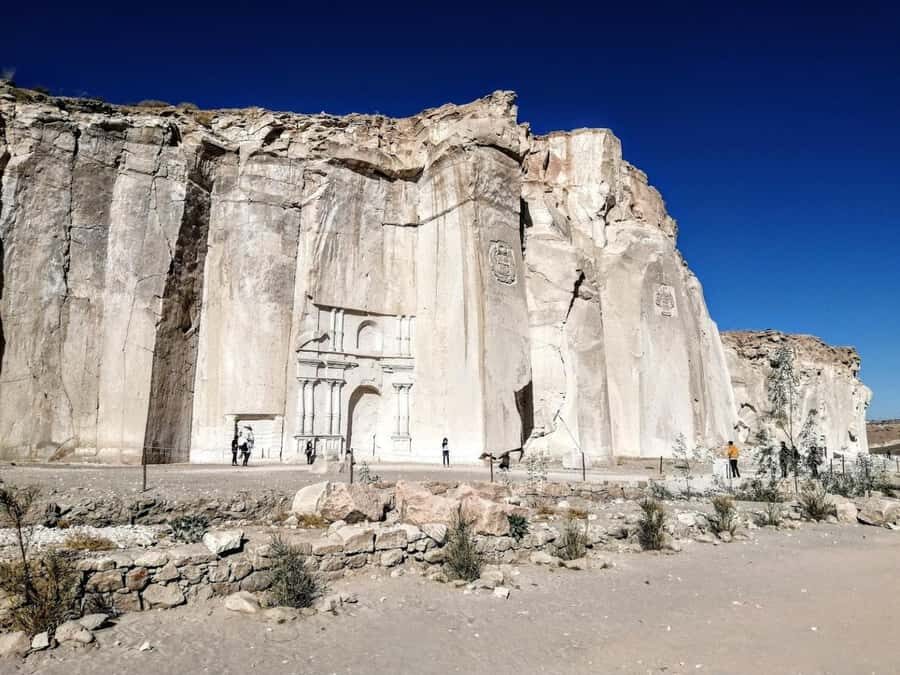
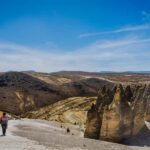
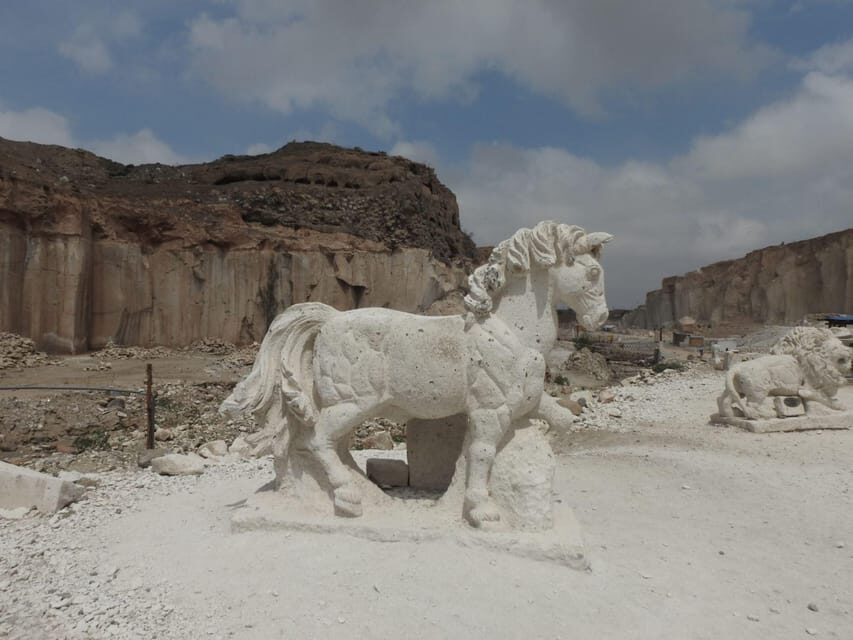
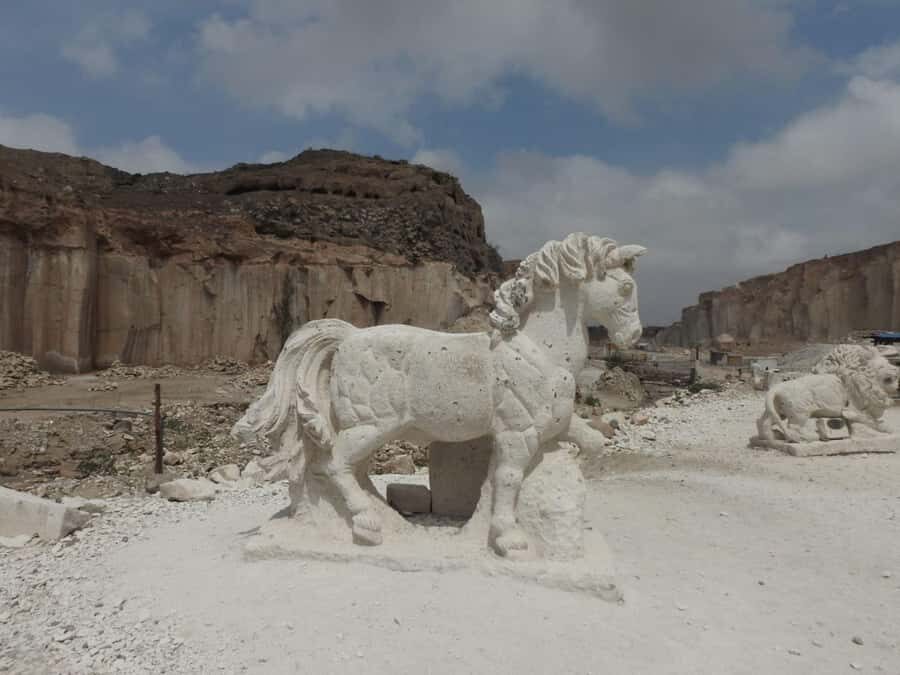
The quarry is set up around enormous cut walls and a canyon-like space, with high ignimbrite walls formed through extraction. The scale is striking because you can actually picture how stone volume gets removed to create the ashlar used in building.
The mega-carving experience
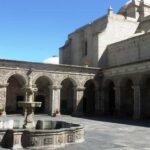
A standout is the megacarving of the Church of the Company of Jesus. This isn’t something you just notice from far away. The tour frames it as a work created by the stonemasons themselves, which gives it a different weight. It’s art, yes—but it’s also proof that craft knowledge lives alongside production work.
The hands-on moment
One of the best reasons to book this trek (especially if you like learning by doing) is that the guide explains the masons’ daily work and you may even be able to try cutting one of the stone blocks. That’s a rare extra for a short Arequipa tour. Even if it’s simple, you’ll leave understanding why quarry work takes patience and training.
A realistic note on pace
The quarry portion is guided and efficient. If you like to linger at every corner, you might feel the pace is a bit quick. On days with delays from traffic, the pressure to move on can feel stronger—so plan your photo strategy, then enjoy the explanations without rushing to “beat the clock.”
Quebrada de Culebrillas: A Short Canyon Walk for Photos and Breath
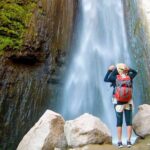
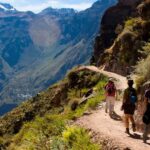
Next comes Quebrada de Culebrillas, reached by about a 30-minute van ride. Here you get a shorter on-foot segment—about 30 minutes total for break/photo time plus a walk inside the small canyon.
Why this stop works
The canyon was formed by the passage of water, so you’re walking through a space shaped by natural forces rather than only extraction. That contrast keeps the trek from feeling one-note. After the quarry’s manmade scale, the canyon brings movement back into the story: water carved the shape, and time made the details.
What to watch for
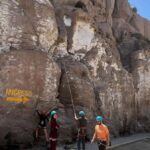
You’ll want comfortable shoes. The walk is described as a hike, and you’ll be moving through canyon terrain where footing matters. It’s not framed as extreme, but it’s still outdoors and uneven.
Also, treat this part as “enjoy, then move.” This segment is short on purpose, meaning you’ll get enough time for photos without losing the momentum of the day.
Where the Day Lands in Arequipa (and Why That’s Convenient)
The tour ends at Av La Marina, Arequipa. That return matters because it keeps the trek from turning into a half-day that eats your whole afternoon. You can still use the rest of your day for local food, markets, or another museum plan.
If you’re planning something after the trek, this timing is helpful because you’re not stuck on a late-end schedule.
Chivay Hot Springs After Your Trek: A Good Follow-On
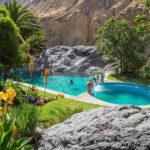
The trek highlights mention a relaxing soak in the hot springs of Chivay after your trek. The data here doesn’t say that hot springs are part of this specific tour, but it does suggest pairing the experience with the Chivay option afterward.
If you’re already planning to move beyond Arequipa that day or in your itinerary, this is a smart match: quarry + canyon walking is exactly the kind of day that makes a hot soak feel earned.
Price and Value: What $13 Gets You (Plus the 10 Soles Entrance)
At about $13 per person for 270 minutes, the value is mostly in transport and the guiding. You’re getting:
- tourist transport by van,
- a professional guide (English or Spanish),
- and time at two main natural/craft locations plus scenic viewpoint stops.
What’s not included is ticket entrance to the places for 10 soles. Since you’re doing multiple sites, having that extra cost in mind helps you avoid surprise at the end.
Is it worth it?
For the combination of:
- a living quarry working setting,
- the megacarving you wouldn’t see without context,
- and the canyon walk in a tight schedule,
…this is priced fairly for an experience that gives you more than “photo stops only.” The cost feels like it’s paying for interpretation, not just movement.
Who This Trek Fits Best (and Who Might Want Something Else)
This trek is a good match if you:
- like understanding how things are made (in this case, Sillar/ashlar and quarry craft),
- enjoy short hikes you can finish without planning a full day outdoors,
- want volcano views and not just street scenery,
- and appreciate guides who can connect materials to the built city.
It might feel less ideal if you:
- want a very slow, unstructured wander,
- need lots of time for independent exploration,
- or are easily frustrated by delays.
Given the schedule length and the number of stops, it’s built for travelers who like a clear plan.
What to Watch Out For: Traffic Delays and Group Pace
Two issues can shape your day more than you’d expect:
- Traffic timing: The route includes driving segments, and city traffic can push back arrivals to the quarry. If arriving late makes you upset, plan for buffer time in your overall itinerary.
- Pace at key stops: The quarry and canyon portions are time-boxed. Even though they include guided explanations, there’s not a lot of extra slack for long photo breaks or extended walking beyond the planned windows.
For guide quality, the tour is described as having a professional guide. Still, experiences can vary. If your guide’s energy or communication doesn’t work for you, say so politely and ask for clarification. With a short tour, you want to make sure you’re getting the “why” behind what you’re seeing.
Should You Book This Trek to the Route of the Sillar and Culebrillas?
I’d book it if you want a compact Arequipa experience that mixes craft, geology, and real place. The megacarving at Añashuayco and the chance to see stonemasons working early are the kinds of details that make this more than a sightseeing loop.
Skip it (or swap for something longer) if you know you hate strict pacing, or if you’re traveling on a day where every minute after the trek is already booked tight.
FAQ
How long is the trek?
The activity runs for about 270 minutes.
What’s the meeting point?
The meeting point is at C. Álvarez Thomas 115.
Where does the tour end?
It finishes at Av La Marina, Arequipa, Perú.
Do I need to pay an entrance fee?
Yes. Ticket entrance to the places is listed as 10 soles, and it’s not included in the price.
What’s included in the price?
The tour includes tourist transport and a professional guide.
Is the tour offered in English?
Yes. The live tour guide is available in English and Spanish.
What are the main stops?
You’ll visit the Sillar Route areas, Añashuayco Quarry, and Quebrada de Culebrillas, with viewpoint and photo stops along the way.
How long is the stop at Añashuayco Quarry?
You’ll spend about 1 hour there for the guided visit and hiking.
How long do you walk in Culebrillas?
You’ll have about 30 minutes at the Culebrillas canyon, including break/photo time and a hike.
Is Chivay hot springs part of this tour?
The description highlights relaxing hot springs in Chivay after your trek, but the tour itself ends back in Arequipa. You can treat Chivay as a good follow-on plan if it fits your itinerary.