REVIEW · CUSCO
Cusco: 5-Day Salkantay Ultimate Trek to Machu Picchu
Book on GetYourGuide →Operated by Inkayni Peru Tours · Bookable on GetYourGuide
Clouds meet giants on this high Andes route. I love the way this itinerary takes you over the Salkantay Pass for huge mountain views, then lands you at Machu Picchu with a real expert guide. You also get a more human side of the Andes with an overnight in Lucmabamba tied to a local coffee farm.
Here’s the consideration: this trek is tough, especially on Day 2 when you reach the highest point and thin air can slow you down. If altitude affects you easily, or if you have back issues, this plan may be a rough match.
Key Points I’d Focus on Before You Go
- Salkantay Pass panoramas are the big payoff, with the day’s climb designed around dramatic altitude views.
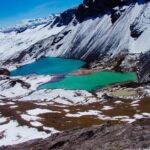
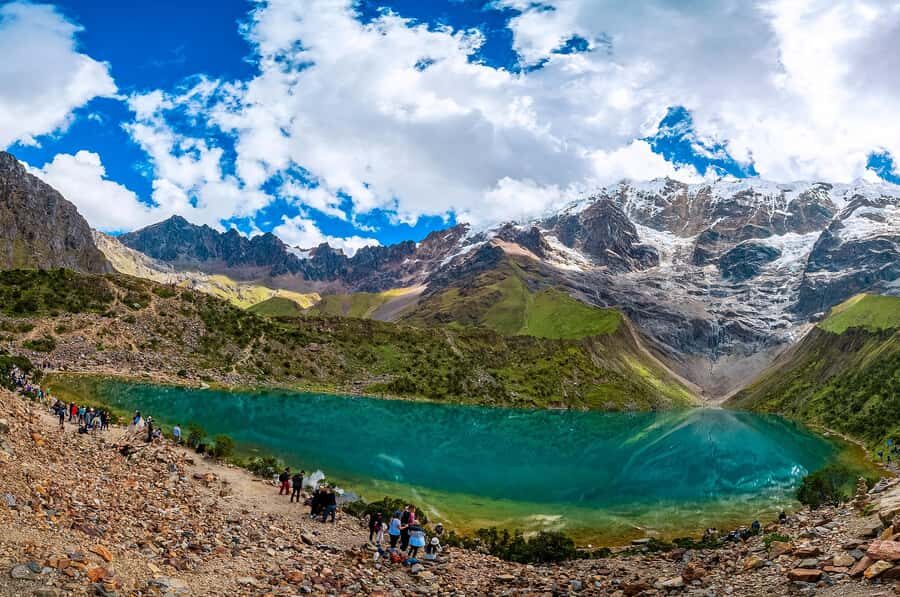
- Humantay Lake gives you that surreal turquoise-glacial moment before you settle in for camp.
- Lucmabamba + coffee farm time adds a cultural stop to balance all the hiking.
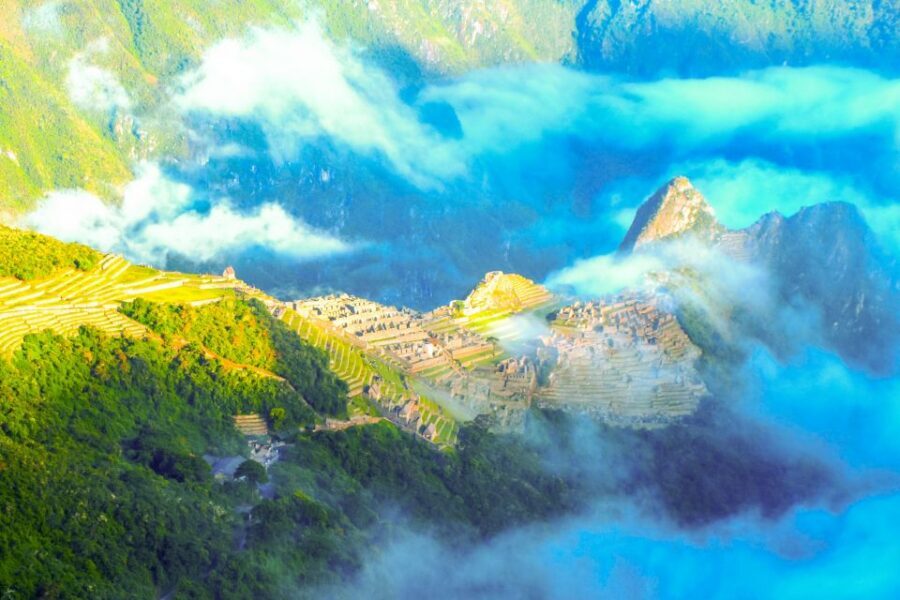
- Llactapata terraces put you at Machu Picchu’s perspective from above, before the main citadel day.
- Small groups (maximum 10) and support help keep the logistics sane on a 5-day trek.
In This Review
- Why This Trek Feels Like the Real Salkantay Route
- Day 1: Soraypampa Sunrise Climb and Humantay Lake’s Turquoise Moment
- Day 2: Crossing Salkantay Pass at the High Point, Then Dropping Into Cloud-Jungle Air
- Day 3: Cloud Forest Descent to Playa Sahuayaco and Lucmabamba Living
- Day 4: Llactapata Terraces for a First Machu Picchu View, Then Down to Aguas Calientes
- Day 5: Guided Machu Picchu Citadel by Bus, Plus Optional Mountain Hikes
- How Difficult Is It, Really? (Altitude, Pace, and Smart Expectations)
- Price and Value: What You Get for $669
- Packing and Trek Comfort Tips That Actually Matter
- Small Group Size and Support Team: The Difference You’ll Feel on Trail
- Should You Book This 5-Day Salkantay to Machu Picchu Trek?
- FAQ
- What is included for Machu Picchu on Day 5?
- Is Huayna Picchu included?
- How are meals handled during the 5 days?
- Do I need my own sleeping bag?
- How much can I carry personally on the trek?
- What about water on the trail?
- What’s the group size?
Why This Trek Feels Like the Real Salkantay Route
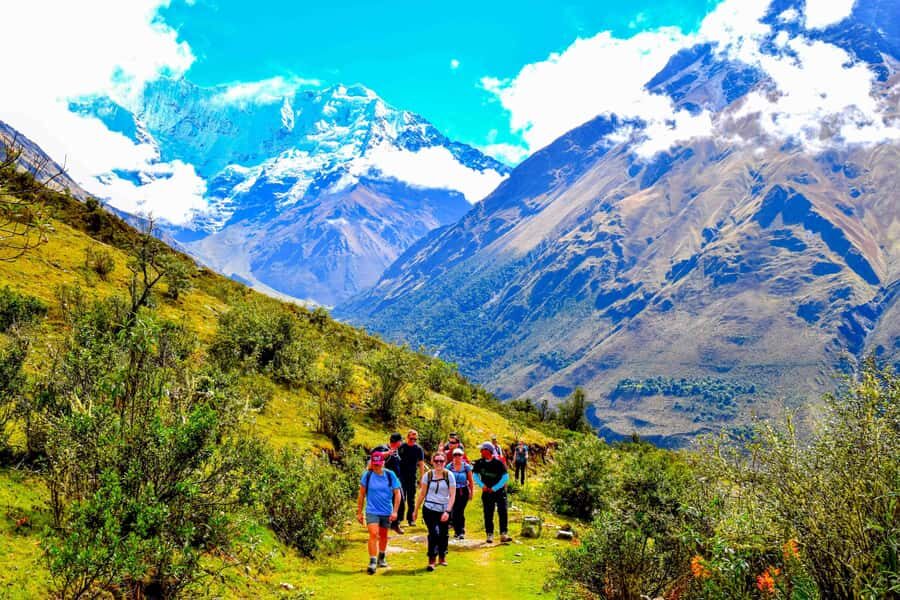
This is not a quick photo stop version of the Salkantay story. The format is built around altitude, changes in terrain, and a gradual shift from cold peaks to warmer cloud-forest walking. That means you don’t just get one kind of scenery—you get several, and each day has a clear reason for being on the trail.
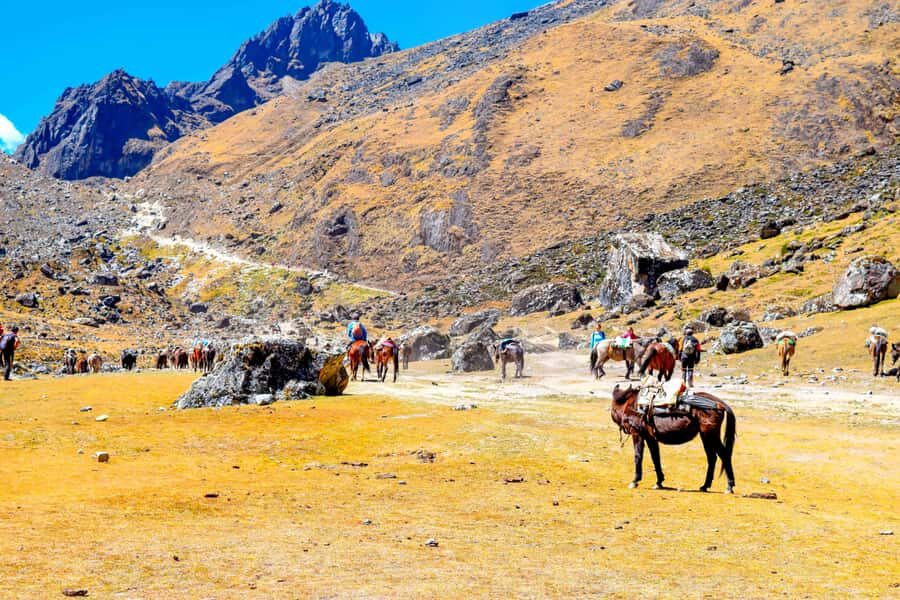
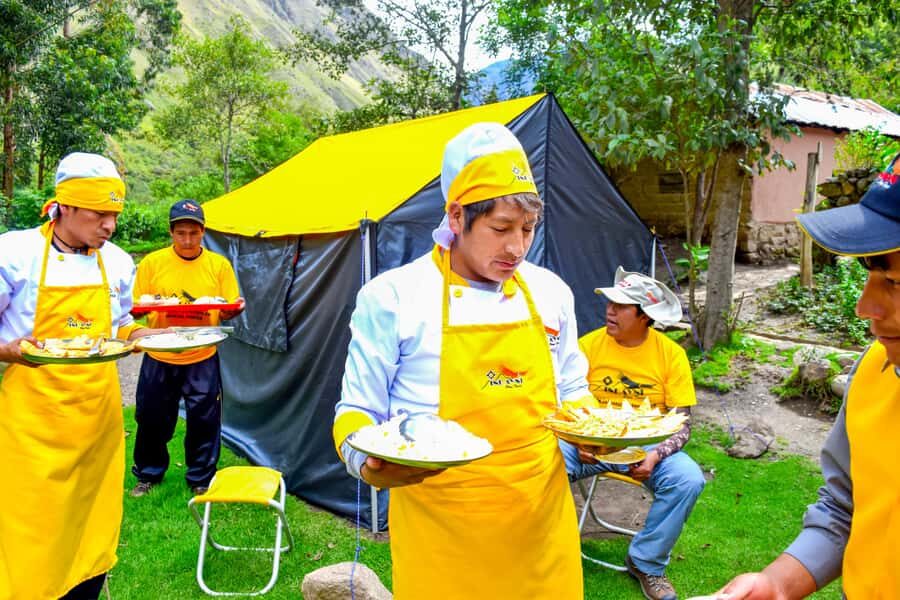
I also like that your trek support is more than a generic “you’ll be fine” promise. You get a professional English-speaking tour guide, a professional cook, and horses to carry equipment plus up to 7 kg of your personal items. That keeps your body focused on the walking rather than hauling a backpack full of trekking gear.
One more value point: Machu Picchu isn’t left to chance. The final day includes a guided tour of the citadel with explanation of the main structures and ceremonial areas, not just entry and free wandering. That can make the difference between seeing stone and actually understanding why it was built that way.
Day 1: Soraypampa Sunrise Climb and Humantay Lake’s Turquoise Moment
Day 1 is all about getting your eyes ready for the trek. You start hiking toward Soraypampa at 3,800 m (12,467 ft), with Salkantay (6,271 m / 20,574 ft) and Humantay mountains dominating the skyline. The altitude is noticeable from the start, so I’d treat this day as a pace-setting intro rather than a “go hard” day.
At midday, you stop for a classic Peruvian lunch made with fresh local ingredients. It’s a simple break, but it matters because it helps you reset before the main highlight of the afternoon.
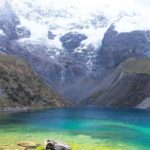
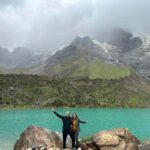
Then comes Humantay Lake at 4,200 m (13,780 ft). The lake is a turquoise glacial lagoon, framed by towering peaks. You take in the surreal view before heading back to camp for dinner and that classic Andean night sky feeling. The day ends with warm food and recovery time, which you’ll really appreciate because tomorrow is harder.
You can also read our reviews of more hiking tours in Cusco
Day 2: Crossing Salkantay Pass at the High Point, Then Dropping Into Cloud-Jungle Air
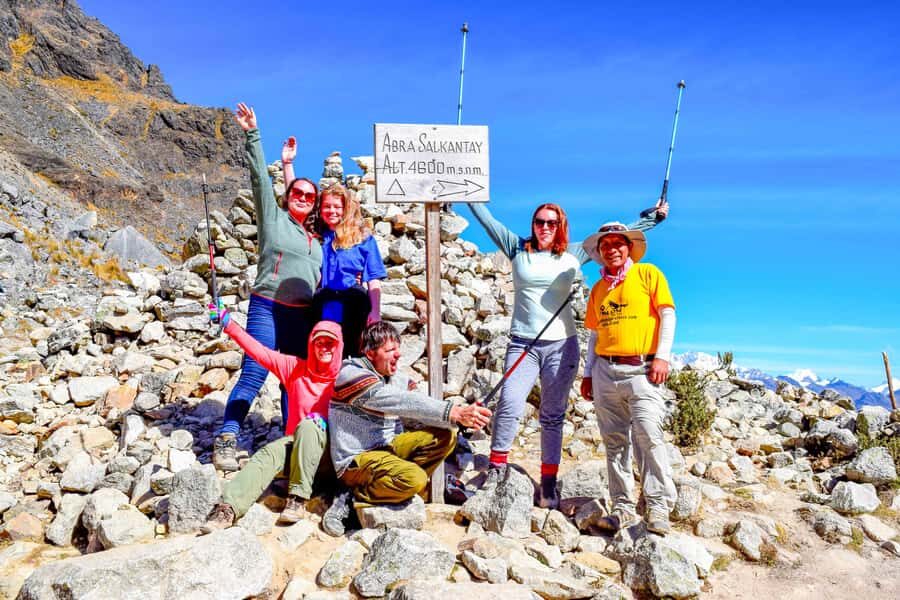
If Day 1 is your warm-up, Day 2 is your headline day. After an early breakfast, you climb toward Salkantay Pass at 4,630 m (15,190 ft), the highest and most challenging point of the trek.
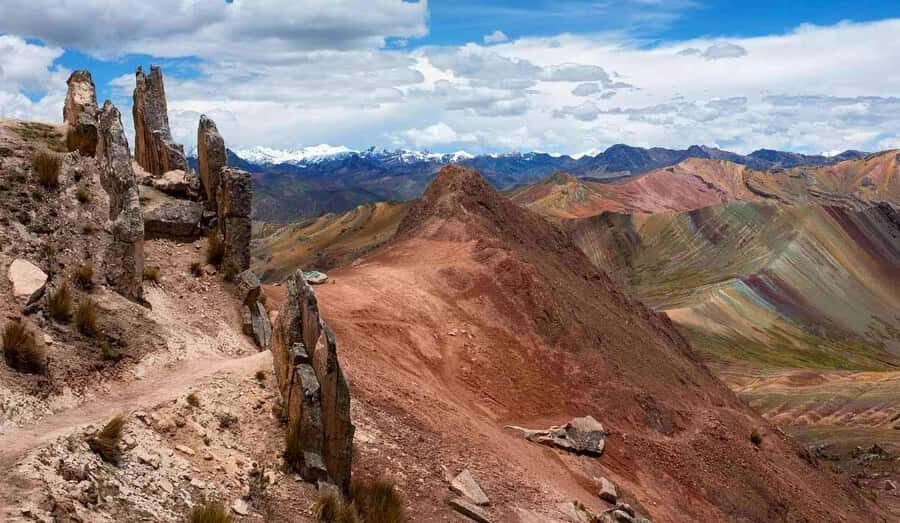
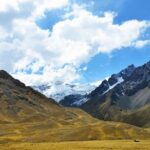
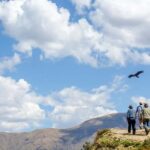
This is the part where altitude and breathing can make every step feel slower. I like that the itinerary doesn’t pretend this is easy. It’s built as a long but rewarding climb, and it’s followed by a meaningful reward: breathtaking views of snow-capped peaks, jagged ridges, and deep valleys stretching out.
Once you cross and take in the pass, the trail changes character. You descend into a lush high-altitude jungle zone, so the air and the vegetation feel different almost immediately. You finish the day in camp, and it’s worth going to bed with your energy stored for Day 3’s long, misty descent.
Day 3: Cloud Forest Descent to Playa Sahuayaco and Lucmabamba Living
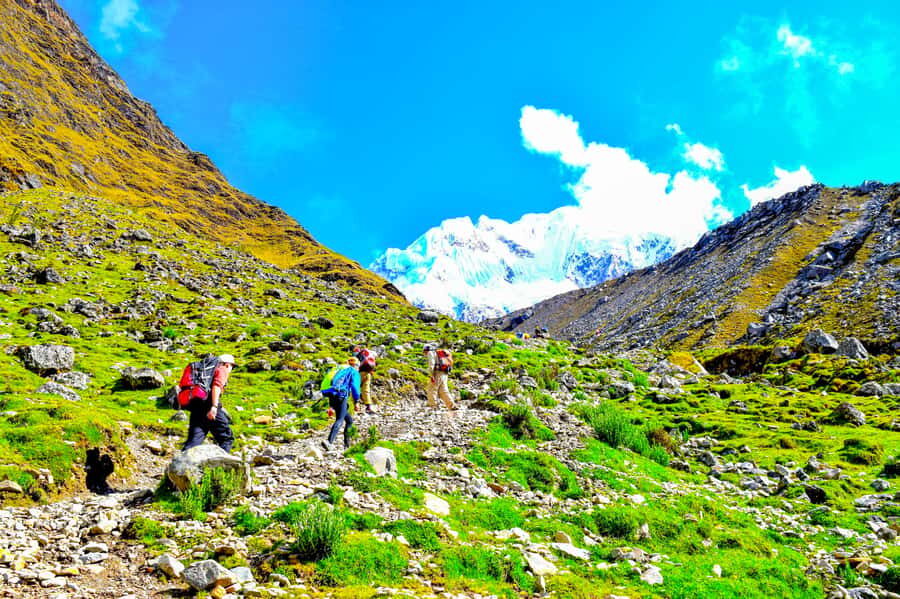
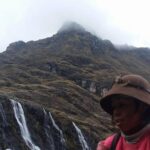
Day 3 starts with jungle sounds and a different kind of trail: a descent into cloud forest. The walk winds through misty areas with cascading waterfalls, fruit-laden trees, and exotic flora and fauna. You’re going from colder, thinner air into a wetter-feeling environment, which can feel refreshing but also means footing and stamina still matter.
After about five hours, you reach Playa Sahuayaco at 2,200 m (7,218 ft). From there, you enter the region often described as the eyebrow of the Amazon—an idea that fits the sense of being in a life-filled transition zone between climates.
In the afternoon, you arrive at Lucmabamba at 2,000 m (6,562 ft), your final campsite and a start point connected to an ancient Inca Trail leading to Llactapata ruins. This is also where the trip becomes more personal: you stay with a family in Lucmabamba to learn about their local coffee farm. It’s a welcome contrast to the trekking intensity, and it’s the kind of cultural stop that feels more grounded than a quick roadside photo.
Day 4: Llactapata Terraces for a First Machu Picchu View, Then Down to Aguas Calientes
Day 4 is a smart pacing move: you start with an uphill push, but it’s not the grinding kind. You hike for about 2 hours along an original Inca trail toward Llactapata at 2,840 m (9,318 ft).
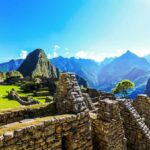
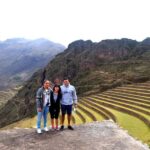
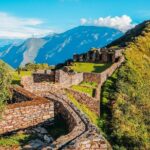
Llactapata is a lesser-visited site with remarkable terraces. The main payoff is your first view of Machu Picchu from an unusual angle—something most people never get to experience from this side. The terraces help you understand how the Incas built for slopes, rain, and views, not just for movement.
After exploring, you descend through lush cloud forest to the Hydroelectric Station at 1,890 m (6,200 ft). This part takes around 1.5 hours. Then you travel to Aguas Calientes (2,040 m / 6,693 ft), where the tone of the trip changes from camp life to a comfortable town evening.
For me, that shift matters. After three days of trekking and altitude, a real hotel night is not a luxury—it’s recovery fuel.
Day 5: Guided Machu Picchu Citadel by Bus, Plus Optional Mountain Hikes
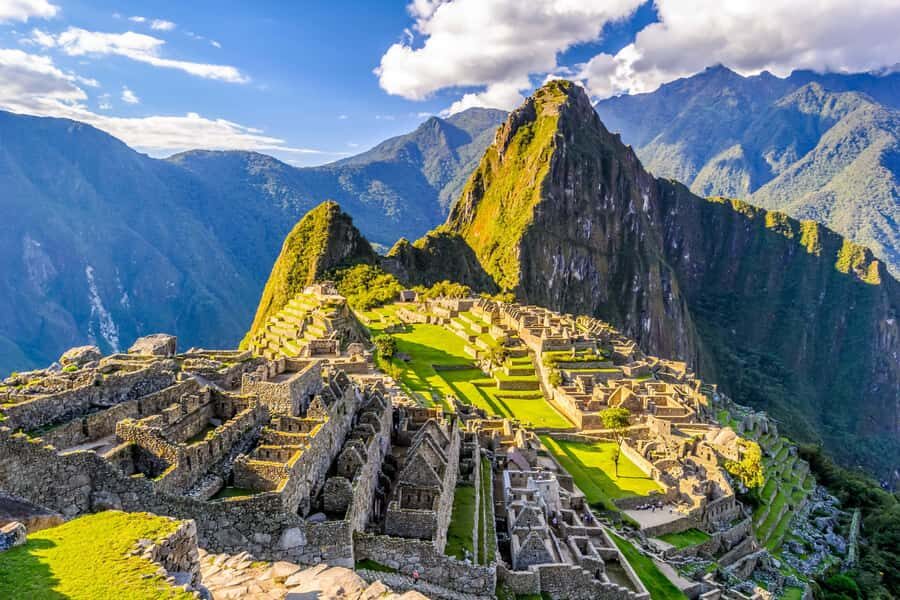
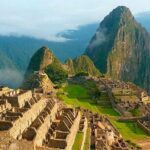
Day 5 begins early with breakfast, then you take a morning bus up to Machu Picchu at 2,430 m (7,972 ft). Once you arrive, your guide leads a detailed tour of the citadel, focusing on the site’s major structures, including temples, ceremonial areas, terraces, and storage buildings.
This is where the guide’s role pays off. Without explanation, Machu Picchu can look like impressive ruins. With guidance, you start seeing patterns: how space is organized, how key areas relate to one another, and why certain buildings mattered.
After the citadel tour, you return to Aguas Calientes for rest and lunch. In the afternoon, you take a train to Ollantaytambo, and then a van brings you back to Cusco.
You also have choices for views from above. After the main tour, you can hike Huayna Picchu or Machu Picchu Mountain. Huayna Picchu costs an extra US$85, while the option to hike either depends on conditions and your energy.
A few more Cusco tours and experiences worth a look
How Difficult Is It, Really? (Altitude, Pace, and Smart Expectations)
This trek is physically demanding. The itinerary takes you up and over big passes and includes long hiking days plus a high point at 4,630 m (15,190 ft). Even if you’re fit, you’ll feel altitude. If you’ve ever had altitude sickness before, this is not a “push through” situation. The tour is explicitly not suitable for people with altitude sickness.
Also note the other limitation: it isn’t set up for people with back problems, and it isn’t suitable for travelers over 70.
Still, the difficulty isn’t vague. It’s structured: higher elevations on Days 1 and 2, then a descent into cloud forest on Days 3 and 4. That helps you plan your effort. And the trip includes support systems that reduce load and fatigue: horses for equipment, camp setup, meals on most days, and an oxygen bottle plus a first aid kit.
My advice is simple: if you want Machu Picchu but you also want to enjoy it (not just survive it), treat this as a serious hike and train accordingly. Mentally, you’ll also want to be okay with slower steps on the pass day. That’s normal.
Price and Value: What You Get for $669
$669 per person isn’t just for a ticket to Machu Picchu. When you break it down, you’re paying for a package that reduces the hassle of coordinating gear, food, and daily movement over remote trails.
Here’s what’s built in:
- Professional guide (English speaking)
- Professional cook
- Horses to carry equipment and up to 7 kg of your personal items
- Meals: 4 breakfasts, 4 lunches, 4 afternoon snacks, and 4 dinners
(Breakfast on Day 1 and lunch/dinner on Day 5 are not included.)
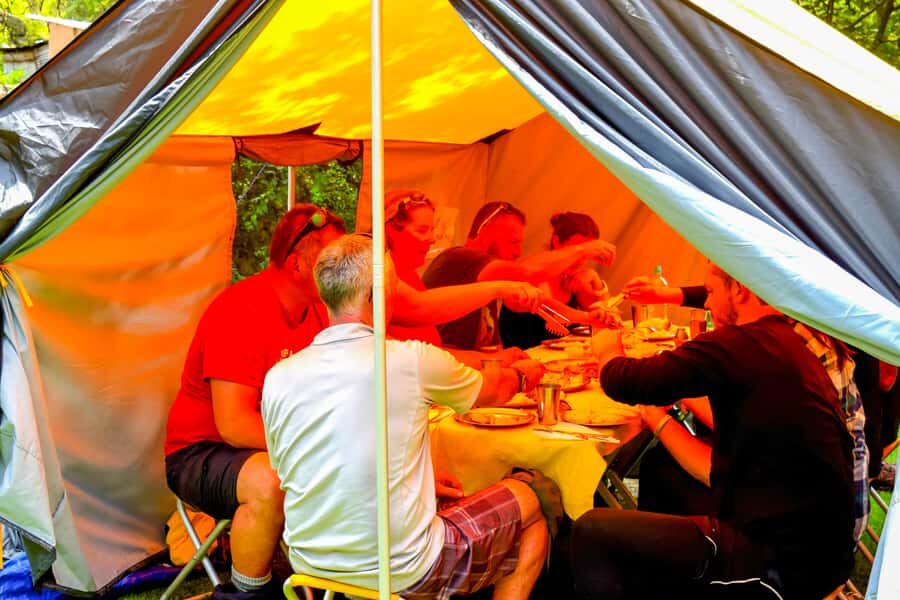
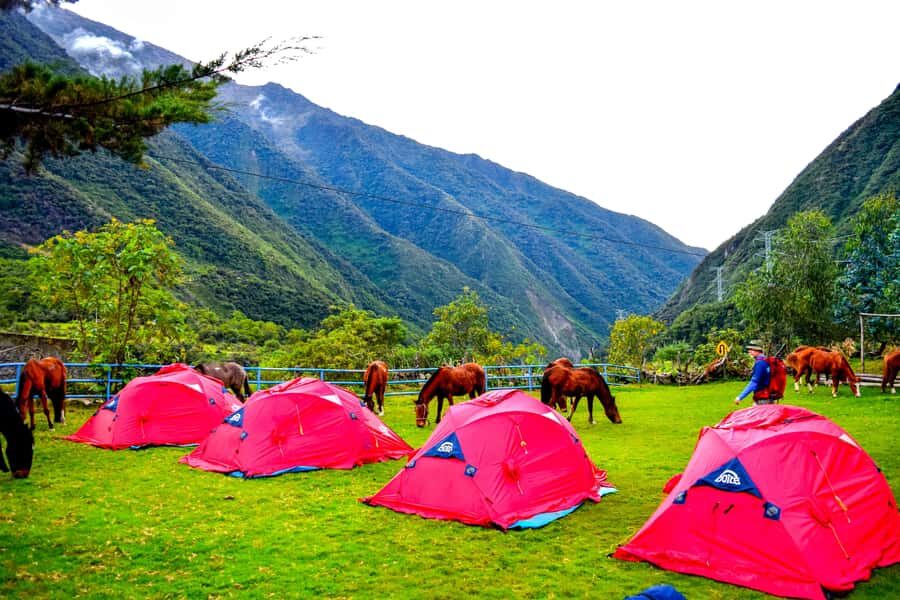
- Camping setup: dining tent with tables/chairs, tents (4-man tents for every 2 trekkers), double-thickness foam mattress
- Oxygen bottle and first aid kit
- Machu Picchu entrance plus bus to the site
- Hotel in Aguas Calientes
- Train to Ollantaytambo, then van back to Cusco
What’s not included is also reasonable for an active trek:
- Sleeping bag (can be hired)
- Trekking poles (can be hired)
- Huayna Picchu entrance (US$85)
- Travel insurance
- Some meals (Day 1 breakfast, and lunch/dinner on Day 5)
To me, the best value element is the support. When you’re hiking at altitude, that translates into less stress, less carrying, and fewer logistics problems. And yes, the Machu Picchu entrance and guided tour are a big part of why this is worth paying rather than trying to cobble things together.
Packing and Trek Comfort Tips That Actually Matter
You won’t need to overthink gear, but you should pack with the trek’s realities in mind.
Bring:
- Passport or ID card
- Sun hat and sunscreen (the altitude sun can be intense)
- Rain gear (conditions can change fast at elevation)
- Comfortable clothes suitable for multi-day hiking
Plan for these practical points too:
- Water is included except for the first 4 hours of the trek. So you’ll need to bring water early on.
- You’ll receive duffle bags at the pre-departure briefing, and those bags will be carried on horseback.
- Every morning you’ll get wake-up tea brought to your tent. That’s a small touch, but it helps when you’re up before your body is ready.
If you don’t have trekking poles, you can hire them. If you don’t have a sleeping bag, you can hire that too. I’d still consider your own cold tolerance before deciding.
Finally, keep it simple: no alcohol or drugs, and pets and weapons/sharp objects are not allowed.
Small Group Size and Support Team: The Difference You’ll Feel on Trail
This is designed as a small group trek, with a maximum of 10 people per group. If the group is 9+ travelers, you get an assistant tour guide, which helps keep the pace and instructions clear when you’re moving in mountain conditions.
You’ll also feel the care in the basics:
- Camp is set up with proper tenting and foam mattresses, so your sleep isn’t just “somewhere to lie down.”
- There’s a professional cook and scheduled meals, which matters when your appetite can drop at altitude.
- Your load is managed. Horses handle equipment, and you only take what you need.
Even the pre-departure briefing is built for clarity. You meet your guide and group in an office in Cusco, get your orientation, and receive the duffle bags that will go on horseback. That reduces confusion later, especially on a route that involves multiple elevation changes and transfers.
Should You Book This 5-Day Salkantay to Machu Picchu Trek?
Book it if:
- You want the classic Salkantay route experience with Humantay Lake, the Salkantay Pass, and a serious payoff at Machu Picchu.
- You like the idea of a guided Machu Picchu day, not just self-paced wandering.
- You want some cultural value too, like the Lucmabamba coffee farm stay.
Skip it (or ask harder questions first) if:
- Altitude has hit you hard before, since the trek reaches up to 4,630 m at the pass and is not suitable for altitude sickness.
- You have back problems or you’re over 70, since the operator specifies those limits.
- You’re looking for an easy hike. This route is physically and mentally demanding, and it rewards you when you respect the effort.
If you’re deciding, I’d weigh this: you’re paying for a full, supported hiking package plus Machu Picchu entry and a guided citadel tour. For the right traveler, that turns a tough route into something you can actually enjoy.
FAQ
What is included for Machu Picchu on Day 5?
You get entrance to Machu Picchu and a bus to the site. A professional guide leads the tour of the citadel, and you return to Aguas Calientes for rest and lunch before the train home.
Is Huayna Picchu included?
No. Huayna Picchu is an additional US$85 fee and is optional.
How are meals handled during the 5 days?
Meals included are 4 breakfasts, 4 lunches, 4 afternoon snacks, and 4 dinners. Breakfast on Day 1 and lunch and dinner on Day 5 are not included.
Do I need my own sleeping bag?
A sleeping bag is not included, but it can be hired.
How much can I carry personally on the trek?
You can carry up to 7 kg of your personal items, and horses handle the equipment. You receive duffle bags at the briefing that go on horseback.
What about water on the trail?
Water is included except for the first 4 hours of the trek, when you need to bring your own.
What’s the group size?
It’s a small group trek with a maximum of 10 people per group, and it operates with a minimum of 2 participants. Pickup is included from hotels around Cusco city centre.