REVIEW · CUSCO
From Cusco: 4-Day Salkantay Trek with Meals & Equipment
Book on GetYourGuide →Operated by Exploor Trip E.R.L · Bookable on GetYourGuide
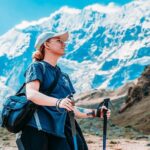
Salkantay hits hard, then pays you back with views. This 4-day trek from Cusco brings you to Lake Humantay and across the dramatic Salkantay Pass, then finishes with an early morning visit to Machu Picchu.
I like how the experience is built around comfort you can actually use: tents, a real kitchen setup, and a chef and team handling meals and tea each day. I also like the small-group feel (limited to 15), which usually means you’re not stuck moving with a crowd.
One key drawback to consider: the walking itself is tough, and the “do we have every ticket and transfer confirmed” part can be sensitive. In one verified booking, the hiker had to purchase Machu Picchu and train tickets last minute after tickets weren’t delivered as expected, so I’d treat confirmation as part of your job too.
In This Review
- Key points to know before you go
- Salkantay Trek 4 days: why this route still feels real
- Day-by-day: your 4 days from Cusco to Machu Picchu
- Day 1: Cusco pickup to Soraypampa, plus Lake Humantay
- Day 2: Salkantay Pass climb, Huayracmachay lunch, then Chaullay huts
- Day 3: Santa Teresa Valley to Aguas Calientes via hydroelectric
- Day 4: Machu Picchu morning plan, then train back to Cusco
- What’s actually included (and why it’s good value)
- You get a real team: guide + chef + kitchen setup
- You get camp basics: domes/cabins + mat + dining tent
- Pack animals handle tents and a chunk of your load
- Gear reality check: what you should pack (and what costs extra)
- Included comfort items
- Not included: sleeping bag and trekking sticks
- Water and lagoon entry fees
- Price and logistics: where the trip feels fair, and where you must verify
- Where each stop wins (and what can feel challenging)
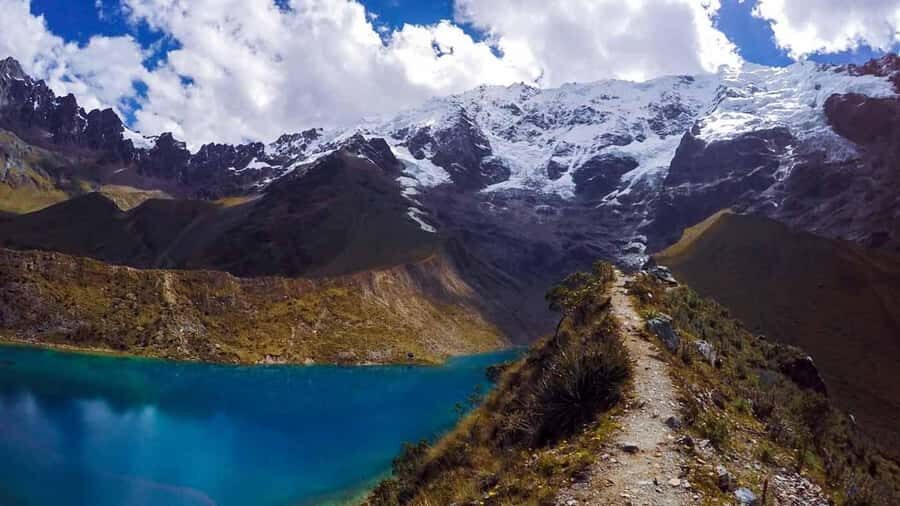
- Humantay Lagoon: the pretty payoff after your first hike
- Salkantay Pass: the views, the pain, and the pacing lesson
- Chaullay huts: a sleep upgrade that changes the mood
- Aguas Calientes arrival: finish fatigue + Machu Picchu excitement
- Who this trek suits best
- Should you book the Salkantay Trek with meals and equipment?
- FAQ
- How high do you go on the trek?
- Are meals included during the 4 days?
- Is Machu Picchu entrance included?
- Do you get a sleeping mat and lodging?
- What train is included, and what time does it leave?
- What important items are not included?
Key points to know before you go
- Lake Humantay on Day 1: an easy win after the first long walk into camp.
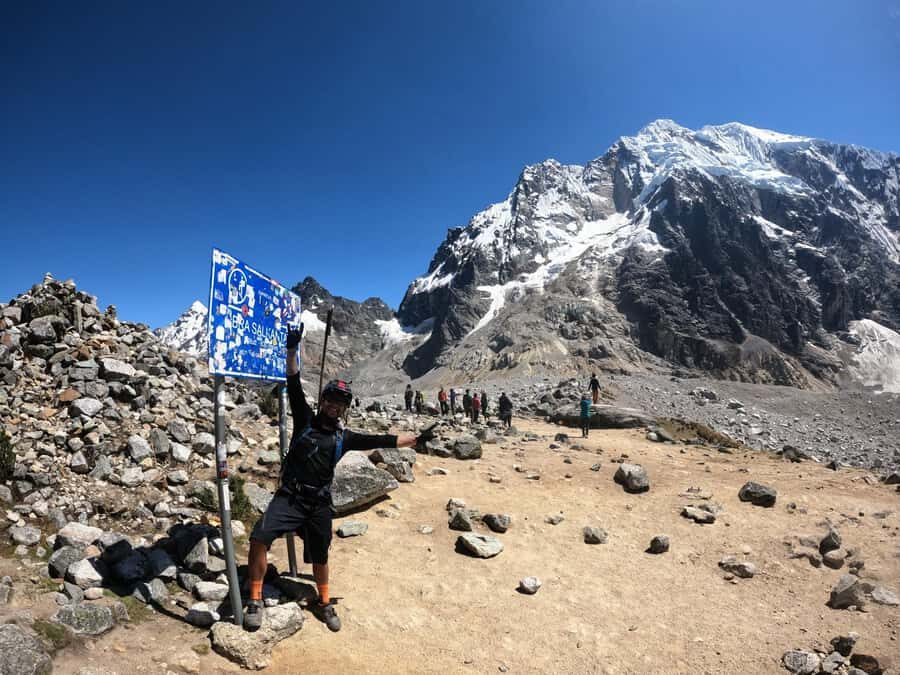
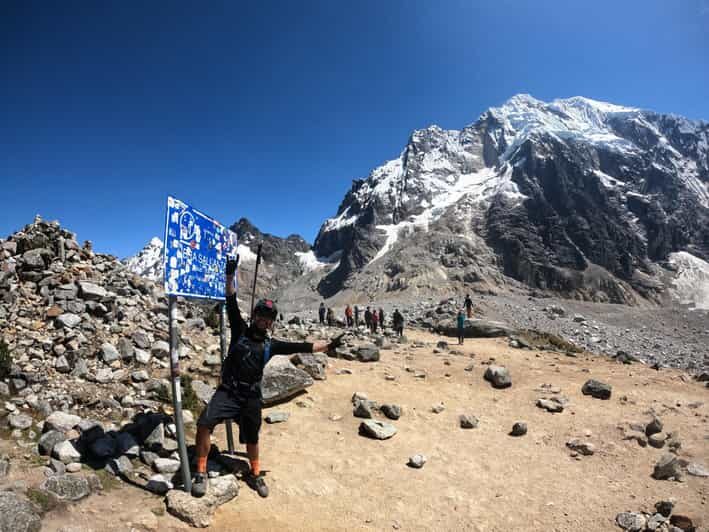
- Salkantay Pass Day 2: 6,264m views are the main event, and it’s the hardest day.
- Chaullay camp at 2,900m: you’ll sleep in indigenous huts, not just generic tents.
- Aguas Calientes finish: a mix of Santa Teresa valley transit, then a rail-track walk into town.
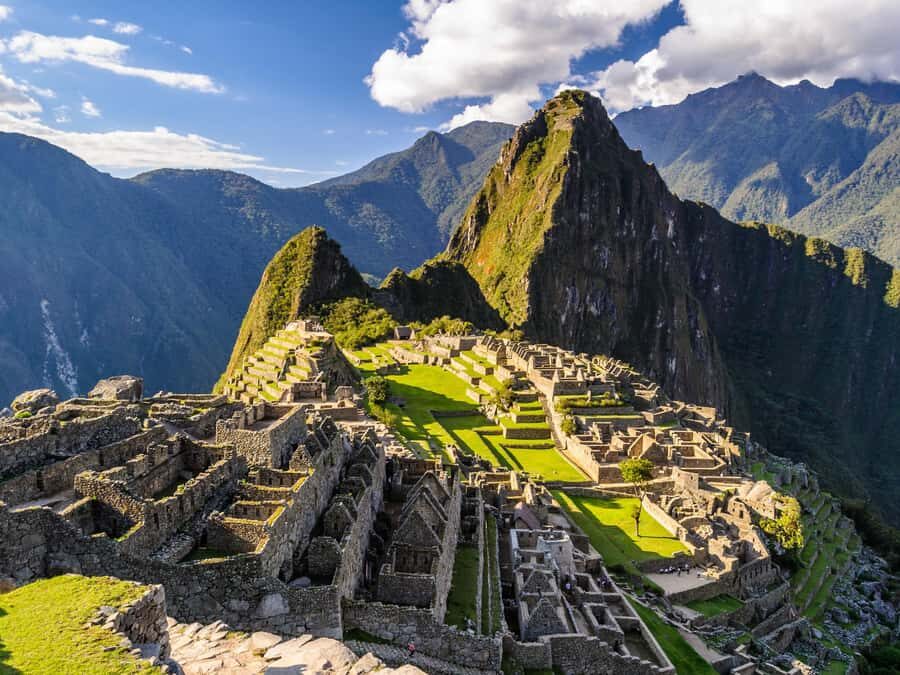
- Machu Picchu early access: you aim to beat crowds and get a guided 2-hour visit.
- Some costs are extra: lagoon entrances, certain transport legs, and the optional bus up.
Salkantay Trek 4 days: why this route still feels real
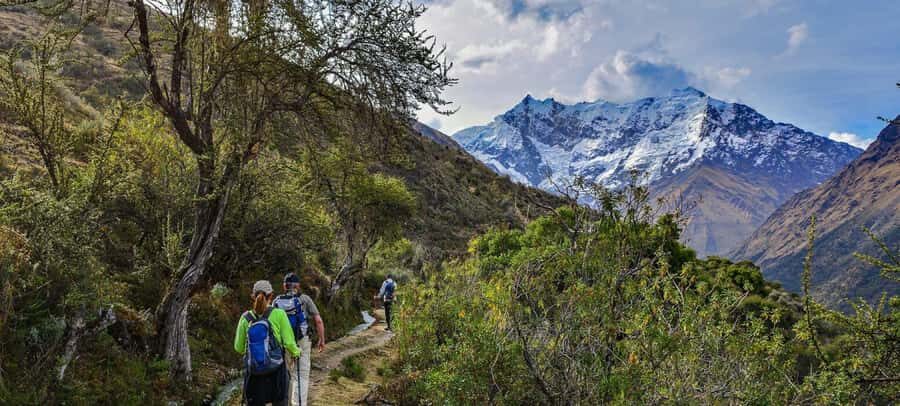
If you’ve ever done the classic Inca Trail, you already know the feeling: impressive place, but sometimes you’re more aware of timing than scenery. The Salkantay Trek hits the same prize—Machu Picchu—using a route that’s generally less stuffed, so you spend more time looking around instead of watching the line ahead of you.
What makes this version interesting is the rhythm. You’re not just “walking to a checkpoint.” You’re hiking into high Andean terrain (Soraypampa at about 3,900m), then you’re climbing toward the Salkantay Pass, then you’re dropping down into warmer valleys, ending with the last stretch into Aguas Calientes. That mix usually makes the trip feel like a journey rather than a slog.
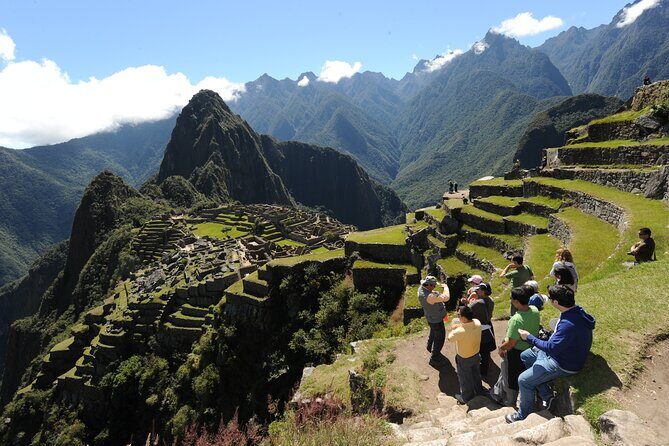
Also, you get a guided Machu Picchu stop as part of the package, with the entrance timed so you can enjoy the site in soft morning light. That matters because Machu Picchu is time-managed, and your experience depends on when you’re there.
You can also read our reviews of more hiking tours in Cusco
Day-by-day: your 4 days from Cusco to Machu Picchu
This trek is built with early starts, steady pacing, and altitude-aware camping. It’s not a “sleep in and stroll” plan, so if you like schedules and clear milestones, you’ll feel comfortable.
Day 1: Cusco pickup to Soraypampa, plus Lake Humantay
Your day begins with a pickup in Cusco around 4:45 AM to 5:30 AM, then a bus ride toward Mollepata. After about two hours on the road, you stop in Mollepata for breakfast (not included), plus a chance to stock up on anything you forgot and use bathrooms.
Around 9:30 AM, you start hiking toward Soraypampa at roughly 3,900m. A normal pace takes around 4 hours, with lunch waiting at Soraypampa once you arrive. After lunch, you go to Humantay Lagoon. Then it’s dinner at camp, hot and ready so you can refuel for tomorrow’s big climb.
What this day feels like in practice: it’s your altitude warm-up and gear check. If you’re carrying your own water and snacks, this is where you learn what “comfortable effort” feels like before the pass day.
Day 2: Salkantay Pass climb, Huayracmachay lunch, then Chaullay huts
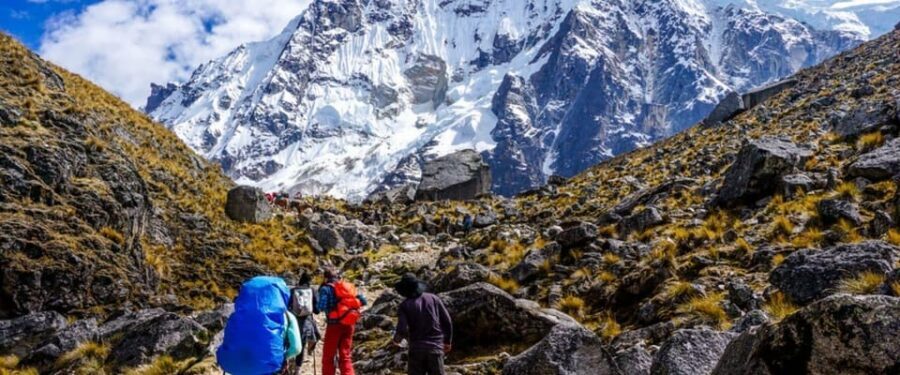
Day 2 starts early too. Breakfast is around 5:00 AM, and you begin the hardest part at about 6:00 AM. This is the day you tackle the Salkantay Pass, the highest point of the trek.
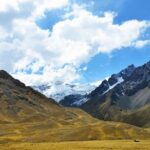
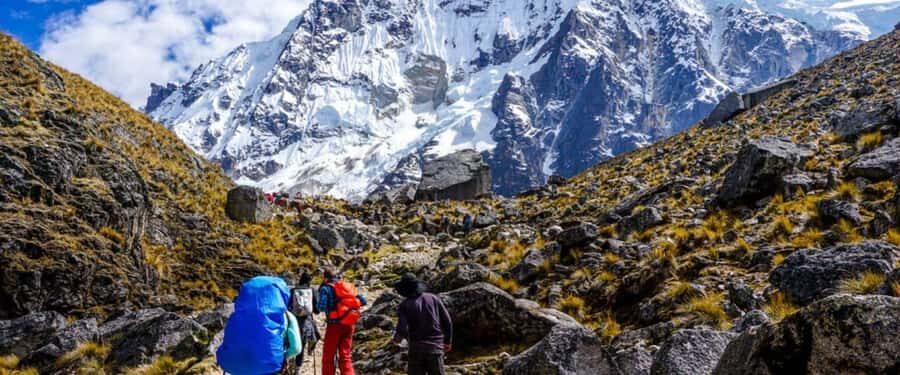
You’ll hike about 6 kilometers uphill, through rocky, high-mountain scenery. Along the way, you’ll see Mount Salkantay, and you reach the top around the early afternoon window. Then there’s about 2 hours of descent, and you eat lunch around 1:00 PM in the Huayracmachay area.
After lunch, you continue downhill for roughly 3 hours to your camp at Chaullay (around 2,900m). The highlight here is how you sleep: you’ll stay in indigenous huts, which generally feels more grounded than sleeping only in standard trekking tents. Dinner comes around 6:00 PM so you can recharge.
Consideration: the pass day is the “show up or suffer” day. If your legs are already tired from Cusco altitude, this can feel heavier. The upside is that the views are the reason people do Salkantay.
Day 3: Santa Teresa Valley to Aguas Calientes via hydroelectric
Day 3 shifts from “mountain effort” to “finish-line logistics,” while still keeping you on your feet.
At 6:00 AM, you hike toward La Playa through the Santa Teresa Valley. After lunch in La Playa, you transfer to the hydroelectric plant for about 1.5 hours, then walk roughly 10 kilometers along the railroad track to Aguas Calientes, taking about 3 hours.
This is where you’ll start feeling the contrast: less steep than the pass day, but longer walking time and more chances to get tired if your pace is too fast early on. When you arrive, you get your one-night accommodation in Aguas Calientes (hostel).
Practical note: transport specifics matter on this day because Playa Sahuayaco to Hidroelectrica is listed as PEN 30 extra. I’d budget for it and keep some cash handy.
A few more Cusco tours and experiences worth a look


Day 4: Machu Picchu morning plan, then train back to Cusco
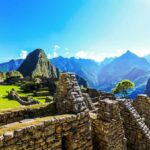
You wake up early so you can beat the crowds at the top of Machu Picchu. The entrance control point runs 6:00 AM to 3:00 PM, and you’re aiming for that early window so the site feels more calm.
You can go up to Machu Picchu by bus for an optional $12. Then you enter the Royal Citadel with a 2-hour guided tour. That guide time is helpful because Machu Picchu can feel like a maze if you don’t know what to look for.
After the guided portion, you’ll take the train from Aguas Calientes to Ollantaytambo. Departures are listed as 4:22 PM or 6:20 PM depending on availability. From there, a group minivan takes you back to Plaza San Francisco in Cusco.
One more thing: the day ends based on train schedules. If your train is early, you’ll have less time to roam Aguas Calientes that morning.
What’s actually included (and why it’s good value)
This package is built around taking the burden off your shoulders: guide, meals, camp setup, and the Machu Picchu + train core are included.
Here are the big-ticket inclusions that make the $410 price feel more reasonable:
You get a real team: guide + chef + kitchen setup
You’ll travel with a professional official English-speaking guide and a chef and kitchen team. Meals include 3 breakfasts, 3 lunches, 3 dinners, plus a daily morning snack and daily tea service (not on the last day).
In the real world, that means you’re not boiling water in the dark and guessing at portions. You’re hiking, and you’re fed.
Also included: biodegradable hand soaps and biodegradable dishwashing detergents used by kitchen staff, which is a nice touch in areas where waste management matters.
You get camp basics: domes/cabins + mat + dining tent
Sleep isn’t just a “survive” situation here. You’ll have camping with domes (4 people in each) and cabins (2 people), plus 1 mat per person. There’s also a dining tent with tables and chairs and a kitchen.
You’re still at altitude and outdoors, so layers matter. But the setup reduces the fatigue that comes from having to build and manage everything yourself.
Pack animals handle tents and a chunk of your load
From days 1 to 4, pack animals transport the tents, food, and kitchen utensils. Also, pack animals can transport personal equipment up to a max of 5 kg per person on days 1 to 3.
This is one of the smartest inclusions. If your backpack is heavy, uphill feels awful fast. Keeping the weight down helps your day 2 pass climb go from brutal to merely intense.
Gear reality check: what you should pack (and what costs extra)
Even with a lot included, you’ll still need to show up prepared.
Included comfort items
- Sleeping mat
- Camp lodging (domes/cabins) and kitchen support
- First aid kit with emergency oxygen bottle
- Walking staff? Nope (see next section)
Not included: sleeping bag and trekking sticks
- Sleeping bag: not included. Rental is listed as a -10°C comfort sleeping bag (0°F), cleaned after each use, up to 30 trips. Cost is 20 USD for the entire trip.
- Walking sticks: listed as 20 USD a pair for the entire trip.
If you don’t rent the sleeping bag, you’ll want your own warm sleep setup. Camp nights can get cold at high altitude.
Water and lagoon entry fees
- Drinking water can be purchased or you can bring a filter.
- Lake Salkantay and Humantay entrance: 20 soles not included.
Day 1 includes Humantay Lagoon as a planned stop, so budget that entrance fee rather than hoping it’s folded into the base price.
Price and logistics: where the trip feels fair, and where you must verify
On paper, $410 for a 4-day Salkantay Trek with meals, guide, camp setup, Machu Picchu entrance, and a train ticket is solid. The value comes from stacking inclusions that are annoying and expensive to arrange yourself: camp kitchen operations, guided Machu Picchu time, and the Aguas Calientes to Ollantaytambo train.
But logistics are where you should stay alert. In one verified booking, the hiker reported that Machu Picchu and train tickets were not sent despite booking months in advance. They ended up buying the Machu Picchu and train tickets themselves the day before, then had to leave Aguas Calientes later than ideal, limiting time at the site due to train constraints.
This doesn’t mean your trip will go the same way. Still, it points to a smart approach: confirm your exact Machu Picchu entrance details and train timing before day 1, and make sure you have clear ticket proof and the emergency contact details. The operator lists 24-hour customer service, with an emergency number available during your visit, so have that info saved offline.
Also remember: there are extra costs that can change your day if you don’t plan ahead:
- Optional bus up to Machu Picchu ($12)
- Transportation Playa Sahuayaco to Hidroelectrica (PEN 30)
- Lunch on the last day after the guided Machu Picchu tour (not included)
Where each stop wins (and what can feel challenging)
Here’s the honest breakdown of what you’ll likely love—and what may test you.
Humantay Lagoon: the pretty payoff after your first hike
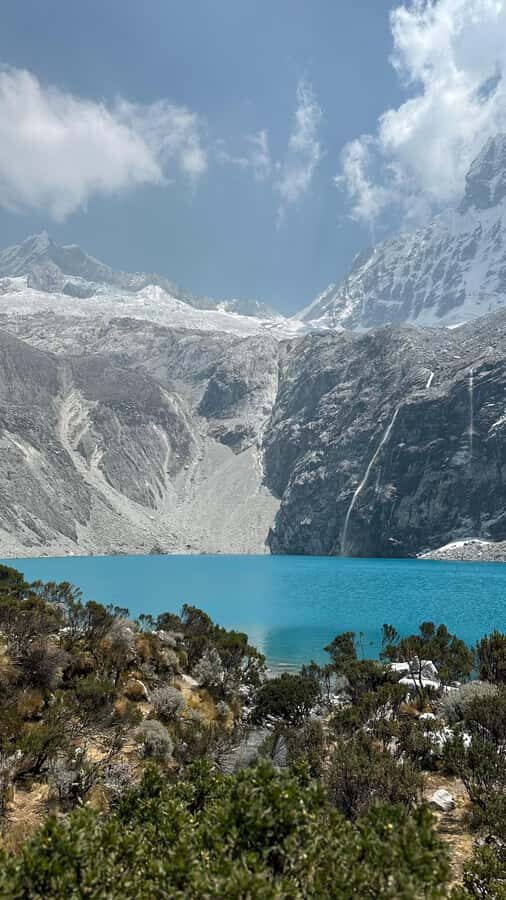
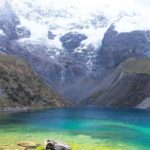
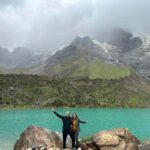
Humantay Lagoon is one of the big visual reasons to do this trek. After reaching Soraypampa, it gives you a reward that feels close to the “vacation” side of travel, even though you’re still in training-mode altitude.
Salkantay Pass: the views, the pain, and the pacing lesson
Day 2 is the pivot point. The climb to the pass is tough, but the views around Mount Salkantay are exactly what people chase. If you pace yourself early, this day becomes manageable. If you sprint uphill, you’ll pay for it on descent and afterward.
Chaullay huts: a sleep upgrade that changes the mood
Indigenous huts at around 2,900m make night feel less like camping-by-force. You’ll still be cold at altitude, but you’re not only sleeping in a tent sack.
Aguas Calientes arrival: finish fatigue + Machu Picchu excitement
The rail-track walk is scenic in a practical way. It’s long enough that you arrive tired, but it also signals you’re almost done. That’s good. Your body can’t do unlimited drama once it knows the finish line.
Who this trek suits best
This Salkantay Trek is a strong match if:
- You want Machu Picchu without committing to the busier Inca Trail approach.
- You like guided structure and a camp setup that handles meals and basics.
- You can hike uphill and handle altitude days with early starts.
It may not be the best fit if:
- You’re expecting a gentle trek.
- You hate scheduling and timed entry. Machu Picchu mornings depend on early timing.
- You rely on last-minute ticket help and don’t want to double-check details yourself.
Should you book the Salkantay Trek with meals and equipment?
My take: yes, if you want the classic “high Andean to Machu Picchu” story and you value meal support, camp setup, and early guided access at the end. The route’s mix—Lake Humantay, the Salkantay Pass, indigenous-hut night, and a guided Machu Picchu visit—hits a lot of the things you can’t easily replicate by yourself.
Book it with one mindset shift: treat ticket verification as part of your prep. Save proof, confirm your train timing, and have extra money set aside for lagoon entry, the hydroelectric transfer fee, and the optional bus to Machu Picchu. Do that, and you’ll spend less time worrying and more time enjoying what this trek is famous for.
Also note the operator warning about June–August 2024 access to Machu Picchu being restricted: ask for the exact plan for your dates so you’re not surprised by what’s available during that period.
FAQ
How high do you go on the trek?
The highest point is the Salkantay Pass, listed at 6,264 meters.
Are meals included during the 4 days?
Yes. The plan includes 3 breakfasts, 3 lunches, and 3 dinners, plus a daily morning snack and daily tea service except the last day. Breakfast on the first day is not included.
Is Machu Picchu entrance included?
Yes. Entrance to Machu Picchu is included, along with a 2-hour guided tour.
Do you get a sleeping mat and lodging?
Yes. You’ll get 1 mat per person and camping with domes/cabins as provided, plus 1 night accommodation in Aguas Calientes (hostel).
What train is included, and what time does it leave?
The package includes the train ticket from Aguas Calientes to Ollantaytambo. Departure times are listed as 4:22 PM or 6:20 PM, depending on availability.
What important items are not included?
A few big ones: walking sticks (listed as an optional rental) and a sleeping bag (listed as optional rental). Also, Lake Salkantay and Humantay entrance fees and some transport legs (like PEN 30 for Playa Sahuayaco to Hidroelectrica) are not included. The optional bus up to Machu Picchu is also extra.