REVIEW · CUSCO
5-Day Salkantay Trek to Machupicchu Sky Lodge Dome
Book on GetYourGuide →Operated by TERRA QUECHUA PERU · Bookable on GetYourGuide
Machu Picchu begins on hard roads. This 5-day Salkantay trek from Cusco mixes altitude drama, real jungle-to-cloud-forest change, and private dome nights with hot showers. You’ll hit Humantay Lagoon day one, climb to a high pass near 4,650 m, and finish with a sunrise bus to Machu Picchu.
What I like most is the way the tour keeps you comfortable when you’re not hiking: luxury domes with private bathroom and hot shower, plus a real base in Aguas Calientes for the night before Machu Picchu. And you’re not doing this alone—expect a professional bilingual guide and an Andean ceremony offering to Mother Earth on day one.
One drawback to take seriously: the Machu Picchu side can hinge on ticket timing, and I’ve seen cases where info wasn’t clear until the last minute—so you should confirm your Machu Picchu ticket slot early, not the day before.
Key things that make this trek worth it
- Private dome comfort: each night includes a private bathroom and hot shower (even if the temperature outside reminds you you’re in the Andes).
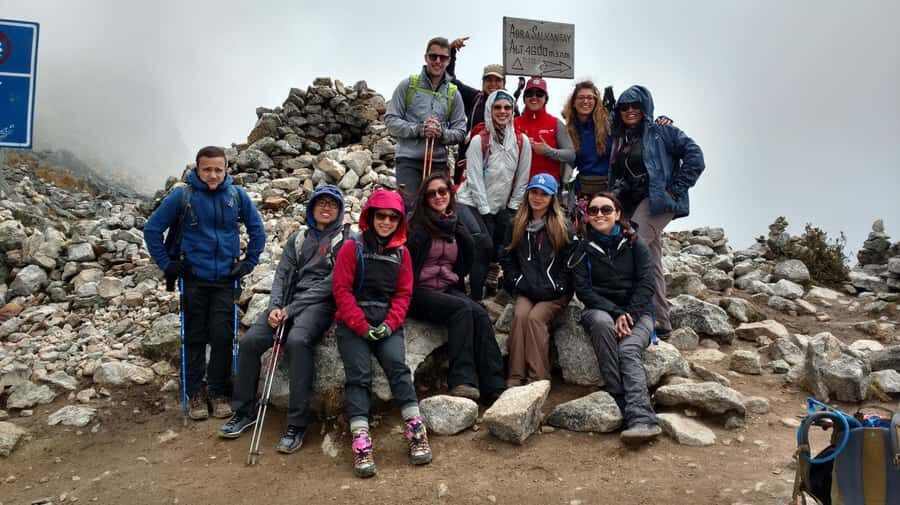
- That 4,650 m pass view: you’ll cross the Salkantay high point with huge mountain views and real snow-possibility in season.
- Coffee plantation day: you walk into the “high jungle” and camp in geodesic domes, then learn the coffee process.
- Partial Inca trail experience: day four includes time on the older route near Llaqtapata before the Hydroelectric area.
- Early Machu Picchu access: you’re set up to take the first bus (5:30 am) so sunrise is the goal, not an afterthought.
- Small group size: limited to 10 participants, which matters when you’re moving on steep, narrow paths.
In This Review
- Why the Salkantay-to-Machu Picchu Route Still Feels Real
- Day 1: Cusco Pickup, Mollepata Breakfast, Humantay Lagoon, and Sky Lodge Domes
- Day 2: The 4,650 m High Pass and the Mountain-Butting-Your-Face Views
- Day 3: Lluskamayo River Crossing, High Jungle Steps, and Coffee Plantation Domes
- Day 4: Llaqtapata Timing, Hydroelectric Lunch, and the Train-Track Walk to Aguas Calientes
- Day 5: First Bus at 5:30 am, a 2-Hour Guide Tour, and Optional Huayna Picchu
- Price and Logistics: Is $700 Good Value Here?
- Packing for Cold Nights, Hot Springs, and High Pass Breathing
- Meals and Guides: The Human Part That Makes Days 1–5 Work
- Who This Trek Fits Best (And Who Should Think Twice)
- Should You Book This Salkantay Trek to Machu Picchu Sky Lodge Domes?
Why the Salkantay-to-Machu Picchu Route Still Feels Real
This trek earns its reputation. The Salkantay route is not just a way to get to Machu Picchu—it’s a multi-day altitude and climate shift you feel in your legs, your breath, and your photos.
You start in the Cusco area and move through very different terrain: high Andes viewpoints, then down toward the high jungle. You also get a couple of “bonus” moments that most standard treks skip, like visiting Humantay Lagoon on day one and camping in a coffee plantation setting on day three.
And the tour structure keeps you moving without the usual chaos. Gear is handled by horsemen and mules (up to 7 kilos per person), meals are cooked for you, and you sleep in private domes instead of a crowded tent campground.
If you want Machu Picchu with fewer buses and more walking, this is a strong fit.
Day 1: Cusco Pickup, Mollepata Breakfast, Humantay Lagoon, and Sky Lodge Domes
You’ll get picked up from your Cusco hotel around 4:30–5:00 am. Then the tour drives you roughly two hours to Mollepata for breakfast. After that, you transfer again to Challacancha (about 40 minutes more) where the hike begins.
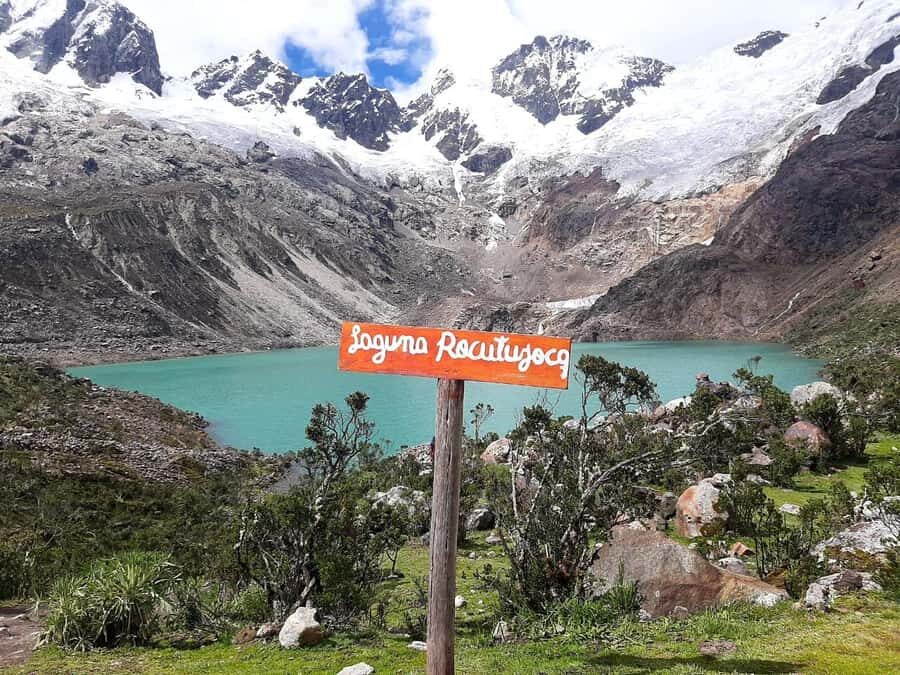
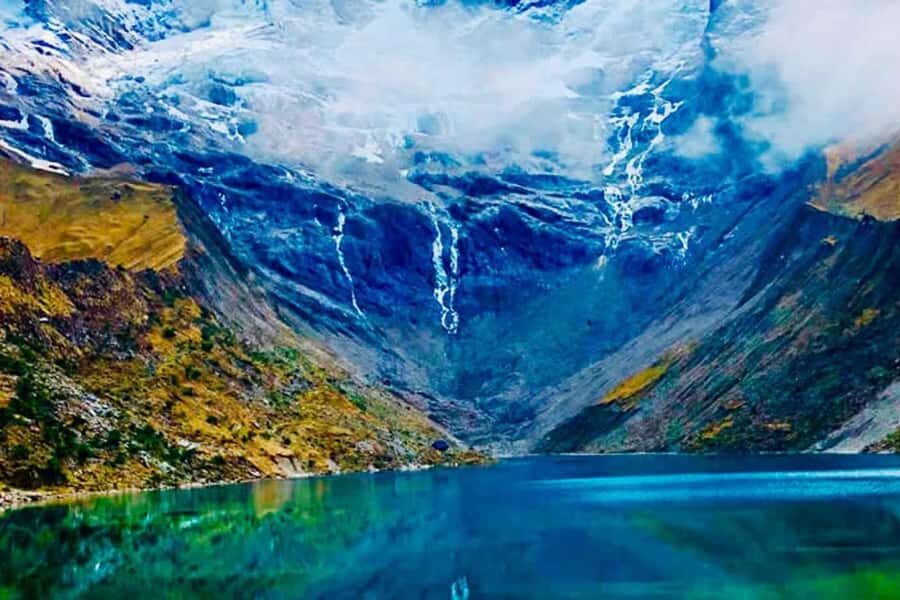
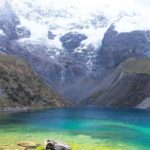
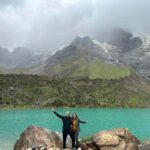
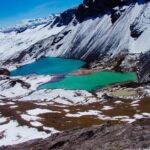
This first day is the “get your feet under you” setup. You’ll also visit Humantay Lagoon—it’s one of those Andean stops where the views feel cinematic even when you’re still waking up. The goal is to see it early enough that the area isn’t swamped and you’re not totally smoked before the real climbing starts.
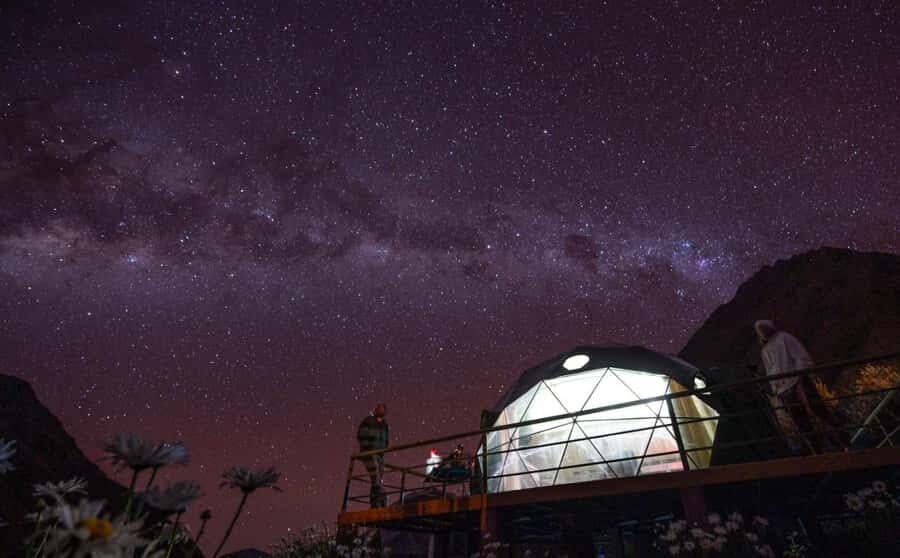
Night one is in geodesic/luxury domes at the Soraypampa campsite area. The big practical win here is privacy: the domes have private bathroom and hot shower. That means fewer compromises at the end of a long day.
One thing to remember for day one: you’re at altitude. Even if the hiking is lighter than later days, don’t treat it like an easy warm-up. Take it slow, sip water, and let your body settle.
You can also read our reviews of more hiking tours in Cusco
Day 2: The 4,650 m High Pass and the Mountain-Butting-Your-Face Views
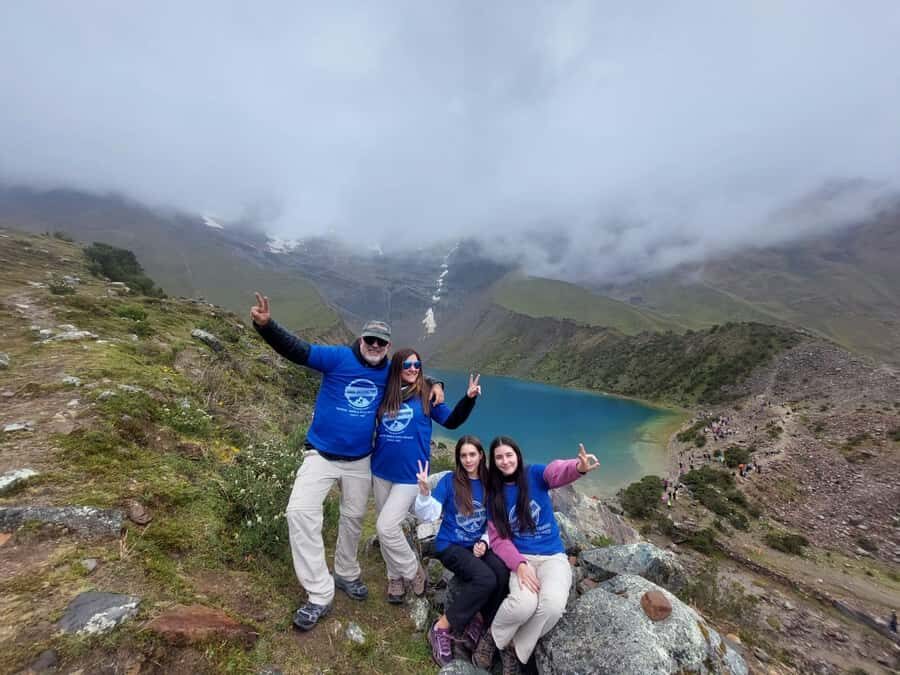
Day two is where Salkantay stops being a “trek” and starts being a challenge.
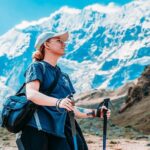
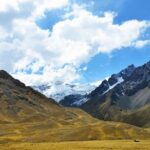
After breakfast around 5:30 am, you hike toward the highest point on the itinerary, a pass at about 4,650 m / 15,200 ft. The pass sits between two towering peaks: Salkantay on the right and Tucarhuay on the left.
From the pass, the views are the whole point. This is where you might see snow depending on season and conditions. The air can feel sharp, your breathing turns careful, and every pause helps.
Practical tip: pacing matters more than speed. You’ll get better scenery and feel less wrecked by controlling your effort on the climb, not by sprinting at the start.
You’ll end the day at Chaullay campsite in domes again. This night is one reason I like this itinerary design: you’re not stuck in basic accommodations after a brutal day. You’ve got hot water and your own bathroom to reset your body.
Day 3: Lluskamayo River Crossing, High Jungle Steps, and Coffee Plantation Domes
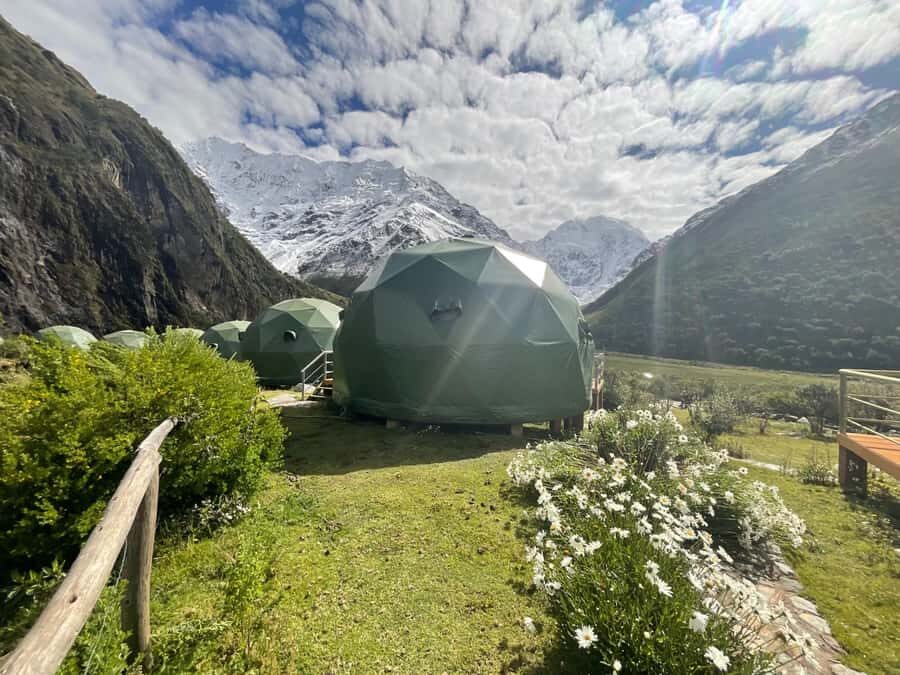
Day three changes the vibe. After breakfast at around 6:30 am, you start hiking through the high jungle and cross the Lluskamayo River plus several streams.
The route here is described as about 4 hours of walking to reach Playa, and you’ll sleep in geodesic domes in a coffee plantation.
Here’s what makes this stop valuable beyond the novelty. You’ll learn about the coffee process, including how coffee is harvested, roasted, and ground as part of the trek experience. It turns a transit day into something you can remember even after the legs recover.
You’ll be camping, but you’re camping somewhere that makes sense for the elevation transition—plants, crops, and humid air start taking over, and you notice it even without a guide explaining everything.
Small advice: bring any extra layers you can tolerate. Day three can feel warmer than day two, but evenings can still get chilly at altitude—especially after a lot of exertion.
Day 4: Llaqtapata Timing, Hydroelectric Lunch, and the Train-Track Walk to Aguas Calientes
Day four is a long day with big payoffs.
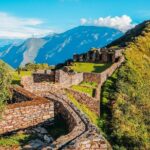
After breakfast around 6:30 am, your aim is to arrive early at Llaqtapata. This includes walking a portion of the original Inca trail, so you’re not just rushing downhill—you’re stepping onto a route with historical weight.
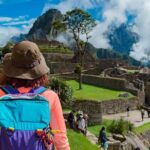
You’ll get time to experience life in the area too, including the chance to harvest fruits and enjoy some of the best views over the Urubamba Valley. You’ll also get what everyone wants: your first strong glimpse of Machu Picchu in the background.
Then you head toward Hydroelectric, where the itinerary includes lunch. After that, you continue walking through areas of crop plantations—coca, banana, and other crops are part of the route—and you follow the train track for about 2.30 minutes (you’ll cover the distance on foot until you reach town).
You finish in Aguas Calientes, staying in a hostel for the night. This is your “recharge town.” You can use the hot springs there (entrance is listed as 10 soles), which is a solid way to soothe sore legs before Machu Picchu day.
Watch-out on day four: it’s easier to underestimate the fatigue. You’ve hiked and crossed terrain for days already, and day four adds both route time and the “almost there” stress of knowing Machu Picchu is next.
Day 5: First Bus at 5:30 am, a 2-Hour Guide Tour, and Optional Huayna Picchu
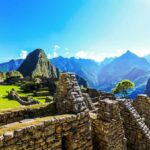
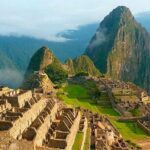
Day five starts early—around 5:00 am for waking and breakfast. The plan is to take the first bus from Aguas Calientes to Machu Picchu at 5:30 am, with the ride listed as about 25 minutes. The purpose is clear: catch the site as the sun rises.
Once you’re there, your guide provides a 2-hour tour. This helps you get oriented fast—where to look, what you’re seeing, and why certain parts matter, even if you’ve read about Machu Picchu before.
After the guided portion, you can explore on your own. If you still have energy, there’s also an optional climb to Huayna Picchu (listed at 2,720 m / 8,890 ft). The itinerary notes it takes about 1 hour 45 minutes to reach the top, but availability matters, so plan ahead.
Then you take the train back. The itinerary lists options around 2:00 pm–4:00 pm or 6:20 pm, depending on train availability. You’ll arrive in Ollantaytambo and then take a private transport back to Cusco.
This is a good place for expectation-setting: Machu Picchu day is not a slow stroll. It’s a packed morning, then a chosen pace after your guide tour.
A few more Cusco tours and experiences worth a look
Price and Logistics: Is $700 Good Value Here?
$700 per person for 5 days includes a lot of the expensive, time-consuming parts of this trip—especially in a region where most costs stack up quickly.
Here’s what your money covers (based on the tour info):
- Professional bilingual guide (Spanish-English)
- Hotel pickup in Cusco
- Key transportation links: Cusco to Soraypampa area and Ollantaytambo back to Cusco
- Train: Aguas Calientes to Ollantaytambo
- Machupicchu ticket and bus up to the site
- 1 night in Aguas Calientes
- Meals: 4 breakfasts, 4 lunches, 4 dinners, and 4 snacks
- Dome lodging for multiple nights, plus private bathroom and hot shower
- Andean ceremony on day one
- Horsemen/mules to transport equipment and personal luggage (up to 7 kilos per person)
- A cook and kitchen setup (dining tent, kitchen with chairs and tables)
- First aid kit
What’s not included:
- First breakfast and last dinner
- Sleeping bag
- Trekking sticks
So is it worth it? Usually yes, if you value having meals cooked for you, sleeping in private domes, and letting logistics run the show while you focus on hiking.
Where the value can slip is if you assume Machu Picchu ticket details will be handled without you checking. One experience showed that ticket information wasn’t shared clearly until the day before departure, and it forced a last-minute change (shortening the hike by a day). That’s not “your” fault, but it is a risk you can reduce fast by verifying your Machu Picchu slot and bus arrangement before the trek begins.
Packing for Cold Nights, Hot Springs, and High Pass Breathing
The itinerary tells you to bring warm clothing, and that’s not just a suggestion.
You should plan for:
- Warm layers (daytime can trick you, then evenings hit)
- Sunglasses and sun hat (high altitude glare is real)
- Daypack
- Hiking shoes with grip
- Cash for small purchases like the hot springs entry (10 soles is listed)
- Passport or ID for Machu Picchu procedures
Also check the gear rules:
- Your duffel bag is carried for you until the third day.
- From day 4, you carry your own bag.
- You have a 7 kg limit for personal luggage carried by horsemen/mules.
Sleeping bag and trekking sticks aren’t included. If you hate cold damp tents, bring a proper sleeping setup.
Finally, altitude matters. The tour specifically recommends arriving in Cusco at least 2 days before to acclimatize. Do that. Skipping acclimatization doesn’t save time—it just adds pain and raises the odds you’ll slow down on the high pass.
Meals and Guides: The Human Part That Makes Days 1–5 Work
You’re not just buying a route. You’re buying the people who run it.
In the experiences I saw tied to this operator, guides like Roberto and Abel were singled out for professionalism and problem-solving. Cooks such as Mario and Exaltación also received strong praise for keeping meals consistent and actually good after long hiking days.
That matters because food isn’t a side detail on a trek like this. When you’re eating on schedule—breakfast around the stated times, lunch breaks built into the route—you keep your energy from crashing at the exact wrong moment.
Also, the tour includes an Andean ceremony on the first day offering to Mother Earth. Whether you treat it as spiritual tradition or cultural education, it sets a tone: this isn’t just sightseeing. It’s a relationship with the land you’re about to cross.
Who This Trek Fits Best (And Who Should Think Twice)
This is a challenging, rewarding trek. It’s ideal for people looking for the kind of effort that leads to real satisfaction—especially if you’re excited by a route that crosses from the mountains down toward the high jungle before returning up for Machu Picchu.
It’s not suitable for:
- People with back problems
- People with heart problems
- Pregnant women
- People with mobility impairments
One more note: the tour info also states wheelchair accessible. I’d treat that as a caution flag and ask the provider for the exact level of route difficulty and support you’d need. The hiking itself is the core of this experience, so don’t rely on the word alone.
If you’re traveling solo but social enough for a small group, the 10-participant limit is a nice balance. Too big and the trail becomes chaos. Too small and you might lose some support. Ten is a workable middle.
Should You Book This Salkantay Trek to Machu Picchu Sky Lodge Domes?
If you want a classic Salkantay approach with modern comforts—private domes, hot showers, cooked meals, and early sunrise Machu Picchu—this tour makes a lot of sense.
My decision checklist for you:
- You’re willing to acclimatize properly in Cusco (ideally 2 days).
- You can handle long walking days and a high pass near 4,650 m.
- You want the added value of coffee-plantation learning and the Llaqtapata experience.
- You’ll do one critical thing: confirm Machu Picchu ticket slot and bus timing before the trek starts, so there’s no last-minute scrambling.
If those boxes fit, you’ll likely love the mix of tough hiking and real comfort at night, plus the sense that Machu Picchu is earned—not just reached.